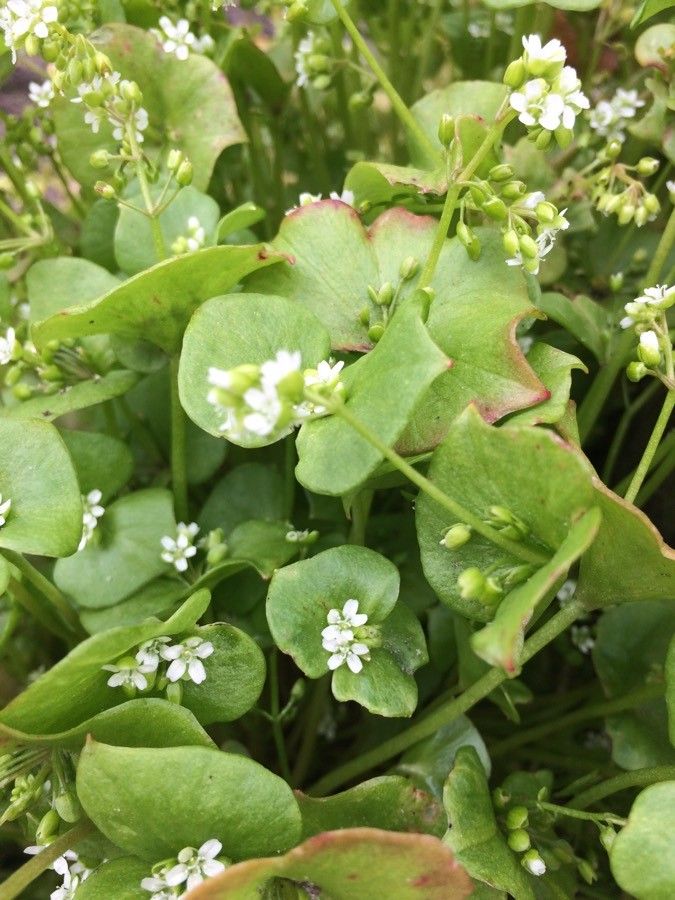
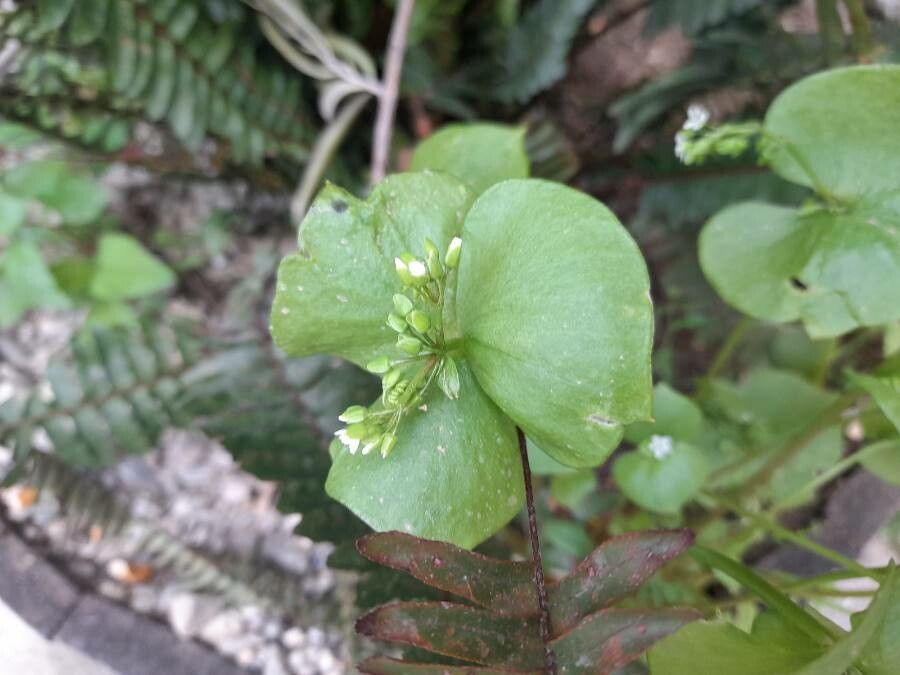
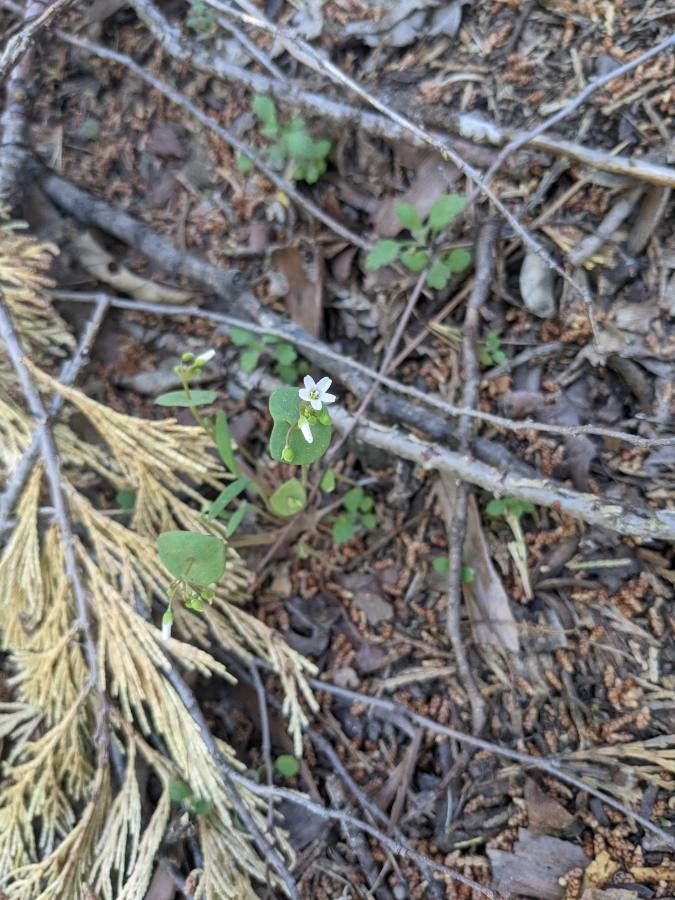
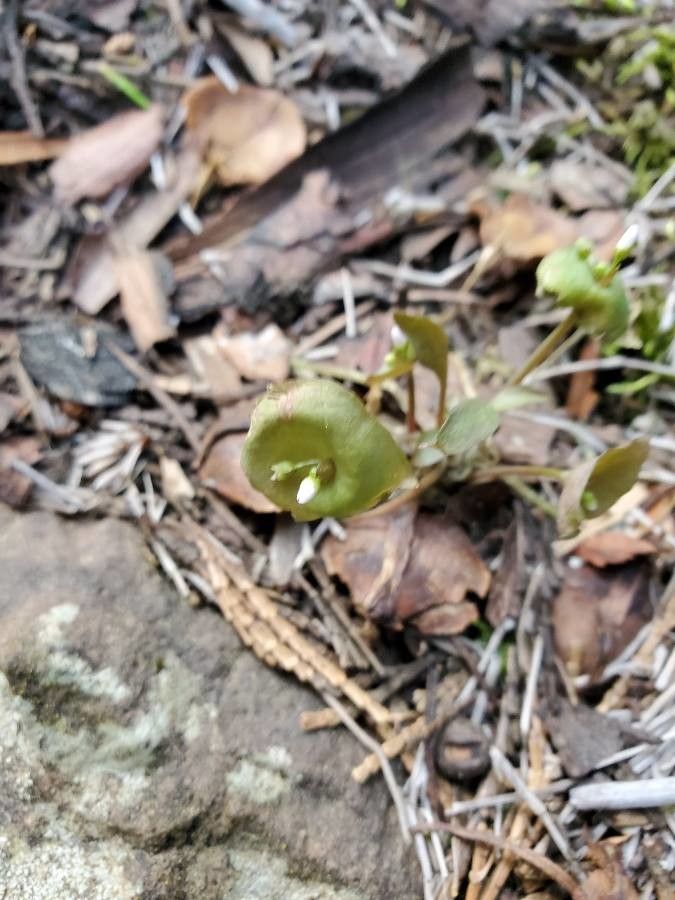
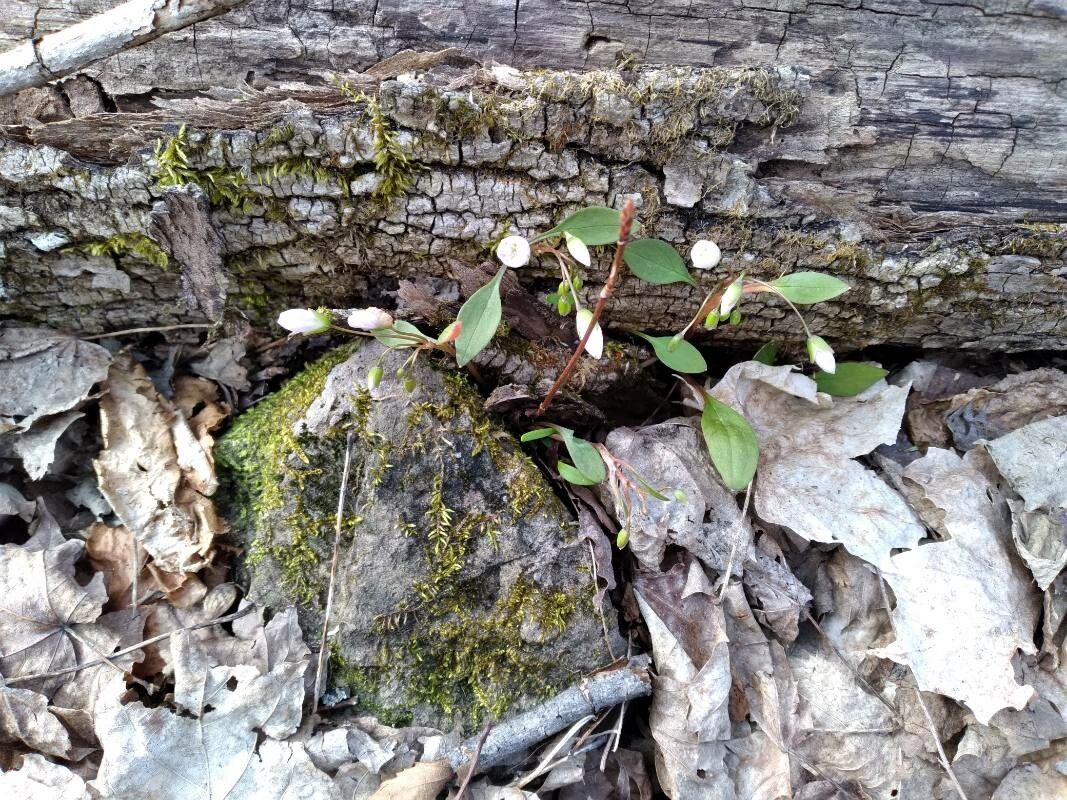
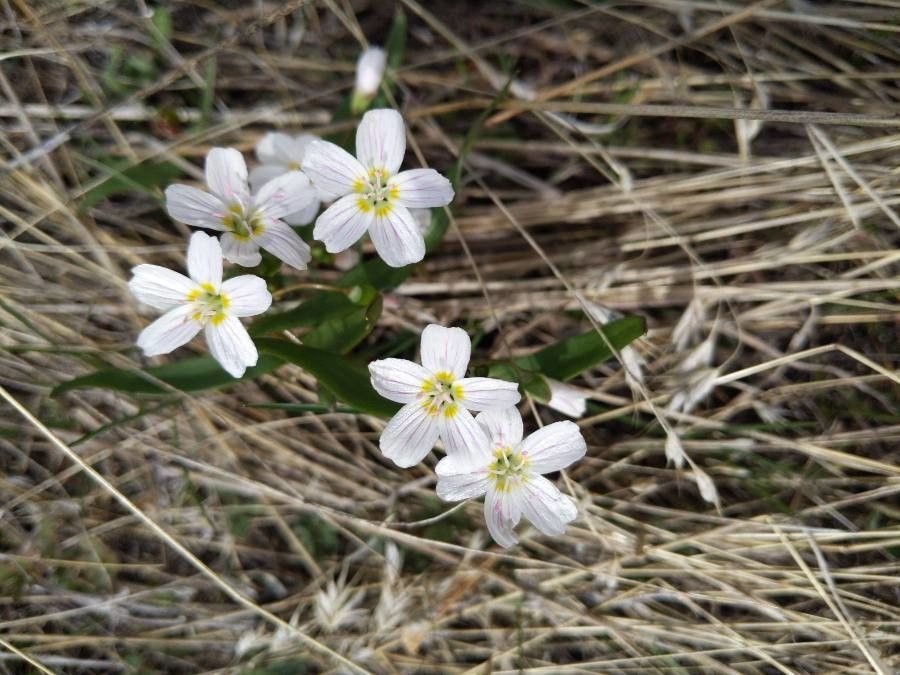
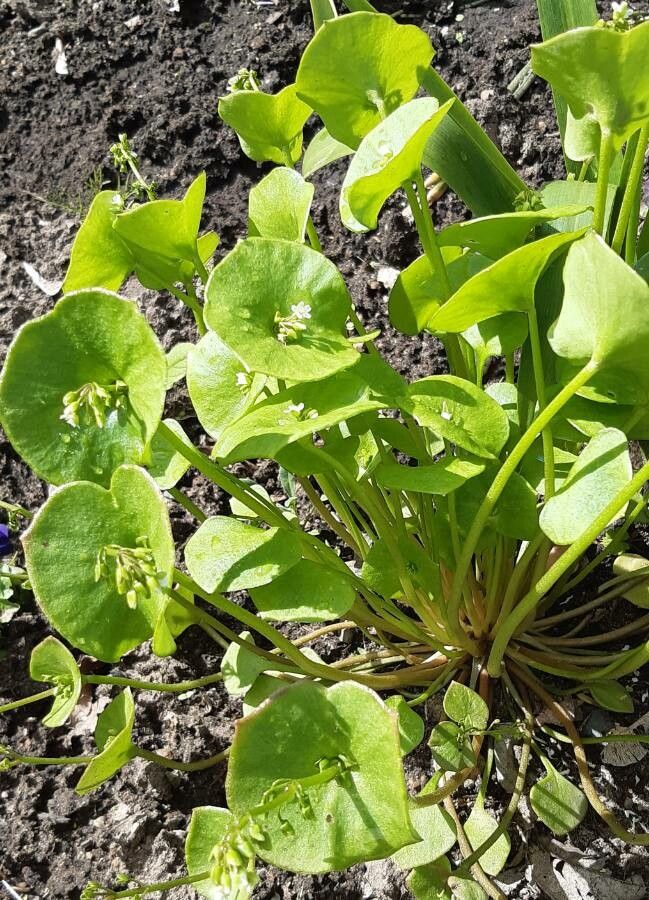
Claytonia parviflora, commonly known as the small-flowered spring beauty, is a perennial herbaceous plant in the Montiaceae family. Native to North America, it thrives in a variety of habitats including meadows, forests, and rocky slopes. The plant can grow up to 30 cm tall and features a basal rosette of oval-shaped leaves with pointed tips. These green leaves, characterized by prominent veins, can measure up to 5 cm in length. From March through May, small-flowered spring beauty produces delicate white or pink flowers. Each flower has five petals that are deeply notched at the tips, giving them a star-like appearance. These flowers are borne on slender stems that rise above the foliage. This plant serves as a critical food source for various wildlife species, including deer, elk, rabbits, and rodents. Additionally, its roots have been used by Native Americans for medicinal purposes, particularly in treating coughs and colds. Overall, Claytonia parviflora is an attractive wildflower species with delicate blooms that enhance the beauty of its natural habitat. It provides essential ecological benefits, supporting wildlife populations across North America's diverse ecosystems.
Miner's lettuce has moderate resistance to disease but can be prone to problems such as leaf spot. Its vulnerability to insect pests varies by variety, though most cultivars are less resistant to pests. For care, miner's lettuce requires regular watering and fertilizing, along with frequent removal of yellow leaves. It is important to address pests and diseases as they arise and to harvest the plant promptly. Miner's lettuce suits people who can invest some time and energy in routine care.
How to keep Claytonia Parviflora.
Light
Miner's lettuce comes from habitats like forest understories or rocky sites with natural shade. It prefers partial sunlight, though it can tolerate full sun when required. This flexibility lets it do well under varying amounts of sunlight.
Temperature
Miner's lettuce does best in moderate temperatures—roughly the same range most people find comfortable. It prefers conditions that are neither overly warm nor too cold. The main problem with high temperatures is the possibility of sunburn, so providing some shade in summer is advisable to avoid excessive heat. When temperatures fall, Miner's lettuce goes dormant. If you want it to grow continuously, you need to keep temperatures higher through the winter. Frost can damage the plant and should be avoided.
Fertilizer
To get the best yield and flavor from Miner's lettuce, provide plenty of nitrogen during the whole growth cycle, including the period before planting and at harvest. Plants that are well watered and fertilized produce abundant, healthy leaves and are less prone to bitterness. Before planting, amend the soil with organic matter such as compost or manure, preferably 2 to 8 weeks beforehand.
Pruning
Streambank spring beauty thrives in moist conditions and showcases attractive small flowers. To promote new growth and encourage a strong bloom, prune the plant in early spring to remove dead foliage and improve airflow. This practice also helps manage the size and shape of the plant, giving it a more appealing appearance.
Botanical profile.
- Plant Type
- Herb
- Life Cycle
- Annual, Perennial
- Genus
- Claytonia
- Family
- Montiaceae
- Hardiness Zone
- 6-9
- Mature Height
- 0 cm to 30 cm
- Mature Spread
- 15 cm to 25 cm
- Leaf Color
- Light Green, Pale Green
- Leaf Type
- Deciduous
- Flower Color
- White
- Flower Size
- 0.25 cm to 0.51 cm
- Bloom Time
- Spring
- Planting Time
- Spring, Summer
- Harvest Time
- Late spring, Early summer, Mid summer
Other names.