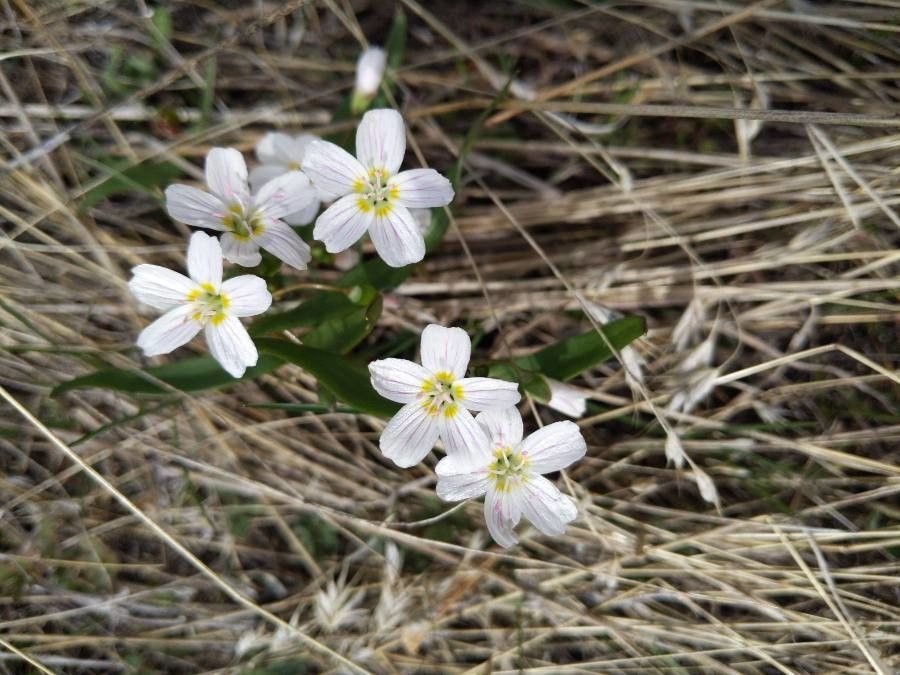
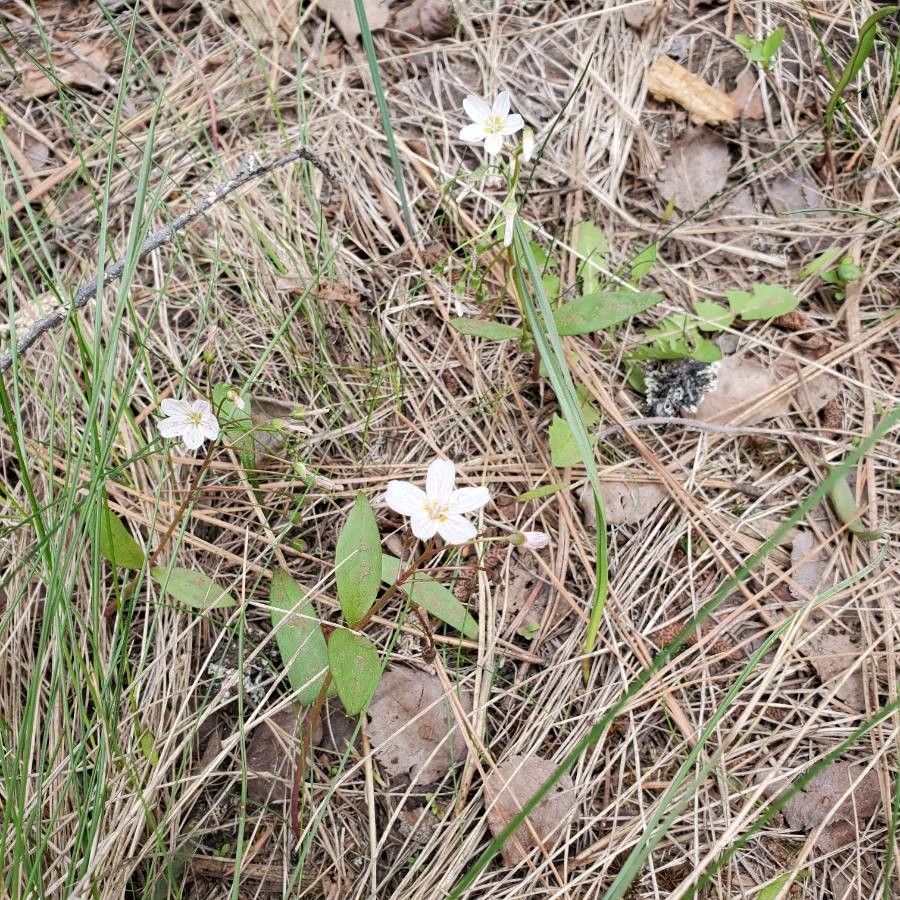
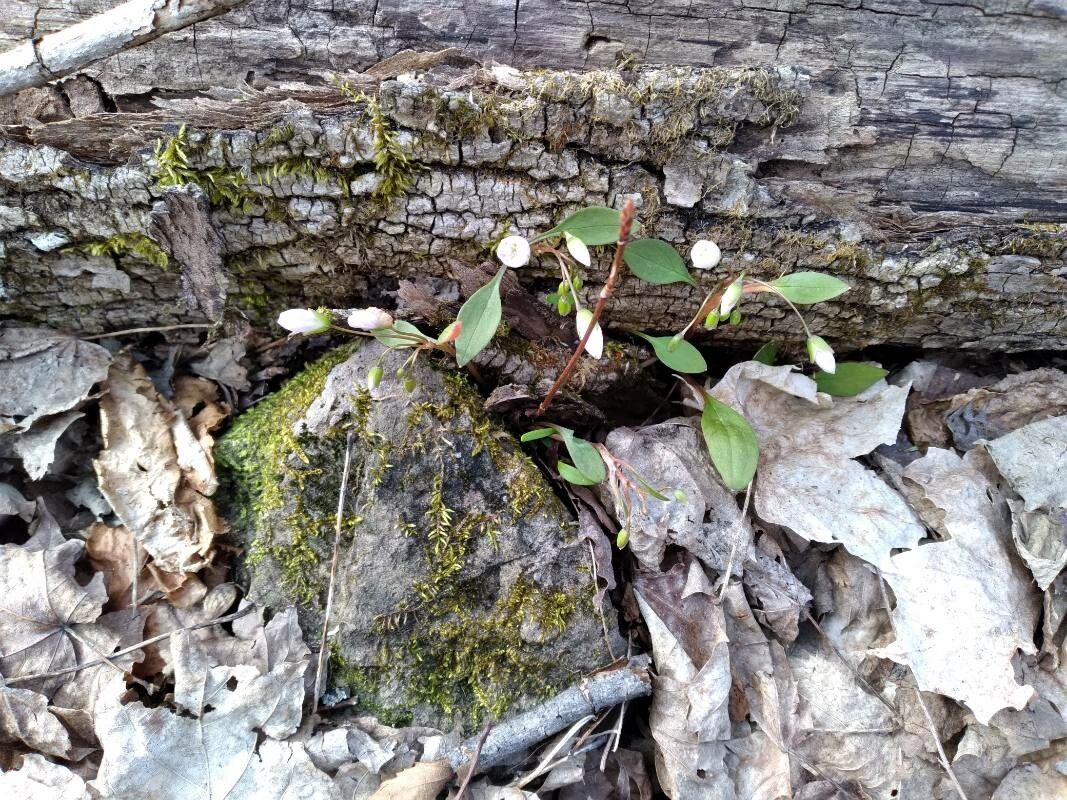
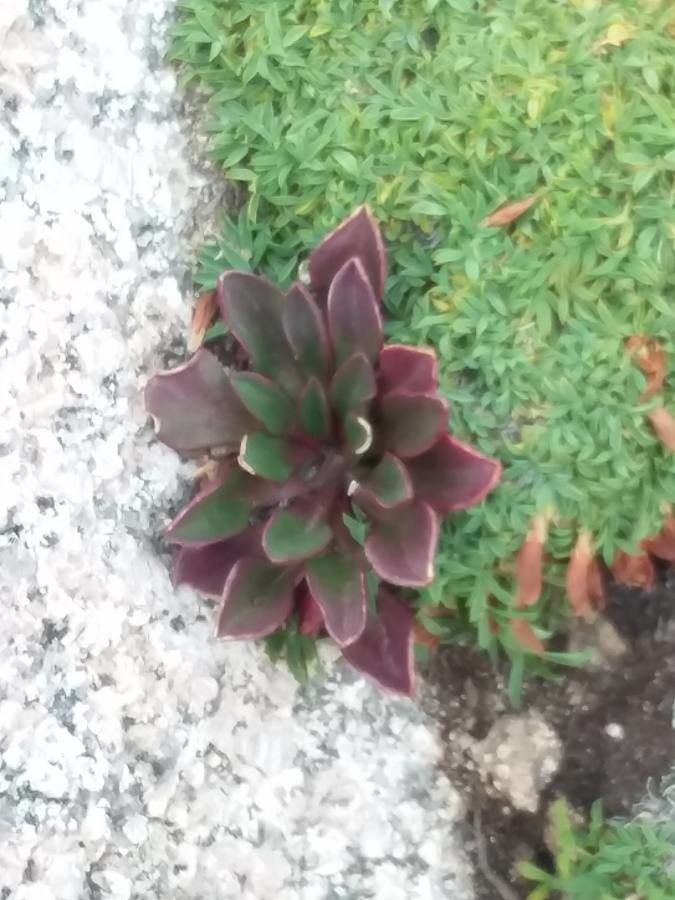
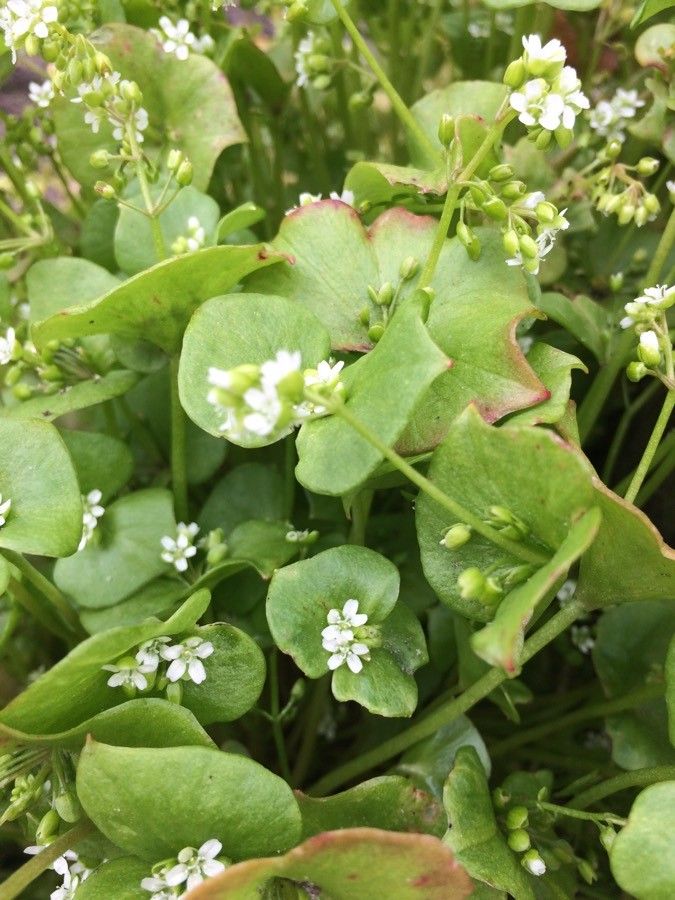
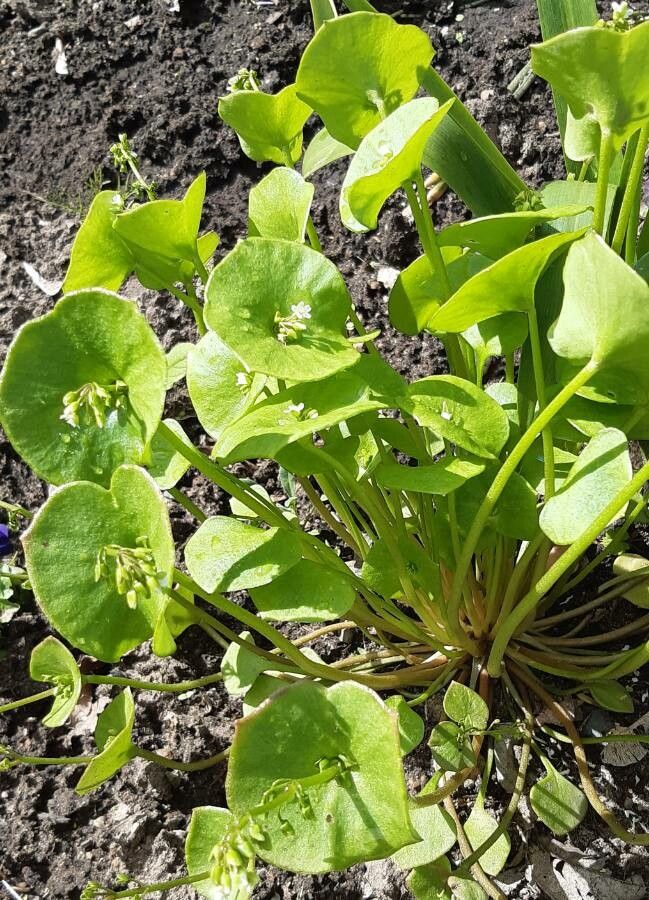
Claytonia lanceolata is a species of wildflower in the family Montiaceae, known by the common names lanceleaf springbeauty and western springbeauty.
Carolina Spring Beauty has solid resistance to disease and typically does not suffer from many illnesses. Nonetheless, it can be vulnerable to pests and diseases present in its environment, though such infections are generally mild. Regarding upkeep, this plant needs a moderate amount of care. Regular pruning is necessary to preserve an attractive appearance and encourage healthy growth. Applying fertilizer can also assist in increasing bloom production. Carolina Spring Beauty is appropriate for anyone with outdoor space, like a garden or patio, and does not demand extensive gardening experience. When cultivated indoors, it may need a higher level of care.
How to keep Claytonia Lanceolata.
Light
The carolina Spring Beauty does best in locations that consistently receive streams of sunlight. This light requirement supports its healthy growth and vitality. It can, however, tolerate areas with moderated light, although growth may be less than ideal. Excessive shade can lead to weakened growth. It was originally adapted to environments with abundant illumination.
Water
Western spring beauty originates from moist meadows, where it thrives in consistently moist conditions without becoming waterlogged. It benefits from weekly watering, aligning with its adaptation to temperate seasonal rainfall. This approach allows the plant to make the most of available water during its active growing season.
Temperature
Carolina Spring Beauty is native to temperature environments, preferring a range of 41 to 95 °F (5 to 35 ℃). Depending on the season, adjustments to keep conditions within this temperature range may be necessary for optimal growth.
Fertilizer
For Carolina Spring Beauty, the main time to fertilize is early spring, when the flowers are beginning to form. The correct fertilizer promotes better blooms and helps Carolina Spring Beauty produce attractive flowers. Fertilizing in early spring ensures strong flowers during the season and supplies energy for its dormant growth phases.
Pruning
Western spring beauty is a delicate perennial with white to light pink flowers. It requires minimal pruning; you should only remove spent blooms and any damaged foliage from early to late spring to encourage growth. Be sure to use clean, sharp tools when trimming to prevent disease and minimize stress on the sensitive root system.
Botanical profile.
- Plant Type
- Herb
- Life Cycle
- Perennial
- Genus
- Claytonia
- Family
- Montiaceae
- Hardiness Zone
- 5-9
- Mature Height
- 5 cm to 10 cm
- Mature Spread
- 10 cm to 15 cm
- Leaf Color
- Green
- Leaf Type
- Deciduous
- Flower Color
- Pink, White
- Flower Size
- 2.54 cm
- Bloom Time
- Early spring, Mid spring
- Planting Time
- Spring, Summer, Autumn
- Harvest Time
- Late spring, Early summer
Other names.
Reader questions.
What are the sunlight requirements for Western Spring Beauty?
Western spring beauty requires full sun, which means it should receive above 6 hours of sunlight daily. It's essential to observe how sunlight moves through your garden to ensure that plants get a balance of light and shade, promoting their well-being. While this plant thrives under generous amounts of sunlight, it can endure periods of sparse light. However, less vibrant flowering and slower growth might occur under less ideal lighting conditions.
What is the native habitat of Western spring beauty?
Western spring beauty, known botanically as Claytonia lanceolata, is native to temperate regions. These regions typically have temperatures ranging from 41 to 89.6 °F (5 to 32 °C). The plant thrives in these conditions, which suggests that to cultivate it successfully outside its native habitat, environmental adjustments may be necessary to either mitigate extreme cold or heat to closely mimic its natural growing conditions.
How can artificial lighting support indoor Western Spring Beauty?
For indoor plants like Western spring beauty that don't get sufficient natural sunlight, especially during winter or in less sunny spaces, artificial lighting can provide a crucial solution. It's advisable to select the right type of artificial light, such as LED lights, which can be customized for the plant's needs. Full sun plants typically need 30-50W/sq. ft., partial sun plants 20-30W/sq. ft., and full shade plants 10-20W/sq. ft. The light source should be placed 12-36 inches above the plant to mimic natural sunlight, with most plants requiring 8-12 hours of light per day.
How does Western spring beauty handle cold temperatures?
Western spring beauty has a strong resistance to cold, making special frost protection measures usually unnecessary during the winter season. However, for exceptionally cold winters where temperatures are expected to fall below -30°C, it becomes important to offer some form of cold protection. Covering the plant with materials like soil or straw can provide this protection. Additionally, watering the plant abundantly before the first freeze in autumn is advisable to ensure the soil remains moist and enters a frozen state. This is crucial for preventing drought and water scarcity for the plant during the colder winter months and into early spring.
What are the symptoms of light deficiency in Western Spring Beauty?
Symptoms of light deficiency in Western spring beauty include smaller new leaves, leggy or sparse growth, faster leaf drop, slower or no new growth, lighter-colored new leaves, chlorosis (leaves losing their green color), sunscald (damage from intense sunlight), leaf curling, wilting, and leaf scorching. These symptoms indicate the plant is not receiving adequate sunlight, which is crucial for its health and growth.
What are the signs of Western spring beauty suffering from low temperatures?
Although Western spring beauty is cold-tolerant and performs best when the temperature remains above 5°C, during winter it should ideally be kept above -25°C. If the temperature falls below -30°C, while there may not be noticeable changes during the winter, it could lead to a decrease in sprouting or even result in no sprouting at all during spring. The suggested solution for this issue is to remove any parts of the plant that have failed to sprout in spring.
What are the solutions for Western Spring Beauty suffering from light deficiency?
To address light deficiency in Western spring beauty, gradually moving the plant to a sunnier location until it receives at least 6 hours of direct sunlight daily is recommended. Use a south-facing window with open curtains during the day for indoor plants. Artificial lighting, such as desk or ceiling lamps left on for at least 8 hours daily or professional plant grow lights, can provide additional light. Outdoors, move plants gradually to prevent sunburn. Reducing obstructions like pruning trees or transplanting to a location with ample sunlight and good drainage can help. Note that parts of the plant affected by insufficient sunlight may not recover, but new growth will be healthy post-adjustment.
How does Western spring beauty react to high temperatures?
During the summer months, it is advisable to keep Western spring beauty's environment below 32°C. Should temperatures rise above 35°C, the plant may exhibit signs of stress, such as leaves becoming lighter in color, curling, becoming prone to sunburn, and in severe cases, wilting and drying out completely. To combat these symptoms, it is recommended to trim away any sunburned and dried-up parts. Relocating the plant to a shaded area or utilizing a shade cloth to protect it from the midday and afternoon sun can also help. Ensuring the soil remains moist through morning and evening watering sessions is equally important.