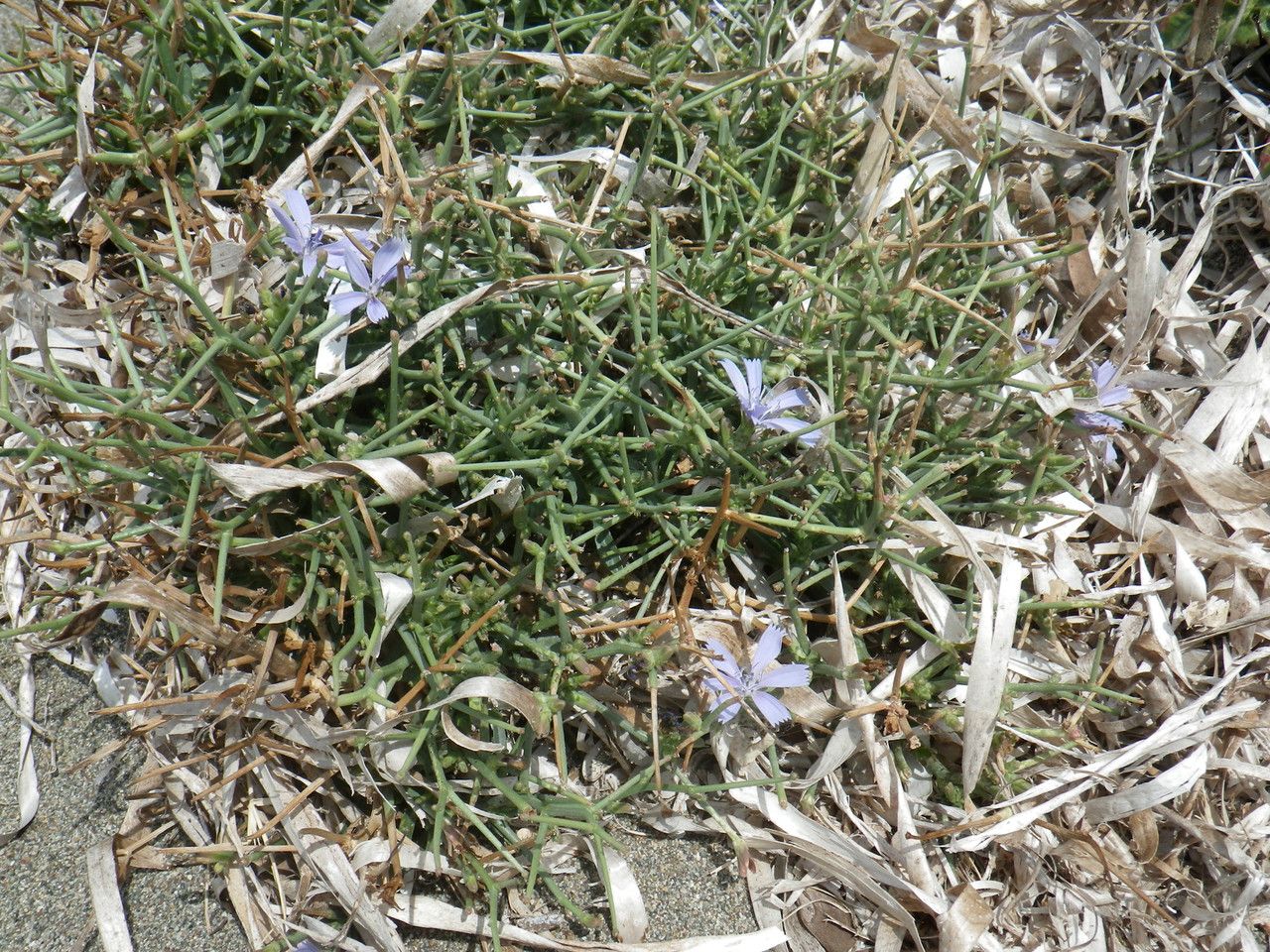
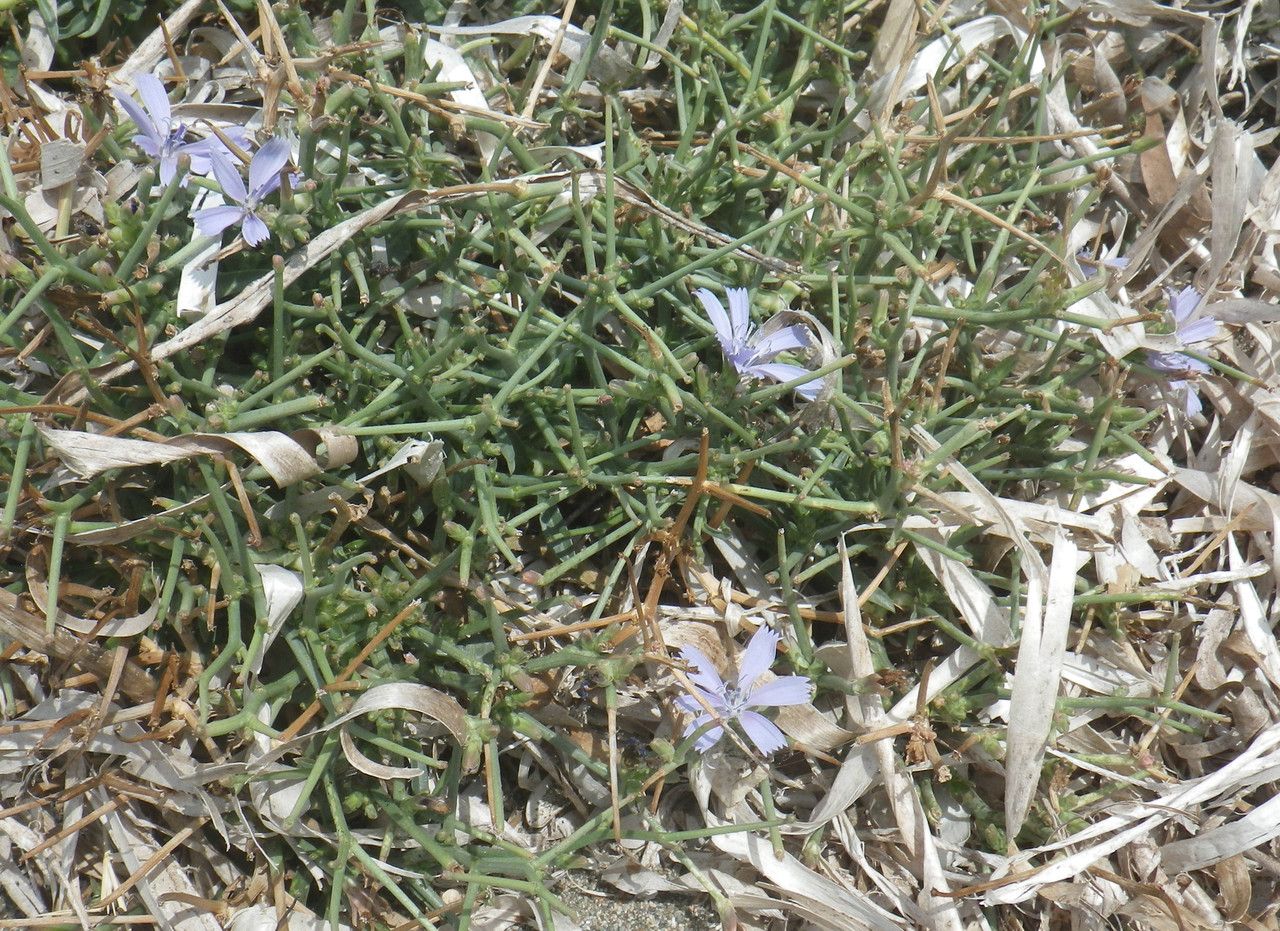
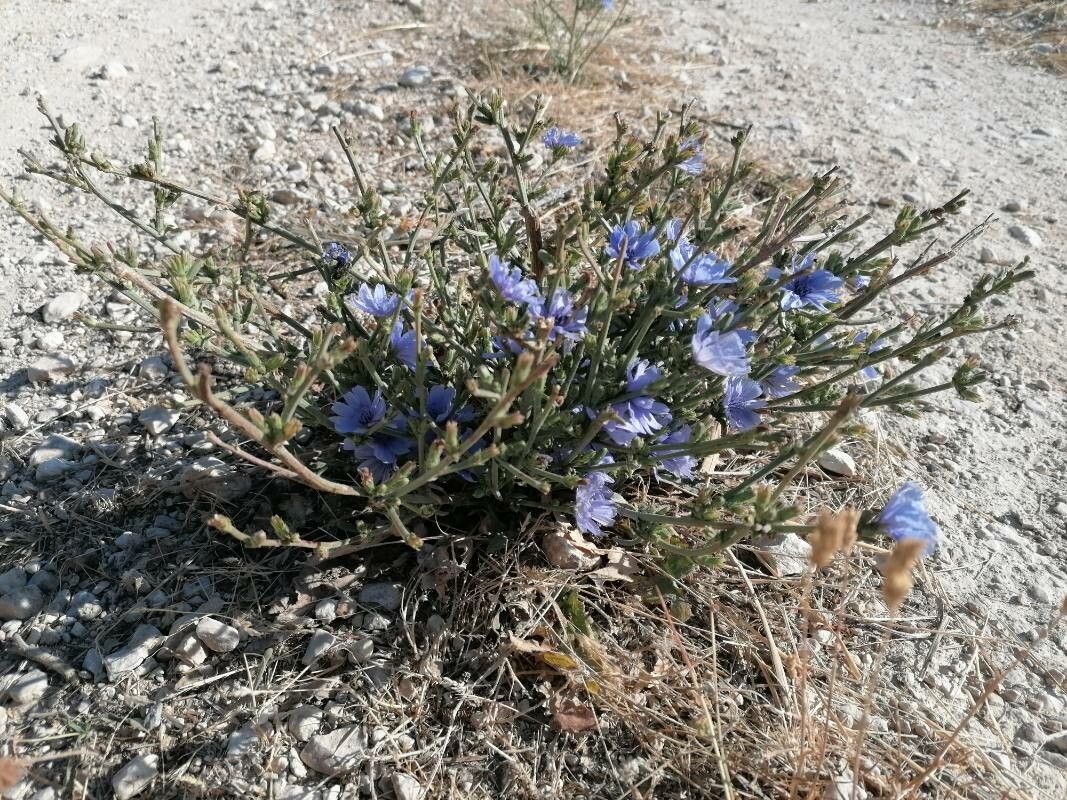
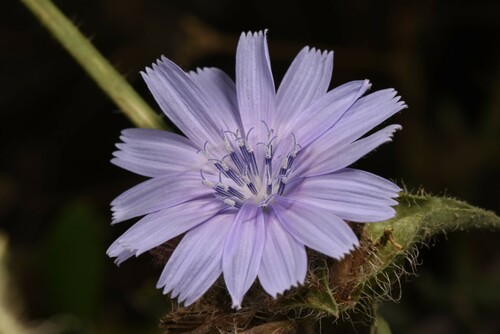
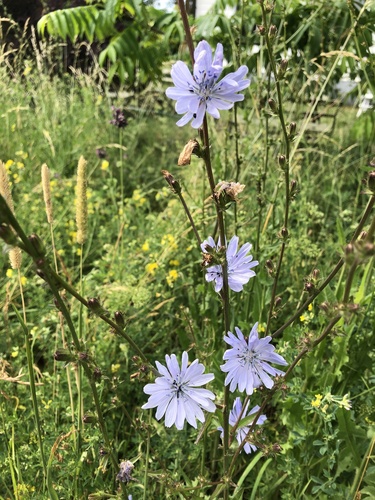
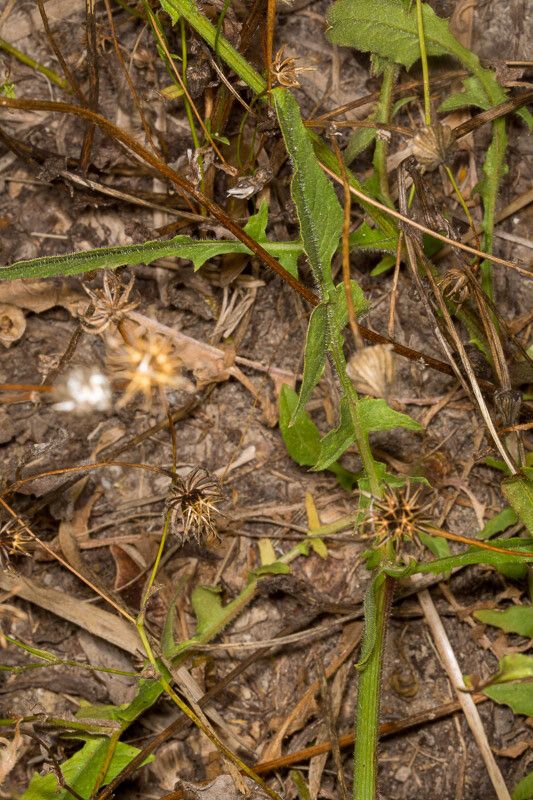
Cichorium spinosum, the spiny chicory, is a species of flowering plant in the family Asteraceae, native to the Mediterranean region. A biennial or perennial reaching 20 cm (8 in), is both collected in the wild and cultivated as a leafy green vegetable.
Spiny chicory has moderate resistance to diseases but can be susceptible to problems like leaf spot. Its sensitivity to insect pests varies by variety, although most cultivars are relatively less resistant to pests. For care, spiny chicory requires regular watering and fertilizing, and yellow leaves should be pruned frequently. It is important to treat pest and disease issues when they occur and to harvest the plant promptly. Spiny chicory is best for people who can commit some time and effort to routine care.
How to keep Cichorium Spinosum.
Light
Spiny chicory comes from habitats with plentiful sunlight, such as open fields and sunny meadows. It prefers full sun but can also tolerate partial sun.
Water
Spiny chicory flourishes in a Mediterranean climate due to its drought tolerance. For optimal growth and to keep its foliage evergreen, it requires weekly watering to ensure consistent soil moisture. When grown outdoors, natural rainfall also contributes to meeting its hydration needs.
Temperature
Spiny chicory prefers moderate temperatures, comparable to those most people find comfortable. It does best in conditions that are neither excessively hot nor cold. The primary concern with high temperatures is the risk of sunburn, so in summer some shading is recommended to prevent excessive heat. If temperatures fall, Spiny chicory will enter a dormant state. To maintain continuous growth, higher temperatures must be kept through the winter. Frost can damage the plant and should be avoided.
Fertilizer
To maximize the yield and flavor of Spiny chicory, provide sufficient nitrogen throughout the growth cycle, from before planting through harvest. Plants that are well watered and properly fertilized develop plentiful, healthy leaves and have less bitterness. Before planting, amend the soil with organic matter such as compost or manure, preferably 2 to 8 weeks beforehand.
Pruning
Spiny chicory benefits greatly from light pruning, particularly when dead stems are removed to encourage new growth. For the best results, prune the plant from early to late spring. This practice not only improves air circulation and reduces pest issues but also promotes dense growth. To prevent disease transmission, always use clean, sharp tools.
Botanical profile.
- Plant Type
- Herb
- Life Cycle
- Perennial
- Genus
- Cichorium
- Family
- Asteraceae
- Hardiness Zone
- 7-10
- Mature Height
- 20 cm
- Mature Spread
- 20 cm
- Leaf Color
- Light Green, Dark Green
- Leaf Type
- Semi-evergreen
- Flower Size
- 2.03 cm to 3.05 cm
- Bloom Time
- Summer
- Planting Time
- Spring
- Harvest Time
- Late summer, Early fall, Mid fall
- Native Area
- Libya, Turkey, Italy, Cyprus, Greece
Other names.
Reader questions.
What are the sunlight requirements for Spiny chicory (Cichorium spinosum)?
Spiny chicory, known botanically as Cichorium spinosum, thrives under different sunlight conditions. It requires full sun, which means it should be exposed to above 6 hours of sunlight daily, to flourish. Alternatively, it can grow under partial sun, which involves about 3-6 hours of sunlight. It's important to observe the movement of sunlight through your garden to identify spots that offer the ideal mix of light and shade, ensuring the plants remain happy and healthy.