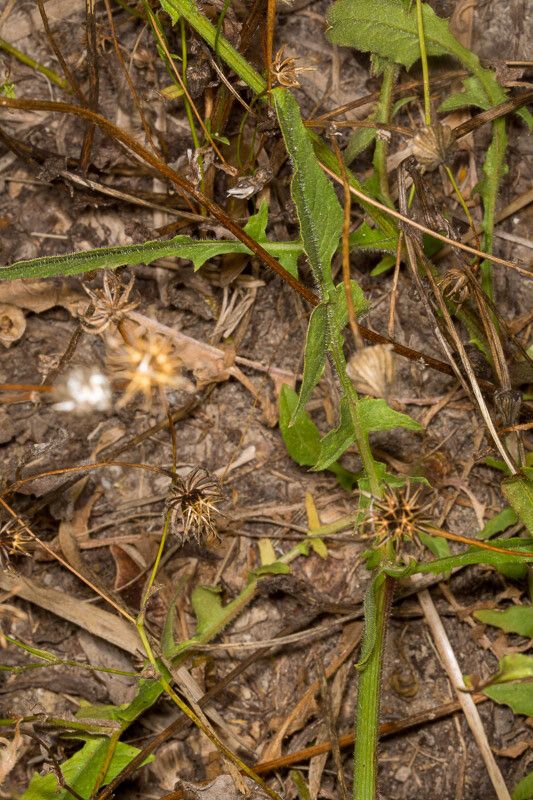
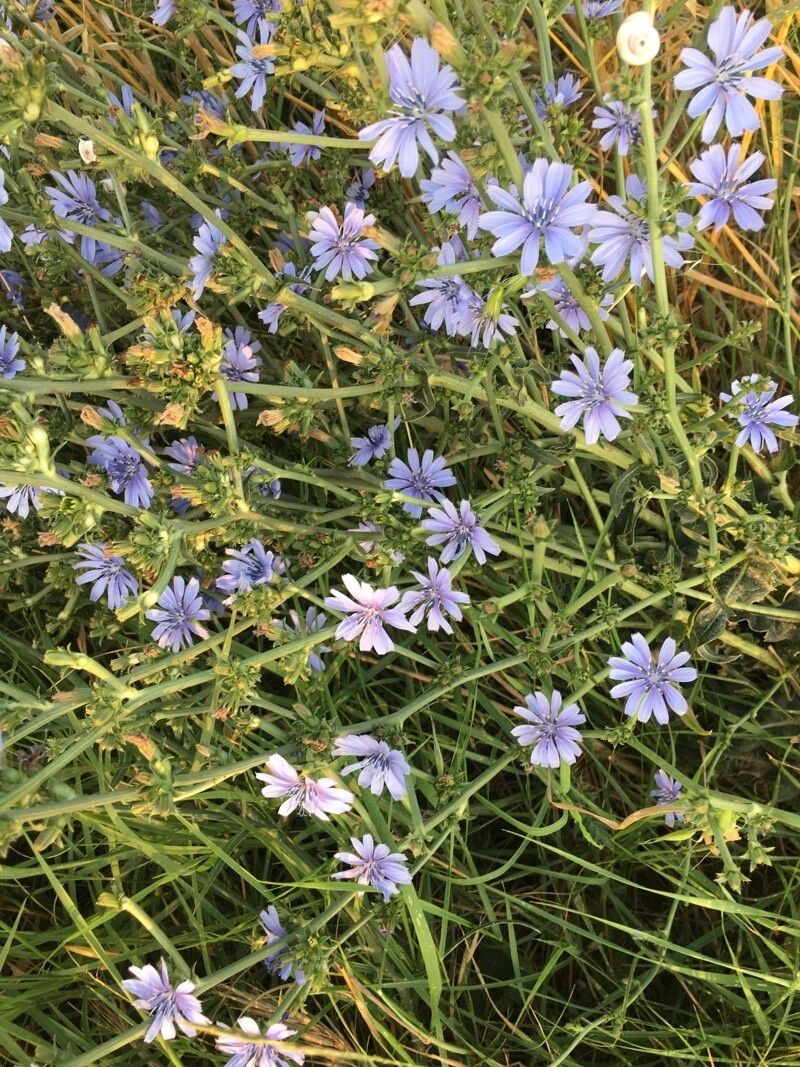
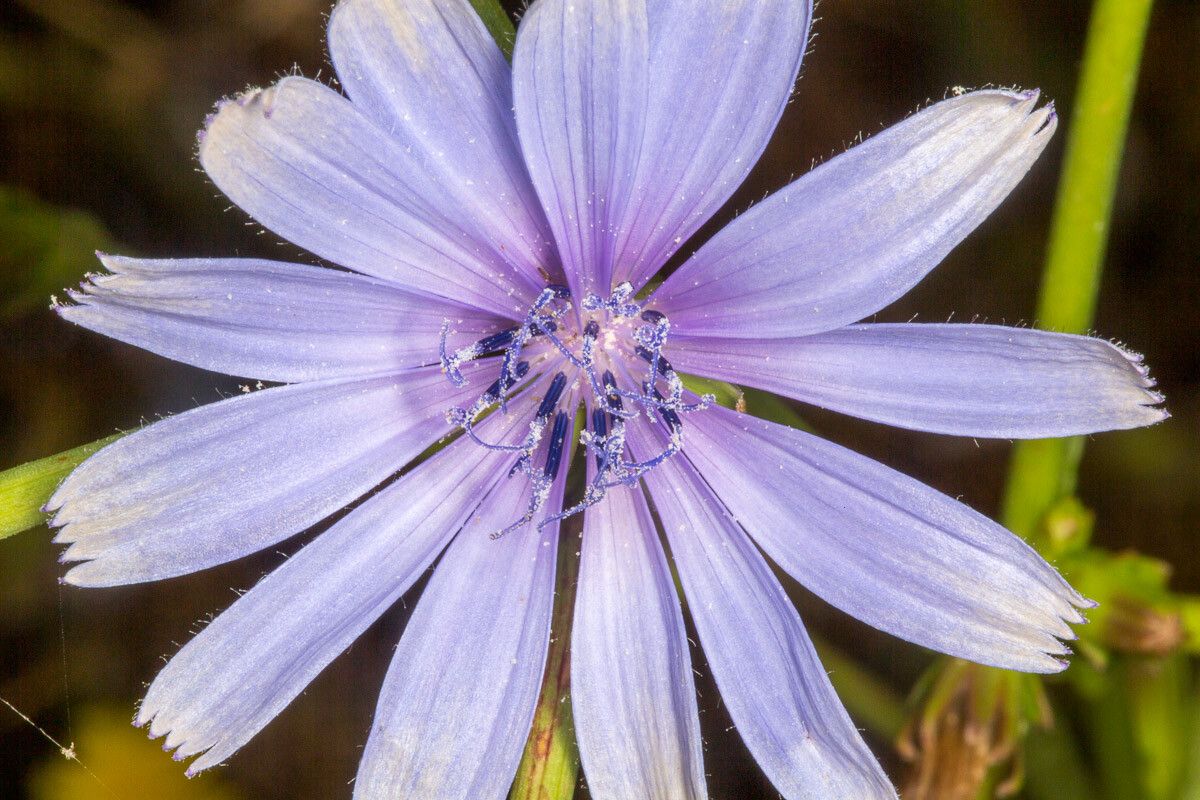
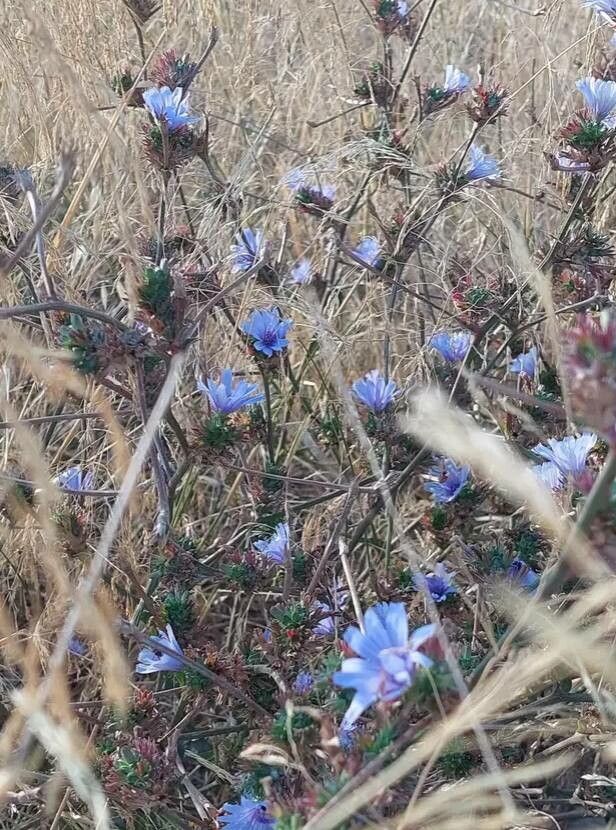
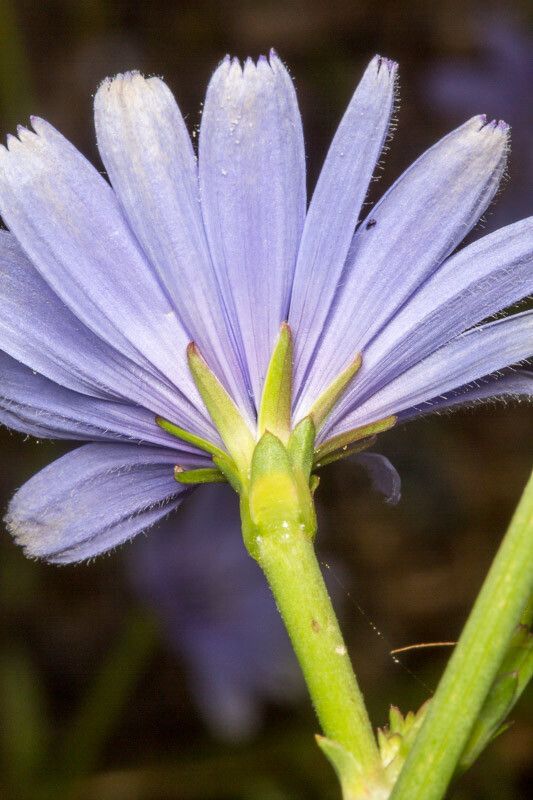
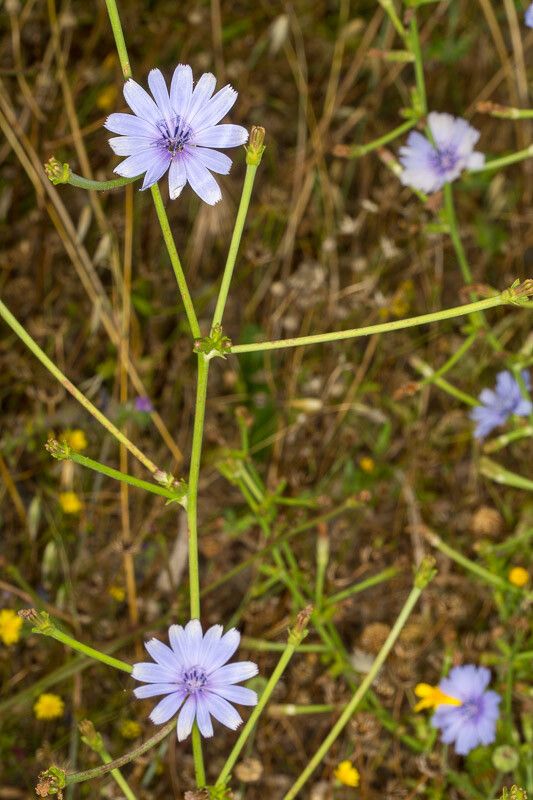
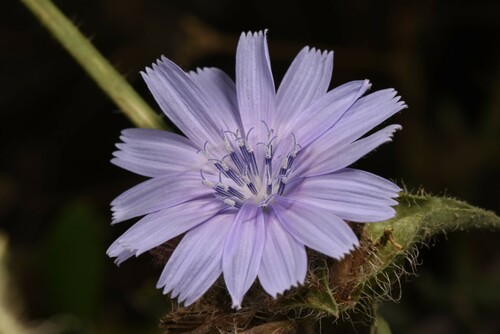
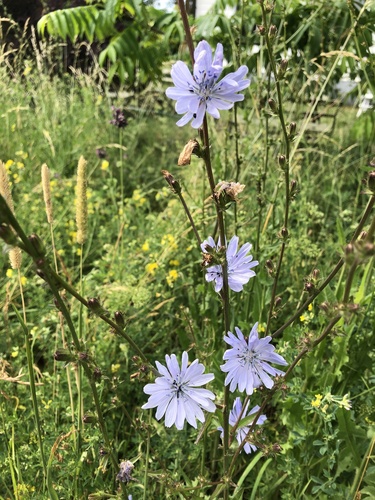
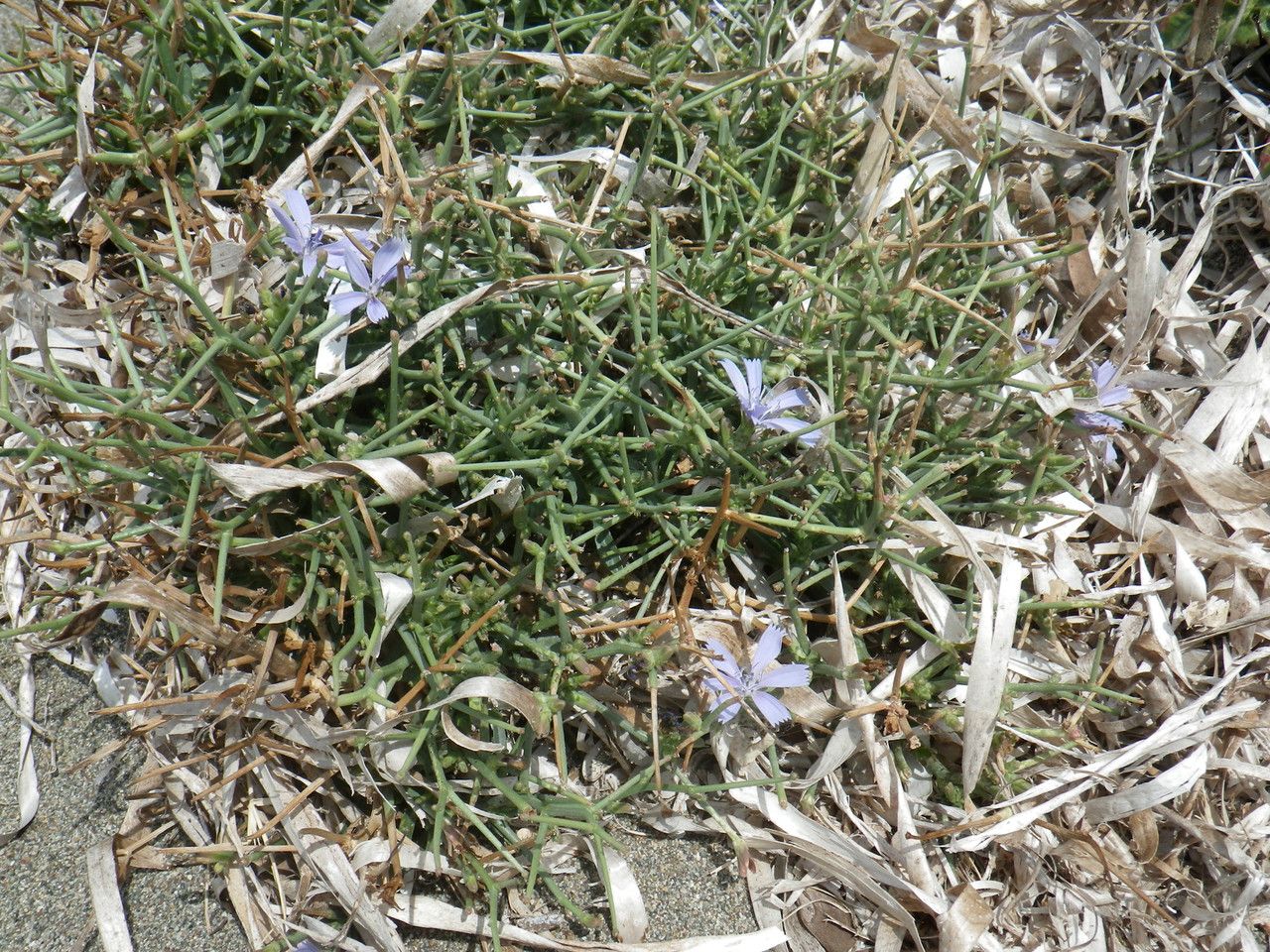
Cichorium pumilum, commonly known as dwarf chicory, is a perennial herbaceous plant belonging to the Asteraceae family. Native to Europe and Asia, this plant is often found in meadows, pastures, and along roadsides. It typically grows up to 30 cm in height, featuring a basal rosette of leaves that are deeply lobed with toothed edges. The plant sports a slender, branched stem topped with small blue flowers that bloom from June to September. These flowers are arranged in clusters at the end of each stem, with five petals fused together to form a tube-like structure.
Dwarf chicory has been used medicinally for centuries, prized for its anti-inflammatory properties that can help alleviate digestive issues such as bloating and constipation. Additionally, it has been employed as an herbal remedy for liver problems, thanks to its ability to stimulate bile production.
Beyond its medicinal uses, Cichorium pumilum also has culinary applications. It can be eaten raw or cooked similarly to spinach, and its slightly bitter taste adds depth of flavor when incorporated into salads.
Overall, Cichorium pumilum is a fascinating perennial plant that offers both medicinal benefits and culinary uses, making it a valuable addition to any garden or kitchen.
Dwarf chicory shows moderate disease resistance and can be vulnerable to conditions like leaf spot. Its vulnerability to insect pests varies by variety, but most varieties tend to be less resistant to pests. Regarding care, Dwarf chicory requires regular watering and fertilizing, along with frequent removal of yellow leaves. It is necessary to address pests and diseases as they appear and to harvest the plant promptly. Dwarf chicory is appropriate for those who can spare some time and energy for regular maintenance.
How to keep Cichorium Pumilum.
Light
Dwarf chicory is native to habitats that receive plenty of sunlight, such as open fields and sunny meadows. It prefers full sun but can also tolerate partial sun.
Water
Dwarf chicory thrives in moderately moist soil and flourishes in conditions similar to the Mediterranean climate. While it is drought-tolerant, watering the plant twice a week ensures it receives optimal hydration. Its strong root system allows it to efficiently make use of occasional rainfall, making it well-suited for rocky terrains.
Temperature
Dwarf chicory is native to temperate climates and grows best at temperatures between 68 and 95 °F (20 and 35 ℃). In colder seasons, make sure to adjust conditions to keep the temperature within that range.
Fertilizer
To maximize the yield and flavor of Dwarf chicory, provide sufficient nitrogen throughout the entire growth cycle, including the pre-planting stage and at harvest. Plants that are well watered and fertilized produce plentiful, healthy leaves and exhibit less bitterness. Before planting, amend the soil with organic matter such as compost or manure, ideally 2 to 8 weeks beforehand.
Pruning
Pruning dwarf chicory from early to late spring encourages strong growth and vibrant blooms. By removing dead leaves and spent flower stalks, you enhance airflow around the plant. Additionally, trimming back overgrown stems prevents legginess. These practices lead to healthier plants and enhance their overall appearance.
Botanical profile.
- Plant Type
- Herb
- Life Cycle
- Annual
- Genus
- Cichorium
- Family
- Asteraceae
- Hardiness Zone
- 6-9
- Mature Height
- 40 cm
- Mature Spread
- 15 cm to 25 cm
- Leaf Color
- Green
- Leaf Type
- Deciduous
- Flower Color
- Purple, Blue
- Flower Size
- 0.51 cm
- Bloom Time
- Late spring, Early summer, Mid summer
- Planting Time
- Spring, Summer
- Harvest Time
- Mid summer, Late summer
- Native Area
- Saudi Arabia, Libya, Egypt, Turkey, Tunisia, Montenegro, Cyprus, Bulgaria, Poland, Greece, Croatia, Morocco, Lebanon, Iraq, Germany, Portugal, Syria, Italy, Spain, Switzerland, Iran, Albania, Azerbaijan, Algeria, Qatar, Belgium, France
Other names.
Reader questions.
What are the sunlight requirements for Dwarf chicory (Cichorium pumilum)?
Dwarf chicory (Cichorium pumilum) thrives in varying amounts of sunlight, depending on your garden setup. For optimal growth, it needs full sun, which is above 6 hours of direct sunlight daily. However, it can also grow well in partial sun, needing about 3 to 6 hours of sunlight a day. It is important to observe the movement of sunlight in your garden to find spots that offer a good balance of light and shade, ensuring your plants grow healthy and happy.
What is the ideal temperature range for growing Dwarf chicory?
Dwarf chicory, known botanically as Cichorium pumilum, is indigenous to temperate environments, thriving best in temperatures ranging from 68 to 95 °F (20 to 35 °C). To ensure optimal growth, it is important to adjust environmental conditions during colder seasons to maintain this temperature range.