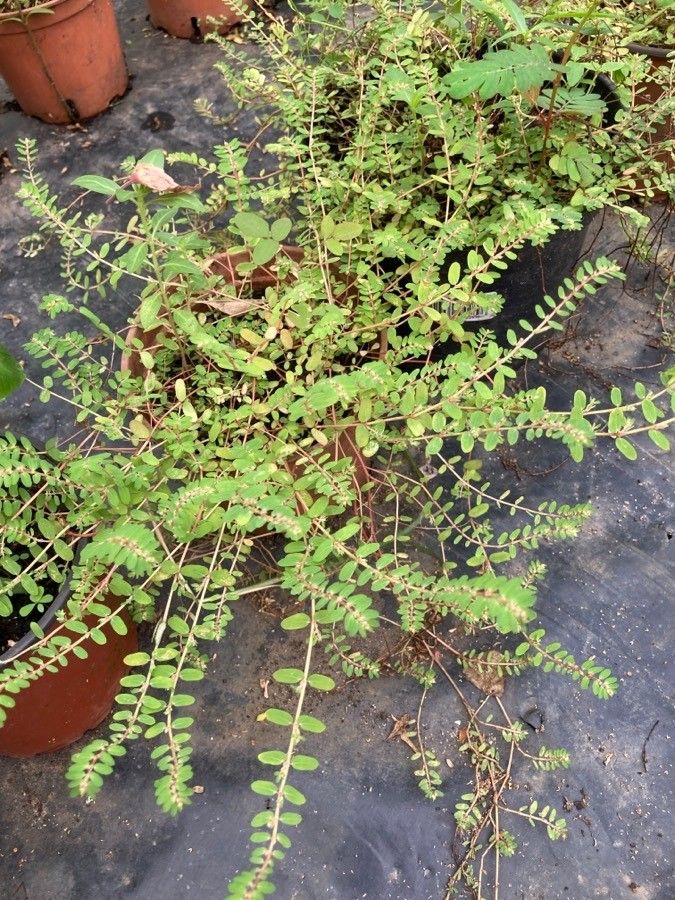
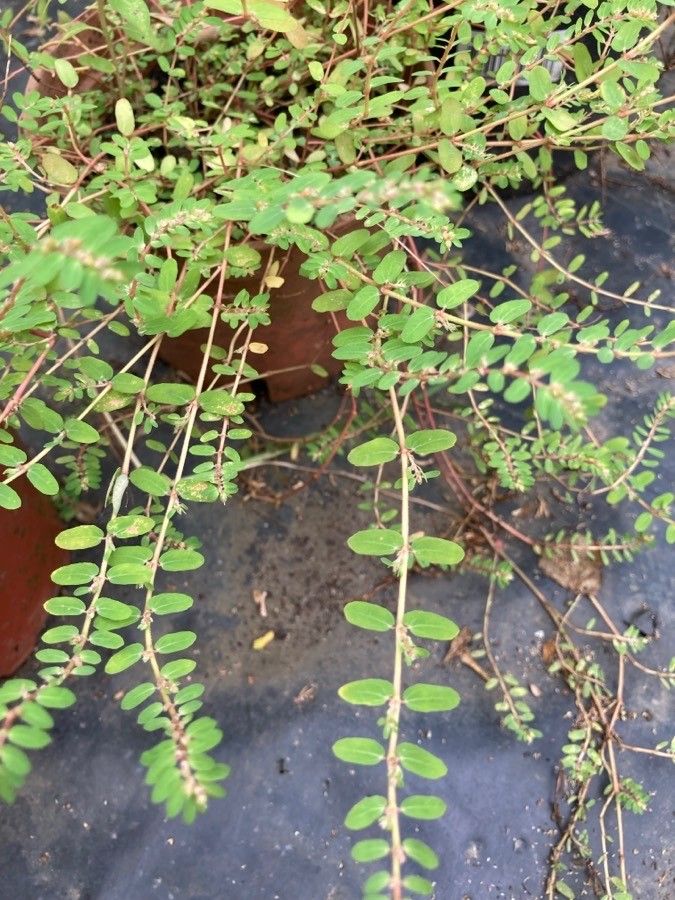
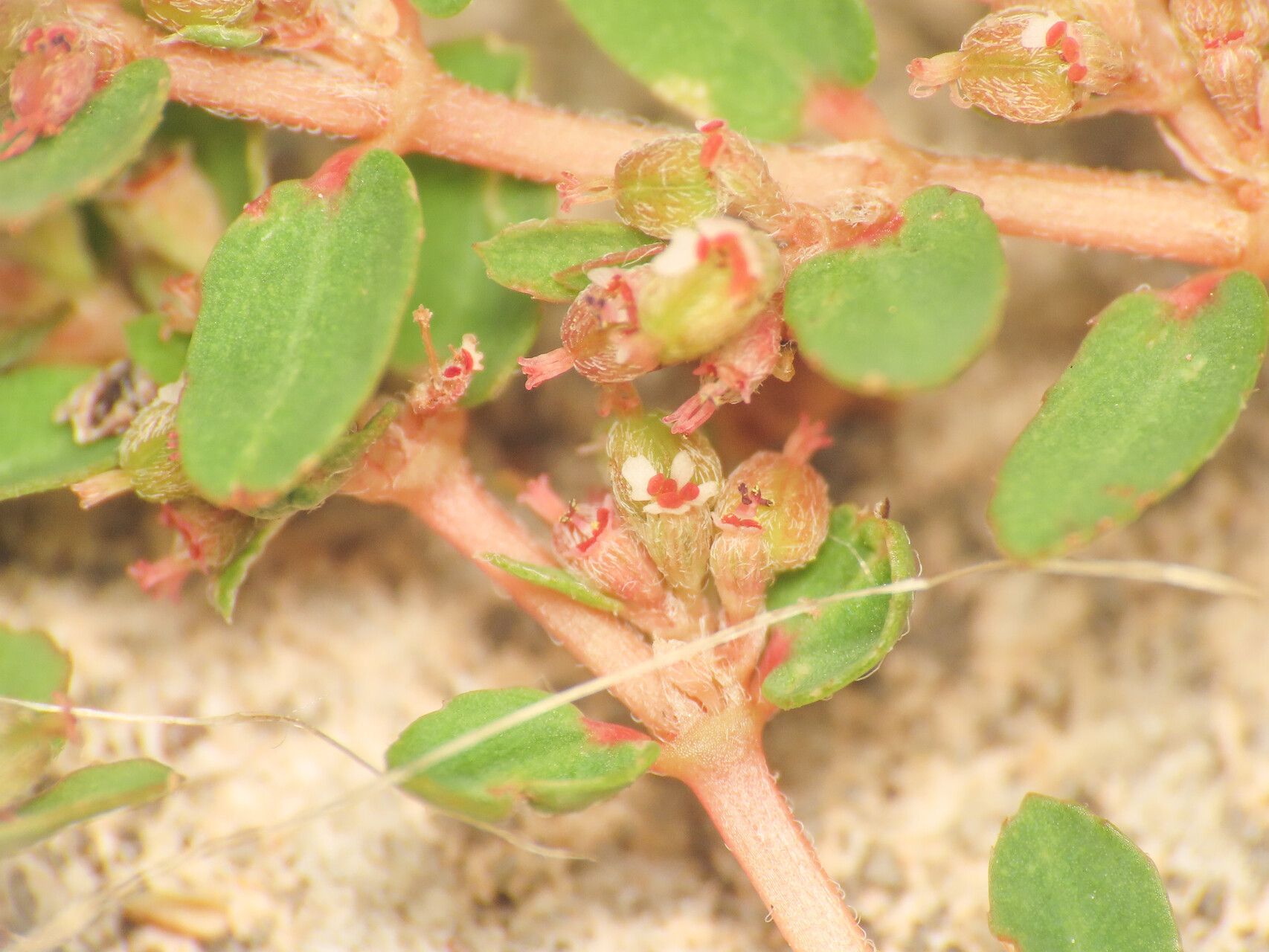
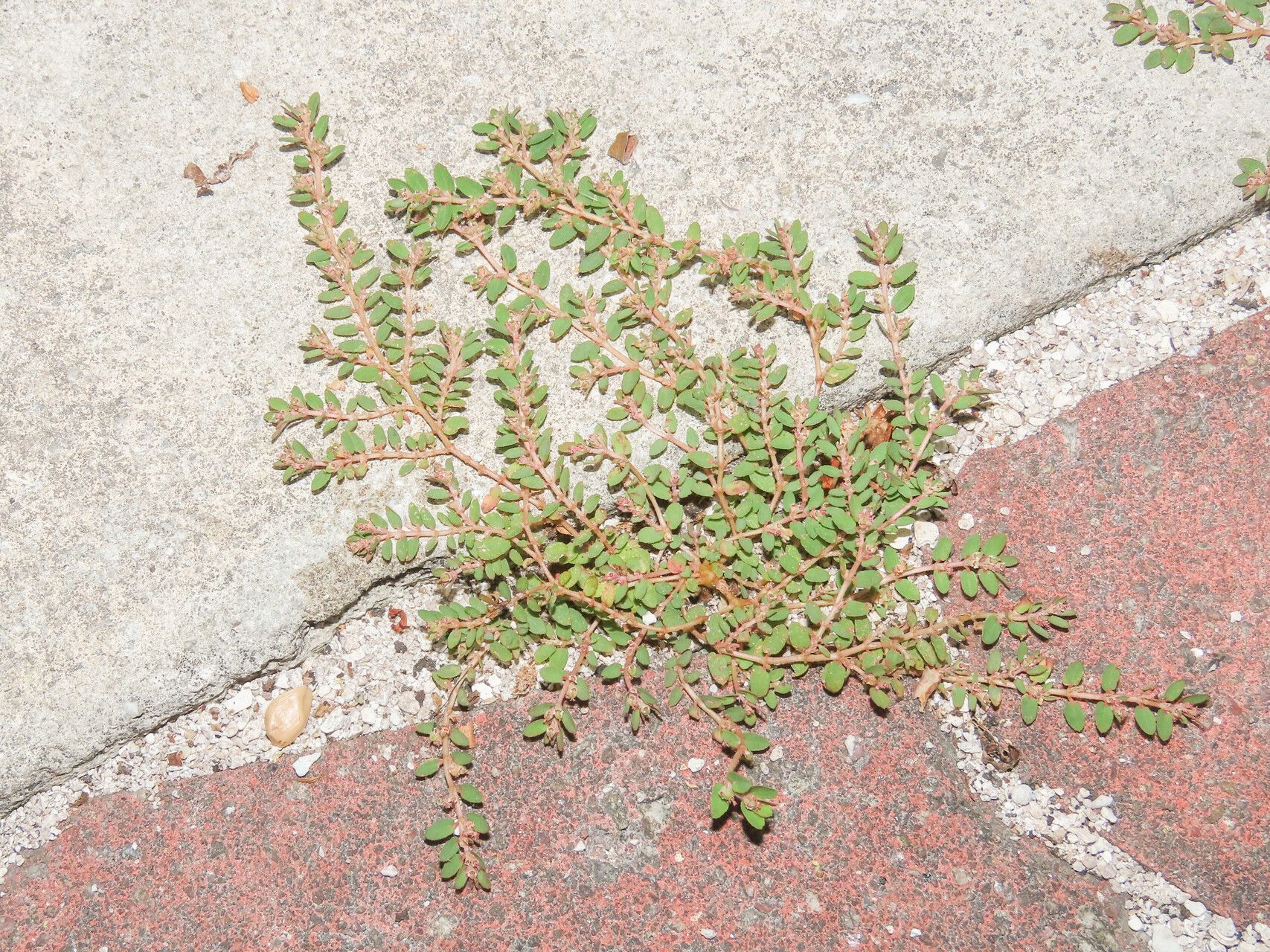
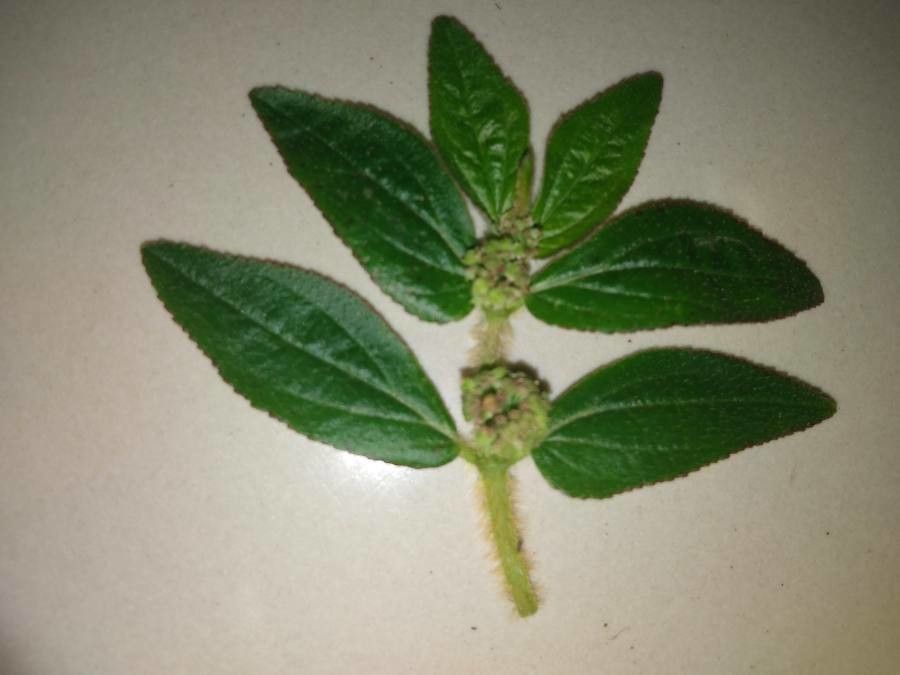
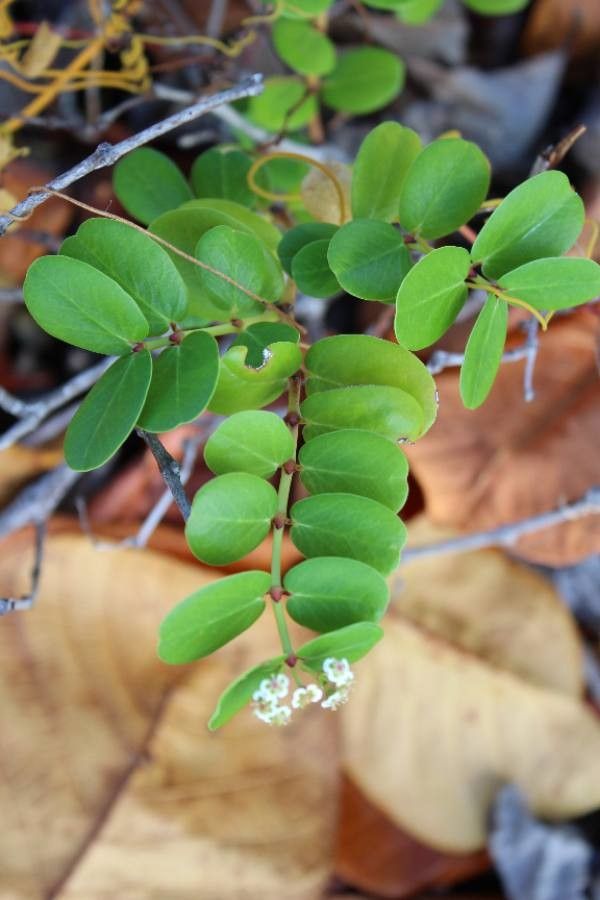
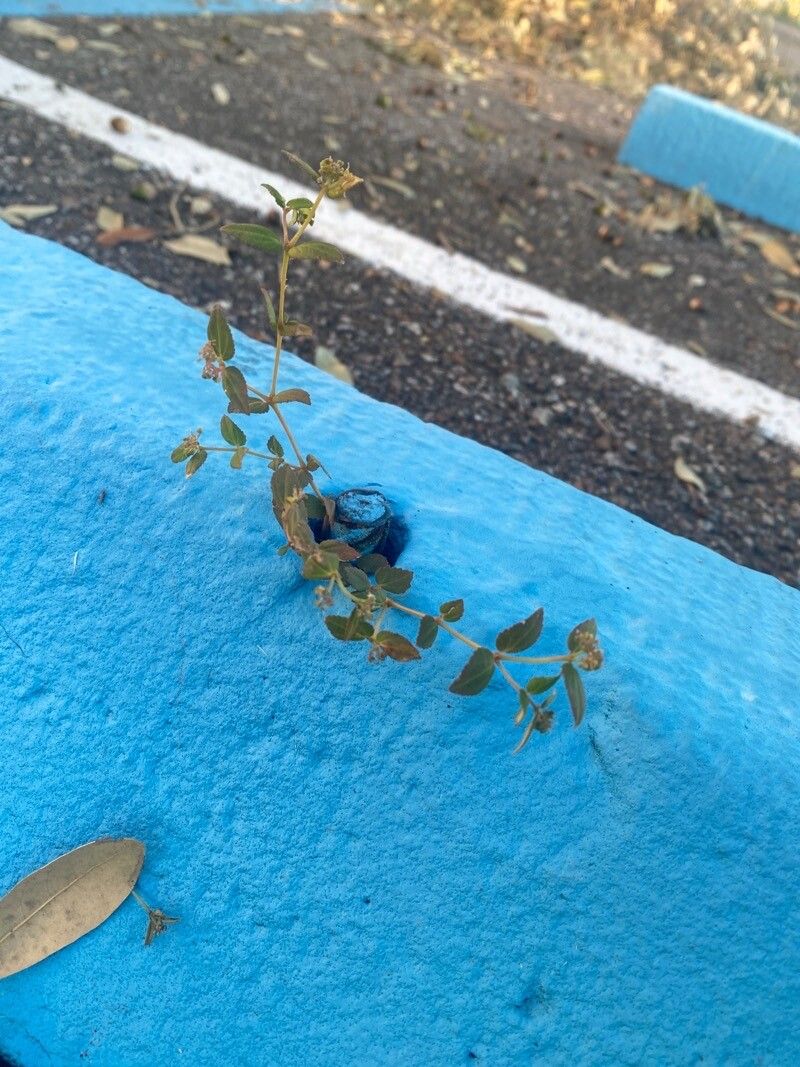
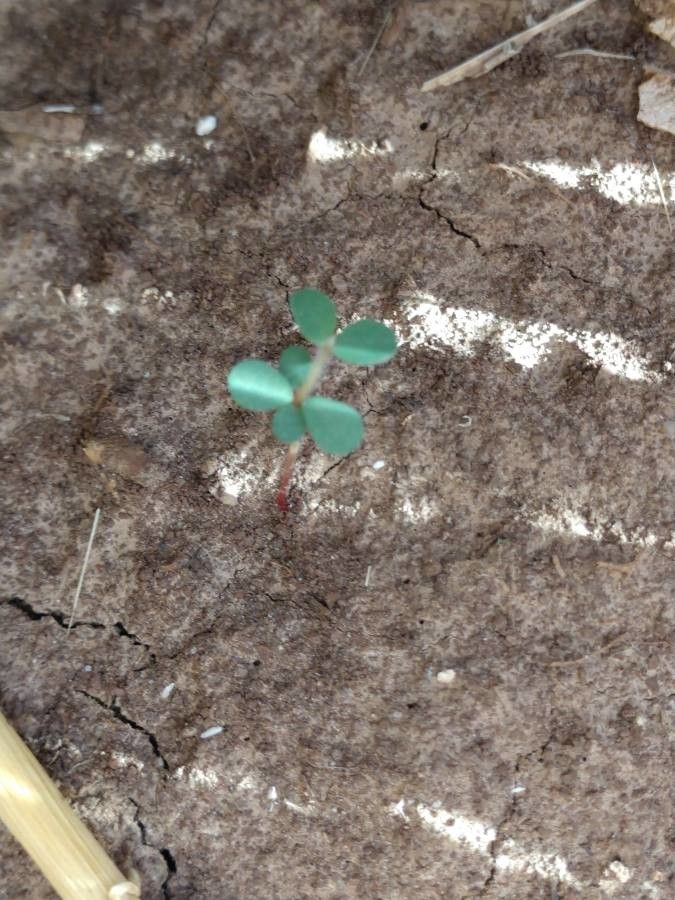
Gulf sandmat is fairly disease-resistant and usually not vulnerable to many ailments. However, it can be affected by pests and diseases present in its environment, though these problems are typically not serious. In terms of upkeep, the plant requires moderate maintenance. It should be pruned regularly to retain a neat appearance and support healthy growth. Fertilizing can also help encourage blooming. Gulf sandmat is appropriate for anyone with outdoor space, such as a garden or patio, and does not demand extensive gardening experience. It may need more attention when grown indoors.
How to keep Chamaesyce Thymifolia.
Light
Gulf sandmat requires plentiful sunshine to thrive. While it can tolerate partially sunny exposures, it prefers places that receive abundant sunlight. Its native habitat shows this, since it is adapted to sun-rich environments. Both excessive and insufficient sunlight can impair its growth and overall health.
Temperature
Gulf sandmat comes from tropical areas, where the climate is generally warm and humid. Consequently, it is adapted to high heat and humidity. It does not respond well to sudden temperature changes and prefers a steady temperature, so avoiding indoor temperature fluctuations is important. It typically cannot tolerate cold and needs warmer conditions to grow. If the surrounding temperature becomes too low, the plant may stop growing or even die.
Fertilizer
Gulf sandmat responds well to regular, diluted fertilizer applications to encourage healthy leaf growth. You should fertilize Gulf sandmat roughly once a month during the summer months. Nitrogen is essential for foliage, and providing nitrogen-rich sources helps Gulf sandmat thrive.
Botanical profile.
- Plant Type
- Herb
- Life Cycle
- Annual
- Genus
- Chamaesyce
- Family
- Euphorbiaceae
- Hardiness Zone
- 9-11
- Mature Height
- 5 cm
- Mature Spread
- 10 cm to 30 cm
- Leaf Color
- Green, Dark Green
- Leaf Type
- Evergreen
- Flower Color
- White, Red
- Flower Size
- 0.01 cm to 0.03 cm
- Bloom Time
- Late spring, Summer, Fall
- Planting Time
- Spring, Autumn
- Harvest Time
- Summer, Fall, Early winter
- Native Area
- Burkina Faso, Belize, India, Malaysia, Mexico, Guatemala, Madagascar, Pakistan, Nigeria, Niger, Tanzania, Jamaica, Benin, Cuba, Sierra Leone, Indonesia, Cambodia, Cameroon, Liberia, Mozambique, Venezuela, Brazil, Ghana, Congo, Honduras, Peru, Philippines, Zambia, Bangladesh, Laos, Guinea, Panama, Chad, China, Colombia, Bolivia, Vietnam, Japan, Guyana, El Salvador, Senegal, Nicaragua, Iran, Ecuador, Côte d'Ivoire, Costa Rica, Congo (DRC), Thailand, Gabon
Other names.