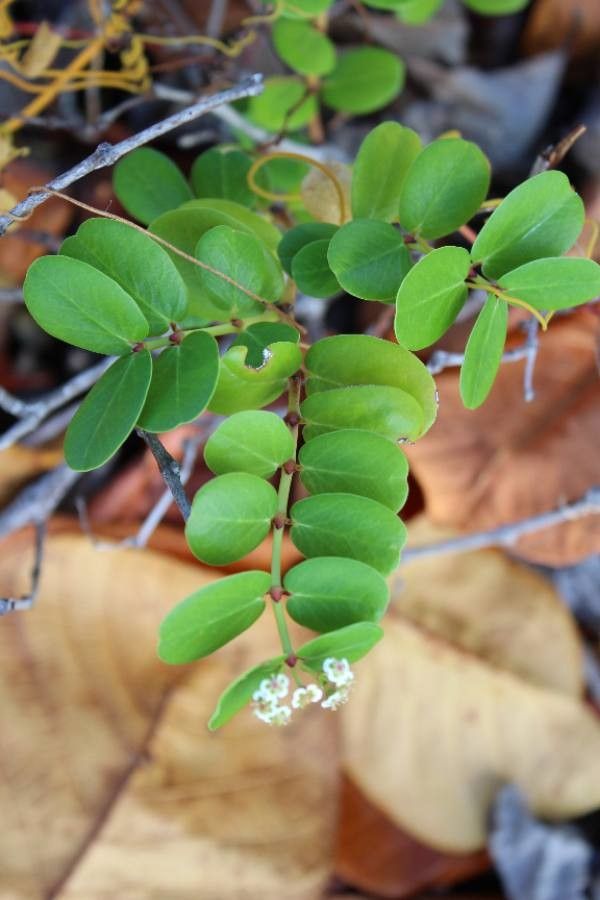
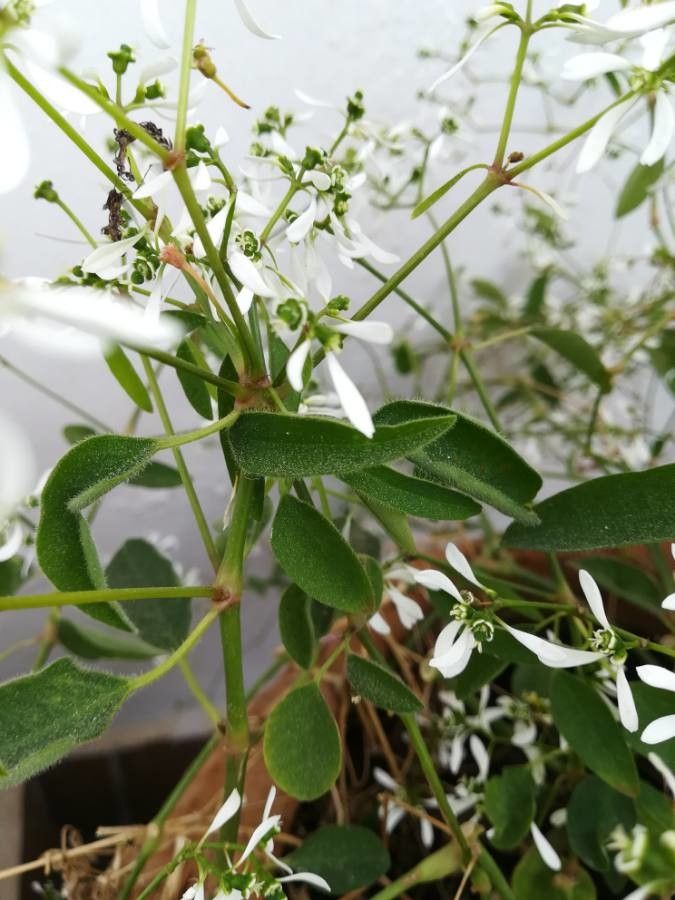
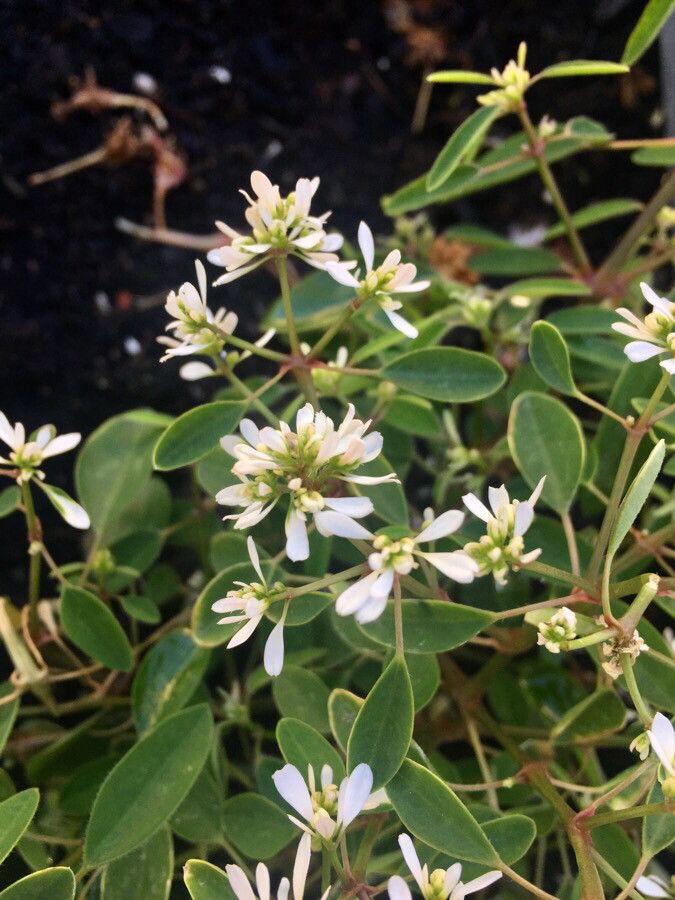
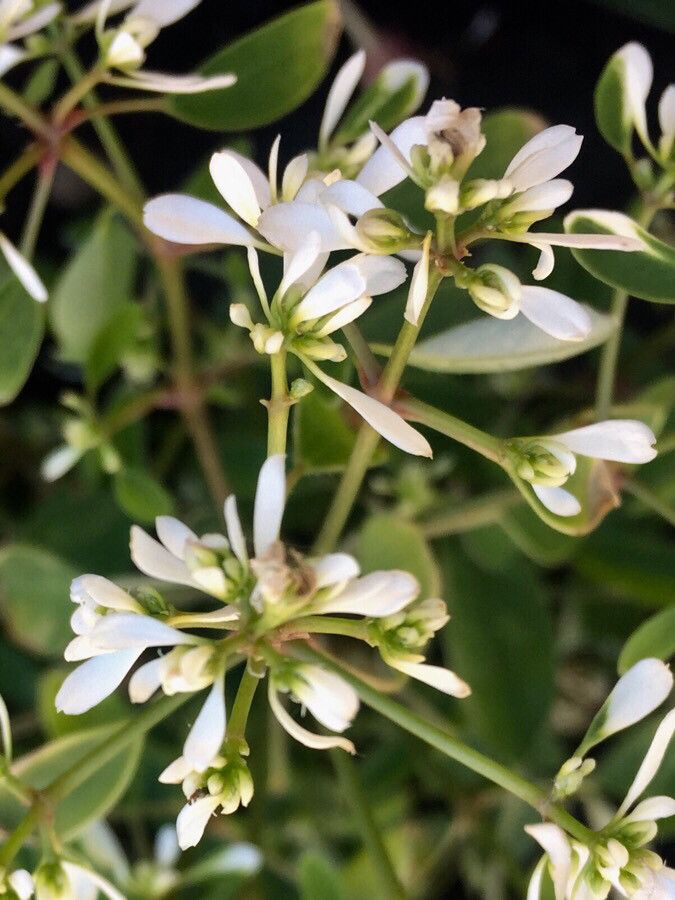
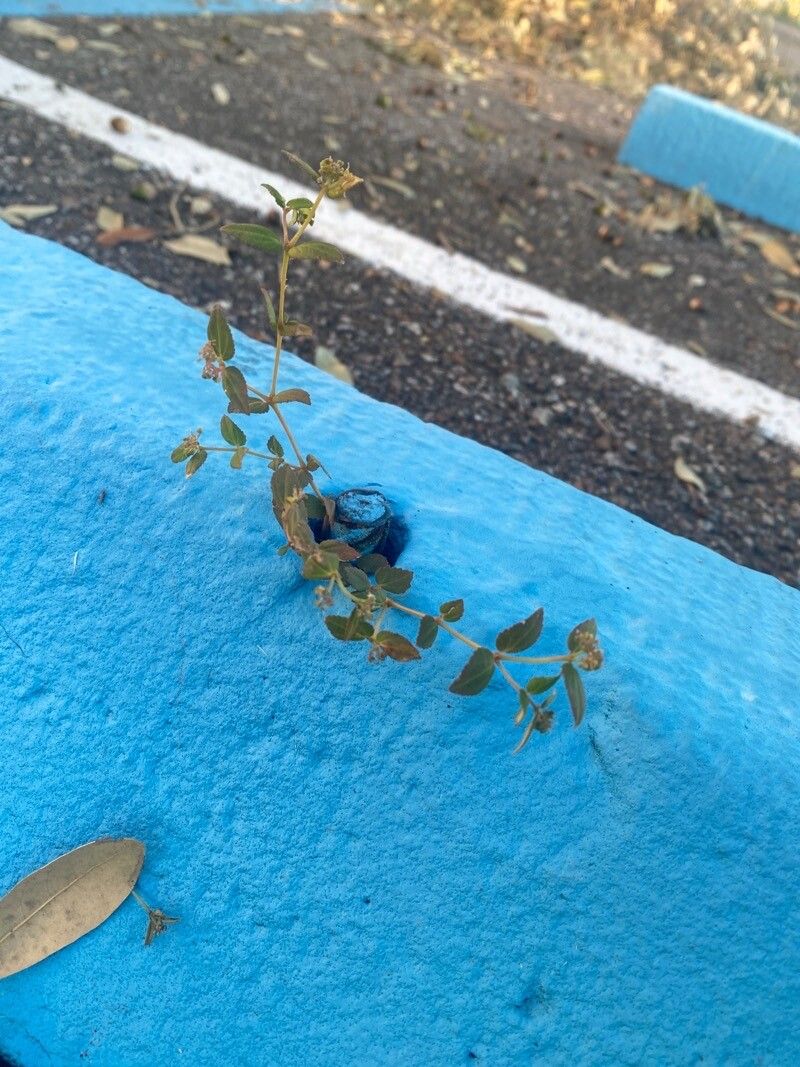
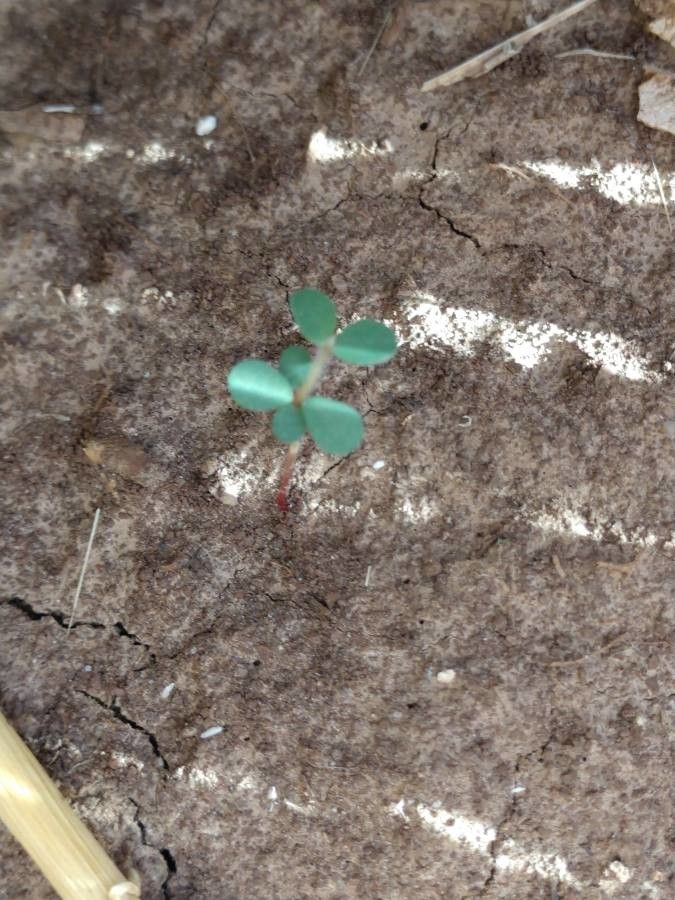
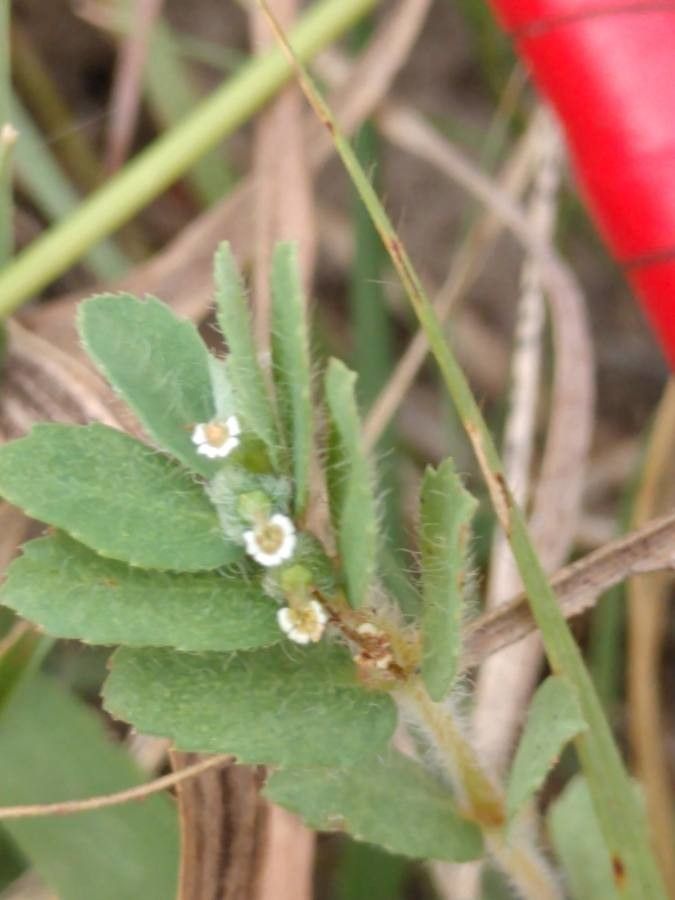
Chamaesyce hypericifolia, commonly known as the smallflower spurge or hypericum-leafed spurge, is a small herbaceous plant that belongs to the Euphorbiaceae family. Native to both North and South America, this plant thrives in various habitats such as fields, roadsides, and disturbed areas.
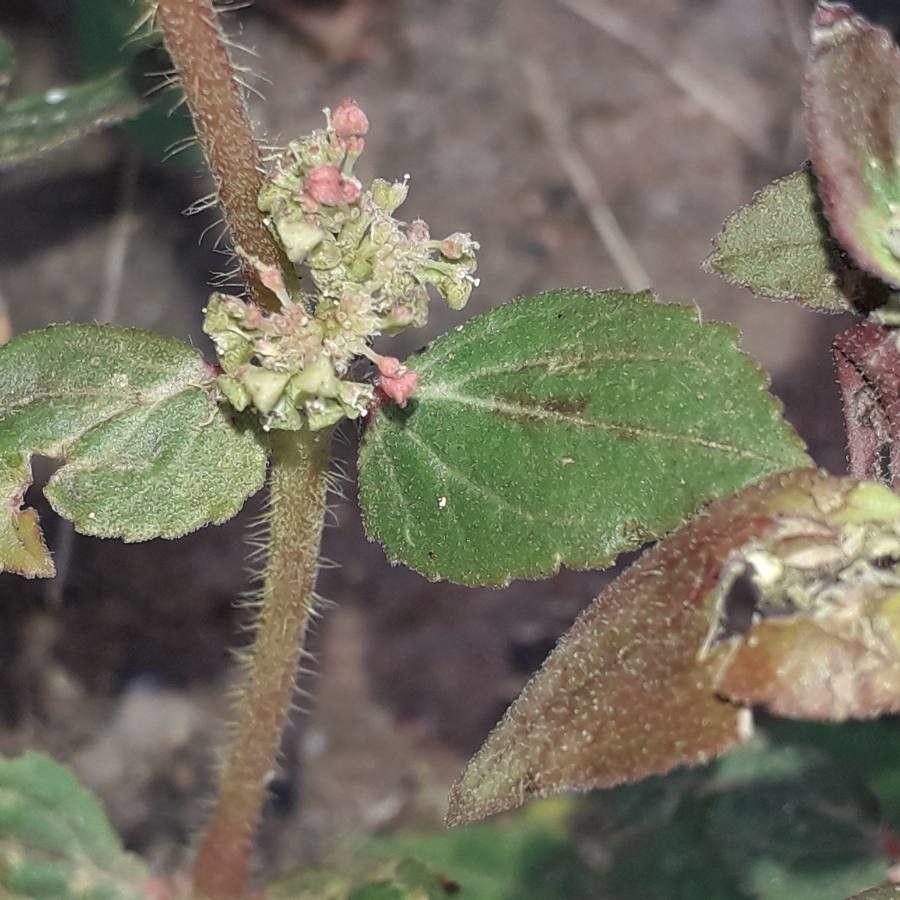
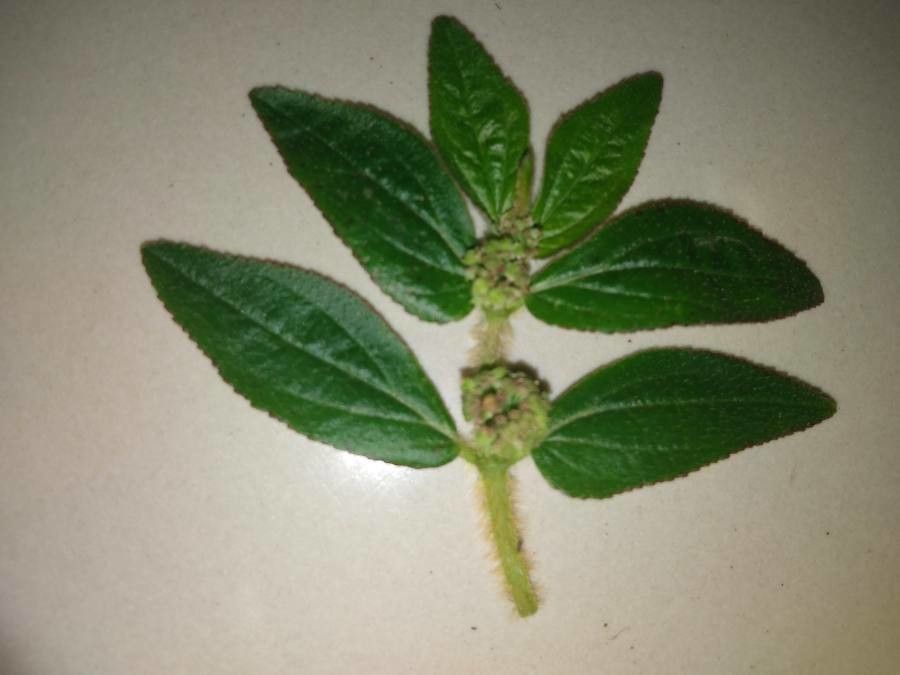
The plant typically reaches up to 30 cm in height and has a spreading growth habit. Its slender stems are reddish-brown and bear alternate leaves that are either ovate or lanceolate in shape. The light green leaves feature reddish margins and a smooth texture.
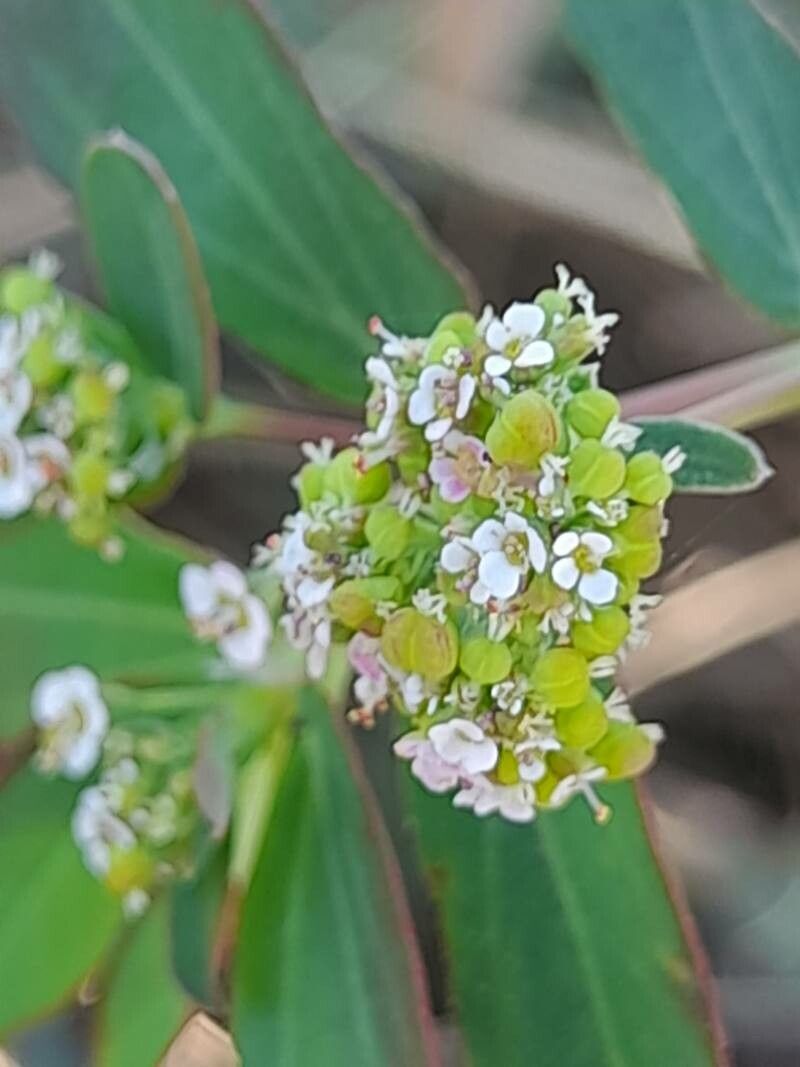
The flowers of Chamaesyce hypericifolia are small and inconspicuous, blooming from spring through fall. Instead of petals, the plant has bracts that resemble petals and can be either green or red, depending on the variety.
In some regions, this plant is considered an invasive species due to its ability to spread rapidly through self-seeding. Despite this, it also possesses medicinal properties; its milky sap, which contains latex compounds, has been used to treat skin conditions such as warts.
Overall, Chamaesyce hypericifolia is a notable herbaceous plant known for its unique appearance and medicinal uses. However, it should be monitored carefully if planted outside its native range to prevent potential invasiveness.
Graceful spurge is fairly resistant to disease and usually not prone to illnesses. However, it can be vulnerable to pests and diseases present in its environment. These infections are typically mild. In terms of care, this plant requires moderate maintenance. It should be pruned regularly to keep a neat appearance and support healthy growth. Fertilizing can also help encourage flowering. Graceful spurge is appropriate for anyone with outdoor space, such as a garden or patio, and does not demand much prior care experience. It may need more attention when grown indoors.
How to keep Chamaesyce Hypericifolia.
Light
Graceful spurge grows best with plenty of sun. Although it can tolerate somewhat lower light, it truly thrives when generously exposed to sunlight. Native to areas with abundant sun, it is a hardy species that may become stunted or bloom less vigorously if deprived of sufficient light.
Temperature
Graceful spurge prefers temperatures of 68 to 100 ℉ (20 to 38 ℃). It is native to humid lowlands and can adjust to different climates, although it does not tolerate harsh winters well. For optimal growth, it is best to keep temperatures at 75 to 85 ℉ (24 to 29 ℃) during the growing season and to keep the plant cool and dry during its dormant period.
Fertilizer
Graceful spurge needs the most fertilizer during its active growth period, which falls mainly in spring, summer, and early fall. Fertilizing supplies essential nutrients that the soil may lack, supporting healthy root and stem growth and enhancing the attractive foliage that is a prominent characteristic of this plant.
Pot & Repot
When repotting Graceful spurge, select a pot 1-2 inches (2.5–5.1 cm) larger with good drainage. Use a well-draining potting mix. Repot in spring or fall, making sure the root ball sits slightly lower than the rim of the flower pot. Water thoroughly after repotting and place in a warm spot with indirect sunlight.
Botanical profile.
- Plant Type
- Herb
- Life Cycle
- Perennial, Annual
- Genus
- Chamaesyce
- Family
- Euphorbiaceae
- Hardiness Zone
- 9-11
- Mature Height
- 30 cm to 61 cm
- Mature Spread
- 49 cm to 61 cm
- Leaf Color
- Green
- Leaf Type
- Evergreen
- Flower Color
- White
- Flower Size
- 2.54 cm
- Bloom Time
- Late spring, Summer
- Planting Time
- Spring
- Harvest Time
- Summer, Early fall
- Native Area
- Chile, Belize, Honduras, Mexico, Guatemala, Peru, Dominican Republic, Panama, Jamaica, Uruguay, Colombia, Bahamas, Cuba, Paraguay, Argentina, Haiti, Bolivia, Venezuela, Brazil, Guyana, El Salvador, Nicaragua, Ecuador, Suriname, Costa Rica
Other names.