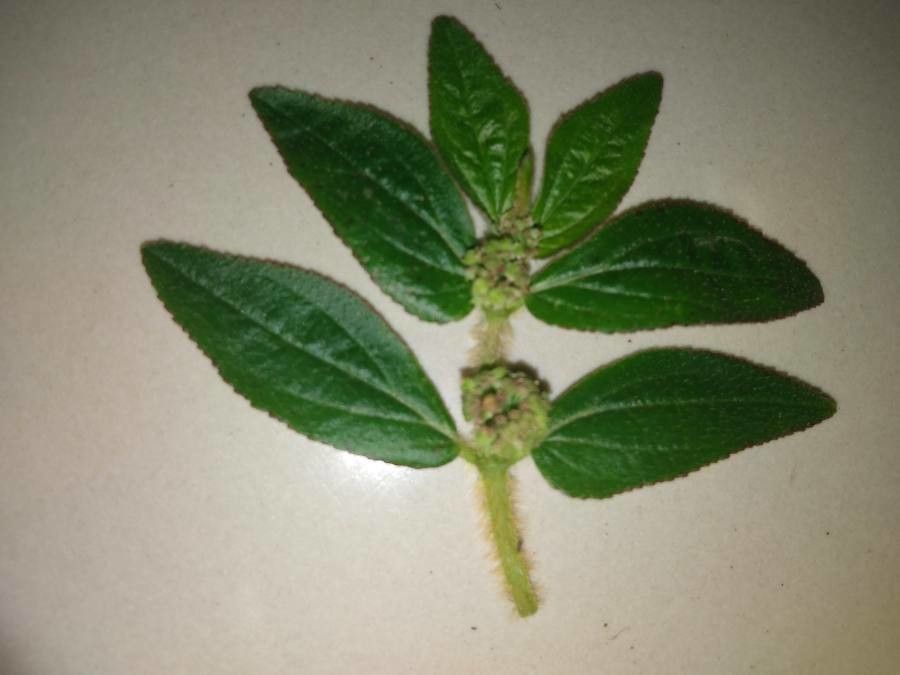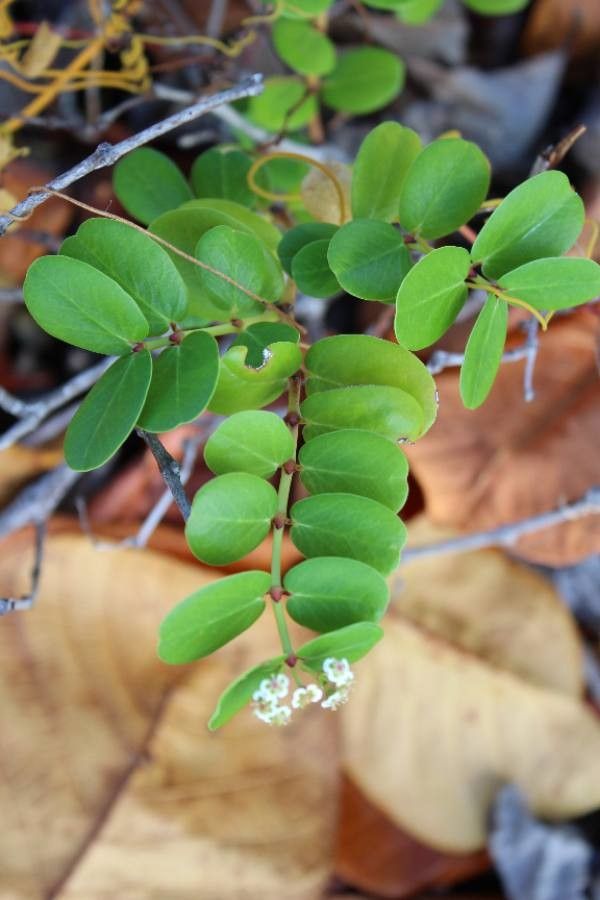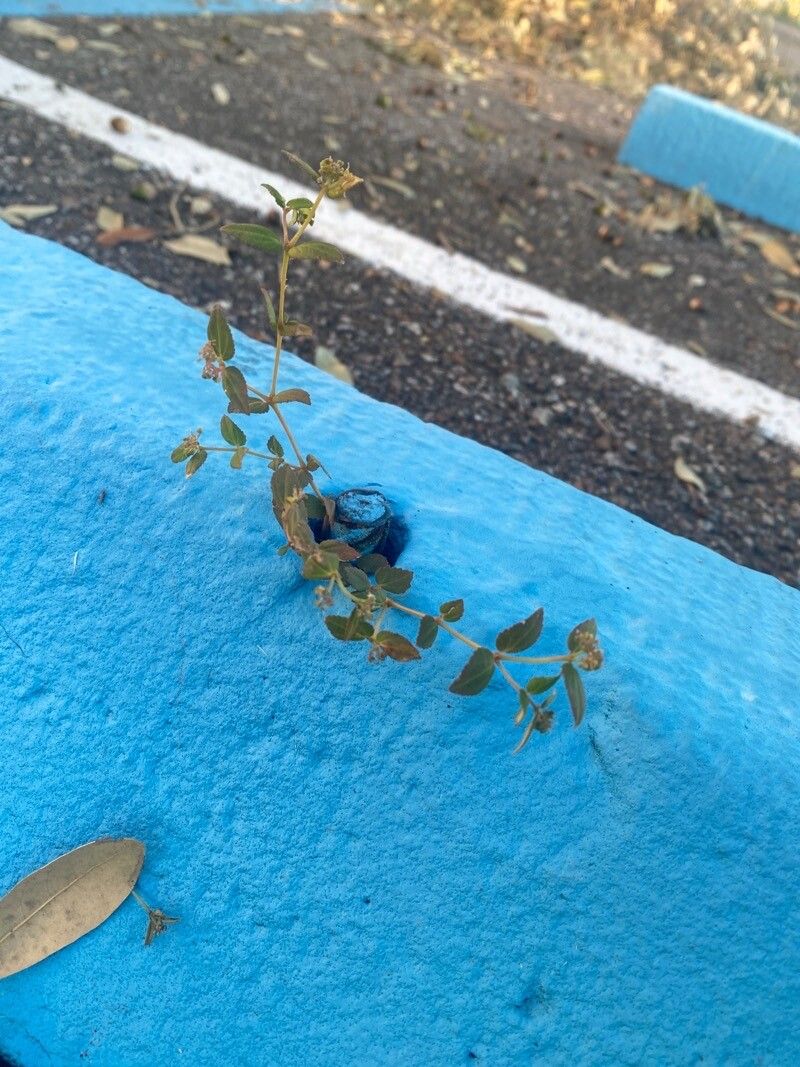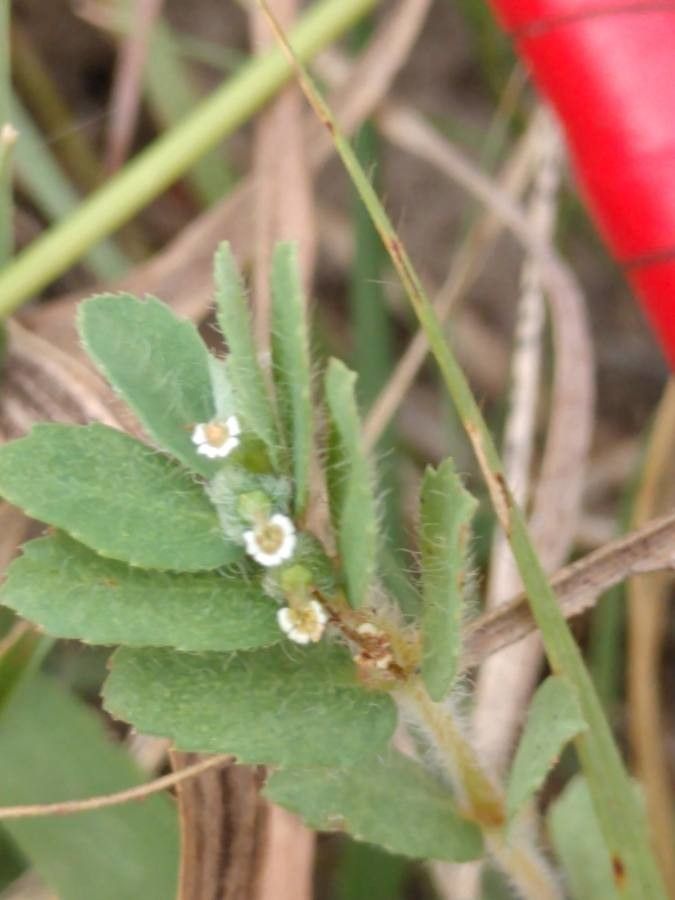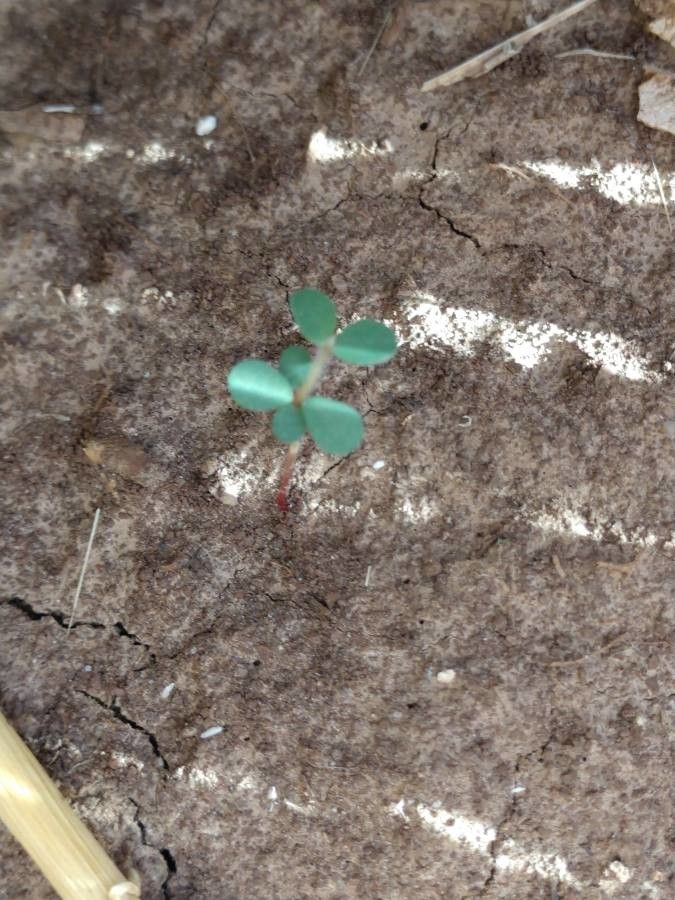
Euphorbia maculata, known as spotted spurge or prostrate spurge, the latter name not to be confused with Euphorbia prostrata, is a fast-growing annual plant in the family Euphorbiaceae, native to North America. It is a common garden and lawn weed in the United States.
It grows in sunny locations and a variety of soils, and functions as a pioneer species in ecological succession. The sap of this plant is a mild skin irritant and can cause a rash in some people. The sap is poisonous and considered carcinogenic.
Spotted spurge is fairly disease-resistant and usually not prone to illnesses. However, it can be vulnerable to pests and diseases present in its environment. These problems are generally mild. For care, this plant needs moderate maintenance. It should be pruned regularly to keep a neat appearance and encourage healthy growth. Fertilizing can also help increase flowering. Spotted spurge is suitable for anyone with outdoor space, such as a garden or patio, and does not require much gardening experience. It may need more attention when grown indoors.
How to keep Chamaesyce Maculata.
Light
Spotted spurge thrives in high sunlight exposure, but can also withstand less sunny environments. Its natural environment is typically one with ample sun. Diminished light can impinge on its growth, whereas too much light can be managed although it may eventually induce stress.
Temperature
Spotted spurge is indigenous to atmospheres with temperatures fluctuating between 68 and 95 °F (20 to 35 ℃). It prospers in balmy conditions. For the best growth, keep these temperature conditions sustained over different seasons.
Fertilizer
The growth of healthy leaves in Spotted spurge can be enhanced by regular, mild applications of fertilizer. This plant should be fertilized roughly every month throughout the summer. Nitrogen plays a significant role in leaf development, and the use of nitrogen-rich supplements can aid in the flourishing of Spotted spurge.
Botanical profile.
- Plant Type
- Herb
- Life Cycle
- Annual
- Genus
- Chamaesyce
- Family
- Euphorbiaceae
- Hardiness Zone
- 6-10
- Mature Height
- 30 cm
- Mature Spread
- 15 cm to 46 cm
- Leaf Color
- Green, Red, Purple
- Leaf Type
- Deciduous
- Flower Color
- White, Pink, Green
- Flower Size
- 2.54 cm
- Bloom Time
- Early summer, Mid summer
- Planting Time
- Spring
- Harvest Time
- Mid summer, Late summer
- Native Area
- Bahamas, Mexico, Belize