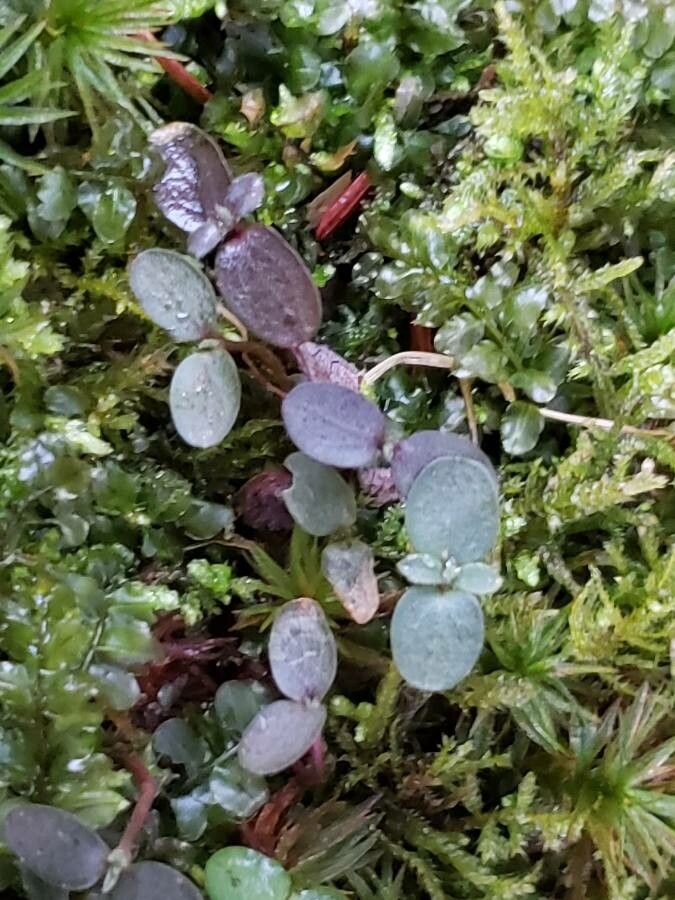
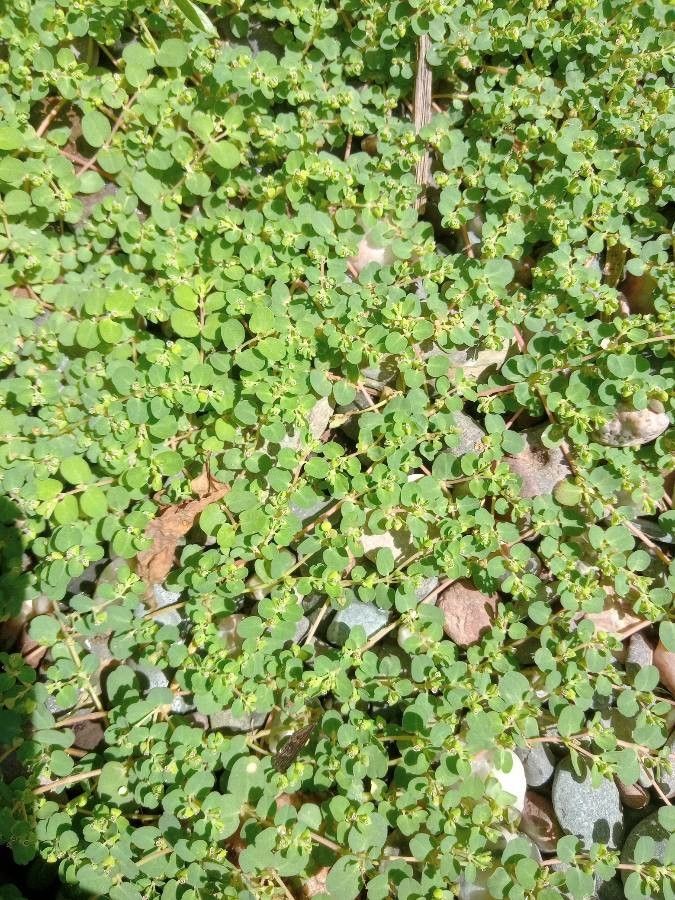
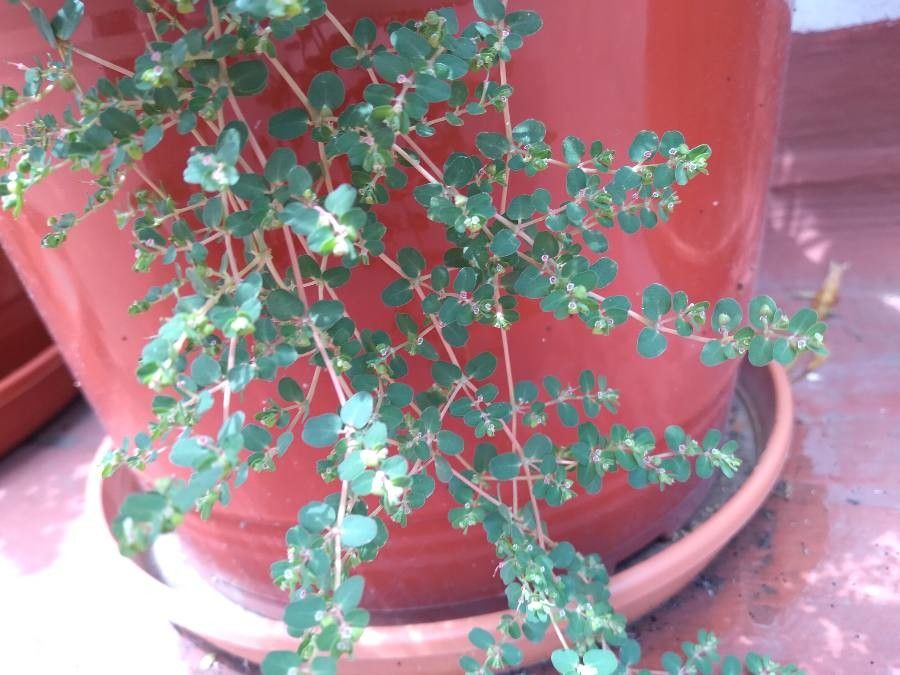
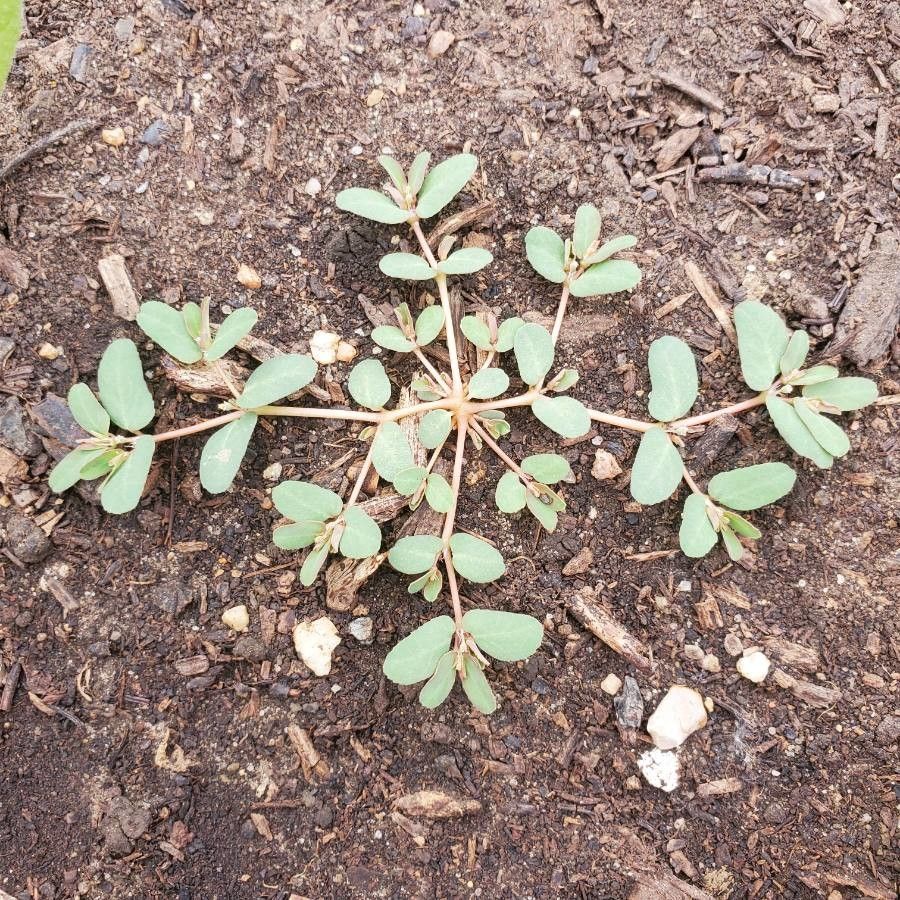
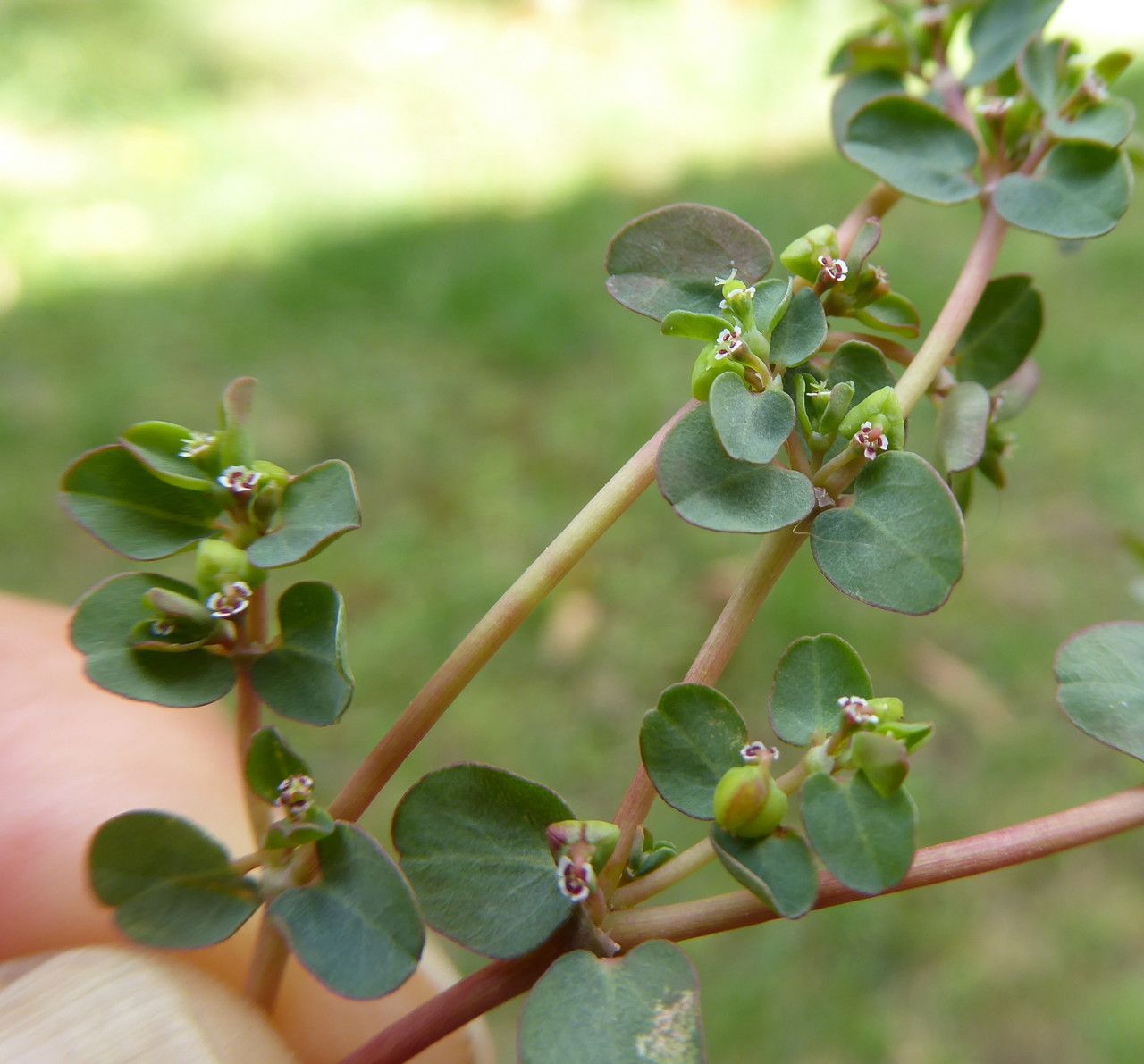
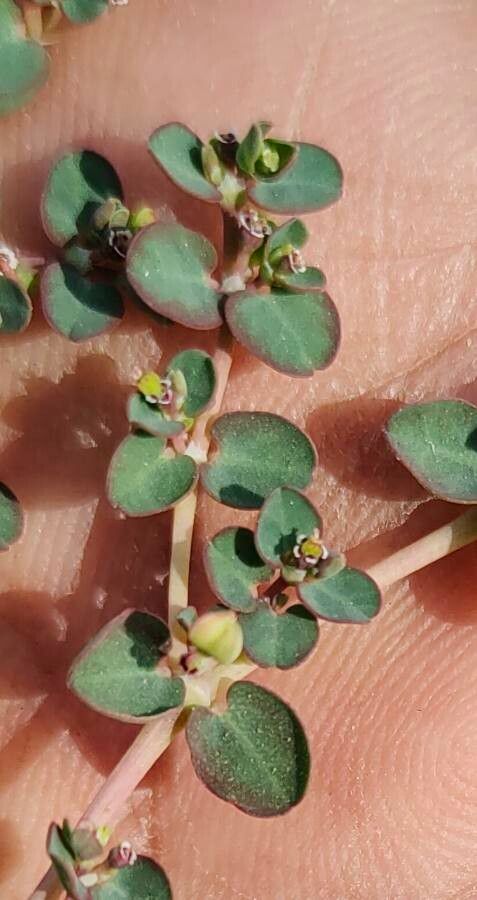
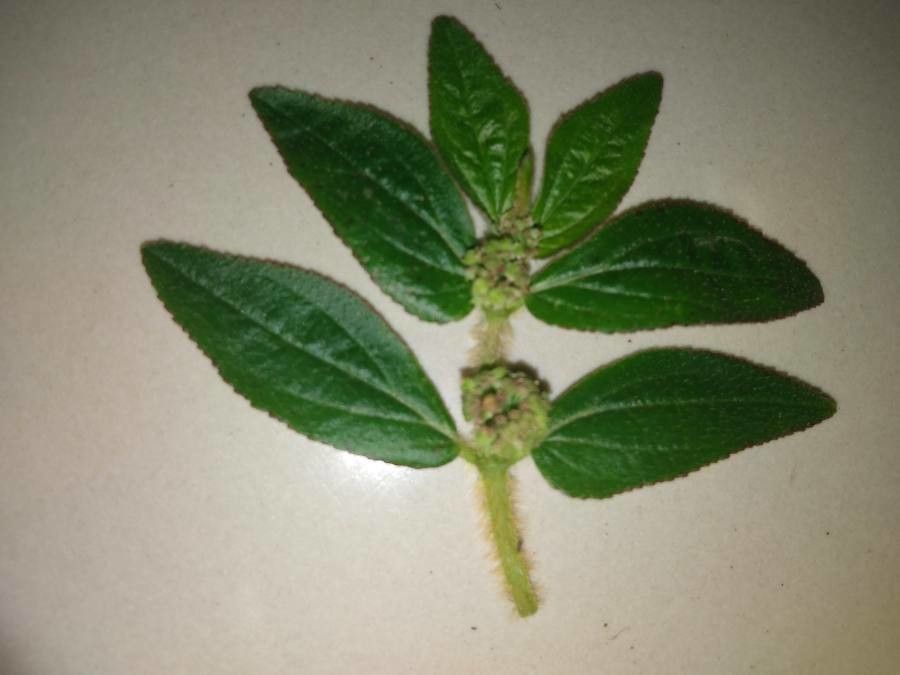
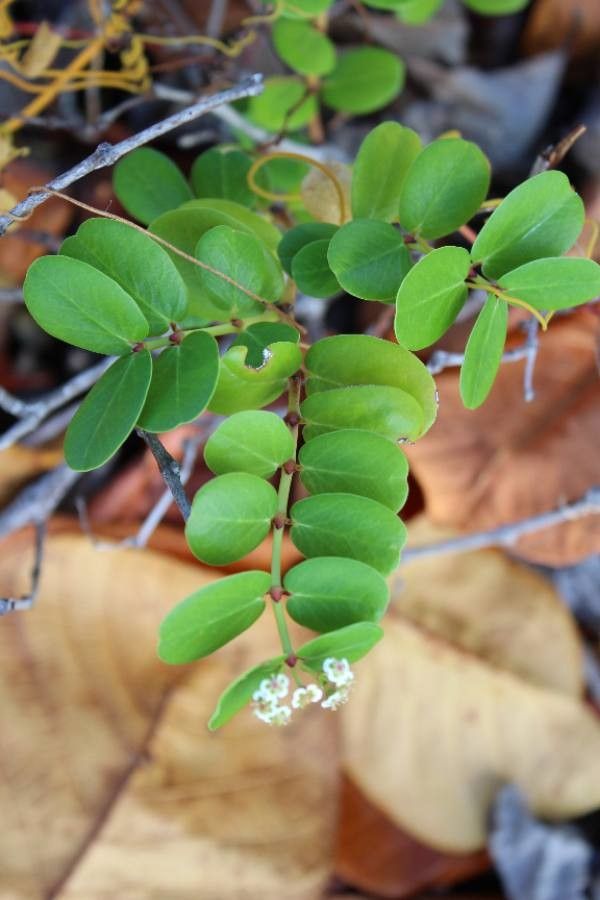
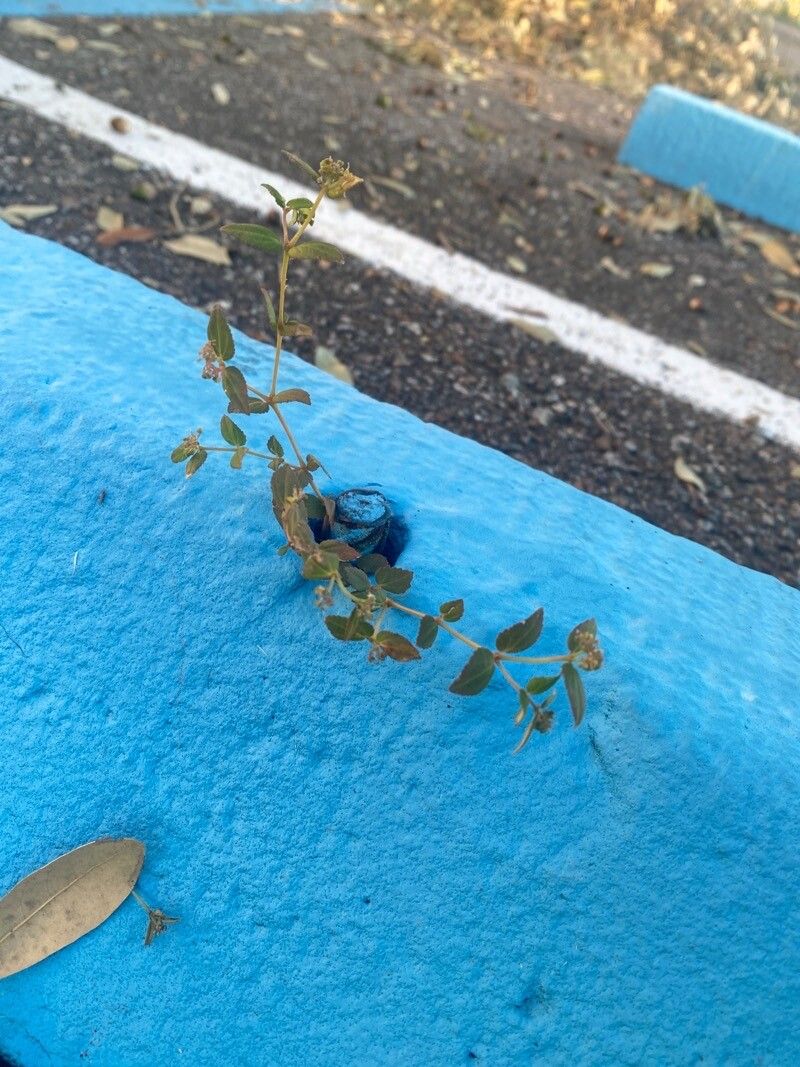
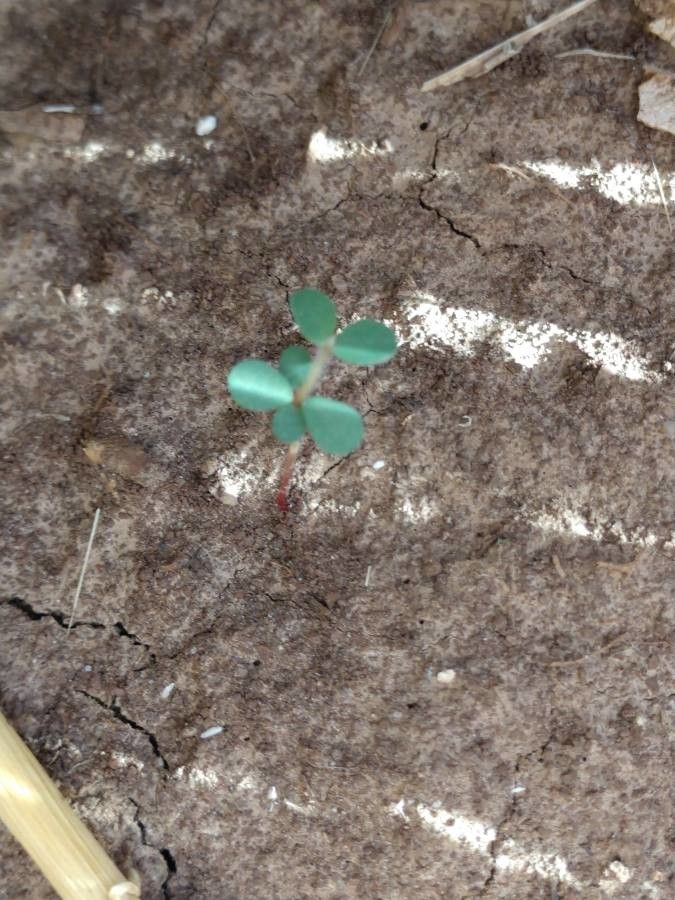
Chamaesyce serpens, commonly known as snake spurge or creeping spurge, is a low-growing perennial plant in the Euphorbiaceae family. Native to North America, it thrives in diverse habitats such as fields, meadows, and disturbed areas.
This plant exhibits a prostrate growth habit, with stems extending up to 30 cm in length. Its small, oval-shaped leaves are bright green, while its flowers are small and inconspicuous, with a greenish-yellow hue.
Chamaesyce serpens is notable for its medicinal properties. It contains compounds with anti-inflammatory effects, making it useful for treating skin conditions like eczema and psoriasis.
In addition to its medicinal uses, this plant also has ecological importance. It serves as a food source for various insects, including bees and butterflies.
Overall, Chamaesyce serpens is a fascinating plant species with both medicinal value and ecological significance in its native habitat.
Matted Sandmat is fairly resistant to disease and generally does not suffer from them. Nonetheless, it can be vulnerable to pests and diseases present in its environment, although these outbreaks are typically mild. For care, this plant requires a moderate level of maintenance. It should be pruned regularly to preserve a neat appearance and support healthy growth. Fertilizing can also aid in encouraging flowering. Matted Sandmat is suitable for anyone with outdoor space, such as a garden or patio, and does not demand extensive care experience. It may need more attention when grown indoors.
How to keep Chamaesyce Serpens.
Light
Matted Sandmat is a sun-loving plant that flourishes in places with abundant light, consistent with its origin in open, exposed habitats. If it is deprived of adequate light, its growth may be stunted and its health affected. On the other hand, too much light is not harmful, because Matted Sandmat is exceptionally resilient.
Temperature
Matted Sandmat thrives in its native habitat where temperatures range from 68 to 105.8 °F (20 to 41 ℃). It favors warmer climates and adapts well across different seasons. Depending on your geographic location, you may need to make adjustments to reproduce these conditions.
Fertilizer
Matted Sandmat benefits from regular, light applications of fertilizer to encourage healthy leaf growth. You should feed Matted Sandmat roughly once a month during the summer months. Nitrogen is important for foliage, and providing nitrogen-rich sources helps Matted Sandmat prosper.
Botanical profile.
- Plant Type
- Herb
- Life Cycle
- Annual
- Genus
- Chamaesyce
- Family
- Euphorbiaceae
- Hardiness Zone
- 6-13
- Mature Height
- 15 cm to 49 cm
- Mature Spread
- 61 cm
- Leaf Color
- Green
- Leaf Type
- Semi-evergreen
- Flower Color
- White, Green, Red
- Flower Size
- 0.13 cm
- Bloom Time
- Late spring, Early summer, Mid summer
- Planting Time
- Spring, Summer, Autumn
- Harvest Time
- Summer
- Native Area
- Colombia, Belize, Cuba, Honduras, Mexico, Bolivia, Venezuela, Peru, Guyana, Brazil, Ecuador, Costa Rica, Jamaica
Other names.