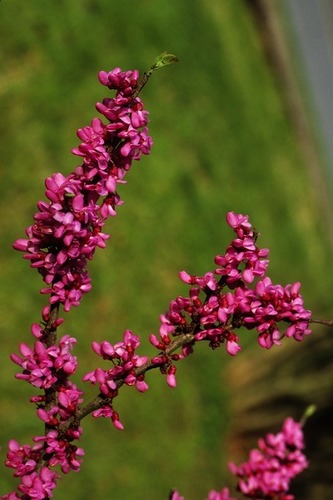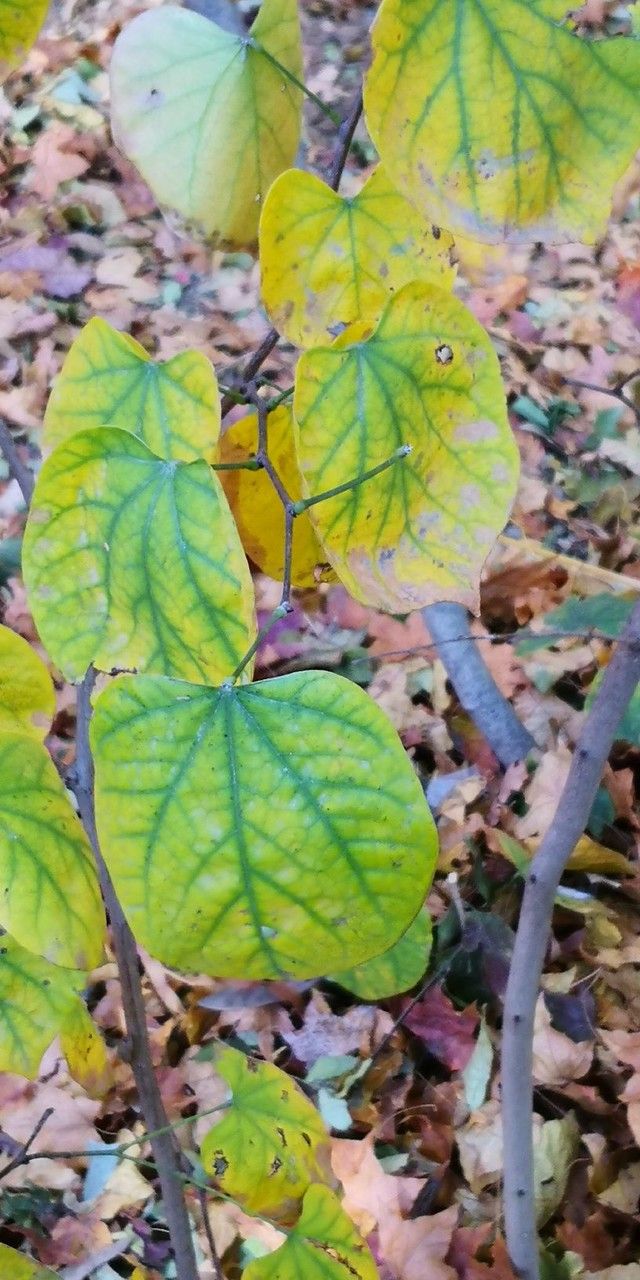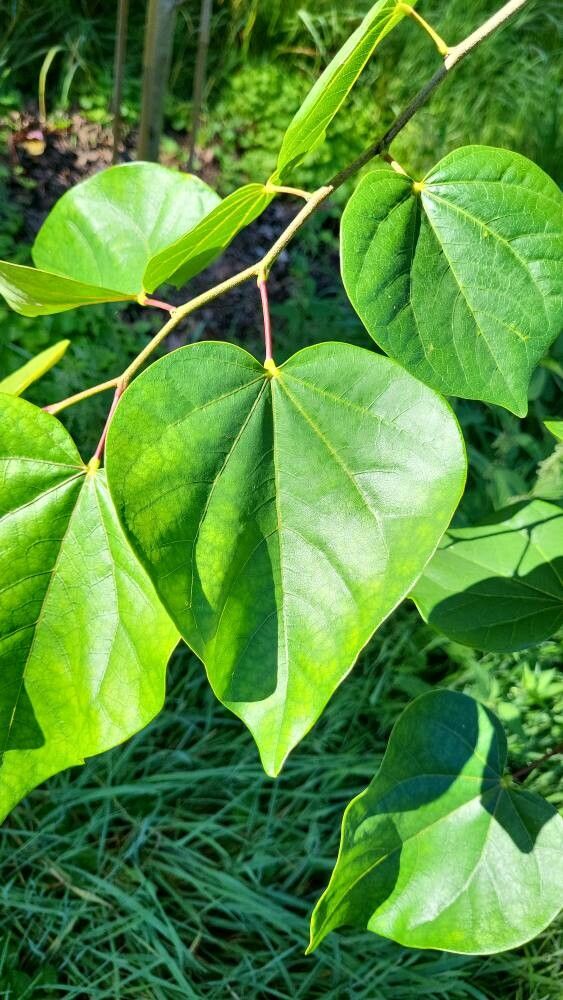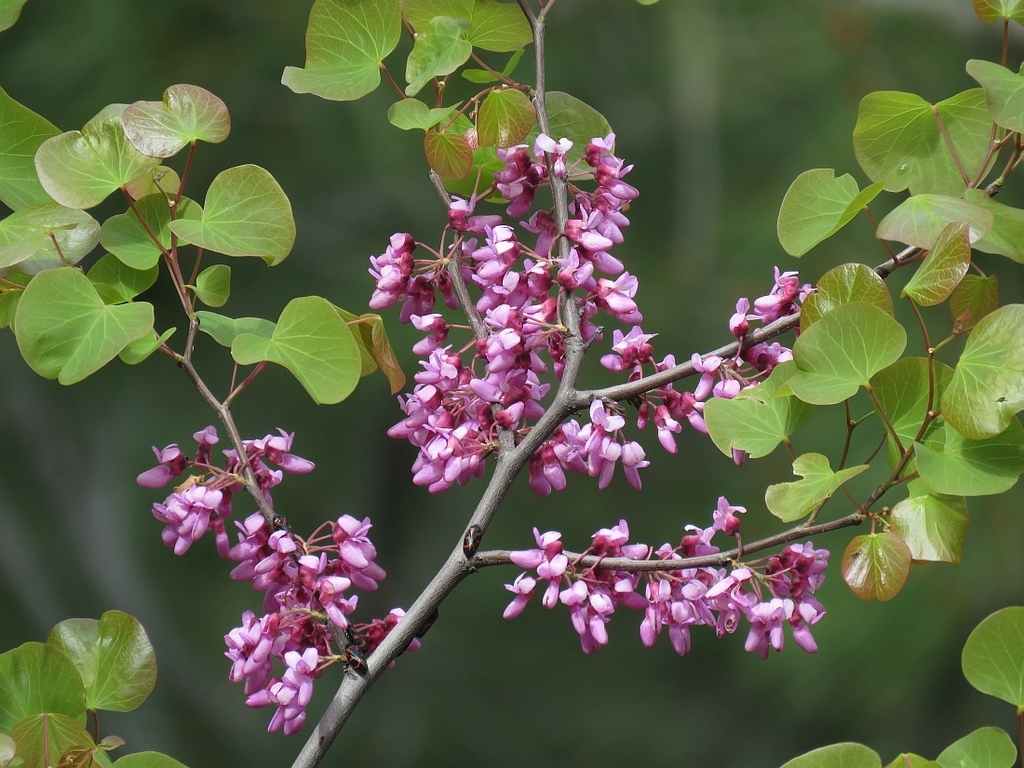
Cercis siliquastrum, commonly known as the Judas tree or Judas-tree, is a small deciduous tree from Southern Europe and Western Asia which is noted for its prolific display of deep pink flowers in spring.
The Judas tree has good resistance to disease and is generally not susceptible to illnesses. In terms of care, this plant is relatively low maintenance. When grown outdoors it needs only minimal watering, and larger specimens generally do not require pruning. Smaller plants, however, should be pruned after they have finished blooming. The Judas tree is suitable for anyone with outdoor space, such as a garden or a deck, and does not require extensive gardening experience.
How to keep Cercis Siliquastrum.
Light
The Judas tree grows best with steady, plentiful sunlight but can tolerate a little shade. Its native habitat is characterized by areas that get sun for most of the year, which supports healthy development. Too much shade can slow growth, while excessive sun may cause the leaves to burn.
Water
The Judas tree flourishes in Mediterranean climates and is highly drought-tolerant, needing water only about once every three weeks. Its deciduous nature makes it ideal for outdoor settings, as it conserves water by shedding leaves during dry periods.
Temperature
The Judas tree typically occurs in climates similar to its native Mediterranean habitat, preferring temperatures between 50 and 95 °F (10 and 35 ℃). In colder months, it is advisable to shelter the plant or bring it indoors to ensure optimal growth.
Fertilizer
Timing is important for fertilizing the Judas tree. Fertilize in early spring and continue monthly until early summer. Fertilizer encourages attractive blooms and supplies energy during both dormant and active growth periods.
Pruning
The Judas tree is a deciduous shrub that produces vibrant pink flowers. To maintain its health and appearance, prune it in early spring to remove any dead wood and to shape the plant. Avoid making cuts after it blooms, as this can harm the flower buds. Thinning out dense growth helps improve air circulation and the health of the blooms, while also encouraging new growth and keeping the plant at a manageable size.
Botanical profile.
- Plant Type
- Tree
- Life Cycle
- Perennial
- Genus
- Cercis
- Family
- Fabaceae
- Hardiness Zone
- 6-9
- Mature Height
- 4.57 m to 11.89 m
- Mature Spread
- 10.06 m
- Leaf Color
- Green, Yellow, Bronze
- Leaf Type
- Deciduous
- Flower Color
- Pink
- Flower Size
- 2.54 cm
- Bloom Time
- Mid spring, Late spring, Early summer
- Planting Time
- Spring, Autumn
- Harvest Time
- Early summer, Mid summer
- Native Area
- Southeast Europe and southwest Asia
Other names.
Reader questions.
What's the best way to water my Judas tree?
To ensure excellent root development, place a garden hose at the base of the plant without directly spraying the leaves. If the leaves are outdoors and in direct sunlight, they will need more water. You can use bubblers or soaker hoses to moisten the roots. When adding or removing plants, use soaker hoses that cover the entire garden or bed to ensure deep root growth. After watering, drain any excess water and wait for the soil to dry before watering again. To prevent diseases, water at ground level. On a sunny day, it may be beneficial to spray the entire bush with water. Whether potted or in the ground, keep in mind that the Judas tree prefers deep watering rather than light sprinkling.
Why do I have to add fertilizer to my Judas tree?
Fertilizing your Judas tree is important for several reasons. Firstly, it helps to promote beautiful blooms. The best time to fertilize is in early spring to ensure excellent flowers during that season. Additionally, fertilizing provides your tree with energy that it can store in the ground during dormant growth phases. By giving extra nutrients during fall planting or late spring, you help your tree store more energy for when active growth resumes.
How many hours of sunlight does a Judas tree need each day to grow well?
To ensure healthy growth, it is important to provide Judas tree with at least 3-6 hours of sunlight each day. This is the minimum requirement, as most plants that can tolerate partial sunlight can also thrive in full sunlight. However, these plants are more adaptable than those that need either full sunlight or partial shade, as they require less light for photosynthesis.
What are the ideal growing conditions for the Judas tree?
The Judas tree, known botanically as Cercis siliquastrum, thrives best in climates similar to its native Mediterranean habitats. It prefers temperatures ranging from 50 to 95 °F (10 to 35 °C). During colder months, it is advisable to either shelter the plant or bring it indoors to ensure its optimal growth. Though the Judas tree exhibits strong cold resistance and does not normally require special frost protection measures, if winter temperatures are expected to plunge below -25°C, it's crucial to safeguard the plant. This includes wrapping the trunk and branches with protective materials like non-woven fabric or cloth. Additionally, watering the plant abundantly before the first freeze in autumn is recommended, to maintain soil moisture and protect the plant from drought and water scarcity during winter and early spring.
What should I do if I give the Judas tree too much or too little water?
If you overwater a Judas tree, its leaves may turn yellow, drop off, and wilt. The plant might also look dull and unhealthy, with mushy stems. When you notice these signs, it's best to adjust your watering schedule. However, wilting can also be a sign of underwatering. In this case, the leaves may become crispy and dry. Check the soil's moisture level and provide a thorough watering when it's dry. Sufficient water will help the Judas tree recover, but the plant may still have dry and yellow leaves due to root damage. Once it returns to normal, the yellowing leaves will stop. Indoors, always check the moisture levels of the pot and avoid overwatering. Look out for black spots, and if present, allow the soil to dry out for a few days. Overwatering can lead to root rot. If you notice discolored and slimy roots, consider transferring the plant to a different pot. Prevent root rot by avoiding overly soggy soil. When planting a Judas tree outdoors, dig a little deeper. If the soil feels too dry, it may indicate underwatering. Adequate watering is necessary to help the plant recover.
When should I fertilize my Judas tree?
To effectively fertilize the Judas tree, timing plays a crucial role. It is best to avoid using fertilizer while the tree is still dormant, as it will not be beneficial and may wash away with rainwater, leading to waste and pollution. Instead, the first application of fertilizer should be done in early spring, followed by monthly fertilization until early summer.
What kind of sunlight does the Judas tree need?
The Judas tree thrives when exposed to full or partial sun. It flourishes when it receives direct morning light, although it requires protection from intense afternoon sun during the summer. In temperate environments, excessive hot afternoon sun can harm the plant's leaves and overall health, leading to a diminished appearance.
How does the Judas tree react to low temperatures?
The Judas tree is cold-tolerant and fares best when temperatures stay above 10°C. It should be kept above -15°C during the winter. If temperatures fall below -25°C, the tree may not exhibit immediate damage during winter, but its branches may become brittle and dry by spring. Moreover, it might fail to produce new shoots. In the event of such damage, the recommended course of action is to prune away any dead branches that have failed to produce new leaves come spring.
How frequently should I water my Judas tree?
The Judas tree prefers deep watering that is done infrequently. If it is planted in pots, make sure to soak it with a gallon of water each time, as the water storage in pots is limited and the soil tends to dry out quickly. In colder regions, watering is needed every 3 to 5 days. Water the tree early in the morning when the soil is dry, whether it's placed outdoors or indoors. To determine if watering is necessary, check the soil inside the pot. If the top 2-3 inches of soil is dry, it's time for a full watering. In hot weather, check the moisture daily as the heat can dry out the soil rapidly. If you have a garden, irrigation of the soil is necessary. In hot climates, watering once a week is sufficient. Only water when the top 2-3 inches of soil become too dry. Take into account the amount of rainfall on the plant and avoid overwatering to prevent root rot. If there is ample rainfall, additional watering may not be necessary. Judas trees typically grow during spring and fall. Outdoors, add a layer of mulch around 3 to 4 inches deep to conserve water. Sandy soil requires more frequent watering due to its fast drainage, while clay soil needs less frequent watering to avoid root rot. Keep track of your watering schedule by marking it on the calendar. Note that if you notice the leaves starting to droop, you may be a day late in watering.
When is the best time to not put fertilizer on my Judas tree?
To ensure optimal growth and blooming of the Judas tree, it's important to carefully select the right fertilizer. Avoid using a fertilizer with excessive nitrogen content, as this can result in an abundance of leaves but fewer blooms. Instead, opt for a fertilizer that has a lower level of nitrogen compared to other nutrients. Timing is also crucial when it comes to fertilizing the Judas tree. Refrain from fertilizing after early autumn, as this can lead to excessive growth just before winter, which may not be ideal. Additionally, avoid fertilizing the tree during hot and dry periods, as dry soil doesn't effectively absorb the fertilizer. Fertilization during this time can also stimulate growth that demands more water, which may not be available. It's best to apply fertilizer during the earlier part of the season when temperatures are cooler. Lastly, be cautious about unintentionally giving the Judas tree a double dose of fertilizer. The tree can absorb fertilizer that has been applied to nearby plants or lawns, so ensure that you are mindful of this possibility.
Can the sun harm the Judas tree? How can I keep the Judas tree safe from the sun and heat?
When moving a Judas tree from indoors to outdoors, it is important to be mindful of direct sunlight causing damage. To prevent sunburns, gradually move the pots from a shaded area to a brighter spot. However, even if the plants are already acclimated to the sun, they can still be harmed by extreme heat. During a heatwave, it is crucial to keep the soil consistently moist to help the plants cope with high temperatures. Protecting sensitive Judas trees can be done by moving container plants to areas with afternoon shade or by using a shade cloth during extreme weather events.
What should be done if the Judas tree experiences high temperatures?
During the summer, it's important to ensure that the Judas tree's surrounding temperature does not exceed 35°C. Exposure to temperatures above 38°C can result in the plant's leaves lightening in color, the leaf tips drying and withering, and an increased risk of sunburn. To mitigate these issues, it is advisable to trim away any sunburned and dried-up sections. The plant should also be relocated to a spot that offers shade during the midday and afternoon sun, or a shade cloth can be used to artificially create shade. Furthermore, watering the tree in the morning and evening will help keep the soil adequately moist.