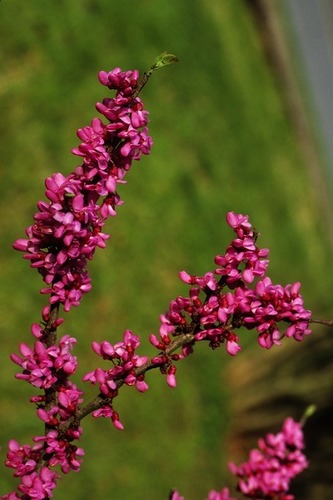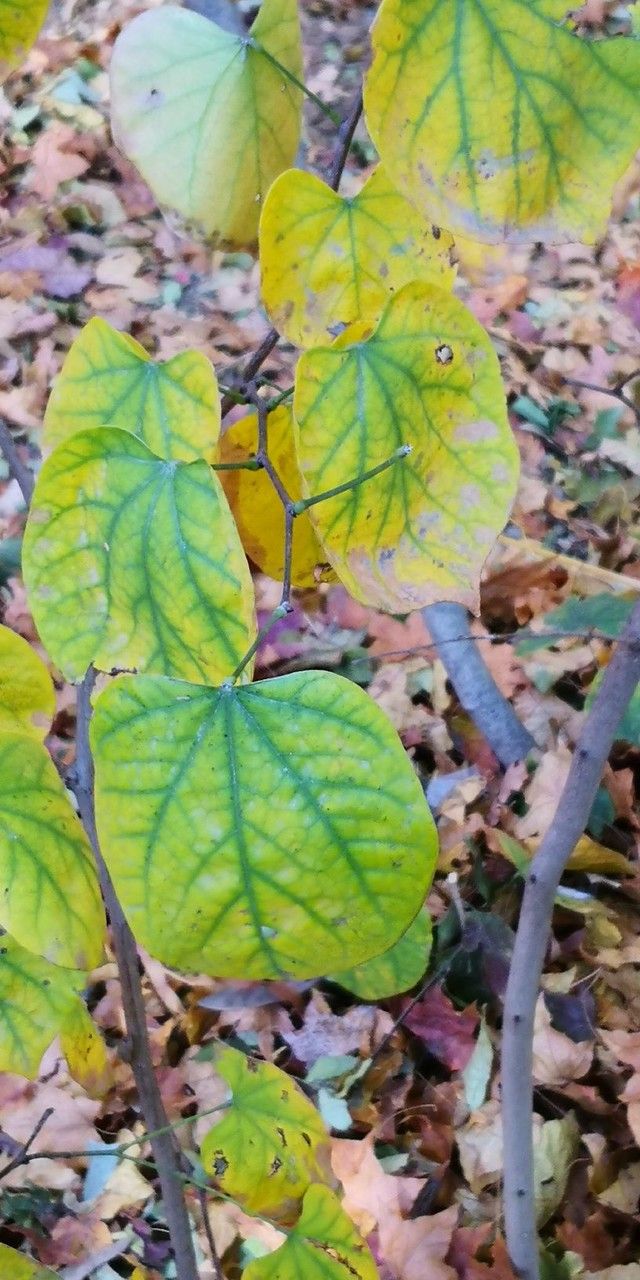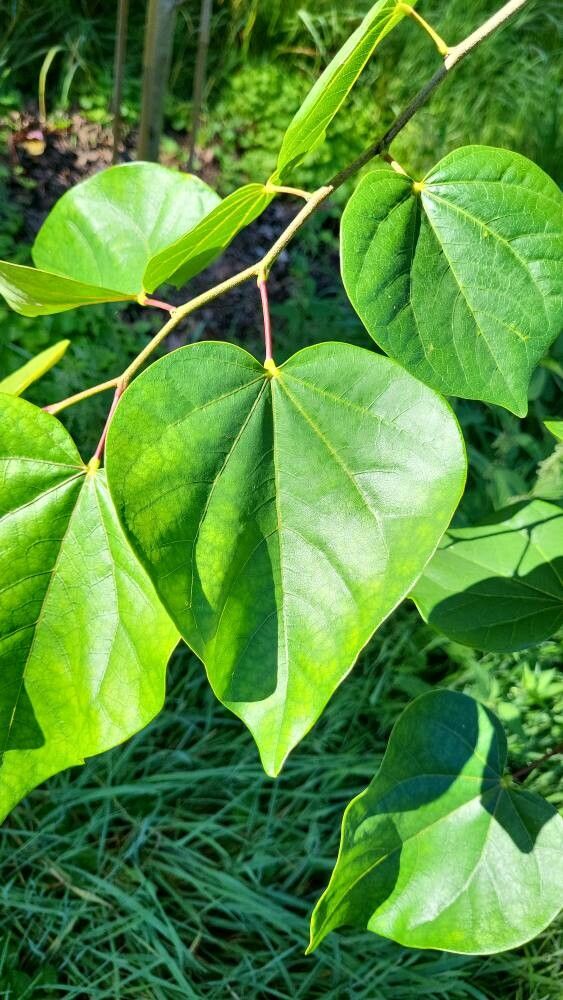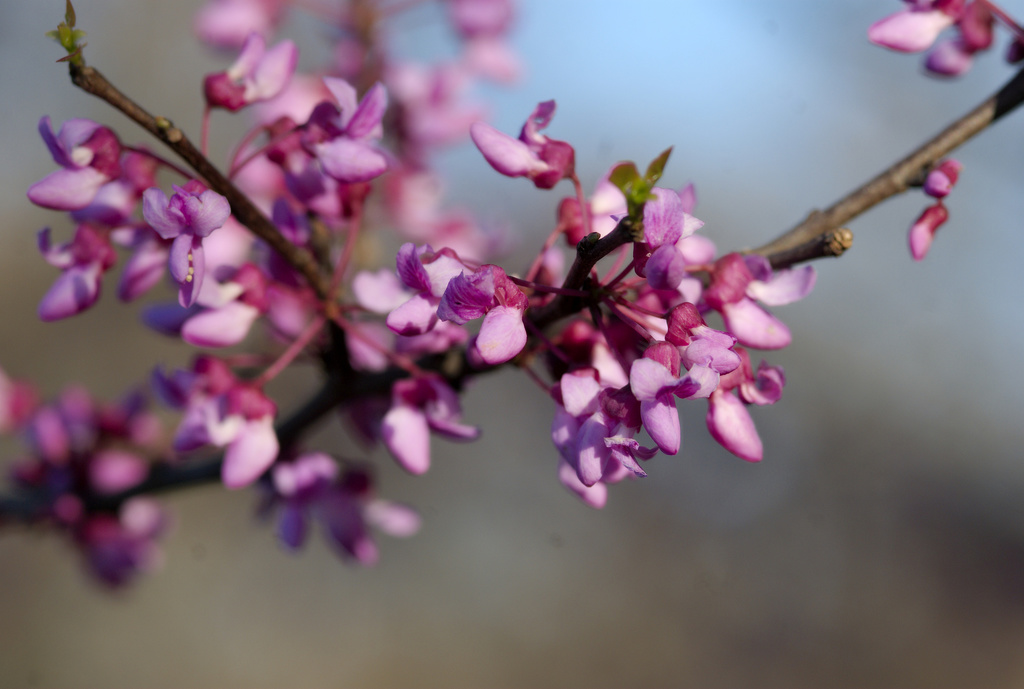
Cercis canadensis, commonly known as the Eastern Redbud, is a deciduous tree native to eastern North America. It is a popular ornamental tree due to its stunning pink or purple flowers that bloom in early spring before the leaves emerge. The heart-shaped leaves are green in summer and turn yellow in the fall. The Eastern Redbud can grow up to 30 feet tall and 25 feet wide, with a rounded crown. It prefers well-drained soil and thrives in full sun or partial shade. This tree is also important for wildlife, as it provides food for bees, butterflies, and birds such as finches and chickadees, which eat its seeds during the winter months.
During spring, the Eastern redbud tree becomes adorned with red flower buds, which is why it is commonly known as the redbud. Due to the dry conditions in the western United States, the plant cannot thrive there, leading to its designation as the Eastern redbud.
Eastern redbud has strong disease resistance and is generally not susceptible to illnesses. In terms of care, this plant is fairly low-maintenance. When planted outdoors it needs little watering, and larger specimens typically do not require pruning. Smaller plants, however, should be pruned after they finish blooming. Eastern redbud is suitable for anyone with an outdoor area, such as a garden or deck, and does not demand extensive gardening experience.
How to keep Cercis Canadensis.
Light
The eastern redbud has a strong preference for abundant light, which supports its healthy growth. It comes from habitats with plentiful sunshine and does best in locations with generous sun exposure. It can, however, cope with areas that receive less sunlight. Still, both too much and too little sun can possibly impair its growth.
Water
The Eastern redbud flourishes in woodland environments, where it prefers moderate humidity and can tolerate drought conditions. To ensure its vibrant spring blossoms, it is important to water the tree every 1-2 weeks to maintain proper hydration. As an ornamental deciduous tree, the Eastern redbud clearly demonstrates how water significantly affects its floral display.
Humidity
This plant will thrive in moderate humidity, which is probably the level in your home. However, misting it a few times a week can be very beneficial. Make sure the room has good ventilation.
Temperature
Eastern redbud is a temperate woody species that prefers temperatures of 50 to 95 °F (10 to 35 °C). Its native habitat, regarding temperature requirements, is characterized by moderate to warm climates. Notably, Eastern redbud adapts to fluctuating temperatures and copes with cooler conditions in fall and winter by entering dormancy.
Fertilizer
Timing is critical when fertilizing the Eastern redbud. Apply fertilizer in early spring and repeat monthly through early summer. Fertilizer encourages attractive blooms and supplies energy both during dormancy and periods of active growth.
Pruning
The Eastern redbud is known for its stunning pink flowers and heart-shaped leaves. To maintain its shape and health, prune the tree in late spring after it has finished blooming. Start by removing any dead or diseased branches. Thinning out congested areas can also improve air circulation. It's best to avoid heavy pruning, as it can stress the tree. Instead, focus on light pruning to encourage strong growth and enhance its ornamental appeal.
Pot & Repot
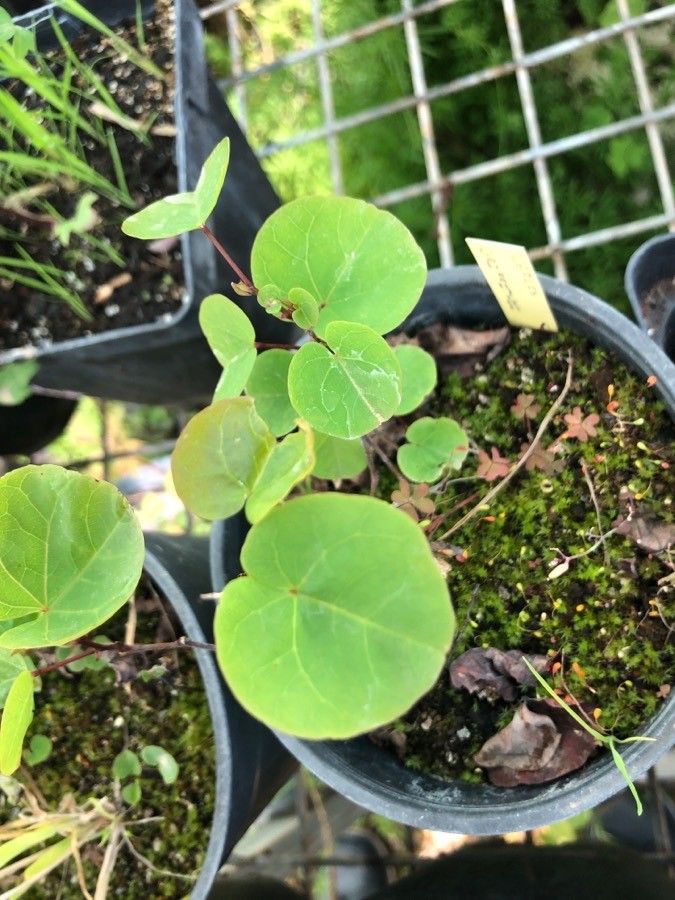
To thrive, Eastern redbud plants need pots with excellent drainage.
Toxicity
Eastern redbud plants contain a toxic saponin that may be harmful to humans and animals. However, these toxins are poorly absorbed by the body and may pass straight through without causing any problems. The compound is also broken down during the cooking process.
Further reading →
The toxicity and danger assessments provided are for reference only. We do not assure their accuracy, so it's crucial not to depend on them. Seek professional advice when necessary for accurate guidance.
Botanical profile.
- Plant Type
- Shrub, Tree
- Life Cycle
- Perennial
- Genus
- Cercis
- Family
- Fabaceae
- Hardiness Zone
- 6-9
- Mature Height
- 6.1 m to 14.94 m
- Mature Spread
- 7.62 m to 10.36 m
- Leaf Color
- Green, Yellow, Red
- Leaf Type
- Deciduous
- Flower Color
- Pink
- Flower Size
- 1.52 cm
- Bloom Time
- Mid spring, Late spring
- Planting Time
- Spring, Autumn
- Harvest Time
- Early summer, Mid summer
- Native Area
- It originally comes from the Midwestern and Eastern United States
Other names.
Reader questions.
When Should I Water My Eastern Redbud?
Watering your eastern redbud is essential for its health, impacting its growth, flower production, and disease resistance. It's time to water when the top 1 to 2 inches of soil feel dry. Wilted or lackluster leaves are indicators of needing water. Watering is critical during the pre-flowering stage to prevent bud drop. During warm temperatures and high sunlight exposure, eastern redbud has an increased water requirement. Be cautious not to water too early, as moist soil can lead to root diseases, but also avoid watering too late as it may cause wilting or even death. Monitoring these signs will help ensure a proper watering schedule.
Why should I use fertilizer on my Eastern redbud tree?
To help your Eastern redbud thrive and produce beautiful blooms, it is important to fertilize it for several reasons. One obvious reason is that fertilizer aids in the development of lovely flowers. Fertilizing in early spring is especially beneficial as it ensures excellent blooms during that season. Additionally, fertilizer provides your Eastern redbud with energy that it can store during periods of dormancy. By giving it extra nutrients during fall planting or late spring, your Eastern redbud will have more energy to utilize when it becomes actively growing again.
What are the sunlight requirements for Eastern Redbud?
Eastern Redbud (Cercis canadensis) thrives in environments with abundant sunlight. It requires full sun, which means it should receive above 6 hours of sunlight daily, but it can also manage with partial sun, about 3-6 hours of sunlight. However, watch how sunlight moves through your garden to ensure you find spots that provide a balance of light and shade, ensuring the plant’s well-being. Despite its preference for ample light, the Eastern Redbud can adapt to lesser sun exposure. Yet, both excessive and inadequate sunlight can impair its growth.
What are the ideal temperatures for Eastern redbud?
Eastern redbud (Cercis canadensis) thrives in temperate conditions, preferring temperatures between 50 to 95°F (10 to 35°C). Its adaptability to moderate to warm climates stems from its innate ability to withstand fluctuating temperatures. As the seasons transition from the warmth of the summer to the cooler fall and winter months, it enters a state of dormancy to cope with the cold, demonstrating a strong resistance to frost. Despite this robust cold resistance, in conditions where winter temperatures are expected to plunge below the growth limit, taking steps to protect the plant is advisable. Wrapping the trunk and branches with protective materials like non-woven fabric and ensuring the soil is moist prior to the first freeze can offer additional safeguarding against the harshest of winters.
How Should I Water My Eastern Redbud?
Eastern redbud thrives in consistently moist soil without being waterlogged, requiring careful watering. The best technique is slow, deep watering, possibly using a watering can with a long spout or drip irrigation to target the base of the plant while avoiding misting to prevent fungal growth on the foliage. Tools like a moisture meter and a long-spouted watering can or drip system are helpful. Focus on watering the soil around the roots and avoid getting water on the leaves to prevent disease.
When should I fertilize my Eastern redbud tree?
To ensure effective fertilization of Eastern redbud, timing is crucial. Applying fertilizer while the tree is still dormant is not recommended as it will be washed away by rainwater, leading to waste and pollution. Instead, the first application of fertilizer should be done in early spring, followed by monthly applications until early summer.
How can artificial lighting support Eastern Redbud growth?
When natural sunlight is insufficient, artificial lighting can be a vital solution for indoor Eastern Redbud plants, promoting their optimal growth. LED lights are recommended as they can be customized to provide specific wavelengths needed. Full sun plants require 30-50W per square foot of artificial light, partial sun plants need 20-30W per square foot, and full shade plants need 10-20W per square foot. The artificial light source should be placed 12-36 inches above the plant to mimic natural sunlight and be kept on for 8-12 hours per day to simulate natural daylight hours.
How does low temperature affect Eastern redbud, and what are the solutions?
Eastern redbud exhibits commendable tolerance to cold. It is crucial to maintain temperatures above a certain minimum to ensure its well-being during winter. Fall below this temperature threshold may not show immediate adverse effects, but come spring, the repercussions become evident. The plant's branches may turn brittle and dry, possibly failing to produce new shoots. To mitigate such damage, it's advisable to prune away the dead branches at the onset of spring to encourage new growth and revitalize the plant.
How Much Water Does Eastern Redbud Really Need?
The eastern redbud's watering needs depend on factors like pot size, root depth, and plant size. Given its relatively shallow root system, ensure the soil is moist to a depth of 1 to 2 feet by watering it with 1 to 2 inches of water weekly. Adjust the watering frequency based on the pot size, as larger pots retain moisture longer. Properly hydrated plants will display lush, green leaves and abundant flowers when watered correctly, but avoid overwatering, as it can cause root rot and other issues.
When is the best time to not fertilize my Eastern redbud tree?
To ensure optimal growth and bloom production in Eastern redbud, it is important to be mindful of the amount of nitrogen in the fertilizer you use. Excessive nitrogen can result in an abundance of leaves but fewer blooms. Therefore, it is advisable to choose a fertilizer that has a lower nitrogen content compared to other nutrients. It is also crucial to pay attention to the timing of fertilizer application. Avoid fertilizing Eastern redbud in the late autumn, as this can lead to excessive growth right before winter, which may not be beneficial for the tree. Additionally, do not fertilize during hot and dry periods, as dry soil does not effectively deliver nutrients, and stimulating growth during this time can exacerbate water requirements that may not be met. It is best to apply fertilizer earlier in the season when temperatures are cooler. Lastly, it is important to note that Eastern redbud can absorb fertilizer from nearby plants or lawns. Therefore, it is crucial to be cautious and avoid accidentally providing the tree with an excessive amount of fertilizer.
What are the symptoms of inadequate sunlight in Eastern Redbud?
When Eastern Redbud doesn't receive sufficient sunlight, it may exhibit symptoms such as small new leaves, leggy or sparse growth, faster leaf drop, slower or no new growth, and lighter-colored new leaves. Other issues can include chlorosis, where leaves lose their green color, sunscald with visible damage on leaves or stems, leaf curling as a defense mechanism against extreme sunlight, wilting from water loss due to overexposure, and leaf scorching characterized by brown, crispy edges on leaves.
What should be done when Eastern redbud is exposed to high temperatures?
In summer, ensuring that the Eastern redbud does not endure temperatures exceeding its maximum tolerance is vital for its health. Excessive heat can lead to the leaves lightening in color, drying out at the tips, and the plant becoming prone to sunburn. To prevent such adverse effects, removing the sunburned and dried parts and providing shade during the peak sun hours can be beneficial. Employing measures such as relocating the plant to a shaded area or using a shade cloth and keeping the soil moist with regular waterings in the cooler morning and evening times can help protect the plant from the stress of high temperatures.