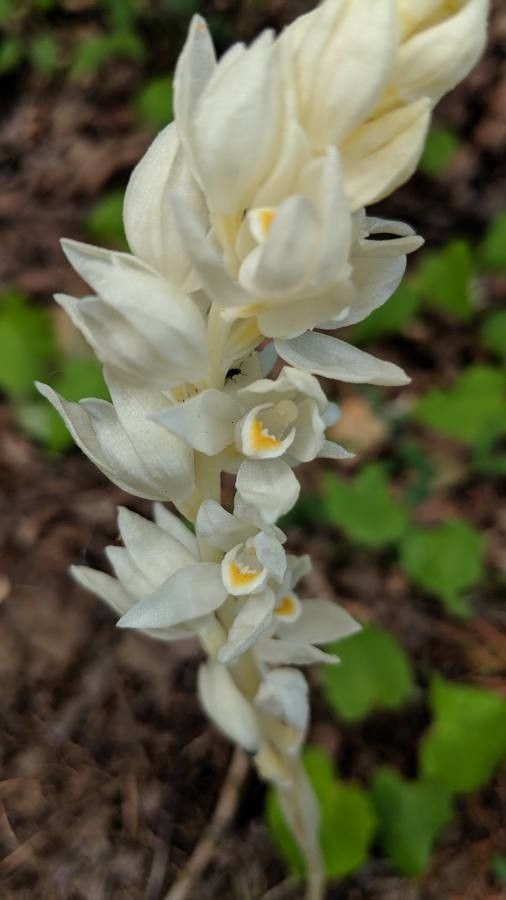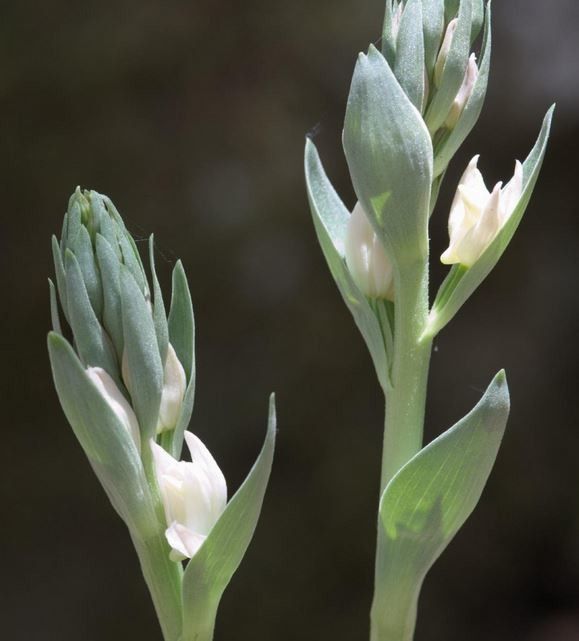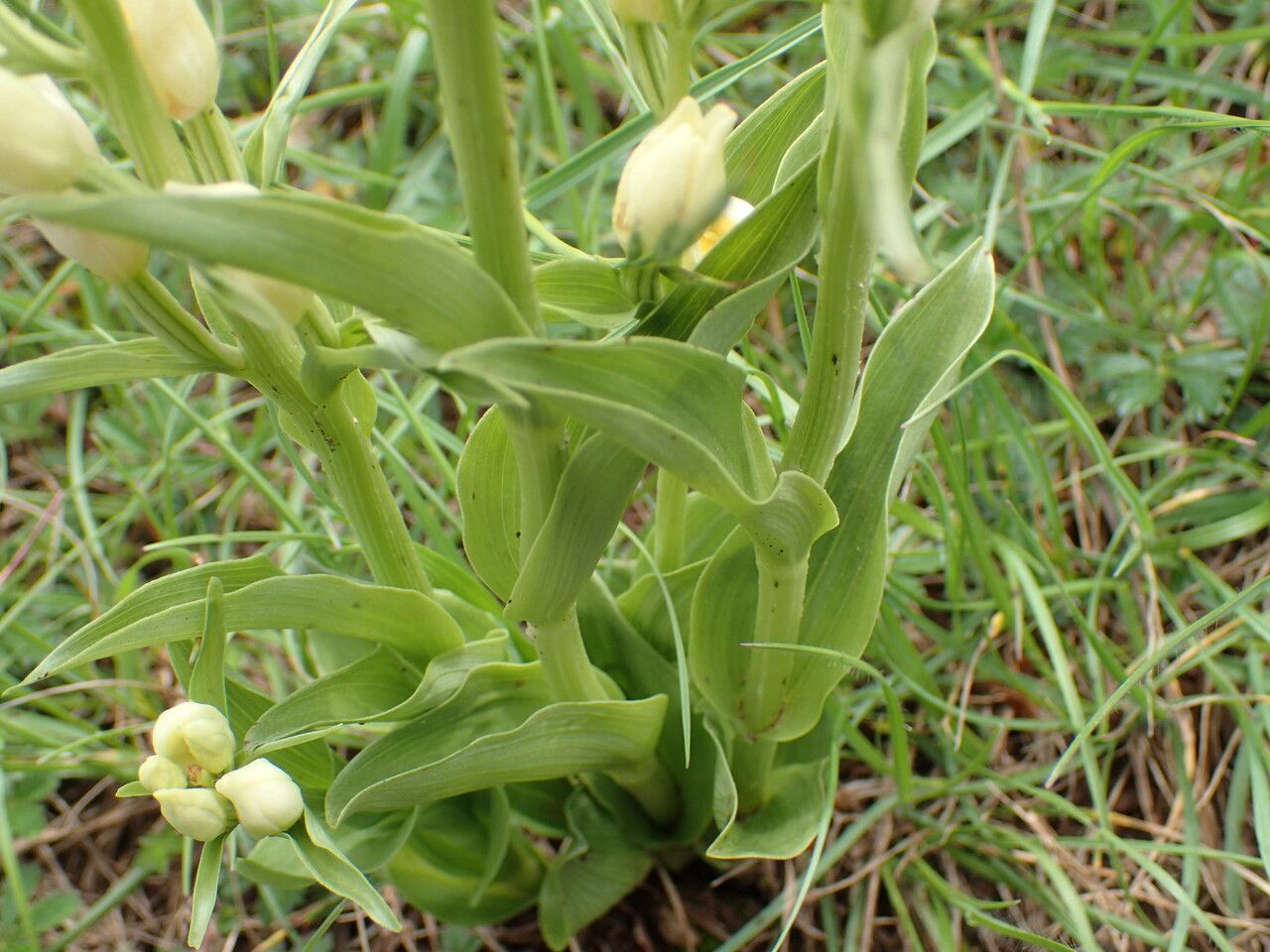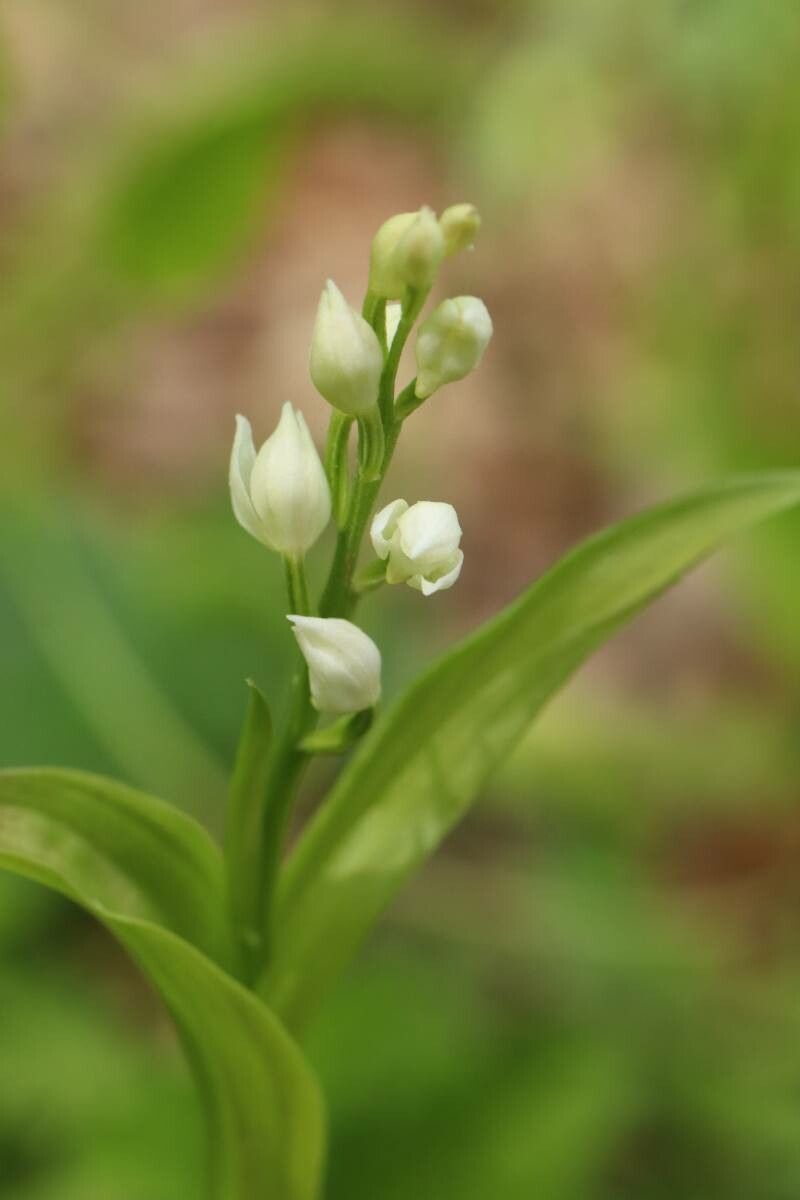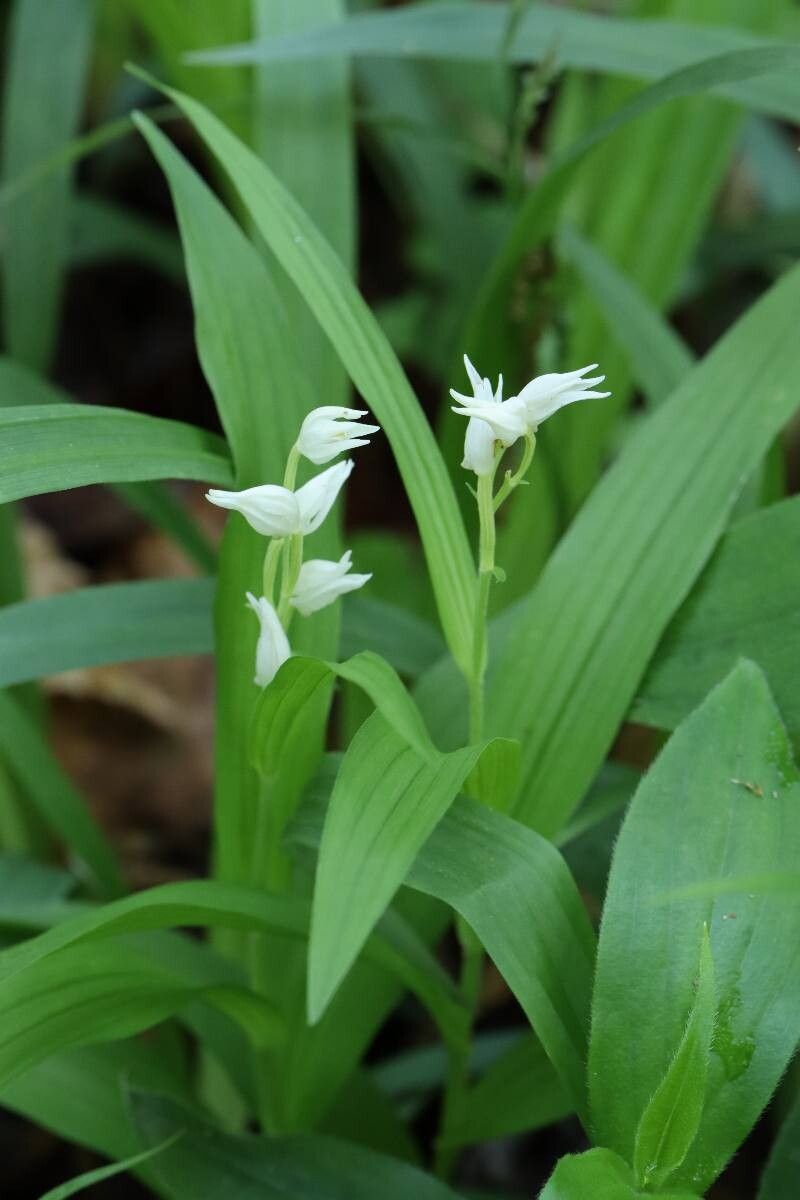
Long-bracted cephalanthera typically has strong resistance to disease and is affected by relatively few insect pests. Its care is considered difficult because it needs high humidity combined with good ventilation and a low presence of harmful pathogens. Too much watering can cause root rot. Though anyone can grow Long-bracted cephalanthera, keeping it healthy and getting it to flower again requires more cultivation experience.
How to keep Cephalanthera Longibracteata.
Light
The long-bracted cephalanthera naturally inhabits places like forest understories or rocky regions where it is naturally shaded. It has a preference for partial sunlight but it's adaptable to conditions of full sunlight or complete shade, showing its flexibility and resilience.
Water
The long-bracted cephalanthera thrives in dappled light and moist soil, similar to its natural woodland habitat. To keep the soil consistently moist without causing waterlogging, it should be watered weekly. While it is usually grown outdoors, adding mulch can help retain moisture and mimic the leaf litter found in its native environment.
Temperature
Long-bracted cephalanthera has the capacity to adjust to an extensive range of temperature environments, however, its dispersal may still be constrained by varying blends of water and heat circumstances. This plant flourishes optimally in balmy climates, particularly during the summertime, provided there is enough rain or watering. Extended spells of overcast and rainy weather, alongside prolonged high temperatures, can heighten the risk of this plant perishing. During the winter months, appropriate safeguarding against chilly temperatures can enhance the plant's chances of survival.
Fertilizer
The optimal period to feed a Long-bracted cephalanthera is during the beginning of spring, as it moves from dormancy to a state of active growth. The process of fertilization offers essential nutrients for vigorous growth. While Long-bracted cephalanthera doesn't require much fertilization, administering it on a yearly basis can boost its longevity and encourage the production of more vibrant and long-lasting blooms.
Pruning
The long-bracted cephalanthera is characterized by its slender stems and elongated bracts, and it thrives with minimal pruning. The best time to prune is from early to late spring. During this period, trim away any dead stems to encourage new growth and improve flowering. Additionally, removing spent blooms enhances air circulation, which helps prevent pests and ensures the plant remains healthy and vibrant.
Botanical profile.
- Plant Type
- Herb
- Life Cycle
- Perennial
- Genus
- Cephalanthera
- Family
- Orchidaceae
- Hardiness Zone
- 5-9
- Mature Height
- 30 cm to 49 cm
- Mature Spread
- 15 cm to 30 cm
- Leaf Color
- Green
- Leaf Type
- Deciduous
- Flower Color
- White
- Flower Size
- 4.06 cm
- Bloom Time
- Late spring, Early summer
- Planting Time
- Spring, Summer
- Harvest Time
- Mid summer, Late summer
- Native Area
- Russia, Japan, Koppen, South Korea, China