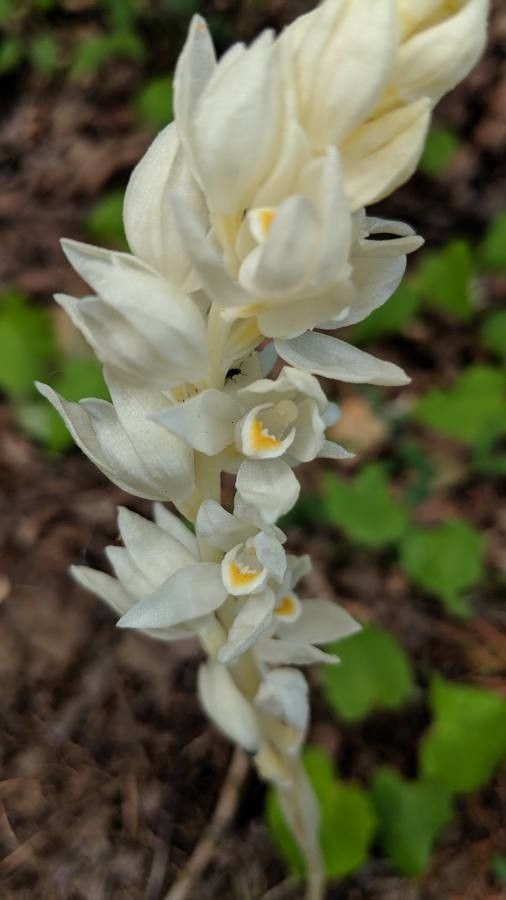
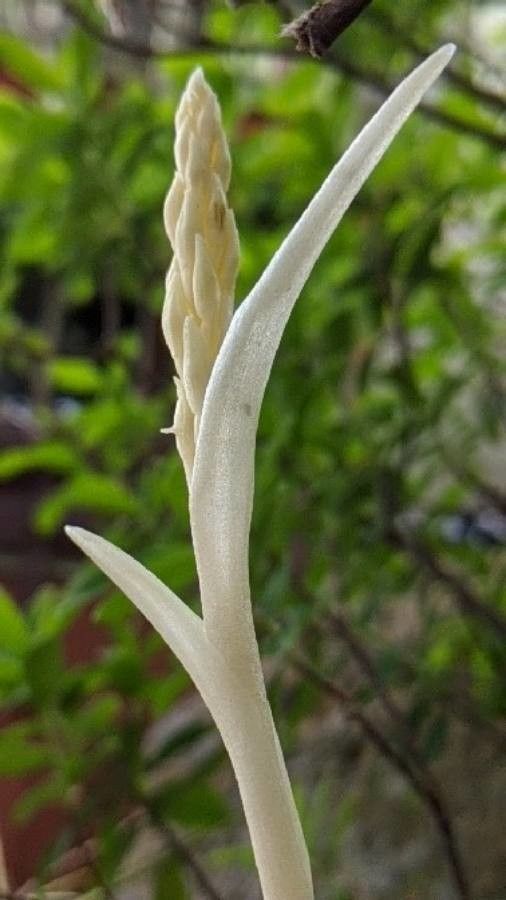
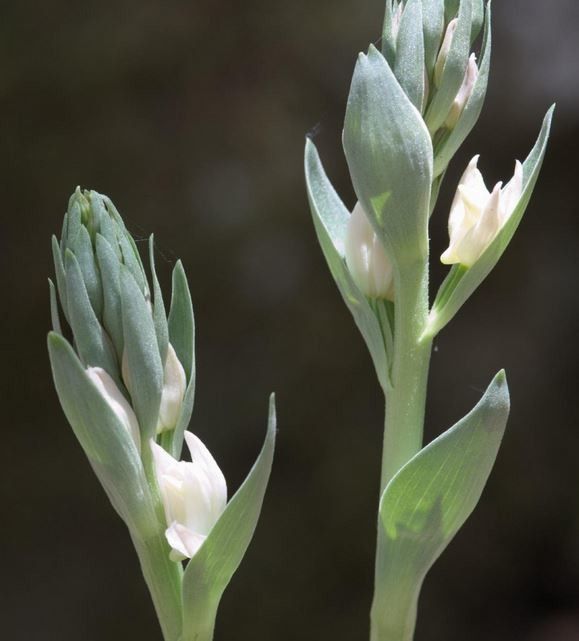
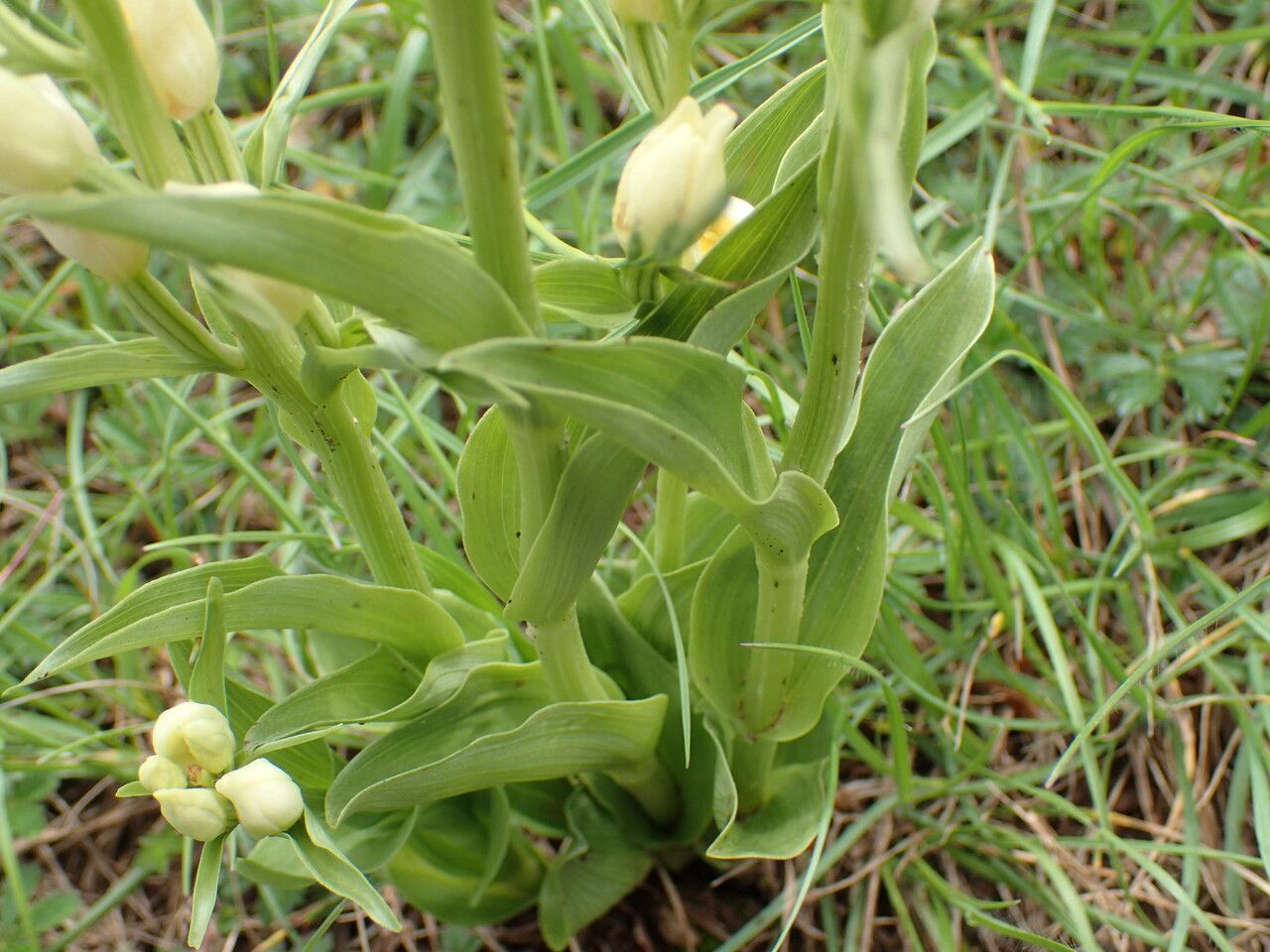
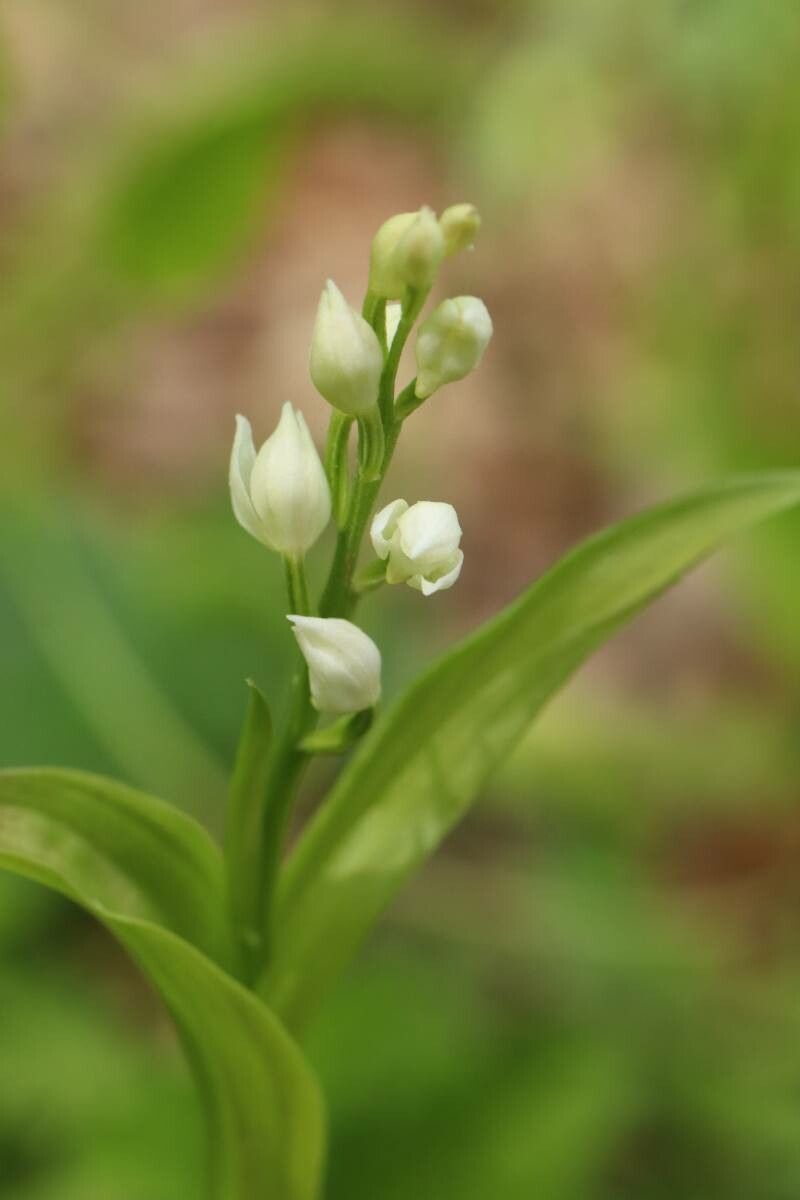
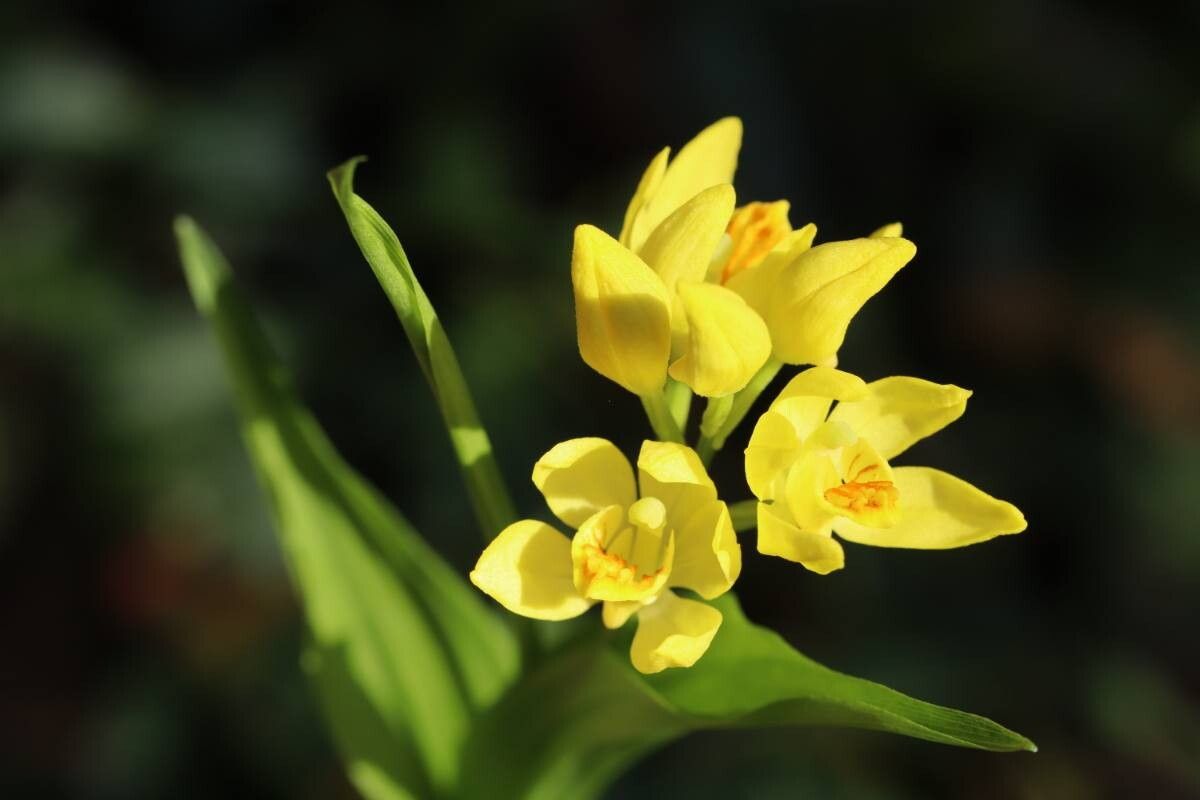
Cephalanthera austiniae is a species of orchid known as the phantom orchid and snow orchid because the entire plant is white except for a few yellow markings on the flowers. The orchid is native to the western United States (California, Oregon, Washington and Idaho), and to British Columbia, Canada. Cephalanthera austiniae is the only species of genus Cephalanthera native to the Western Hemisphere.This is also the only Cephalanthera species entirely dependent on symbiotic mycorrhizae for its nutrition. This mycoheterotrophic orchid has no chlorophyll, so it makes no energy for itself.
The Phantom orchid is generally resistant to disease and is affected by relatively few insect pests. Its care is considered difficult, because it needs a high-humidity yet well-ventilated environment with minimal harmful pathogens. Too much watering can cause root rot. Although anyone can grow the Phantom orchid, keeping it healthy and getting it to flower again requires more growing experience.
How to keep Cephalanthera Austiniae.
Light
The phantom orchid comes from the understory of tropical forests or grows among rocks that provide natural shade. It favors partial sunlight but can also tolerate full sun, adjusting well to different light conditions.
Water
The phantom orchid thrives in the shaded understories of forests, where consistent moisture and humidity are abundant. It requires weekly watering to maintain these conditions. Although it has moderate drought tolerance, it is usually grown indoors. Proper watering is crucial to ensure a balance between hydration and drainage for this evergreen plant.
Temperature
The phantom orchid naturally occurs in areas where temperatures range from 68 to 100 °F (20 to 38 ℃). It favors the warmer end of that spectrum. As seasons change, keep its surroundings within this preferred temperature range for optimal growth.
Fertilizer
Appropriate fertilization is essential for the Phantom orchid’s health and appearance. Feed the Phantom orchid in summer, applying fertilizer once a month for the duration of the season. Nutrients supply energy for growth and support the plant’s structures. Fertilizing improves the Phantom orchid’s flower display, helping it produce the best blooms.
Pruning
The Phantom Orchid is known for its stunning white blossoms and unique growth pattern. To promote healthy growth and flowering, it is best to prune lightly from early to late spring. Regularly checking for pests can enhance the plant's vitality, while avoiding heavy pruning helps prevent stress. Source: American Orchid Society.
Botanical profile.
- Plant Type
- Herb
- Life Cycle
- Perennial
- Genus
- Cephalanthera
- Family
- Orchidaceae
- Hardiness Zone
- 9-11
- Mature Height
- 20 cm to 55 cm
- Mature Spread
- 10 cm to 20 cm
- Leaf Color
- Pale Green
- Leaf Type
- Evergreen
- Flower Color
- White
- Flower Size
- 1.02 cm to 2.03 cm
- Bloom Time
- Late spring, Early summer
- Planting Time
- Summer
- Harvest Time
- Mid summer, Late summer
Other names.
Reader questions.
How should I water my Phantom orchid to keep it healthy?
The watering needs of the Phantom orchid depend on its growth phase. During active growth, water the soil and occasionally water overhead if it's warm. In winter or cool and wet weather, stick to watering the soil only. Signs that the orchid needs more water include dry roots, thin leaves, or discoloration. Too much water will make the plant mushy and limp. Use a pot with good drainage and water the orchid multiple times per week during the growing season. Make sure the water drains quickly to avoid standing water. The size of the pot will determine how often to water, with larger pots needing water less frequently. Rainwater or distilled water, preferably at the same temperature as the air, are best for the orchid.
What are the sunlight requirements for Phantom Orchid?
Phantom Orchid thrives in partial sunlight, requiring about 3-6 hours of sunlight a day, but it can also tolerate full sun, which means it needs above 6 hours of sunlight daily. It's essential to watch how sunlight moves through your garden to choose the perfect balance of light and shade for your plants, ensuring their happiness. Originally from the understory of tropical forests or among rocks, Phantom Orchid is naturally adapted to varying light conditions.
What is the preferred temperature range for Phantom Orchid cultivation?
The Phantom orchid prefers a temperature range of 68 to 100 °F (20 to 38 °C), thriving best within the warmer temperatures of this range. As seasons change, it's crucial to maintain this preferred temperature to facilitate optimal growth. During winter, when temperatures can drop below 0°C, it is advisable to bring the Phantom orchid indoors. Keeping indoor environments above 20°C and near a south-facing window can help ensure the plant receives enough sunlight. Additionally, maintaining humidity through regular misting or using a humidifier is beneficial for the Phantom orchid's health.
What should I do if I give my Phantom orchid too much or too little water?
To avoid killing your Phantom orchid, make sure the soil is not overly moist for extended periods of time. While this plant needs frequent watering during growth, it also requires well-draining soil. Overwatering can lead to mushy roots and root rot. If this happens, use sterile pruning shears to remove any rotting roots and then replant the orchid in a container with good drainage and fast-draining potting mix. However, excessive repotting may not be beneficial for the orchid, so it's important to water it correctly. If the orchid starts to shrivel and feel dry, it may be underwatered. In this case, increase the watering frequency as the soil is drying out faster than expected.
How can artificial lighting be used for indoor Phantom Orchids?
When natural sunlight is insufficient, especially during winter or in less sunny spaces, artificial lighting becomes essential for the growth of indoor Phantom Orchids. LED lights are recommended because they can be customized to provide specific wavelengths of light that the plants need. Full sun plants require 30-50W per square foot, partial sun plants need 20-30W per square foot, and full shade plants need 10-20W per square foot of artificial light. The light source should be placed 12-36 inches above the plant to mimic natural sunlight, and most plants will need 8-12 hours of light per day.
How should I care for my Phantom orchid during winter?
During winter, it is important to protect the Phantom orchid from cold temperatures that drop below 0°C. Bringing the plant indoors and ensuring the temperature remains above 20°C is highly recommended. Placing the orchid near a south-facing window ensures it receives adequate sunlight. Regularly misting the plant or using a humidifier helps in maintaining necessary humidity levels. For orchids that must remain outdoors, ensure they are in a sheltered position that gets sunlight. Utilizing a temporary greenhouse or wrapping the plants with plastic film or fabric can offer additional protection against the cold.
How much water does my Phantom orchid need?
During the active growth stage, which happens in spring and summer, you should water your Phantom orchid once or twice a week. If there's hot and dry weather for a long time, you may need to water it three times a week or more. In winter, you still need to water the orchid, but not as much. Watering it two to three times a month should be enough during the coldest months. However, if you keep the orchid indoors in winter, be aware that indoor locations can make the soil dry out faster. This might mean you need to water it more frequently. In the fall, you can gradually decrease how often you water the orchid from the summer rate to the reduced winter schedule.
What are the symptoms of insufficient or excessive light exposure in Phantom Orchids?
Phantom Orchids may exhibit several symptoms due to insufficient or excessive light exposure. Insufficient light can lead to smaller leaves, leggy or sparse growth, faster leaf drop, slower or no new growth, lighter-colored new leaves, and chlorosis. Excessive sunlight can cause symptoms such as sunscald, leaf curling, wilting, leaf scorching, and chlorosis by breaking down chlorophyll, affecting the plant's ability to photosynthesize. These signs indicate the need to adjust the plant's exposure to light.
What should I do if my Phantom orchid is exposed to temperatures below its threshold?
If your Phantom orchid is subjected to low temperatures, especially below -5°C, and exhibits symptoms like water-soaked necrosis, wilting, and drooping, it's essential to take immediate action. Trim off the frostbitten areas and bring the plant indoors to a warm environment. Placing the plant near a south-facing window will ensure it gets ample sunlight. Additionally, it's important to avoid placing the orchid near heaters or air conditioning vents as this can cause air excessive dryness.
What things should I think about when watering my Phantom orchid during different seasons and periods of growth?
When planning the watering schedule for your Phantom orchid, remember the two important growth phases. The first phase is the active growth period, which occurs in spring and summer. During this time, the plant needs to be watered multiple times per week. The second phase is the rest period that happens in winter for about two to three months. During this period, the plant requires less water and fertilization. Watering about once or twice per month is sufficient. In the fall, gradually decrease the watering frequency from multiple times per week to once or twice per month to prepare for winter.
What solutions can be applied if a Phantom Orchid suffers from insufficient sunlight?
To address insufficient sunlight, indoor plants can be moved to gradually sunnier spots each week until they receive 3-6 hours of direct sunlight daily, allowing them to adapt to changing light conditions. Alternatively, consider using artificial light if the plant is large or not easily movable, keeping a desk or ceiling lamp on for at least 8 hours a day or investing in professional plant grow lights. For outdoor plants, gradually move them to sunnier locations each week to avoid sunburn. If necessary, prune trees or other obstructions to allow more sunlight through or transplant smaller plants during their dormant period, typically late winter or early spring, to a location with ample sunlight and good drainage. Note that parts of the plant affected by insufficient sunlight may not recover, but new growth will be healthy after light exposure is increased.
How do I protect my Phantom orchid from high temperatures?
To protect the Phantom orchid during periods of high temperature, especially above 38°C, it's crucial to monitor for symptoms such as halted growth and gradually wilting leaves, which are indicators of stress from excess heat. Trim any sunburned or dried-up parts of the plant. Moving the orchid to a shaded area, away from the midday and afternoon sun, can help prevent further damage. Watering the orchid during cooler parts of the day, such as morning and evening, helps in keeping the plant and its environment moist, minimizing the risk of root rot and sunburn.