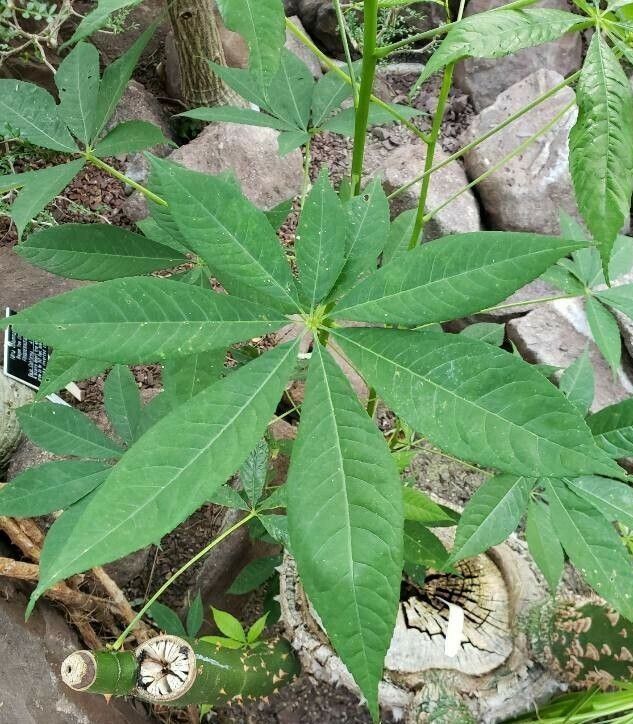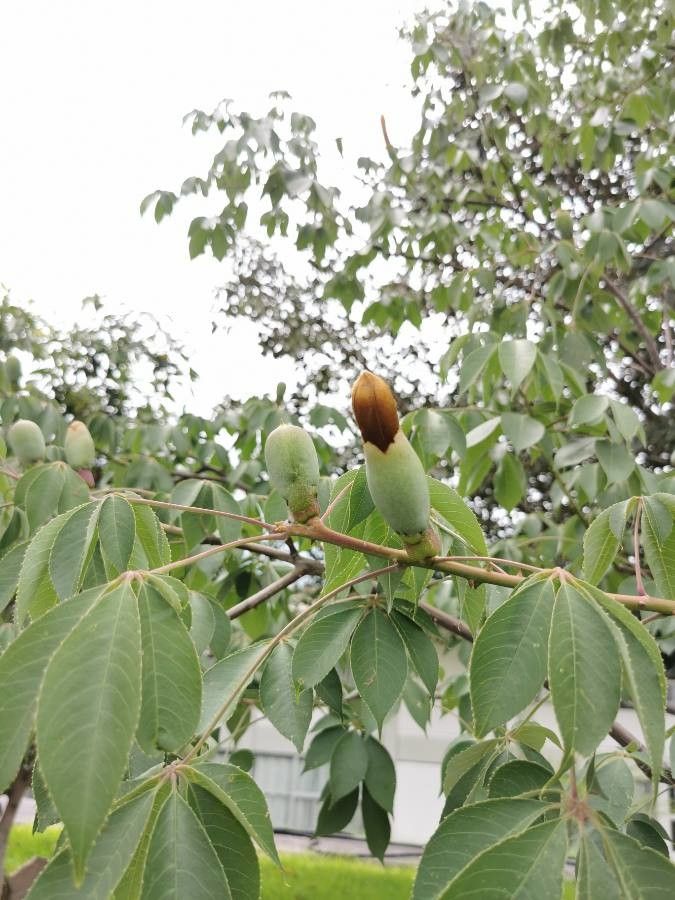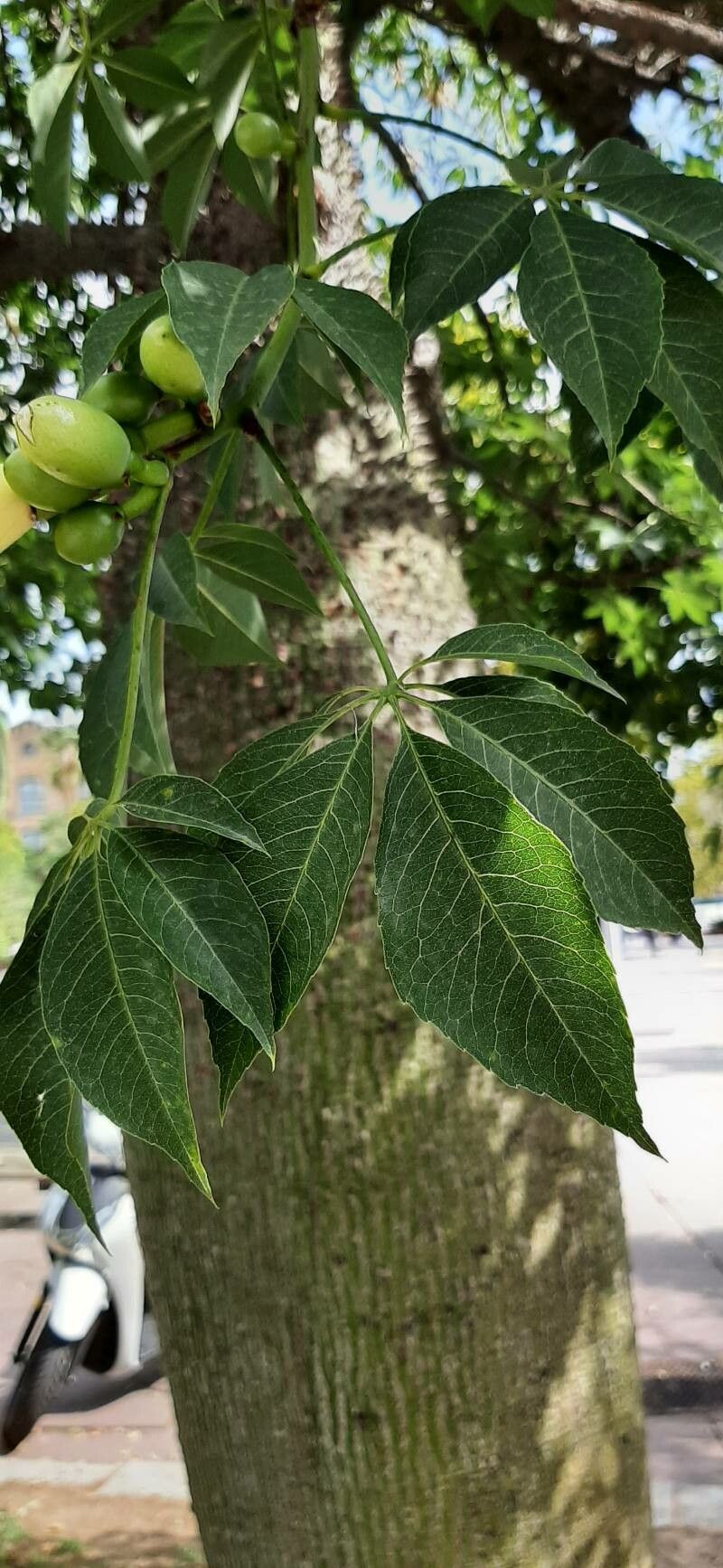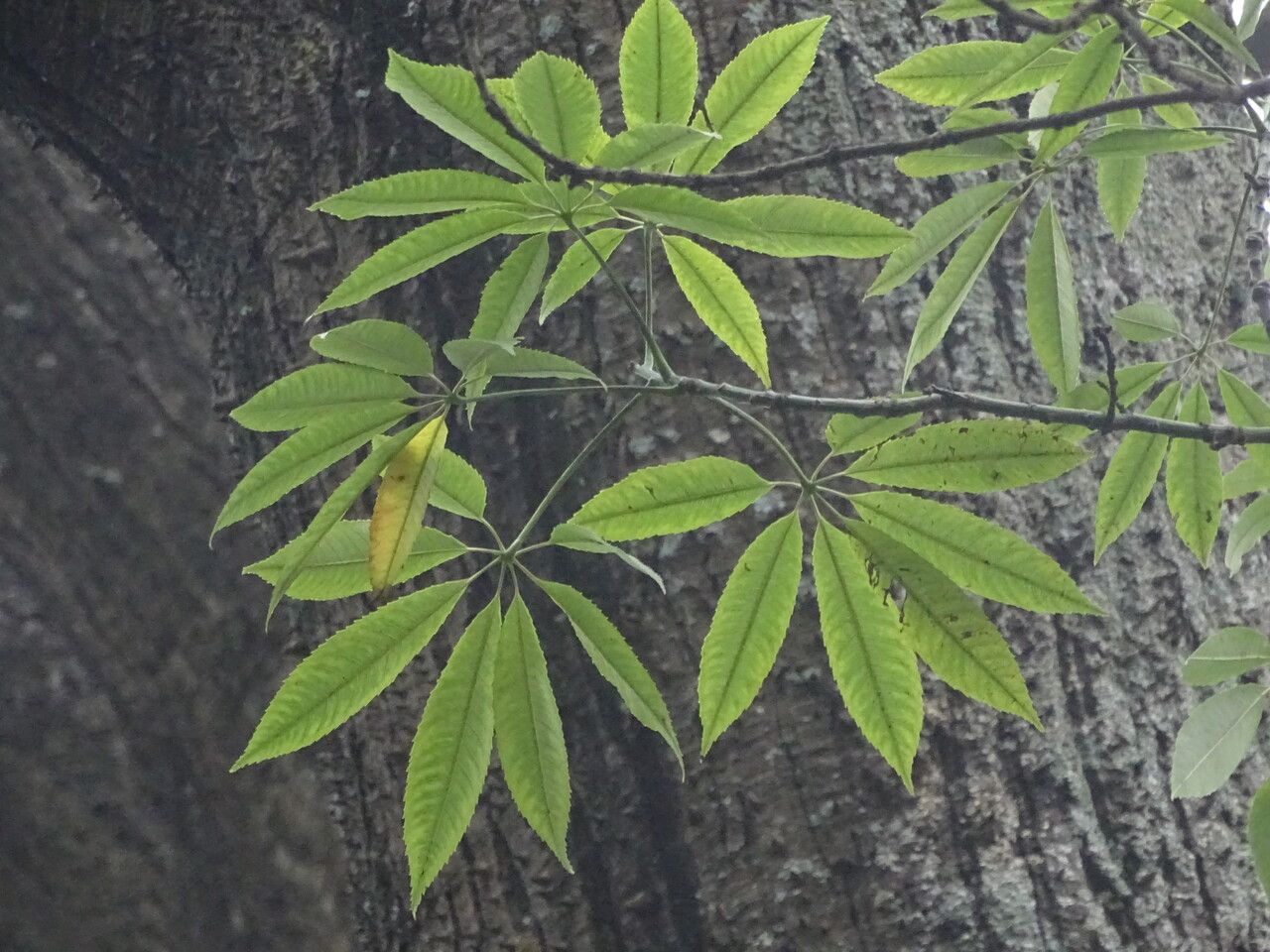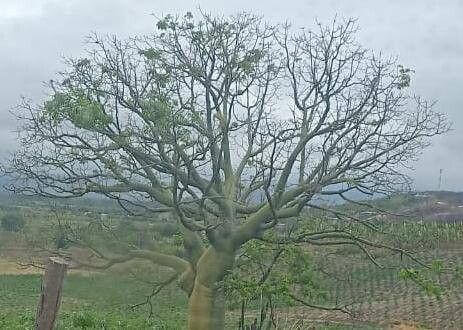
Ceiba trischistandra is resistant to disease and, in general, is not easily affected by illnesses. Regarding care, this plant is fairly low-maintenance. When grown outdoors it needs only light watering, and larger specimens typically do not require pruning. Smaller plants, however, should be trimmed after they finish blooming. Ceiba trischistandrat is appropriate for anyone who has an outdoor area, like a garden or a deck, and it does not demand extensive gardening experience.
How to keep Ceiba Trischistandra.
Light
Ceiba trischistandra is native to clear environments like sunlit fields and borders of forests, which offer plenty of illumination. It flourishes under Full Sun yet is also able to withstand Partial Sun, showing good adaptability to a range of sunlight situations.
Temperature
Ceiba trischistandra is native to tropical areas characterized by hot, moist climates. Consequently, it is well-suited to environments with high heat and humidity levels. It is not fond of abrupt changes in temperature and prefers a consistent thermal setting, thus it is crucial to prevent indoor temperature swings. This plant typically cannot endure low temperatures and needs warmer conditions to flourish. Should the ambient temperature decrease excessively, the plant's growth might halt or it might even perish.
Fertilizer
The optimal period to apply fertilizer to a Ceiba trischistandra is during the beginning of spring, when it awakens from its dormant state. This action amplifies the plant's overall growth and the formation of flowers. Fertilizing improves the leaves, stems, and branches, and encourages the production of bigger, lively, and durable flowers. It also assists in carrying nutrients from the root system to the flowers and strengthens the plant's wellbeing and resilience towards illness.
Pruning
Ceiba trischistandra is known for its large, spiny trunk and striking flowers. To maintain its health and appearance, prune it in early spring to remove dead branches and to shape the tree for better air circulation and light penetration. Be careful to avoid heavy pruning. Instead, opt for consistent light pruning, which promotes healthier growth and enhances blooming, increasing the plant's ornamental appeal.
Botanical profile.
- Plant Type
- Tree
- Life Cycle
- Perennial
- Genus
- Ceiba
- Family
- Malvaceae
- Hardiness Zone
- 10-12
- Mature Height
- 20.12 m to 29.87 m
- Mature Spread
- 14.94 m to 20.12 m
- Leaf Color
- Green, Dark Green
- Leaf Type
- Deciduous
- Flower Color
- White
- Flower Size
- 7.62 cm to 10.16 cm
- Bloom Time
- Late winter, Early spring
- Planting Time
- Spring, Summer, Autumn
- Harvest Time
- Late spring, Early summer, Mid summer
- Native Area
- Ecuador, Peru