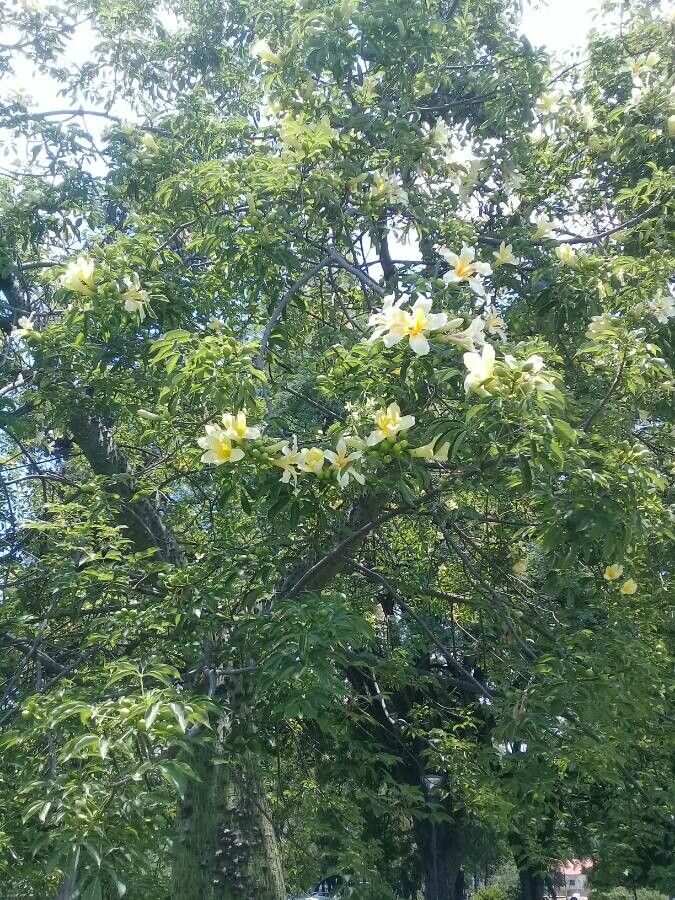
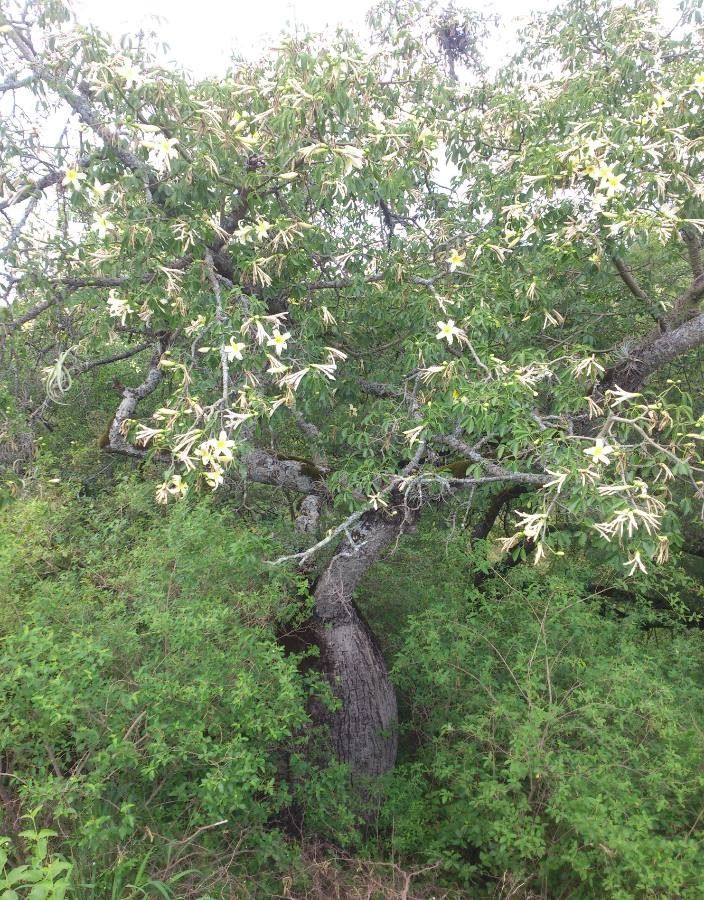
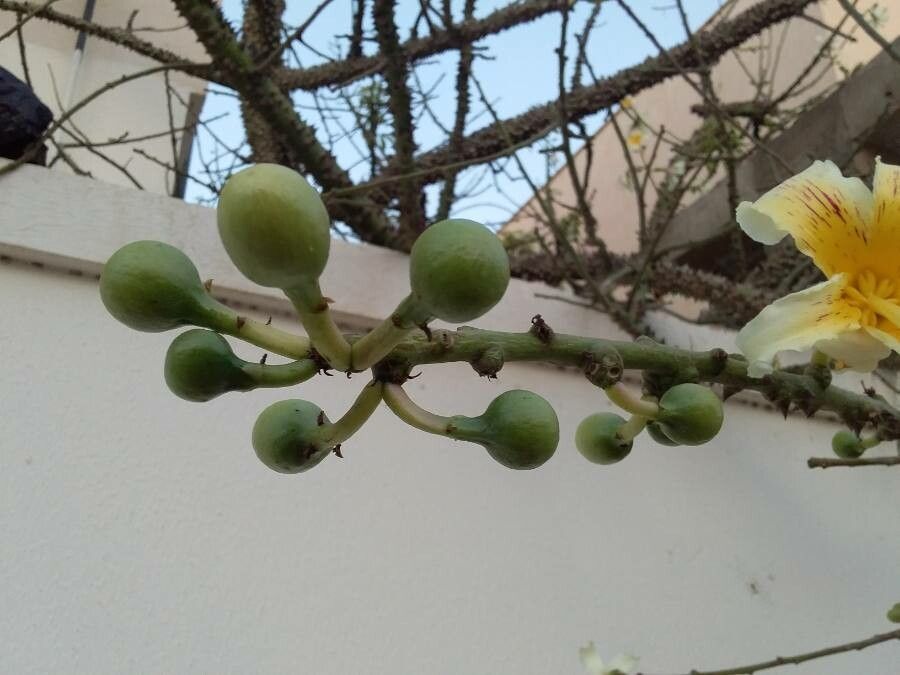
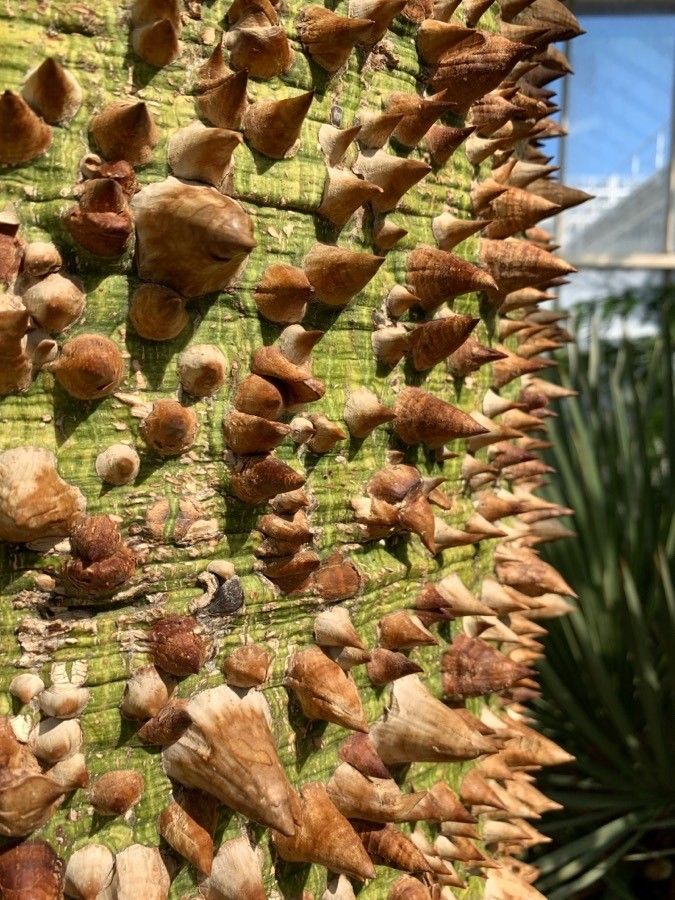
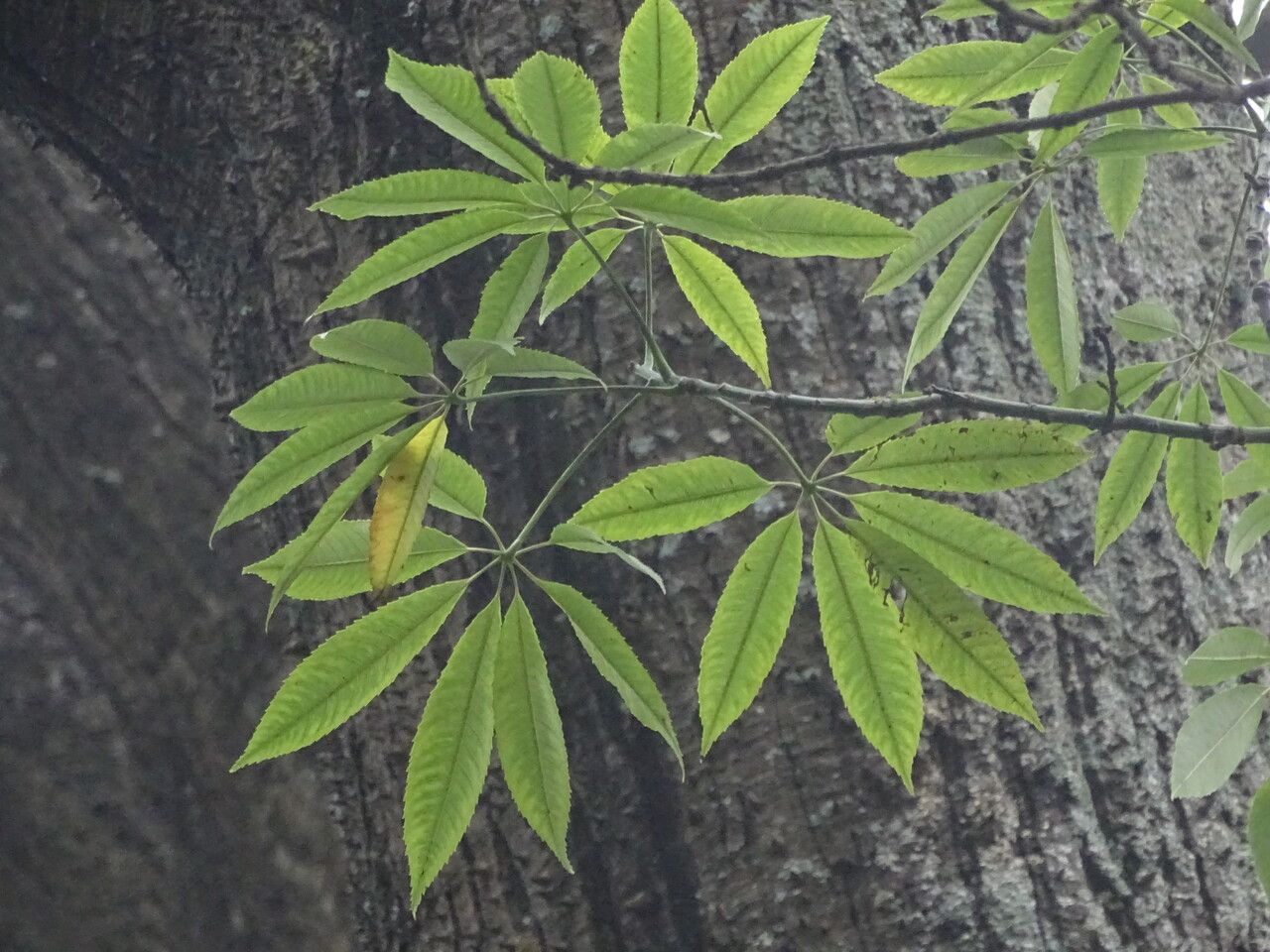
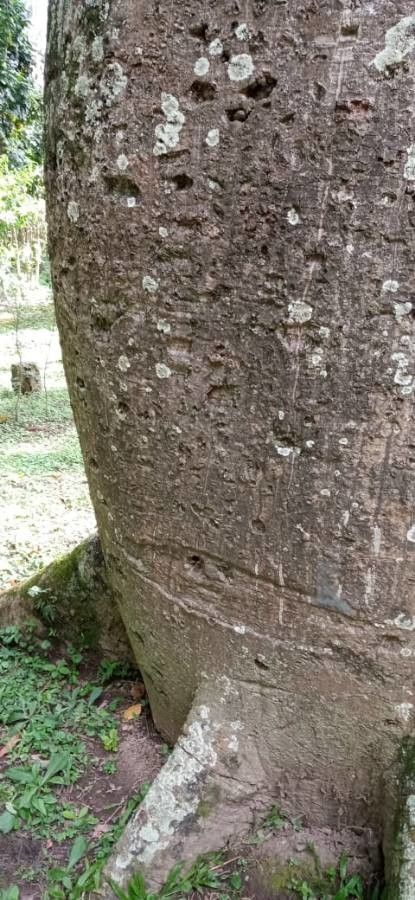
Ceiba chodatii, commonly known as the "Kapok" tree, is a species belonging to the Malvaceae family. It is native to South America, specifically found in Argentina, Bolivia, Brazil, and Paraguay. The tree can reach heights of up to 60 meters and boasts a trunk diameter of up to 3 meters. Its trunk is straight and supported by buttresses at the base, which provide stability.
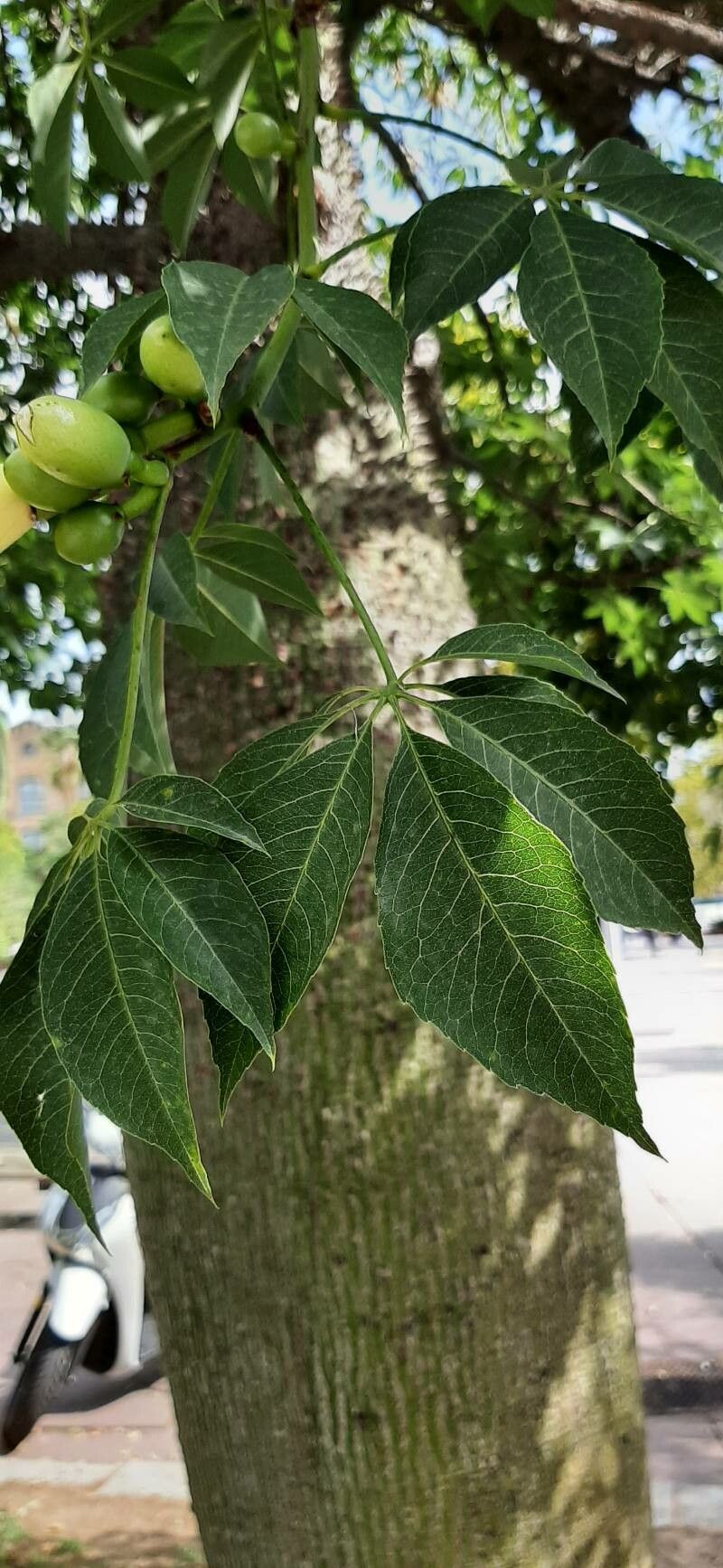
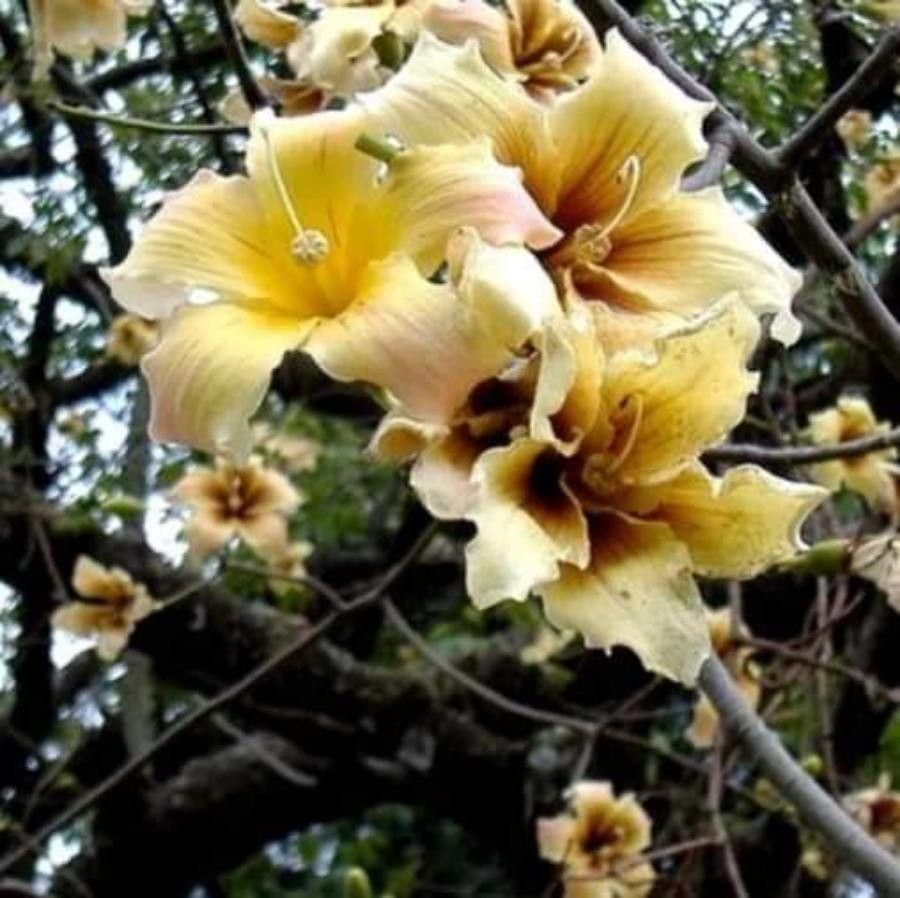
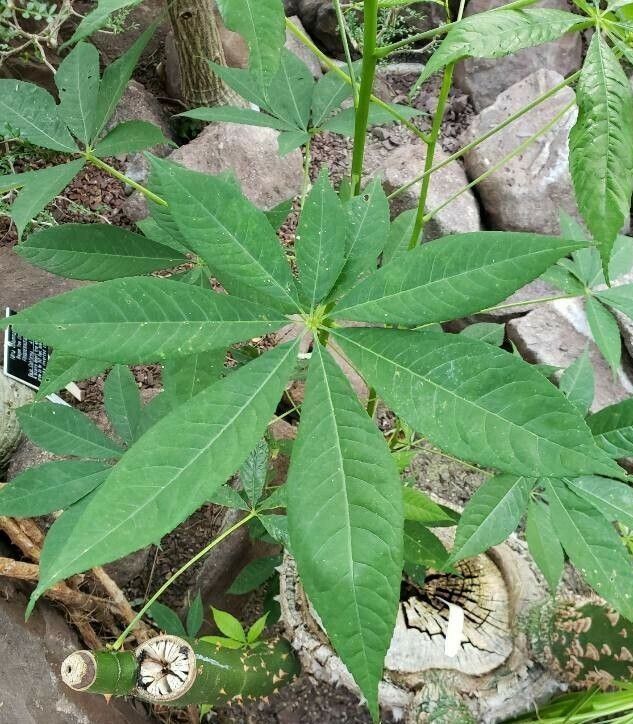
The leaves of Ceiba chodatii are deciduous and compound, consisting of five green leaflets. The tree produces large, showy flowers with five petals that range in color from white to pink or red. These flowers bloom during the dry season, from June through August.
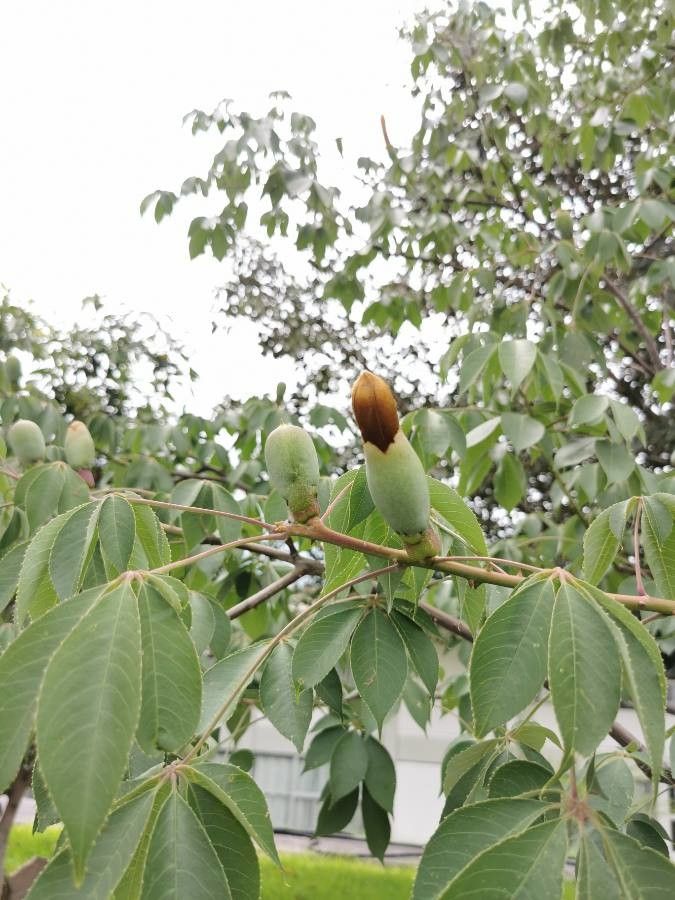
The fruit of Ceiba chodatii is a woody capsule filled with cotton-like fibers that envelop its seeds. These fibers can be used for insulation or as stuffing for pillows and mattresses.
Ceiba chodatii holds cultural significance among indigenous communities, with some tribes believing these trees to be sacred and inhabited by spirits. Additionally, the tree has various medicinal uses, such as treating fever, coughs, and colds.
Ecologically, Ceiba chodatii plays a crucial role by providing habitat for various animals, including birds. It is also an important source of durable timber, resistant to decay caused by insects and fungi. As such, it is a vital component of South American forest biodiversity conservation efforts today.
Floss silk tree has good disease resistance and is generally not prone to illnesses. In terms of care, this plant is relatively low-maintenance. When planted outdoors, it requires minimal watering, and larger plants typically do not need pruning. However, smaller plants should be pruned after they have finished blooming. Floss silk tree is suitable for anyone with an outdoor space, such as a garden or a deck, and does not require much care experience.
How to keep Ceiba Chodatii.
Light
The floss silk tree comes from open habitats, such as sunny meadows and forest margins, which supply abundant light. It thrives in Full Sun but can also tolerate Partial Sun, adapting well to a range of sunlight conditions.
Temperature
The floss silk tree comes from tropical areas where the climate is generally warm and humid. Consequently, it is well adapted to high temperatures and moisture. It does not tolerate sudden temperature shifts and prefers a consistent thermal environment, so avoiding indoor temperature fluctuations is important. It usually cannot withstand cold and needs warmer conditions to grow. If the surrounding temperature falls too low, the plant may stop growing or even die.
Fertilizer
The best period to fertilize a Floss silk tree is at the onset of spring, when it is coming out of dormancy. This uplifts the overall growth and promotes flower formation. Fertilizing improves the leaves, stems, and branches, and encourages the growth of big, colorful, and enduring flowers. It assists in shifting nutrients from the roots to the flowers and boosts the tree's immunity and resistance to diseases.
Botanical profile.
- Plant Type
- Tree
- Life Cycle
- Perennial
- Genus
- Ceiba
- Family
- Malvaceae
- Hardiness Zone
- 9-11
- Mature Height
- 10.06 m to 14.94 m
- Mature Spread
- 7.92 m to 11.89 m
- Leaf Color
- Green, Dark Green
- Leaf Type
- Deciduous
- Flower Color
- White
- Flower Size
- 7.62 cm to 10.16 cm
- Bloom Time
- Mid spring, Late spring
- Planting Time
- Summer
- Harvest Time
- Mid summer, Late summer, Early fall
- Native Area
- Bolivia
Other names.