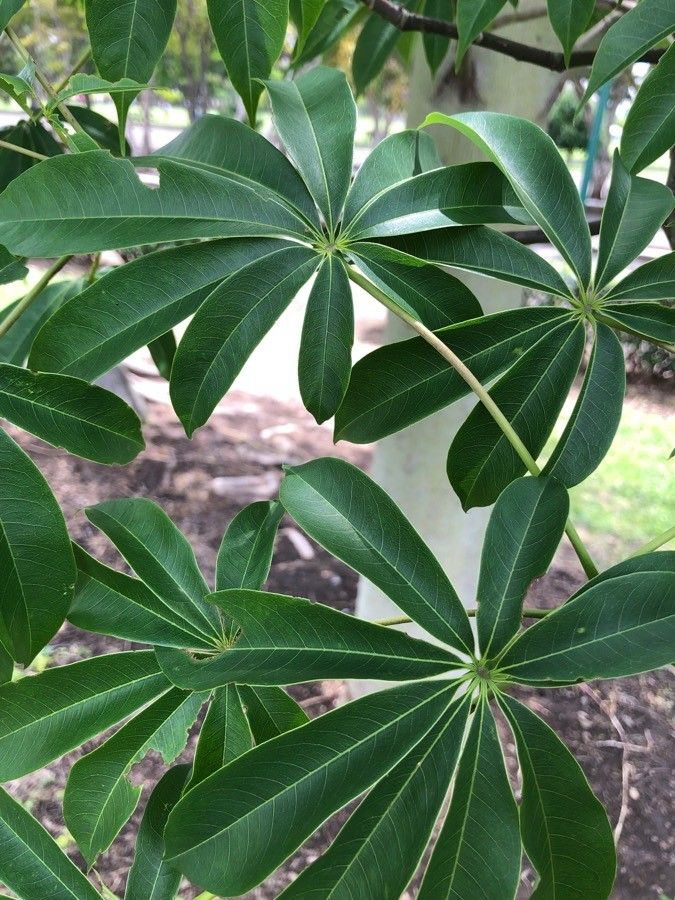
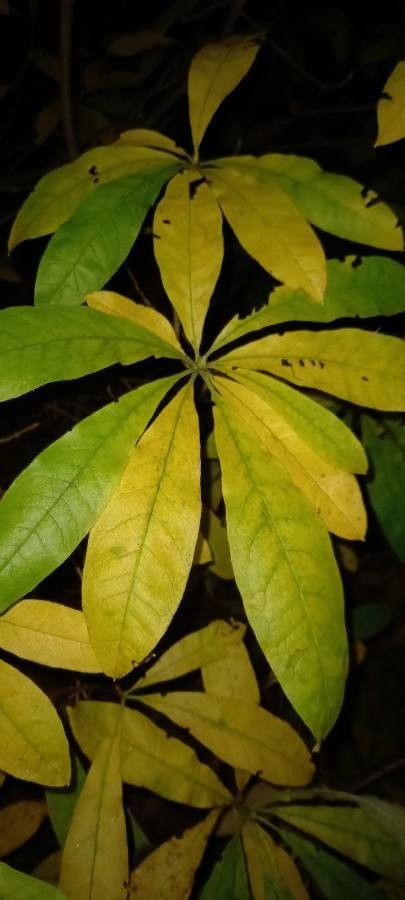
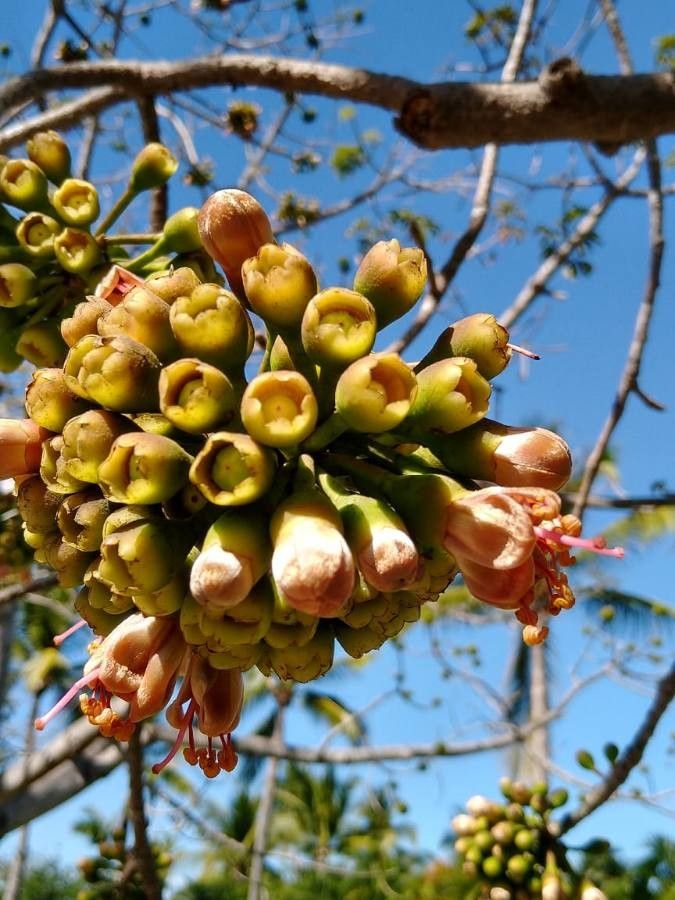
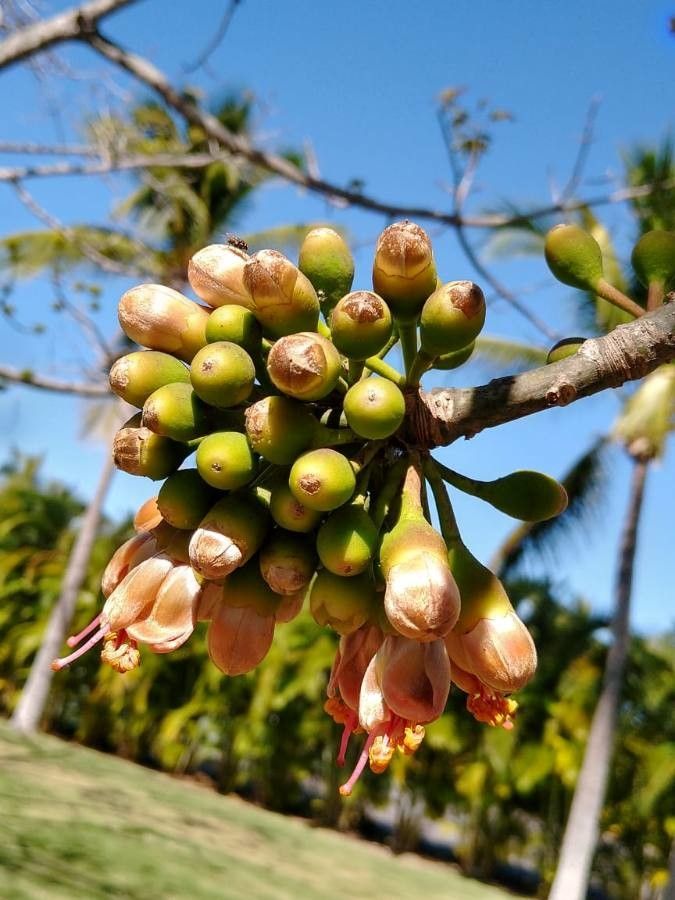
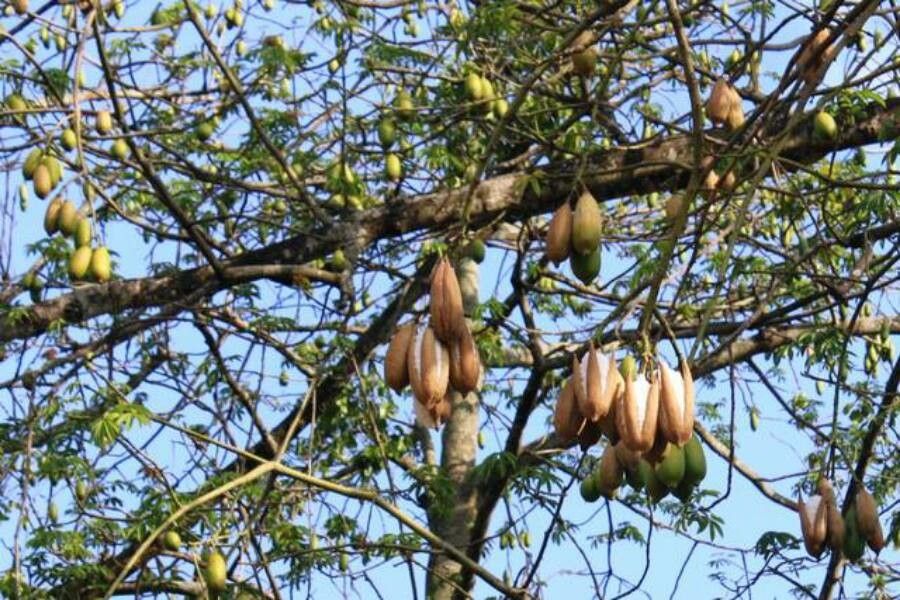
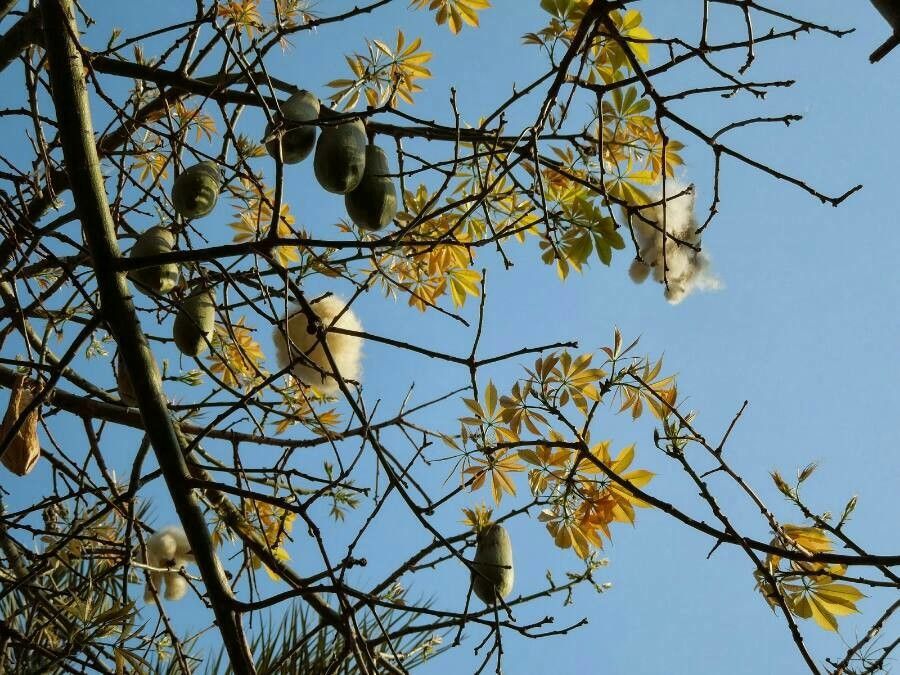
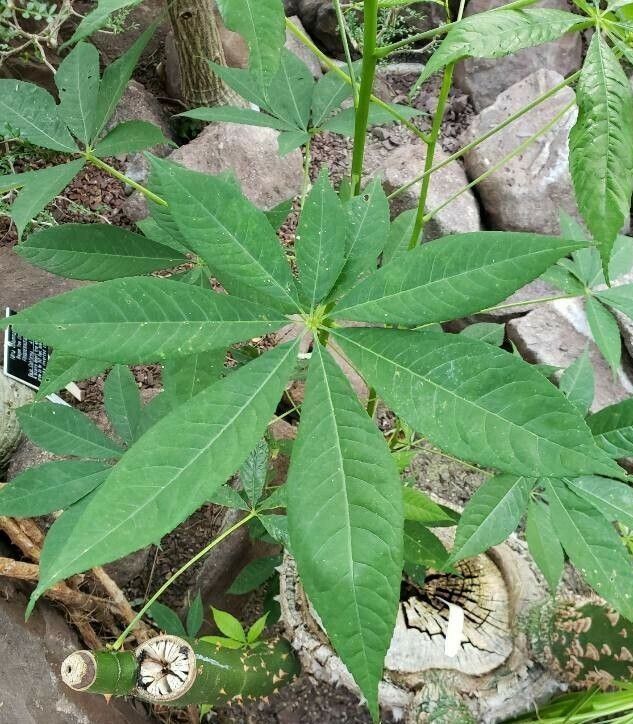
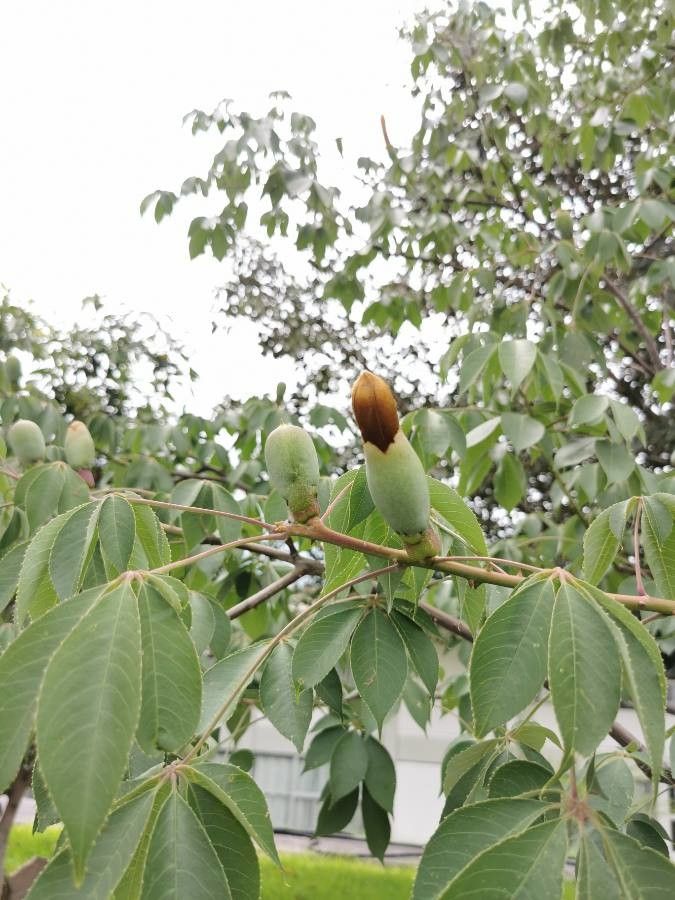
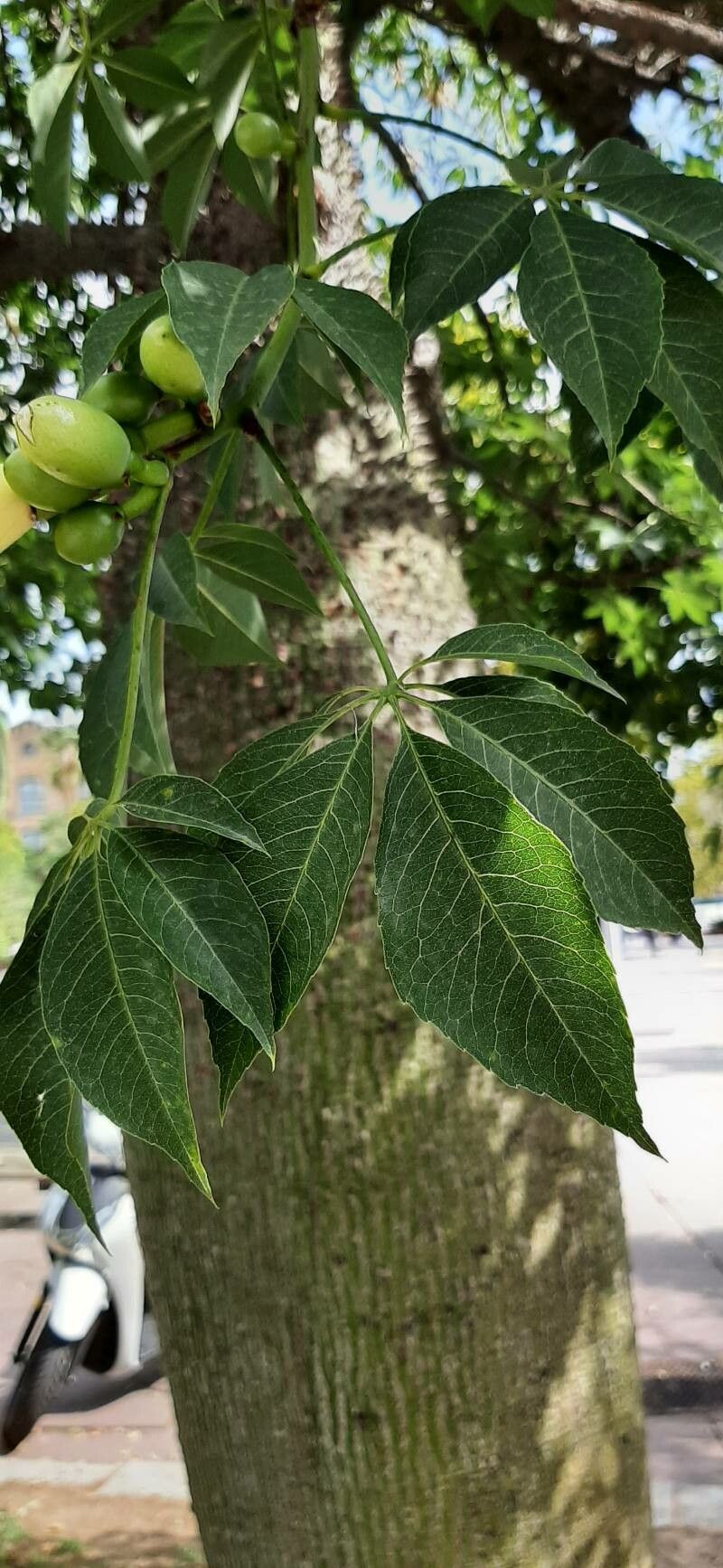
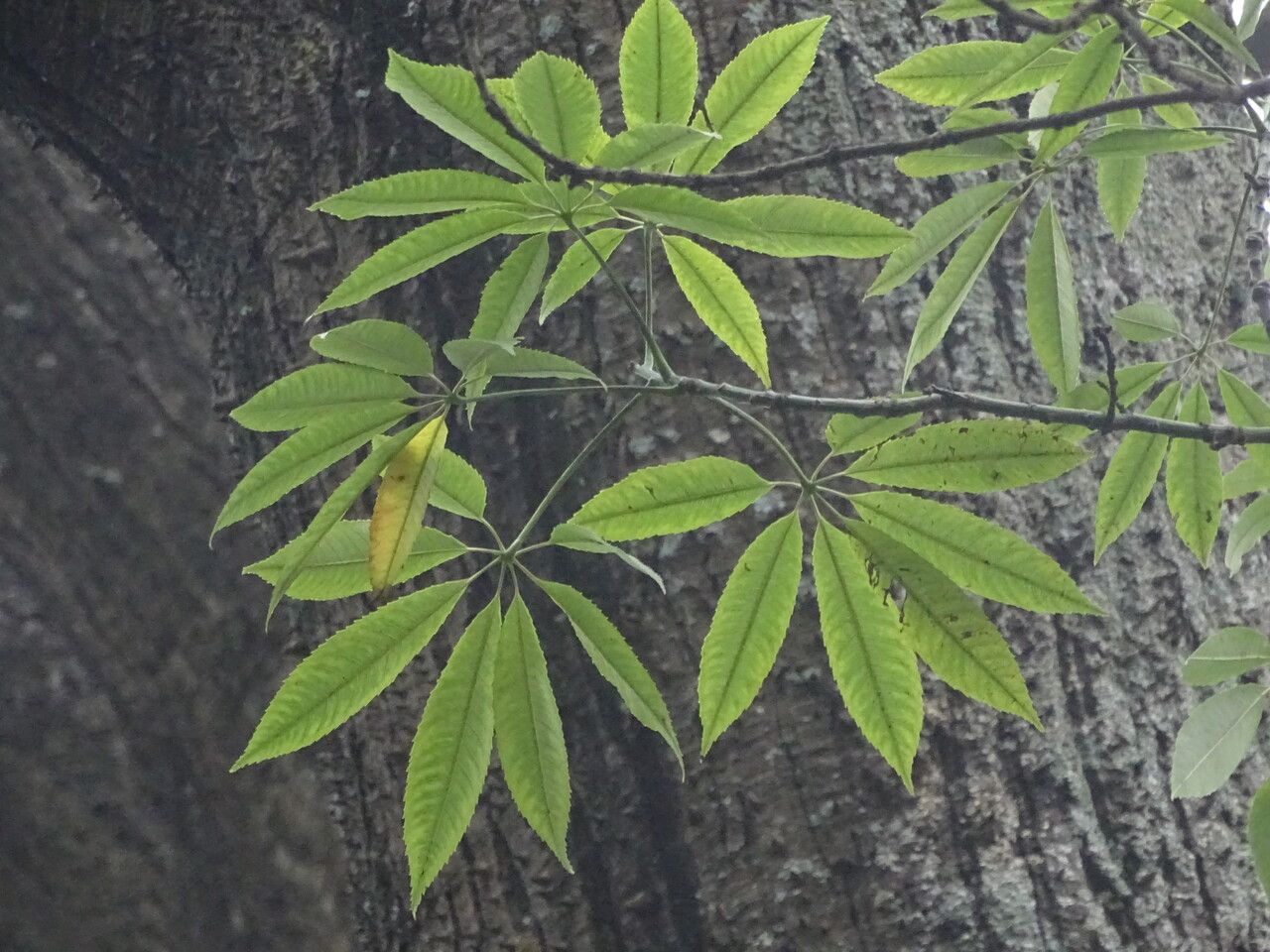
Ceiba pentandra, commonly known as the kapok tree, is a large tropical tree native to Central and South America. It can reach heights of up to 70 meters and features a straight trunk supported by buttress roots. The tree's deciduous leaves are palmate and consist of five to seven leaflets. Its large, showy, bell-shaped flowers have five petals that vary in color from white to pinkish-red.
The kapok tree produces fruit containing numerous seeds surrounded by fluffy fibers known as kapok. These fibers were traditionally used for stuffing pillows, mattresses, and life jackets due to their buoyancy.
Ceiba pentandra holds cultural significance in many indigenous cultures, believed to connect heaven and earth because of its height. It also plays a crucial role in the ecosystem by providing habitat for various animals, including birds, bats, and monkeys.
In addition to its cultural and ecological importance, Ceiba pentandra possesses medicinal properties. Its bark can be used to treat fever, and its leaves have traditionally been used to treat diarrhea.
Overall, the Ceiba pentandra tree is of great significance both culturally and ecologically, offering various benefits, including medicinal ones, making it an important plant species in the tropical regions of Central and South America.
The kapok tree is resistant to disease and generally not prone to illnesses. In terms of care, this plant is relatively low-maintenance. When planted outdoors it requires minimal watering, and larger specimens usually do not need pruning. However, smaller plants should be pruned after they have finished blooming. The kapok tree is suitable for anyone with an outdoor space, such as a garden or deck, and does not require extensive care experience.
How to keep Ceiba Pentandra.
Light
The kapok tree grows best with abundant sunlight and can tolerate partly shaded locations, reflecting its preference for bright conditions. Native to light-filled habitats, too much sun does not harm it, but too little light can slow its growth. Its various growth stages likewise require generous light for optimal development.
Water
The kapok tree, native to tropical regions, flourishes in humid environments and can tolerate moderate drought. To care for it, water the tree every 1-2 weeks, ensuring a balance between hydration and proper drainage. While typically grown outdoors, the kapok tree benefits from rainwater during its active growing season, which helps promote its flowering cycle.
Temperature
The kapok tree's native habitat is usually warm and humid, with temperatures between 70 and 90 ℉ (20 to 32 ℃). It prefers temperatures in the 68 to 105 ℉ (20 to 41 ℃) range and can tolerate brief periods of frost. During cooler seasons, adjusting to a lower temperature range of 50 to 77 ℉ (10 to 25 ℃) can aid healthy growth.
Fertilizer
Fertilizing is essential for caring for the Kapok tree. Regular applications during the growing season preserve the energy needed for its showy leaves and encourage overall growth. Failing to fertilize can lead to unhealthy foliage, reduced ornamental value, and stunted or weak growth that is susceptible to breakage.
Pruning
Pruning a kapok tree during its dormant period in late winter is essential for maintaining its health. Concentrate on removing dead branches and thinning overcrowded areas. This will improve air circulation, encourage vigorous growth, minimize the risk of disease, and help ensure the tree is robust and attractive.
Toxicity
Various parts of this tree are used for medicinal uses as well as edible uses, and the tree is not considered toxic.
Further reading →
The toxicity and danger assessments provided are for reference only. We do not assure their accuracy, so it's crucial not to depend on them. Seek professional advice when necessary for accurate guidance.
Botanical profile.
- Plant Type
- Tree
- Life Cycle
- Perennial
- Genus
- Ceiba
- Family
- Malvaceae
- Hardiness Zone
- 10-13
- Mature Height
- 22.86 m to 38.1 m
- Mature Spread
- 14.94 m to 24.08 m
- Leaf Color
- Green
- Leaf Type
- Deciduous
- Flower Color
- White
- Flower Size
- 2.03 cm to 3.05 cm
- Bloom Time
- Spring
- Planting Time
- Spring, Autumn
- Harvest Time
- Summer, Fall, Winter
- Native Area
- Belize, Honduras, Mexico, Peru, Panama, Jamaica, Colombia, Bahamas, Cuba, Bolivia, Venezuela, Guyana, El Salvador, Nicaragua, Brazil, Ecuador
Other names.
Reader questions.
How should I water my Kapok tree in the best way?
To promote excellent root development, consider these watering tips for your plants. Instead of spraying the leaves directly, focus the garden hose at the base of the plants. If your plants are outdoors and exposed to direct sunlight, be aware that the leaves may need more water. To moisten the roots, you can use bubblers for each plant or soaker hoses that cover the entire garden or bed. When adding or removing plants, using soaker hoses will help the roots penetrate deeply. Remember to drain any excess water and wait for the soil to dry before watering again. To prevent diseases, water at ground level rather than sprinkling the leaves. On a sunny day, it may be beneficial to spray the entire bush with water. Whether your Kapok tree is in a pot or in the ground, it prefers deep watering instead of light sprinkling.
Why should I put fertilizer on my Kapok tree?
Regular fertilization is crucial for Kapok trees because of their demanding leaves, which require a significant amount of energy to thrive. The challenge lies in the tree's need to allocate enough energy not only to maintain the leaves but also to support the growth of its stems, branches, roots, and other essential structures. Neglecting fertilization can result in two probable outcomes. Firstly, the leaves of the Kapok tree may lose their vibrant color and healthy appearance, significantly diminishing its ornamental beauty. Secondly, the overall growth of the tree may slow down or become weak, making it susceptible to breakage.
What are the sunlight requirements for a Kapok tree?
The Kapok tree thrives best under full sun exposure, needing above 6 hours of sunlight daily. It can also tolerate partial sun conditions, which amounts to about 3-6 hours of sunlight. The tree originates from light-saturated habitats, indicating that while it can perform well with abundant sun exposure, inadequate light may retard its growth. Note that different growth stages might require ample light for optimal development. It's crucial to watch how sunlight moves through your garden to choose spots that provide a balance of light and shade, ensuring the tree's happiness.
What is the native growth environment for the Kapok tree?
The Kapok tree, or Ceiba pentandra, naturally thrives in warm and humid conditions. It prefers a temperature range of 70 to 90°F (20 to 32°C), though it can tolerate temperatures from 68 to 105°F (20 to 41°C) and can withstand brief periods of frost. During the cooler seasons, a temperature range of 50 to 77°F (10 to 25°C) is recommended for healthy growth. Given its preference for heat, cold temperatures can adversely affect the Kapok tree, necessitating care such as moving outdoor plants indoors during autumn to a location near a bright window but away from direct heat sources to maintain optimal growth conditions above 20°C.
What should I do if I give too much or too little water to a Kapok tree?
If a Kapok tree is overwatered, its leaves may turn yellow, drop off, and wilt. The plant will look unhealthy, with mushy stems. When these signs appear, it's best to adjust your watering schedule. Wilting can also indicate under watering, characterized by crispy, dry leaves. Overwatered leaves will be soft and wilted. If the soil is dry and watering alone isn't enough, give the tree a thorough watering. However, the damaged root system may cause the tree to still have dry, yellow leaves for a few days. Once it returns to normal, yellowing will stop. Indoors, check the moisture levels and avoid overwatering. Look for black spots on the tree, and if present, allow the soil to dry for a few days. Overwatering can lead to root rot, indicated by discolored and slimy roots. Prevent root rot by avoiding overly soggy soil and, if necessary, transfer the tree to a different pot. When planting Kapok trees outdoors, check the soil's moisture level. If it feels too dry when checked with your fingers, it may be underwatering. Adequate watering is necessary to help the plant recover.
What is the best time to put fertilizer on my Kapok tree?
To ensure the growth of your Kapok tree, occasional feedings are beneficial. Therefore, there is no need to establish a strict feeding schedule when you first plant this tree. A simple way to fertilize your Kapok tree is by applying fertilizer while watering it from time to time. Additionally, your Kapok tree requires a sufficient amount of water during the growing season. You can feed the plant once every two to three weeks, consistently throughout its period of new growth.
How can artificial lighting be used for indoor Kapok trees?
Indoor Kapok trees require adequate lighting for optimal growth, especially when natural sunlight is insufficient. In such cases, artificial lights serve as a vital solution. LED lights are recommended due to their ability to provide specific wavelengths needed by the plants. Full sun plants need 30-50W/sq ft of artificial light, partial sun plants require 20-30W/sq ft, and full shade plants need 10-20W/sq ft. The artificial light source should be placed 12-36 inches above the plant, mimicking natural sunlight, and extended for 8-12 hours per day to replicate natural daylight hours, promoting faster and healthier growth.
How does low temperature affect the Kapok tree, and what are the solutions?
The Kapok tree is sensitive to low temperatures, thriving best when the mercury stays above 20°C. It's crucial to keep the tree above 5°C during winter, as temperatures below 1°C can cause the leaves to lighten and, following frost damage, turn brown or black. Symptoms of cold stress include wilting and drooping. To protect the tree from cold damage, trim off the frost-damaged parts and move the tree indoors to a warmer environment. Placing it near a south-facing window ensures ample sunlight while avoiding the drying effects of heaters or air conditioning vents.
How much water does my Kapok tree need and how often?
The Kapok tree prefers deep watering less frequently. When planted in pots, it's important to soak them in a gallon of water each time, as the soil dries out faster due to limited water storage. In colder regions, watering is needed every 3 to 5 days, preferably in the morning when the soil is dry. To check if watering is necessary, examine the top 2-3 inches of soil; if it's dry, give the plant a thorough watering. In hot weather, monitor the soil moisture daily as it can dry out quickly. Garden irrigation is also necessary in hot climates, where watering once a week is recommended. Consider rainfall before adding additional water to prevent root rot. During spring and fall, when the Kapok tree typically grows, add 3 to 4 inches of mulch outdoors to conserve water. Sandy soil requires more frequent watering, while clay soil can be watered less often. To keep track of watering, mark the date on a calendar and pay attention to drooping leaves, as they may indicate the need for water.
When is it not a good idea to fertilize my Kapok tree?
During most of the year, you can regularly fertilize your Kapok tree. This includes the active growing season of spring, summer, and early fall. However, it's important to note that during the winter, the Kapok tree should not be given any fertilizer. This is because the tree enters a dormant growth phase during this time. In this phase, the tree either doesn't produce any new growth or only produces very little. The reduced activity means that the tree requires less energy, which is why fertilization is unnecessary during the winter.
What are the common symptoms of inadequate light exposure in Kapok trees?
Kapok trees display several symptoms when they suffer from inadequate light exposure. These symptoms include smaller new leaves, leggy or sparse growth, accelerated leaf drop, slower or halted new growth, and the emergence of lighter-colored or chlorotic leaves. Sunscald, which damages plant tissues due to intense sunlight exposure, and leaf curling, a defense mechanism to minimize water loss, can also occur. Other signs include wilting from excessive water loss through transpiration and leaf scorching characterized by brown, dry, and crispy edges on leaves due to excessive sunlight. Each symptom indicates different levels of stress on the plant due to lighting conditions.
How does high temperature affect the Kapok tree, and what are the countermeasures?
During the summer, it's important to keep the Kapok tree's environment below 41°C to avoid heat stress. Should the temperature exceed 45°C, the tree's leaves may lighten, increasing the risk of sunburn. To mitigate damage from high temperatures, trim away the sunburned and dried-up parts of the tree. Relocate the plant to an area that offers shade during the intense midday and afternoon sun, and maintain soil moisture by watering in the morning and evening.