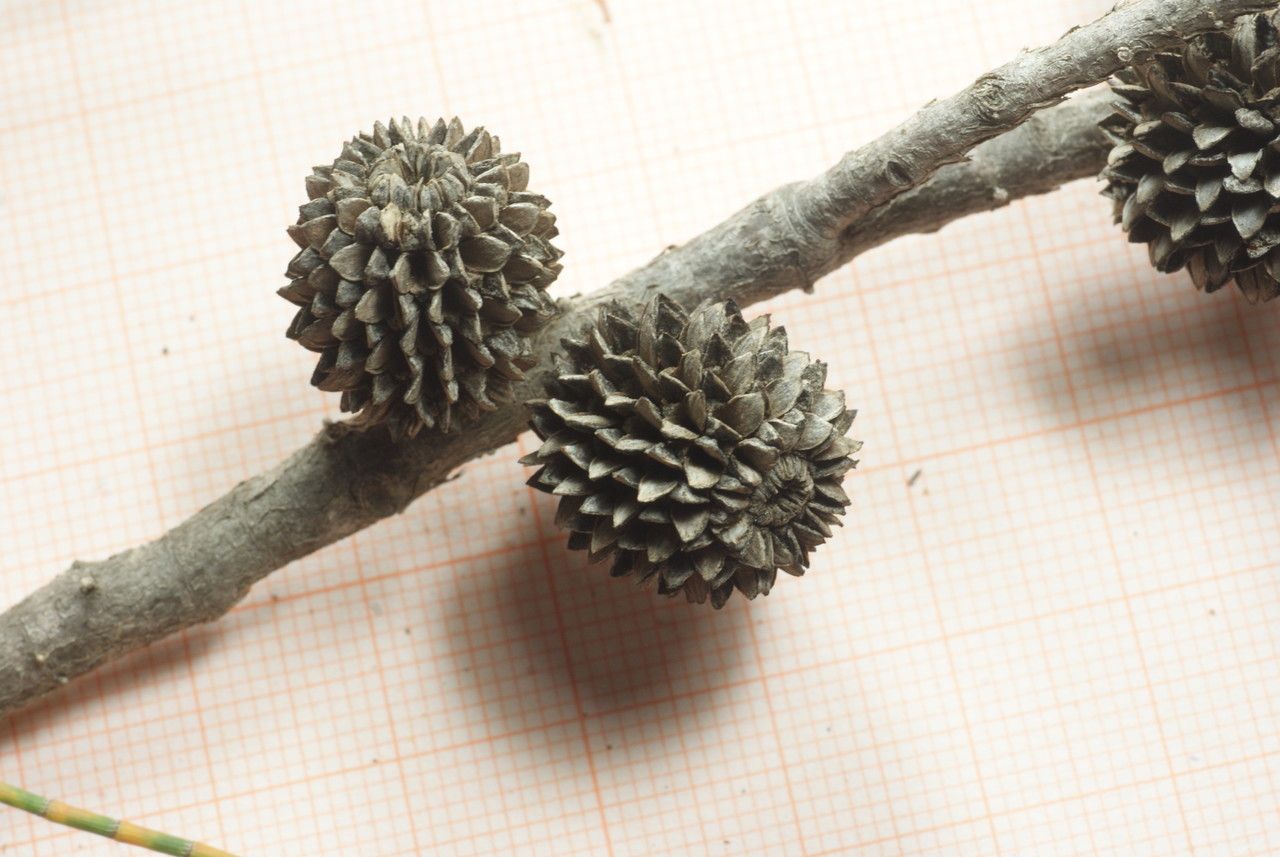
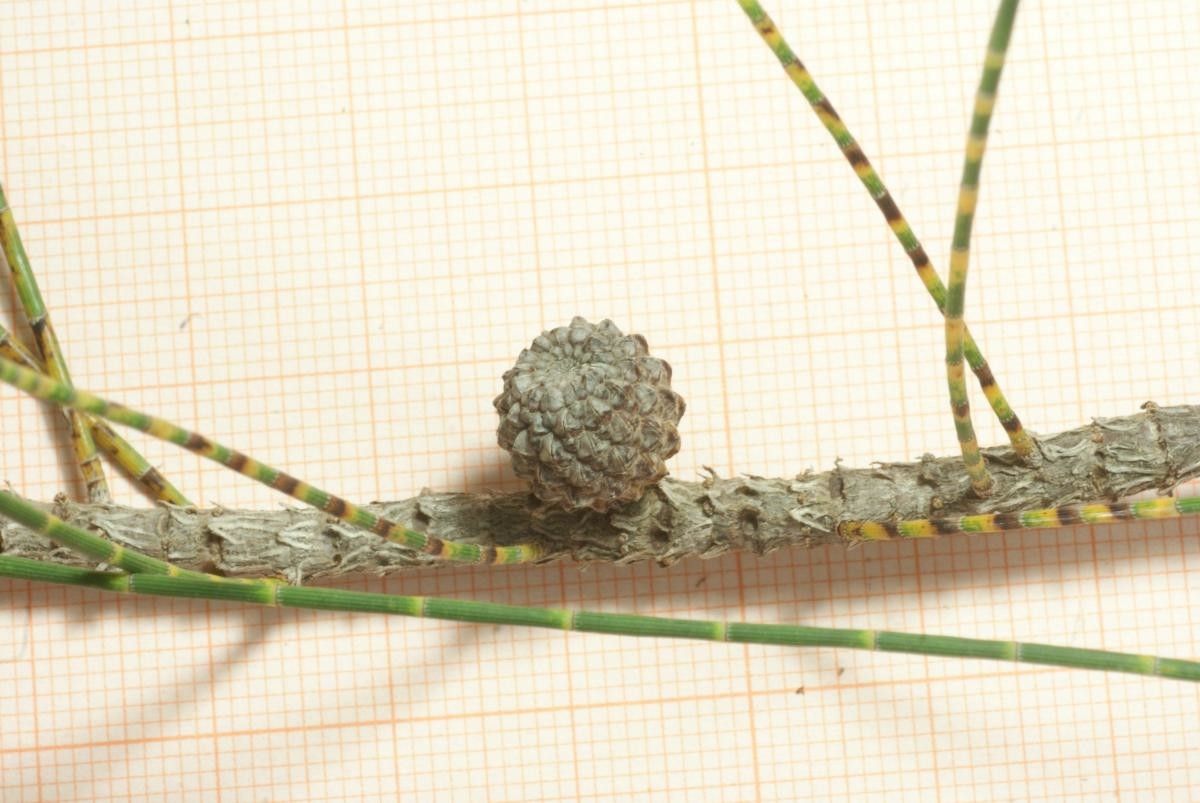
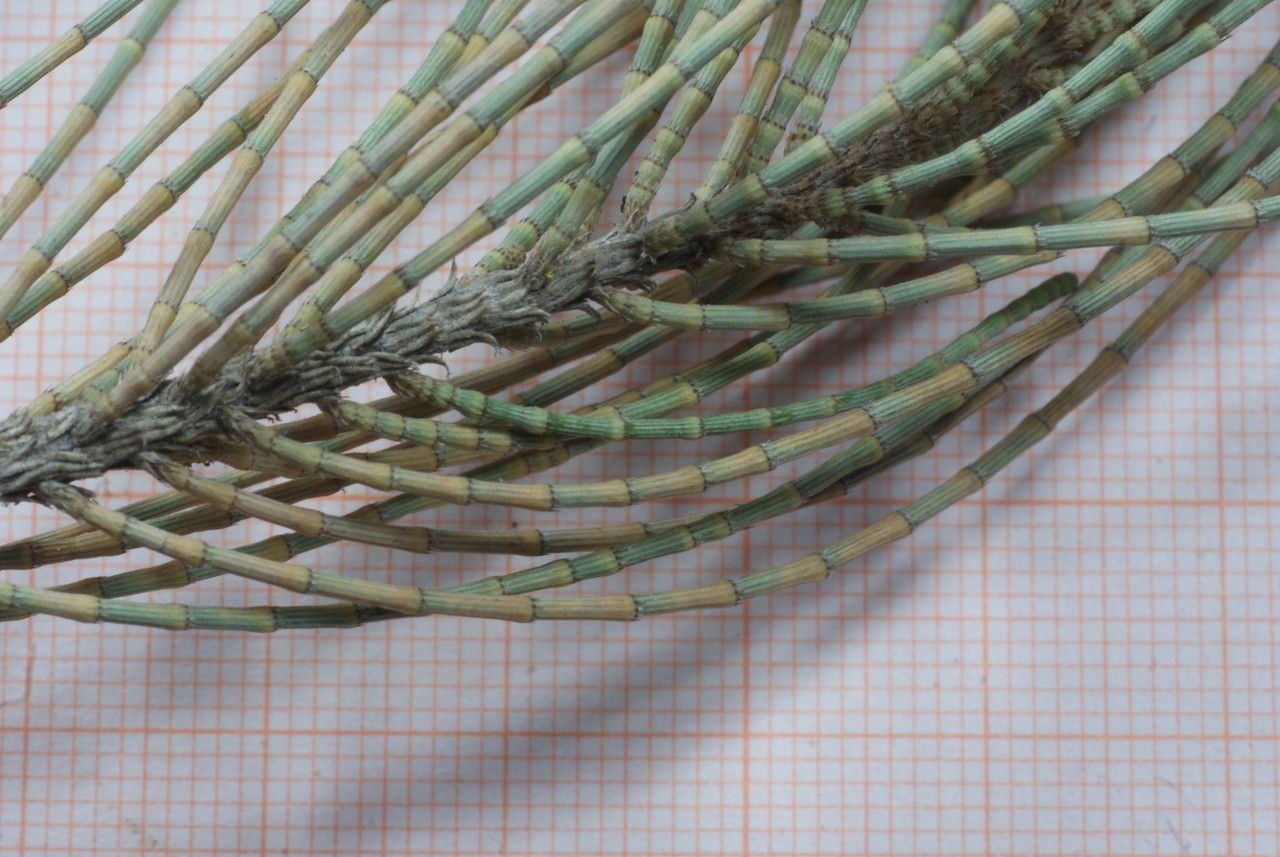
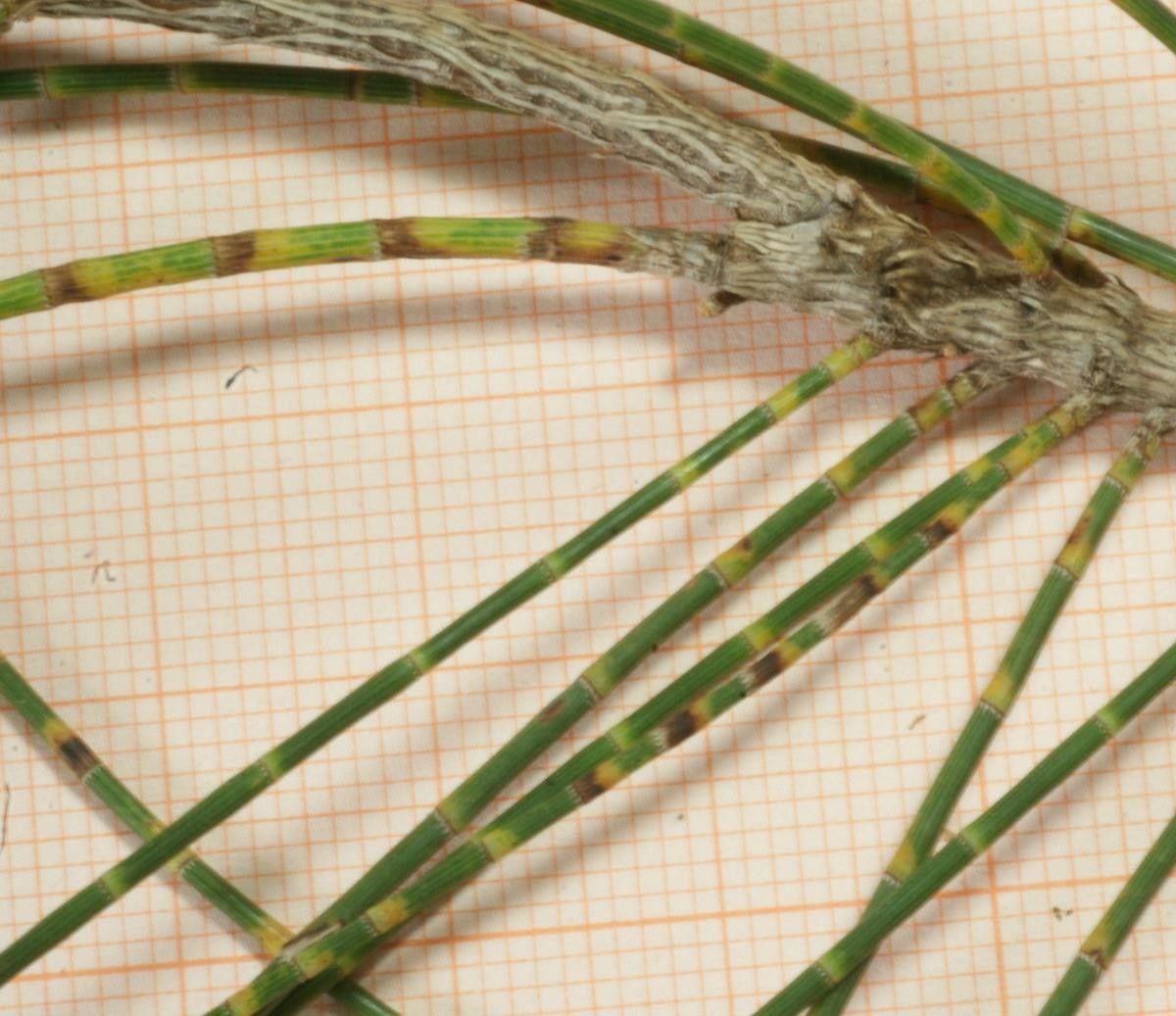
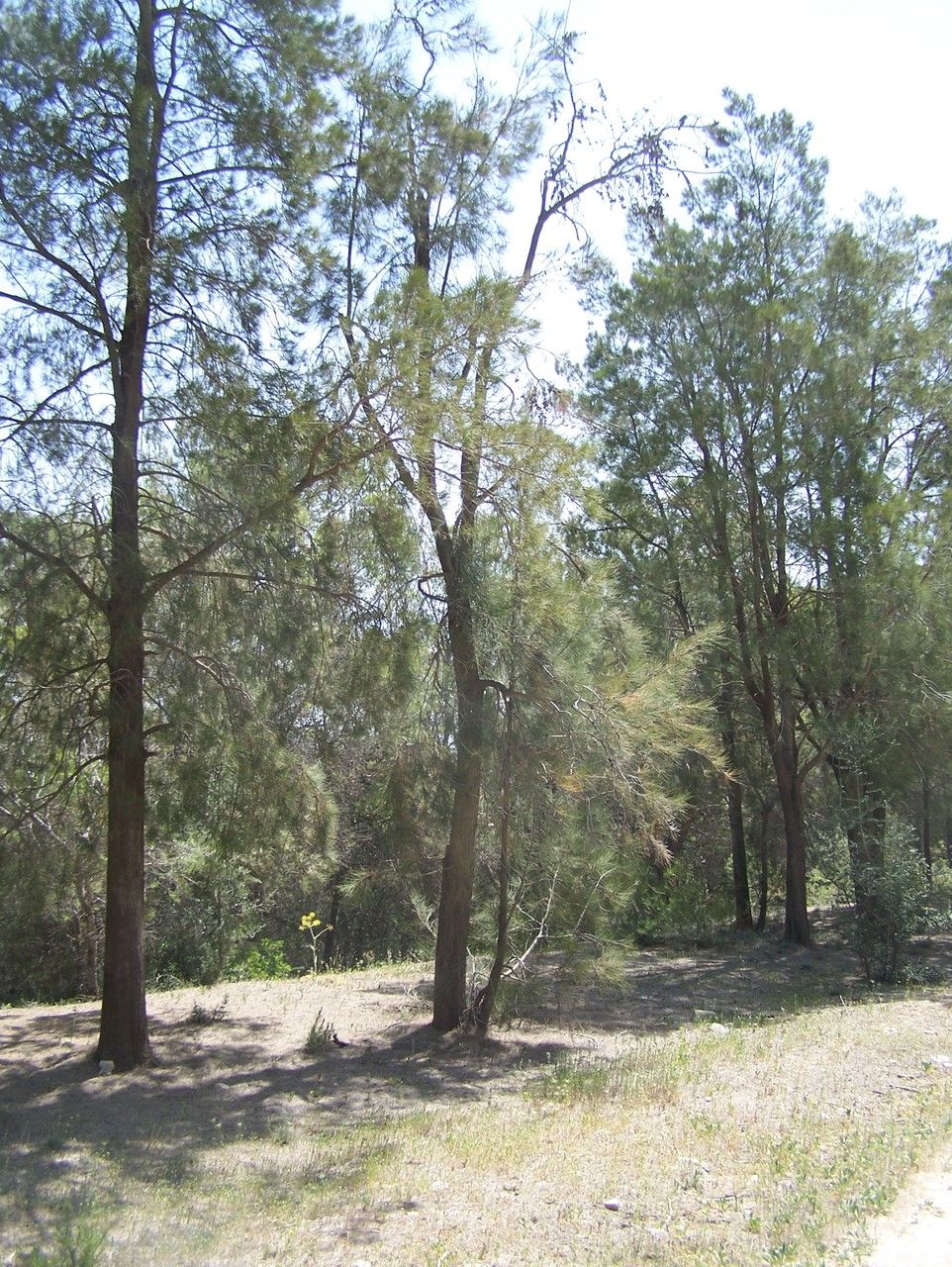
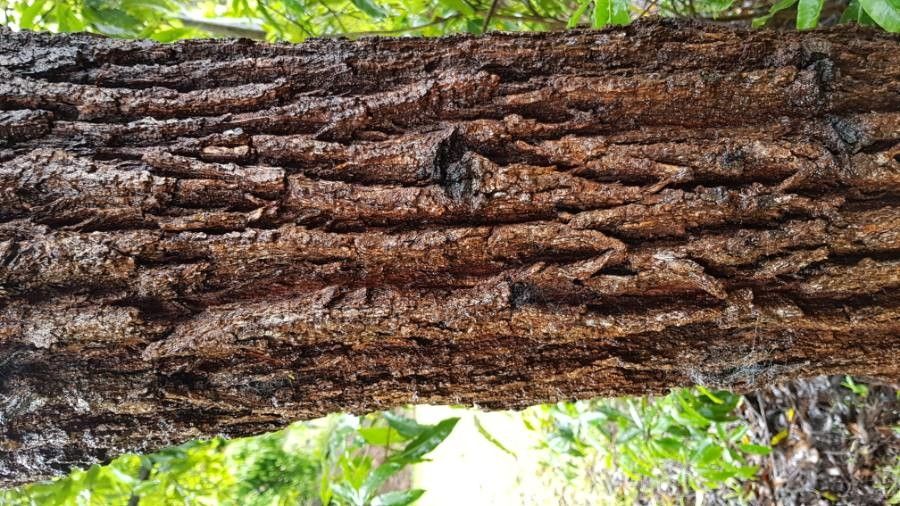
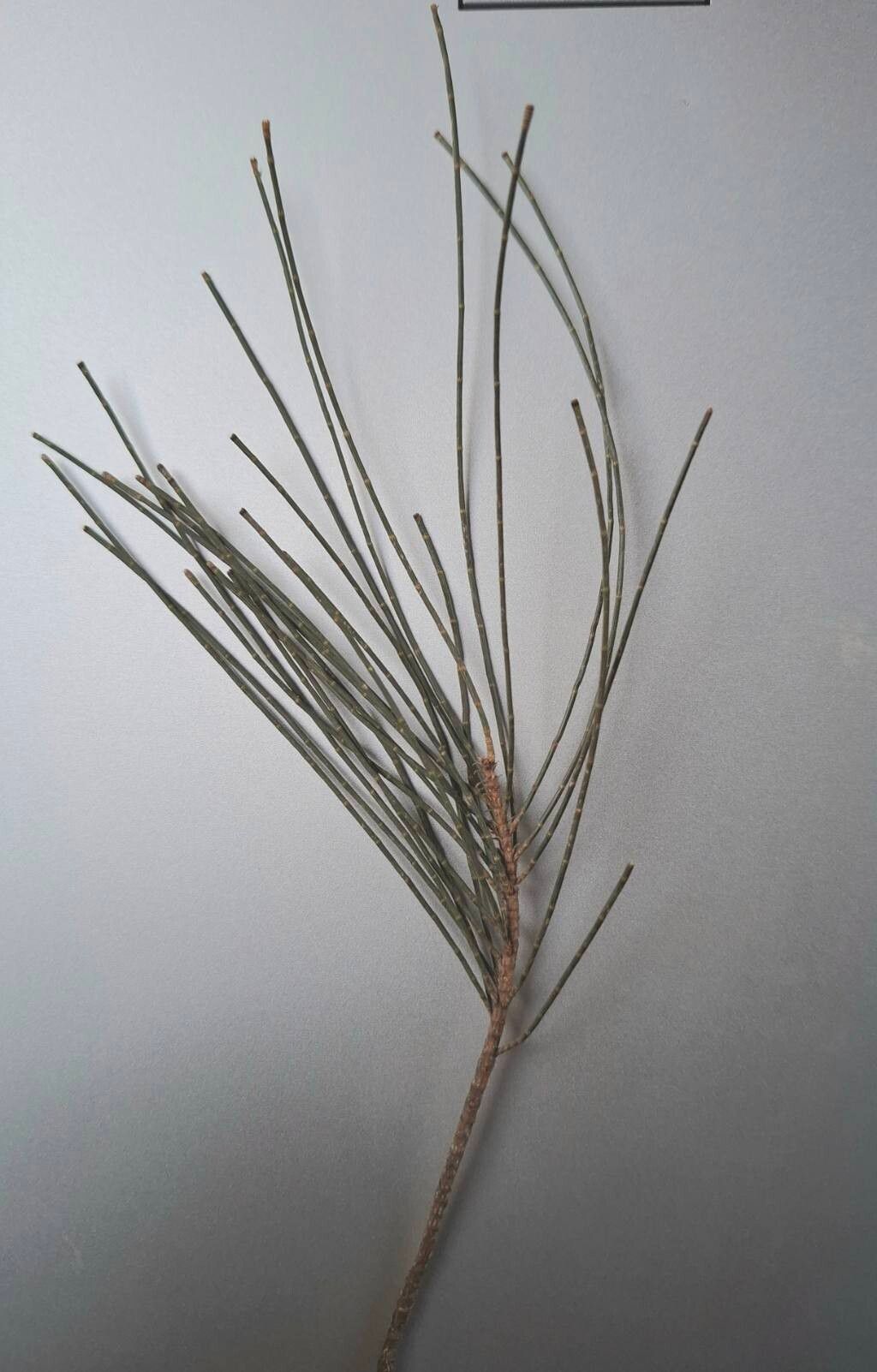
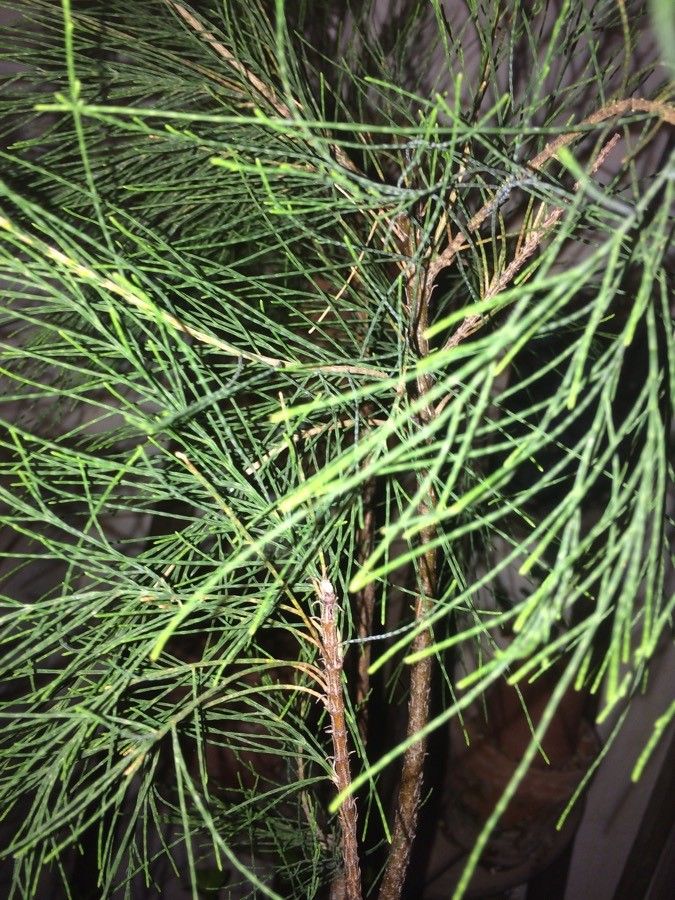
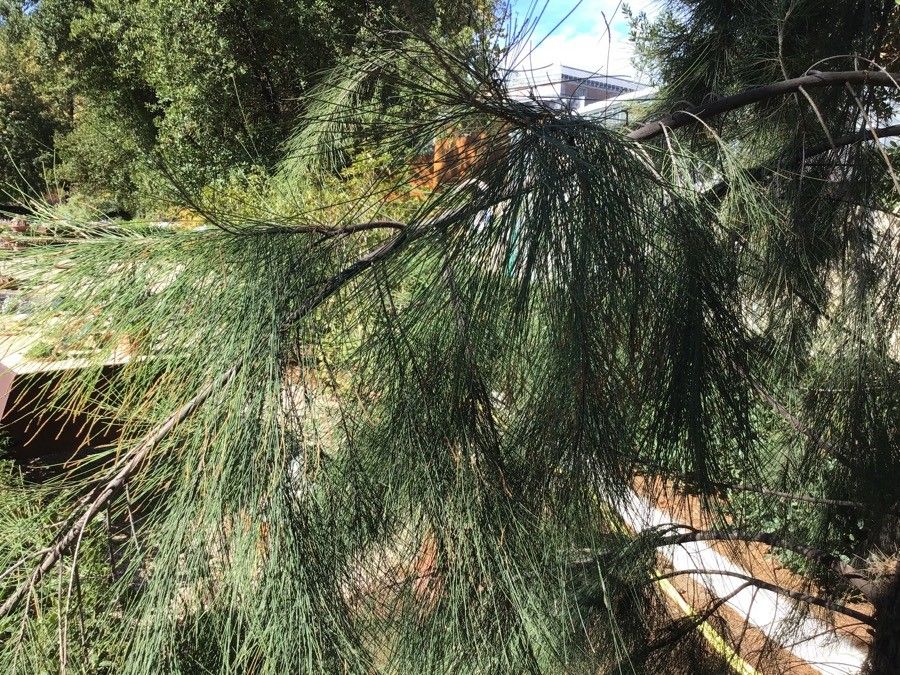
Allocasuarina verticillata, commonly known as drooping she-oak or drooping sheoak, is a nitrogen fixing native tree of southeastern Australia.Originally collected in Tasmania and described as Casuarina verticillata by French naturalist Jean-Baptiste Lamarck in 1786, it was moved to its current genus in 1982 by Australian botanist Lawrie Johnson.The 1889 book The Useful Native Plants of Australia records common names of the plant included "Shingle Oak," "Coast She-oak," " River Oak," " Salt-water Swamp Oak" and was called "Worgnal" by the Indigenous people of the Richmond and Clarence River areas of New South Wales. It also records that, "In cases of severe thirst, great relief may be obtained from chewing the foliage of this and other species, which, being of an acid nature, produces a flow of saliva—a fact well-known to bushmen who have traversed waterless portions of the country. This acid is closely allied to citric acid, and may prove identical with it. Children chew the young cones, which they call 'oak apples'."It grows as a small tree with a rounded habit, reaching 4–10 metres (12–35 ft) in height. The species occurs in Australian Capital Territory, New South Wales, South Australia, Tasmania, and Victoria.On Kangaroo Island, it is the preferred food item of the Glossy Black Cockatoo, which holds the cones in its foot and shreds them with its powerful bill before removing the seeds with its tongue.
Drooping she-oak is resistant to disease and, overall, is not liable to develop illnesses. In terms of maintenance, this species is fairly low-maintenance. When grown outdoors it needs only minimal watering, and larger plants usually do not require pruning. Smaller plants, however, should be pruned after they have finished blooming. Drooping she-oak is appropriate for anyone with an outdoor area, such as a garden or deck, and does not need extensive care experience.
How to keep Casuarina Stricta.
Light
Drooping she-oak is native to open habitats, like sunny meadows and forest edges, which provide abundant light. It prefers Full Sun but can also tolerate Partial Sun, showing good adaptability to different light conditions.
Temperature
The drooping she-oak shows strong adaptability to a range of climate conditions, whether in blazing summers or cold winters. However, it does have an optimal temperature range for growth. If temperatures become too high, the plant is vulnerable to heat and humidity stress, which can lead to its death. In locations where temperatures approach the lower limit of its cold tolerance, it is important to use insulation measures to protect the plant.
Fertilizer
To encourage healthy growth, fertilize your Drooping she-oak in early spring. Regular feeding boosts the plant’s overall health, producing vigorous growth, improved tolerance of harsh conditions, and increased resistance to pests and diseases. Keep to a consistent fertilization schedule for your Drooping she-oak to maintain vibrant, richly colored foliage and a lush appearance.
Botanical profile.
- Plant Type
- Tree
- Life Cycle
- Perennial
- Genus
- Casuarina
- Family
- Casuarinaceae
- Hardiness Zone
- 8-11
- Mature Height
- 3.96 m to 10.06 m
- Mature Spread
- 6.1 m to 10.36 m
- Leaf Color
- Dark Green, Olive Drab
- Leaf Type
- Evergreen
- Flower Color
- Red
- Flower Size
- 2.54 cm
- Bloom Time
- Late summer, Early fall, Mid fall
- Planting Time
- Spring, Autumn
- Harvest Time
- Late fall, Early winter, Mid winter
Other names.