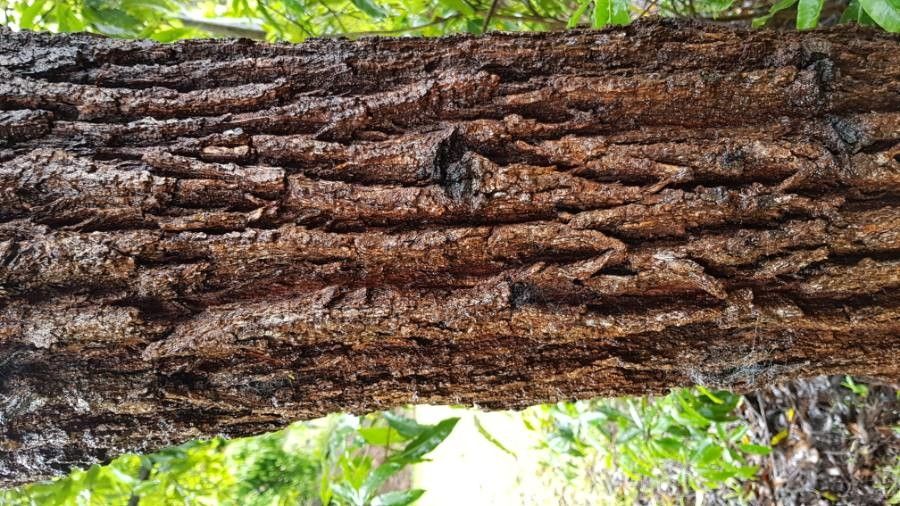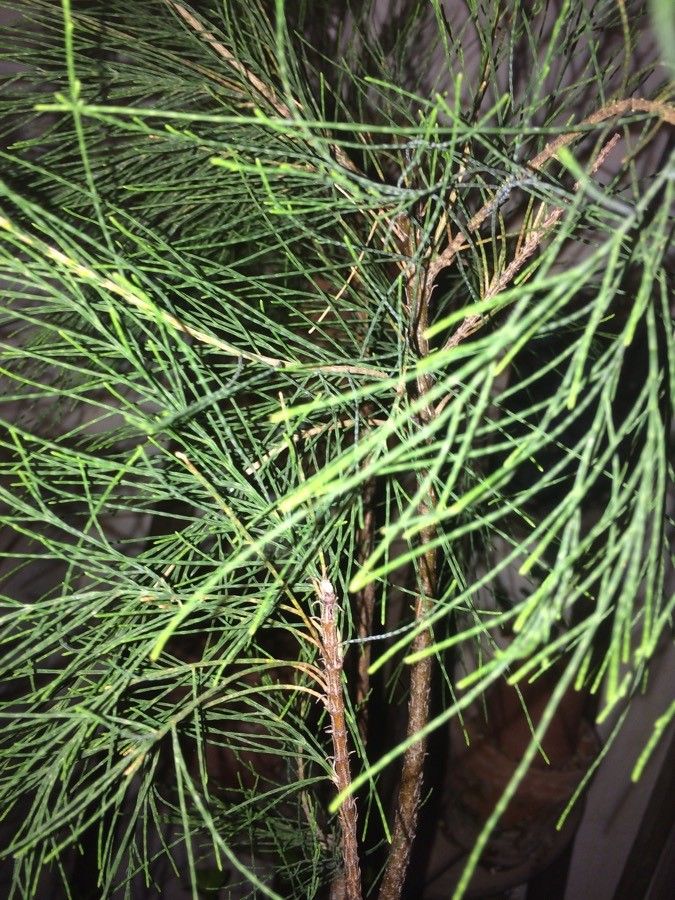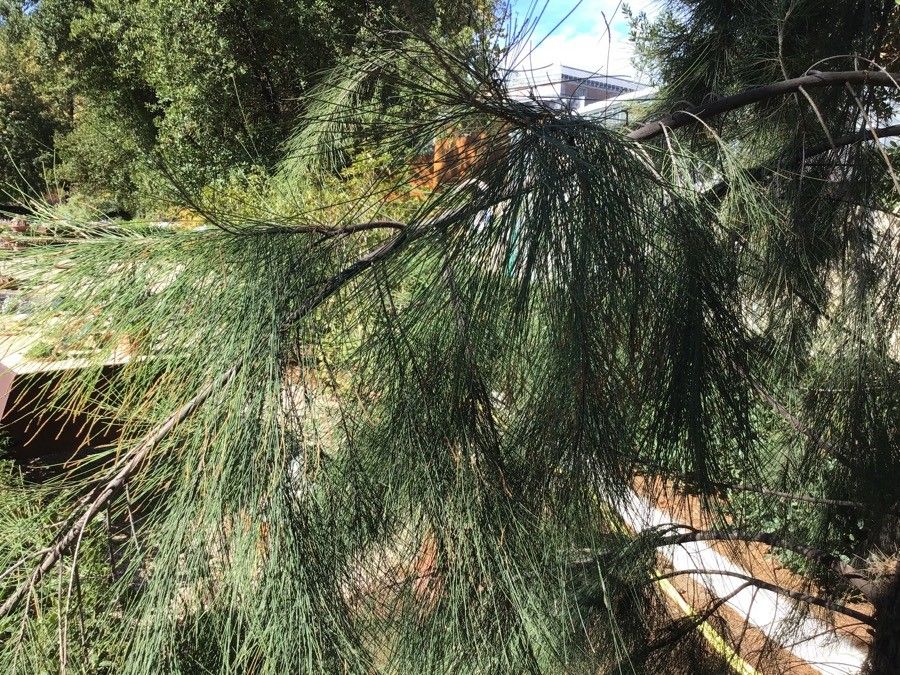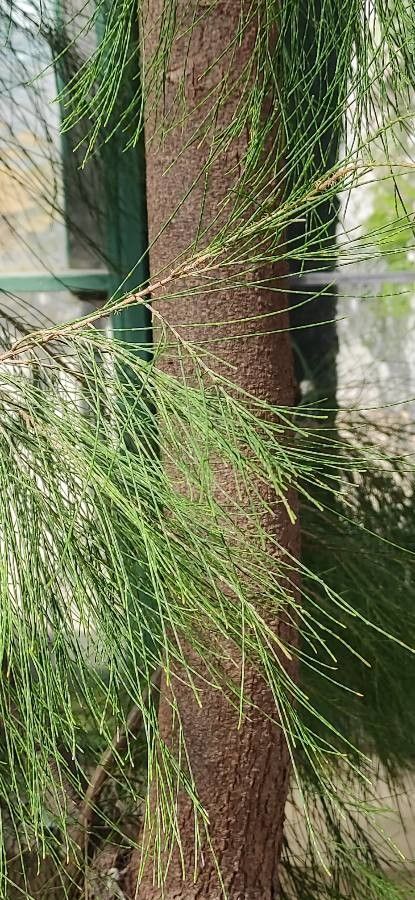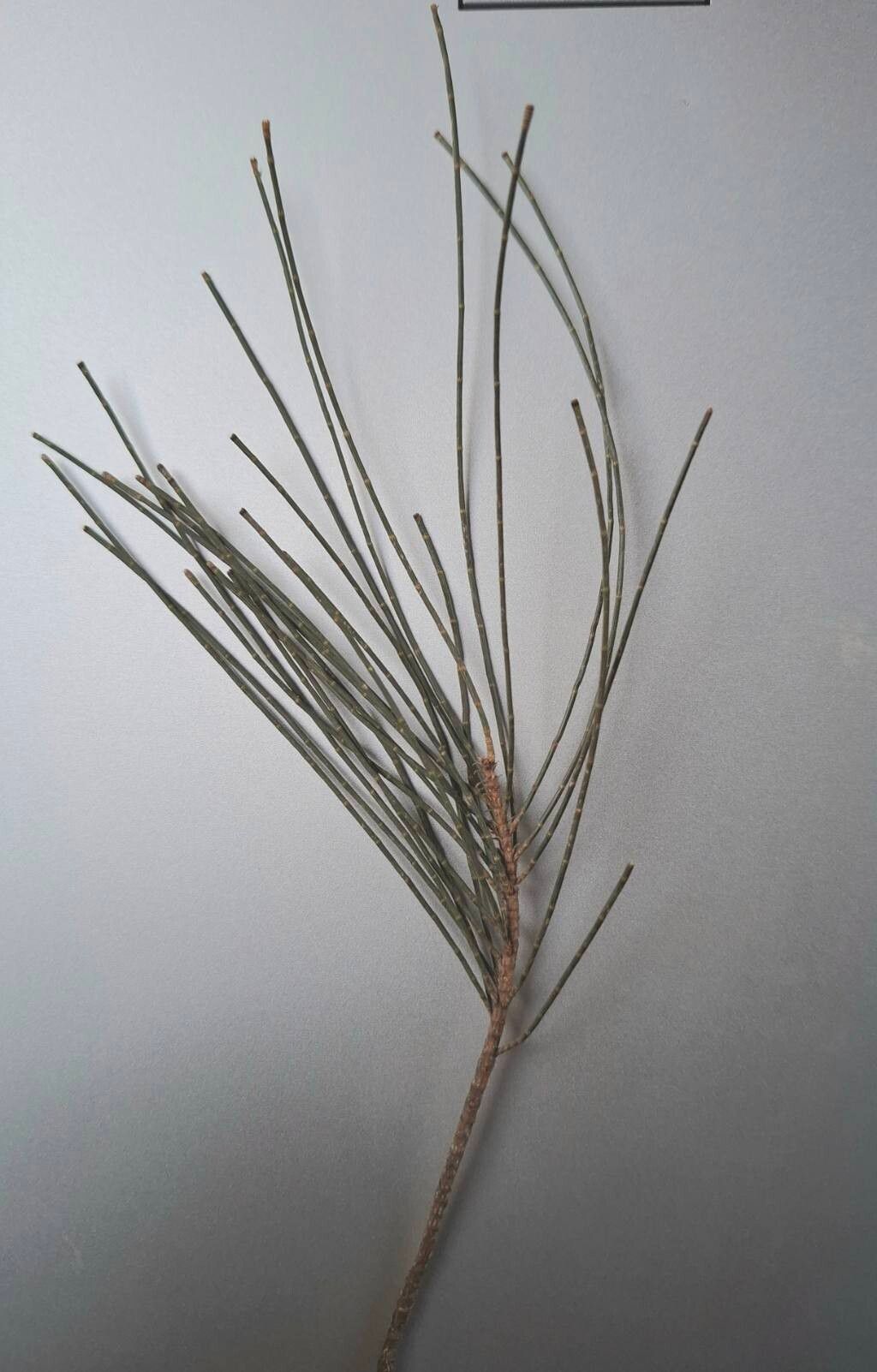
Casuarina cristata, commonly known as belah or muurrgu, is a species of flowering plant in the family Casuarinaceae and is endemic to inland eastern Australia. It is a tree with fissured or scaly bark, sometimes drooping branchlets, the leaves reduced to scales in whorls of 8 to 12, the fruit 13–18 mm (0.5–0.7 in) long containing winged seeds (samaras) 6.0–10.5 mm (0.2–0.4 in) long.
Belah exhibits strong disease resistance and is usually not susceptible to illnesses. Regarding care, this plant is fairly low-maintenance. When planted outdoors it needs minimal watering, and larger plants typically do not require pruning. Smaller plants, however, should be pruned after they have finished blooming. Belaht is suitable for anyone with an outdoor area, such as a garden or deck, and does not demand much experience in plant care.
How to keep Casuarina Cristata.
Light
Belah is native to open habitats, such as sunny meadows and forest margins, where light is plentiful. It grows best in Full Sun but can also tolerate Partial Sun, adapting well to a range of light conditions.
Temperature
Belah shows strong adaptability to temperature, able to endure higher heat and wider temperature swings. During hot periods, attention should be paid to irrigation and suitable shading should be provided to avoid sunburn. Conversely, Belah tolerates low temperatures poorly. It can survive some cold, but overly cold conditions may cause frost injury.
Fertilizer
Fertilize your Belah in early spring to encourage healthy growth. Regular feeding boosts overall health, producing vigorous growth, increased tolerance of harsh conditions, and better resistance to pests and diseases. Follow a consistent fertilization schedule for your Belah to preserve vibrant, deep-colored foliage and a lush appearance.