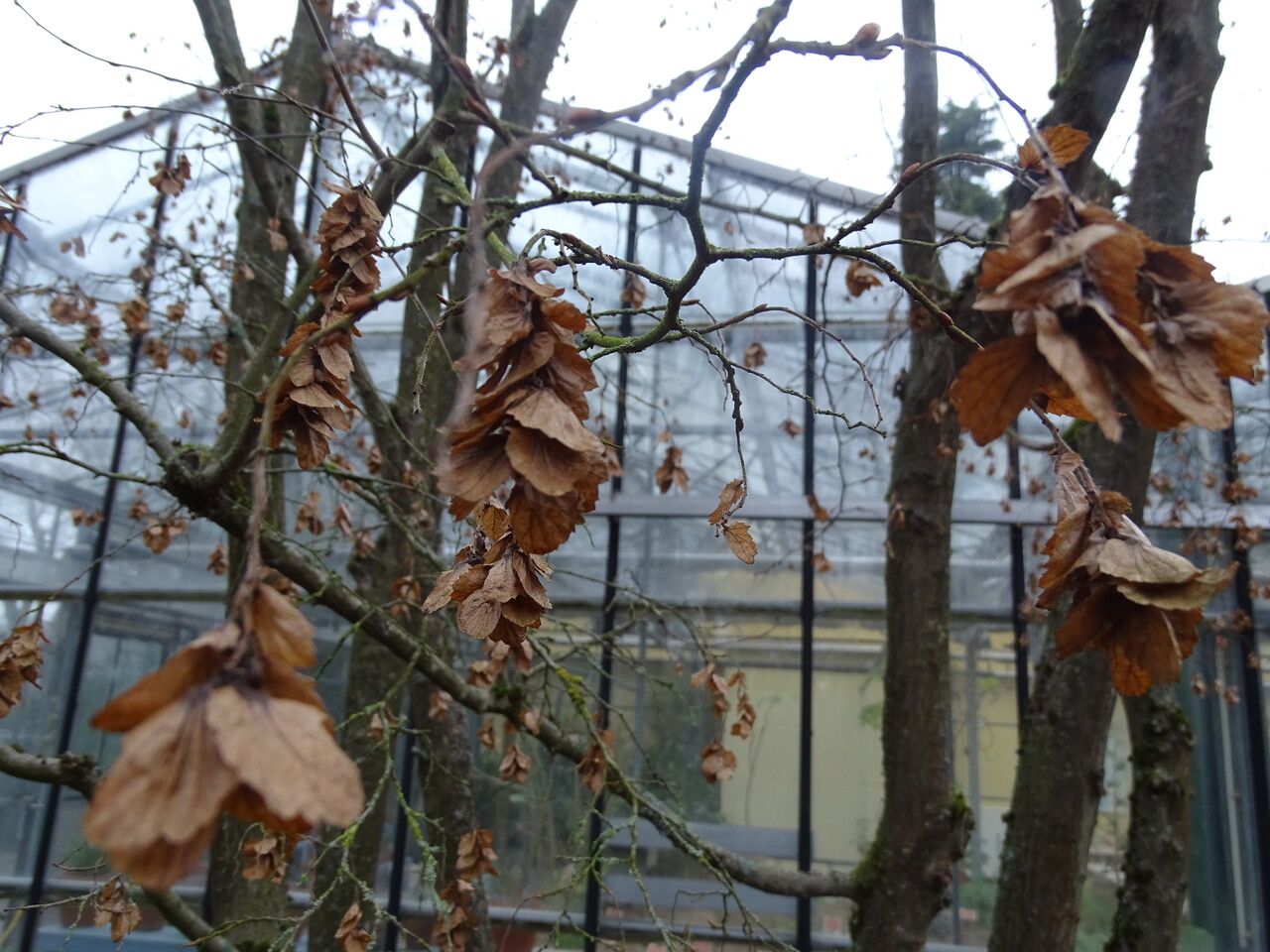
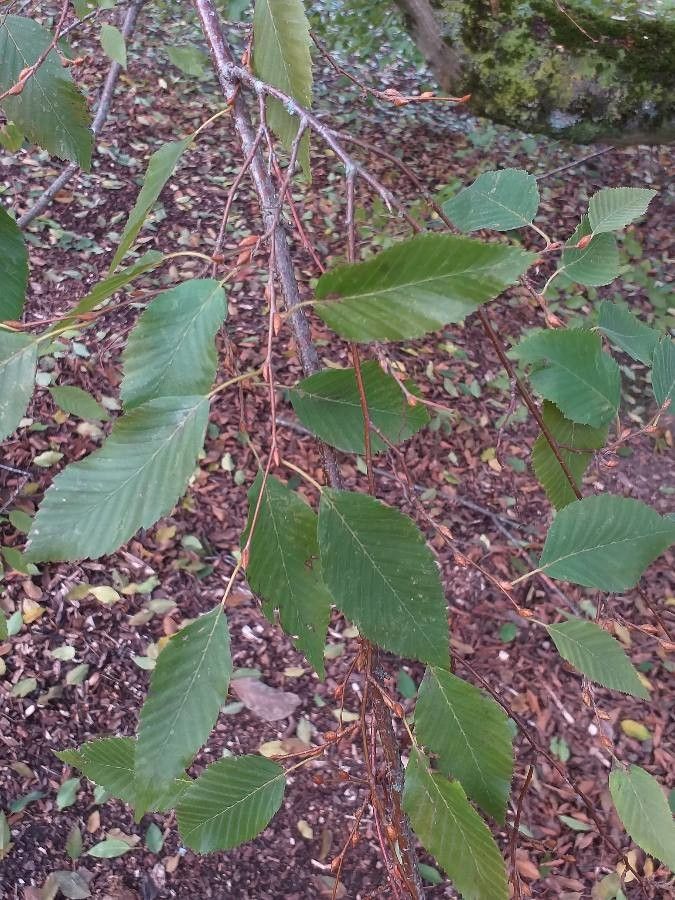
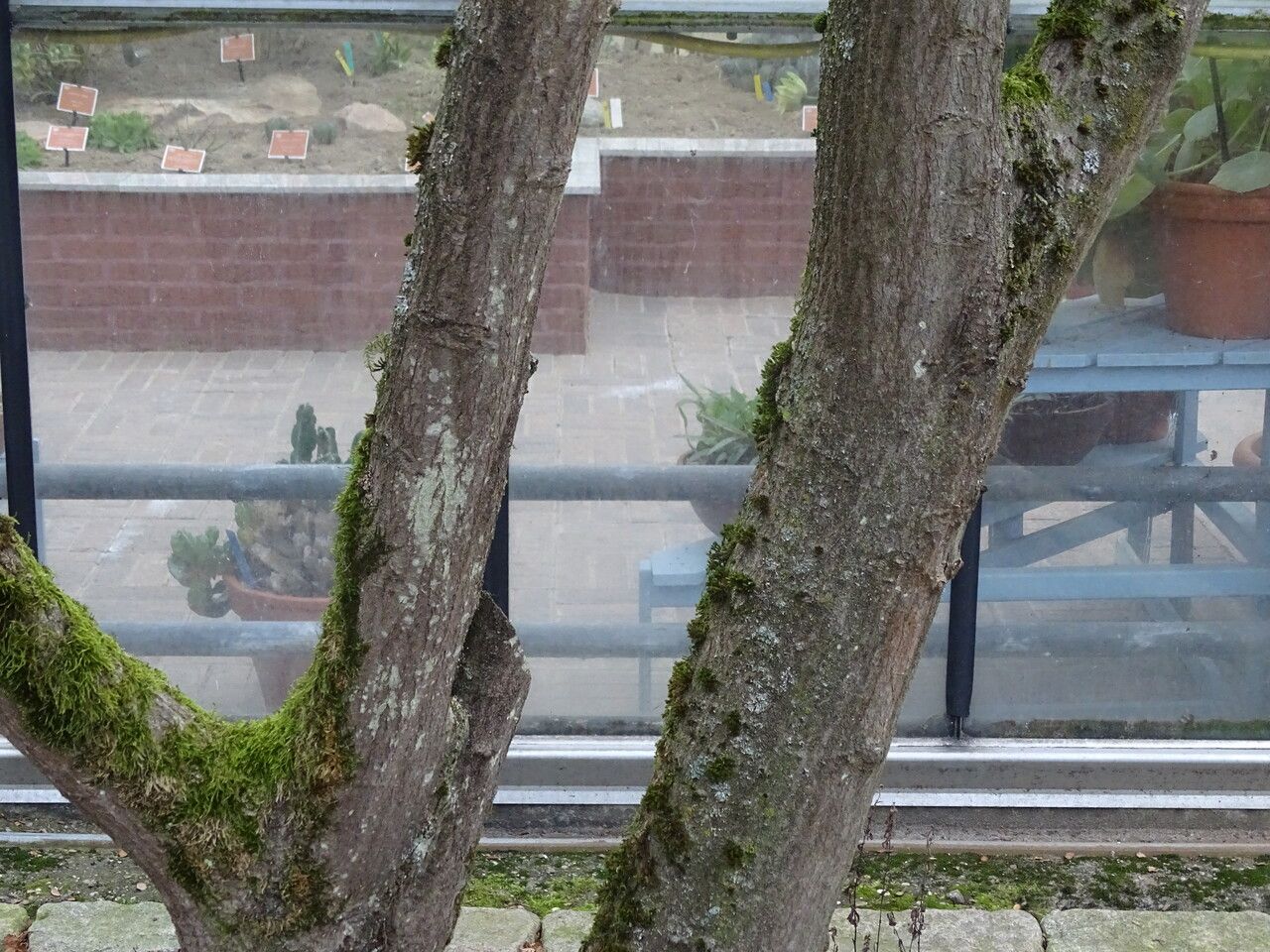
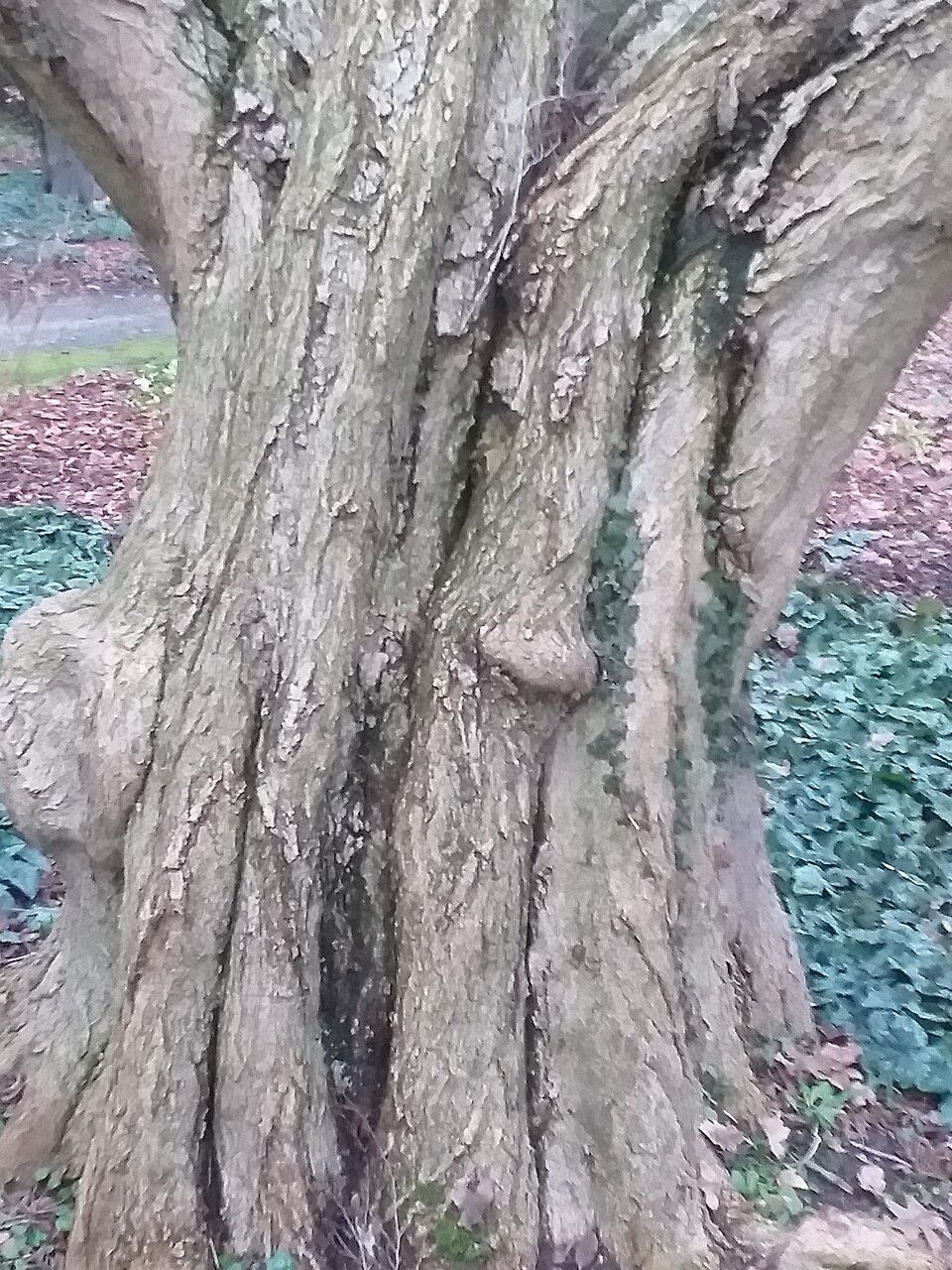
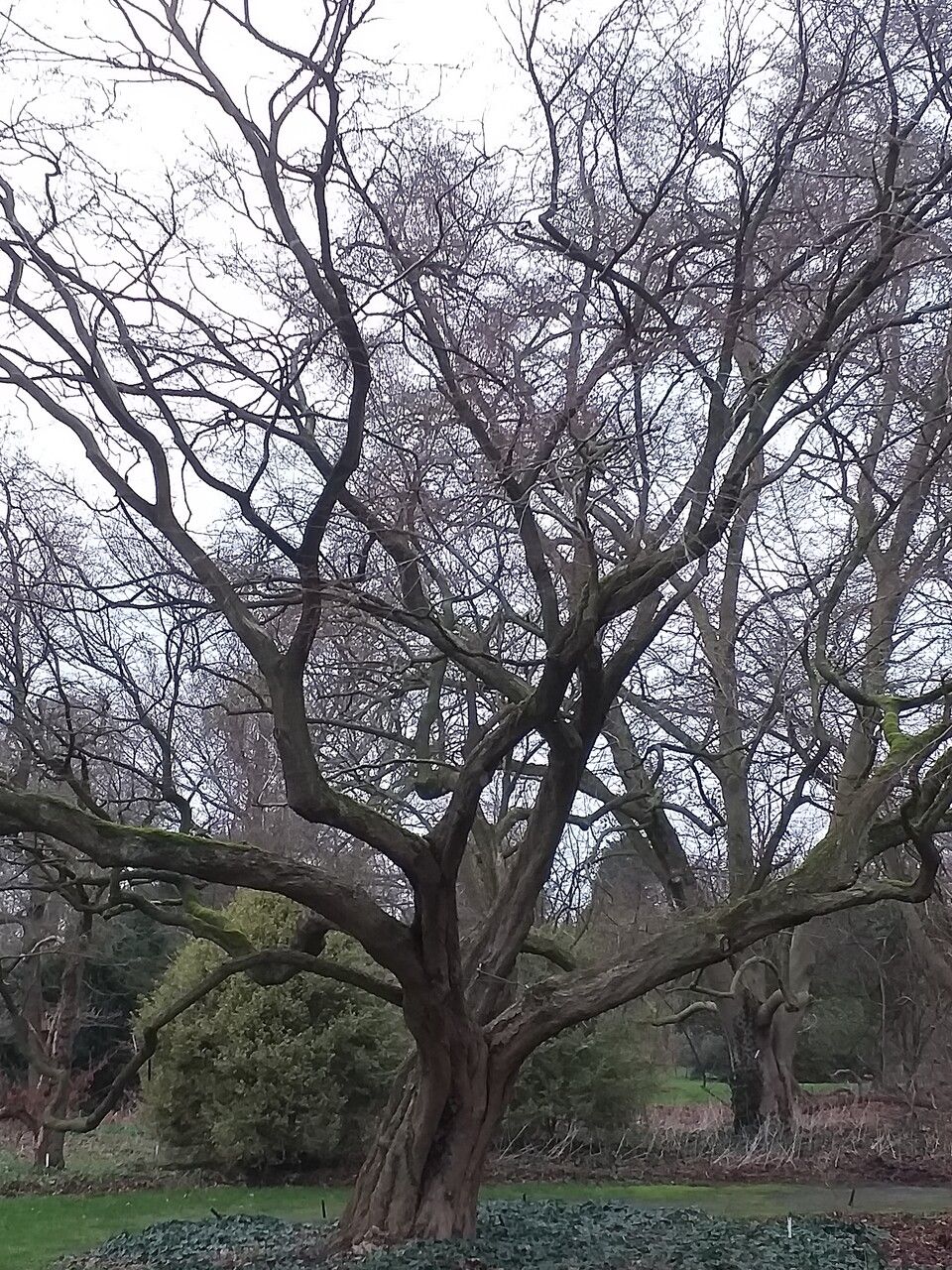
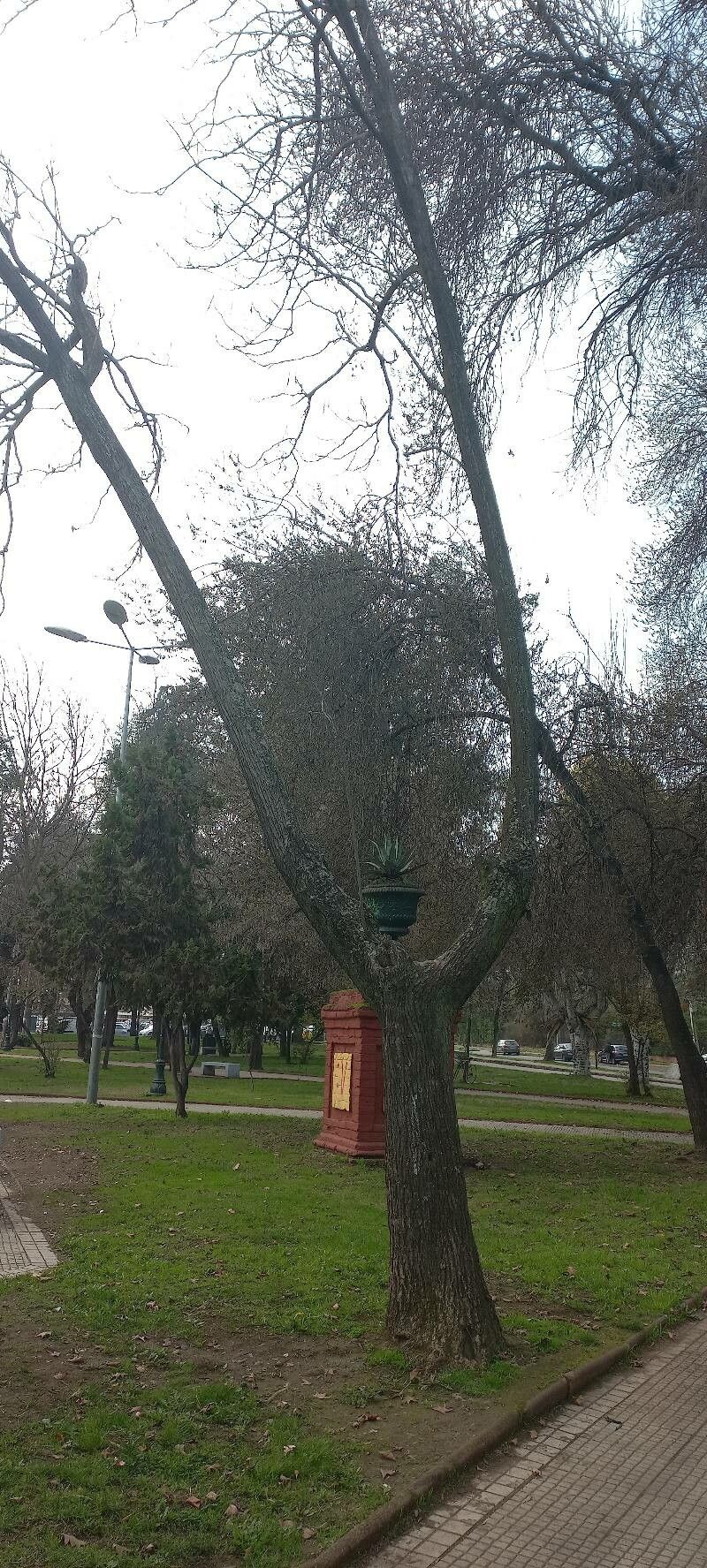
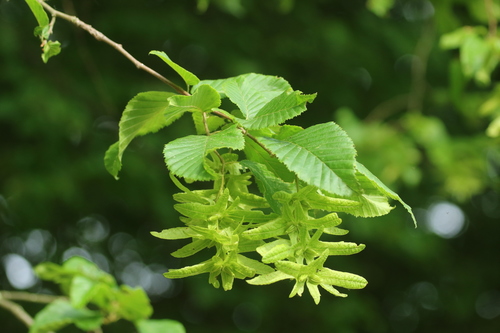
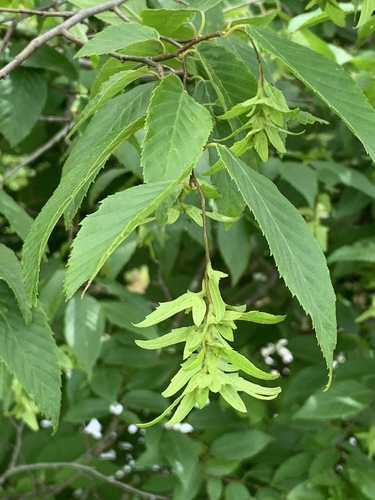
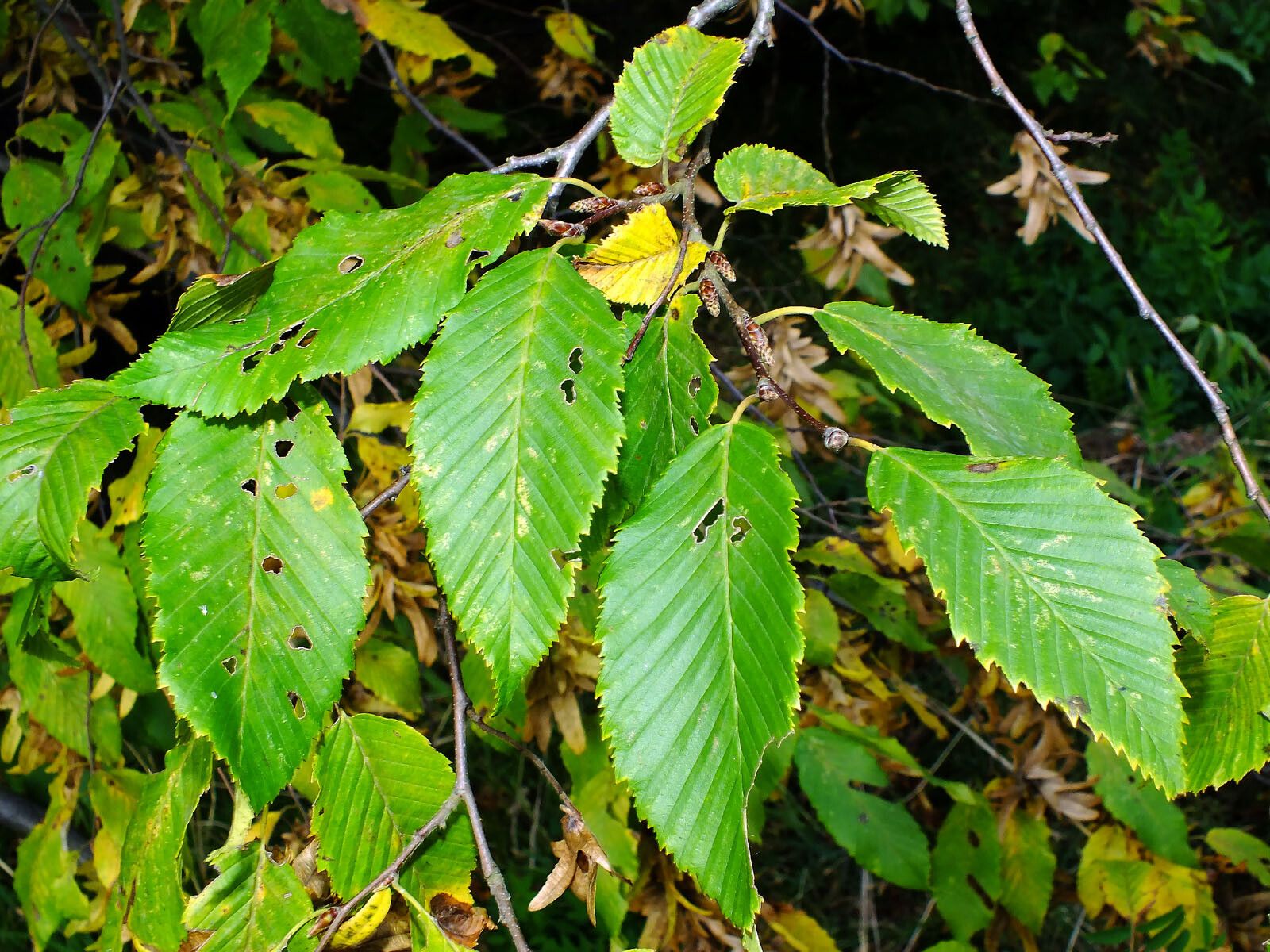
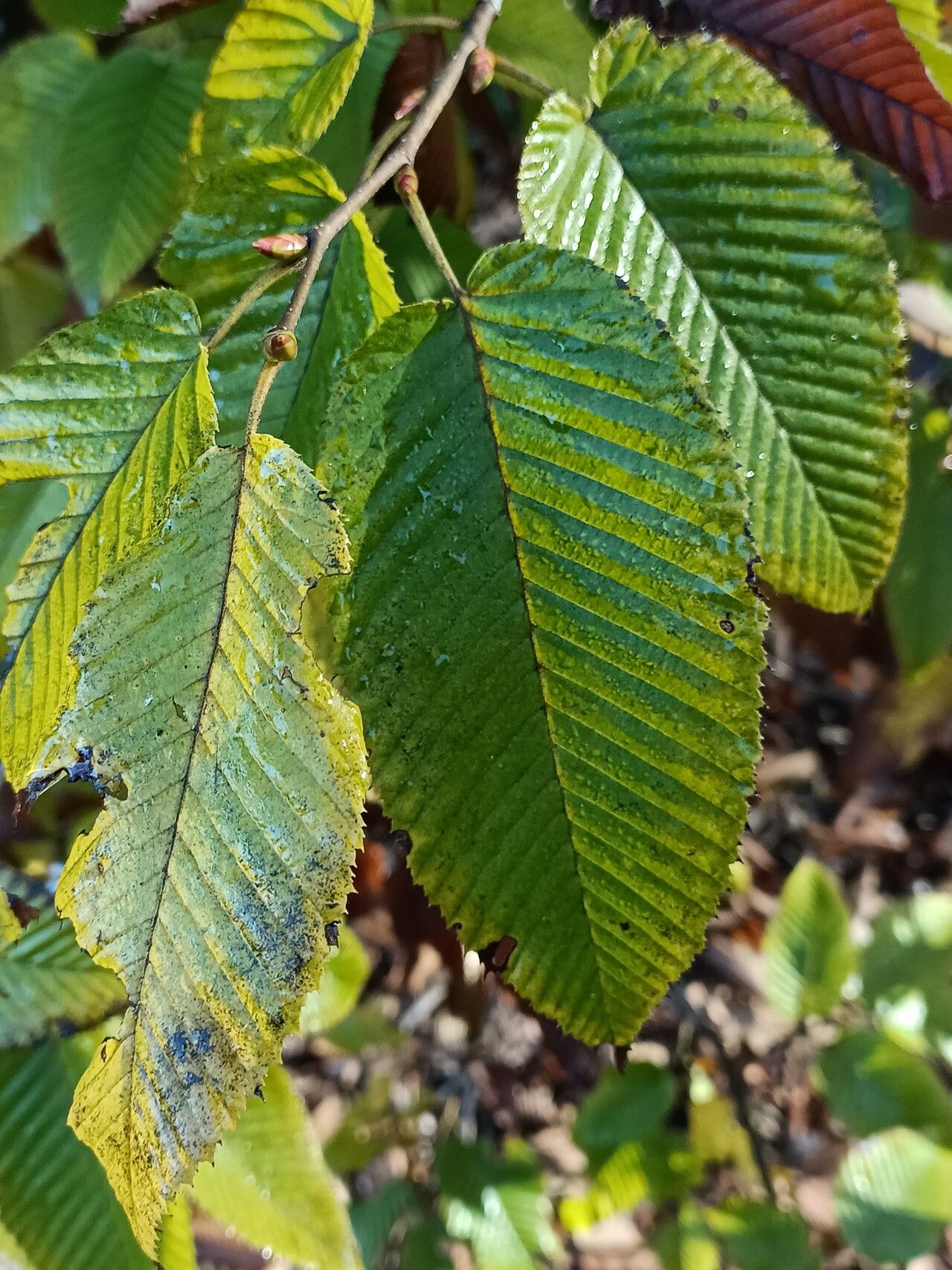
Carpinus turczaninovii, the Turczaninow hornbeam or Korean hornbeam, is a species of flowering plant in the family Betulaceae, native to central China, the Korean Peninsula, and central and southern Japan. It is a large shrub or small tree typically 15 to 20 ft (5 to 6 m) tall and about 75% as wide, and is hardy to USDA zone 5b. It is available from commercial suppliers, and can handle very hard pruning.
Carpinus turczaninowii is disease-resistant and typically not susceptible to illnesses. In terms of maintenance, this species is fairly low-maintenance. Planted outdoors it needs little watering, and larger specimens usually do not require pruning. Smaller plants, nonetheless, should be pruned after they have finished blooming. Carpinus turczaninowii is appropriate for anyone with an outdoor area, like a garden or deck, and does not demand extensive plant-care experience.
How to keep Carpinus Turczaninowii.
Light
The Carpinus turczaninowii naturally thrives in habitats like forest understories or rocky terrains where it is naturally shielded from the sun. While it favors partial sun exposure, this adaptable and resilient plant can adjust to conditions of full sunlight or complete shade.
Water
Carpinus turczaninowii, native to moist areas, requires a balanced approach to watering for proper growth. It needs to be drought-tolerant while maintaining adequate hydration. Water the plant every 1-2 weeks to keep the soil moist without causing waterlogging. As an outdoor plant, Carpinus turczaninowii can adapt to different rainfall patterns. Applying mulch can help retain soil moisture during dry spells.
Temperature
Carpinus turczaninowii shows impressive versatility in coping with differing weather conditions, from hot summers to cold winters. Nonetheless, its growth thrives within a specific temperature scope. If the temperature rises to extreme levels, the plant tends to suffer from the stress of heat and humidity, potentially leading to its death. In areas where the climate nears its minimum threshold of withstanding cold, it becomes crucial to apply insulation techniques to safeguard the plant.
Fertilizer
In order to encourage robust development, provide your Carpinus turczaninowii with fertilizer in the early spring. Consistent fertilization promotes general well-being, leading to strong growth, toughness in harsh conditions, and increased protection against diseases and pests. Adhere to a designated fertilization timetable for your Carpinus turczaninowii to guarantee brightly colored and lush looking foliage.
Pruning
To promote vigorous growth and enhance the health of Carpinus turczaninowii, it should be pruned in early spring. Key techniques include removing dead branches, thinning crowded areas to improve air circulation, and shaping the tree to maintain its natural form. Making clean, angled cuts helps prevent water damage and encourages denser foliage.
Botanical profile.
- Plant Type
- Tree
- Life Cycle
- Perennial
- Genus
- Carpinus
- Family
- Betulaceae
- Hardiness Zone
- 6-9
- Mature Height
- 14.94 m
- Mature Spread
- 4.57 m
- Leaf Color
- Green
- Leaf Type
- Deciduous
- Flower Color
- Yellow
- Flower Size
- 3.05 cm to 6.35 cm
- Bloom Time
- Early spring, Mid spring
- Planting Time
- Spring, Autumn
- Harvest Time
- Late summer, Early fall, Mid fall
- Native Area
- Koppen, Japan, South Korea, China
Other names.
Reader questions.
What is Carpinus turczaninowii?
Carpinus turczaninowii is a plant species recognized by its botanical name, which is identical to its common name. It does not have specified essentials, symptoms, or additional information provided in the current context.