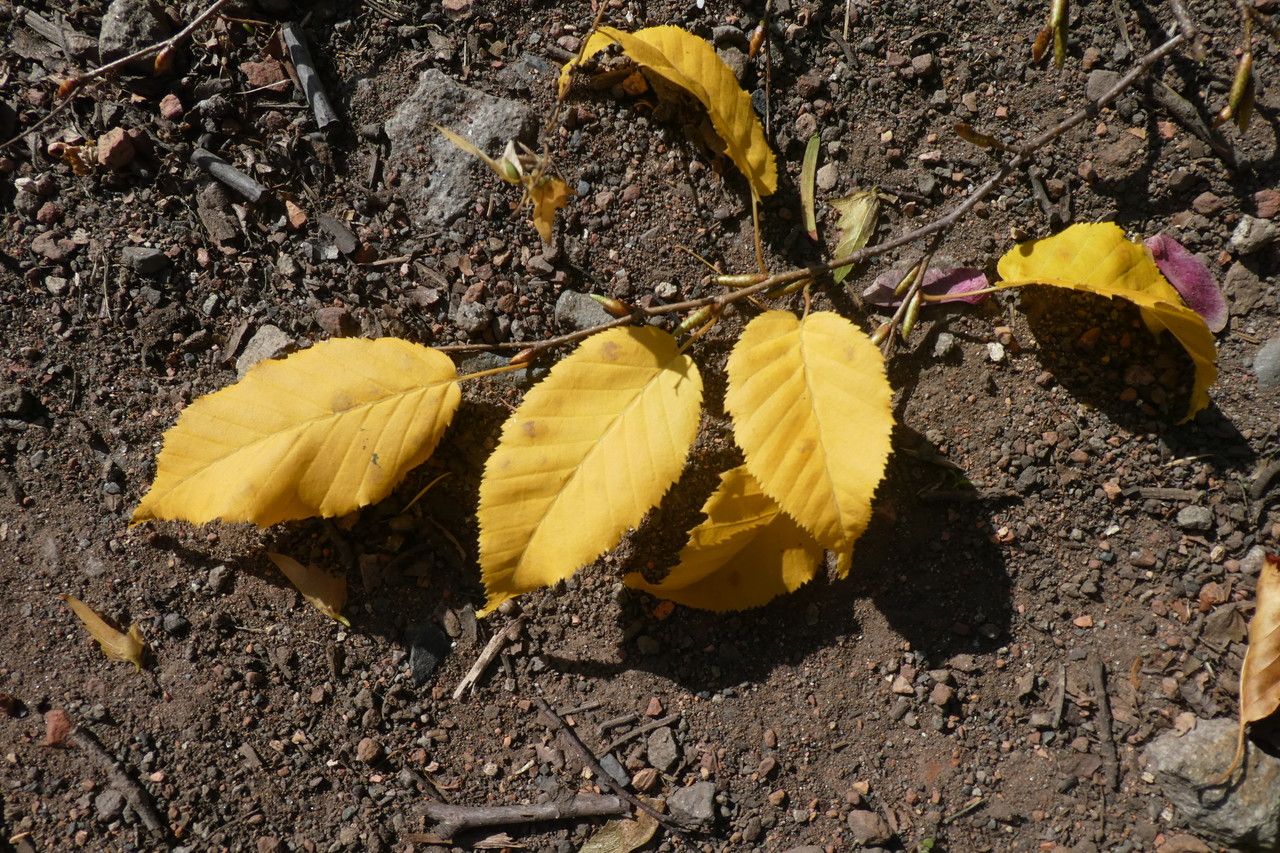
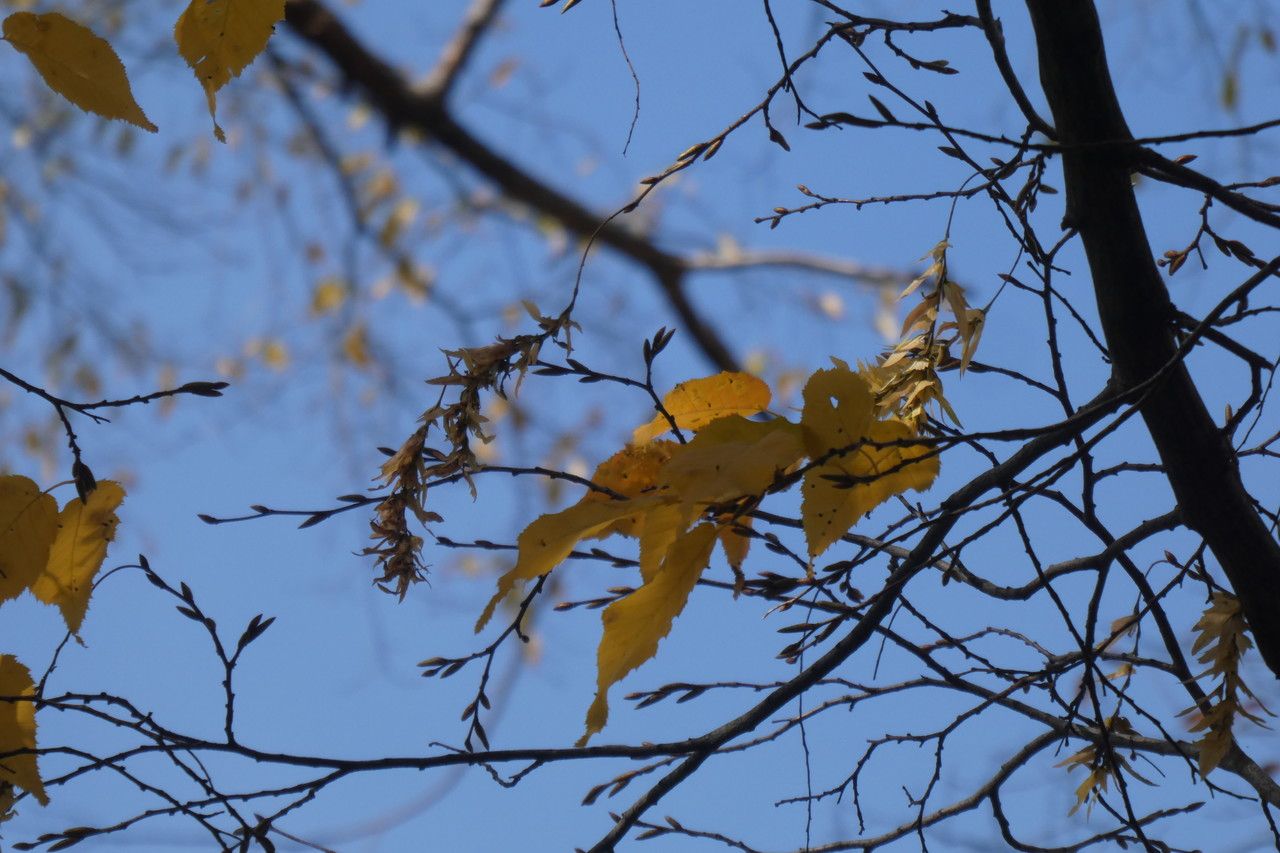
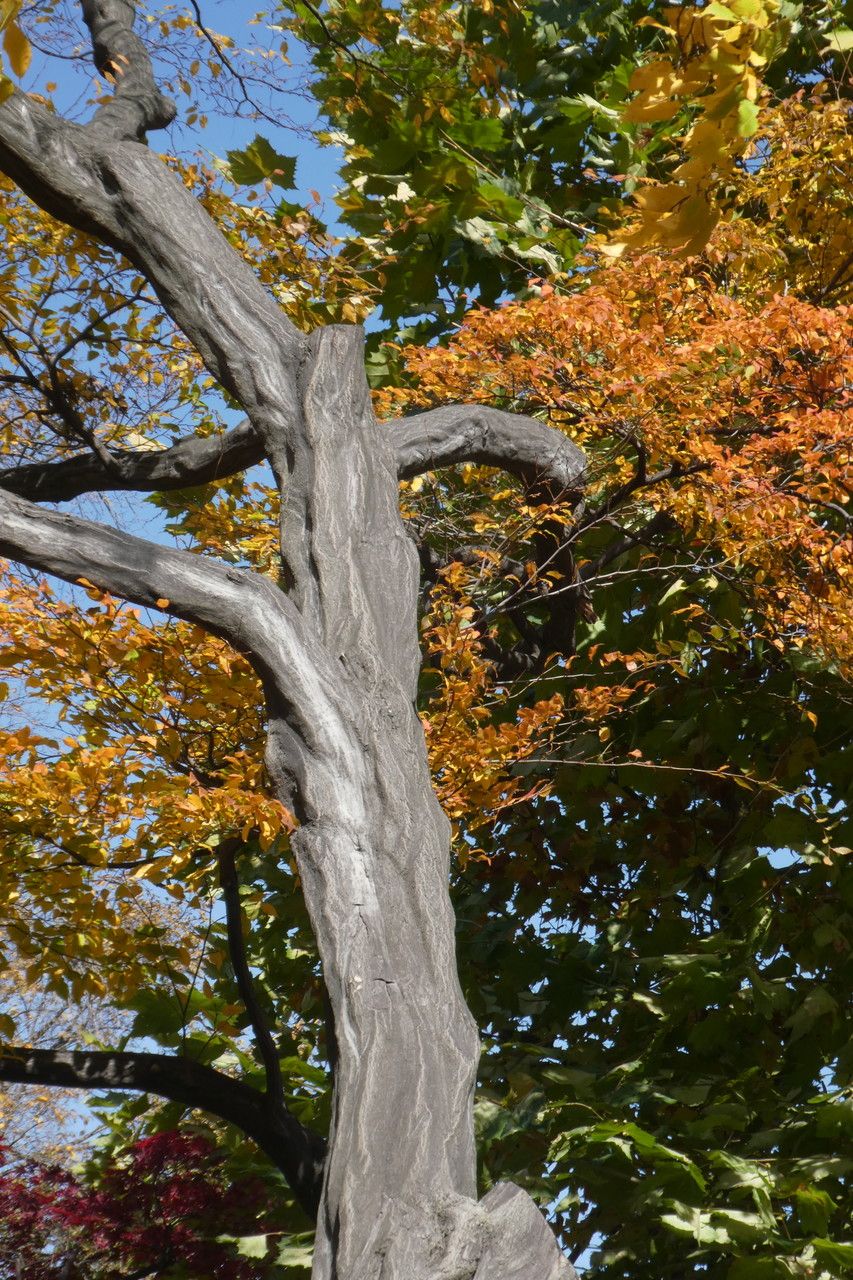
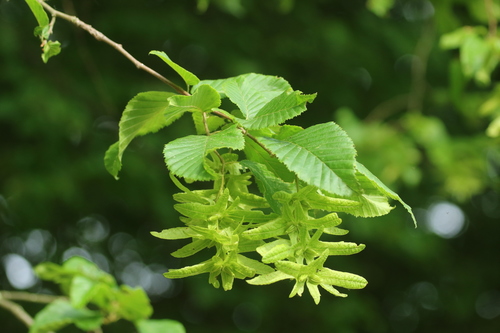
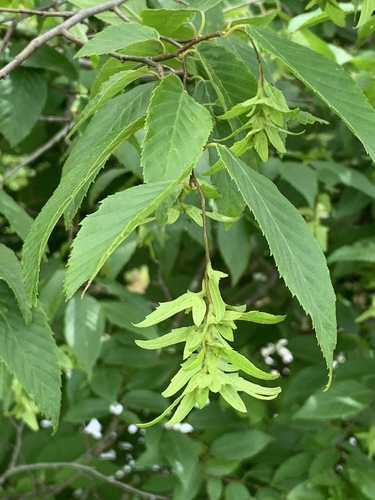
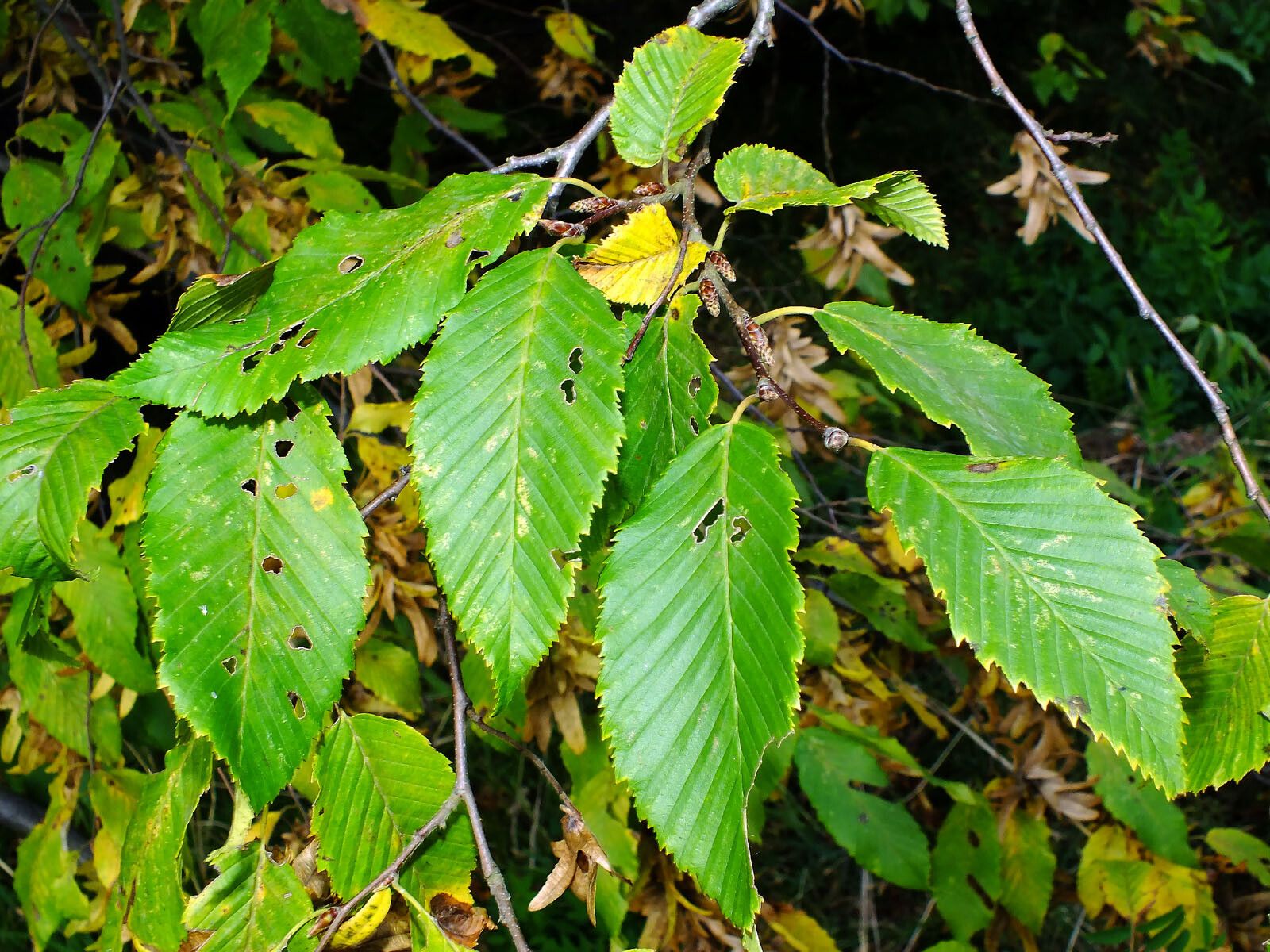
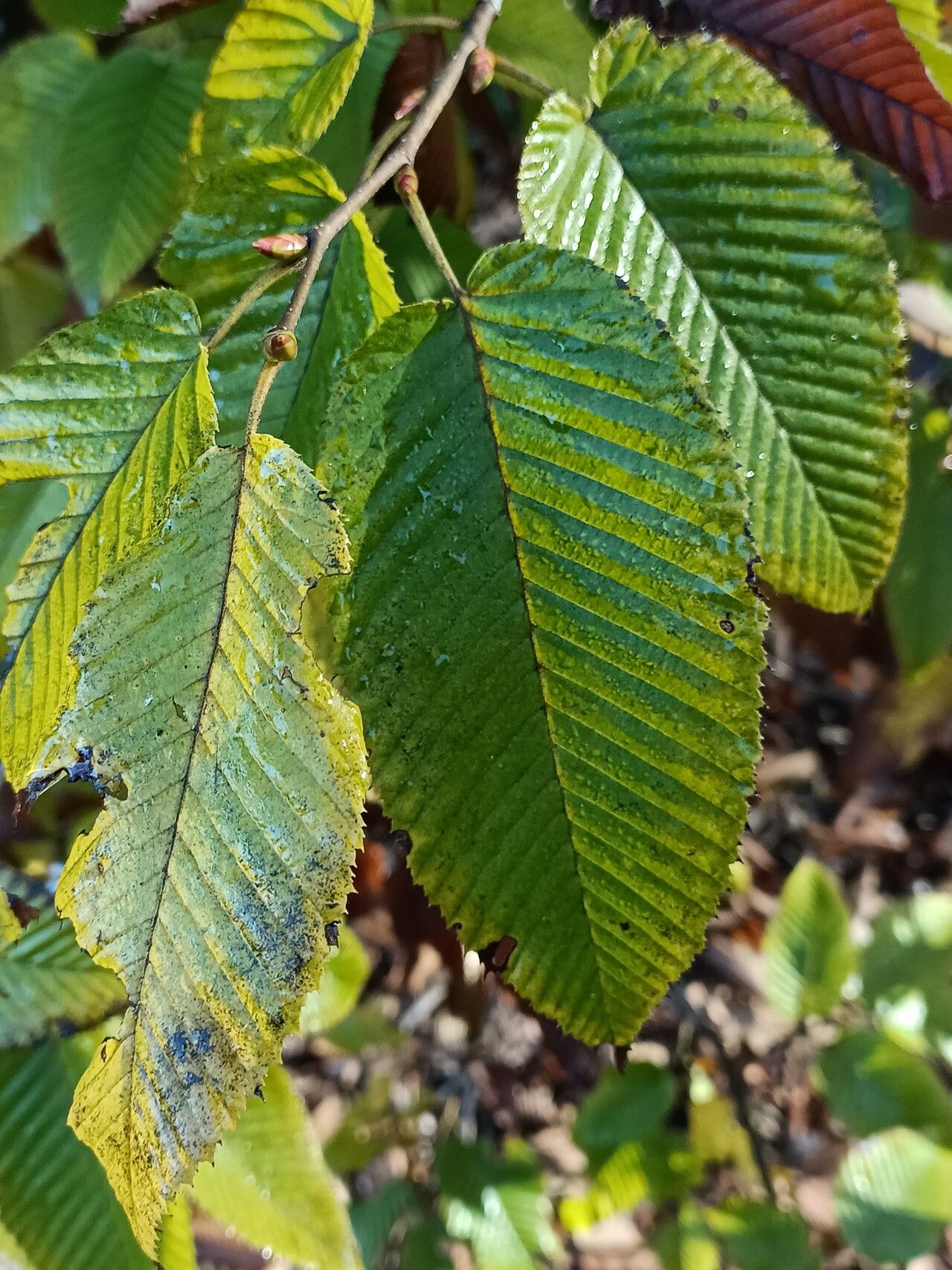
Carpinus laxiflora, the aka-shide, loose-flower hornbeam, or loose-flowered hornbeam, is a species of flowering plant in the family Betulaceae, native to the Korean Peninsula, and Japan. A deciduous tree of mountain forests, and typically 10 to 15 m tall, it is used in bonsai, and rarely as a park or street tree. It is available from commercial suppliers. In addition to the rather rustic unimproved species, a weeping form called 'Pendula', and a sport with variegated leaves called 'Variegata' are available.
Loose-flower hornbeam is resistant to disease and is generally not easily affected by illnesses. Regarding care, this plant is fairly low-maintenance. Planted outdoors, it needs only minimal watering, and larger plants normally do not require pruning. Smaller plants, however, should be pruned after they finish blooming. Loose-flower hornbeamt is appropriate for anyone with outdoor space, such as a garden or deck, and does not demand much care experience.
How to keep Carpinus Laxiflora.
Light
Loose-flower hornbeam naturally occurs in habitats like forest understories or rocky sites, where it grows in naturally shaded conditions. It prefers partial sun but can tolerate full sun or full shade, showing its adaptable and hardy character.
Temperature
Loose-flower hornbeam shows strong adaptability to different climate conditions, whether the summers are scorching or the winters are chilly. However, it does have an optimal temperature range for growth. If temperatures become excessively high, the plant is vulnerable to heat and humidity stress, which can lead to its death. In areas where temperatures reach the lower limit of its cold tolerance, it is important to provide insulation to protect the plant.
Fertilizer
Fertilize your Loose-flower hornbeam in early spring to encourage healthy growth. Regular feeding boosts overall health, producing vigorous growth, increased toughness in challenging conditions, and enhanced resistance to pests and diseases. Stick to a consistent fertilization schedule for your Loose-flower hornbeam to maintain foliage that is bright, richly colored, and lush in appearance.
Pruning
The loose-flower hornbeam is known for its delicate flowers and smooth gray bark. To maintain its health and appearance, it's best to prune it in early spring. Start by removing any dead branches, and then thin out any crowded areas to improve air circulation. Regular, light pruning will further enhance its structure and look. Be sure to use clean, sharp tools to prevent damage and reduce the risk of disease.
Botanical profile.
- Plant Type
- Tree
- Life Cycle
- Perennial
- Genus
- Carpinus
- Family
- Betulaceae
- Hardiness Zone
- 5-8
- Mature Height
- 9.14 m
- Mature Spread
- 7.62 m
- Leaf Color
- Green, Dark Green
- Leaf Type
- Deciduous
- Flower Size
- 2.03 cm to 3.05 cm
- Bloom Time
- Early spring, Mid spring
- Planting Time
- Spring, Summer, Autumn
- Harvest Time
- Late summer, Early fall, Mid fall
- Native Area
- Koppen, Japan, South Korea
Other names.