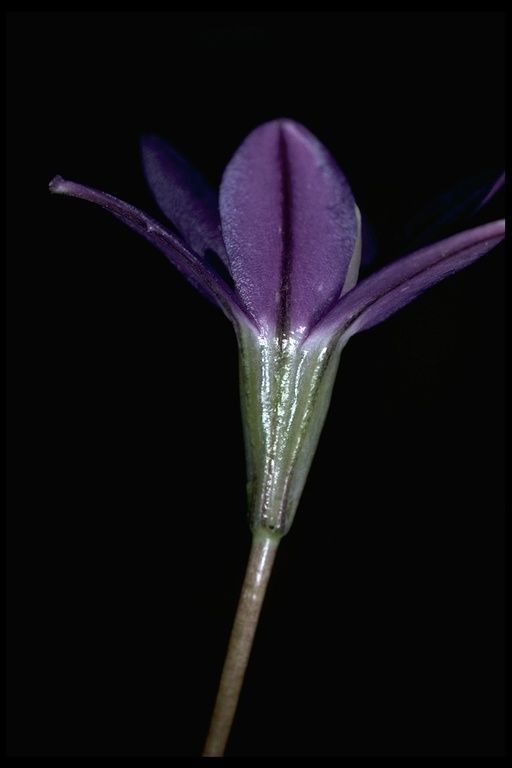
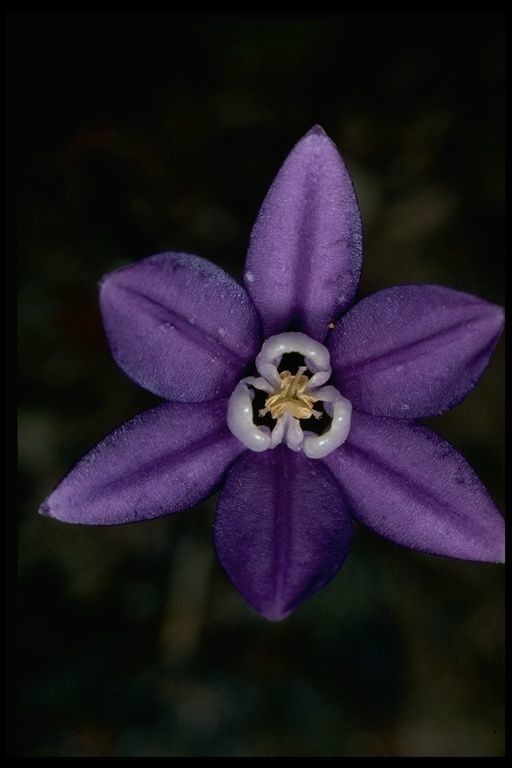
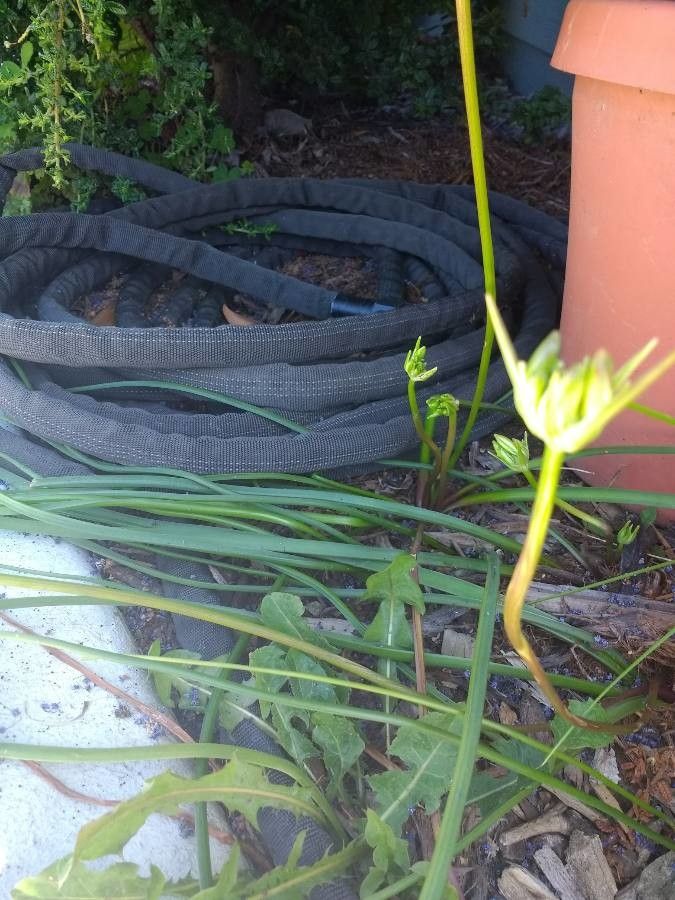
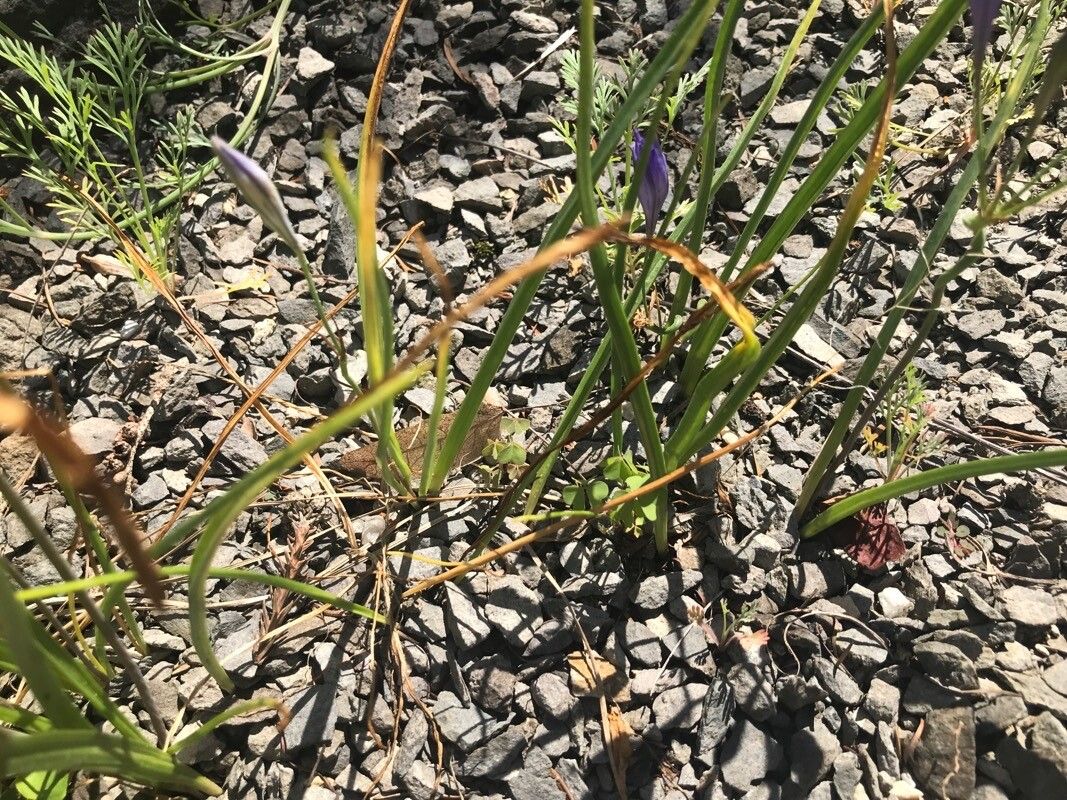
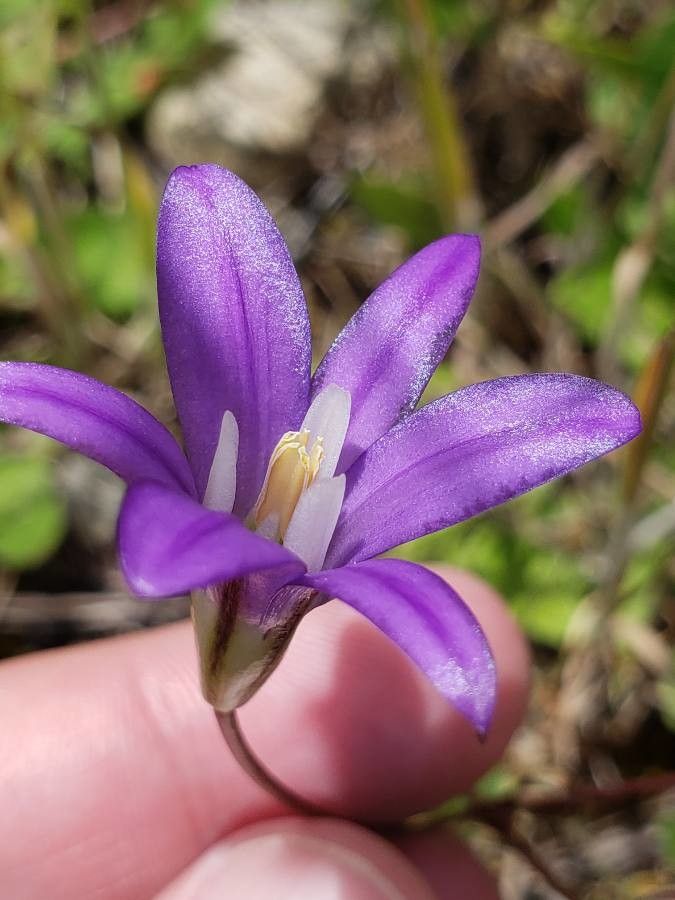
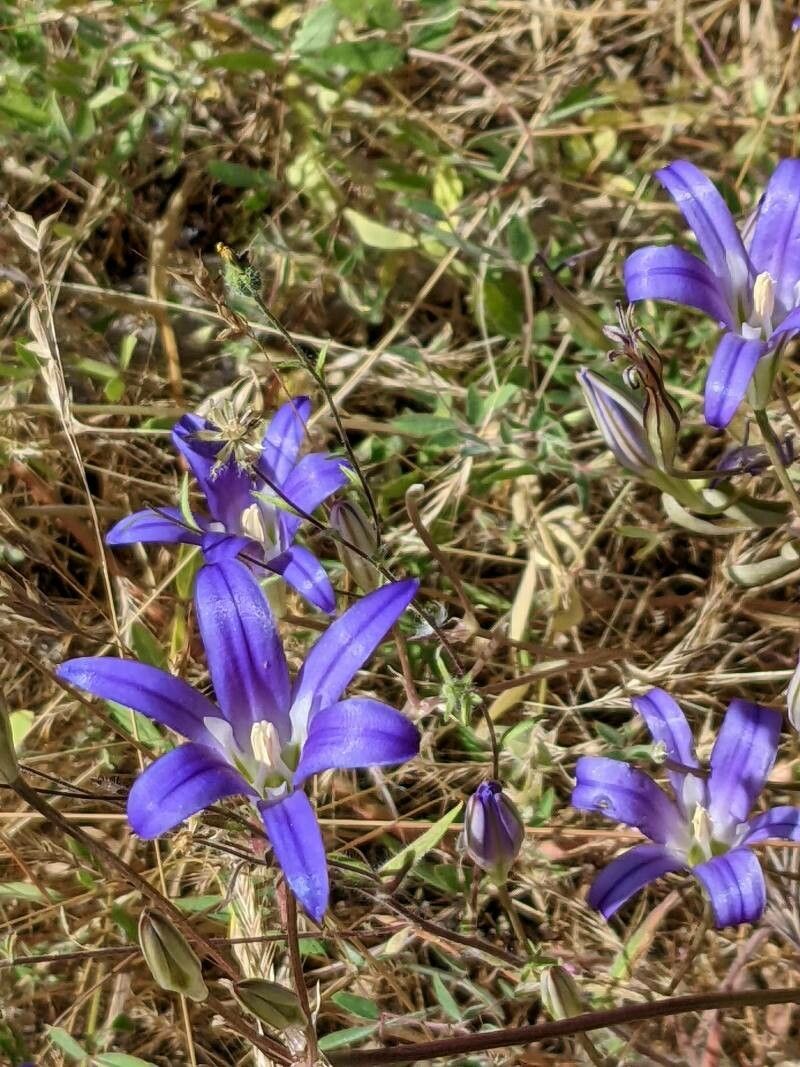
Brodiaea stellaris is a species of flowering plant in the cluster-lily genus known by the common name starflower brodiaea. The bulb is endemic to northern California, where it grows on the serpentine soils of the North California Coast Ranges. Flowering peaks in May
Starflower brodiaea shows good resistance to disease and is generally not highly susceptible to illnesses. Still, it can be affected by pests and diseases present in its environment. Such infections are typically mild. Care-wise, the plant needs a moderate level of maintenance. Regular pruning is necessary to keep a neat appearance and support healthy growth. Applying fertilizer can also encourage blooming. This species is suitable for anyone with an outdoor area, like a garden or patio, and does not require extensive gardening experience. It may need more attention if grown indoors.
How to keep Brodiaea Stellaris.
Light
Starflower brodiaea is a sun-loving perennial herbaceous plant native to open habitats, frequently thriving in meadows and grasslands. It prefers full sun but can also tolerate partial sun.
Temperature
Starflower brodiaea can tolerate a wide range of temperature conditions, but its distribution may still be limited by different combinations of water and heat conditions. It grows best in warm summer climates with adequate rainfall or watering. Extended periods of cloudy, rainy weather, as well as prolonged high temperatures, can raise the likelihood of Starflower brodiaea dying. In winter, proper protection from cold can improve the plant's chances of survival.
Fertilizer
For Starflower brodiaea, the best time to apply fertilizer is in early spring while the flowers are forming. Using the proper fertilizer promotes stronger blooms and helps Starflower brodiaea produce attractive flowers. Fertilizing in early spring ensures good flowering during the season and supplies energy for dormant growth periods.
Pruning
Starflower brodiaea has star-shaped flowers and benefits from pruning in early to late spring, before new growth starts. Removing spent blooms and damaged leaves encourages healthy development. Regular light trimming helps shape the plant and improve airflow, which reduces the risk of disease. This practice also enhances the plant's longevity and visual appeal in gardens.
Botanical profile.
- Plant Type
- Herb
- Life Cycle
- Perennial
- Genus
- Brodiaea
- Family
- Asparagaceae
- Hardiness Zone
- 7-10
- Mature Height
- 20 cm to 40 cm
- Mature Spread
- 10 cm to 15 cm
- Leaf Color
- Green
- Leaf Type
- Deciduous
- Flower Color
- Purple, Violet
- Flower Size
- 2.03 cm to 3.05 cm
- Bloom Time
- Late spring, Early summer
- Planting Time
- Spring, Summer
- Harvest Time
- Mid summer, Late summer
Other names.