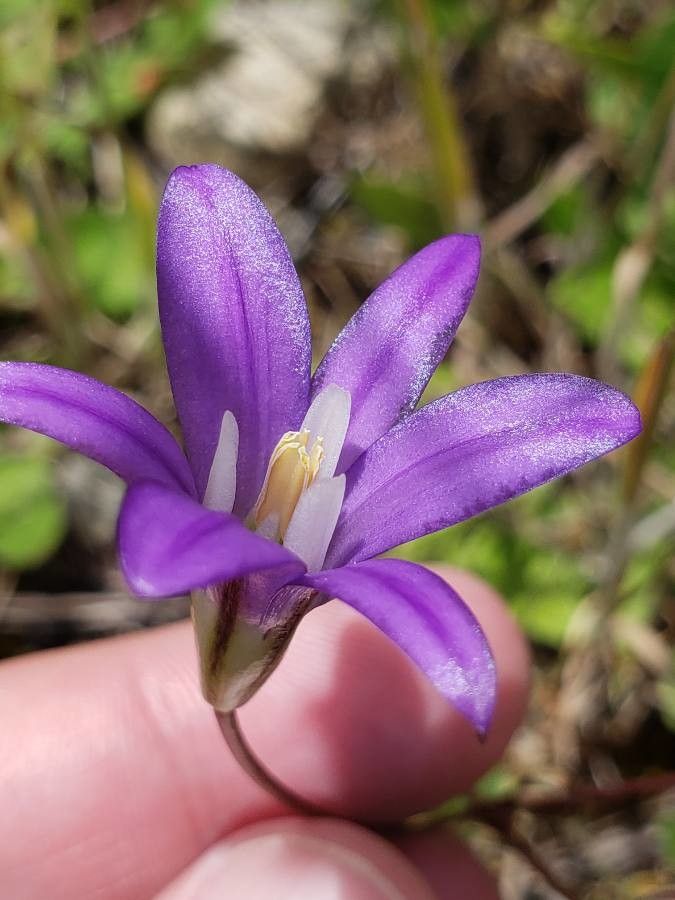
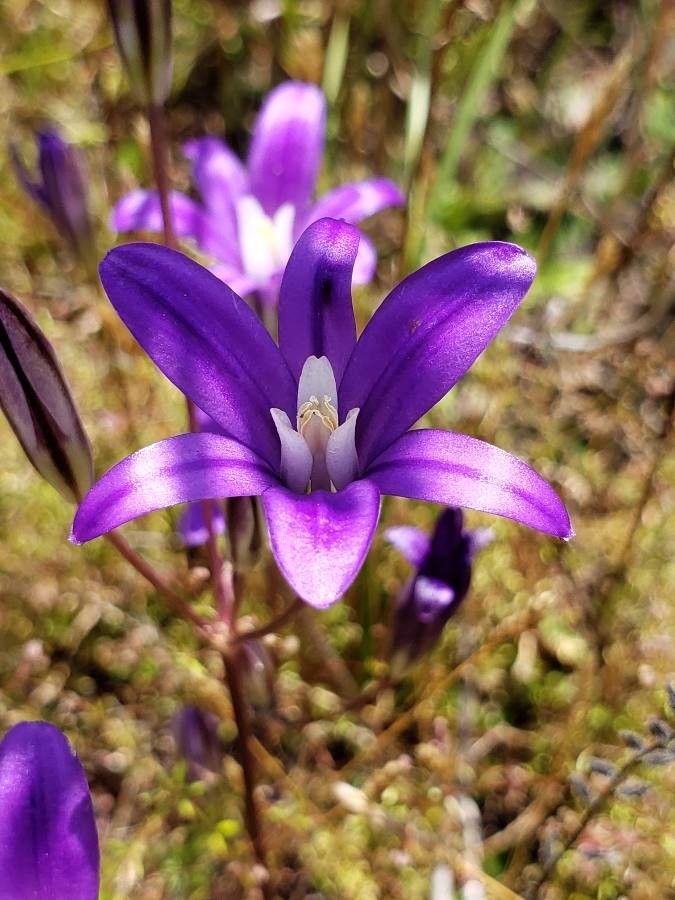
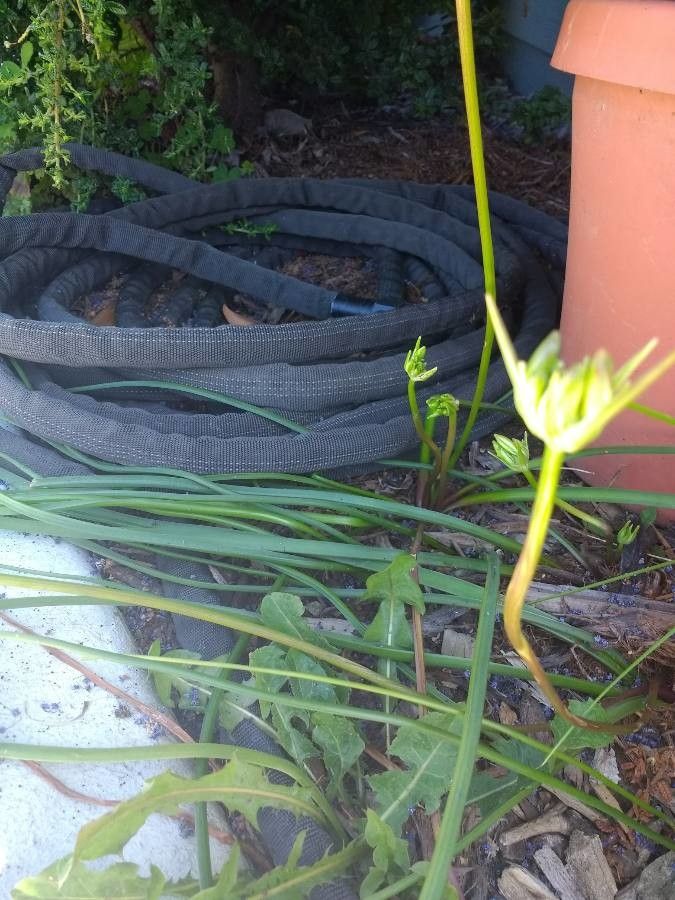
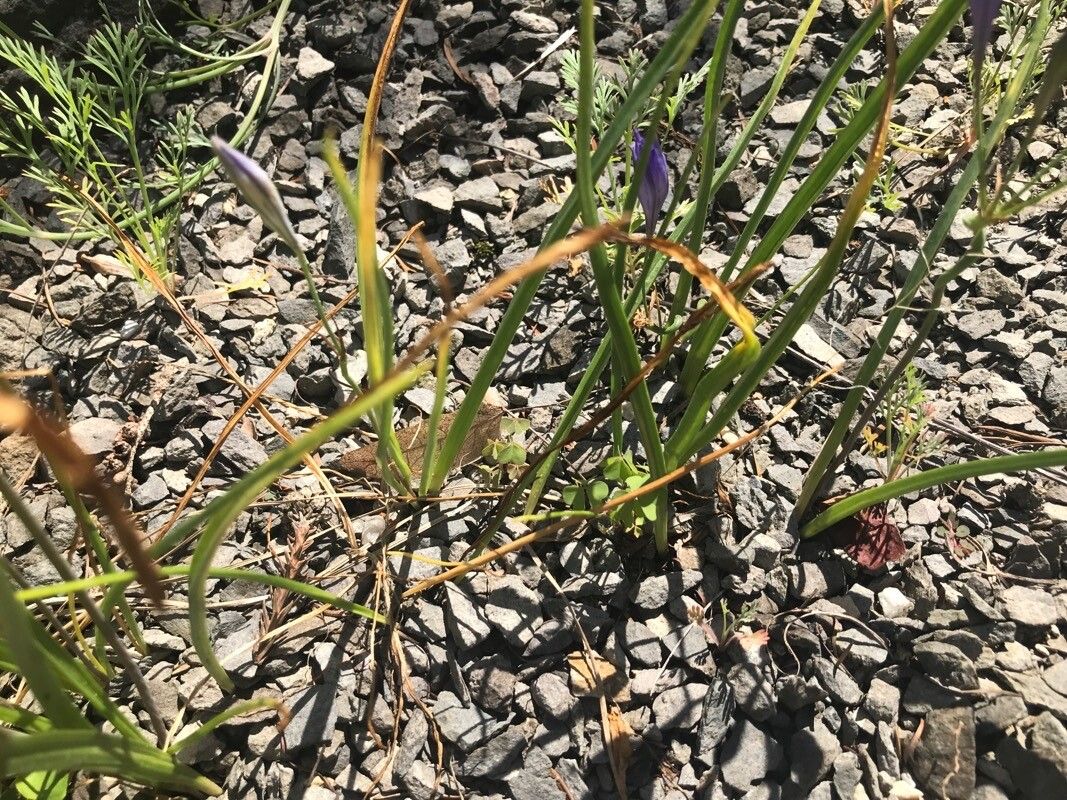
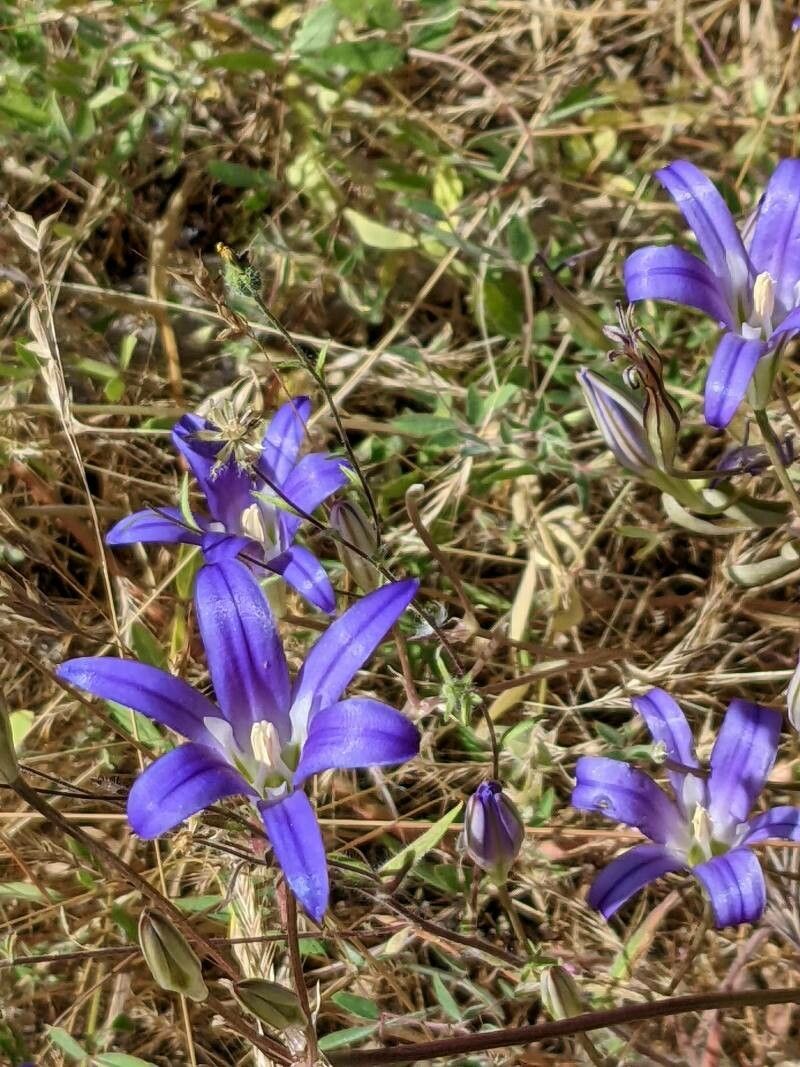
Brodiaea coronaria is the type species of Brodiaea and also known by the common names harvest brodiaea and crown brodiaea. It is native to western North America from British Columbia to northern California, where it grows in mountains and grasslands.
Indian valley brodiaea has strong resistance to disease and is generally not prone to illnesses. Still, it can be affected by pests and diseases present in its environment. Such infections are typically mild. Regarding care, this plant needs moderate maintenance. Regular pruning is necessary to keep a neat appearance and support healthy growth. Applying fertilizer can also encourage flowering. Indian valley brodiaea is appropriate for anyone with outdoor space, like a garden or patio, and does not demand extensive care experience. When kept indoors, it may need extra attention.
How to keep Brodiaea Coronaria.
Light
Indian valley brodiaea is a sun-loving, perennial herbaceous plant that comes from open habitats and is often found growing in meadows and grasslands. It prefers full sun but can also withstand partial sun.
Water
Indian Valley Brodiaea thrives best with moderate moisture, requiring consistent soil hydration without becoming waterlogged. Watering once a week is ideal. When grown outdoors for its attractive flowers, it's important to adjust the watering schedule based on seasonal rainfall patterns.
Temperature
Indian valley brodiaea can tolerate a wide range of temperatures, but its distribution may still be restricted by particular combinations of moisture and heat. It performs best in warm summer conditions with adequate rainfall or irrigation. Extended periods of cloudy, rainy weather or sustained high temperatures increase the likelihood of Indian valley brodiaea dying. In winter, protecting the plant from cold helps improve its chances of survival.
Fertilizer
For Indian valley brodiaea, the primary time to apply fertilizer is in early spring when the plants are beginning to set flowers. Using an appropriate fertilizer promotes stronger blooms and helps Indian valley brodiaea develop attractive flowers. Applying fertilizer in early spring ensures outstanding flowering throughout the season and supplies energy for dormant growth periods.
Pruning
To keep Indian Valley brodiaea healthy and thriving, minimal pruning is recommended. The best time for this is early spring, right after the plant has finished blooming. To promote health and growth, remove any spent flower stalks and damaged leaves. Light trimming after blooming helps enhance the plant's vigor and appearance. However, avoid heavy pruning, as it can stress the plant and disrupt its growth cycle.
Botanical profile.
- Plant Type
- Herb
- Life Cycle
- Perennial
- Genus
- Brodiaea
- Family
- Asparagaceae
- Hardiness Zone
- 6-9
- Mature Height
- 8 cm to 25 cm
- Mature Spread
- 10 cm to 30 cm
- Leaf Color
- Green
- Leaf Type
- Deciduous
- Flower Color
- Purple
- Flower Size
- 2.03 cm to 3.05 cm
- Bloom Time
- Late spring, Early summer
- Planting Time
- Spring, Summer
- Harvest Time
- Mid summer, Late summer
Other names.
Reader questions.
What are the sunlight requirements for Indian Valley Brodiaea?
Indian Valley Brodiaea thrives best in full sun conditions, which means it requires more than 6 hours of sunlight daily. However, it can also tolerate partial sun, approximately 3-6 hours of sunlight per day. It's crucial to watch how sunlight moves through your garden to choose spots that offer a perfect balance of light and shade, ensuring the plants' happiness and optimal growth.
What is Indian valley brodiaea and how does it adapt to different temperatures?
Indian valley brodiaea, scientifically known as Brodiaea coronaria, is a plant that can adapt to a wide range of temperature conditions. While it thrives best in warm climates with adequate summer rainfall or watering, its distribution may still be limited by varying combinations of water and heat. It possesses strong cold resistance, making special frost protection measures unnecessary in most cases during winter. However, its ability to survive can still be affected by extreme conditions such as prolonged periods of cloudy and rainy weather or high temperatures, which can heighten the likelihood of the plant dying. In regions where winter temperatures may plummet below -25°C, protective measures like covering the plant with soil or straw are advisable.
How important is artificial lighting for indoor plants and what are the guidelines for using it?
Artificial lighting is essential for indoor plants, especially when natural sunlight is insufficient, such as during winter or in less sunny spaces. LED lights are recommended due to their ability to be customized to provide specific wavelengths needed by plants. For full sun plants, 30-50W/sq ft of artificial light is needed; partial sun plants require 20-30W/sq ft, and full shade plants need 10-20W/sq ft. The light source should be placed 12-36 inches above the plant to mimic natural sunlight and turned on for 8-12 hours per day to mimic the length of natural daylight hours.
How should you protect Indian valley brodiaea in cold weather?
To protect Indian valley brodiaea during cold weather, particularly when winter temperatures are expected to drop below -25°C, it is important to provide additional protection. This can be done by covering the plant with protective materials such as soil or straw. Additionally, before the first freeze in autumn, it is recommended to water the plant abundantly. This ensures the soil remains moist and enters a frozen state, thereby preventing drought and water scarcity for the plant during winter and early spring. Despite its strong cold resistance, taking these steps can greatly improve the plant's survival rate through harsh winter conditions.
What are the symptoms of inadequate lighting for Indian Valley Brodiaea?
When Indian Valley Brodiaea is exposed to inadequate lighting, several symptoms may appear, including smaller new leaves compared to older ones, leggy or sparse growth, faster leaf drop, slower or no new growth, lighter-colored new leaves, chlorosis (leaves turning yellow), sunscald (damaged leaves or stems from intense sunlight), leaf curling, wilting, and leaf scorching (brown, dry, crispy edges on leaves due to excessive sunlight). These symptoms indicate a need for better lighting conditions to ensure the plant's health.
What are the symptoms of Indian valley brodiaea under low and high temperature stress?
Under low temperature stress, if the temperature falls below -25°C, Indian valley brodiaea may exhibit reduced or no sprouting during springtime without any noticeable changes during winter. The optimal temperature for the plant is above 10°C, and it should be kept above -15°C during winter. In case of high temperature stress, if the temperature exceeds 38°C, symptoms include leaves turning lighter in color, prone to curling, susceptibility to sunburn, and in severe cases, wilting and drying of the entire plant. These temperature-induced symptoms can significantly affect the health and appearance of Indian valley brodiaea.
What solutions are recommended for addressing light deficiency in Indian Valley Brodiaea?
To address light deficiency for Indian Valley Brodiaea, follow these guidelines: For indoor plants, gradually move them to a location with at least 6 hours of direct sunlight daily or use artificial light like desk lamps or professional plant grow lights for at least 8 hours a day. For outdoor plants, move them to sunnier spots gradually to avoid sunburn, ensuring they adapt to the light changes without harm. To increase sunlight exposure, reduce obstructions by pruning trees that block sunlight or transplant smaller plants to sunnier locations during their dormant period for better growth and health.
How can you manage Indian valley brodiaea affected by extreme temperatures?
Managing Indian valley brodiaea affected by extreme temperatures involves specific care strategies. For plants stressed by low temperatures with poor or no sprouting in spring, removing any parts that have failed to sprout is advisable. For those affected by high temperatures, steps include trimming away the sunburned and dried-up parts, moving the plant to a shaded area especially away from the midday and afternoon sun, or using a shade cloth to protect it. Additionally, watering the plant in the morning and evening can help keep the soil moist and aid in recovery from temperature stress.