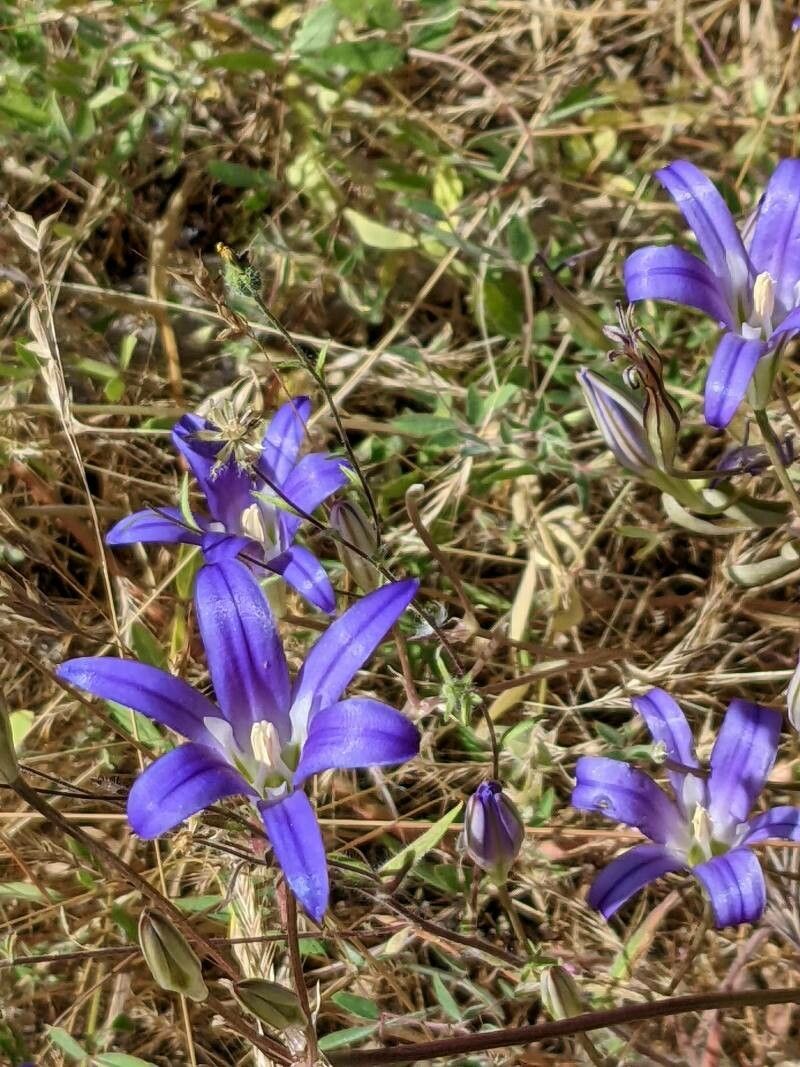
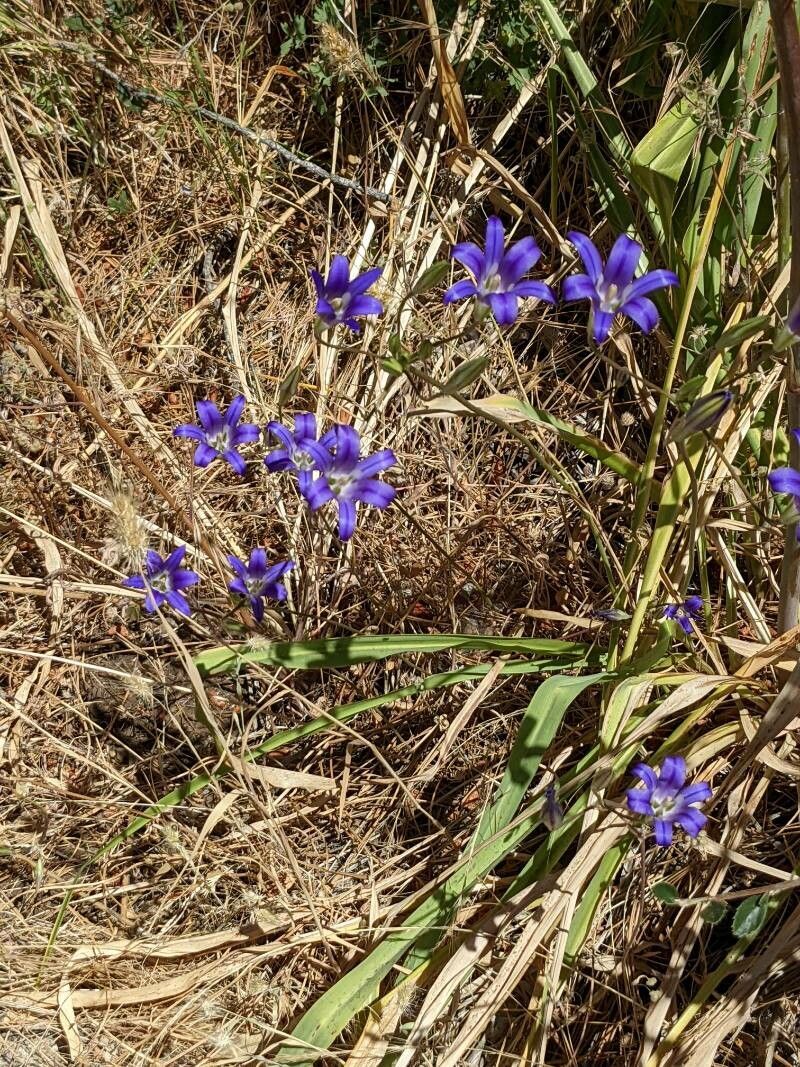
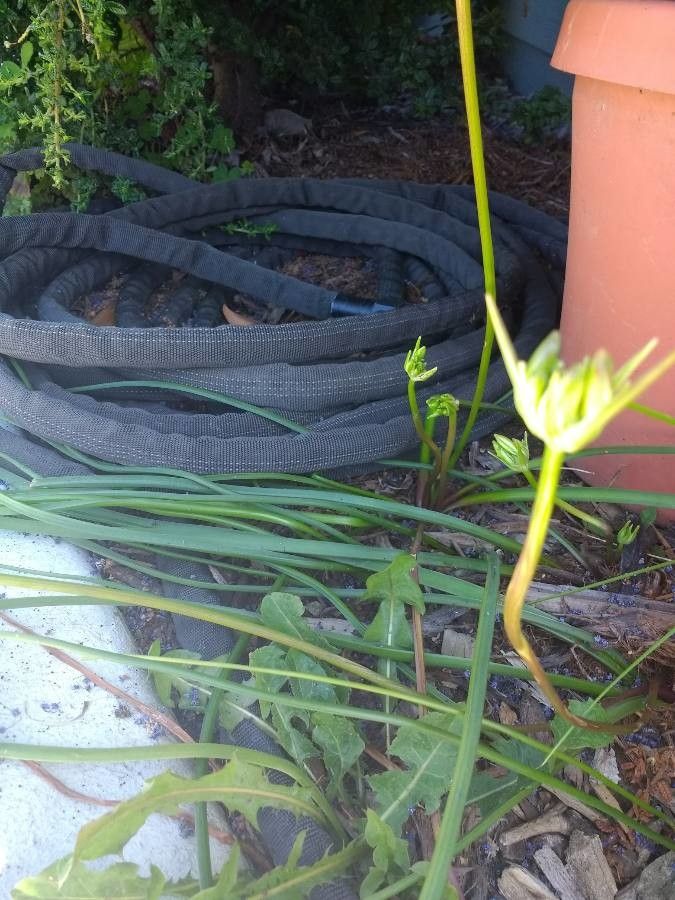
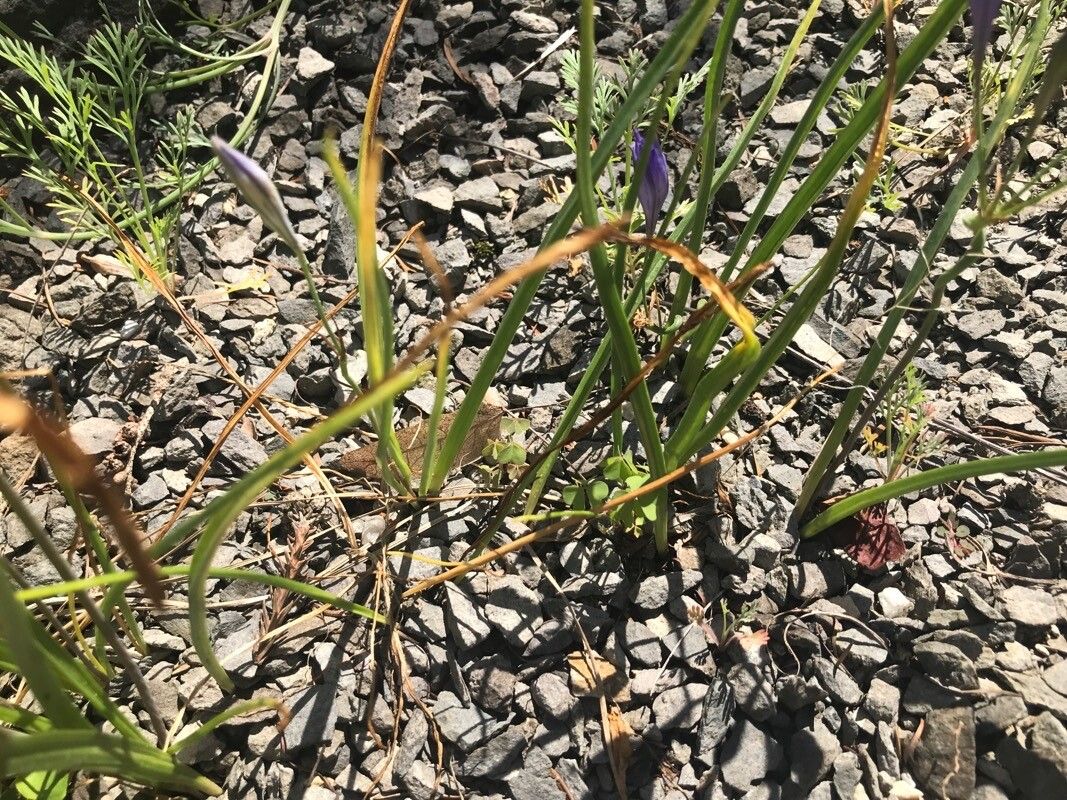
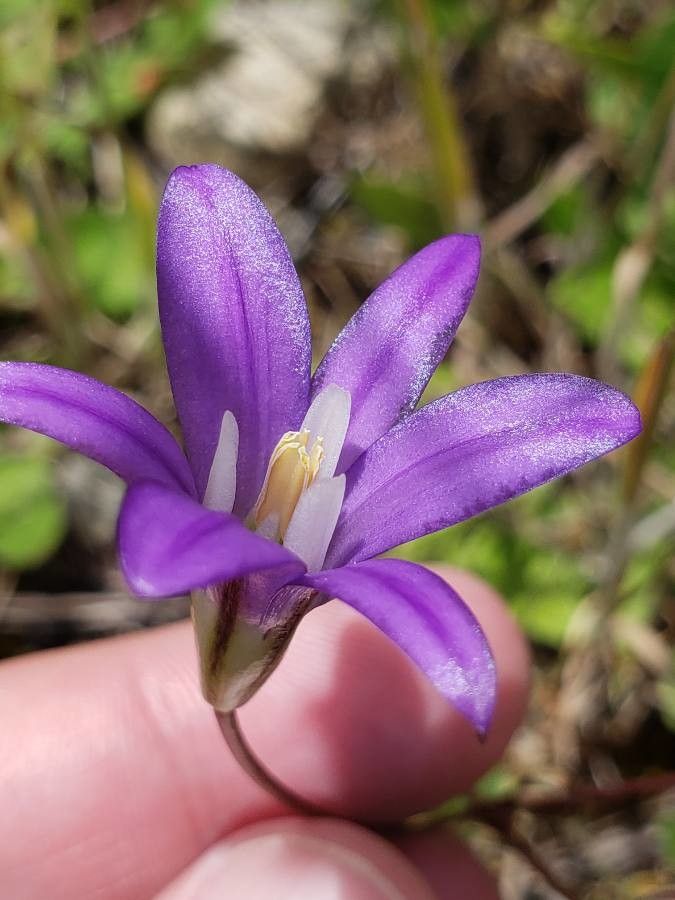
Brodiaea elegans is a species of flowering plant in the cluster-lily genus known by the common names harvest brodiaea, elegant brodiaea, and elegant cluster-lily. The bulb is native to the mountain ranges of California and Oregon, where it grows in woodlands and meadows.
Harvest Brodiaea has strong resistance to disease and is generally not likely to get sick. Still, it can be affected by pests and illnesses found nearby, though such infections are generally mild. Care-wise, the plant needs a moderate level of maintenance. It should be pruned regularly to keep a tidy appearance and support healthy growth. Fertilizing can also help encourage flowering. Harvest Brodiaea is well suited for anyone with outdoor space, like a garden or patio, and does not demand extensive care experience. It can require more attention if grown indoors.
How to keep Brodiaea Elegans.
Light
Harvest Brodiaea flourishes in full, unshaded sunlight for the entire day. Native to places with plentiful light, it does best and reaches maturity with extended exposure. Insufficient illumination can inhibit its growth, while excessive light may cause it to wilt.
Water
Harvest Brodiaea does best in moderate climates with consistent moisture, needing to be watered weekly. It prefers well-draining soil that remains moist but not waterlogged. As an herbaceous perennial, Harvest Brodiaea thrives when grown outdoors, benefiting from natural rainfall, especially during its active growing season.
Temperature
Harvest Brodiaea is a plant native to temperate regions. It grows best in temperatures of 59 to 95 °F (15 to 35 °C). Adjustments to its environment may be needed depending on seasonal changes.
Fertilizer
For Harvest Brodiaea, the best time to fertilize is in early spring as the flowers begin to form. The proper fertilizer boosts bloom quality and helps Harvest Brodiaea produce attractive flowers. Fertilizing in early spring ensures strong flowering during the season and provides energy for dormant growth periods.
Pruning
Harvest Brodiaea features slender stems and star-shaped flowers. To encourage healthy growth, prune these plants in early to late spring by removing spent blooms and any damaged foliage. Additional pruning is rarely necessary. Be sure to use clean, sharp tools to prevent damage and ensure vigorous blooming in the following season.
Pot & Repot
To ensure healthy bulb growth, repot Brodiaea every 2-3 years during its dormancy period, using a medium-sized, deep pot. Choose a well-draining soil and water the plant carefully to prevent waterlogging. With the right care, Brodiaea will reward you with stunning purple blooms from late spring to early summer.
Botanical profile.
- Plant Type
- Herb
- Life Cycle
- Perennial
- Genus
- Brodiaea
- Family
- Asparagaceae
- Hardiness Zone
- 7-10
- Mature Height
- 10 cm to 52 cm
- Mature Spread
- 20 cm
- Leaf Color
- Green
- Leaf Type
- Deciduous
- Flower Color
- Purple, Blue, Violet
- Flower Size
- 2.03 cm to 2.79 cm
- Bloom Time
- Late spring, Early summer
- Planting Time
- Spring, Summer
- Harvest Time
- Mid summer, Late summer
Other names.
Reader questions.
How should I water my Harvest Brodiaea plant?
To best care for the Harvest Brodiaea, use filtered room temperature water instead of tap water, which may have harmful particles. The plant prefers warm water to mimic its natural habitat and avoid shock. Avoid overhead watering to prevent foliage issues. Instead, thoroughly soak the soil with the filtered water. This helps the roots absorb nutrients and spread throughout the soil.
What are the sunlight requirements for Harvest Brodiaea?
Harvest Brodiaea requires full sun, meaning it should receive above 6 hours of sunlight daily. It's vital to observe the movement of sunlight through your garden to ensure plants receive a balanced mix of light and shade, which is crucial for their overall health. Ample sunlight is essential as it influences the plant's growth, ensuring it matures prosperously. Inadequate sunlight can hinder its development, while too much sun may lead to wilt.
What is Harvest Brodiaea?
Harvest Brodiaea, also known as Brodiaea elegans, is a plant native to temperate regions. It thrives in temperatures between 59 to 95 °F (15 to 35 °C). Notably cold-resistant, it usually doesn't require special frost protection measures. In regions where temperatures might drop below -15°C, precautionary steps should be taken, such as covering the plant with soil or straw. Additionally, it's beneficial to water the plant abundantly before the first freeze in autumn to ensure the soil remains moist through winter and early spring, aiding in drought prevention.
What should I do if I give too much or too little water to my Harvest Brodiaea?
Both overwatering and underwatering can harm your Harvest Brodiaea, but overwatering is more common. When this plant receives excessive water, its stems and leaves may wilt and turn yellow. Overwatering for a long period can also lead to diseases like root rot, mold, and mildew, which can be fatal. While underwatering is less frequent for the Harvest Brodiaea due to its tolerance to drought, it is still a possibility. When underwatering occurs, the leaves may become brittle and brown. It is crucial to detect signs of overwatering early when caring for your Harvest Brodiaea, as some diseases like root rot may become irreversible if not addressed promptly. If you notice early signs of overwatering, reduce your watering schedule immediately. Assess the soil quality where your plant grows, and if it drains poorly, replace it with a loose, well-draining potting mix. Conversely, if you see signs of underwatering, simply increase your watering frequency until the signs disappear.
What are the essentials for growing Harvest Brodiaea successfully?
To grow Harvest Brodiaea successfully, it is essential to provide it with consistent, day-long sunlight. Originating from environments with abundant sunlight, it requires extensive exposure for optimal growth. If natural light is insufficient, especially in winter or less sunny spaces, artificial lighting such as LED lights, which can be adjusted to provide specific wavelengths, becomes crucial. This lighting should be strong enough (30-50 Watts per square foot for full sun plants) and placed at an appropriate distance (12-36 inches above the plant) for 8-12 hours per day to mimic natural sunlight conditions.
How does Harvest Brodiaea react to low temperatures?
Harvest Brodiaea is remarkably cold-tolerant, best thriving above 15°C. Throughout the winter, it's advisable to keep it above -10°C. When temperatures fall below -15°C, the plant may not show immediate changes, but there could be a marked decrease in sprouting or even a complete absence of sprouting come spring. To address any parts of the plant that fail to sprout in spring, it's recommended to remove these unresponsive parts.
How many times should I water my Harvest Brodiaea plant?
If your Harvest Brodiaea plant is in a pot, the best way to determine if it needs water is by checking the soil. Simply stick your finger into the soil and if you find that the top two to three inches are dry, then it's time to water it. If you grow your Harvest Brodiaea outdoors in the ground, you can use a similar method to test the soil. Again, when you notice that the first few inches of soil have dried out, it's time to add water. Typically, during spring and early fall, you'll need to water this plant about once a week. However, in extremely hot weather, you may have to increase the frequency to about twice or more per week. That being said, mature and well-established Harvest Brodiaea plants can tolerate dry conditions quite well.
What are the symptoms of insufficient lighting for Harvest Brodiaea?
Symptoms of insufficient lighting in Harvest Brodiaea include smaller new leaves, leggy or sparse growth, faster leaf drop, slower or no growth, lighter-colored new leaves indicating a lack of chlorophyll, chlorosis which leads to leaves turning yellow, sunscald which shows as pale or bleached areas on leaves or stems, leaf curling as a defense against too much sunlight, wilting due to loss of turgor pressure, and leaf scorching characterized by brown, dry edges on leaves.
How should Harvest Brodiaea be cared for during high temperatures?
In conditions exceeding 35°C, particularly when temperatures soar above 41°C, Harvest Brodiaea's leaves might start showing signs of stress such as lightening in color, curling, susceptibility to sunburn, and, in severe cases, the entire plant might wilt and dry. Countermeasures include trimming away the sunburned and dried parts of the plant, relocating it to a shaded area or using a shade cloth to protect it from midday and afternoon sun. Additionally, ensuring the soil remains moist through watering in the morning and evening can help mitigate the adverse effects of high temperatures.
How much water does my Harvest Brodiaea require?
When watering your Harvest Brodiaea, don't be afraid to give it a generous amount of water. Make sure that the top two to three inches of soil are dry before watering. Give enough water to thoroughly saturate the entire soil. The water should be enough to cause excess water to flow out of the drainage holes at the bottom of the pot. If you don't see excess water draining, it means you haven't watered enough. However, be careful not to let water accumulate in the soil, as it can harm the plant. Additionally, if water doesn't drain well from the pot, it could indicate poorly draining soil, which is not good for the plant's health. If the plant is outdoors, one inch of rain per week should be sufficient.
What solutions can be applied to address lighting issues for Harvest Brodiaea?
To optimize Harvest Brodiaea's growth with respect to lighting, implement the following solutions based on the setting: Indoor solutions include gradually moving the plant to sunnier spots until it gets at least 6 hours of direct sunlight, using south-facing windows for natural light, and considering artificial grow lights for adequate exposure for at least 8 hours daily. Outdoors, progressively acclimate the plant to brighter areas to prevent sunburn. If sunlight is blocked by obstacles like trees, consider pruning to improve light access. For plants in the ground, transplanting during the dormant season to sunnier locations with good drainage can also help. Note that parts of the plant previously affected by insufficient light may not recover, but new growth should be healthy once the light condition improves.
How do I water my Harvest Brodiaea as it grows?
The water requirements of the Harvest Brodiaea vary depending on its growth stages. When it is in the early years or has recently been transplanted, it will need more water than usual. During these stages, the plant focuses on growing new roots to support future growth, and these roots require additional moisture. As the plant matures, it will need less water. Additionally, during the bloom period, when flowers are developing, the Harvest Brodiaea may require more water due to increased water usage for flower development.