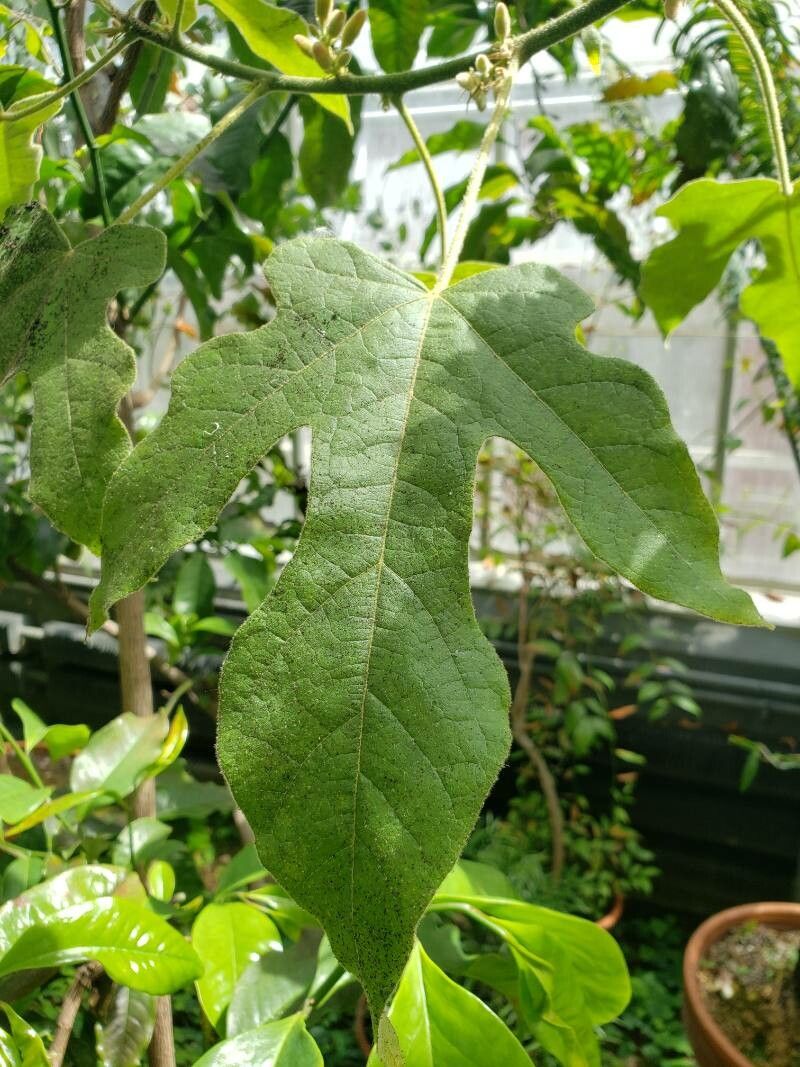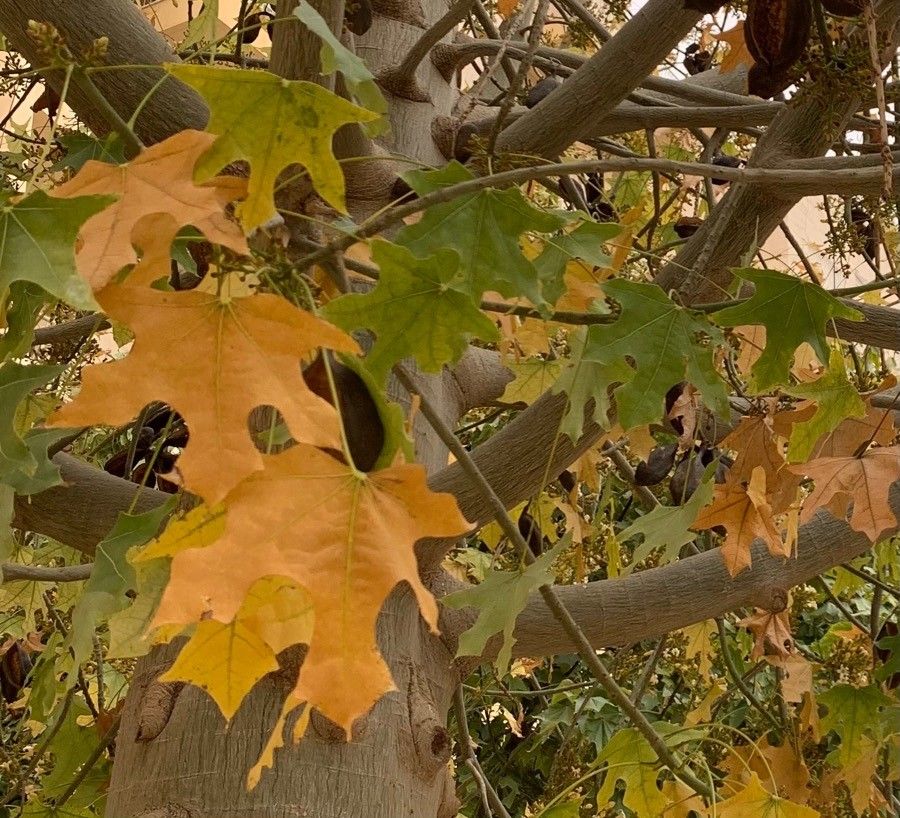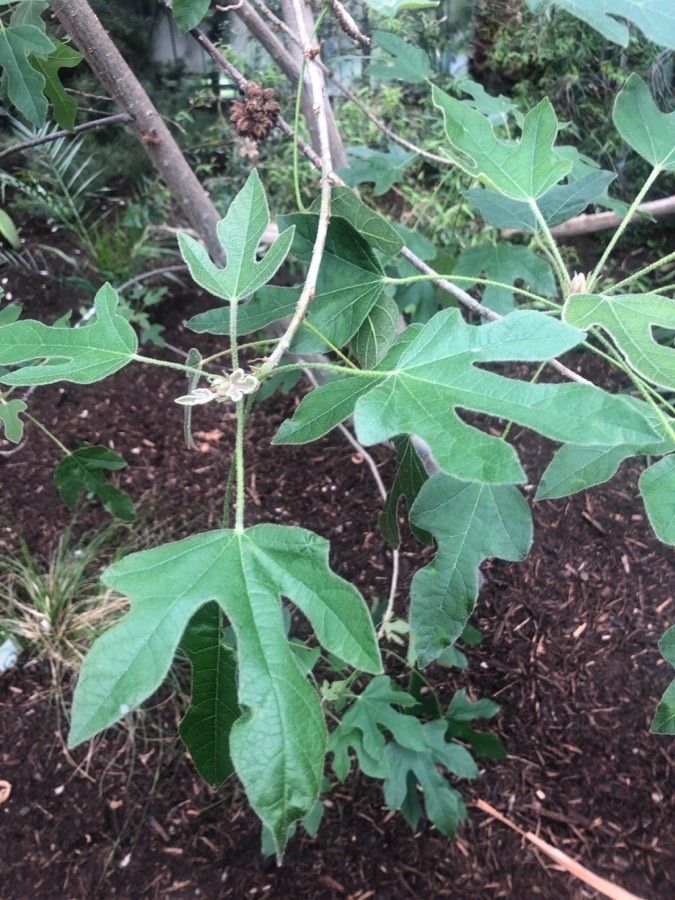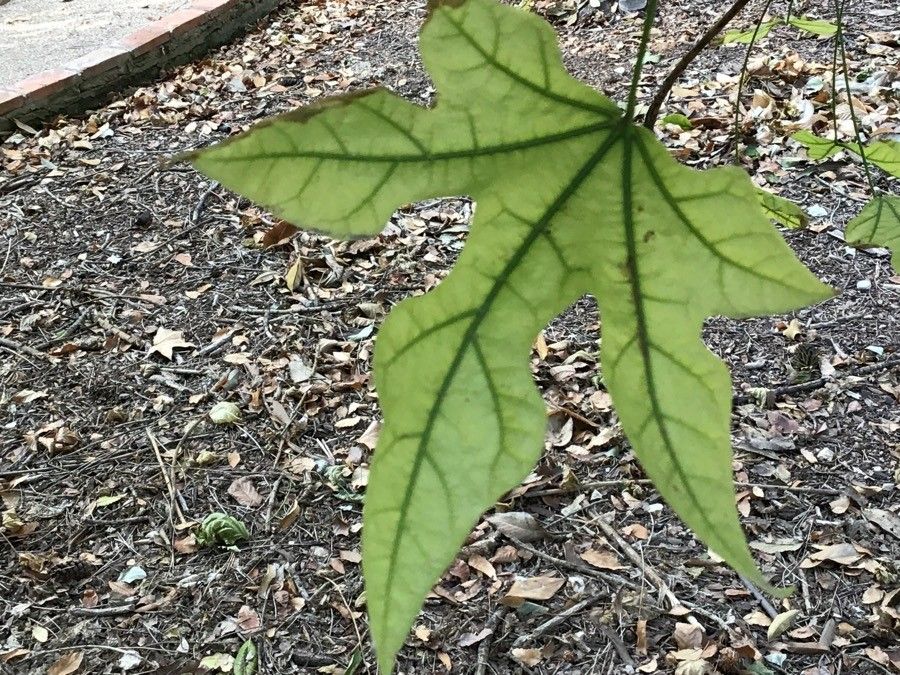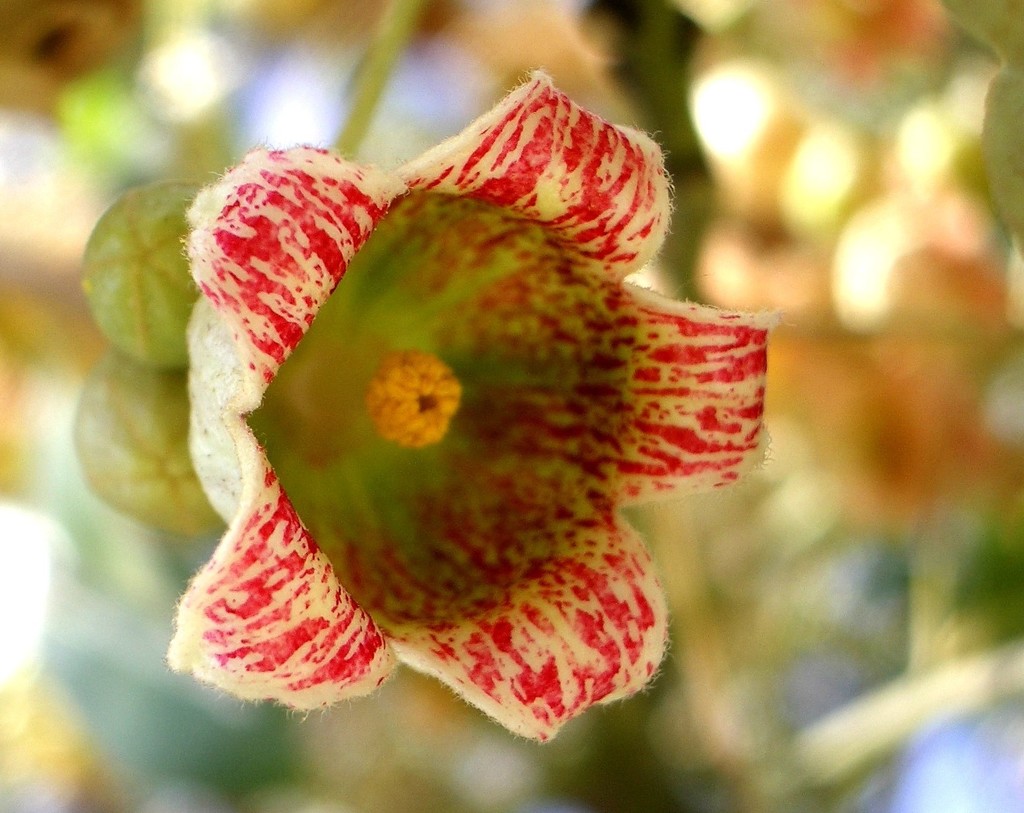
Brachychiton populneus, commonly known as the Kurrajong tree, is a species of flowering tree native to Australia. Belonging to the family Malvaceae, this tree can grow up to 15 meters tall. It features a distinctive trunk with smooth grey bark and large green leaves that are lobed and serrated. The flowers are bell-shaped and come in colors ranging from cream to pink or red, blooming in spring or summer.
The Kurrajong tree is highly adaptable and can thrive in various soil types, including sandy, clay, loamy soils, and even rocky terrains. Once established, it is drought-tolerant but benefits from regular watering during its early growth stages.
The wood of Brachychiton populneus is valued for its durability and attractive grain patterns, making it suitable for furniture and musical instrument production. Additionally, its leaves have been used for medicinal purposes by Indigenous Australians.
Overall, Brachychiton populneus is an attractive ornamental plant that provides shade during hot summers and holds cultural significance for its historical uses by Indigenous Australians.
Kurrajong shows strong resistance to disease and is usually not susceptible to illnesses. Regarding care, this plant is fairly low-maintenance. When grown outdoors it needs only light watering, and larger specimens typically do not require pruning. Smaller plants, however, should be trimmed after they finish blooming. Kurrajongt is appropriate for anyone with an outdoor area, such as a garden or deck, and does not demand much care experience.
How to keep Brachychiton Populneus.
Light
The kurrajong does best when it gets direct sunlight all day. Consequently, its natural habitat is bright and warm. Its various growth stages do not have different sun requirements. Excessive light does not harm the kurrajong, but it may struggle if it receives too little sunlight.
Water
The kurrajong tree, native to arid regions, is highly drought-tolerant and requires minimal moisture. Water it every 2-3 weeks, ensuring the soil dries out between waterings. For optimal growth, plant the kurrajong outdoors and use deep watering techniques to encourage strong root development, which enhances its resilience in dry conditions.
Humidity
This plant will thrive in moderate humidity, which is probably the level in your home. However, misting it a few times a week can be very beneficial. Make sure the room has good ventilation.
Temperature
Kurrajong is native to regions where temperatures typically range from 59 to 100 °F (15 to 38 ℃). It does best in that temperature band, but with appropriate measures like seasonal mulching and controlled watering, it can endure cooler conditions.
Fertilizer
Proper timing is vital for fertilizing Kurrajong. Begin feeding in early spring and continue monthly through early summer. Fertilizer encourages lovely blooms and provides energy during both dormant and active growth phases.
Pruning
Kurrajong trees are known for their hardy nature and beautiful bell-shaped flowers. To maintain their health and appearance, prune them from early to late winter. Focus on removing dead branches and thinning out dense areas to improve air circulation and promote better flowering. Always use clean tools and avoid heavy pruning to prevent stress on the tree. This will enhance both the tree's aesthetic appeal and its vigor.
Botanical profile.
- Plant Type
- Tree
- Life Cycle
- Perennial
- Genus
- Brachychiton
- Family
- Malvaceae
- Hardiness Zone
- 8-11
- Mature Height
- 20.12 m
- Mature Spread
- 17.98 m
- Leaf Color
- Green
- Leaf Type
- Evergreen
- Flower Color
- Pink, White
- Flower Size
- 1.02 cm to 2.03 cm
- Bloom Time
- Summer, Early fall
- Planting Time
- Spring, Autumn
- Harvest Time
- Spring, Mid fall, Late fall, Winter
Other names.
Reader questions.
How should I water my Kurrajong tree?
Your Kurrajong plant is not very specific about how you water it, so feel free to use any common watering tool. Whether it's a watering can, a hose, or even a cup, they all work just fine. The important thing is to water the plant directly at the soil. Make sure you evenly moisten all areas of the soil to provide water to all parts of the root system. Using filtered water is helpful, as tap water might contain harmful particles for the plant. Additionally, it's best to use water that is at or slightly above room temperature, as extremely hot or cold water could shock the Kurrajong. However, the Kurrajong plant usually responds well to any type of water you give it.
Why should I put fertilizer on my Kurrajong tree?
To ensure your Kurrajong tree produces beautiful blooms, it is important to fertilize it for a few reasons. The first reason is that fertilizer will enhance the flower production of your Kurrajong. Fertilizing in early spring is particularly effective in achieving excellent blooms during that season. Additionally, fertilizer provides the Kurrajong with sufficient energy to store in the soil during its periods of dormant growth. By supplying extra nutrients in the fall or late spring, you can help your Kurrajong accumulate more energy for utilization during active growth phases.
How much sunlight does a Kurrajong plant require?
The Kurrajong plant thrives in conditions where it receives full sun, meaning it should be exposed to more than 6 hours of sunlight daily. It's important to observe how sunlight moves through your garden to find spots that offer a perfect balance of light and shade, ensuring the plant's well-being. Regardless of its growth stage, the Kurrajong does not have varying sun requirements, and it can handle excessive light. However, it might struggle if the solar exposure is insufficient.
What is the ideal temperature range for Kurrajong?
Kurrajong thrives best in temperatures between 59 to 100 °F (15 to 38 °C). It has some level of cold tolerance and can survive in cooler conditions with proper care, such as seasonal mulching and regulated watering. However, additional protective measures should be taken if temperatures are expected to drop below -5°C to shield the plant from extreme cold.
What should I do if I give my Kurrajong tree too much or too little water?
When it comes to outdoor plants, especially newly planted or seedling plants, they often suffer from lack of watering. It's important to remember to water them consistently for a few months while they are small or newly planted. Once the roots are established, Kurrajong trees can usually rely on rain for hydration. If you have Kurrajong trees planted in pots, overwatering is a common issue. If you accidentally overwater your Kurrajong, it's important to take immediate action to fix the situation. First, stop watering the plant right away to minimize the impact of overwatering. Then, carefully remove the Kurrajong from its pot and inspect the roots. If you find that the roots are not affected by root rot, you can return the plant to its container. However, if you do notice any signs of root rot, trim away the affected roots and consider applying a fungicide to prevent further damage. Finally, repot the Kurrajong in well-draining soil. On the other hand, underwatering Kurrajong is a relatively easy issue to fix. If you underwater the plant, its leaves will droop, dry out, and possibly fall off. However, once you increase the frequency of watering, the leaves will quickly regain their fullness. Therefore, it's crucial to correct your watering frequency as soon as you notice signs of underwatering.
When should I fertilize my Kurrajong tree?
To effectively fertilize Kurrajong, timing is crucial. Applying fertilizer too early while the Kurrajong is dormant will not be effective, as it will be washed away by rainwater, resulting in waste and pollution. Begin applying the first round of fertilizer in early spring, and continue to fertilize once a month until early summer.
What to do if natural sunlight is not sufficient for Kurrajong plants?
When natural sunlight is not sufficient, especially in winter or less sunny spaces, artificial lighting can be used to provide the necessary light for Kurrajong plants to grow optimally. Indoor plants can benefit from specific types of artificial lights such as LED lights, which can be customized to provide specific wavelengths needed by the plants. The required intensity of artificial light varies based on the plant's natural sunlight needs, with full sun plants requiring 30-50W/sq ft, partial sun 20-30W/sq ft, and full shade plants 10-20W/sq ft. The light source should be placed 12-36 inches above the plant for 8-12 hours per day to mimic natural sunlight conditions.
How should Kurrajong be protected during very cold temperatures?
When temperatures are expected to drop below -5°C, it's necessary to protect Kurrajong by wrapping the plant with materials like plastic film, fabric, or other insulating materials. These temporary cold protection measures should be removed once the temperatures rise to avoid any potential damage to the plant.
How frequently should I water my Kurrajong plant?
Most plants that grow outdoors can rely on rainfall for their water needs. However, if your area doesn't get enough rainfall, you'll need to provide adequate watering every 2 weeks in the spring and fall, and more often in the summer. In winter, when plants grow slower and need less water, you should water them sparingly or not at all. If your Kurrajong is young or newly planted, you should water it more frequently to help it establish and grow into a drought-tolerant plant. For potted Kurrajong plants, there are two main ways to determine watering frequency. The first is to set a specific schedule, such as watering once a week or every other week. However, this may not work well if the conditions in your specific environment are different. The second approach is to check the soil moisture. It's best to wait until the top two to four inches of soil, or about ⅓ to ½ the depth of the pots, have completely dried out before watering again. This method allows you to adjust the watering frequency based on the season and the plant's specific water needs, especially during the high-water-demand summer months.
When is the best time to not fertilize my Kurrajong?
To ensure healthy growth and abundant blooms for Kurrajong, it is important to be mindful of the nitrogen content in its fertilizer. Avoid using fertilizers with excessive nitrogen, as this can lead to an overgrowth of leaves but few blooms. Instead, opt for fertilizers that have a lower level of nitrogen compared to other nutrients. Timing is also crucial when it comes to fertilizing Kurrajong. Refrain from fertilizing after early autumn, as this can result in excessive growth just before winter sets in. Additionally, avoid fertilizing during hot and dry periods, as the dry soil does not effectively deliver the fertilizer and can stimulate excessive growth that requires more water, which may not be readily available. It is advisable to apply fertilizer earlier in the season when temperatures are cooler. Lastly, keep in mind that Kurrajong can absorb fertilizer from nearby plants or lawns. Be cautious not to inadvertently provide the tree or shrub with an excessive amount of fertilizer.
What are the signs of insufficient sunlight in Kurrajong?
Signs of insufficient sunlight in Kurrajong include smaller new leaves, leggy or sparse growth, faster leaf drop, slower or halted growth, and lighter-colored new leaves. Conditions like chlorosis, where leaves turn yellow due to a lack of chlorophyll, sunscald showing as pale areas on leaves or stems, leaf curling as a defense against excessive sunlight, wilting from rapid water loss, and leaf scorching characterized by brown, dry edges on leaves can also indicate inappropriate lighting conditions.
How does low temperature affect Kurrajong and what are the solutions?
Kurrajong has a moderate tolerance to low temperatures, thriving best above 15°C and requiring protective measures to keep it above -5°C during winter. If temperatures fall below -10°C, its leaves may droop, wilt, and eventually fall off in severe cases. Solutions include trimming frost-damaged parts, wrapping the plant with protective materials, and constructing a wind barrier for added protection against cold winds.