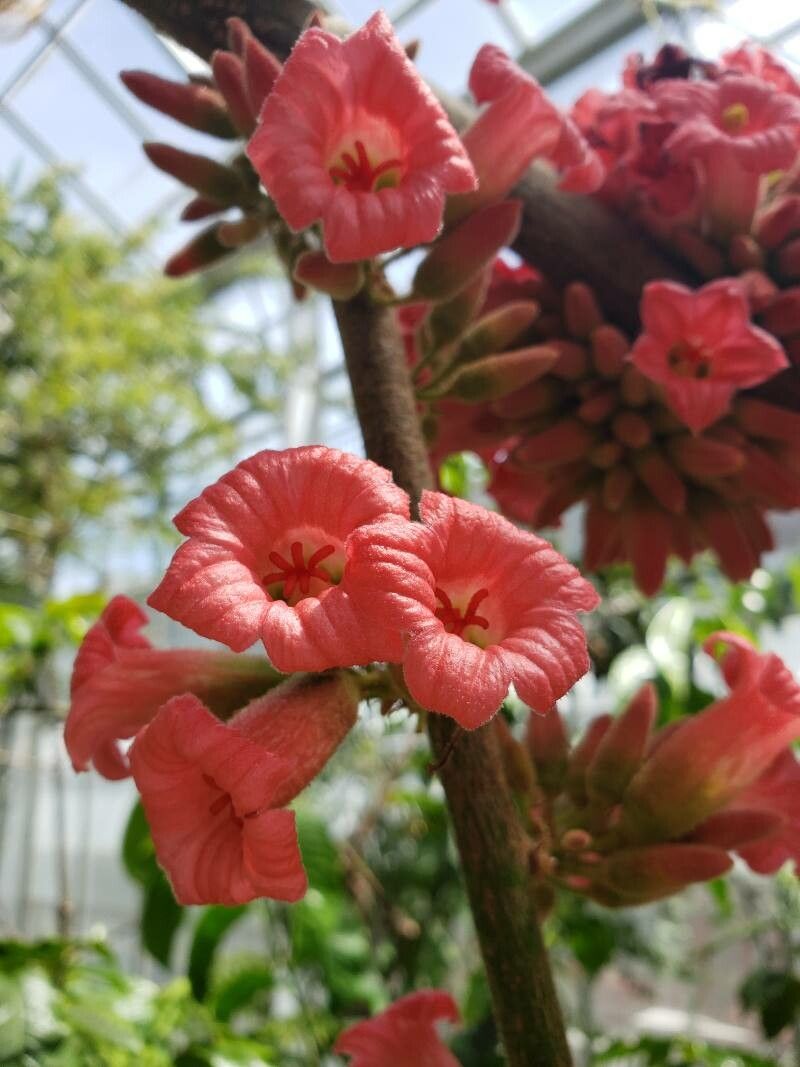
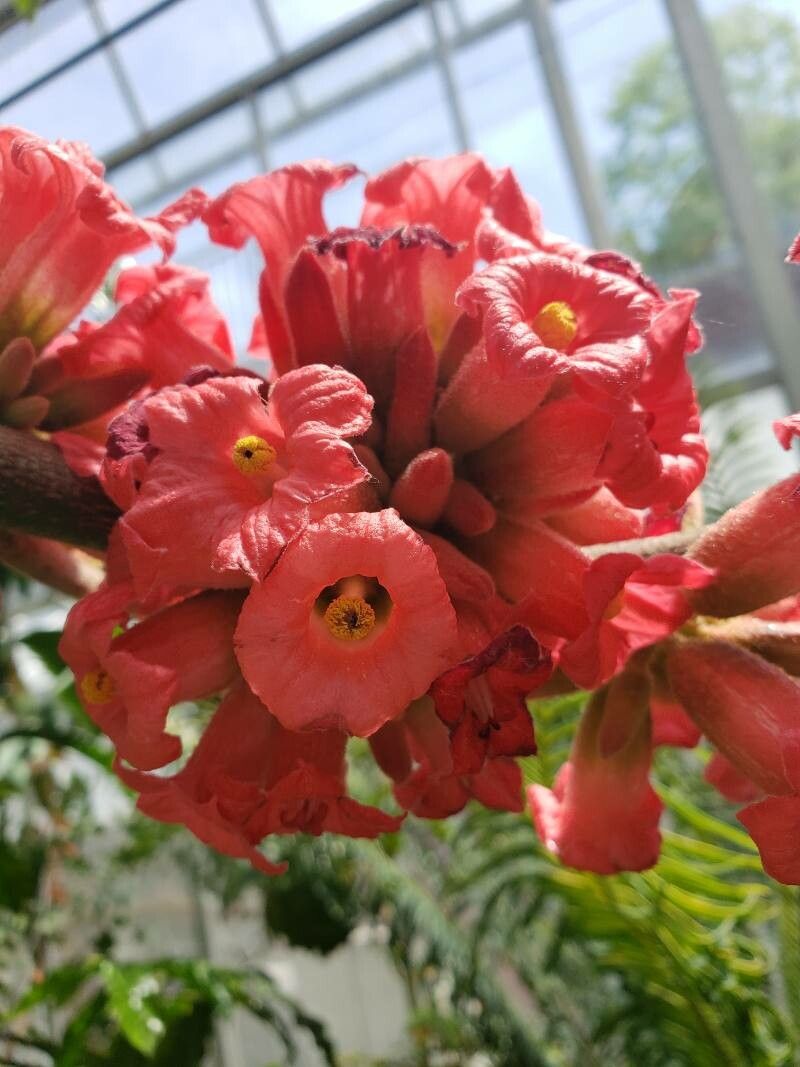
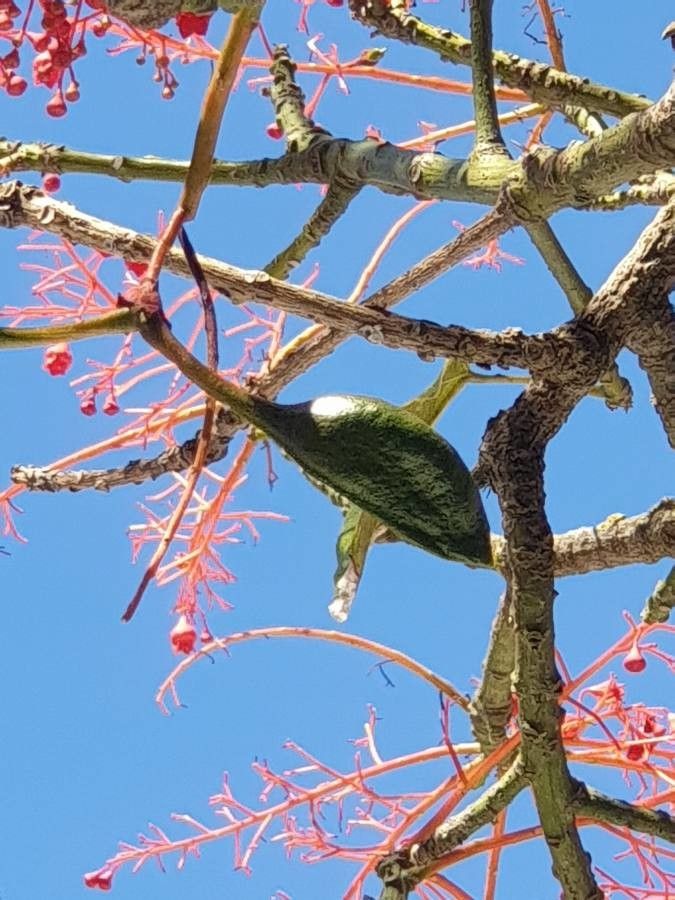
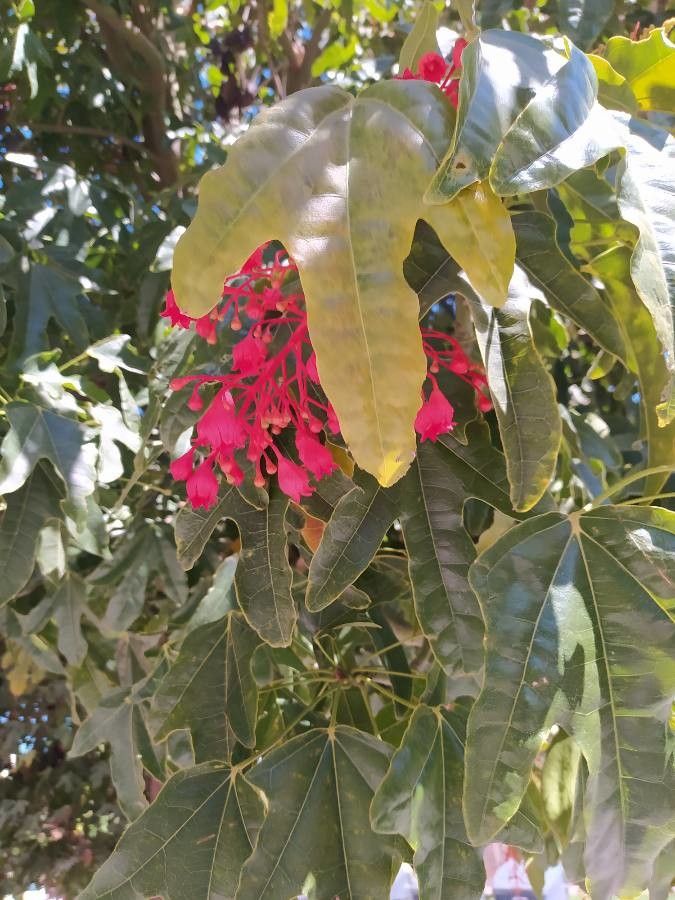
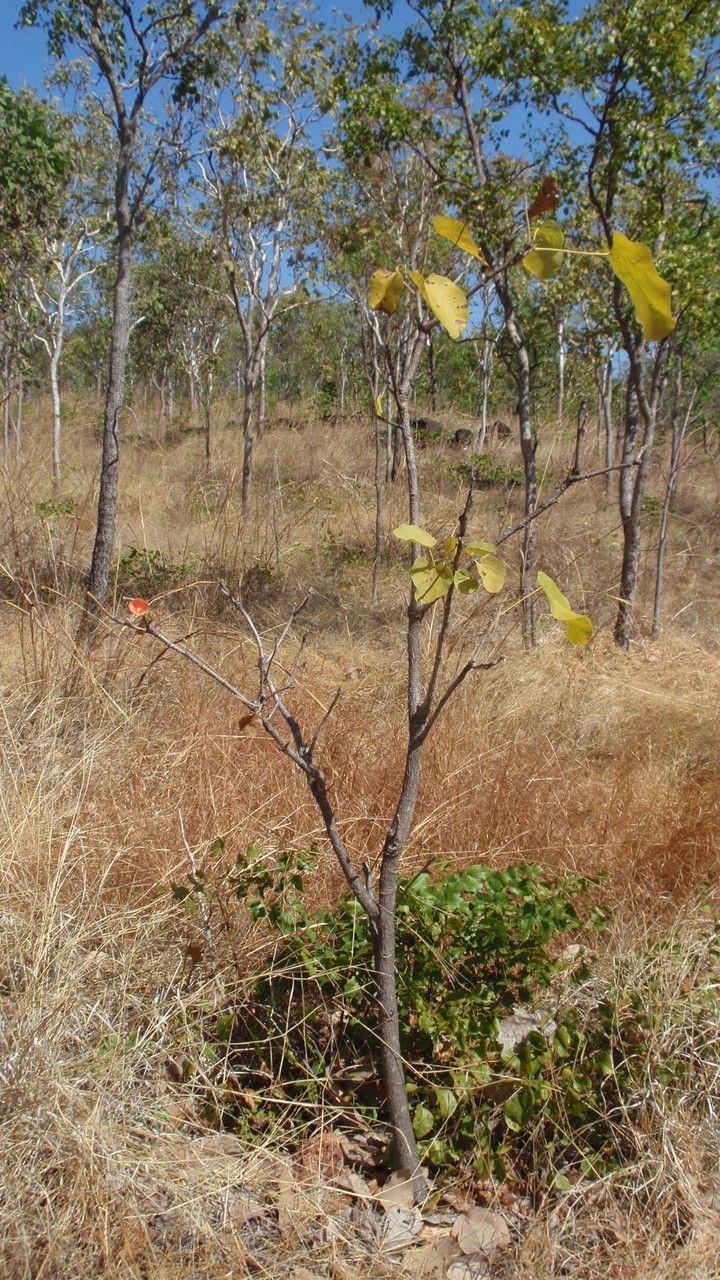
Brachychiton acerifolius, commonly known as the Flame Tree or Illawarra Flame Tree, is a deciduous tree native to Australia. Belonging to the Malvaceae family, this tree can grow up to 30 meters tall. It is renowned for its distinctive appearance, featuring bright red flowers that bloom in the spring and summer, followed by large, woody seed pods filled with numerous seeds.
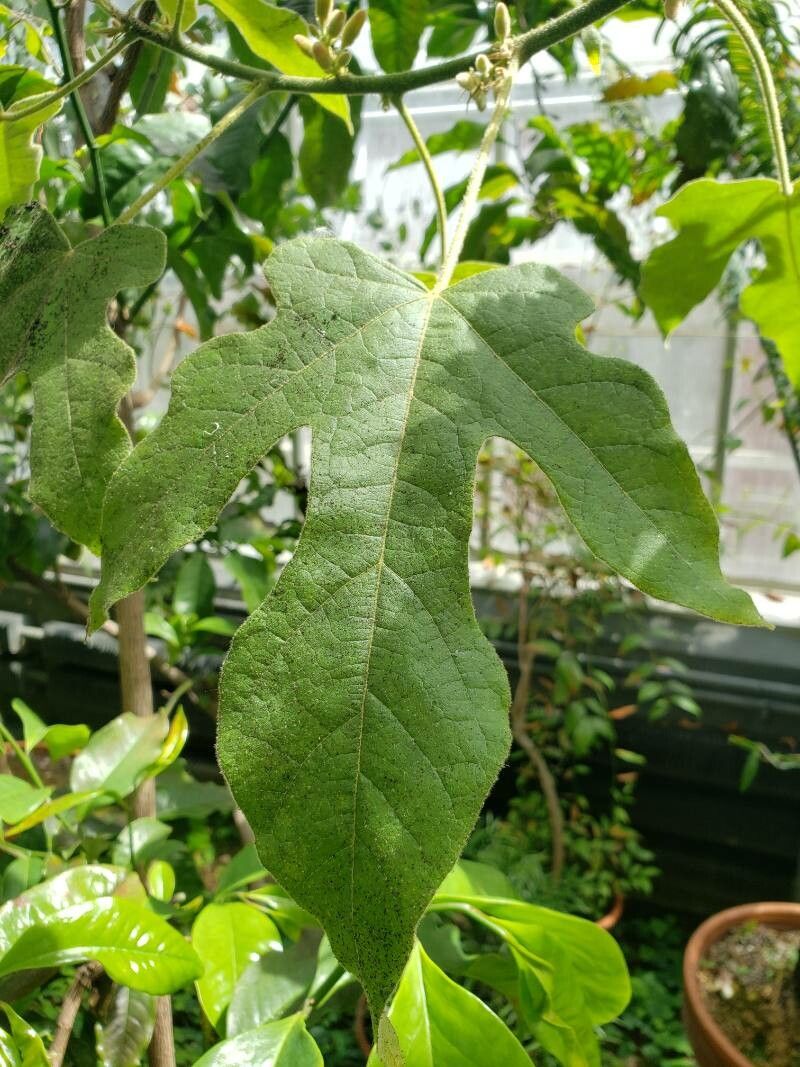
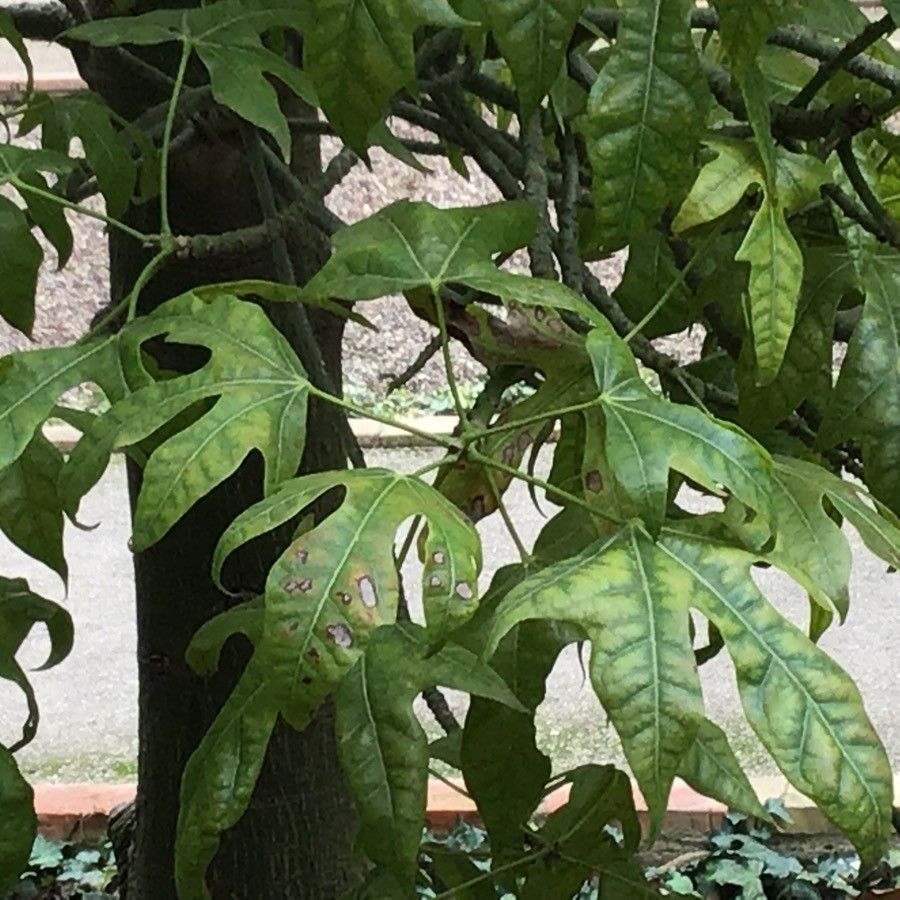
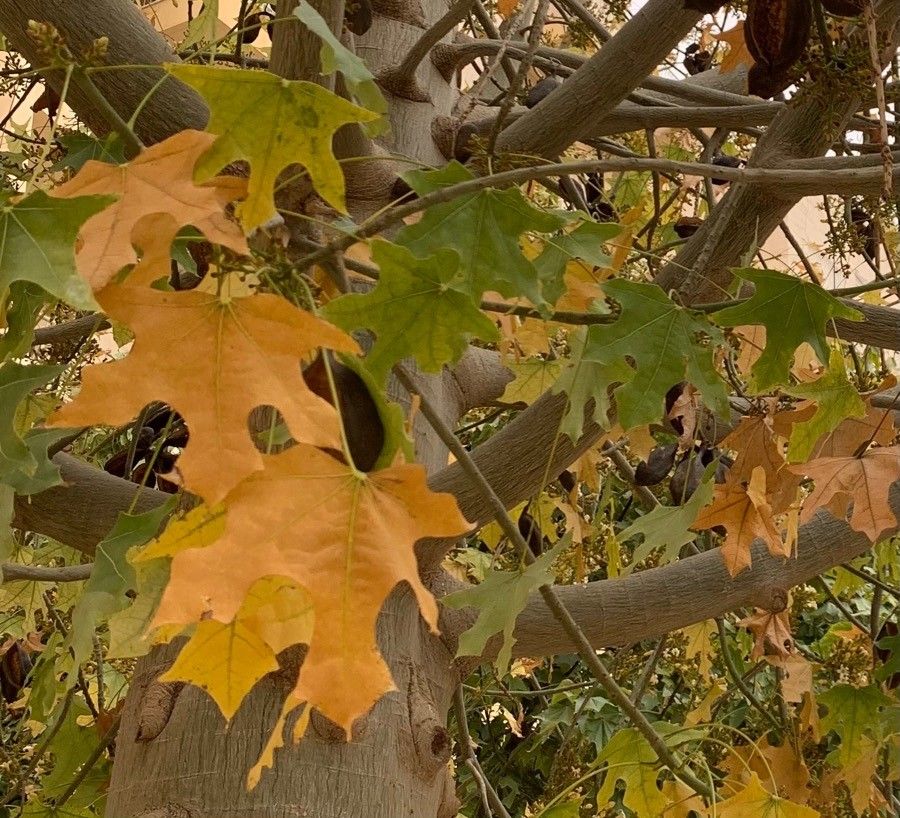
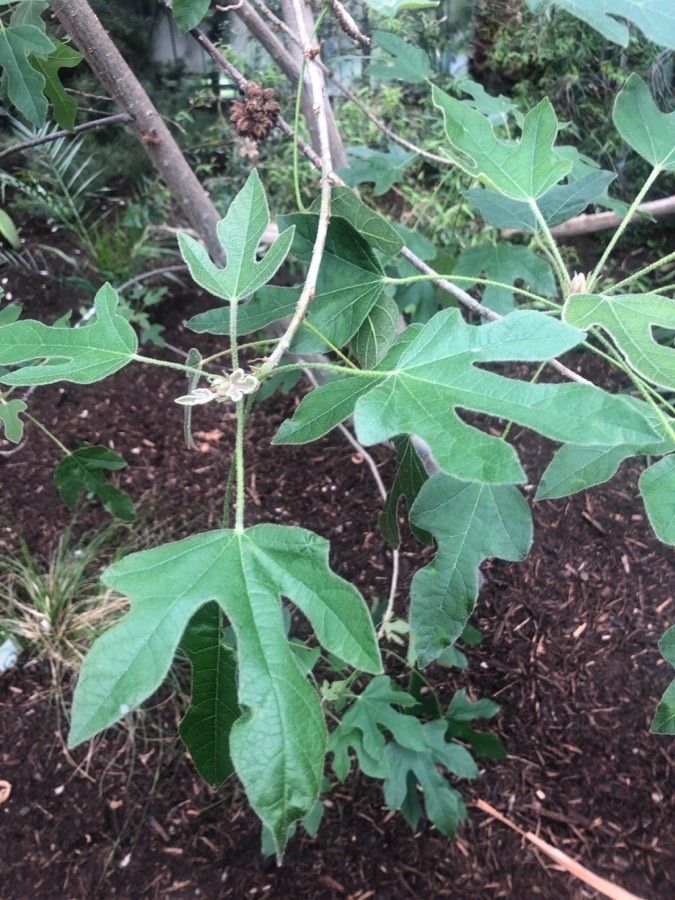
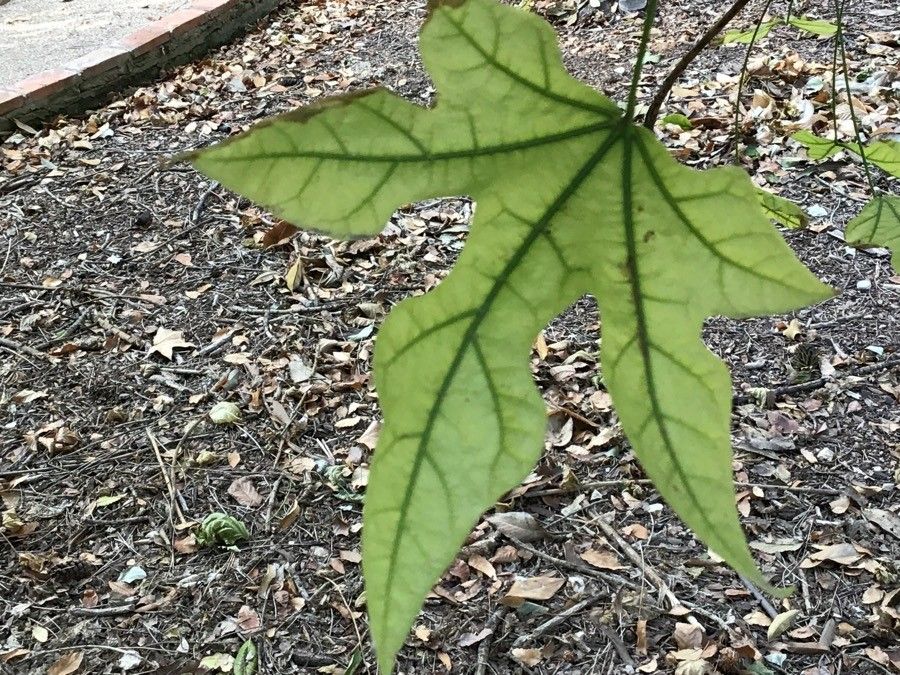
The leaves of Brachychiton acerifolius are large and lobed, resembling those of maple trees, which is reflected in its species name "acerifolius." The bark is smooth when the tree is young but becomes rough as it ages. The Flame Tree thrives in well-drained soils and does well in both full sun and partial shade.
Widely cultivated as an ornamental plant, the Flame Tree is prized for its striking floral display. It also holds cultural significance for Indigenous Australians, who use its bark fibers to make fishing nets and baskets.
Beyond its visual appeal, Brachychiton acerifolius possesses medicinal properties. Traditionally, its bark has been used to treat various ailments, including coughs, colds, fever, and skin infections.
Overall, Brachychiton acerifolius is a magnificent Australian native tree that combines cultural significance and medicinal utility, making it an important part of Australia's botanical heritage.
The Illawarra flame tree has strong resistance to disease and is generally not prone to illnesses. In terms of care, this plant is relatively low maintenance. When planted outdoors it needs minimal watering, and larger specimens typically do not require pruning. Smaller plants, however, should be pruned after they have finished blooming. The Illawarra flame tree is suitable for anyone with an outdoor space, such as a garden or deck, and does not require much care experience.
How to keep Brachychiton Acerifolius.
Light
The Illawarra flame tree usually thrives in bright, sunny conditions. It originates from open habitats where it receives abundant sunlight. A shortage of light can impair its growth, while an excess generally causes little harm because it tolerates plentiful light exposure.
Water
The Illawarra flame tree, native to Australia's dry forests, is well-known for its high drought tolerance. It thrives even when watered only once every three weeks. Its preference for drier conditions allows it to manage water efficiently during times of scarcity, which supports its growth in a variety of climates.
Temperature
Illawarra flame tree adapts well to temperature, tolerating higher heat and considerable temperature fluctuations. In hot weather, attention should be paid to watering and providing suitable shade to prevent sunburn. However, Illawarra flame tree is fairly intolerant of low temperatures; while it can handle some cold, very cold conditions can cause frost damage.
Fertilizer
The timing of fertilizing an Illawarra flame tree is important. Apply fertilizer in early spring and continue monthly until early summer. Fertilizer promotes attractive blooms and supplies energy during both dormant periods and active growth.
Pruning
The Illawarra flame tree is known for its vibrant red flowers and maple-like leaves. It requires minimal pruning, best done in early spring. To improve airflow, it's important to remove any dead branches, but avoid heavy pruning as this can stress the plant. Light shaping helps maintain the structure, encourages healthy blooming, enhances the tree's appearance, and prevents potential issues.
Botanical profile.
- Plant Type
- Tree
- Life Cycle
- Perennial
- Genus
- Brachychiton
- Family
- Malvaceae
- Hardiness Zone
- 10-12
- Mature Height
- 7.92 m to 14.94 m
- Mature Spread
- 6.1 m to 9.14 m
- Leaf Color
- Dark Green, Forest Green
- Leaf Type
- Deciduous
- Flower Color
- Red
- Flower Size
- 2.03 cm to 4.06 cm
- Bloom Time
- Fall, Winter
- Planting Time
- Spring, Autumn
- Harvest Time
- Spring, Summer
Other names.
Reader questions.
How should I water my Illawarra flame tree?
To promote excellent root development, place a garden hose at the base of your plant, while being careful to avoid spraying water directly onto the leaves. If your plant is outdoors and exposed to direct sunlight, the leaves will need more water. You can also moisten the roots by using bubblers or soaker hoses for each plant. When adding or removing plants, use soaker hoses that cover the entire garden or bed to ensure deep root growth. After watering, make sure to drain any excess water and allow the soil to dry before watering again. To prevent diseases, water at ground level rather than spraying overhead. On sunny days, consider spraying the entire bush with water. It's important to note that whether your Illawarra flame tree is potted or in the ground, it prefers deep watering instead of light sprinkling.
Why should I put fertilizer on my Illawarra flame tree?
There are a few important reasons why you should fertilize your Illawarra flame tree. Firstly, fertilizing will help it produce beautiful blooms. It is recommended to fertilize in early spring to ensure excellent flowers during that season. Additionally, fertilizer provides your tree with energy that can be stored during its dormant growth phases. By giving it extra nutrients during fall planting or late spring, your tree will have more energy to use once active growth resumes.
What are the sunlight requirements for an Illawarra flame tree?
The Illawarra flame tree requires above 6 hours of sunlight daily to thrive, making full sun exposure ideal for its growth. Its natural habitat is open, ensuring it receives plentiful sunlight, which is crucial for its development. Insufficient light can hinder its growth, although it is more forgiving to excess light. Observing how sunlight moves through your garden helps in choosing spots that offer a balance of light and shade, ensuring your plant's wellbeing.
What is the Illawarra flame tree?
The Illawarra flame tree, known botanically as Brachychiton acerifolius, is a distinctive and notable tree. Although specific details about its essentials or typical symptoms when growing improperly were not provided, its unique name and botanical classification suggest it has distinguishing characteristics and possibly vibrant, attractive features typical of flame trees.
What should I do if I give the Illawarra flame tree too much or too little water?
An overwatered Illawarra flame tree can exhibit several symptoms. Its leaves may turn yellow, drop off, and wilt. The plant may also appear dull and unhealthy, with mushy stems. When these signs start to appear, it's important to adjust your watering schedule accordingly. Additionally, wilting can also indicate under watering. In this case, the leaves may become crispy and dry, while overwatered leaves will be soft and wilted. If the soil is dry and simple watering is not enough, a thorough watering is necessary. Sufficient water will help the Illawarra flame tree recover, but the plant may still have dry and yellow leaves for a few days due to damage to the root system. Once the plant returns to normal, the yellowing of leaves will stop. When caring for an indoor Illawarra flame tree, always check the moisture levels in the pot. Avoid overwatering and look for signs of black spots, which indicate overwatering. In such cases, allow the soil to dry out by refraining from watering for a few days. Overwatering can cause root rot in the plant. If you notice discolored and slimy roots, consider transferring the plant to a different pot. It is important to prevent root rot by avoiding overly soggy soil. When planting an Illawarra flame tree outdoors, ensure that the soil is adequately moist. If the soil feels too dry when you touch it, it may indicate under watering. Adequate watering is necessary to help the plant recover.
When should I fertilize my Illawarra flame tree for the best results?
To effectively fertilize Illawarra flame trees, timing is crucial. Avoid fertilizing too early while the tree is still dormant, as rainwater will simply wash away the fertilizer and cause waste and pollution. Instead, the first application of fertilizer should be applied in early spring. From there, continue to fertilize once a month until early summer.
How can artificial lighting benefit indoor Illawarra flame trees?
Indoor Illawarra flame trees can benefit significantly from artificial lighting, especially when natural sunlight is inadequate. During winter or in spaces with limited natural light, artificial lights like LED lights, which can be adjusted to provide specific wavelengths needed by plants, are vital. The intensity of artificial light required varies by plant type: full sun plants need 30-50W/sq ft, partial sun plants require 20-30W/sq ft, and full shade plants need 10-20W/sq ft. Proper positioning (12-36 inches above the plant) and timing (mimicking natural daylight hours, usually 8-12 hours per day) are essential for optimal growth.
How often do I need to water my Illawarra flame tree?
The Illawarra flame tree prefers deep and infrequent watering. If it is planted in a pot, it is important to soak it with a gallon of water each time, as the water storage in pots is limited and the soil tends to dry out faster. In colder regions, watering is needed every 3 to 5 days. It is best to water early in the morning when the soil is dry, whether the plant is outdoors or indoors. To determine if watering is necessary, check the soil inside the pot. If the top 2-3 inches of soil is dry, it is time to give the plant a thorough watering. On hot days, check the moisture daily as the heat can quickly dry out the soil in the pot. If you have a garden, irrigation is also necessary. In hot climates, watering once a week is recommended. Pay attention to the soil, and only water when about 2 to 3 inches of soil appear too dry, whether the plants are outdoors or indoors. Take into consideration the amount of rainfall and avoid adding water unnecessarily to prevent root rot. If there is ample rainfall, additional watering may not be needed. The Illawarra flame tree typically grows during spring and fall. For outdoor plants, adding a layer of mulch about 3 to 4 inches deep can help retain water. More frequent watering is necessary for plants in sandy soil, which tends to drain faster. On the other hand, plants in clay soil require less frequent watering, with 2-3 days of drying between watering to avoid root rot. It can be helpful to mark the date when watering each time on a calendar and watch for drooping leaves, as this may indicate that watering is needed soon.
When is it not a good idea to add fertilizer to my Illawarra flame tree?
To help the Illawarra flame tree bloom effectively, it is important to avoid excessive nitrogen in the fertilizer. Instead, opt for a fertilizer with less nitrogen and a balanced nutrient composition. It is also crucial to refrain from fertilizing the tree during late autumn and hot, dry periods as these conditions do not effectively deliver the fertilizer and can lead to excessive growth. Additionally, bear in mind that the tree can absorb fertilizer from nearby plants or lawns, so be careful not to accidentally over-fertilize it.
What symptoms indicate insufficient or excessive sunlight in Illawarra flame trees?
Illawarra flame trees show several symptoms when they do not receive optimal light levels. Insufficient sunlight can lead to small leaves, leggy or sparse growth, faster leaf drop, slower or no new growth, lighter-colored new leaves, and symptoms of chlorosis. Conversely, excessive sunlight exposure may cause symptoms like sunscald, leaf curling, wilting, and leaf scorching. These conditions affect the tree's ability to photosynthesize efficiently, impacting overall health.
How much water should I give my Illawarra flame tree?
The Illawarra flame tree has specific watering needs. For potted plants, it's best to water them deeply until you see water dripping from the bottom of the pot. After that, wait for the soil to dry before watering again. You can use a water calculator or a moisture meter to determine how much water you've provided in a week. During the flowering period, it's important to provide plenty of water, but afterwards, let the moisture evaporate to avoid root rot. If the Illawarra flame tree is planted outdoors and receives adequate rainfall, it may not need additional watering. However, when the tree is young or newly planted, make sure it receives 1-2 inches of rain per week. As the tree grows, it can rely solely on rainfall for water. Only in extremely hot weather or during 2-3 weeks of no rainfall should you consider giving the tree a full watering during cooler times of the day to prevent heat damage. Additional watering will be necessary during extended dry periods.
What kind of fertilizer should I use for my Illawarra flame tree?
The best fertilizer for an Illawarra flame tree is one that has a balanced mix of the three main plant nutrients, with slightly more phosphorus. Another option is to enhance the tree's soil by adding organic materials like compost, worm castings, and manure. Experienced gardeners might use water-soluble fertilizers with phosphorus when flower buds appear, which promotes better flower development and prolonged blooming. Fertilizers come in various forms, but liquid and powdered forms are particularly suited for the Illawarra flame tree. Regardless of the type, it's important to dilute the fertilizer and apply it while watering the tree.