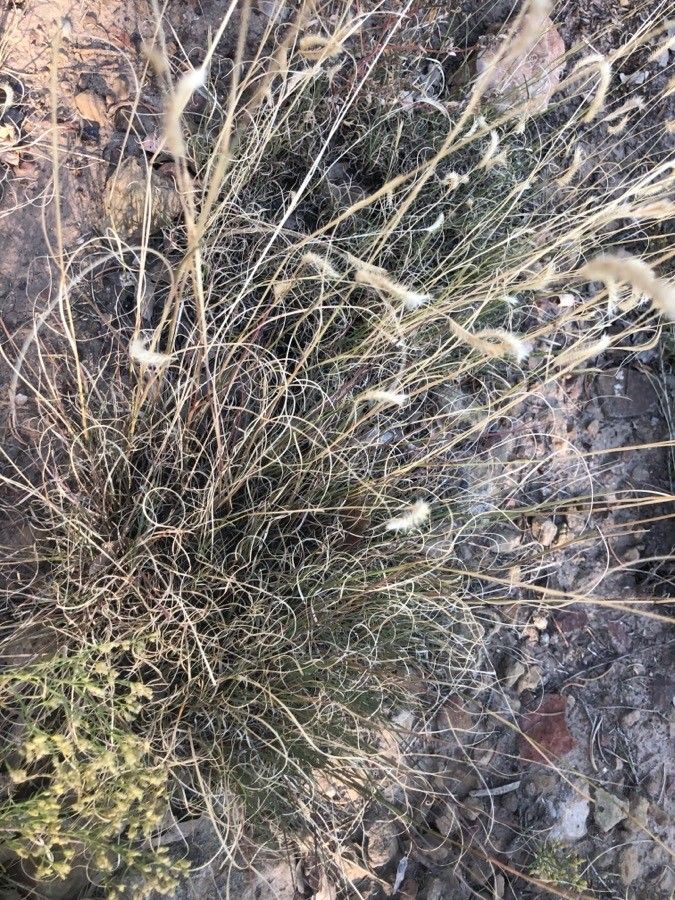
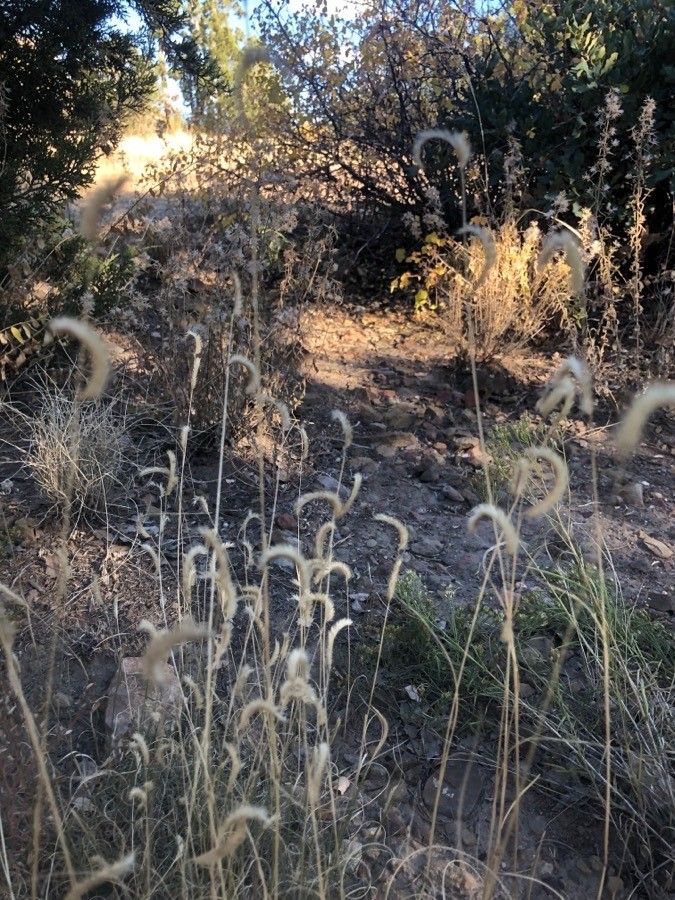
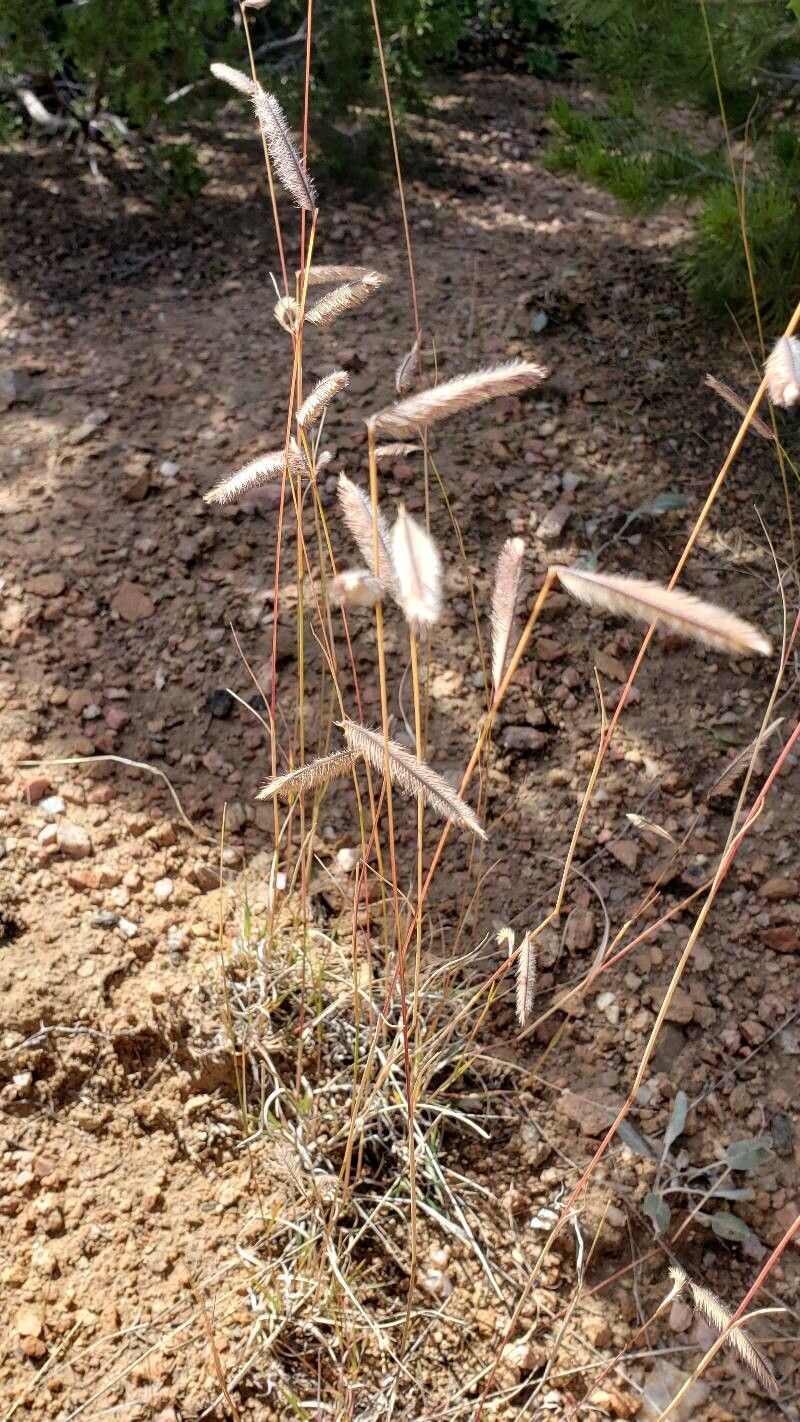
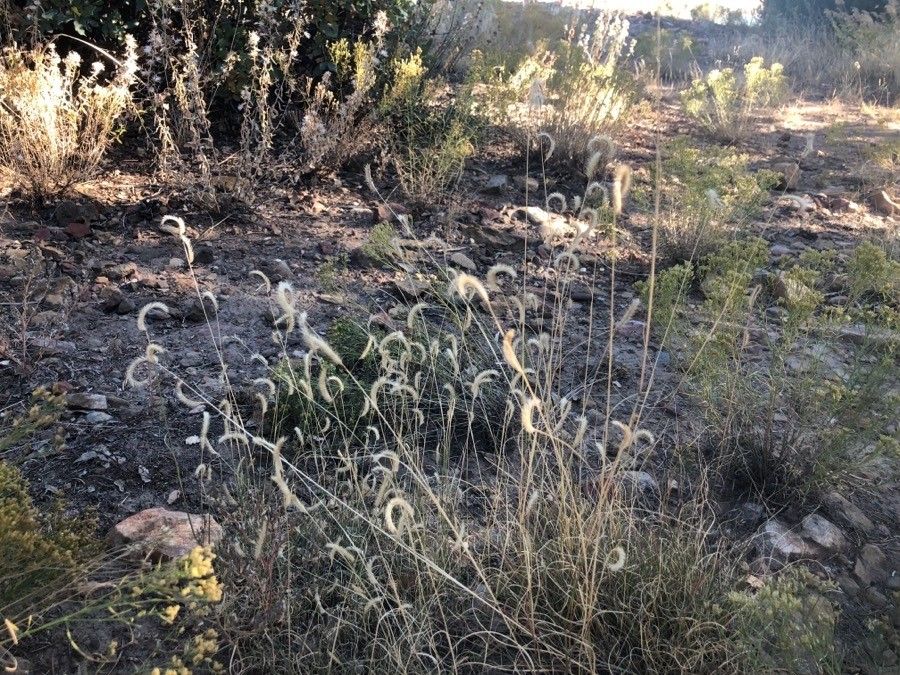
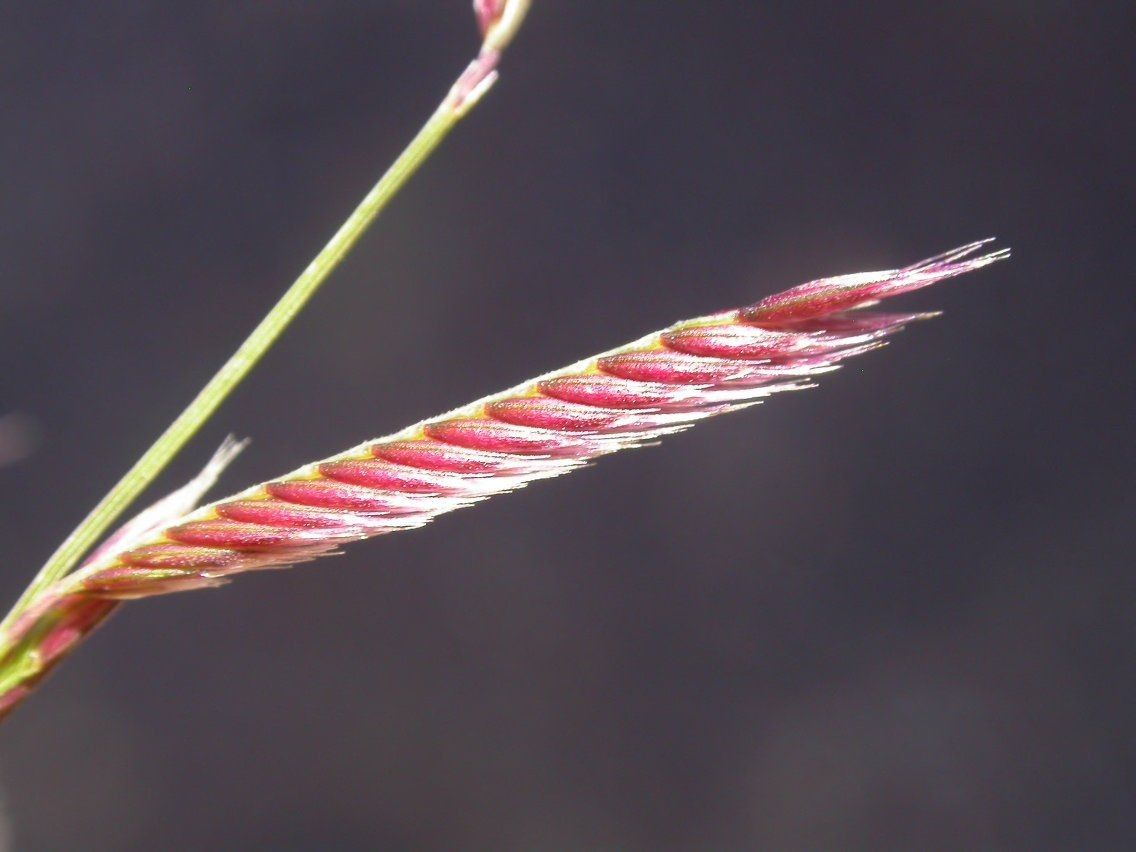
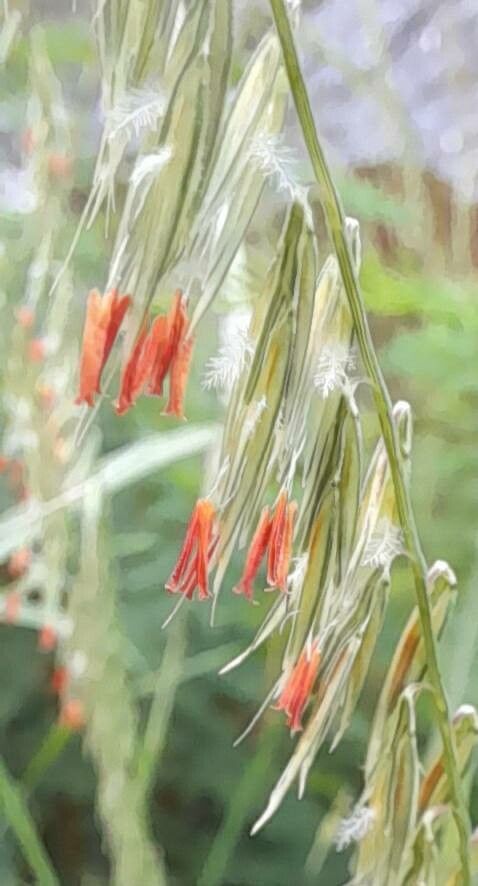
Bouteloua gracilis, commonly known as blue grama grass, is a warm-season perennial native to North America. Its attractive blue-green foliage and delicate seed heads make it a popular choice for ornamental gardens and landscapes.
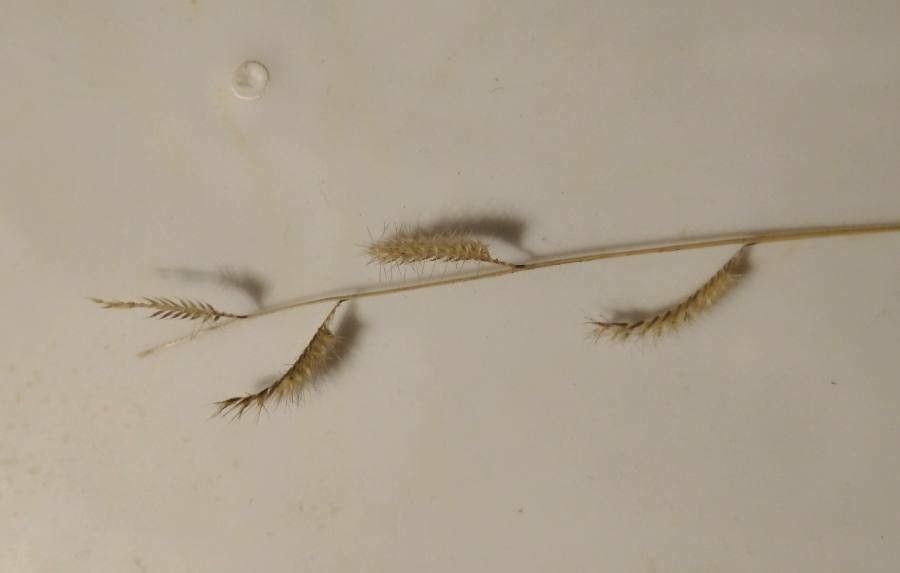
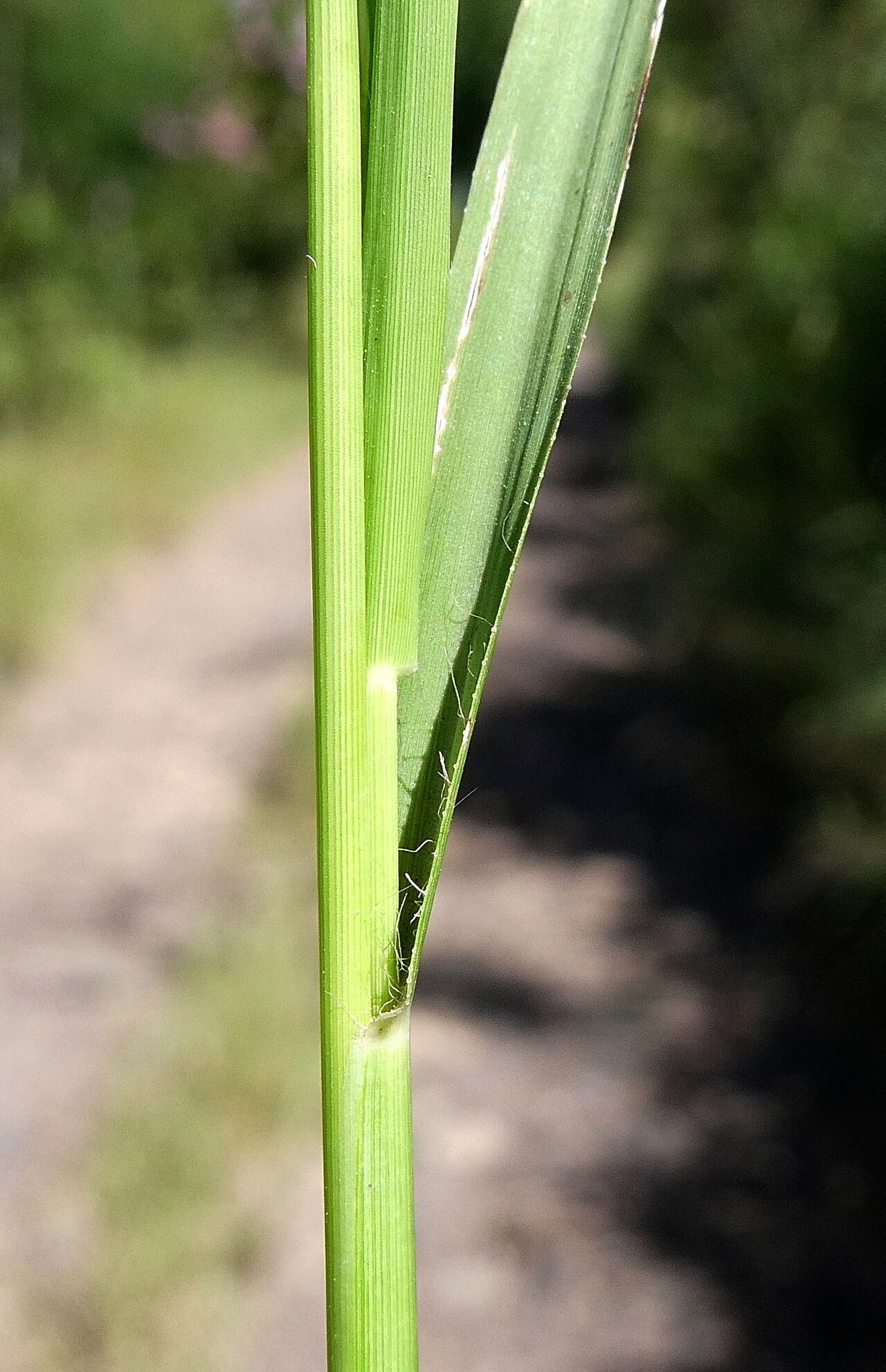
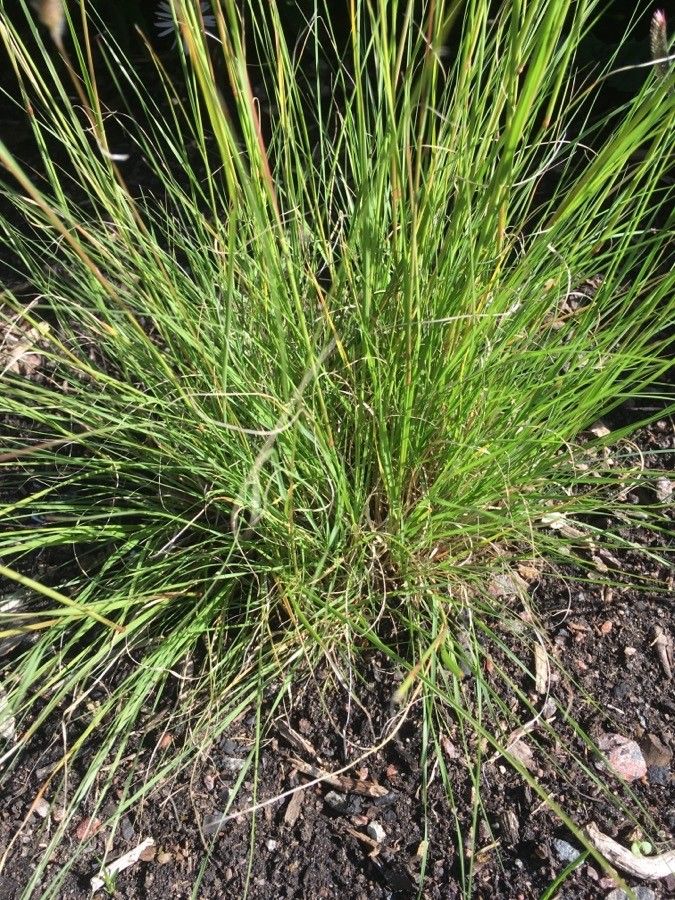
Blue grama grass forms clumps that can grow up to 2 feet tall and 1 foot wide, with narrow leaves approximately 6 inches in length. During the summer months, the plant produces spike-like seed heads that turn golden brown as they mature.
This grass thrives in well-drained soils and full sun, though it can also tolerate some shade. While blue grama grass is drought-tolerant once established, it requires regular watering during its first growing season.
A hardy plant, blue grama grass offers excellent erosion control on slopes and hillsides thanks to its deep root system, which stabilizes the soil structure. Additionally, it provides habitat for wildlife such as birds and small mammals, who feed on its seeds during the winter months when other food sources are scarce.
Blue Grama has strong disease resistance and is generally not prone to illnesses. Still, it can be affected by pests and diseases present in its environment. These infections are generally mild. Regarding care, this plant needs moderate maintenance. It requires regular pruning to maintain a tidy appearance and healthy growth. Fertilizing can also help encourage flowering. Blue Grama is well suited for anyone with outdoor space, such as a garden or patio, and does not demand extensive care experience. It may need more attention if grown indoors.
How to keep Bouteloua Gracilis.
Light
Blue Grama prospers in areas that receive strong, continuous sunlight throughout the day. Nevertheless, it can withstand stretches of moderate light. Its origin in largely open grasslands has conditioned it to cope with intense daylight. Too much or too little light can negatively impact its growth, producing wilted stalks or sparse foliage.
Water
Blue Grama is perfectly adapted to dry prairies, thriving with infrequent watering every two weeks. It prefers dry conditions with only occasional moisture and can enter dormancy during extended droughts, conserving water until the environment becomes more favorable. Its deep roots enhance its resilience in arid climates.
Temperature
Blue Grama is naturally adapted to a temperature range of 32 to 95 °F (0 to 35 °C), reflecting its native growth environment. To promote optimal vigor and growth through the changing seasons, make appropriate temperature adjustments.
Fertilizer
One spring application of fertilizer is generally enough for Blue Grama, though multiple applications can optimize growth. Apply fertilizer every one to one and a half months. Fertilization improves the leaves' appearance and function, promoting even color and a healthy texture. It also promotes root development and nutrient uptake, supporting long-term plant health.
Pruning
Blue Grama is a perennial grass characterized by its fine, bluish-green leaves and distinctive seed heads. To encourage healthy growth and maintain a neat appearance, it is best to prune the grass in early spring. Cut it back to just a few inches above the ground. Regular pruning not only enhances air circulation but also boosts the plant's resilience and decreases the risk of disease.
Pot & Repot
When repotting Blue Grama, select a pot 1–2 inches (2.5–5.1 cm) larger with ample drainage. Use a well-draining potting mix. Repot in spring or fall, making sure the root ball sits slightly lower than the rim of the pot. Water thoroughly after repotting and place it in a warm spot with indirect sunlight.
Botanical profile.
- Plant Type
- Herb
- Life Cycle
- Perennial
- Genus
- Bouteloua
- Family
- Poaceae
- Hardiness Zone
- 3-10
- Mature Height
- 30 cm to 91 cm
- Mature Spread
- 49 cm
- Leaf Color
- Green, Gray
- Leaf Type
- Deciduous
- Flower Color
- Brown, White, Green, Purple, Red
- Flower Size
- 2.54 cm
- Bloom Time
- Early summer, Mid summer
- Planting Time
- Spring
- Harvest Time
- Mid summer
- Native Area
- Mexico
Other names.
Reader questions.
What are the sunlight requirements for Blue Grama (Bouteloua gracilis)?
Blue Grama thrives best in environments that offer full sun, which is defined as having more than 6 hours of sunlight per day, although it can also tolerate partial sun, receiving about 3 - 6 hours of sunlight. It's crucial to observe the movement of sunlight through your garden to identify spots that provide the ideal balance of light and shade, ensuring the plants remain healthy and happy. Originating from largely open grasslands, Blue Grama is naturally adapted to strong daylight exposure.
What temperature range is ideal for Blue Grama?
Blue Grama, with its botanic name Bouteloua gracilis, thrives in a temperature range between 32 to 95 °F (0 to 35 °C). This preference mirrors the grass's natural habitat, accustomed to both the warmth of summer and the coolness of winter. While it exhibits strong resistance against cold, surpassing temperatures beyond this range requires certain adjustments to maintain its growth and vitality throughout the year.
How can artificial lighting be used for Blue Grama indoors?
When natural sunlight is insufficient, especially during winter or in less sunny spaces, artificial lighting becomes a vital solution for supporting healthy plant growth. LED lights are highly recommended for indoor plant lighting due to their capacity to be customized to provide specific light wavelengths needed by plants. Full sun plants require 30-50W per square foot, partial sun plants need 20-30W per square foot, and full shade plants should have 10-20W per square foot. The light source should be placed 12-36 inches above the plant, simulating natural sunlight, and ensuring the plant receives 8-12 hours of light per day.
How do I protect Blue Grama in extreme winters?
Blue Grama is notably resilient to cold temperatures, typically not requiring special frost protection measures. Nonetheless, in the face of exceptionally harsh winters where temperatures plummet below -35°C, it's crucial to provide additional cold protection. This can be accomplished by insulating the plant with covering materials such as soil or straw. It's also advisable to water the plant abundantly before the first autumn freeze, ensuring the soil remains moist as it enters a frozen state. This practice helps to avert drought and minimizes water scarcity for the plant during the dormant winter months and into the early spring.
What are the symptoms of inadequate lighting for Blue Grama?
Blue Grama displays several symptoms when subjected to inadequate lighting conditions. These include smaller new leaves, leggy or sparse growth, faster leaf drop, slower or halted growth, and development of lighter-colored or chlorotic leaves. Excessive sunlight can also cause issues like sunscald, leaf curling, wilting, and leaf scorching, indicating damage from intense sunlight exposure.
What should I do if Blue Grama experiences low temperatures?
Blue Grama is cold-tolerant, favoring temperatures above 0°C and ideally maintained above -30°C during winter. However, if temperatures dip below -35°C, it may not show immediate distress, yet, a noticeable decline in sprouting or an absence of it might occur in spring. If this happens, spring invites an opportunity to remove any parts of the plant that have failed to sprout, encouraging healthier regrowth.
What are the solutions for improving light conditions for Blue Grama?
To optimize growth for Blue Grama facing insufficient sunlight, gradually move the plants to sunnier locations to ensure at least 6 hours of direct sunlight daily, utilizing south-facing windows or providing artificial light for indoor plants. For outdoor plants, it's essential to introduce them gradually to sunnier spots to prevent sunburn. Minimizing obstructions, such as pruning trees, and transplanting smaller plants during their dormant period to sunnier locations are good practices for enhancing sunlight exposure.
How does high temperature affect Blue Grama and what are the remedies?
During the hotter months, it's best to keep Blue Grama below 35°C to prevent stress. Exceeding 41°C can lead to significant stress indicators, such as lighter leaf color, susceptibility to sunburn, leaf curling, and in severe cases, wilting and drying out of the entire plant. To mitigate these adverse effects, trim away the sun-damaged and dried parts. Relocate the plant to a shaded area, particularly away from the harsh midday and afternoon sun, or employ a shade cloth for protection. Ensuring the soil remains moist through morning and evening watering sessions can also help alleviate heat stress.