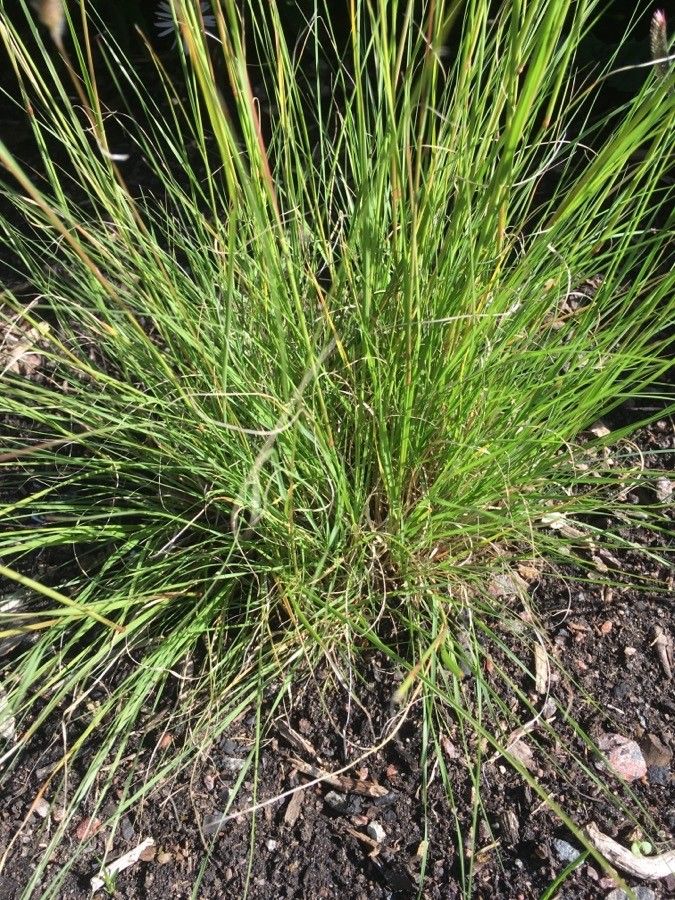
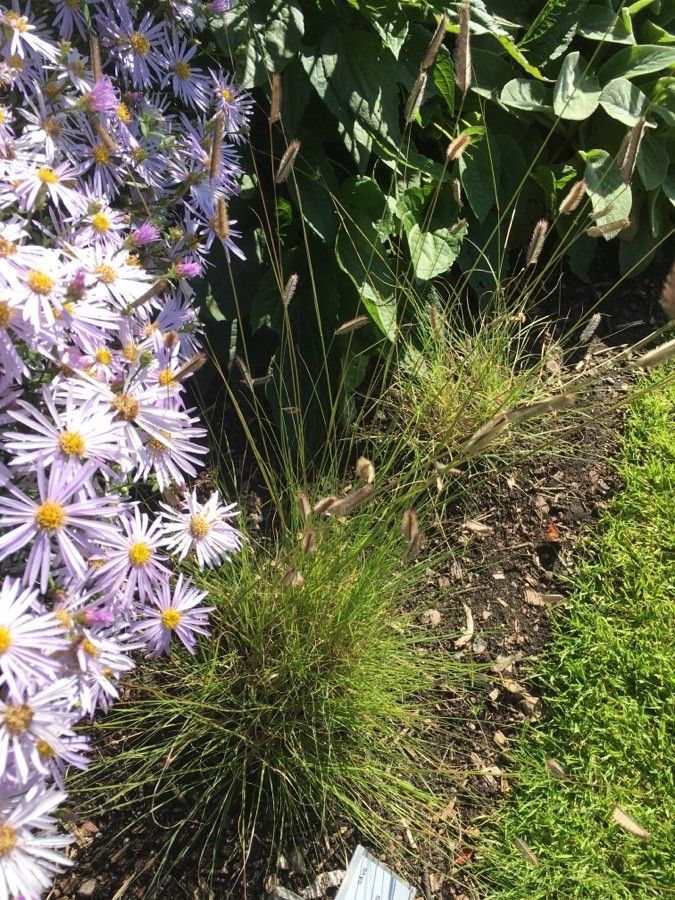
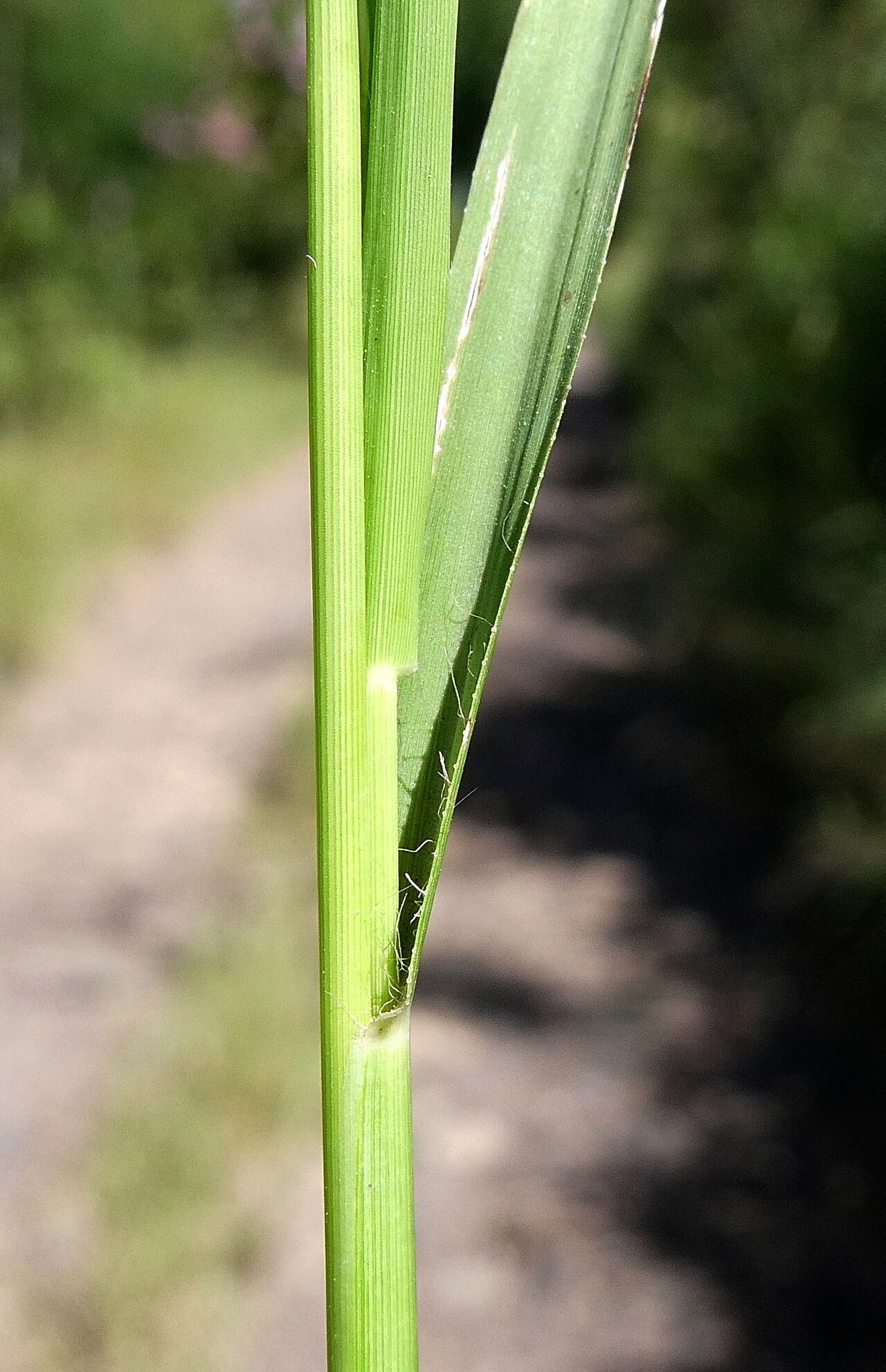
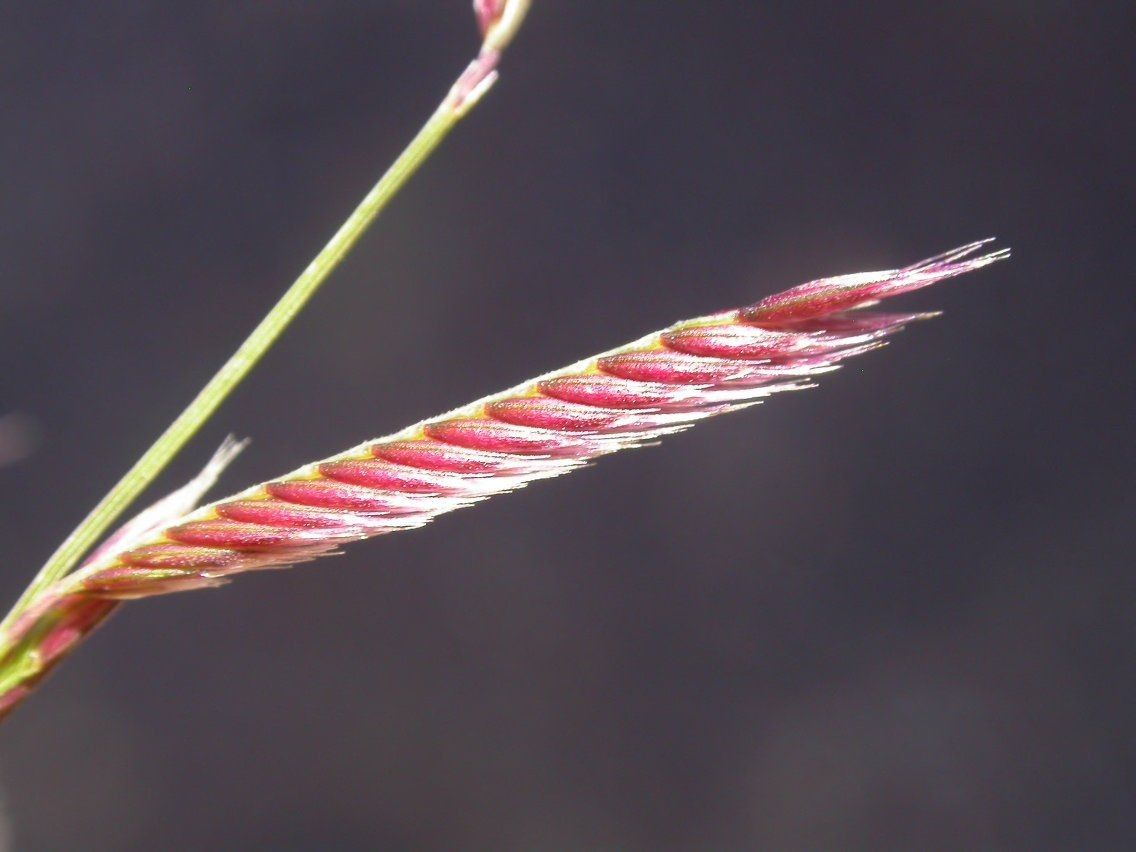
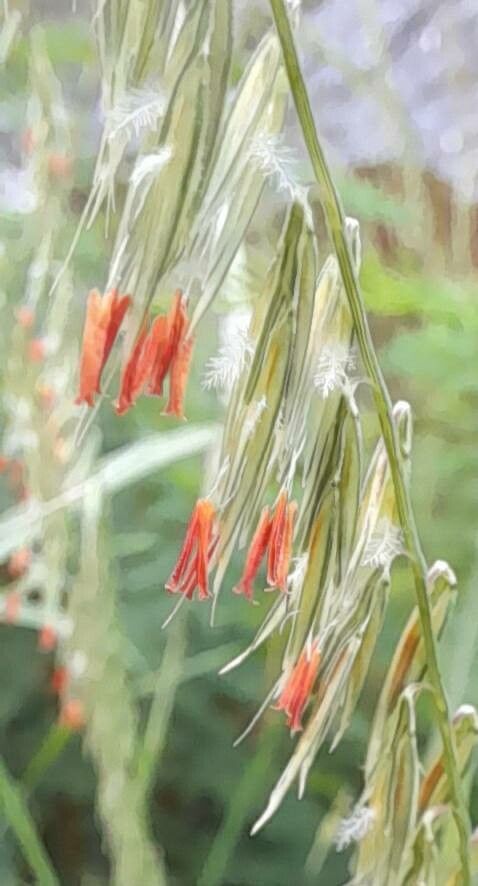
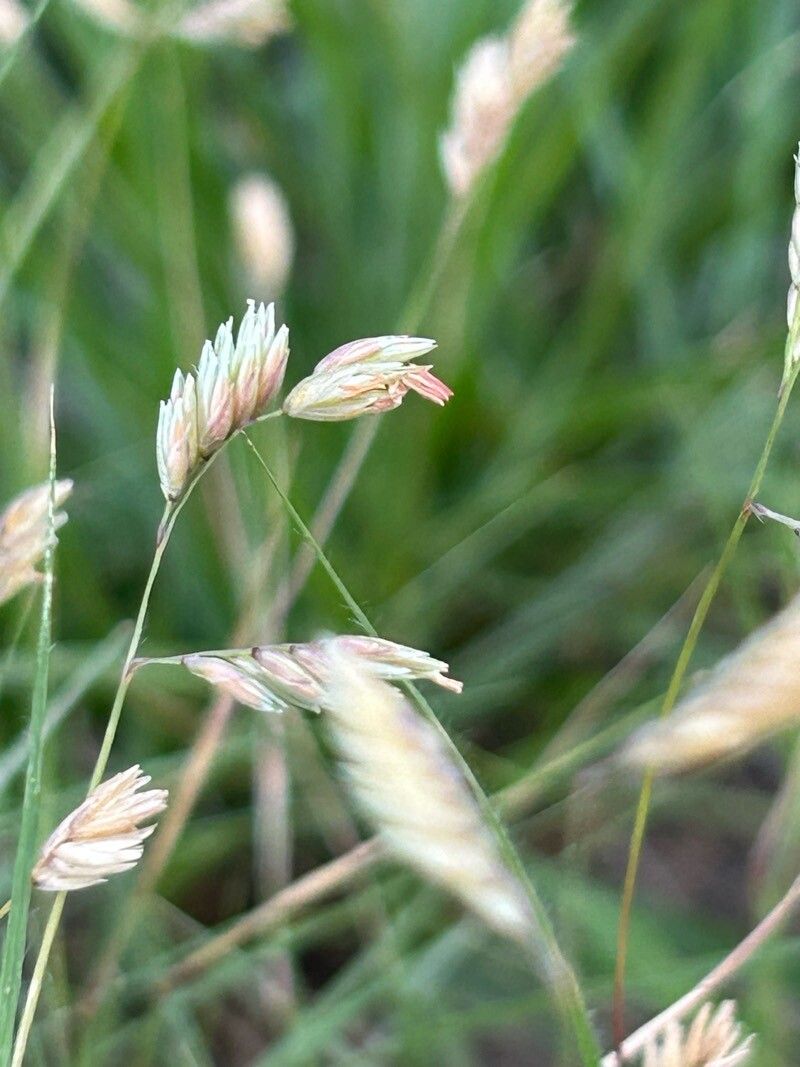
Bouteloua aristidoides, the needle grama, is an annual desert grass (Poaceae) found in California, Arizona, and western North America.
Needle grama is resistant to disease and generally not susceptible to illnesses. In terms of care, this plant is fairly low maintenance. Planted outdoors, it needs only light watering, and larger specimens typically do not require pruning. Smaller plants, however, should be trimmed after they have finished blooming. Needle gramat is appropriate for anyone with an outdoor area, like a garden or deck, and does not need much gardening experience.
How to keep Bouteloua Aristidoides.
Light
Needle grama comes from bright, open habitats and flourishes in full sun. It can tolerate some partial shade, but direct sunlight is preferred for optimal growth. This annual and biennial plant is noted for its sun-loving nature.
Water
Needle grama is a grass native to arid regions and is highly drought-tolerant. To prevent soil oversaturation, it should be watered weekly. Ideally suited for outdoor settings, needle grama flourishes in areas with natural rain cycles, preferring well-draining soils and occasional dry periods.
Temperature
Needle grama is quite adaptable to heat and can endure higher temperatures and wide temperature fluctuations. In hot weather, care should be taken to water adequately and provide some shade to avoid sunburn. On the other hand, Needle grama is not very tolerant of low temperatures. Although it can resist mild cold, very low temperatures may cause frost damage.
Pruning
Needle grama has delicate, needle-like foliage and requires minimal pruning, ideally done from early to late spring. Trim any dead stalks to encourage growth and maintain the plant's shape. Light pruning helps improve airflow and reduces the risk of disease, whereas heavy pruning should be avoided to prevent stressing the plant. Always use clean, sharp tools when pruning.
Botanical profile.
- Plant Type
- Grass
- Life Cycle
- Annual
- Genus
- Bouteloua
- Family
- Poaceae
- Hardiness Zone
- 8-11
- Mature Height
- 20 cm to 40 cm
- Mature Spread
- 15 cm to 30 cm
- Leaf Color
- Green, Light Green
- Leaf Type
- Semi-evergreen
- Flower Color
- Purple
- Flower Size
- 0.10 cm to 0.20 cm
- Bloom Time
- Summer
- Planting Time
- Spring, Summer
- Harvest Time
- Late summer, Early fall, Mid fall
- Native Area
- Colombia, Mexico, Bolivia, Peru, Brazil, Ecuador
Other names.
Reader questions.
What are the sunlight requirements for Needle grama (Bouteloua aristidoides)?
Needle grama thrives in bright, open environments and requires full sun, which equates to more than 6 hours of sunlight daily, to grow optimally. It can also tolerate partial sun, about 3-6 hours of sunlight, but prefers direct sunlight for its best growth. Observing how sunlight moves through your garden is crucial, as it helps in selecting spots that provide a perfect balance of light and shade, ensuring the plants' happiness.
How does artificial lighting support Needle grama growth indoors?
Indoor Needle grama plants require adequate lighting to grow optimally, especially when natural sunlight is insufficient, like in winter or in less sunny spaces. Artificial lights, particularly LED lights customizable to specific wavelengths needed by plants, serve as a vital solution. Full sun plants need 30-50W/sq ft of artificial light, partial sun plants need 20-30W/sq ft, and full shade plants require 10-20W/sq ft. Placement should be 12-36 inches above the plant, mimicking natural sunlight, and most plants will need 8-12 hours of light per day.
What are common symptoms of inadequate light in Needle grama?
When cultivated indoors with insufficient light, Needle grama may show signs like smaller new leaves, leggy or sparse growth, faster leaf drop, slower or halted growth, and lighter-colored or chlorotic leaves. Overexposure to light can cause sunscald, leading to pale, bleached areas on the plant, leaf curling as a defense against water loss, wilting from excessive transpiration, and leaf scorching characterized by brown, crispy edges on leaves.
What solutions can be implemented for Needle grama facing light deficiency indoors and outdoors?
To combat light deficiency in Needle grama, gradually increase sunlight exposure to at least 6 hours daily. Indoors, use a south-facing window to maximize sunlight or provide additional light with artificial lamps or professional grow lights for at least 8 hours daily. Outdoors, slowly move plants to sunnier spots while avoiding sudden light intensity changes to prevent sunburn. Additionally, for ground-planted species, reduce obstructions like overhanging branches, or consider transplanting smaller plants during their dormant period, to a location with ample sunlight and good drainage. Note that parts of the plant already affected by insufficient sunlight may not recover, but new growth will be healthy with increased light exposure.