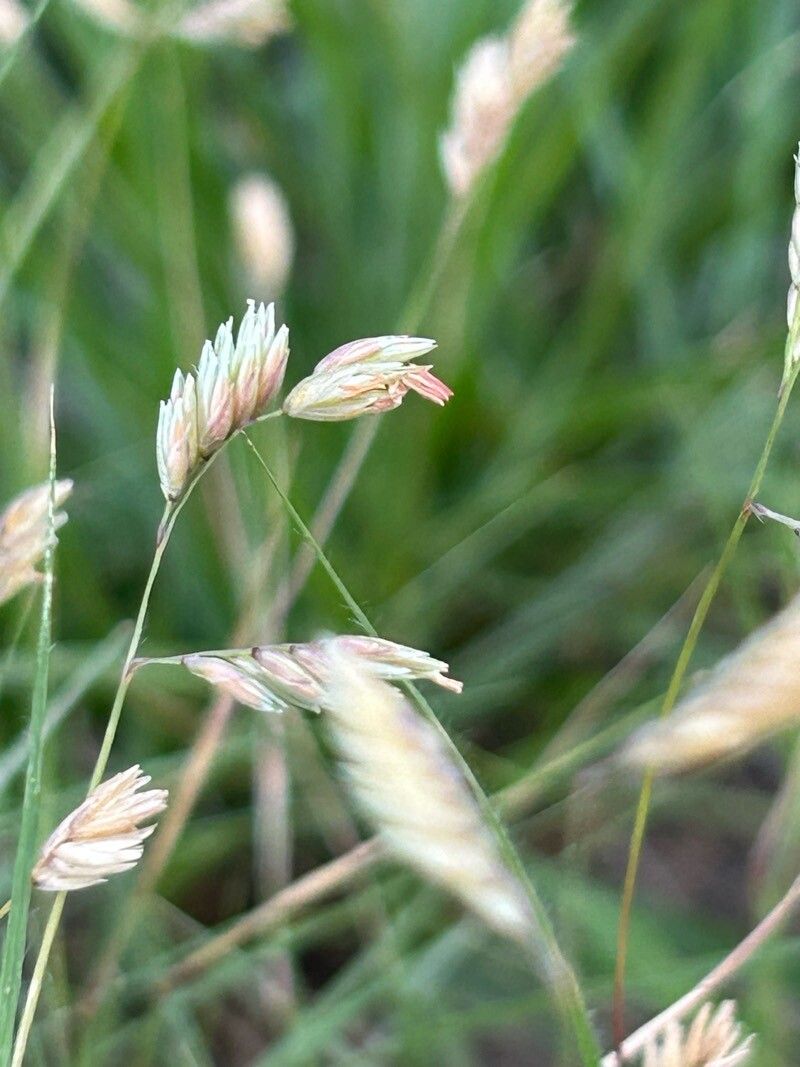
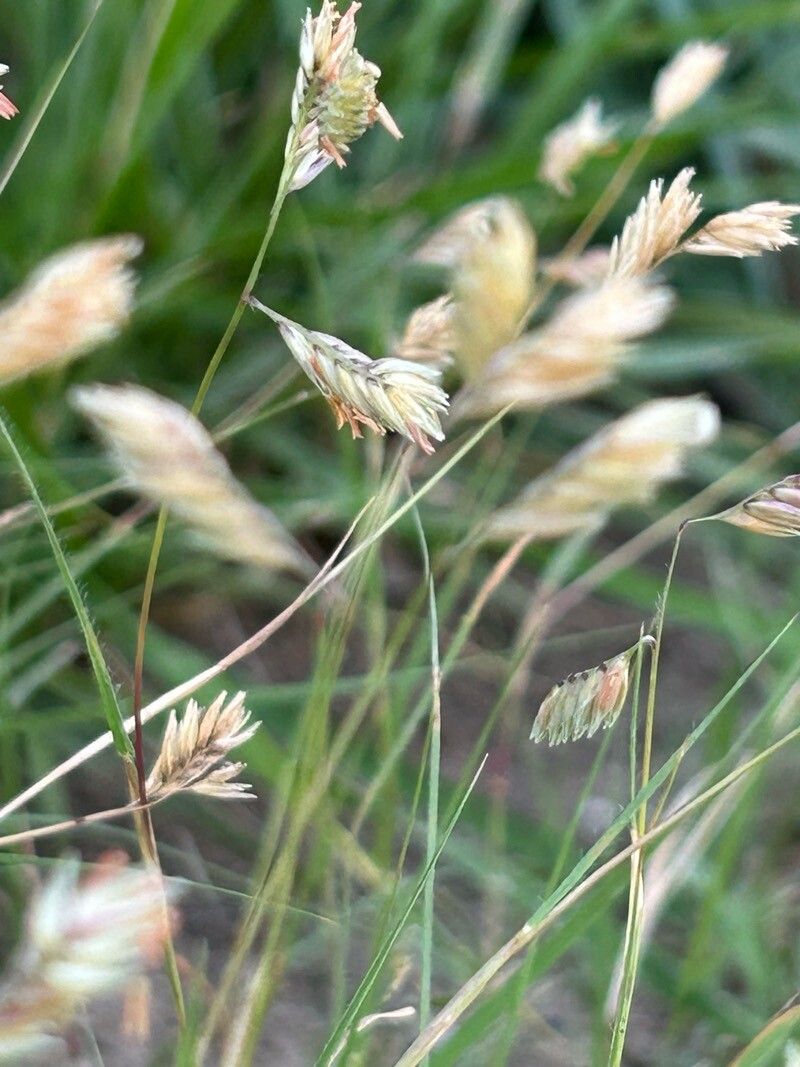
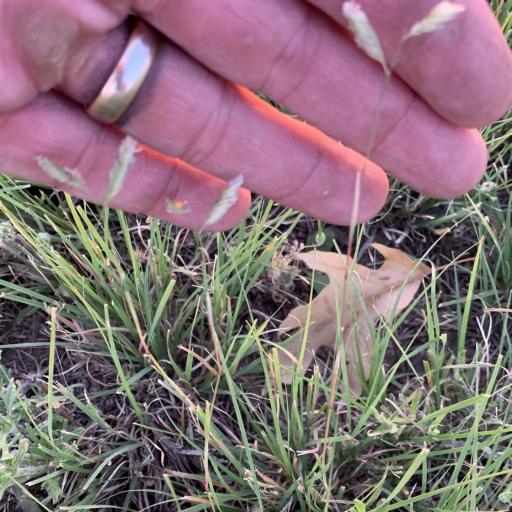
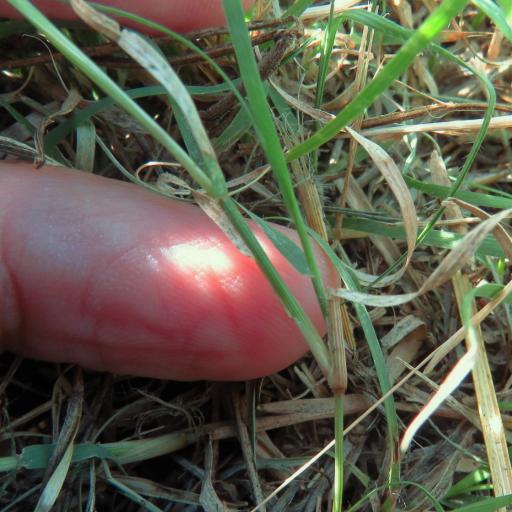
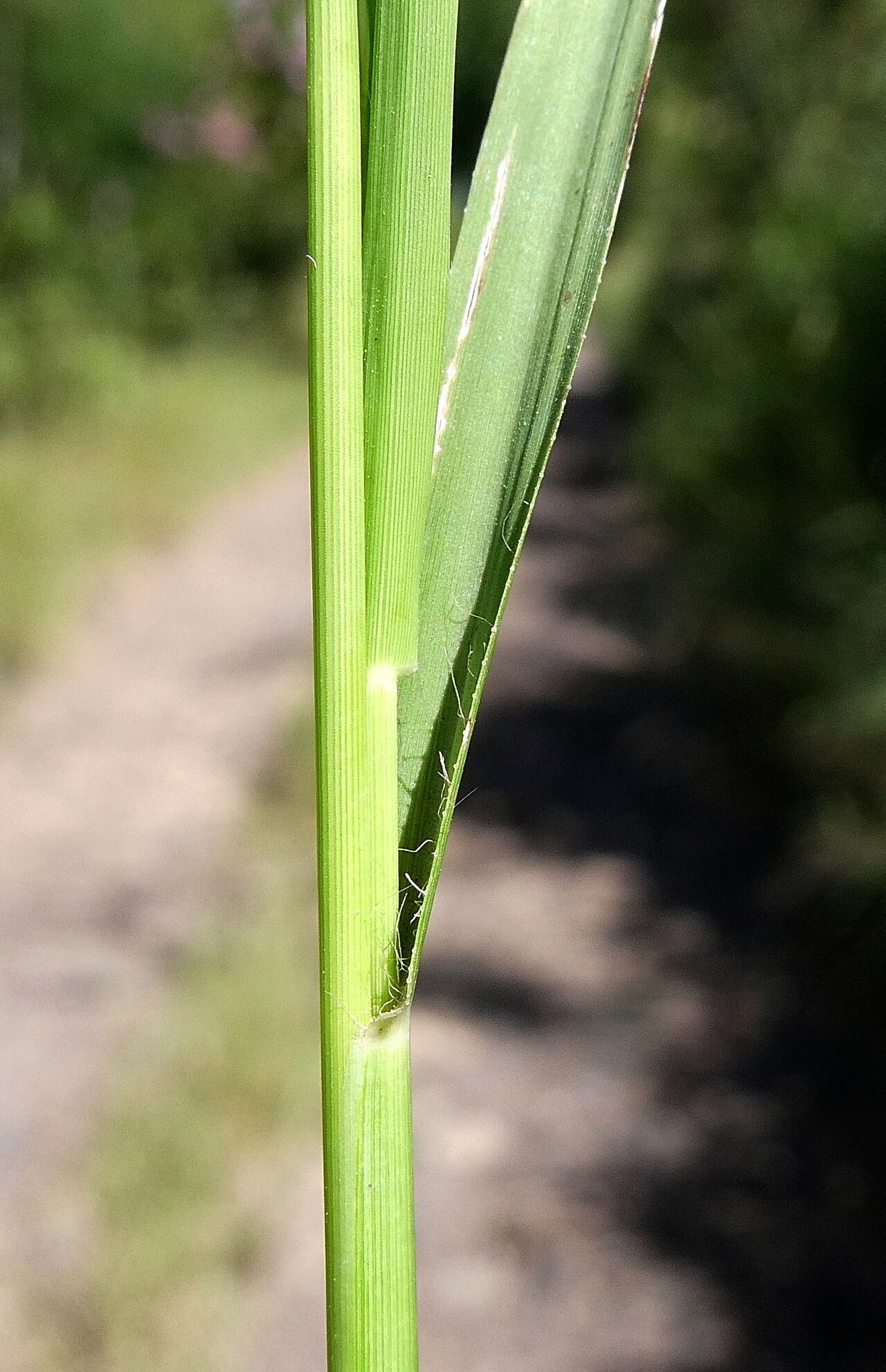
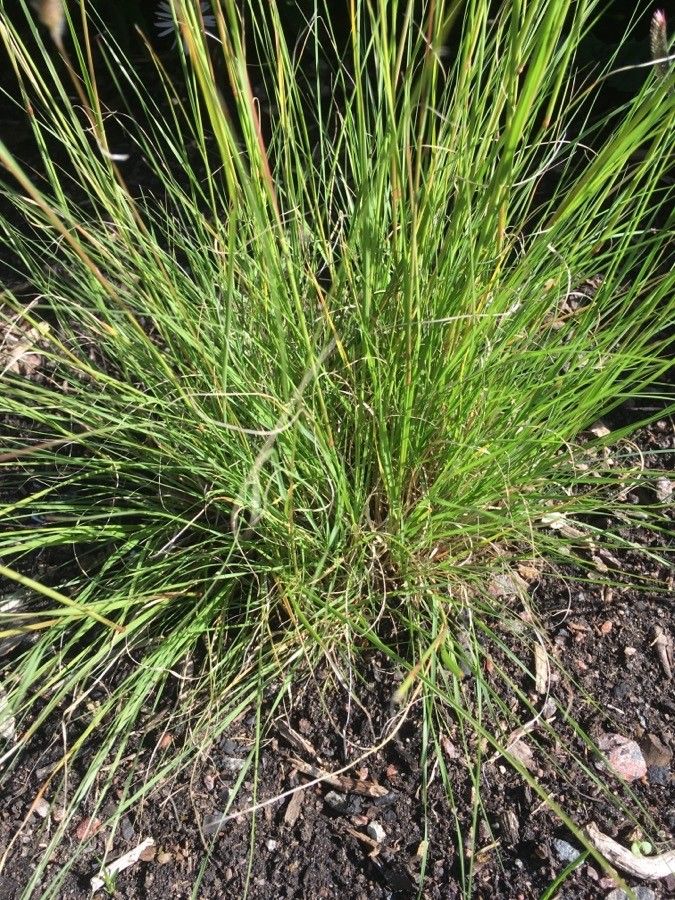
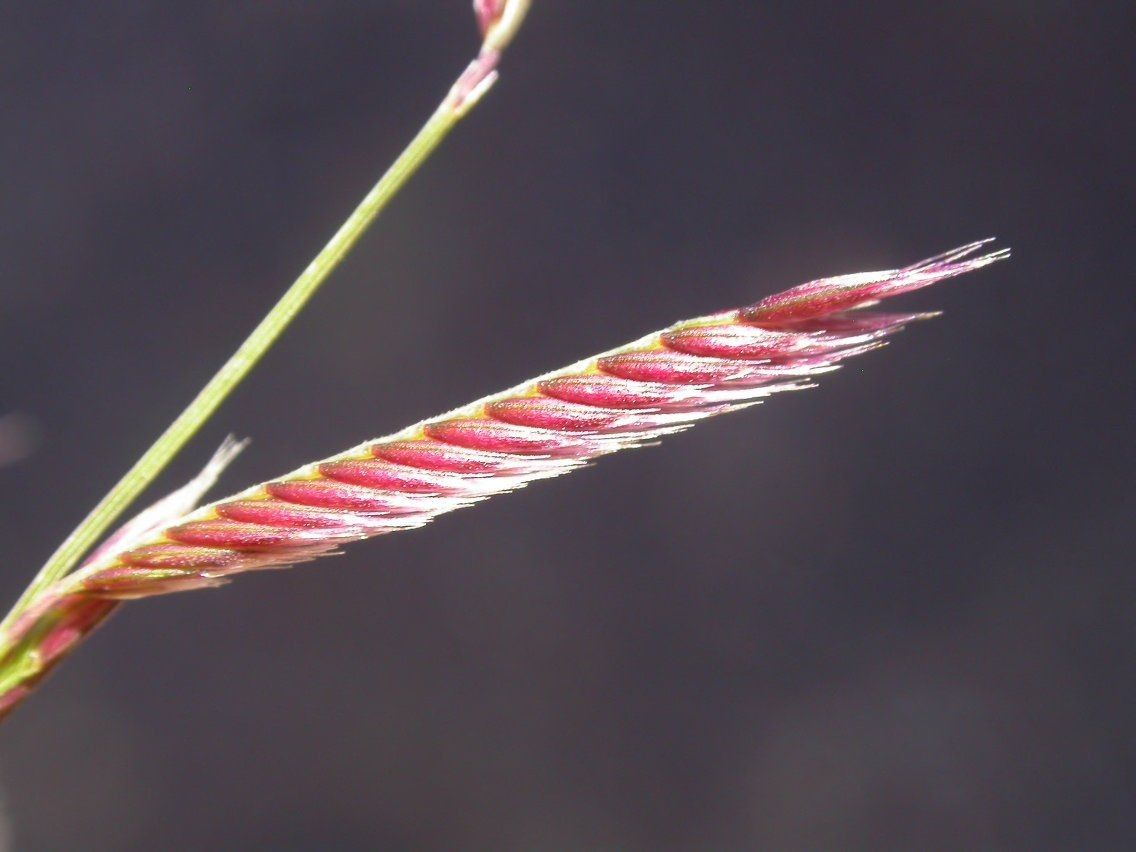
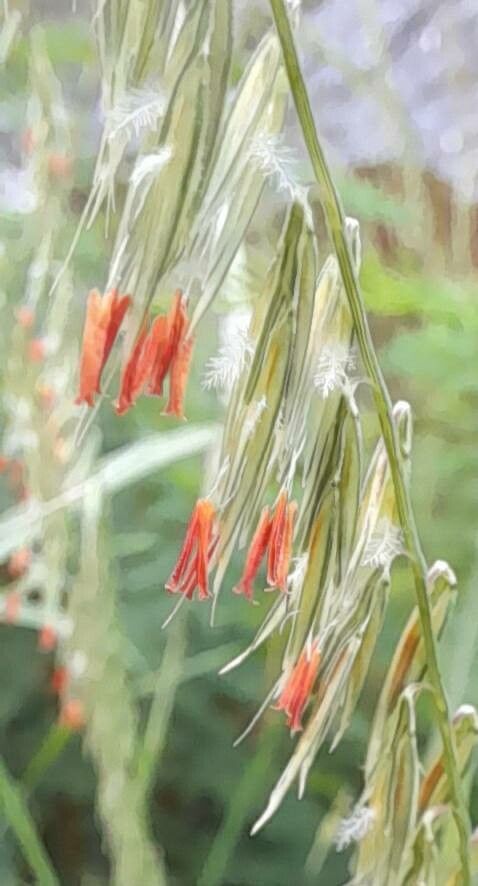
Bouteloua dactyloides, commonly known as buffalograss or buffalo grass, is a North American prairie grass native to Canada, Mexico, and the United States. It is a shortgrass found mainly on the High Plains and is co-dominant with blue grama (B. gracilis) over most of the shortgrass prairie. Buffalo grass in North America is not the same species of grass commonly known as "buffalo" in Australia. It should not be confused with Stenotaphrum secundatum varieties such as 'Sir Walter' or 'Palmetto'.
Buffalo grass is fairly resistant to disease and usually not prone to illnesses. Nevertheless, it can be affected by pests and diseases present in its environment. Such infections tend to be mild. In terms of care, this plant needs moderate maintenance. It should be pruned regularly to preserve a neat appearance and support healthy growth. Fertilizing can also help encourage flowering. Buffalo grass is appropriate for anyone with an outdoor area, like a garden or patio, and does not require extensive care experience. It may need more attention when grown indoors.
How to keep Bouteloua Dactyloides.
Light
Buffalo grass thrives in areas that receive maximum sunlight throughout the day. Although this species can tolerate places with occasional shade, constant sun exposure promotes its strongest growth. In its natural setting, it does best under open skies. An imbalance in light exposure can negatively impact the plant’s health.
Water
Buffalo grass thrives in the prairies of North America and is highly drought-tolerant, thanks to its natural adaptation to arid environments. For optimal growth, it needs to be watered every two weeks. It grows best outdoors, where it can take advantage of rainfall patterns similar to those in its natural habitat.
Temperature
Buffalo grass is suited to a native growing environment with temperatures from 59 to 95 °F (15 to 35 ℃). It prefers warm conditions and will prosper in temperate regions. Across seasons, adjust temperature as needed to ensure its optimal growth.
Fertilizer
Usually one spring application of fertilizer is enough for Buffalo grass, although multiple feedings can optimize growth. Apply fertilizer about every month to six weeks. Fertilizing improves the leaves' appearance and function, helping maintain uniform color and a healthy texture. It also encourages root development and nutrient uptake, supporting long-term plant health.
Pruning
Buffalo grass is a drought-resistant, low-maintenance perennial. To promote healthy growth and improve air circulation, mow it to a height of 5 to 7.5 cm (2 to 3 inches) in early to late spring. Always use sharp, clean tools to avoid causing damage or spreading disease.
Botanical profile.
- Plant Type
- Herb
- Life Cycle
- Perennial
- Genus
- Bouteloua
- Family
- Poaceae
- Hardiness Zone
- 8-9
- Mature Height
- 0 cm to 30 cm
- Mature Spread
- 0.61 m to 1.22 m
- Leaf Color
- Green, Blue, Gray, Silver, Bronze
- Leaf Type
- Semi-evergreen
- Flower Color
- Yellow, Green, Purple, Brown
- Flower Size
- 2.54 cm
- Bloom Time
- Early summer, Mid summer
- Planting Time
- Spring, Summer, Autumn
- Harvest Time
- Mid summer, Late summer, Early fall
- Native Area
- Mexico
Other names.