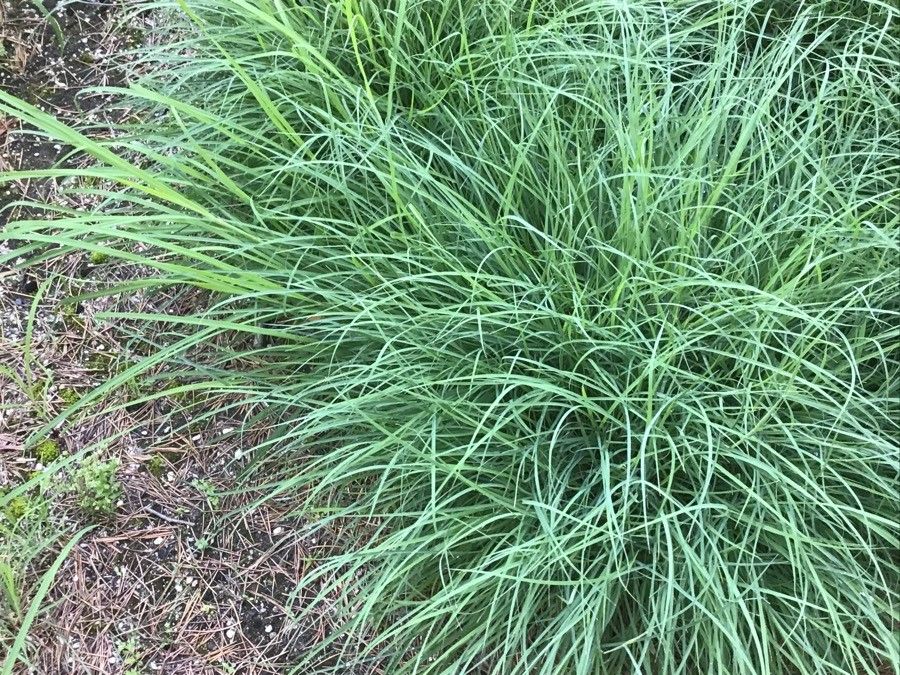
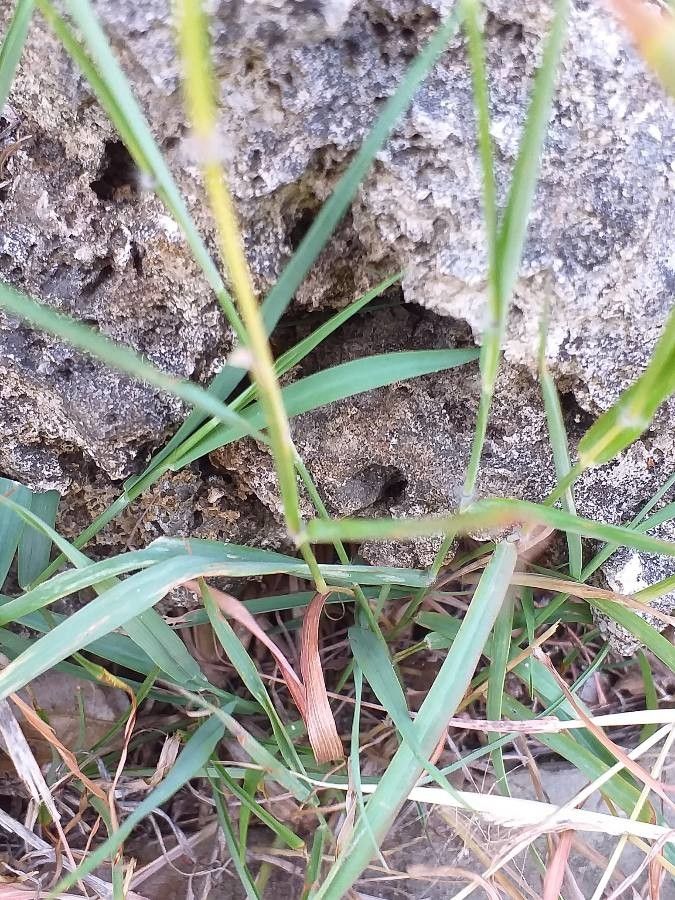
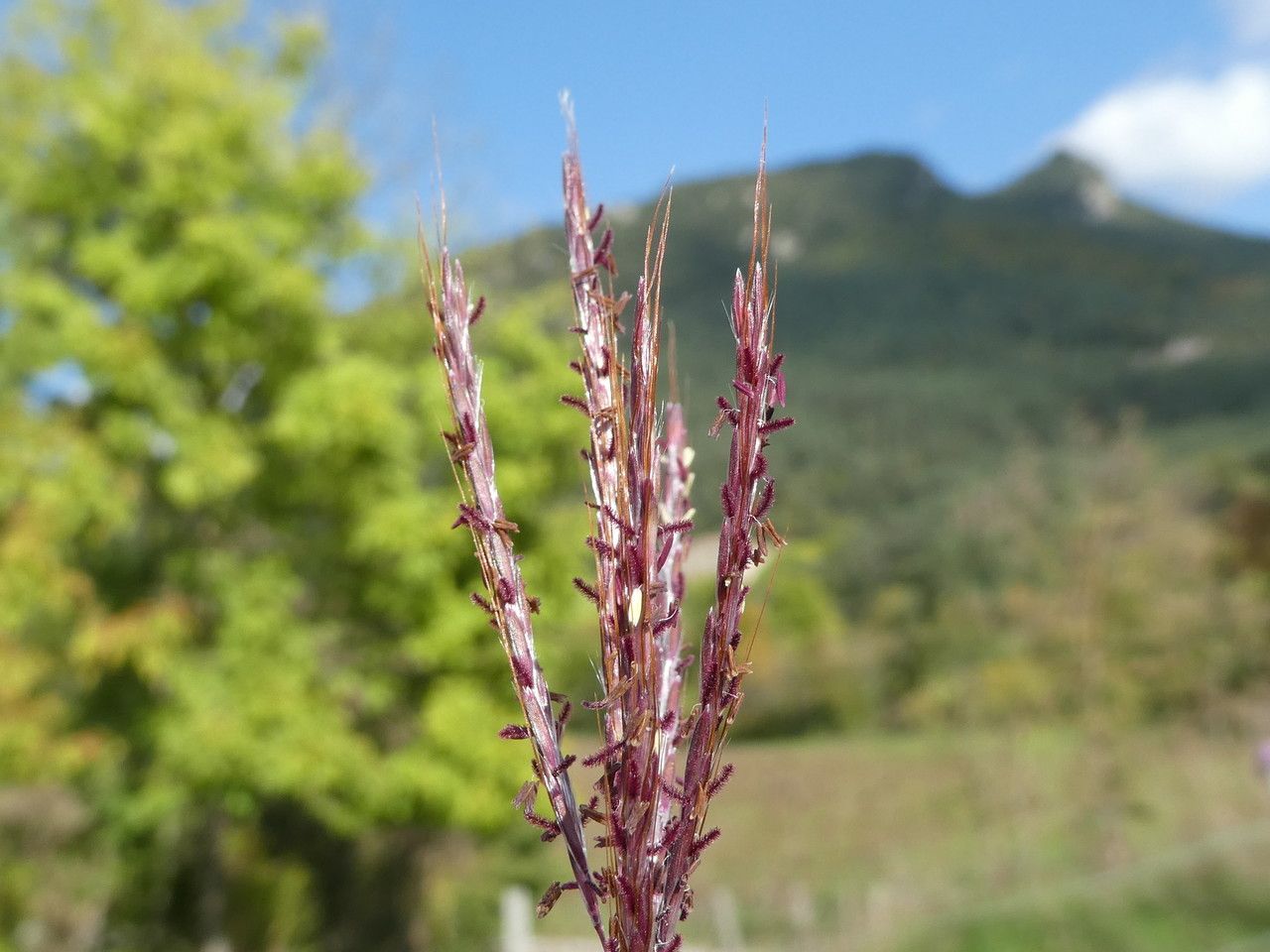
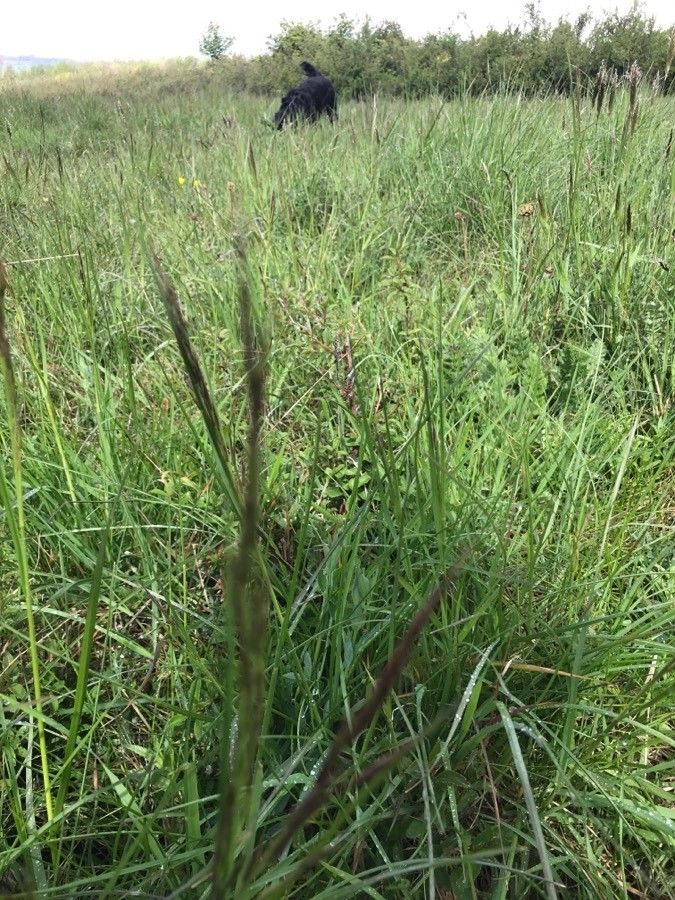
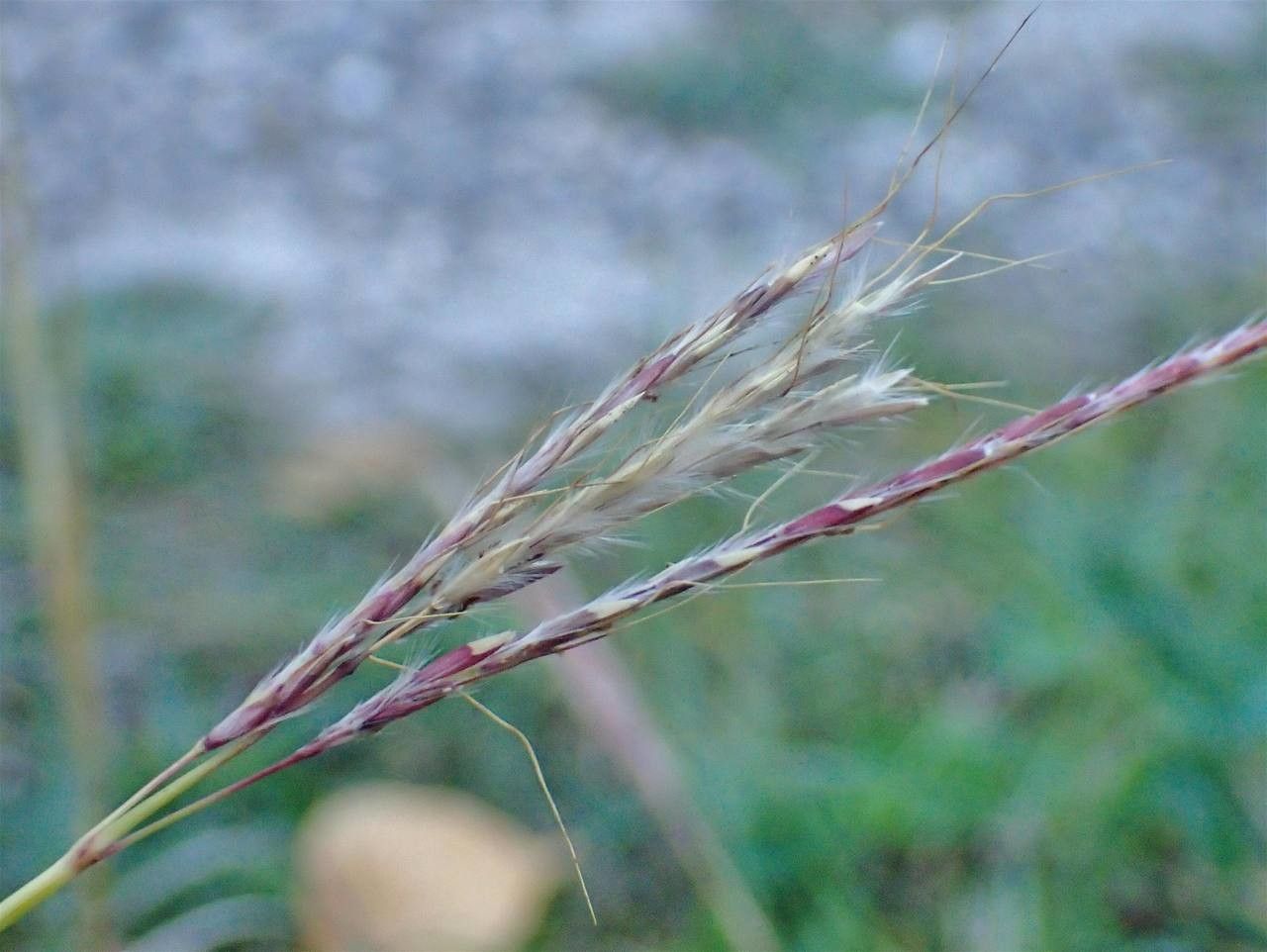
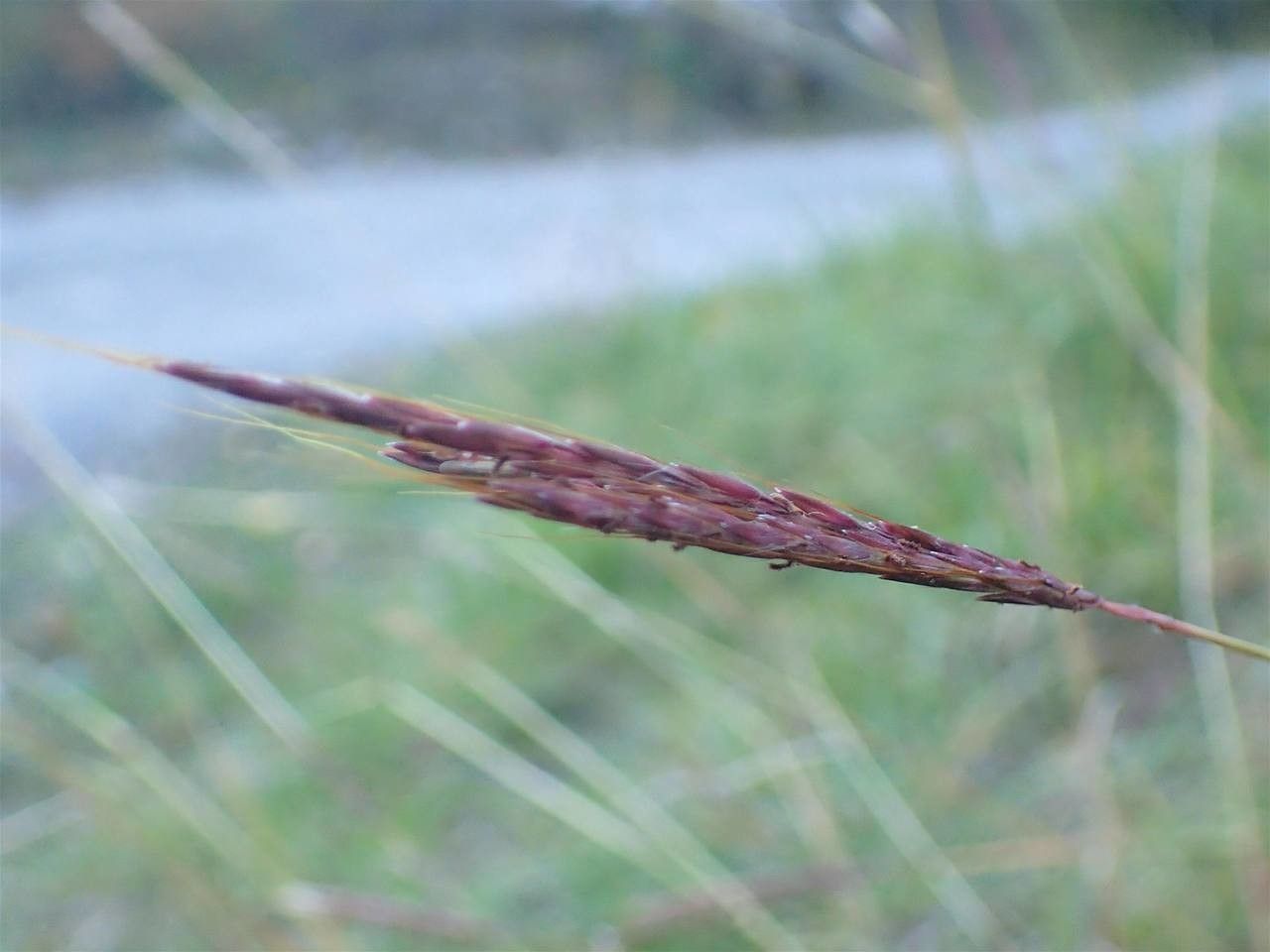
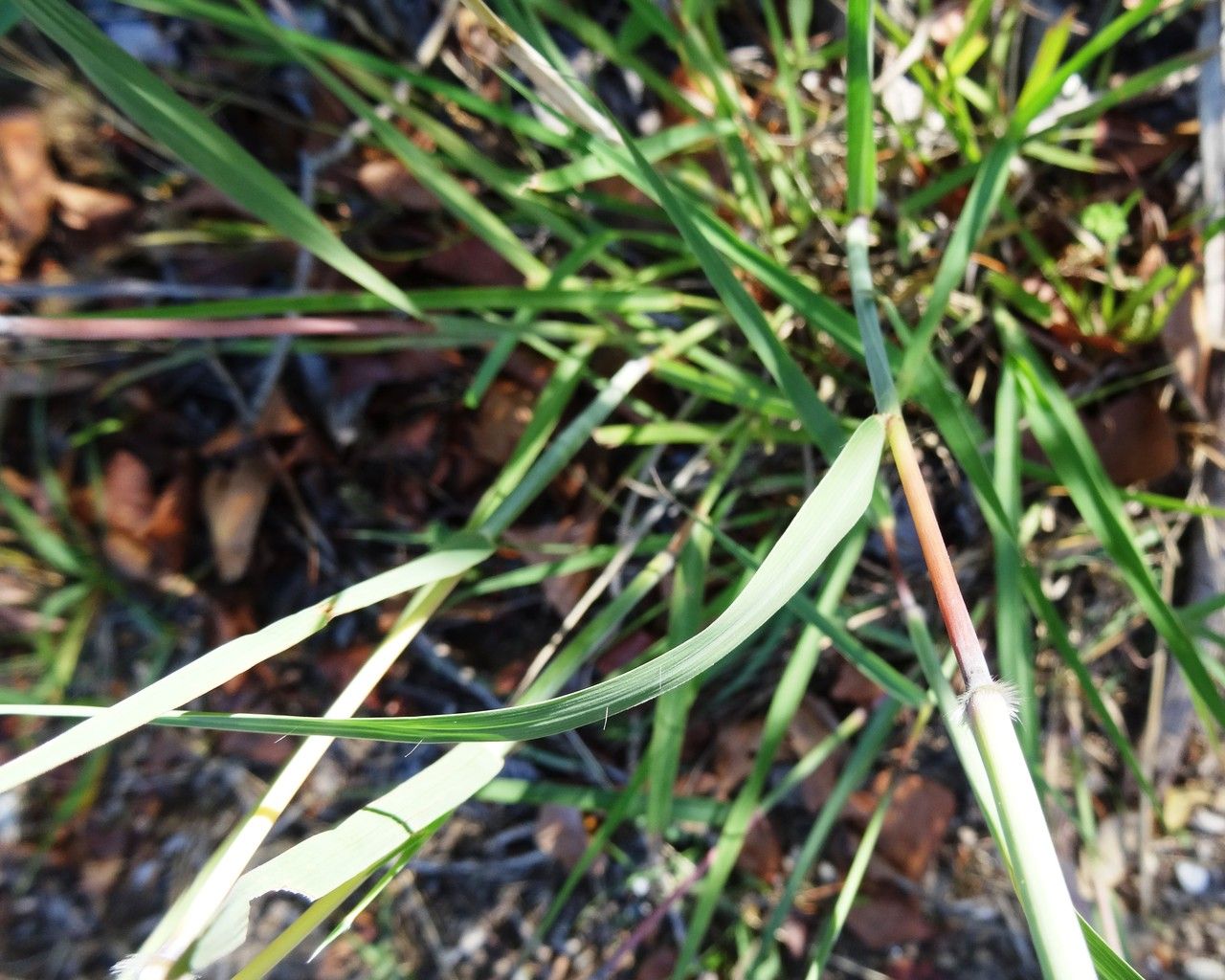
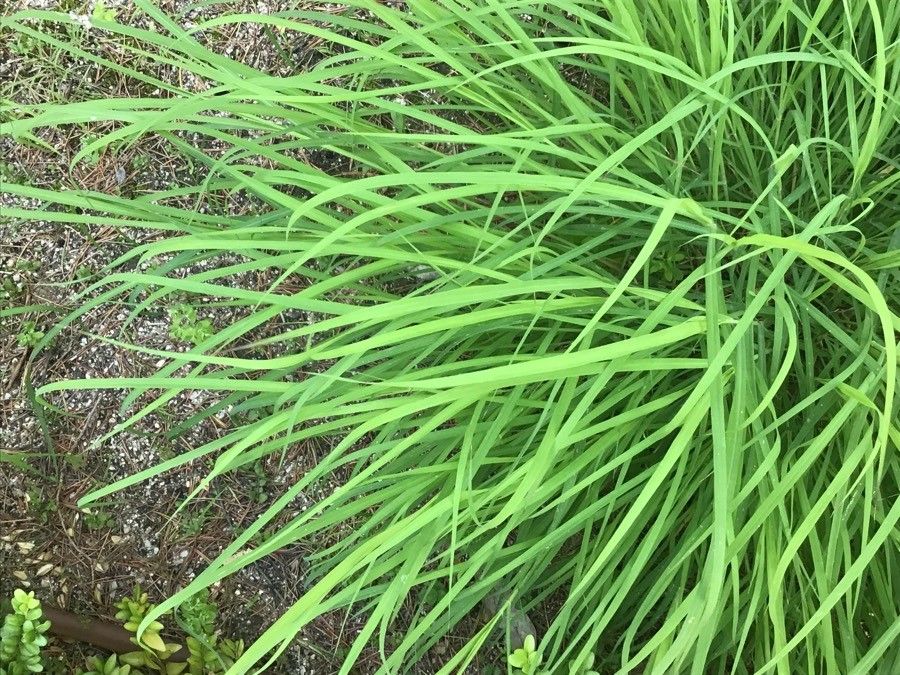
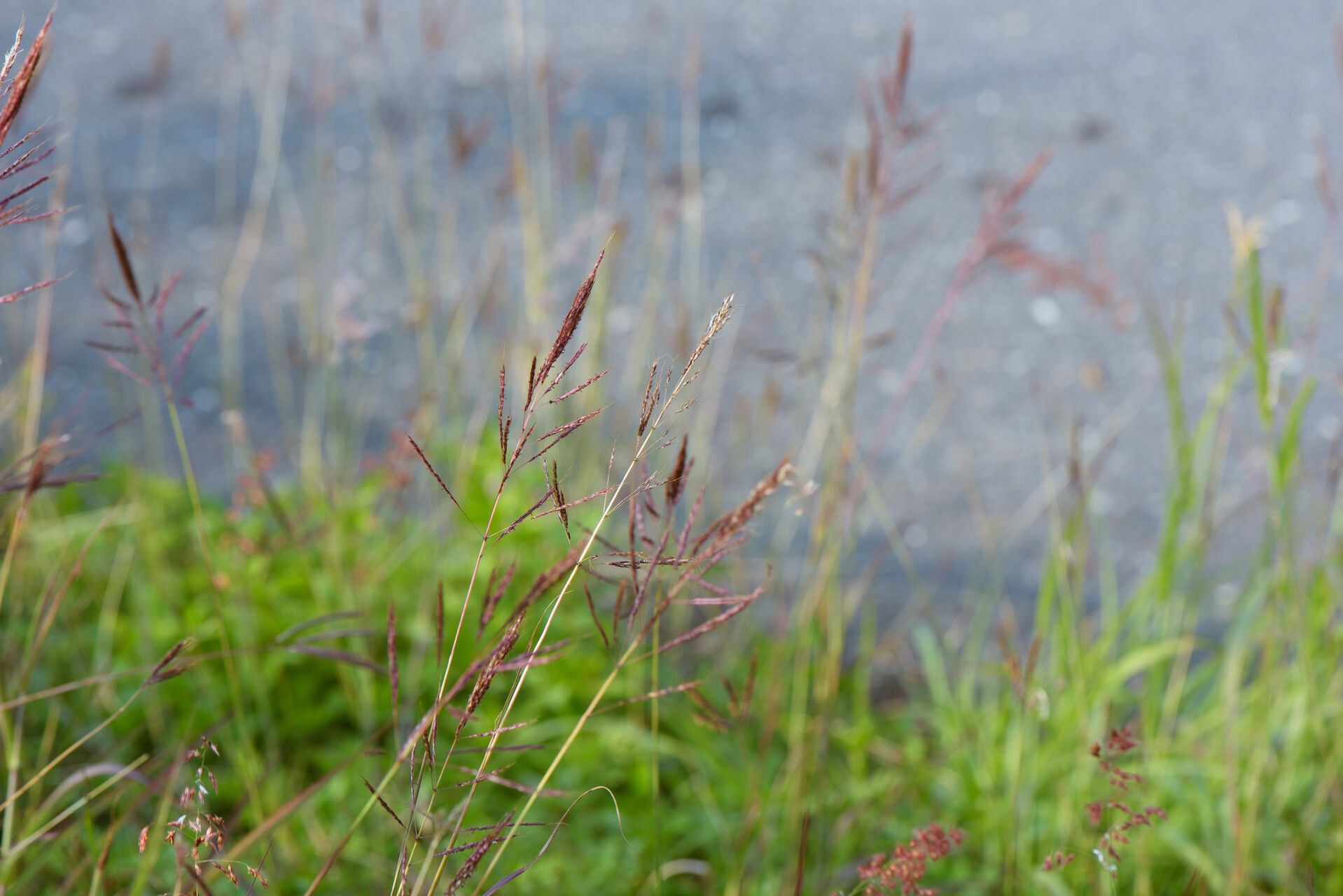
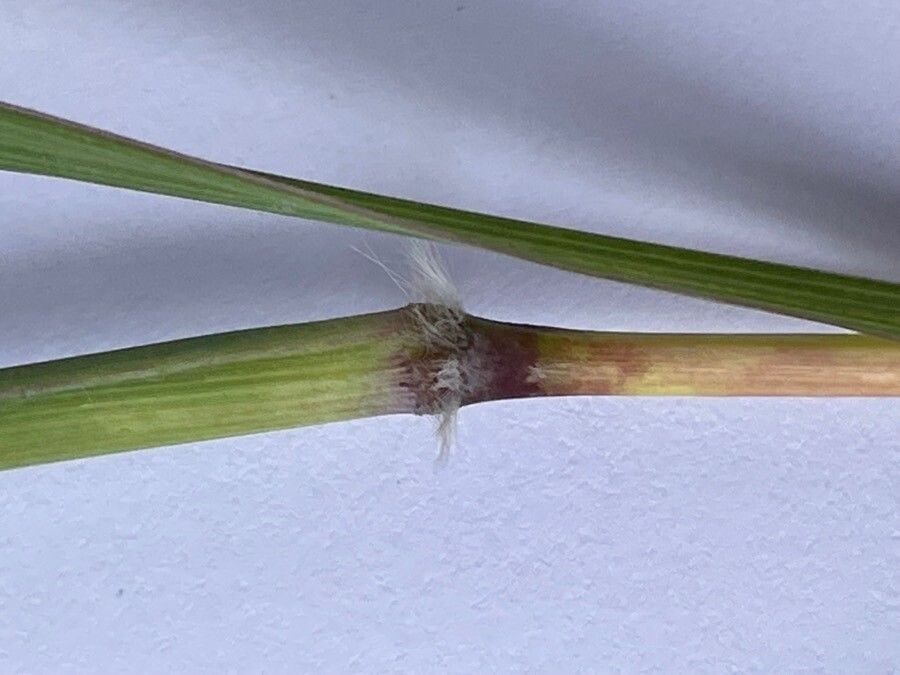
Bothriochloa ischaemum is a species of perennial grass in the family Poaceae, found throughout much of the world. It is commonly known as yellow bluestem. Two varieties are recognized, of which Bothriochloa ischaemum var. ischaemum is native to Europe, Asia, and Africa and naturalized elsewhere, and var. songarica is native to Asia and naturalized elsewhere. Var. songarica is an invasive weed in Texas, where it is known as "King Ranch bluestem"; it has displaced native grasses in large areas of central and south Texas.The species name come from the Ancient Greek ischaemum, a styptic (causing ischemia).
Yellow bluestem is fairly disease-resistant and generally not prone to illnesses. However, it can be affected by pests and diseases present in its surroundings. Such infections are usually mild. Regarding care, this plant needs moderate maintenance. Regular pruning is required to keep a neat appearance and support healthy growth. Fertilizing can also help encourage flowering. Yellow bluestem is appropriate for anyone with outdoor space, like a garden or patio, and does not need extensive care experience. It may need extra attention if grown indoors.
How to keep Bothriochloa Ischaemum.
Light
Yellow bluestem performs best with ample sun during the day, which encourages healthy growth. In its native range it prospers in open locations where sunlight is plentiful. Too much or too little light can cause stress to the plant. It can also tolerate situations where sunlight is partially blocked.
Water
Yellow bluestem grows well when it receives a moderate amount of moisture. To prevent overwatering, it's best to water it twice a week. This plant is drought-resistant and can adapt to different levels of rainfall. It is suitable for outdoor growth and can thrive in garden beds or containers, as long as there is proper drainage.
Temperature
Yellow bluestem performs best in cool to moderately warm temperatures, typically between 41 and 89.6 °F (5 to 32 ℃). Because it comes from native habitats with that temperature range, it may require temperature adjustments when seasonal changes are dramatic.
Fertilizer
One fertilizer application in spring is generally enough for Yellow bluestem, though several feedings can maximize growth. Apply it about once a month to every six weeks. Fertilization improves leaf appearance and function, helping maintain even color and a healthy texture. It also promotes root development and nutrient uptake for long-term plant health.
Pruning
The invasive grass known as yellow bluestem benefits from early spring pruning, which involves removing dead stems to boost its growth and prevent overcrowding. By regularly cutting back spent flower stalks, you can control seed spread, maintain a tidy landscape, and keep the plant from becoming problematic.
Botanical profile.
- Plant Type
- Herb
- Life Cycle
- Perennial
- Genus
- Bothriochloa
- Family
- Poaceae
- Hardiness Zone
- 5-8
- Mature Height
- 30 cm to 91 cm
- Mature Spread
- 15 cm to 30 cm
- Leaf Color
- Green, Blue
- Leaf Type
- Deciduous
- Flower Color
- Lavender
- Flower Size
- 0.25 cm to 0.51 cm
- Bloom Time
- Summer
- Planting Time
- Spring, Summer
- Harvest Time
- Late summer, Early fall, Mid fall
- Native Area
- Turkey, India, Austria, Slovakia, Pakistan, Slovenia, Croatia, Uzbekistan, Russia, Germany, Koppen, Romania, Belgium, Moldova, Portugal, Nepal, France, Tajikistan, Tunisia, Czech Republic, Bulgaria, Armenia, Poland, Greece, Ukraine, Serbia, Lebanon, China, Afghanistan, Syria, Kyrgyzstan, Kazakhstan, Italy, Spain, Switzerland, Myanmar, Mongolia, Japan, Iran, Albania, Azerbaijan, Algeria, Hungary, Turkmenistan
Other names.
Reader questions.
How should I water my Yellow bluestem plant?
To properly water the Yellow bluestem, use filtered water at room temperature. Tap water may contain particles that can harm the plant, so filtering it is preferred. Since the Yellow bluestem is native to warm environments, it is important to avoid using cold water as it can shock the plant. Additionally, overhead watering should be avoided to prevent leaf problems. Instead, apply filtered room temperature water directly to the soil until it is completely soaked. This method is beneficial as it helps moisten the roots, allowing them to spread and collect necessary nutrients.
Why should I add fertilizer to my Yellow bluestem?
The structure of the Yellow bluestem is mostly made up of its leaves. Fertilization is an important way to ensure that these leaves not only look great but also function properly. By properly fertilizing your Yellow bluestem, you can help it maintain consistent leaf color and a healthy texture. Fertilization also has benefits below the soil's surface, as it helps the plant develop new roots and maintain existing ones. This not only keeps your plant healthy in the present but also improves its ability to absorb soil nutrients in the future.
What are the sunlight requirements for Yellow Bluestem?
Yellow Bluestem requires a significant amount of sunlight throughout the day to thrive healthily. In its natural habitat, it grows best in open areas where it can receive abundant sunlight. The plant needs more than 6 hours of sunlight for full sun exposure, whereas about 3-6 hours of sunlight is adequate for partial sun. It's essential to ensure that the plant gets the right balance of light and shade to prevent stress from excessive or insufficient light. Notably, the way sunlight moves through your garden should be observed to place plants in spots that offer an ideal mix of light and shade, ensuring their growth and happiness.
What is the optimal temperature range for growing Yellow bluestem?
Yellow bluestem thrives best in temperatures ranging from 41 to 89.6 °F (5 to 32 °C), which aligns with its native temperature conditions. It has a strong resistance to cold, usually negating the need for special frost protection measures. However, if winter temperatures are anticipated to drop below -25°C, it is crucial to provide cold protection by covering the plant with soil or straw. Additionally, to combat drought and water scarcity during the colder months and early spring, it's advisable to water the plant abundantly before the first freeze of autumn, ensuring the soil remains moist and enters a frozen state.
What should I do if I give my Yellow bluestem plant too much or too little water?
Taking care of your Yellow bluestem requires understanding the effects of both overwatering and underwatering. Overwatering is a common mistake that can cause wilting, yellowing leaves, and potentially lethal diseases like root rot, mold, and mildew. On the other hand, underwatering is less common due to the plant's ability to tolerate drought. However, it can still happen, resulting in brittle, brown leaves. It is crucial to be alert to signs of overwatering, as some diseases may become irreversible if not addressed promptly. Reduce watering if you notice early signs, and evaluate the soil quality for proper drainage. For underwatering, simply increase your watering frequency until the signs disappear.
When should I fertilize my Yellow bluestem?
If you grow your Yellow bluestem outdoors each year, it will send new growth shooting out in early spring, which is a sign that it is time to begin fertilization. Typically, a single application of fertilizer in the spring is sufficient for a Yellow bluestem to thrive. However, if you want to maximize its growth, you can repeat the feeding multiple times throughout the spring and early summer. In this case, you can feed your Yellow bluestem about once every month to a month and a half.
How can artificial lighting support Yellow Bluestem's growth indoors?
When natural sunlight is insufficient, especially during winter or in less sunny locations, artificial lighting becomes crucial for Yellow Bluestem's growth indoors. Adequate lighting is essential for its optimal growth. LED lights are often recommended for indoor plants because they can be tailored to provide the specific light wavelengths needed. For full sun plants, 30-50W per square foot is necessary; partial sun plants require 20-30W per square foot, and full shade plants need 10-20W per square foot. The light source should be placed 12-36 inches above the plant to mimic natural sunlight conditions, and most plants will need 8-12 hours of light per day to mimic the length of natural daylight hours appropriately.
How does low temperature affect Yellow bluestem and how can it be managed?
Yellow bluestem can tolerate cold conditions and performs best when the temperature stays above 5°C. However, temperatures below -25°C can affect the plant, potentially leading to a reduction in sprouting or no sprouting at all during the spring. In dealing with the aftermath of cold damage, it's recommended to remove parts of the plant that have failed to sprout as the weather warms up in spring.
How often do I need to water my Yellow bluestem?
If your Yellow bluestem is in a pot, the most precise way to determine if it needs water is by sticking your finger into the soil. If the top two to three inches of soil are dry, then it's time to water it. If you have your Yellow bluestem planted outdoors in the ground, you can use a similar method to test the soil. Once again, if the top few inches of soil are dry, it's time to water. Typically, during spring and early fall, you'll need to water this plant about once a week using this method. However, during extremely hot weather, you may need to increase the watering frequency to twice or even more times per week. That being said, mature and well-established Yellow bluestem plants can withstand drought quite well.
When is it best not to add fertilizer to my Yellow bluestem?
During late fall and winter, your Yellow bluestem goes into a dormant phase where it stops growing. It's important to refrain from fertilizing it during this time. In the spring and summer, if you decide to fertilize multiple times, gradually reduce the amount as summer approaches because the growth rate of your Yellow bluestem also slows down. In general, it's not a good idea to fertilize your Yellow bluestem when the weather is unusually hot or when the soil is excessively dry. Fertilizing during these conditions can stress your Yellow bluestem and cause it to die prematurely.
What are the symptoms of inadequate light in Yellow Bluestem?
Symptoms of inadequate light in Yellow Bluestem include small, newly grown leaves compared to previous ones, leggy or sparse growth with longer spaces between leaves or stems, faster leaf drop as the plant sheds older leaves to conserve resources, slower or halted growth as the plant enters survival mode, and the development of lighter-colored or irregularly patterned new leaves indicating a lack of chlorophyll and essential nutrients. Additionally, chlorosis may occur, leading to yellowing leaves due to chlorophyll breakdown from excessive sunlight, negatively affecting photosynthesis. Sunscald, leaf curling, wilting, and leaf scorching are also symptoms of too much sunlight exposure, indicating damage or stress from intense sunlight.
How does high temperature affect Yellow bluestem and what are the solutions?
During the summer, it's crucial to keep Yellow bluestem's temperature below 32°C, as exposure to temperatures above 35°C can lead to the plant's leaves becoming lighter in color, curling, becoming susceptible to sunburn, and in severe cases, wilting and drying out. To mitigate these effects, trim away sunburned and dried parts of the plant, relocate it to a shaded area or use a shade cloth to protect it from the midday and afternoon sun. Moreover, maintaining soil moisture by watering the plant in the morning and evening can help alleviate the stress from high temperatures.