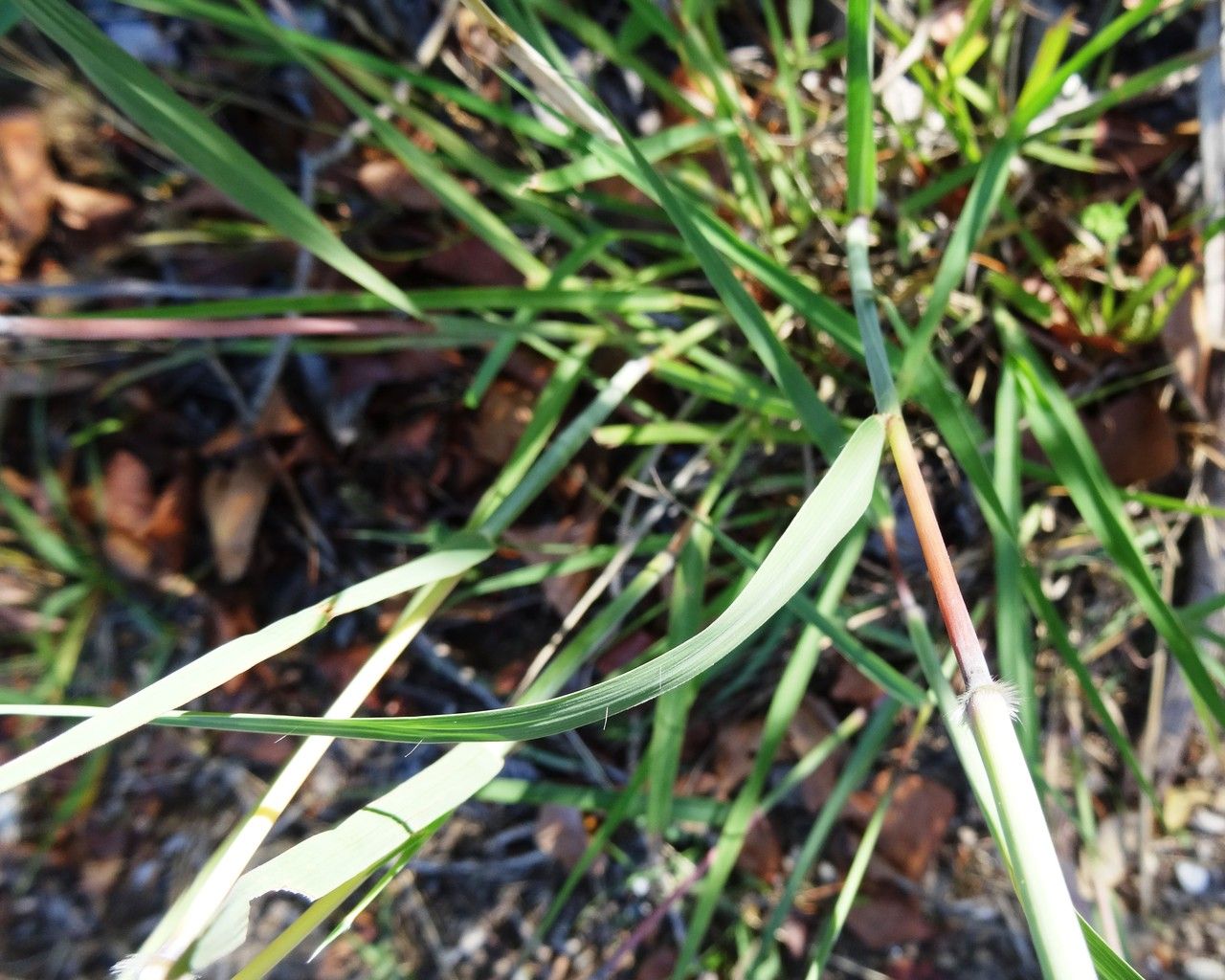
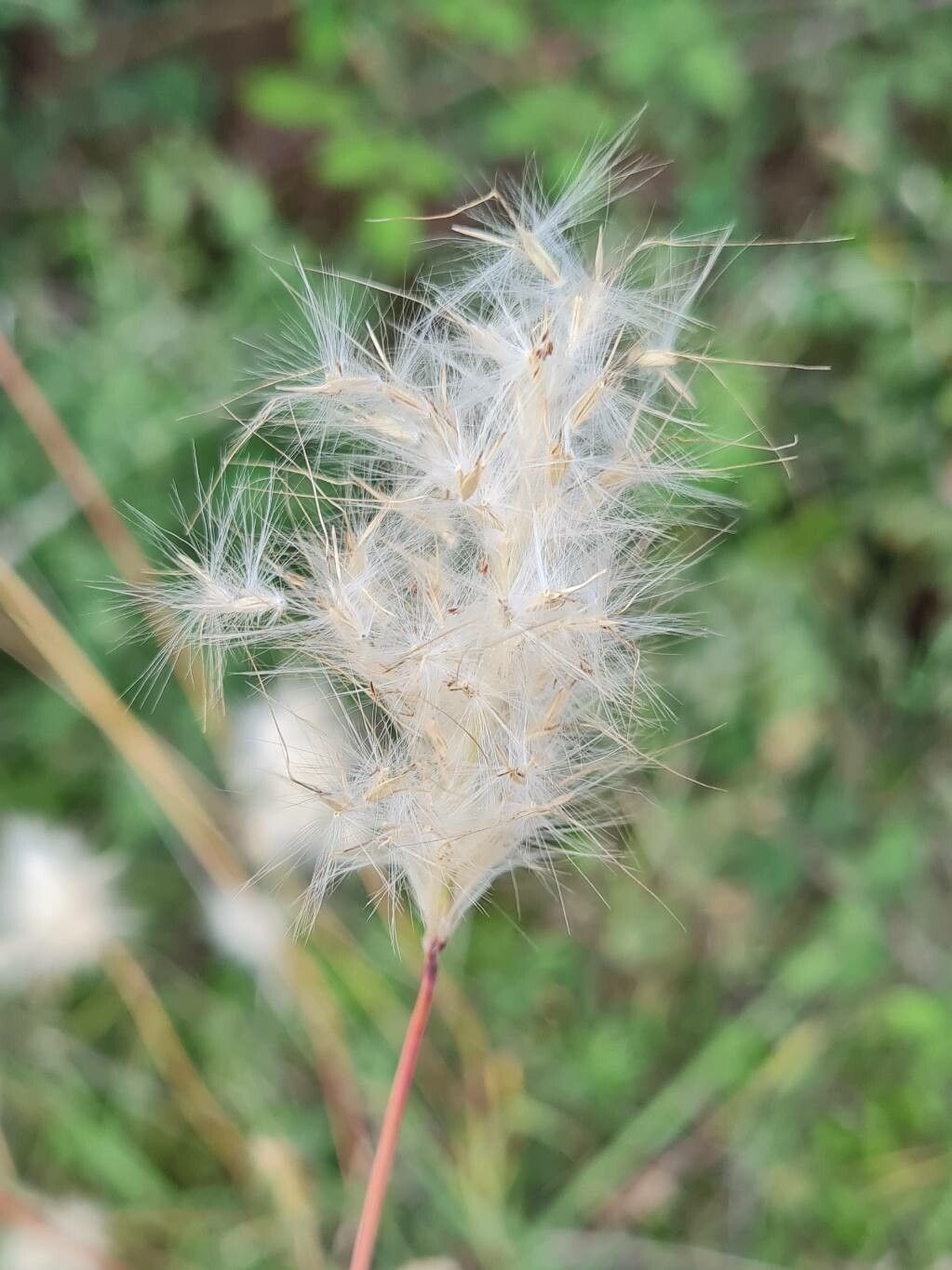
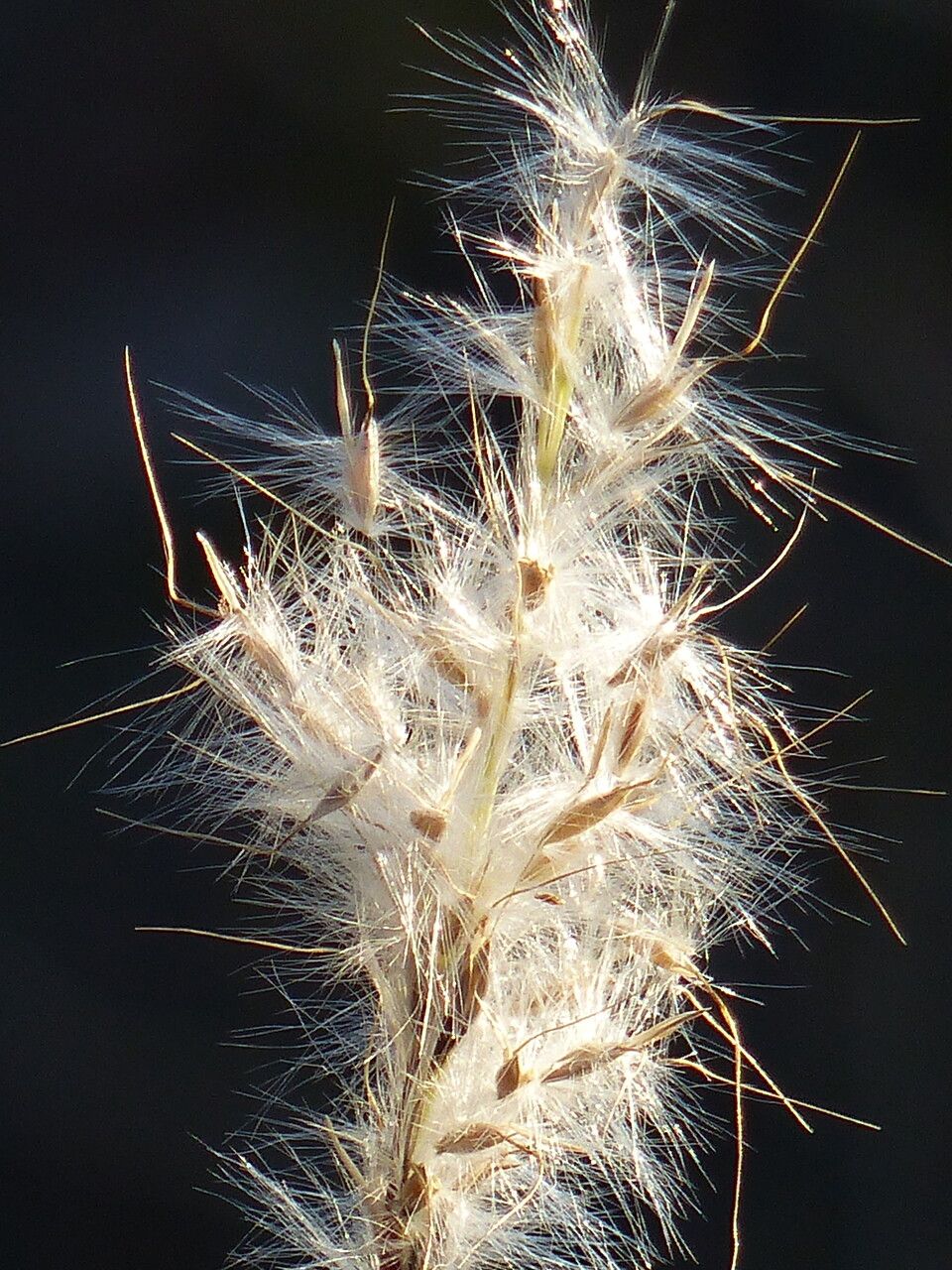
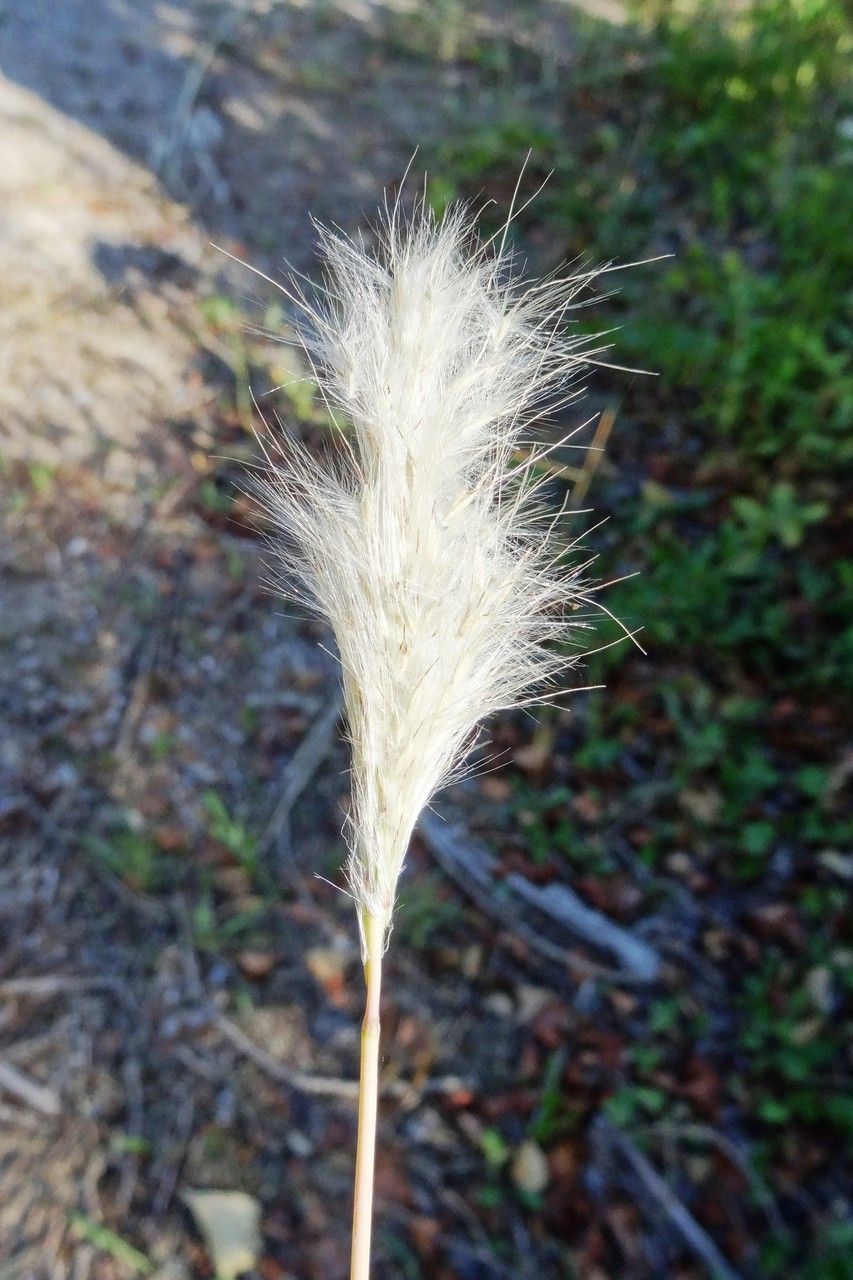
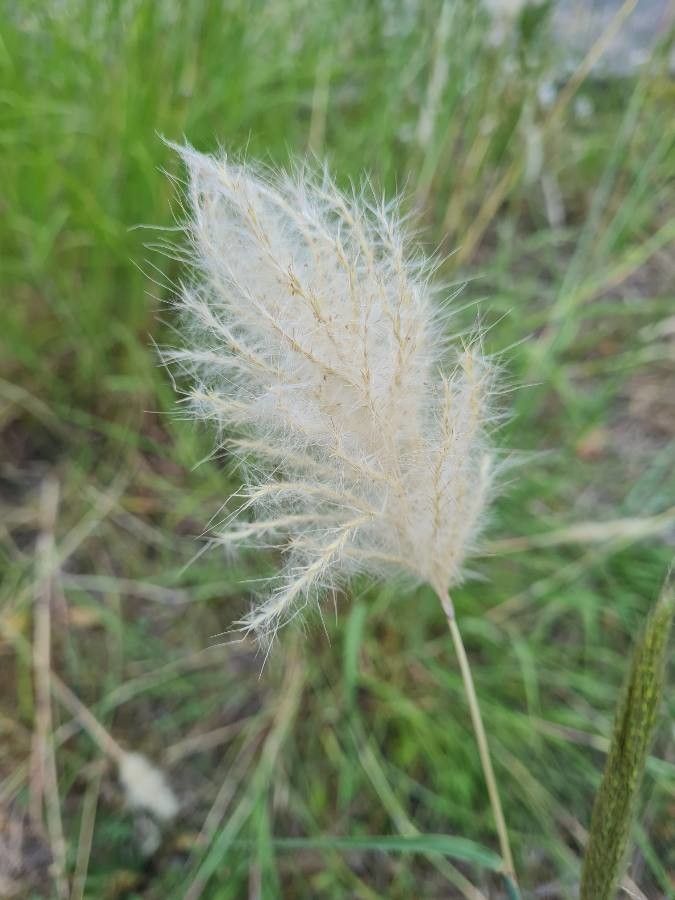
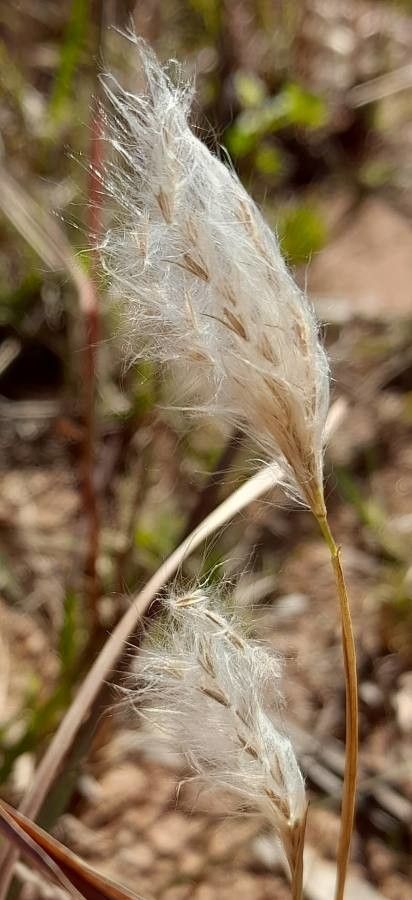
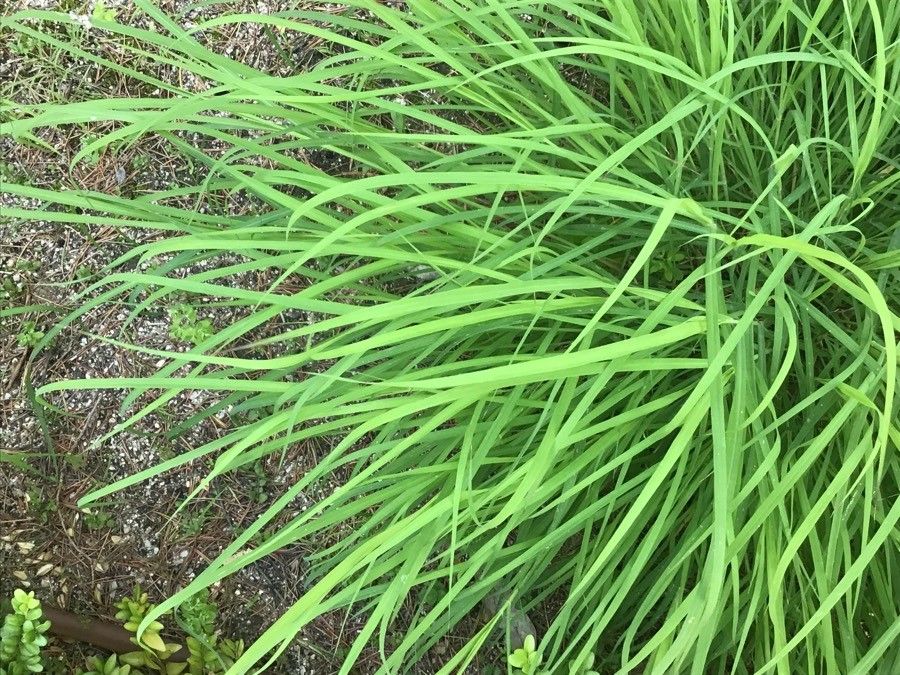
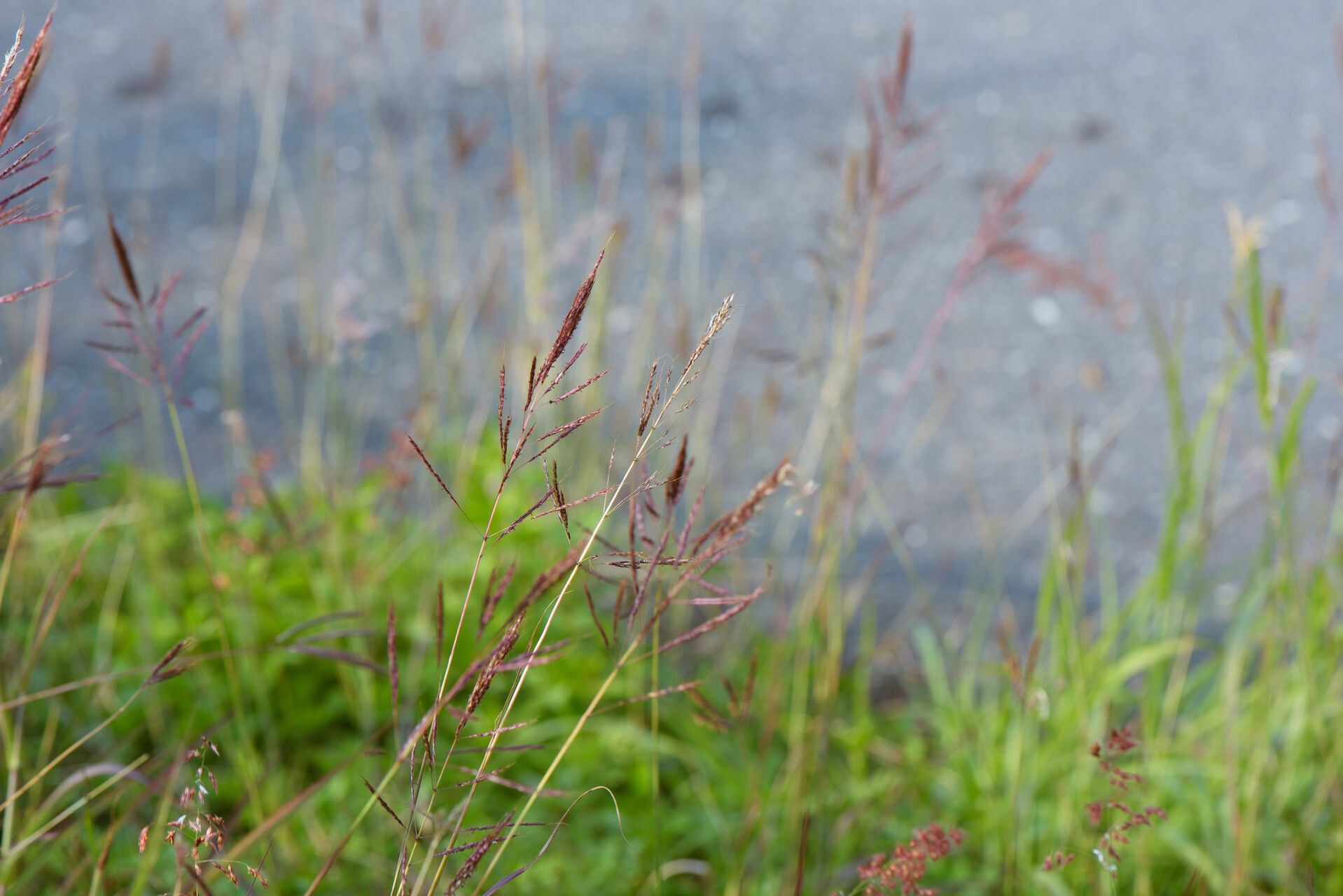
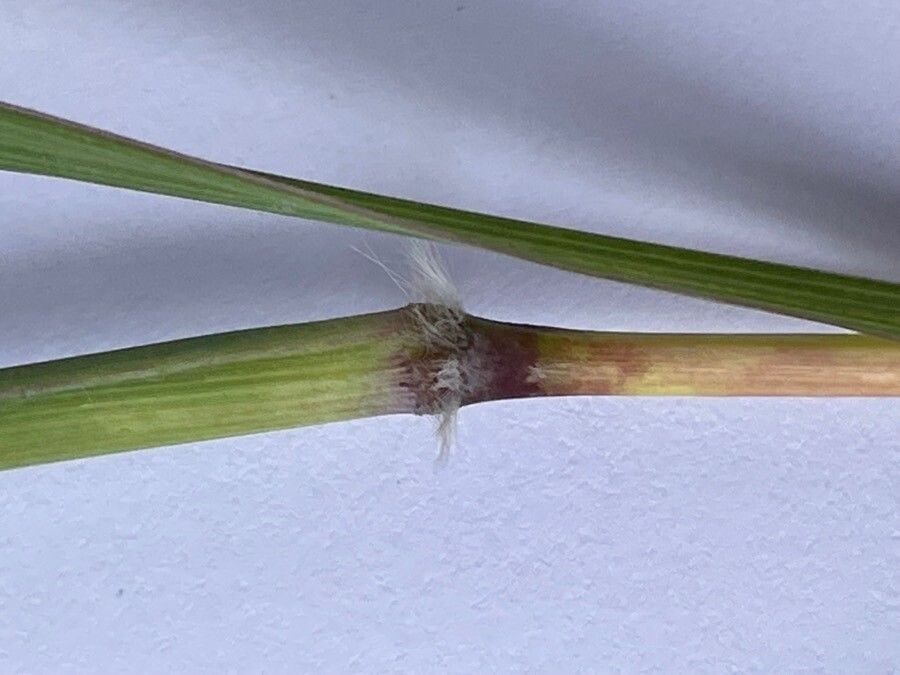
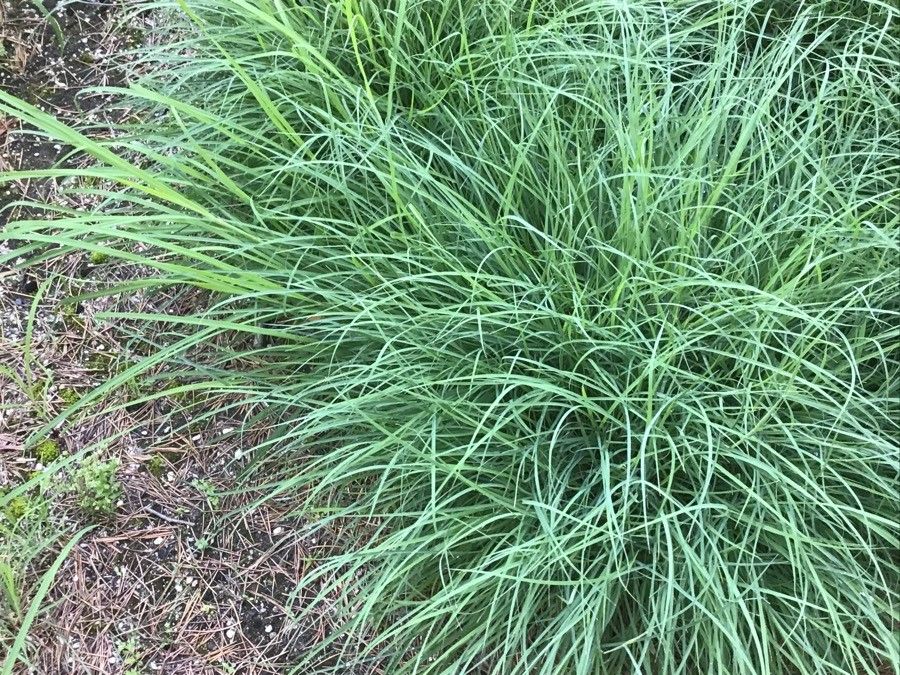
Bothriochloa barbinodis, commonly known as cane bluestem or bluejoint, is a warm-season perennial grass native to the southern United States and northern Mexico. It typically grows to a height of 3 to 6 feet and features blue-green leaves up to 1 inch wide. The plant produces dense panicles of spikelets that can grow up to 6 inches long and contain numerous small flowers.
Cane bluestem is commonly found in prairies, savannas, and open woodlands. It prefers well-drained soils but can tolerate occasional flooding. During the summer months, when other grasses have dried up, cane bluestem provides important forage for livestock.
This plant has also been historically used in traditional medicine for its anti-inflammatory properties and as a treatment for snakebites. In addition, it shows potential as a biofuel crop due to its high biomass production.
Overall, Bothriochloa barbinodis is a significant grass species with ecological, agricultural, medicinal, and industrial importance.
Cane bluestem has strong resistance to disease and is generally not prone to illnesses. In terms of care, this plant is fairly low-maintenance. When grown outdoors, it needs minimal watering, and larger specimens typically do not require pruning. Smaller plants, however, should be pruned after they have finished blooming. Cane bluestemt is suitable for anyone with an outdoor area, such as a garden or deck, and does not require a great deal of care experience.
How to keep Bothriochloa Barbinodis.
Light
Cane bluestem grows best with abundant sunlight, although it can tolerate lower light levels as well. Light intensity is important for its health and growth. In its native habitats it is often found in open areas that receive a lot of sun. Both too much and too little sunlight can adversely affect its growth and may cause damage.
Water
Cane bluestem originates from regions with varying moisture levels. It thrives with moderate watering, typically needing to be watered twice a week. Although it's commonly grown outdoors to benefit from natural rainfall, cane bluestem is resilient during the growing season, provided it receives enough water for healthy growth.
Temperature
Cane bluestem is native to habitats with temperatures between 59 and 95 °F (15 and 35 ℃). People tending this plant should aim to keep temperatures in that range, modifying conditions as needed through different seasons.
Fertilizer
Cane bluestem benefits from extra nutrients to encourage healthy new growth. In spring, spreading compost around the base of the plant will effectively supply the nutrition it requires. Fertilizing supports vigorous growth and helps the plant resist diseases and pests.
Pruning
Cane bluestem is characterized by its tall, feathery seed heads and its resistance to drought. To maintain its shape and remove dead stems, prune it in early spring. Use clean tools to make precise cuts, which will improve airflow, reduce the risk of disease, and promote growth. This will also help manage its height and spread, resulting in a well-maintained garden appearance.
Botanical profile.
- Plant Type
- Grass
- Life Cycle
- Perennial
- Genus
- Bothriochloa
- Family
- Poaceae
- Hardiness Zone
- 7-9
- Mature Height
- 0.61 m to 1.22 m
- Mature Spread
- 61 cm to 91 cm
- Leaf Color
- Green, Light Green
- Leaf Type
- Deciduous
- Flower Color
- White, Green, Cream, Purple, Brown
- Flower Size
- 5.08 cm to 10.16 cm
- Bloom Time
- Summer
- Planting Time
- Spring, Summer, Autumn
- Harvest Time
- Late summer, Early fall, Mid fall
- Native Area
- Colombia, Mexico, Guatemala, Bolivia, Peru, Brazil, El Salvador, Ecuador
Other names.
Reader questions.
What do I need to do if I give my Cane bluestem too much water or too little water?
To ensure the best performance of this beautiful ornamental grass, proper watering is crucial. When planted in the ground, watering issues can be resolved. However, in a container, the wrong amount of water can quickly lead to the demise of Cane bluestem. Insufficient water can cause stunted growth, while overwatering can result in yellow leaves with brown tips. This grass can also exhibit drooping leaves, weak seed head production, and browned leaves when underwatered. If you suspect improper watering, determine if it is too much or too little. If overwatered, stop watering immediately, as it may take time for heavy soils to dry out. Once you see new growth, test the soil for moisture before deciding if additional water is needed. Conversely, if the grass is receiving too little water, simply give it a deep drink to see if it perks up. Remember, deep watering is always better than frequent shallow waterings. This encourages the growth of deep roots, making the grass more resistant to drought and less susceptible to watering-related issues.
Why is it important to fertilize my Cane bluestem?
Fertilizing Cane bluestem is necessary for a few reasons. Firstly, it provides your plant with the necessary nutrients for healthy new growth. Secondly, these additional nutrients also benefit the health of existing growth and assist in warding off diseases and pests.
What are the sunlight requirements for Cane Bluestem?
Cane Bluestem requires full sun exposure, which is classified as above 6 hours of sunlight daily, to thrive optimally. It can also adapt to partial sun conditions, receiving about 3-6 hours of sunlight. Monitoring the movement of sunlight through your garden and selecting spots that offer the right balance of light and shade is crucial for the well-being of your plants.
What is the ideal temperature range for Cane bluestem?
Cane bluestem, botanically known as Bothriochloa barbinodis, thrives in environments where temperatures range from 59 to 95°F (15 to 35°C). Those caring for Cane bluestem should aim to maintain temperatures within this range throughout the year, making seasonal adjustments as necessary. Its strong cold resistance means extra frost protection measures aren't typically needed, but in regions where winter temperatures may fall below -15°C, additional cold protection is advised. This can include covering the plant with soil or straw and watering it abundantly before the first freeze to ensure the soil remains moist, helping the plant to avoid drought stress during colder months.
How frequently do I need to water my Cane bluestem?
The watering needs of Cane bluestem grass will vary depending on its location. In general, watering once a week is recommended. However, in hot climates, watering once or twice a week during the summer may be necessary. In moderate climates, watering once every seven days or more should be sufficient. It's important to note that grass in containers typically requires more frequent watering compared to grasses planted in the ground. Additionally, the amount of shade the grass receives also affects its watering needs. Shaded grasses require less frequent watering compared to those planted in the ground. As for determining when to water, you can check the soil by pressing your finger a couple of inches into it. If the soil feels dry, it's time to water. For potted grass, you can weigh the pot or feel its weight to gauge whether it needs watering. If the blades of the grass appear folded and thinner than usual, it may be a sign that the roots lack sufficient water. Despite its drought tolerance, regular deep waterings will help maintain the grass's beautiful color. Although Cane bluestem is a drought-resistant grass, it still requires care and attention. It thrives best with consistent watering, despite its ability to handle harsh and dry conditions. When first planted, Cane bluestem needs more frequent watering until it establishes deep roots. In pots, the soil tends to dry out quickly, especially if the pot is exposed to hot, direct sun. Test the soil every 3 to 4 days and water only when it feels dry. Cane bluestem in the ground generally requires less watering, but this can vary depending on the soil type. Clay soil holds water for a longer time, so it may feel dry on the surface while still retaining moisture below ground. Sandy soils that drain quickly will need more frequent watering.
When should I fertilize my Cane bluestem?
To ensure the survival of Cane bluestem in the garden, understanding the timing for fertilization is crucial. This plant does not heavily rely on nutrients and does not need extra nourishment when it is wilting. It is not advisable to use diluted fertilizer at the beginning of the growing season. Instead, it is recommended to apply mulch or compost around the plant's base.
How does sunlight affect the growth of Cane Bluestem?
The cane bluestem's health and growth are significantly impacted by light intensity. In its natural environments, it usually inhabits open spaces that receive a large amount of sunlight. Both an excess and a scarcity of sunlight can adversely affect its growth, potentially causing damage.
What should I do if winter temperatures drop below -15°C for Cane bluestem?
Cane bluestem is remarkably cold-tolerant, generally thriving when temperatures stay above -10°C. However, in cases where the temperature dips below -15°C, the plant may experience a reduction in its ability to sprout during the spring. To mitigate this, it's recommended to proactively cover the plant with protective materials such as soil or straw to provide insulation. After the risk of frost has passed in spring, inspect your Cane bluestem for any parts that have failed to sprout and remove them to help the plant recover and promote new growth.
What should I watch out for when I water my Cane bluestem in different seasons, climates, or during different growing?
To determine if you are watering enough, observe the rate of growth of your grasses. For example, cane bluestem tends to double in size within a year during the hottest months. If the weather is hot but the grass is not growing vigorously, you may need to adjust your watering schedule. In winter, you may be able to water once a month, but check the soil for moisture before doing so. During the warmest months, the grass will require more water due to its growth cycle. However, during winter and cooler months, the need for water will significantly decrease. Remember that the soil should always be allowed to dry out completely before watering cane bluestem.
When is not a good time to add fertilizer to my Cane bluestem?
You don't have to worry about timing when it comes to feeding Cane bluestem, as long as you're not using packaged fertilizers. Simply apply a layer of compost or mulch in the spring and this will be sufficient to keep the plant happy all year round. No need to stress about mulching or composting during the winter when the plant is dormant.
What are the artificial lighting requirements for indoor Cane Bluestem plants?
Indoor Cane Bluestem plants require adequate lighting to mimic natural sunlight conditions for optimal growth, especially when natural light is insufficient. LED lights are recommended for their ability to offer specific wavelengths needed by the plants. Full sun plants need 30-50W/sq ft, partial sun plants need 20-30W/sq ft, and full shade plants require 10-20W/sq ft of artificial light. The light source should be placed 12-36 inches above the plant, for a duration mimicking natural daylight hours, typically 8-12 hours per day.
How does high temperature affect Cane bluestem, and what are the solutions?
During the summer months, it's crucial to ensure that Cane bluestem doesn't experience temperatures above 35°C, as it can adversely affect the plant. Exposure to temperatures exceeding 38°C may result in lighter colored leaves that are prone to curling and susceptible to sunburn, potentially causing the entire plant to wilt and dry out. To protect your plant in such conditions, it's advisable to trim away any sunburned or dried parts to promote healthy regrowth. Relocating the plant to a shaded area or using a shade cloth to protect it from the intense midday and afternoon sun can also be beneficial. Ensuring the soil remains moist by watering in the morning and evening will help the plant manage the stress from high temperatures.