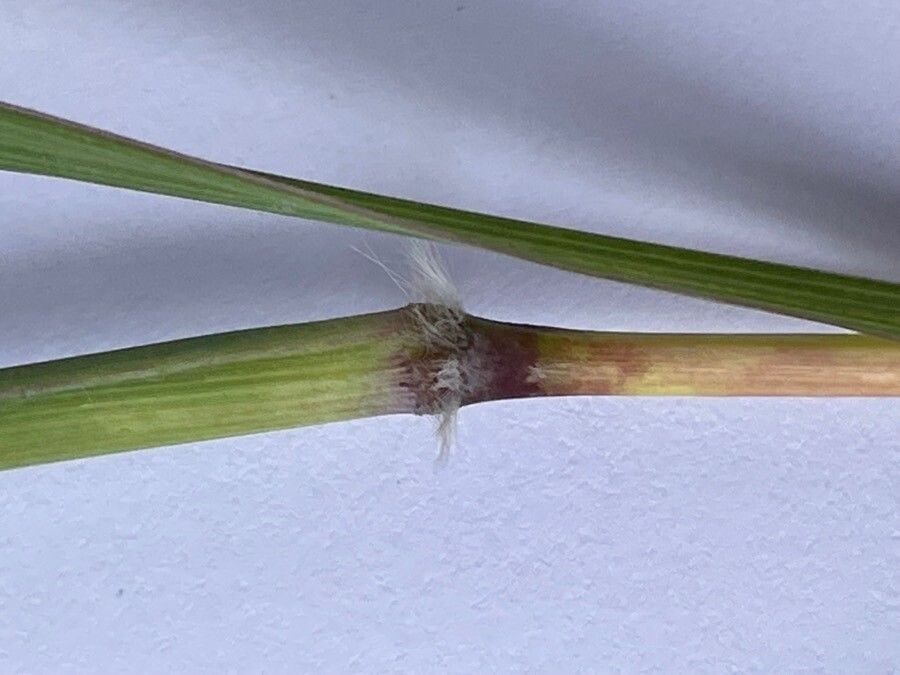
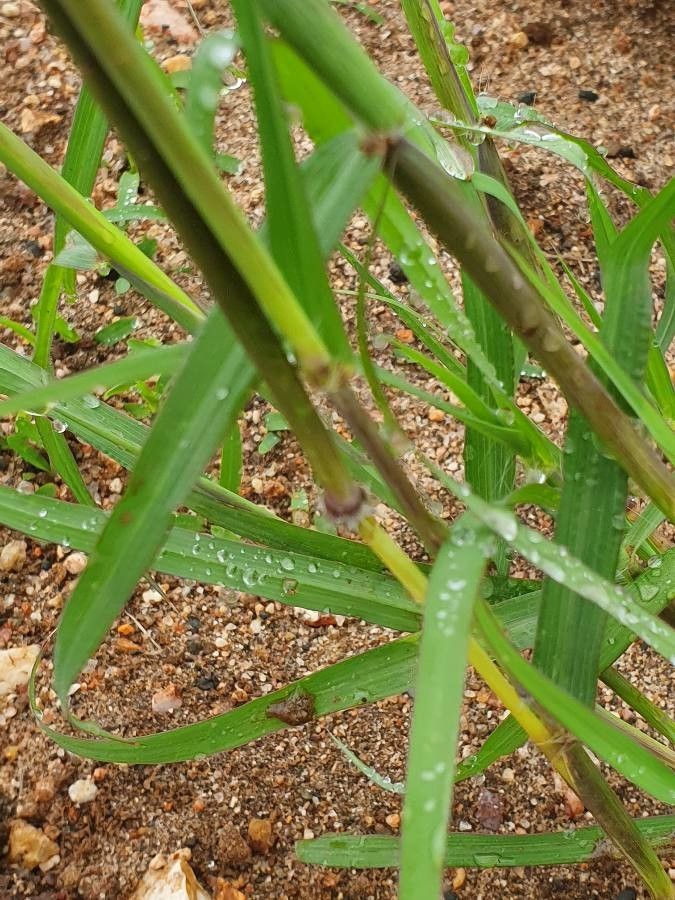
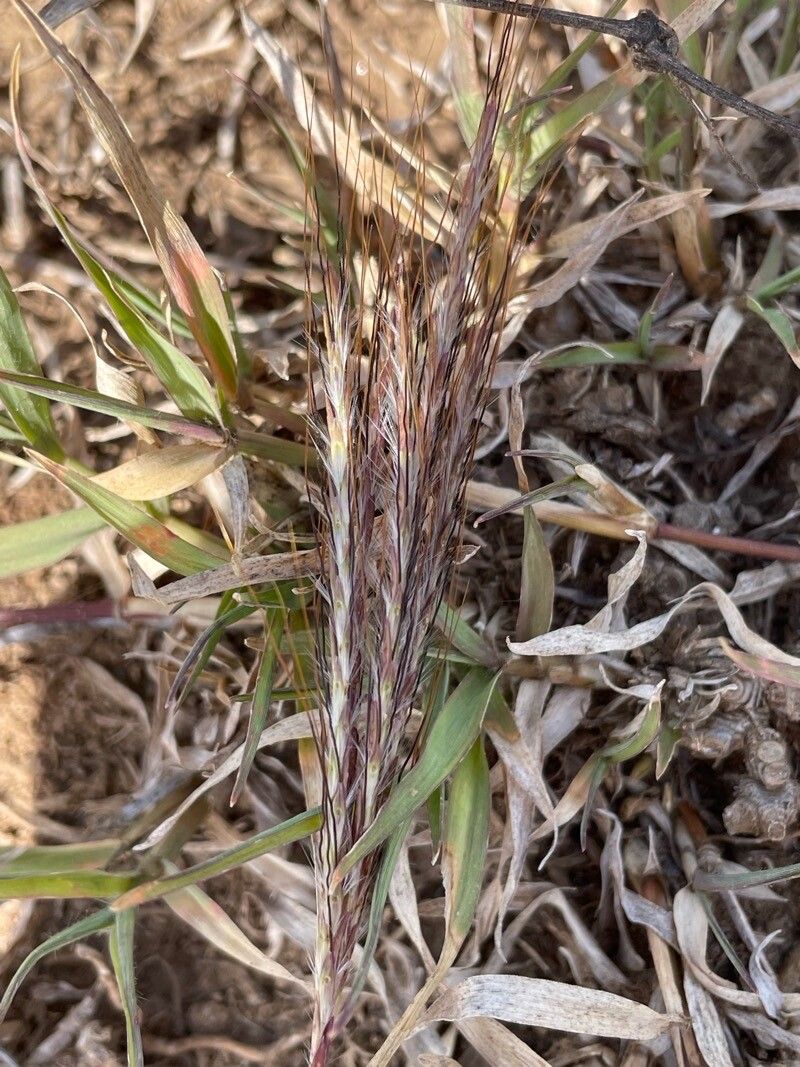
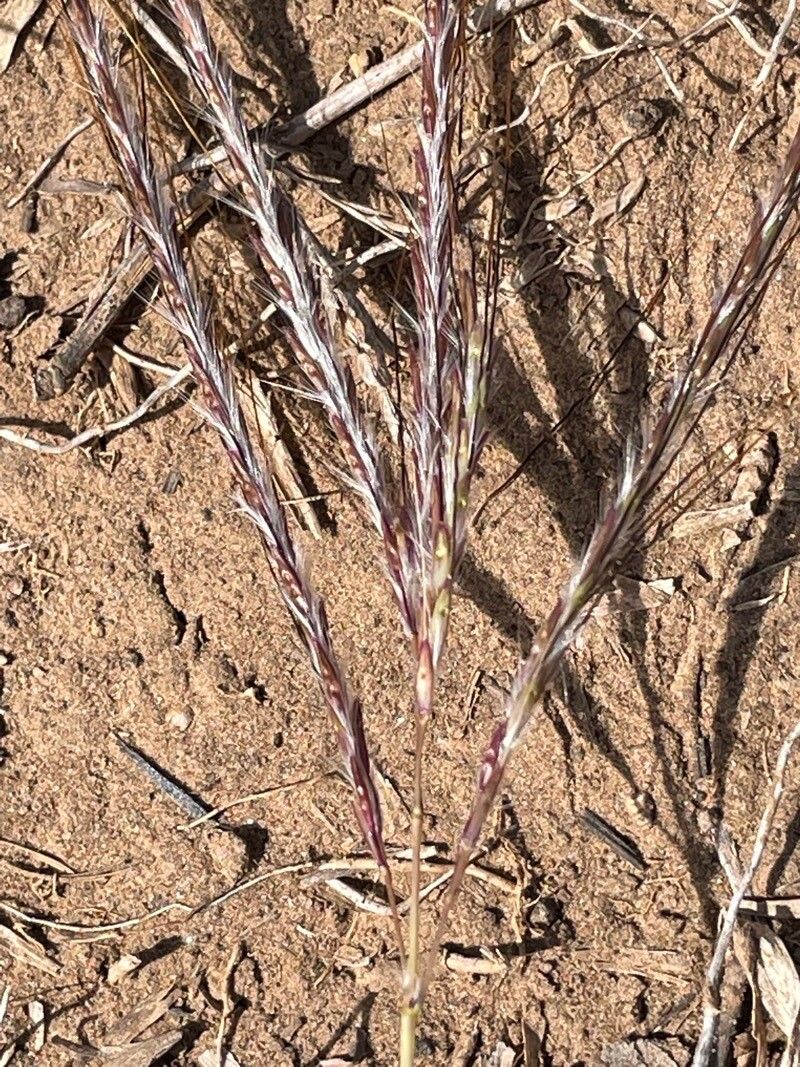
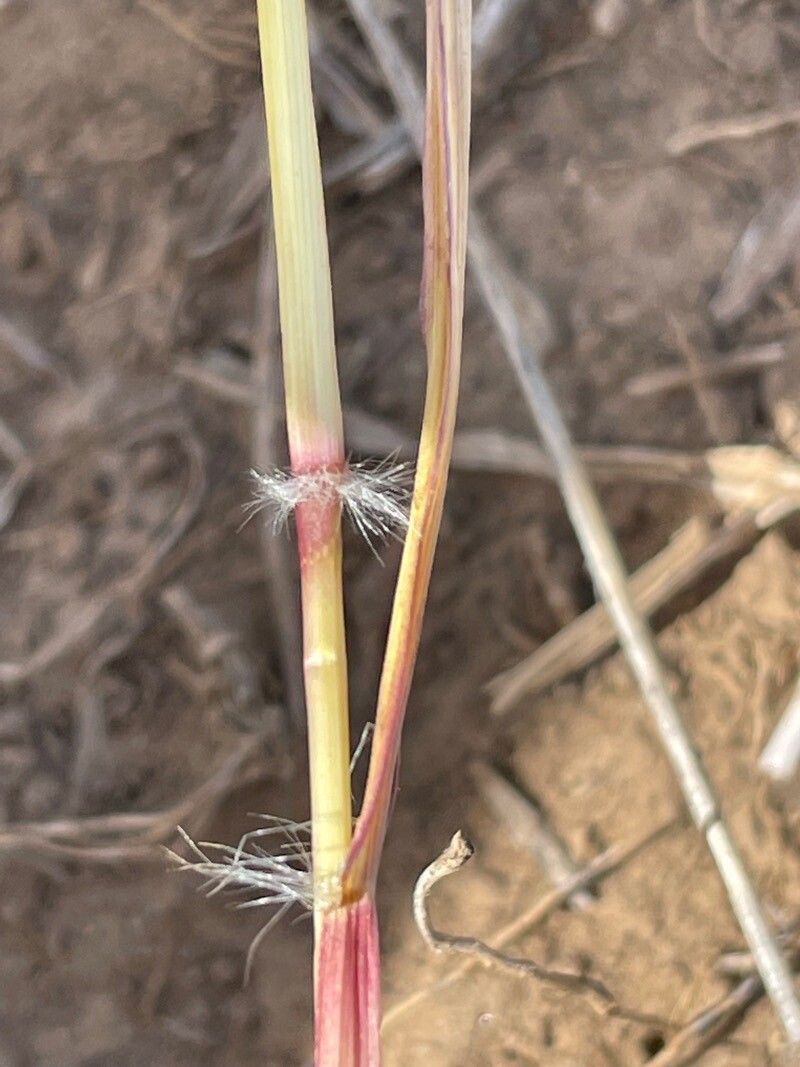
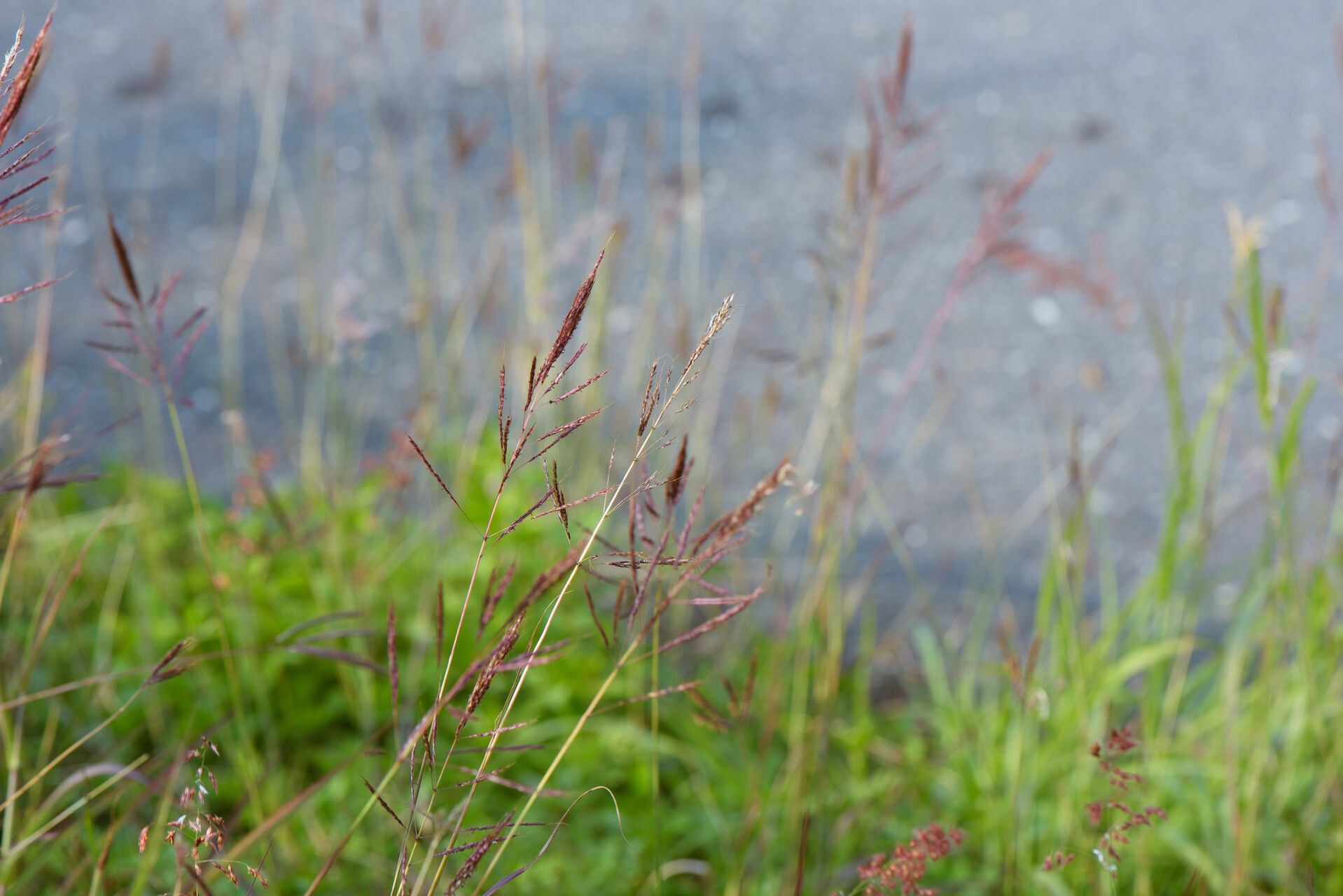
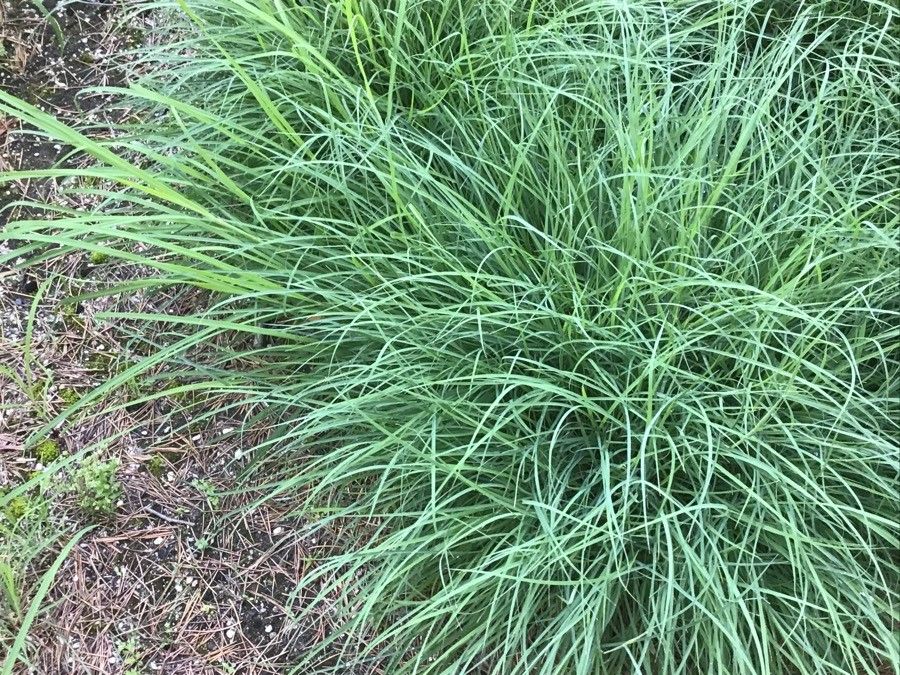
Bothriochloa insculpta, commonly known as Sand Bluestem, is a perennial grass species in the Poaceae family. Native to North America, it thrives in diverse habitats such as prairies, savannas, and sand dunes. Its deep root system enables the plant to endure drought conditions and grow in sandy soils.
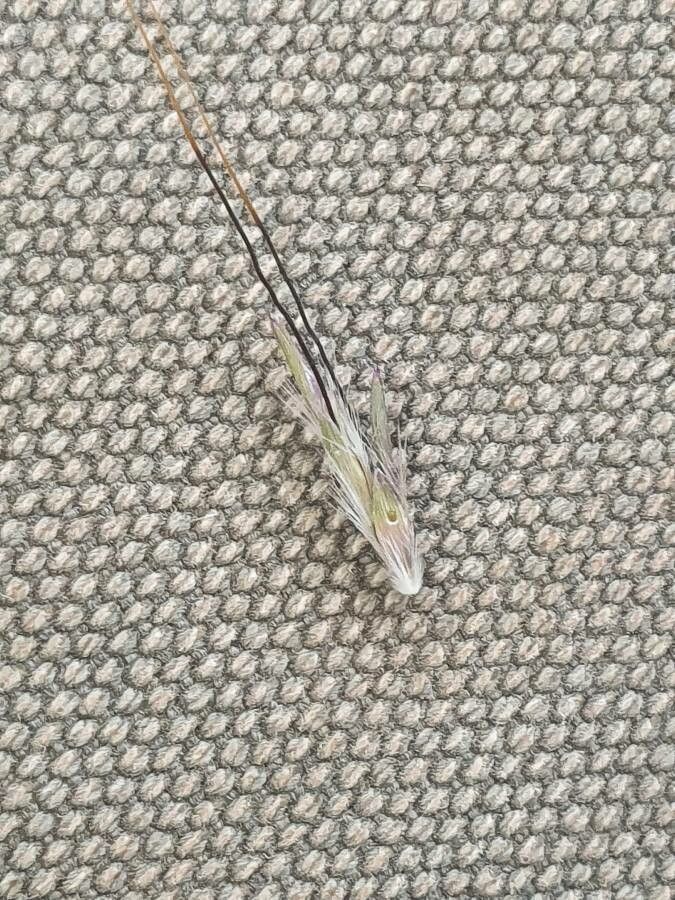
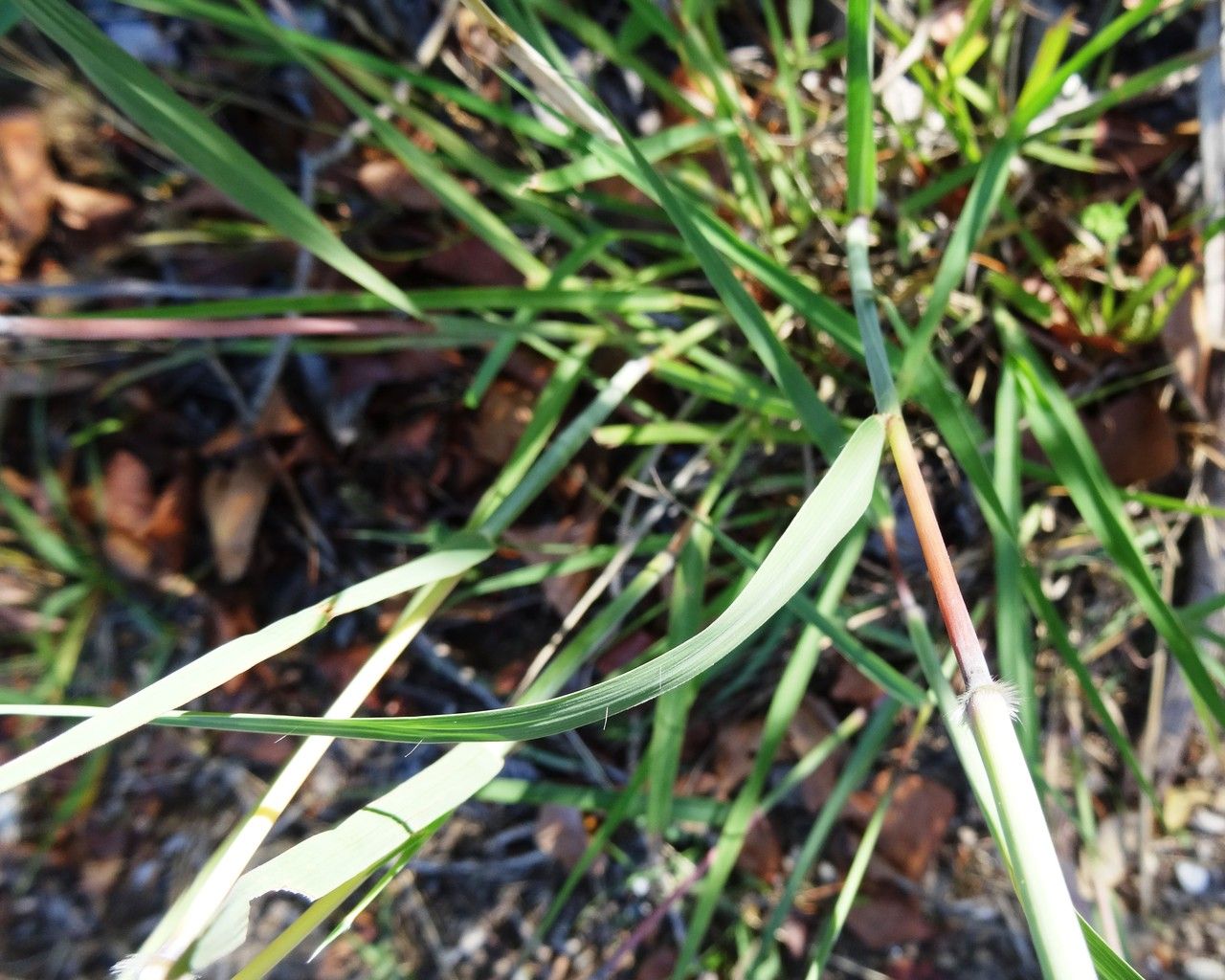
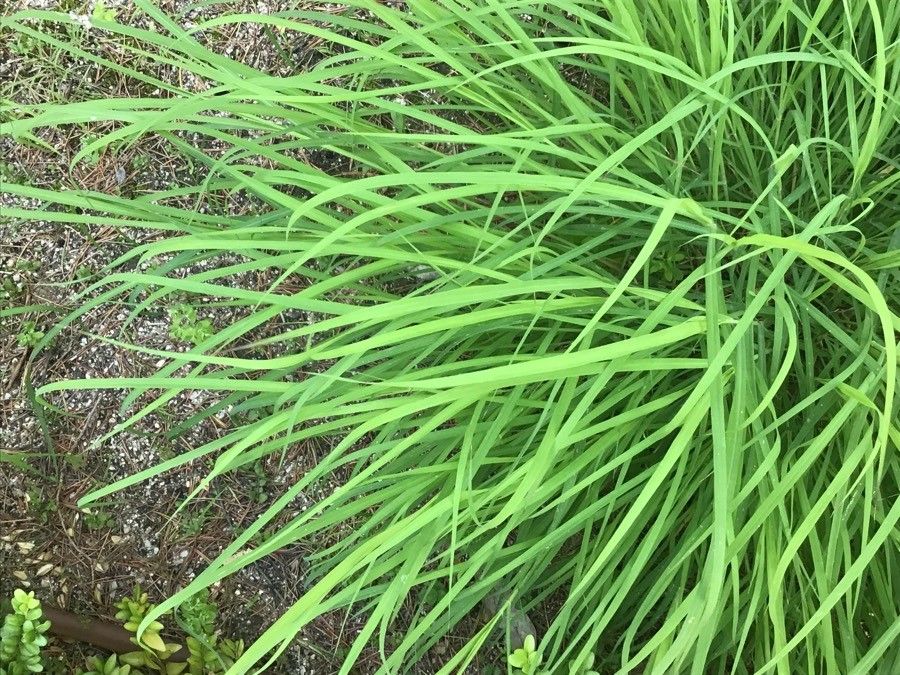
Sand Bluestem can reach heights of up to 3 feet, featuring narrow, bluish-green leaves. In late summer or early fall, it produces dense clusters of spikelets at the tips of its stems. These spikelets contain small, wind-pollinated flowers.
This grass is a valuable forage source for livestock due to its high protein content and palatability. Additionally, it provides habitat for various wildlife species, including birds and small mammals.
Traditionally, Native American tribes have used Bothriochloa insculpta for medicinal purposes, such as treating fever, coughs, and sore throats. Some tribes also utilized its roots as a fiber source for basket-making.
In summary, Bothriochloa insculpta is a crucial component of North American grasslands, offering significant ecological and economic benefits, particularly in livestock grazing systems.
Botanical profile.
- Genus
- Bothriochloa
- Family
- Poaceae
Other names.