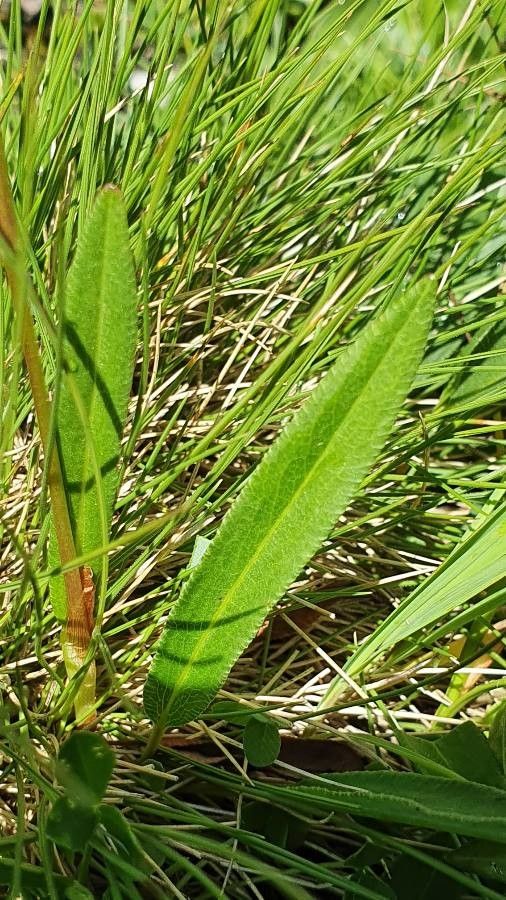
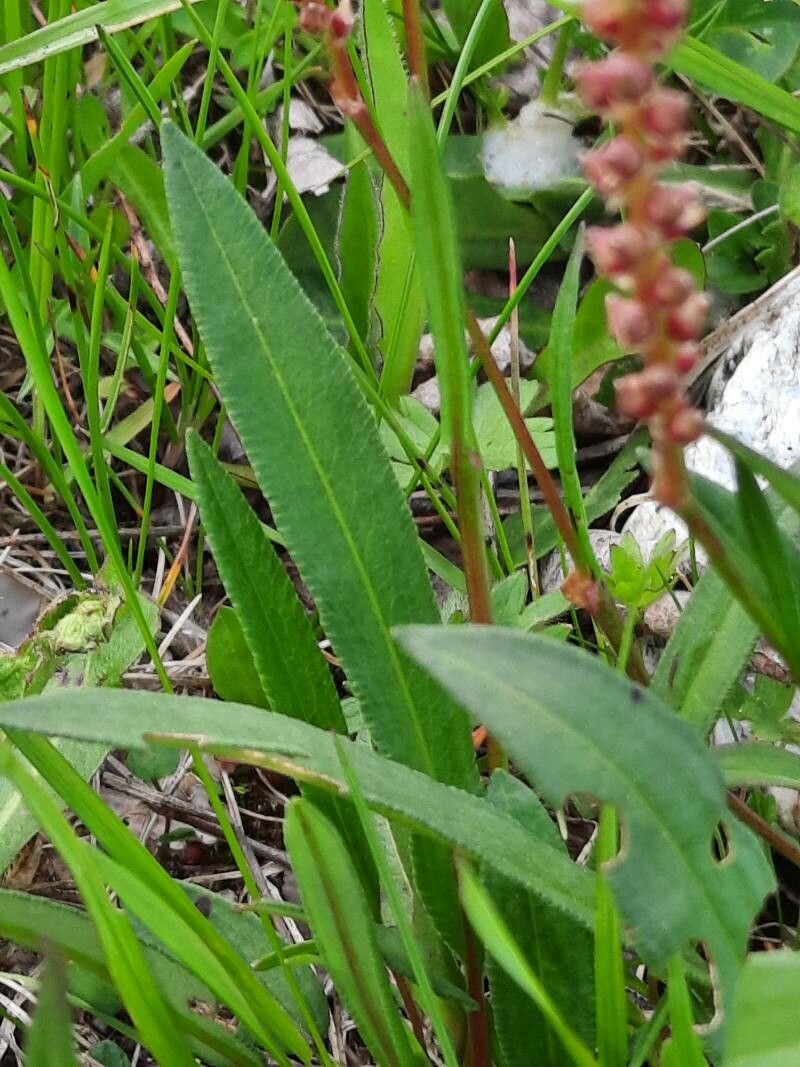
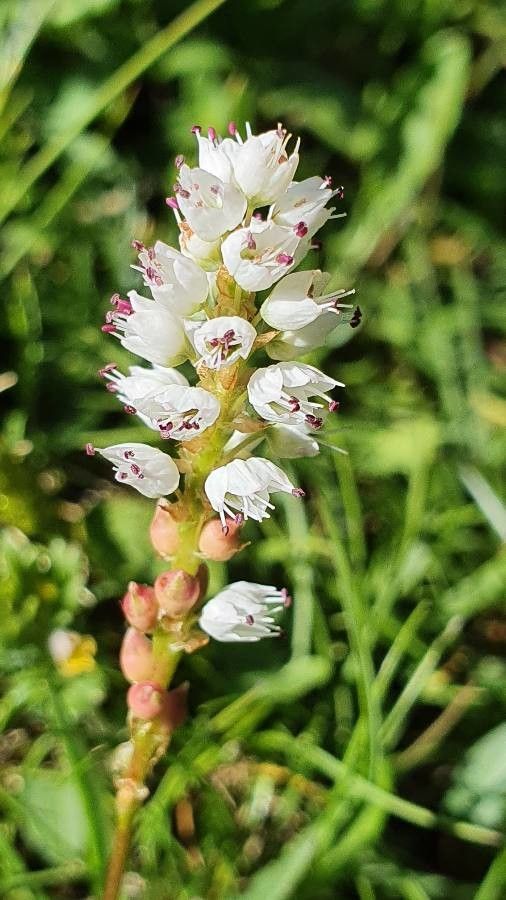
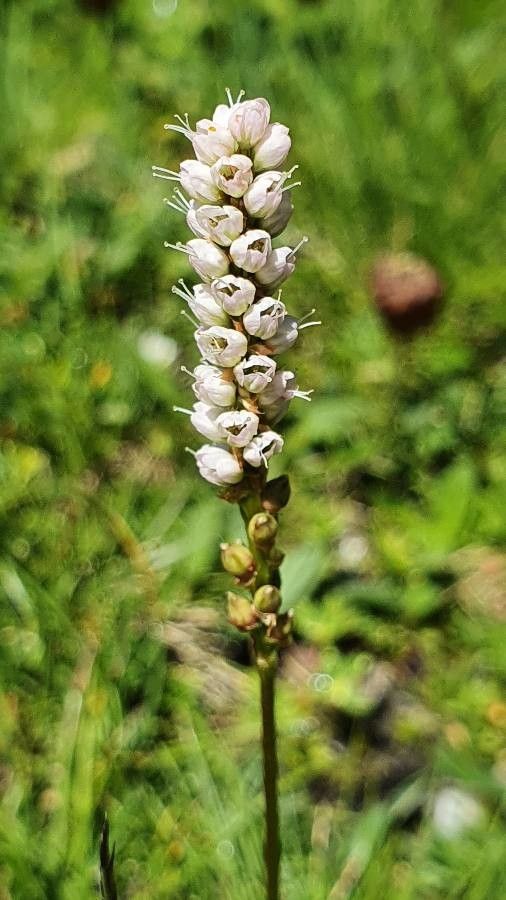
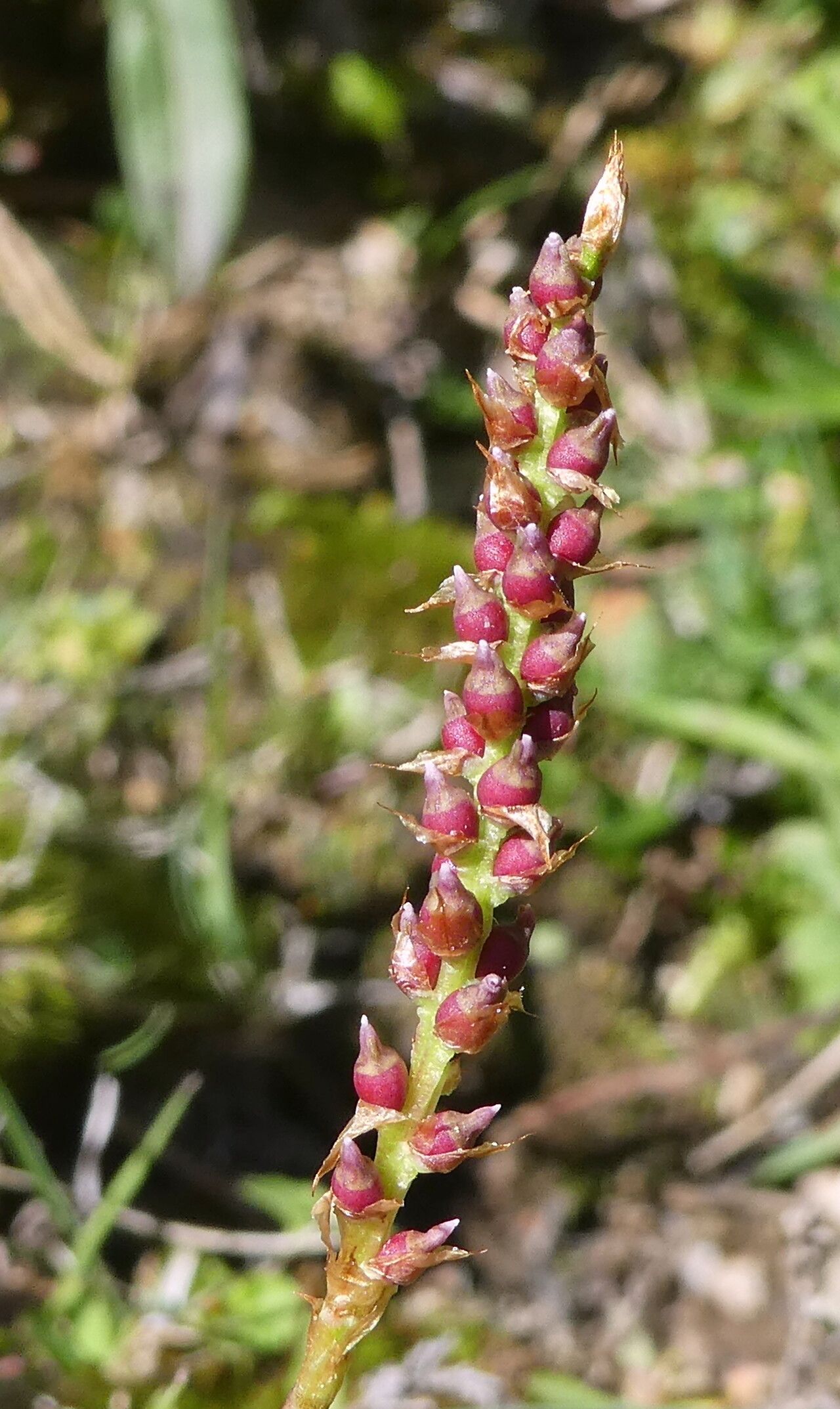
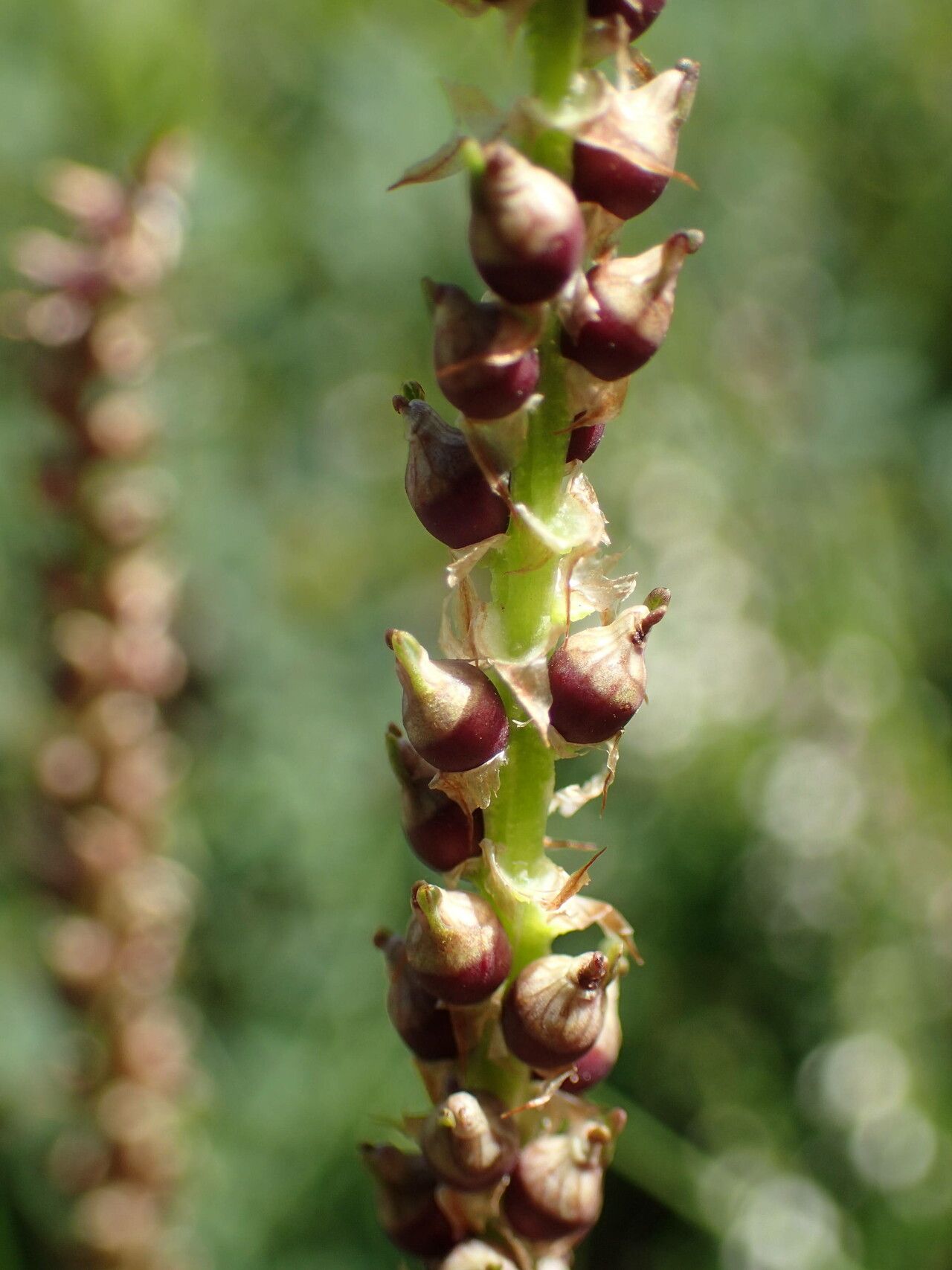
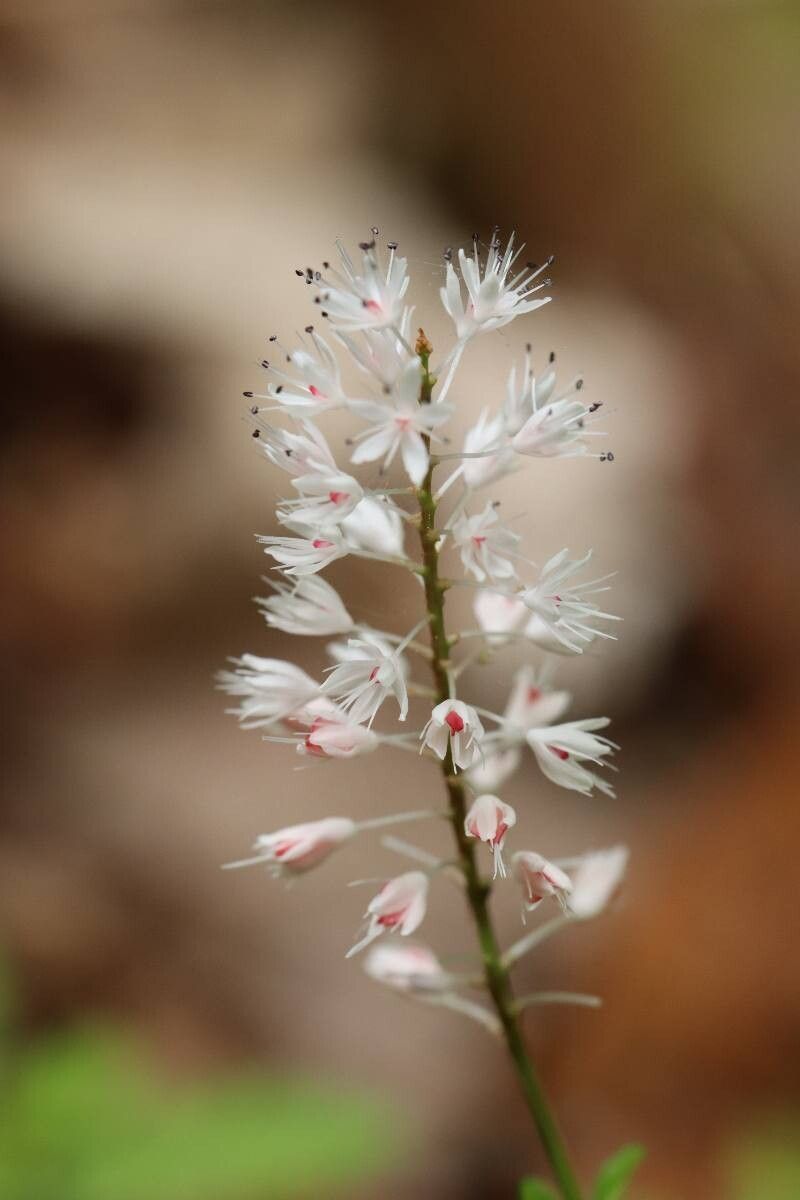
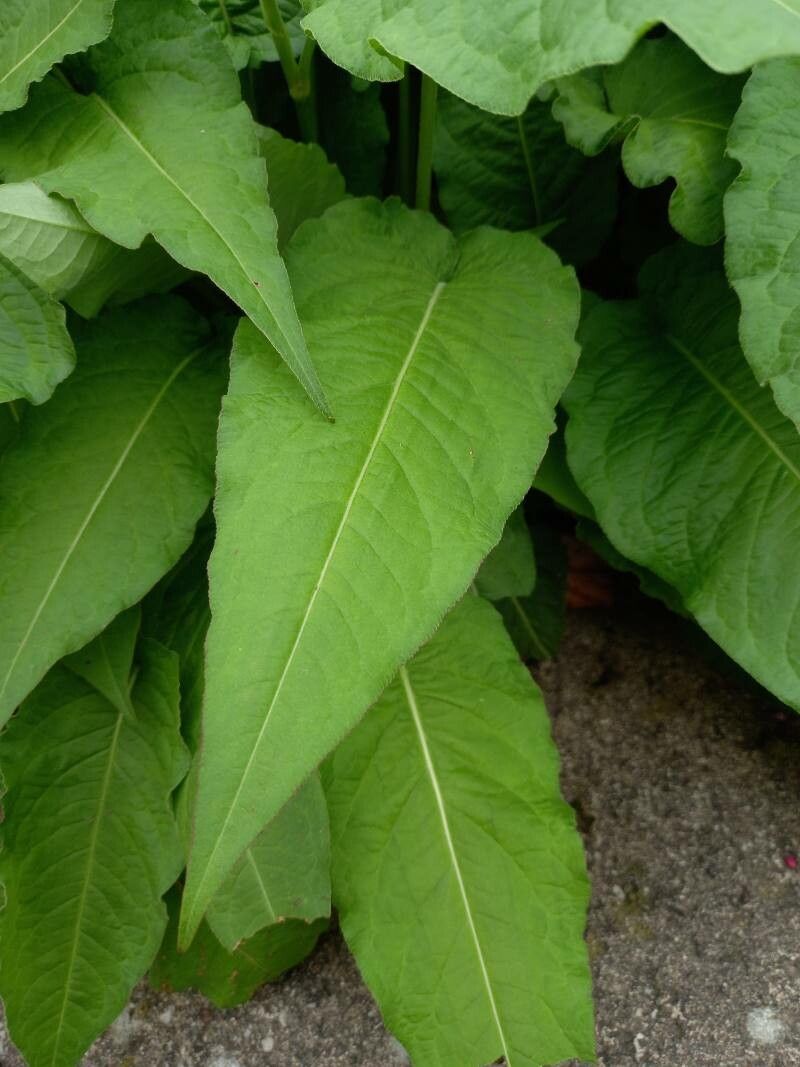
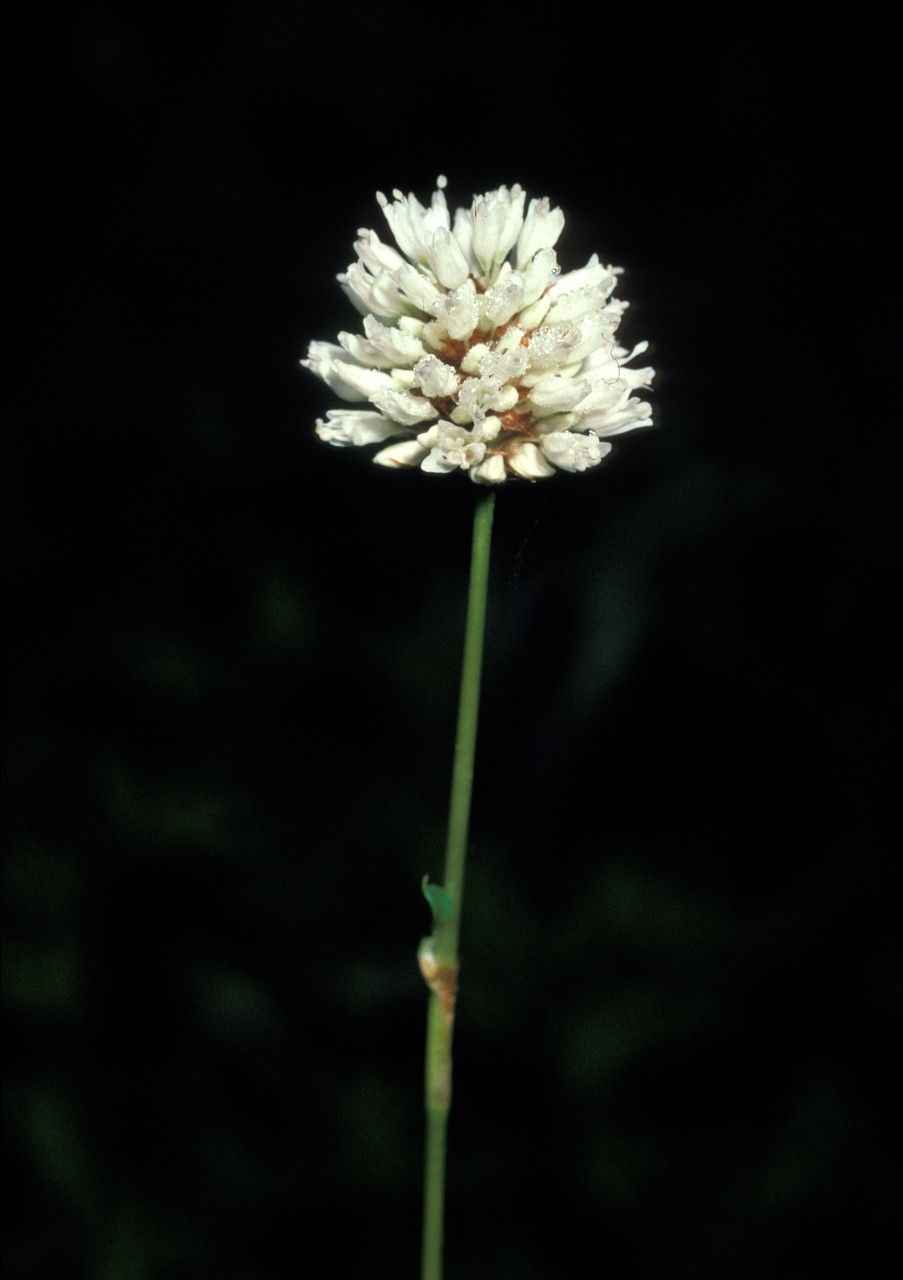
Bistorta vivipara (synonym Persicaria vivipara) is a perennial herbaceous flowering plant in the knotweed and buckwheat family Polygonaceae, commonly known as alpine bistort. Scientific synonyms include Bistorta vivipara and Polygonum viviparum. It is common all over the high Arctic through Europe, North America, and temperate and tropical Asia. Its range stretches further south in high mountainous areas such as the Alps, Carpathians, Pyrenees, Caucasus, and the Tibetan Plateau.
Alpine bistort is fairly disease-resistant and usually not prone to illnesses. Nevertheless, it can be affected by pests and diseases present in its environment. These problems are generally mild. In terms of care, the plant needs a moderate level of maintenance. It should be pruned regularly to keep a good appearance and encourage healthy growth. Fertilizing can also help promote flowering. Alpine bistort is a good choice for anyone with outdoor space, such as a garden or patio, and does not require extensive care experience. It may demand more attention when grown indoors.
How to keep Bistorta Vivipara.
Light
The Alpine bistort is a perennial herbaceous plant that loves sunshine and originates from open environments, frequently flourishing in meadows and grasslands. While this plant prefers full sunlight, it can also withstand conditions of partial sunlight.
Water
Serpent grass flourishes in alpine and arctic tundra environments. It is well-adapted to infrequent watering, yet it still benefits from weekly moisture to maintain optimal health. The plant's tuberous roots efficiently store water, which enhances its drought tolerance. This makes serpent grass an excellent choice for rock gardens and areas with fluctuating temperatures.
Temperature
The Alpine bistort is a plant that originates from cold environments and flourishes in temperatures between 32 and 90°F (0 to 32℃). It prefers lower temperatures, in line with its alpine beginnings. This robust plant typically doesn't need any changes in temperature throughout the seasons.
Fertilizer
Early spring, when flowers are beginning to form, is the prime time to fertilize Alpine bistort. The appropriate fertilizer boosts the quality of blooms and assists in the production of beautiful flowers by the Alpine bistort. By fertilizing in the early spring, great seasonal flowers are ensured and energy for the plant's inactive growth stages is provided.
Pruning
To ensure a healthy and attractive appearance, serpent grass benefits from selective pruning between early and late spring. By removing dead or damaged stems, you encourage vigorous new shoots, shape the plant, and improve air circulation. This practice also helps prevent diseases and pests, promoting robust growth.
Botanical profile.
- Plant Type
- Herb
- Life Cycle
- Perennial
- Genus
- Bistorta
- Family
- Polygonaceae
- Hardiness Zone
- 3-7
- Mature Height
- 4 cm to 40 cm
- Mature Spread
- 5 cm to 10 cm
- Leaf Color
- Dark Green, Forest Green
- Leaf Type
- Deciduous
- Flower Color
- White, Pink
- Flower Size
- 0.25 cm
- Bloom Time
- Early summer, Mid summer
- Planting Time
- Spring, Summer
- Harvest Time
- Late summer, Early fall
Other names.
Reader questions.
How should I water my Serpent grass?
To properly water Serpent grass, it is recommended to use filtered water at room temperature. Tap water may contain harmful particles, so filtered water is preferable. Make sure the water is not cold, as Serpent grass is accustomed to warm environments and cold water can be a shock to its system. Avoid overhead watering as it can cause problems with the foliage. Instead, apply the filtered room temperature water directly to the soil until it is completely soaked. This helps the roots stay moist and allows them to spread and collect the necessary nutrients.
What are the sunlight requirements for Serpent grass?
Serpent grass requires full sun, meaning it needs above 6 hours of sunlight daily, but it can also tolerate partial sun, which is about 3-6 hours of sunlight. It’s crucial to observe how sunlight moves through your garden to find spots that offer the right balance of light and shade for the plants. This ensures their growth and health are optimized.
What is the native temperature range for Serpent Grass?
Serpent grass, botanically known as Bistorta vivipara, is native to environments that experience temperatures ranging from 32 to 89.6 °F (0 to 32 °C). It naturally adjusts to the fluctuations in temperature within this range. Thanks to its temperature tolerance, seasonal adjustment advice is not required for this plant.
What should I do if I give too much or too little water to my Serpent grass?
Overwatering can be harmful to your Serpent grass and is a more common issue compared to underwatering. When the plant gets too much water, the stems and leaves may wilt and turn yellow. Overwatering can also lead to diseases like root rot, mold, and mildew, which can be fatal to your plant. Underwatering is less likely for Serpent grass as it has good drought tolerance. However, it can still happen, and you may notice brittle, brown leaves. It's important to recognize the signs of overwatering early on, as some diseases may be irreversible if left unchecked. If you see these signs, reduce your watering schedule and check the soil quality. If the soil doesn't drain well, replace it with a loose, well-draining potting mix. If your Serpent grass lacks water, simply increase your watering frequency until the signs improve.
How do essentials like artificial lighting benefit indoor Serpent grass plants?
Artificial lighting is vital for the growth of indoor Serpent grass plants, especially when natural sunlight is insufficient. LED lights are recommended because they can be tailored to provide specific wavelengths needed by the plants. Full sun plants require 30-50W/sq ft of artificial light, partial sun plants need 20-30W/sq ft, and full shade plants should have 10-20W/sq ft. Proper placement (12-36 inches above the plant) and duration (8-12 hours per day) of artificial light mimic natural sunlight, promoting healthier growth. This approach ensures that the plants receive adequate light throughout the year, especially during less sunny periods.
Does Serpent Grass require any special care during winter?
Serpent grass is highly cold-tolerant and does not require additional frost protection measures during the winter months. Nonetheless, it is advisable to water the plant generously before the first freeze in autumn. This is to ensure the soil remains moist when it enters a frozen state, helping to prevent drought and water scarcity for the plant during the winter and early spring period.
How often do I need to water my Serpent grass?
If your Serpent grass is in a pot, the best way to determine if it needs water is to stick your finger in the soil. If the top two to three inches are dry, it's time to water. When growing Serpent grass outdoors, use the same method to test the soil. When the top few inches are dry, it needs water. In spring and early fall, watering once a week is usually sufficient. During hot weather, you may need to water twice or more per week. However, mature and well-established Serpent grass can handle drought well.
What are the symptoms of insufficient light in Serpent grass?
Symptoms of insufficient light in Serpent grass include smaller new leaves, leggy or sparse growth, faster leaf drop, and slower or no new growth, indicating the plant is in survival mode. New leaves may appear lighter in color or show signs of chlorosis, turning yellow due to a lack of chlorophyll. Other symptoms like sunscald, leaf curling, wilting, and leaf scorching can occur due to excessive sunlight. These signs indicate the plant’s struggle with light conditions, impacting its health and growth.
How does Serpent Grass react to temperatures below -35°C?
While Serpent grass is extremely cold-tolerant, it has its limits. Winter temperatures should be maintained above -35°C. Dropping below this threshold doesn't show immediate visible changes during the winter; however, it may lead to a decrease in sprouting or even a lack of sprouting in the spring. The recommended solution is to remove any parts that have failed to sprout once spring arrives.
How much water does my Serpent grass require?
To effectively water your Serpent grass, don't hold back on the amount of water you give. Wait until the first two to three inches of soil are dry, then water the plant thoroughly until the soil is completely soaked. It's important to provide enough water so that excess water flows out through the drainage holes at the bottom of the pot. If you don't see any excess water draining, it's likely that you haven't given enough water. However, be careful not to let water accumulate in the soil, as this can harm the plant. On the other hand, if water doesn't drain through the pot, it could be a sign that the soil doesn't drain well, which is not good for the plant's health. If the plant is outdoors, receiving approximately 1 inch of rain per week will be enough.
How can I address lighting issues for my Serpent grass?
To address lighting issues for Serpent grass, gradually acclimate your plants to the desired lighting conditions. For indoor plants, move them to sunnier spots weekly until they receive at least 6 hours of direct sunlight daily, or consider using artificial lighting, like desk or ceiling lamps, for at least 8 hours a day. For outdoor plants, avoid abrupt changes in sunlight exposure to prevent sunburn. Minimize obstructions by pruning trees that block sunlight or by transplanting smaller plants to sunnier locations during their dormant periods. Although parts affected by insufficient light may not recover, new growth should be healthy with improved light conditions.
What should I do if the Serpent Grass experiences high temperatures?
Serpent grass struggles in high temperatures, especially above 32°C, at which point its growth halts and it becomes prone to rot. In such cases, you should trim away the sunburned and dried-up parts of the plant. Moving the plant to a shaded location or utilizing a shade cloth can protect it from the harsh midday and afternoon sun. Watering the plant in the morning and evening helps keep the soil moist and supports the plant's health during hot conditions.