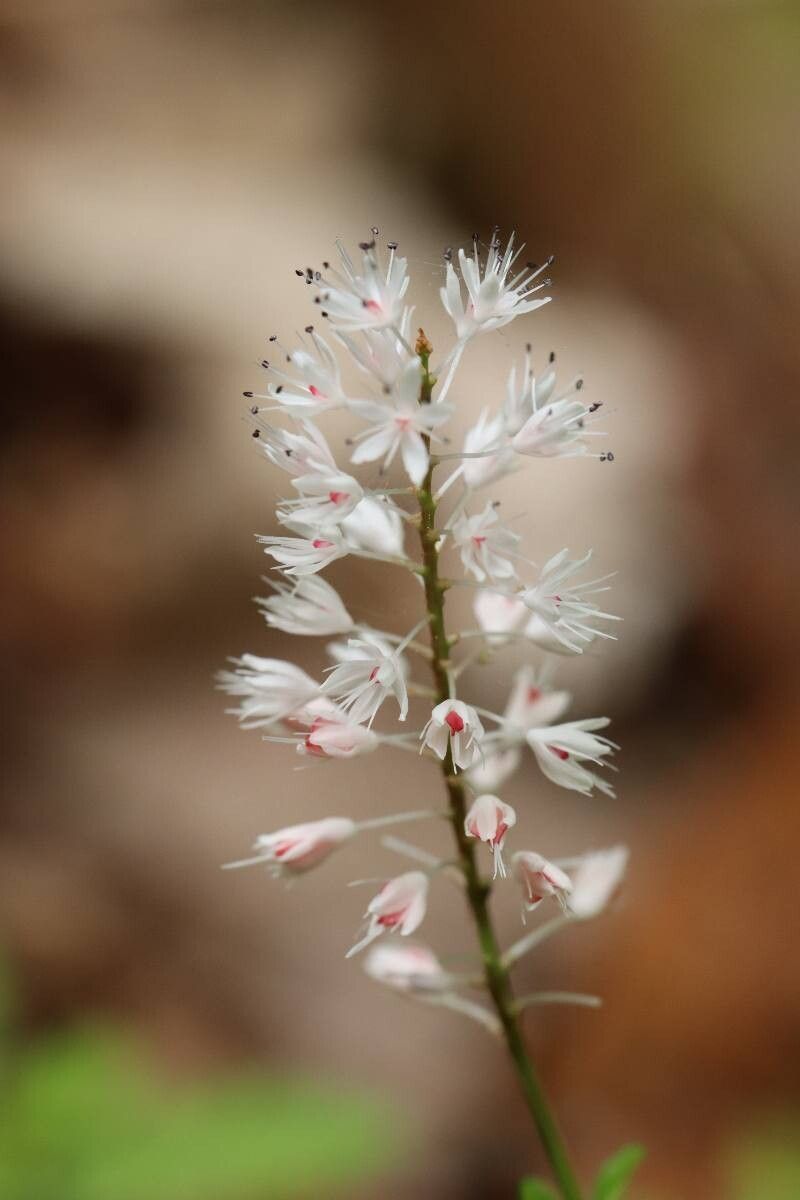
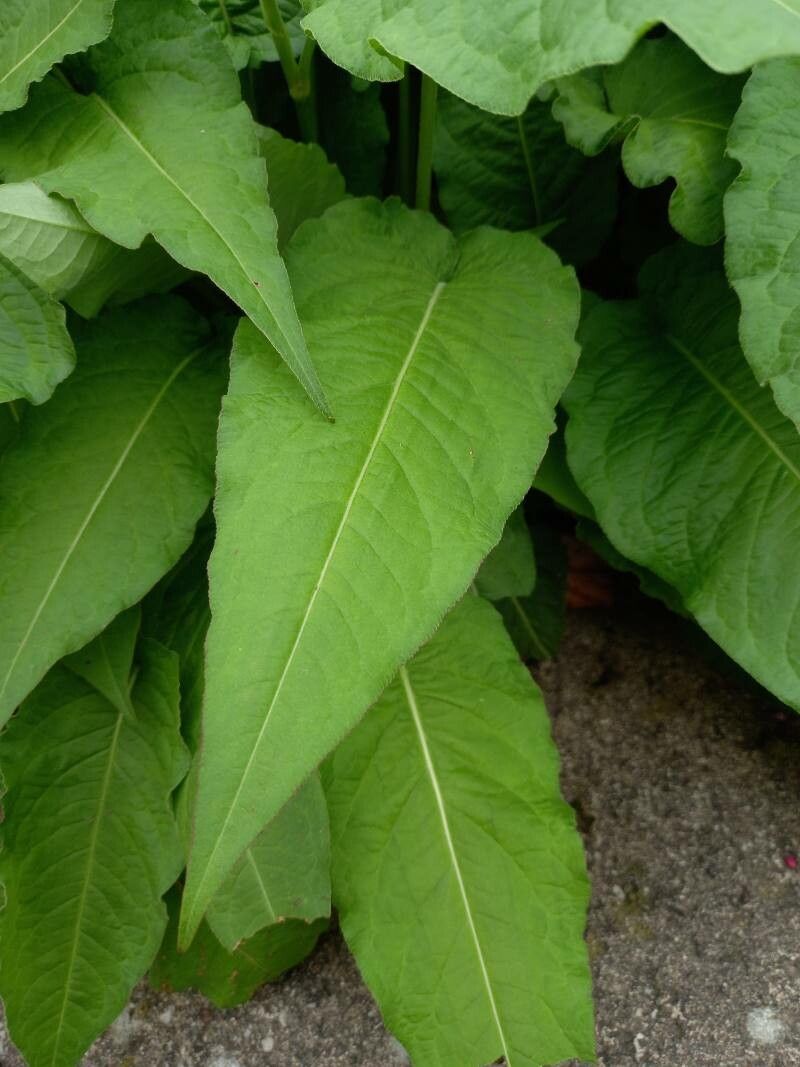
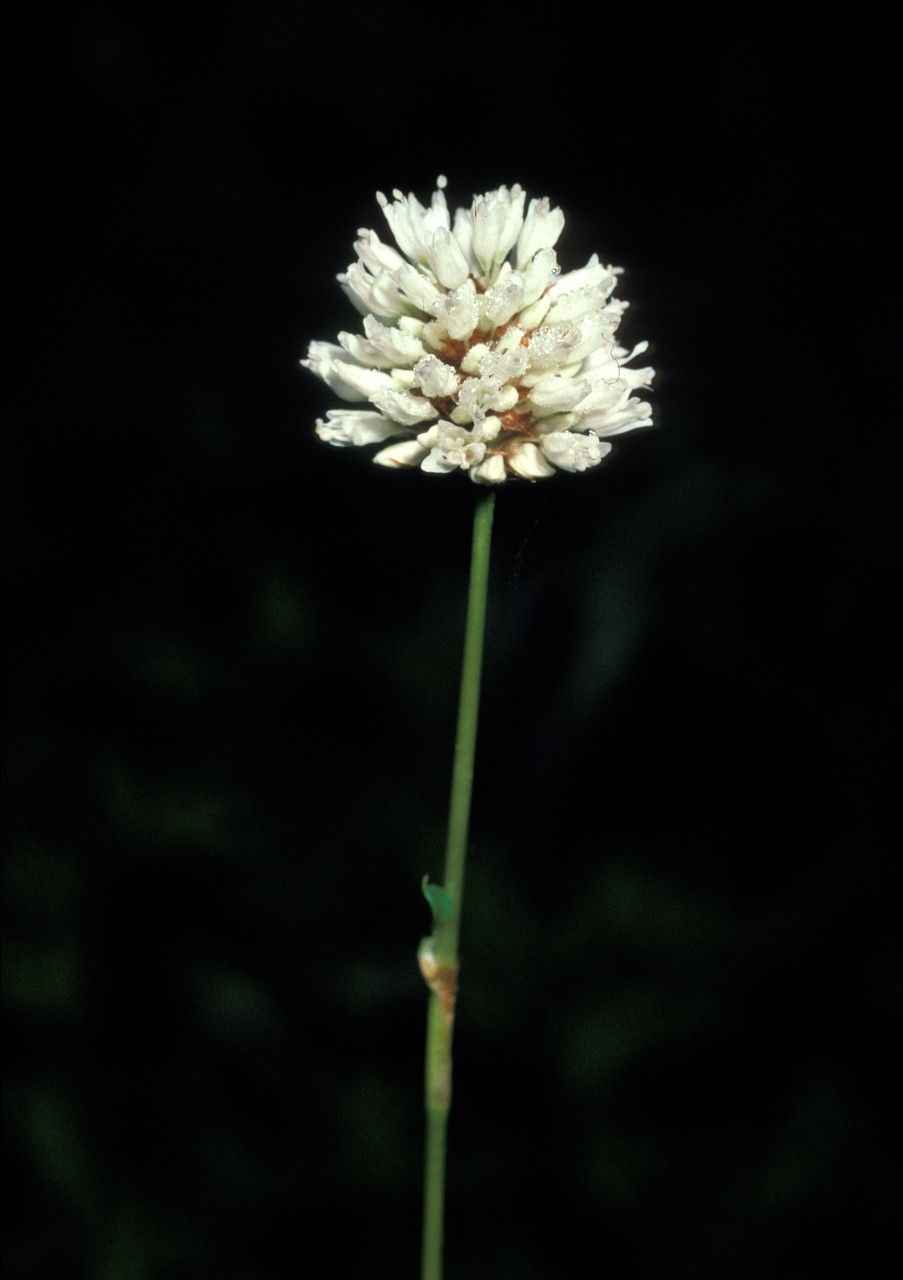
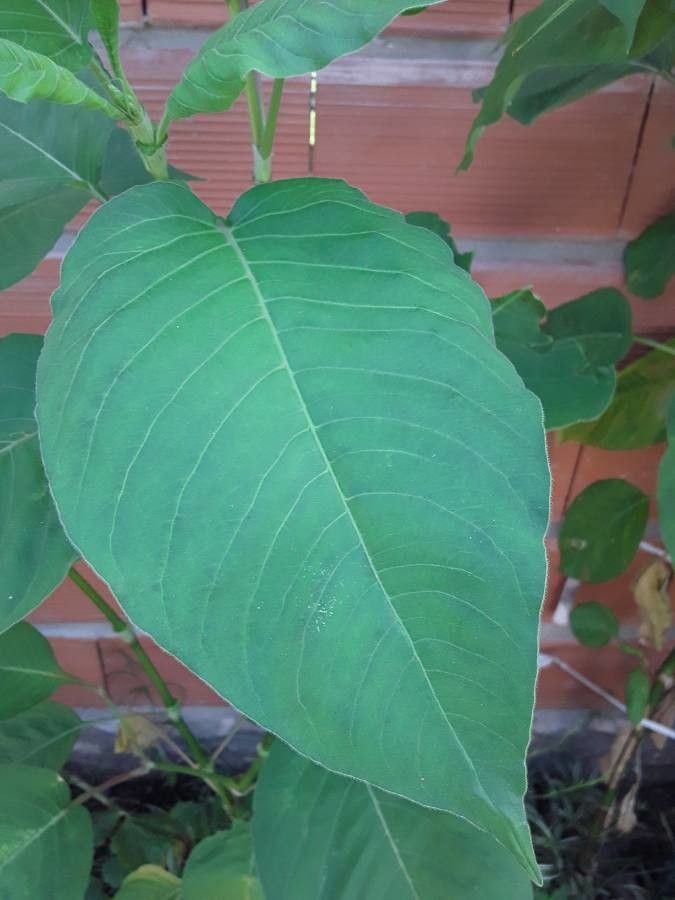
Bistorta affinis (synonyms Polygonum affine, Persicaria affinis), the Himalayan bistort, fleece flower, or knotweed, is a species of flowering plant in the family Polygonaceae, native to the Himalayas (Tibet, Nepal, northern India, Pakistan, Kashmir).
Himalayan bistort is fairly disease-resistant and usually not prone to illnesses. However, it can be vulnerable to pests and diseases present in its surroundings. These problems are generally mild. As for care, this plant needs moderate maintenance. It should be pruned regularly to keep a neat appearance and encourage healthy growth. Fertilizing can also help boost flowering. Himalayan bistort is suitable for anyone with outdoor space, such as a garden or patio, and does not demand extensive care experience. It may need more attention if grown indoors.
How to keep Bistorta Affinis.
Light
The Himalayan bistort is a sun-loving, perennial herbaceous plant that originates from open habitats and commonly thrives in meadows and grasslands. It prefers full sun but can also tolerate partial sun.
Water
Himalayan bistort, a plant native to mountainous regions, prefers moderate moisture levels and can tolerate brief dry periods. It thrives best with consistent weekly watering, mirroring its alpine climate. As a herbaceous perennial, it grows well outdoors, especially when it receives natural rainfall during its active growth season, which is closely tied to water availability.
Fertilizer
The ideal time to fertilize a Himalayan bistort is in early spring, as it breaks dormancy and begins active growth. Fertilization supplies essential nutrients needed for healthy development. Although Himalayan bistort has relatively low fertilizer requirements, applying fertilizer once a year can improve its survival and encourage better, longer-lasting blooms.
Pruning
Himalayan bistort is a plant known for its dense growth and striking pink flower spikes. To keep it healthy and looking its best, it is important to prune it from early to late spring. This helps to encourage robust growth, remove any dead stems, and tidy up the plant. Regular pruning also maintains the plant's shape, prevents overcrowding, and promotes recovery during the growing season, ensuring it flourishes optimally.
Pot & Repot
To promote healthy growth and prevent root rot in Himalayan bistort, make sure the plant has excellent drainage when grown in pots. Select containers that have drainage holes and fill them with well-draining soil for the best results.
Botanical profile.
- Plant Type
- Herb
- Life Cycle
- Perennial
- Genus
- Bistorta
- Family
- Polygonaceae
- Hardiness Zone
- 3-9
- Mature Height
- 25 cm
- Mature Spread
- 76 cm
- Leaf Color
- Red, Green, Bronze
- Leaf Type
- Deciduous
- Flower Color
- Pink
- Flower Size
- 0.51 cm to 1.02 cm
- Bloom Time
- Summer
- Planting Time
- Spring, Summer, Autumn
- Harvest Time
- Late summer, Early fall, Mid fall
- Native Area
- Nepal, Afghanistan, India, Pakistan, China
Other names.
Reader questions.
What are the sunlight requirements for the Himalayan bistort?
The Himalayan bistort, or Bistorta affinis, thrives in various sunlight conditions. For optimal growth, it requires full sun, which means it should receive above 6 hours of sunlight daily. However, it can also grow in partial sun, with about 3-6 hours of sunlight. It's important to observe the movement of sunlight through your garden to find spots that offer a balanced environment of light and shade, ensuring the plant's wellbeing and happiness.
What is Himalayan bistort?
Himalayan bistort, scientifically known as Bistorta affinis, is a plant species belonging to the botanical world. Unfortunately, further information regarding its characteristics, uses, or any relevant details has not been provided.
What should I watch out for when choosing a spot for Himalayan bistort in my garden?
When choosing a location for your Himalayan bistort in the garden, it's crucial to observe how sunlight moves across the area throughout the day. This observation will help you select a spot that provides the perfect balance of light and shade suitable for the plant. Such careful selection ensures the plant's happiness and health by meeting its specific light requirements.