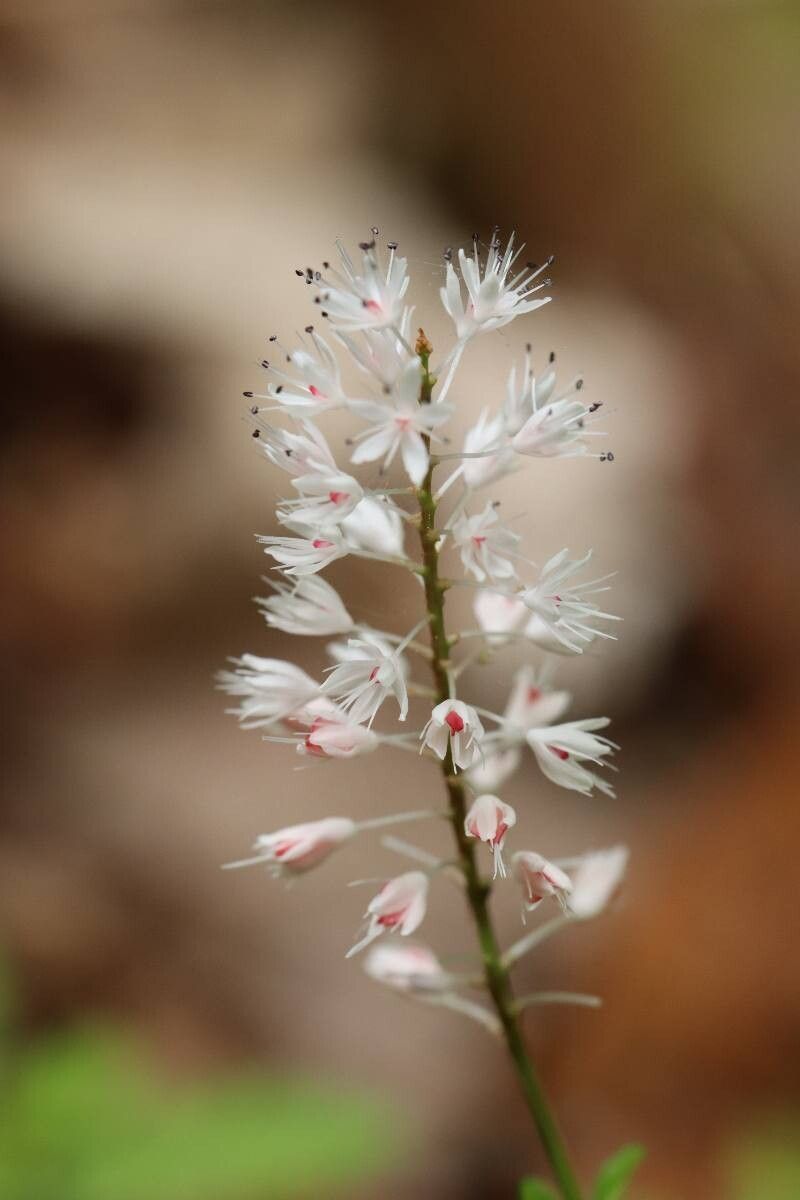
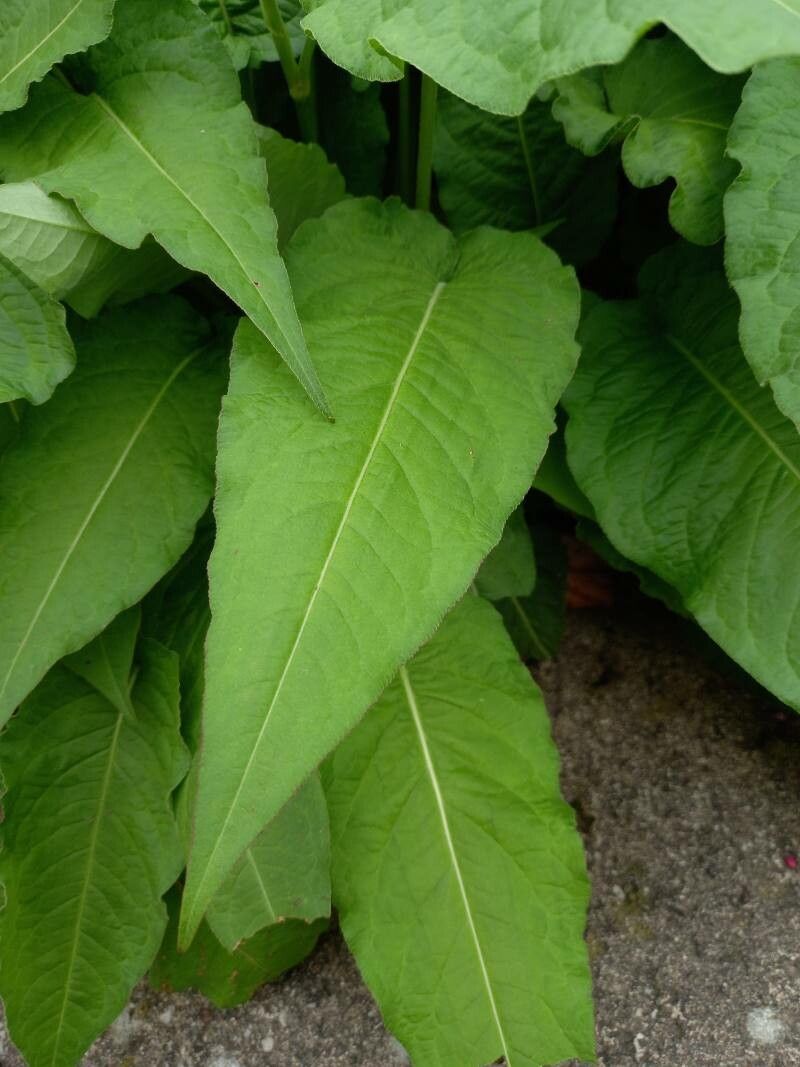
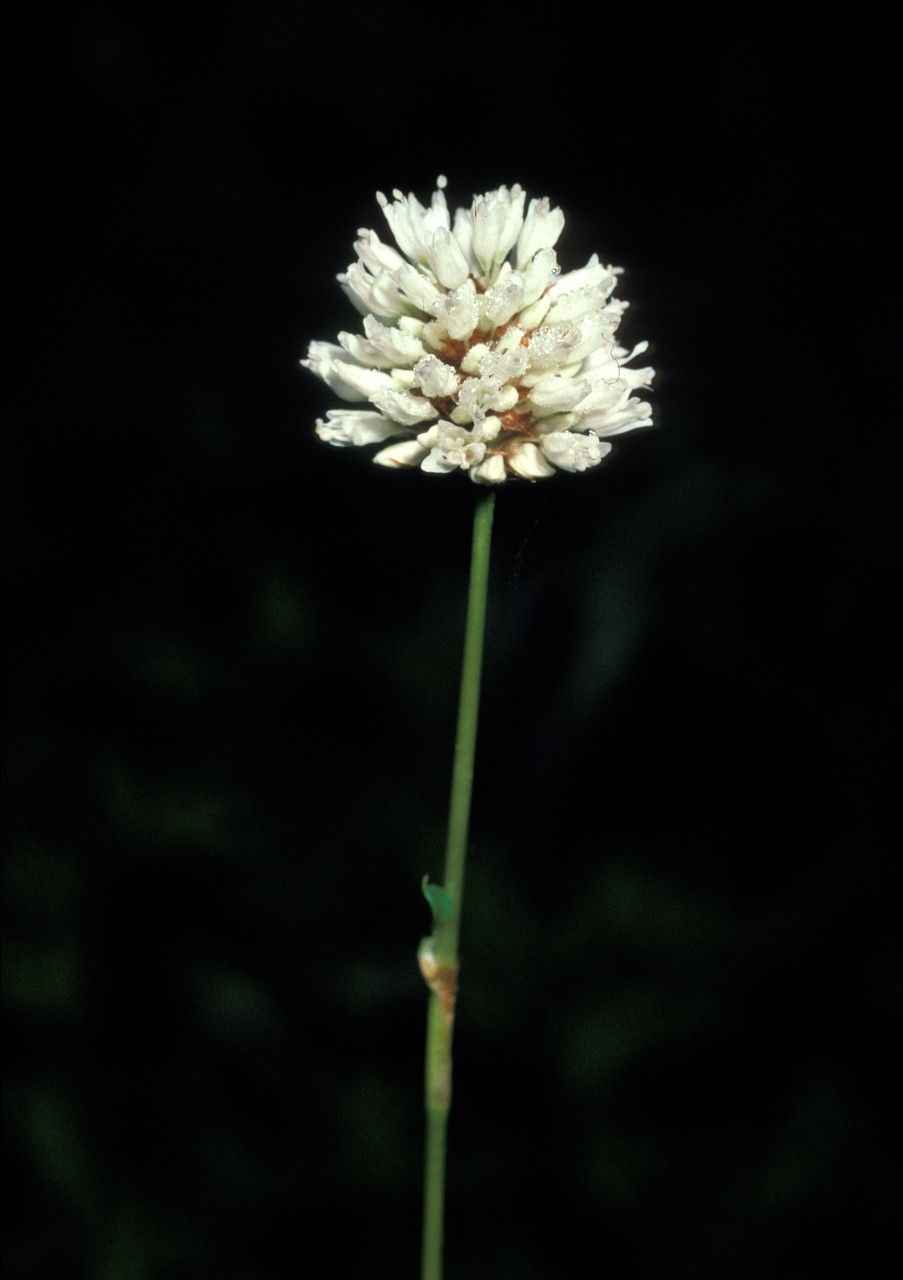
Bistorta vacciniifolia, the whortleberry-leaved knotweed, is a species of flowering plant in the family Polygonaceae, native to Tibet and the Himalaya. Well-suited for clay soils, as its synonym Persicaria vacciniifolia it has gained the Royal Horticultural Society's Award of Garden Merit.
Bistorta vacciniifolia is fairly disease-resistant and typically not prone to illnesses. However, it can be affected by pests and diseases present in its surroundings. Such infections are usually mild. In terms of care, the plant needs moderate maintenance. Regular pruning is required to keep a neat appearance and support healthy growth. Fertilizing can also help encourage flowering. Bistorta vacciniifolia is suitable for anyone with outdoor space, such as a garden or patio, and does not demand extensive care experience. It may need more attention when grown indoors.
How to keep Bistorta Vacciniifolia.
Light
Bistorta vacciniifolia occurs natively in habitats such as forest understories or rocky areas, where it receives natural shade. It prefers partial sun but can tolerate full sun or full shade, showing its versatile and hardy nature.
Water
Bistorta vacciniifolia thrives in environments with high humidity and consistently moist conditions. It requires soil that remains evenly moist but not waterlogged, necessitating weekly watering. Although typically grown outdoors, it adapts well to temperate climates, benefiting from natural rainfall and ambient humidity to achieve optimal growth.
Fertilizer
The best time to fertilize a Bistorta vacciniifolia is in early spring, as it comes out of dormancy and begins active growth. Fertilizing supplies essential nutrients for healthy development. Although Bistorta vacciniifolia has relatively low fertilizer needs, applying fertilizer once a year can improve its survival and encourage better, longer-lasting flowers.
Pruning
Bistorta vacciniifolia is a ground-covering plant that produces small pink flowers. To promote healthy growth and prevent legginess, it's beneficial to prune the plant regularly from early to late spring. After the flowers have bloomed, trimming the plant enhances its shape, encourages better blooming in the following season, and helps control its spread for improved garden placement.
Botanical profile.
- Plant Type
- Herb
- Life Cycle
- Perennial
- Genus
- Bistorta
- Family
- Polygonaceae
- Hardiness Zone
- 4-8
- Mature Height
- 20 cm
- Mature Spread
- 1.52 m
- Leaf Color
- Green, Brown
- Leaf Type
- Deciduous
- Flower Color
- Pink
- Flower Size
- 0.51 cm to 0.76 cm
- Bloom Time
- Summer
- Planting Time
- Spring, Summer, Autumn
- Harvest Time
- Late summer, Early fall, Mid fall
- Native Area
- Nepal, Bhutan, India, China