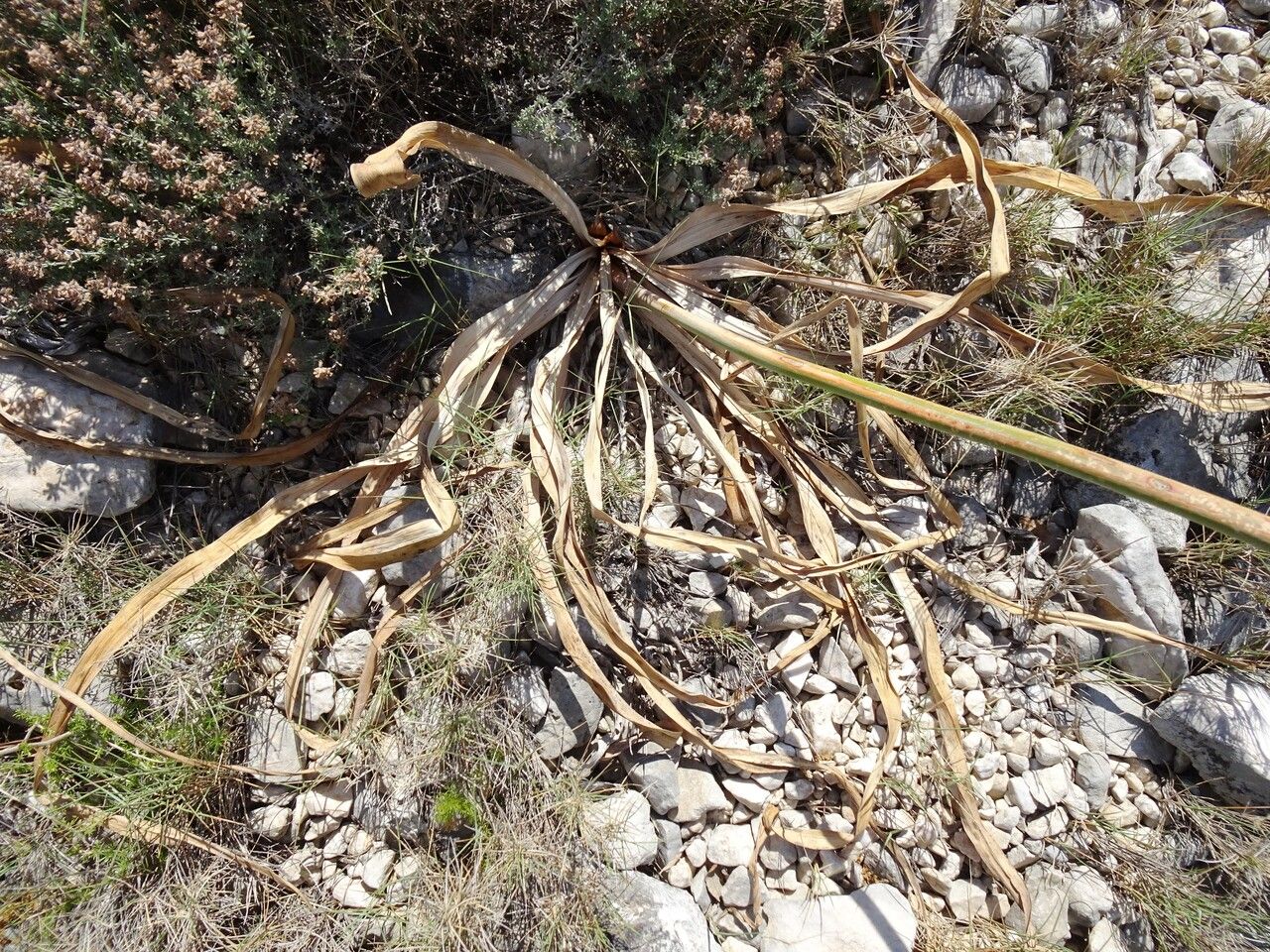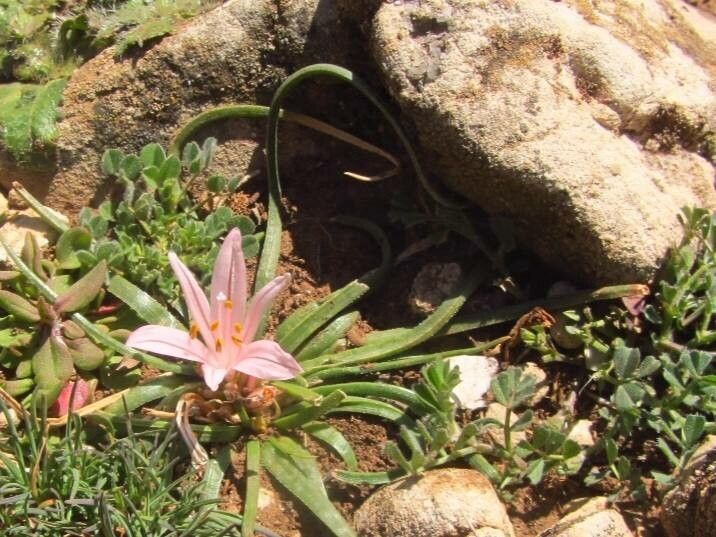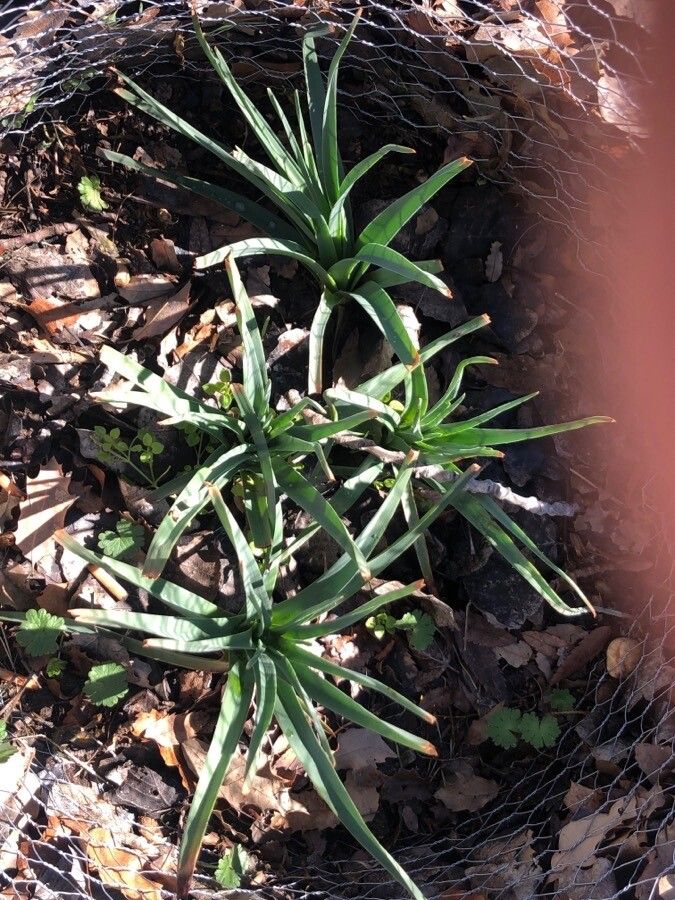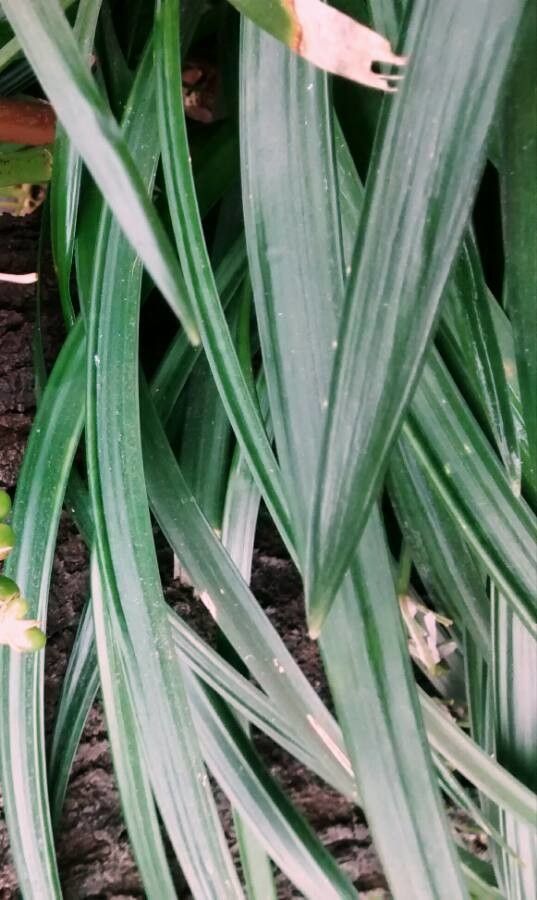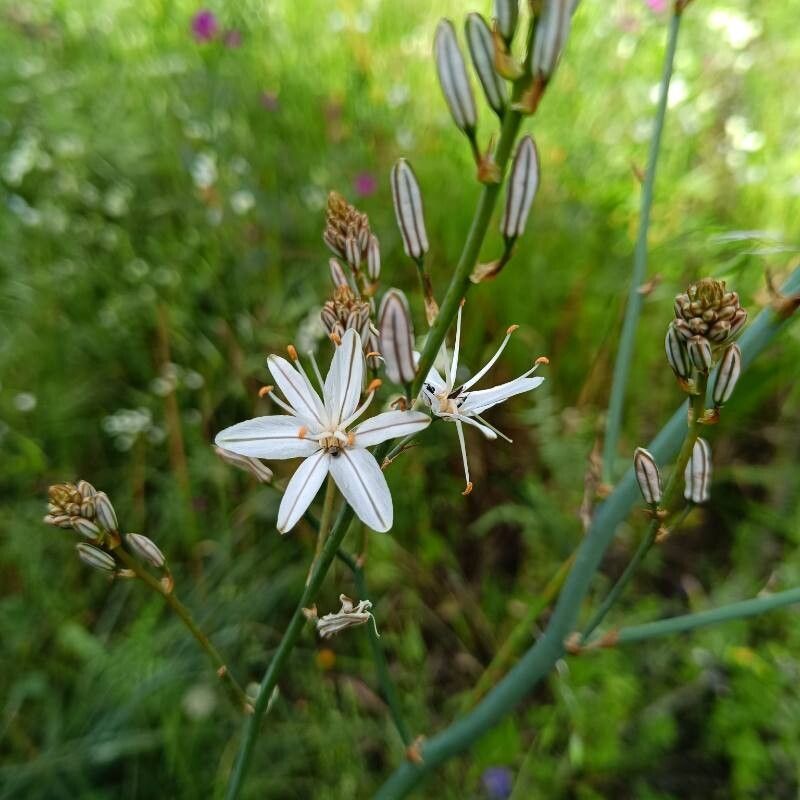
Asphodelus serotinus is a species of asphodel, endemic to the Iberian Peninsula.
Liburne asphodel is fairly resistant to disease and usually not vulnerable to illnesses. However, it can still be affected by pests and diseases present in its surroundings. These problems tend to be mild. As for care, the plant needs moderate maintenance. It should be pruned regularly to keep a tidy appearance and support healthy growth. Fertilizing can also encourage flowering. Liburne asphodel is well suited to anyone with outdoor space, like a garden or patio, and does not demand extensive gardening experience. It may need more attention if grown indoors.
How to keep Asphodelus Serotinus.
Light
The liburne asphodel grows best in locations that receive abundant sunlight throughout the day. This light encourages its healthy development. In its native habitat, liburne asphodel is found in places where sunrays fall across the landscape unimpeded. However, too much sun can damage the plant, producing scorched leaves or stunted growth.
Temperature
Liburne asphodel can tolerate a wide range of temperatures, though its range may still be restricted by specific combinations of moisture and heat. It performs best in warm summer climates with sufficient rainfall or watering. Long periods of cloudy, rainy weather, as well as extended high temperatures, can raise the chance of Liburne asphodel dying. In winter, adequate protection from cold can increase the plant’s likelihood of survival.
Fertilizer
The best time to fertilize a Liburne asphodel is in early spring, when it is coming out of dormancy and starting active growth. Fertilization supplies essential nutrients needed for healthy development. Although Liburne asphodel has relatively low fertilization requirements, feeding it once a year can improve its survival and encourage stronger, longer-lasting flowers.
Botanical profile.
- Plant Type
- Herb
- Life Cycle
- Perennial
- Genus
- Asphodelus
- Family
- Asphodelaceae
- Hardiness Zone
- 5-9
- Mature Height
- 1.22 m
- Mature Spread
- 91 cm
- Leaf Color
- Green, Blue
- Leaf Type
- Deciduous
- Flower Color
- Yellow
- Flower Size
- 2.03 cm to 3.05 cm
- Bloom Time
- Mid spring, Late spring
- Planting Time
- Spring, Summer
- Harvest Time
- Early summer, Mid summer
- Native Area
- Italy, Bulgaria, Montenegro, Albania, Lebanon, Greece, Croatia, Serbia