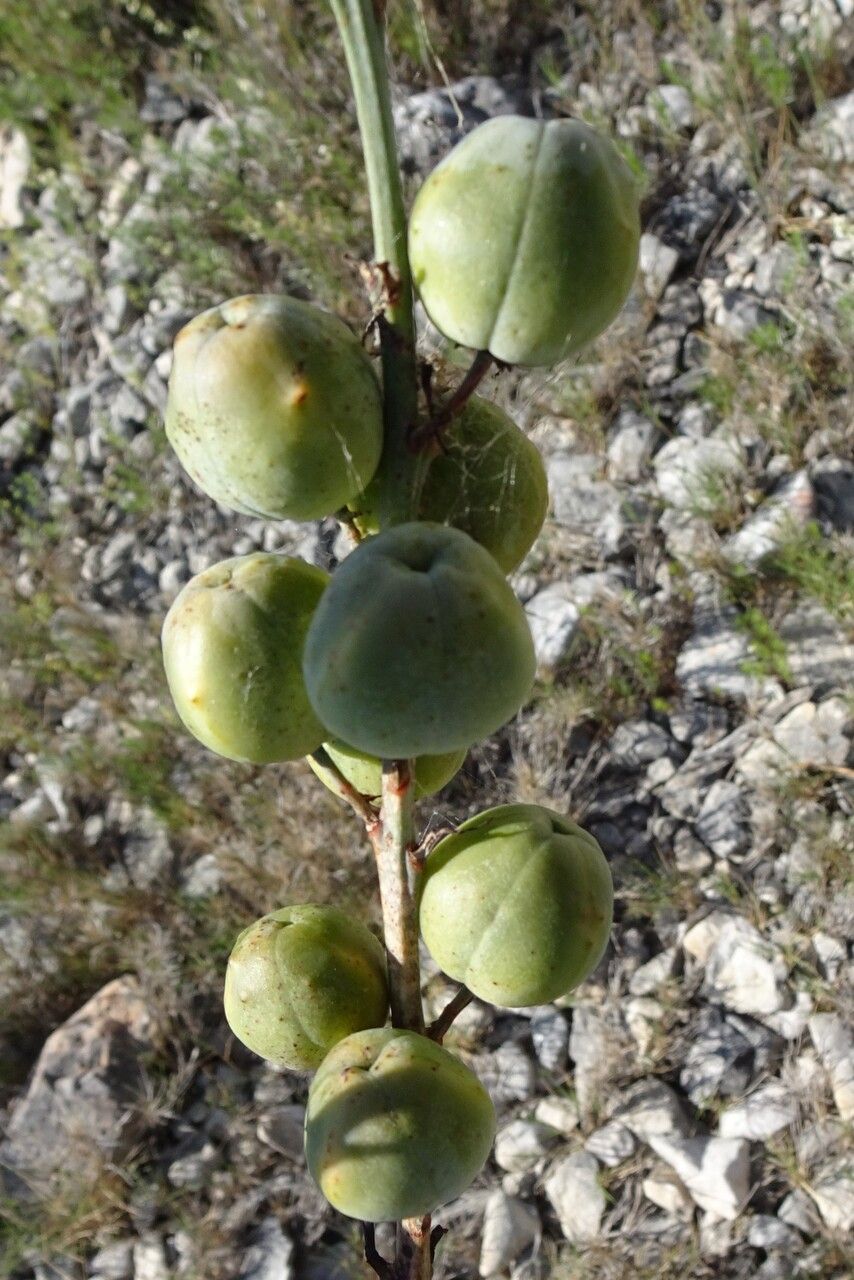
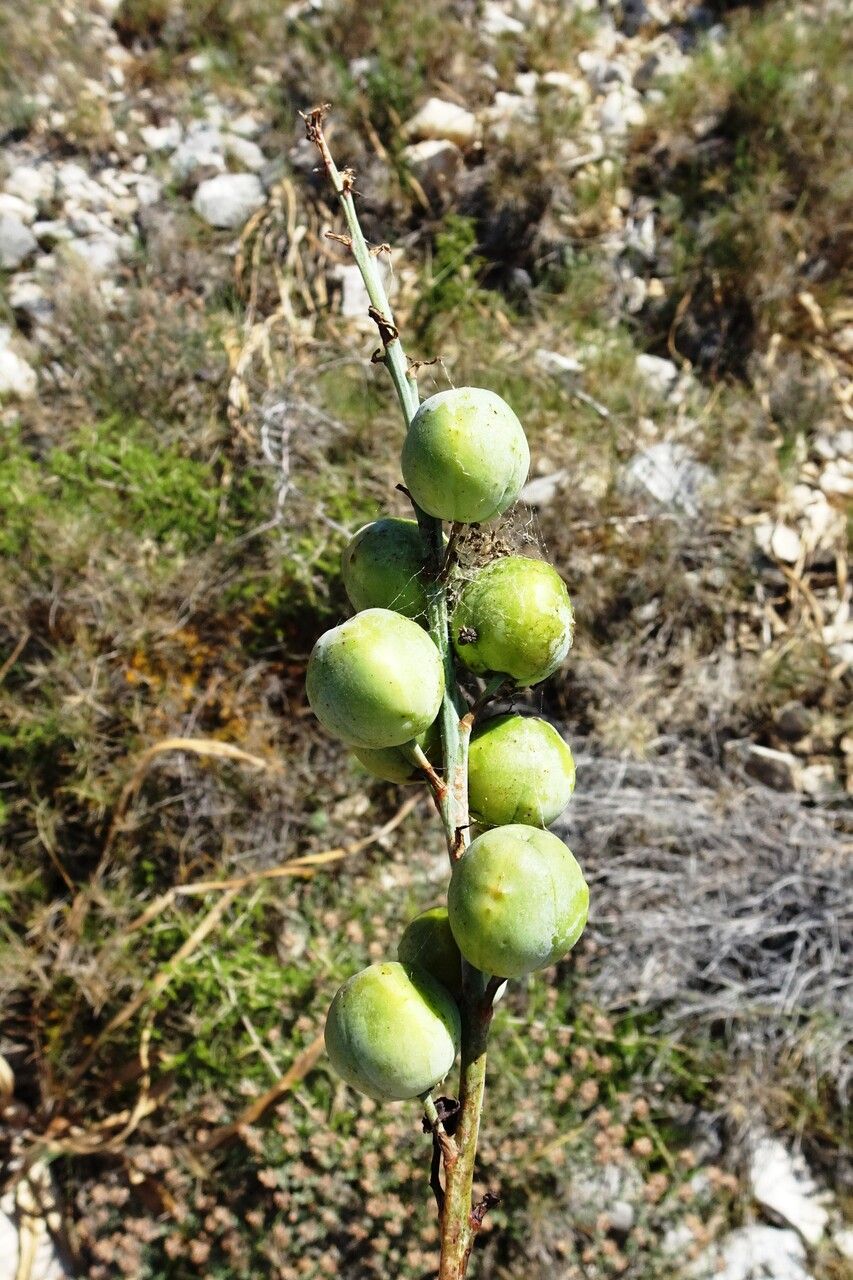
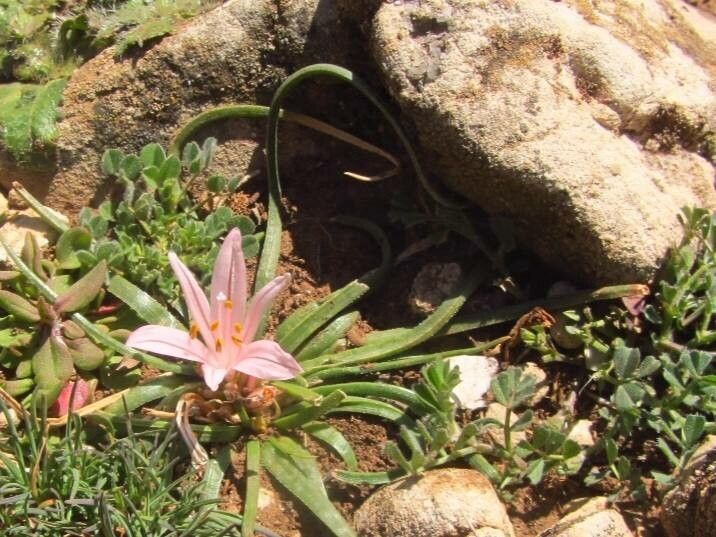
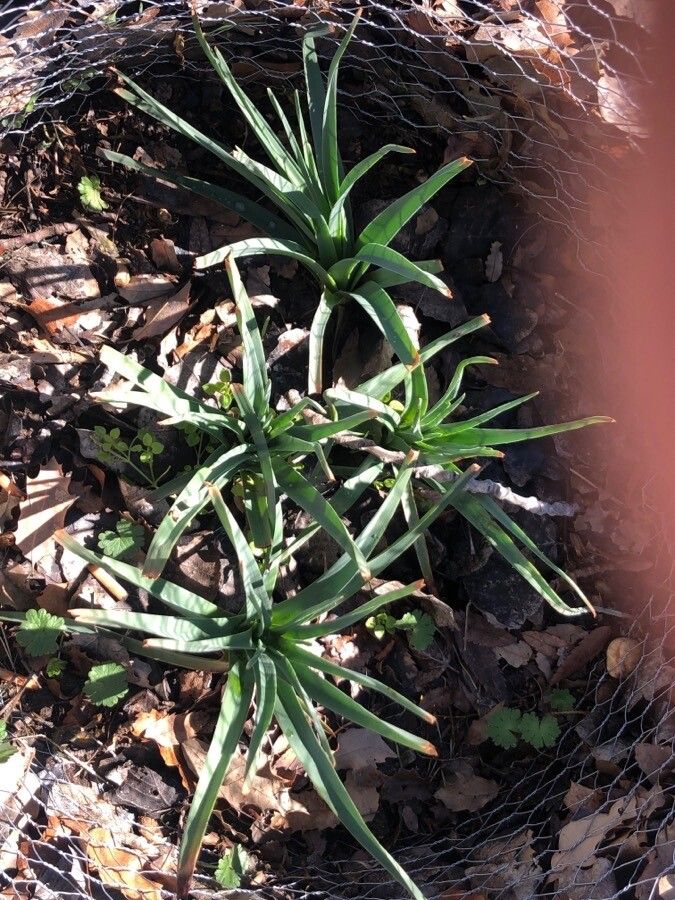
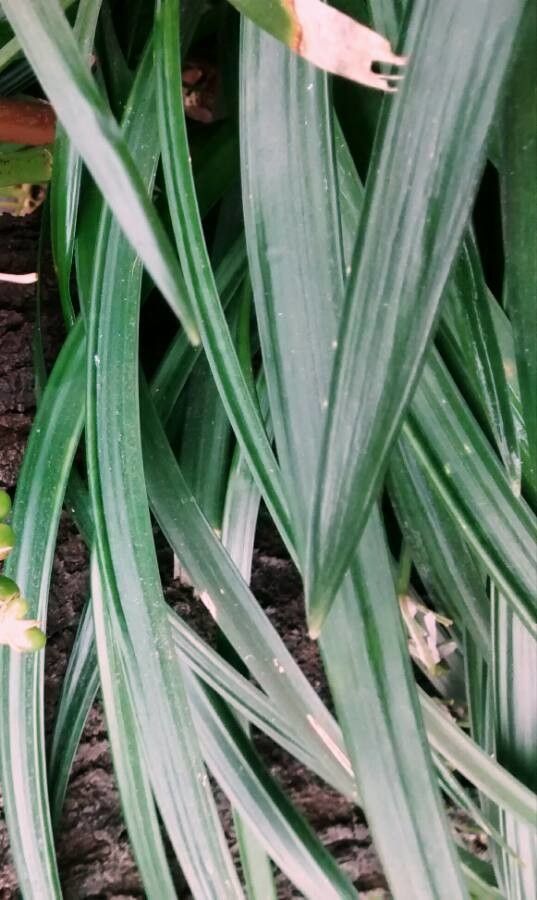
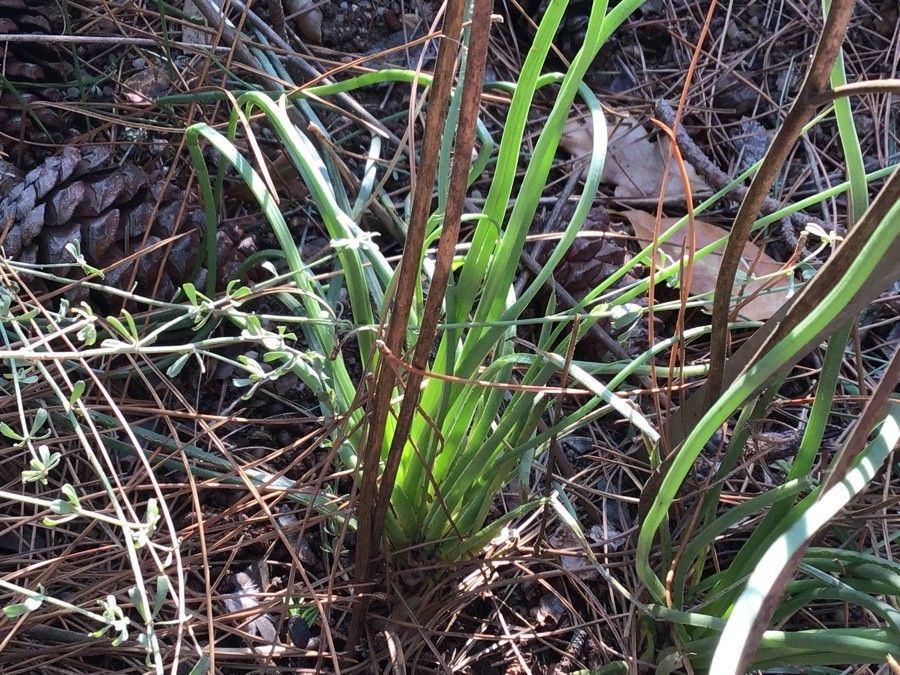
Small-fruited asphodel is fairly resistant to disease and usually does not suffer from many ailments. However, it can be vulnerable to pests and diseases present in its environment. These problems are typically not serious. In terms of care, the plant requires moderate upkeep. It should be pruned regularly to keep a neat appearance and ensure healthy growth. Fertilizing can also support and enhance flowering. Small-fruited asphodel is suitable for anyone with outdoor space, such as a garden or patio, and does not demand extensive plant-care experience. It may need more attentive care when grown indoors.
How to keep Asphodelus Cerasiferus.
Light
The miniature fruit asphodel flourishes successfully in environments bathed in plentiful sunlight, avoiding shades. It demonstrates a preference for zones where sunlight is able to fully permeate. Its resilience is noteworthy when sunlight availability is restricted, even though it prosper best with sufficient sunlight. Its health isn't greatly impacted by excessive or insufficient exposure to sunlight.
Water
Originating from arid regions, the small-fruited asphodel is highly drought-tolerant and thrives with minimal moisture. To keep it healthy, water it weekly, but be careful not to overwater. Adapted to rocky terrains, the plant's root system can quickly absorb water, making it an excellent choice for xeriscaping and rock gardens.
Humidity
This plant prefers dry conditions, so don't mist it. However, watering it less often can also thrive in higher humidity.
Temperature
The small-fruited asphodel thrives naturally in areas where the temperature ranges between 59 and 89.6°F (15 to 32℃). It prefers these temperate weather conditions. It requires adjustments in temperature when being grown in various seasons.
Fertilizer
The optimal period for fertilizing a Small-fruited asphodel is early spring, as it moves out of dormancy and begins to grow actively. The process of fertilization offers essential nutrients necessary for its robust growth. Despite the Small-fruited asphodel having a fairly minimal requirement for fertilization, conducting this process yearly could improve its survival probability and contribute to higher quality and more enduring blooms.
Pruning
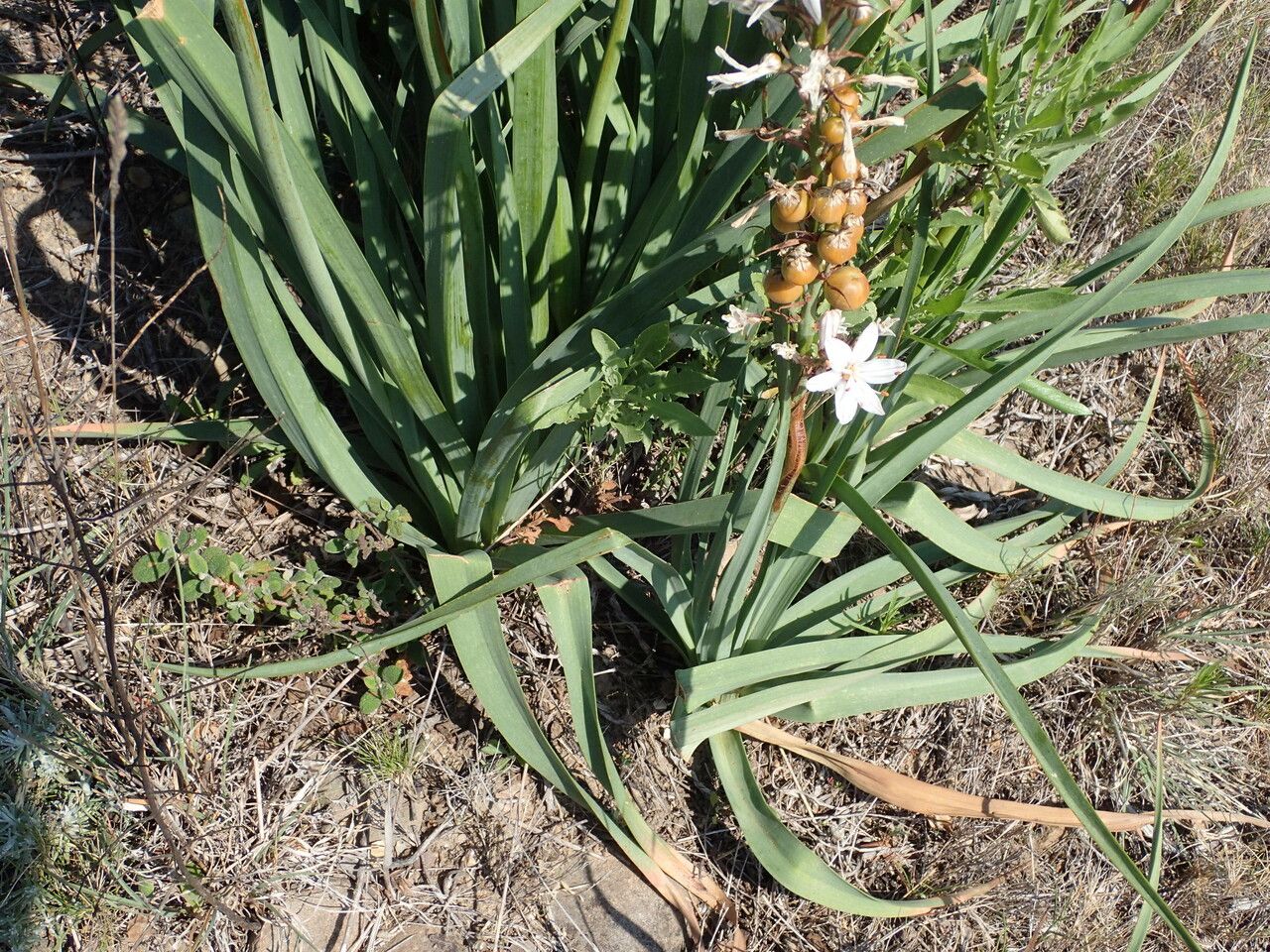
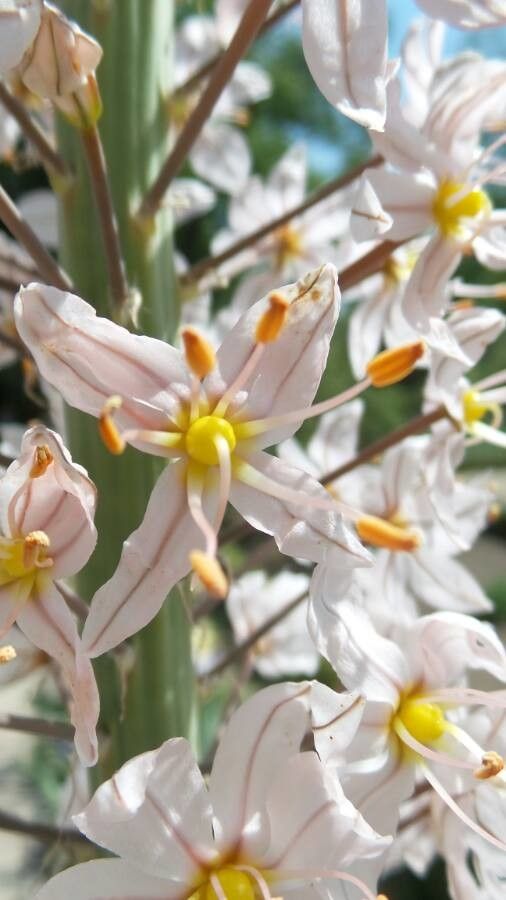
The small-fruited asphodel, known for its linear leaves and star-like flowers, benefits from pruning during early to late spring. Key practices include removing dead leaves and spent stalks, which help promote healthy growth and prevent disease. This maintenance boosts the plant's resilience and enhances its flowering potential. For detailed care instructions, consult horticultural guides.
Botanical profile.
- Plant Type
- Herb
- Life Cycle
- Perennial
- Hardiness Zone
- 8
- Mature Height
- 46 cm to 61 cm
- Mature Spread
- 30 cm to 61 cm
- Leaf Color
- Dark Green
- Leaf Type
- Semi-evergreen
- Flower Color
- White
- Flower Size
- 2.54 cm to 5.08 cm
- Bloom Time
- Mid spring, Late spring, Early summer
- Planting Time
- Spring
- Harvest Time
- Summer
- Native Area
- Italy, Spain, Algeria, Morocco, France
Other names.
Reader questions.
What are the sunlight requirements for a Small-fruited asphodel?
A Small-fruited asphodel thrives in full sunlight, requiring above 6 hours of sunlight daily. Sunlight plays a crucial role in the plant's development, affecting its health and flowering capability. Observing how sunlight moves through your garden helps in selecting optimal locations that offer a perfect balance of light and shade. This ensures the plant's happiness by meeting its sunlight needs while protecting it from excessive exposure.
What are the ideal temperature conditions for growing Small-fruited asphodel?
Small-fruited asphodel, botanical name Asphodelus cerasiferus, thrives in regions where the temperature ranges from 59 to 89.6°F (15 to 32°C), favoring moderate climatic conditions. It has a robust cold resistance, typically not requiring special frost protection measures in winter. However, for regions experiencing temperatures dropping below -10°C, proactive cold protection by covering the plant with soil or straw is advisable. Ensuring the soil remains moist before the first freeze in autumn helps the plant withstand winter and early spring by preventing drought and water scarcity.
How does artificial lighting support the growth of Small-fruited asphodel indoors?
Indoor Small-fruited asphodel plants require adequate lighting for optimal growth, especially when natural sunlight is insufficient, such as in winter or in less sunny spaces. Artificial lights, including LED lights customized to provide specific wavelengths needed by plants, serve as a vital solution. The intensity of artificial light required ranges based on the plant’s sunlight needs: full sun plants need 30-50W/sq ft, partial sun plants need 20-30W/sq ft, and shade plants need 10-20W/sq ft. The light source should be placed 12-36 inches above the plant, mimicking natural sunlight for 8-12 hours per day.
How does Small-fruited asphodel react to temperatures below the ideal range, and what are the solutions?
Small-fruited asphodel displays remarkable cold tolerance but performs best when the temperature stays above 15°C. In winter, it is crucial to maintain temperatures above -5°C to prevent adverse effects. Exposure to temperatures falling below -10°C might not show immediate damage in winter, but could lead to decreased sprouting or absence of sprouting in spring. The best solution for the spring following such low temperatures is to remove any parts of the plant that have failed to sprout, encouraging healthy new growth.
What are the symptoms of inadequate lighting for Small-fruited asphodel?
Small-fruited asphodel displays several symptoms when subjected to inadequate lighting, including smaller new leaves, leggy or sparse growth, faster leaf drop, slower or halted growth, and lighter-colored or chlorotic leaves. Excessive sunlight can lead to chlorosis, sunscald, leaf curling, wilting, and leaf scorching. These symptoms indicate either a light deficiency or overexposure, affecting the plant’s health and development.
How does Small-fruited asphodel react to high temperatures, and what measures should be taken?
During the summer, ensuring that the Small-fruited asphodel's environment remains below 32°C is crucial for its health. Exposure to temperatures above 35°C can cause the plant's leaves to lighten in color, become prone to curling, suffer from sunburn, and, in severe cases, lead to the wilting and drying of the entire plant. To mitigate these effects, one should trim away the sunburned and dried parts. Relocating the plant to a shaded area or using a shade cloth to protect it from the midday and afternoon sun can also be beneficial. Additionally, watering the plant in the morning and evening will help keep the soil moist, further protecting the plant from heat stress.
What solutions can be applied to address light-related issues in Small-fruited asphodel?
To address light-related issues in Small-fruited asphodel, gradually introduce the plant to more sunlit areas until it achieves at least 6 hours of direct sunlight daily. Use south-facing windows for indoor plants to maximize sunlight exposure. Artificial light sources can supplement light for indoor plants or those difficult to move. Outdoors, adapt your plants to sunlight by moving them to sunnier spots gradually. Pruning obstructions and transplanting during dormant periods can also improve sunlight access. However, areas damaged by insufficient light may not recover, emphasizing the need for preventive and gradual adaptation strategies.