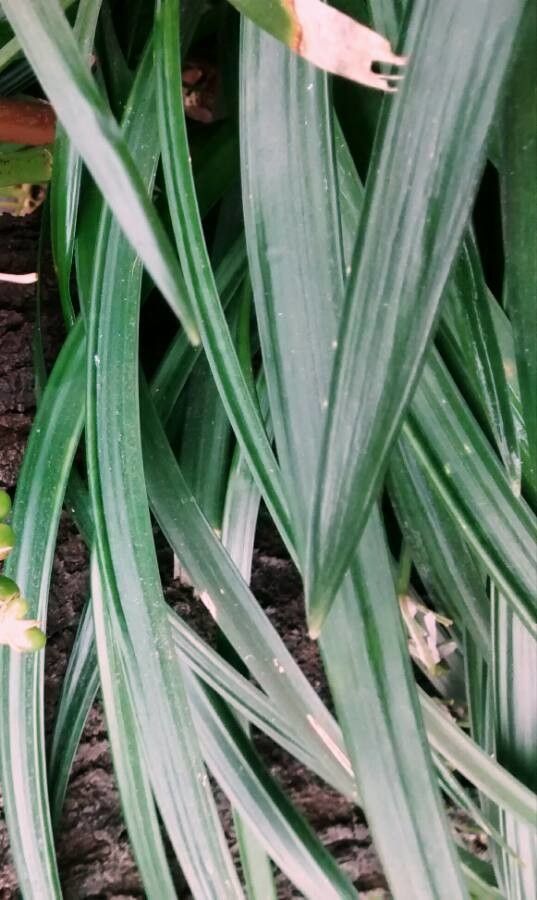
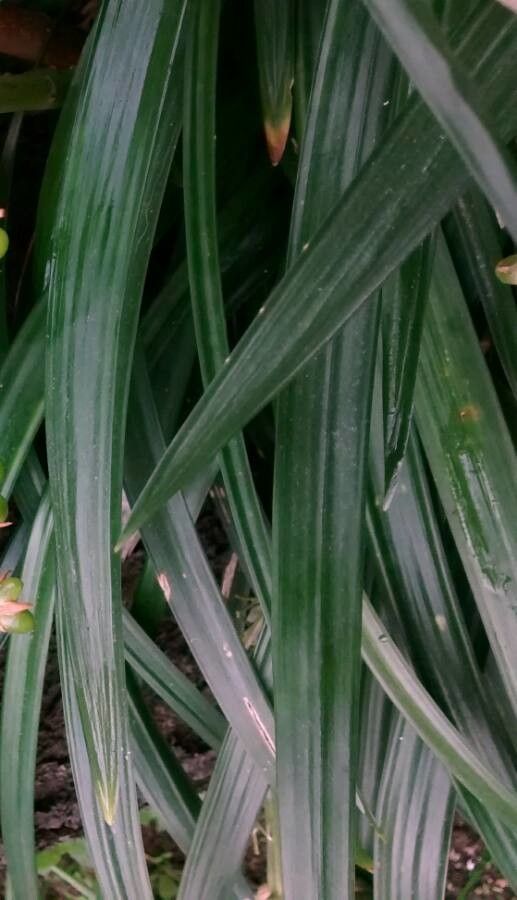
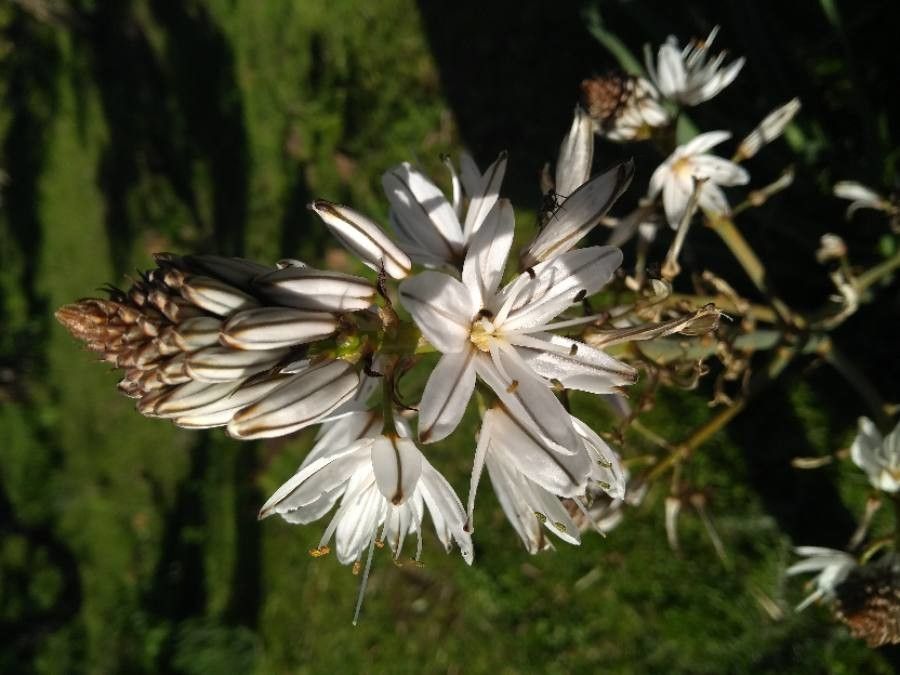
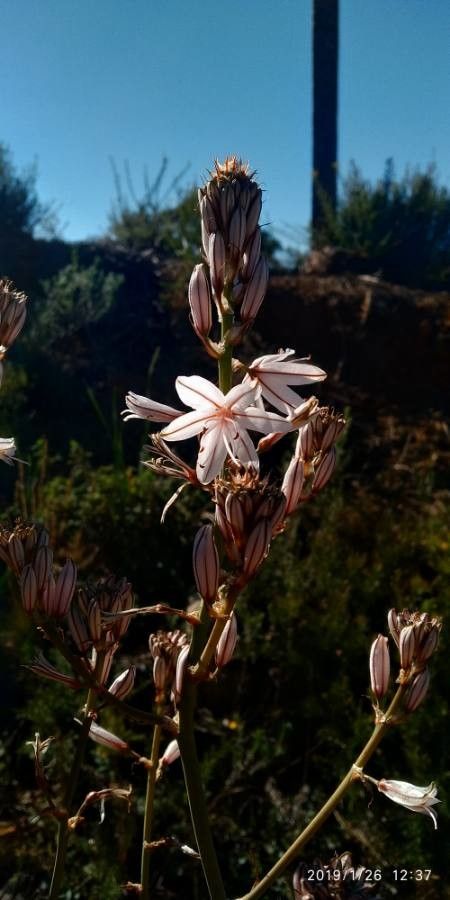
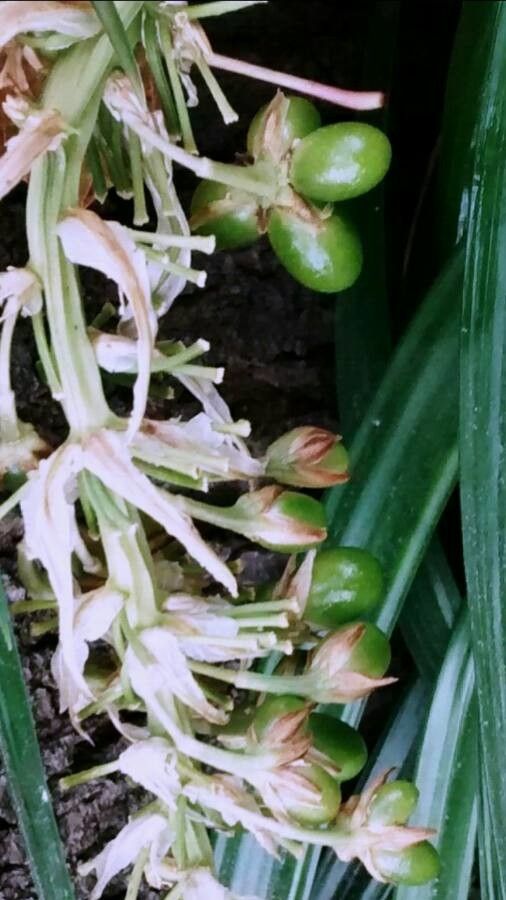
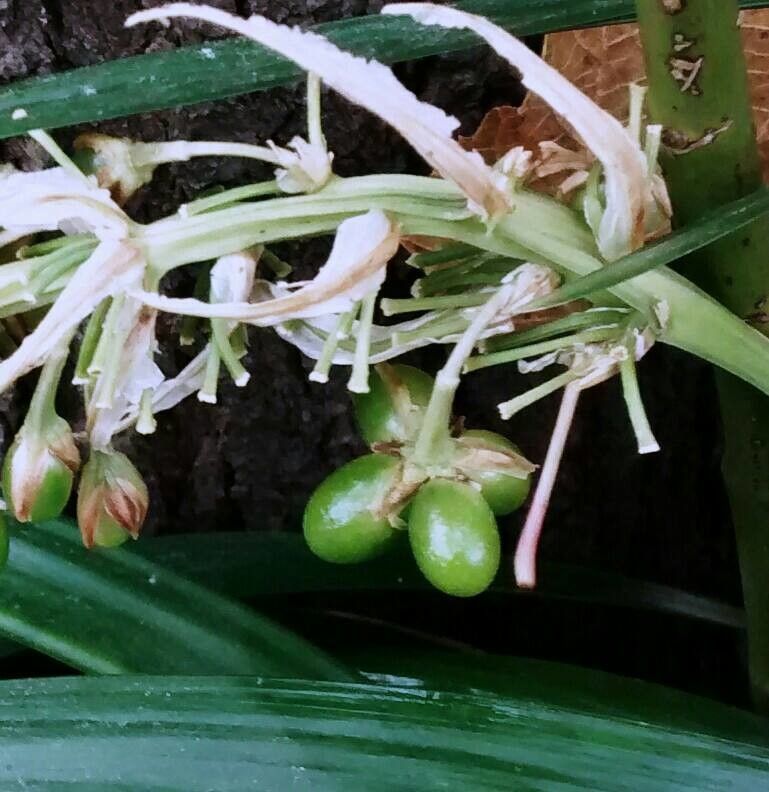
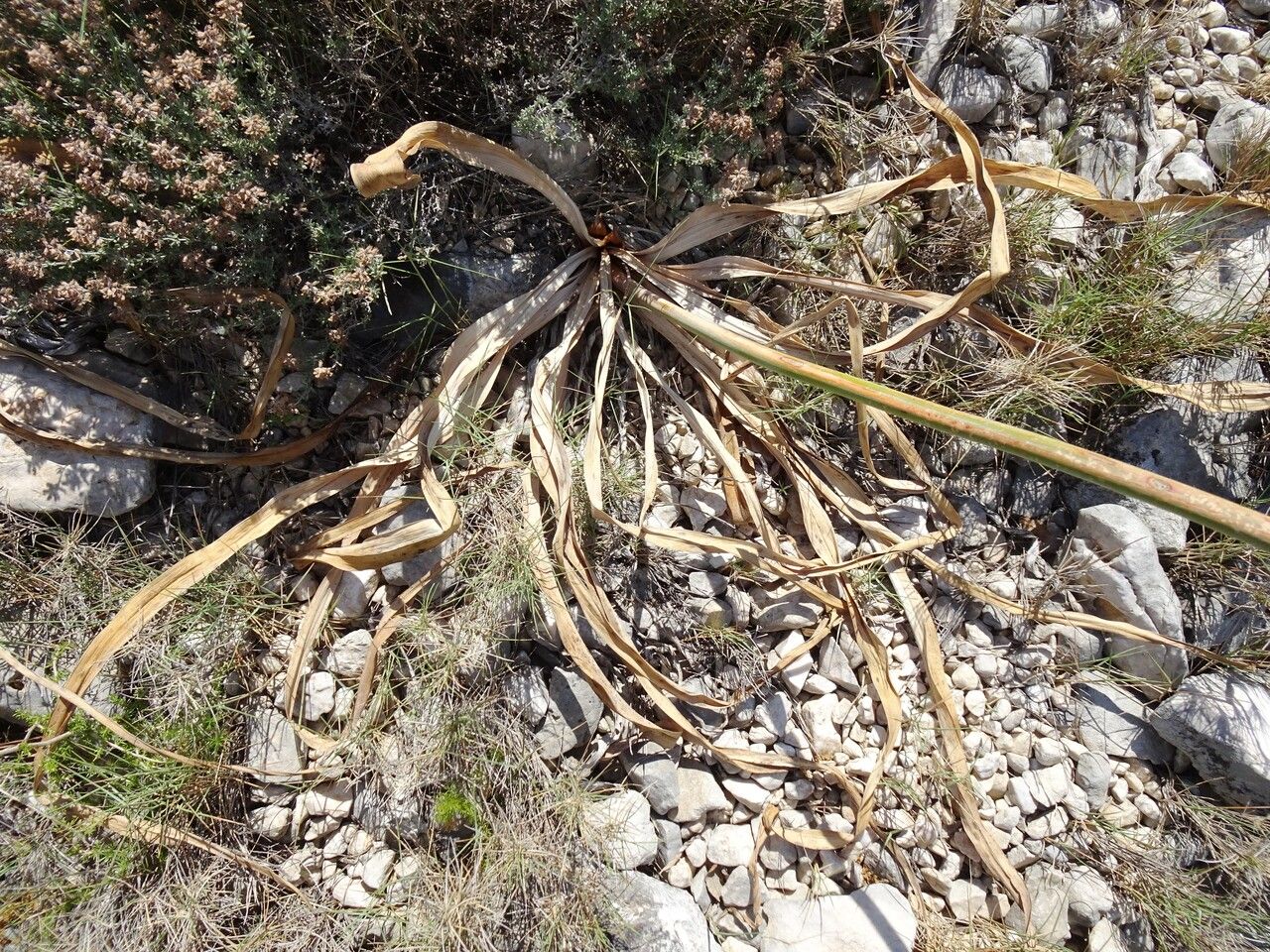
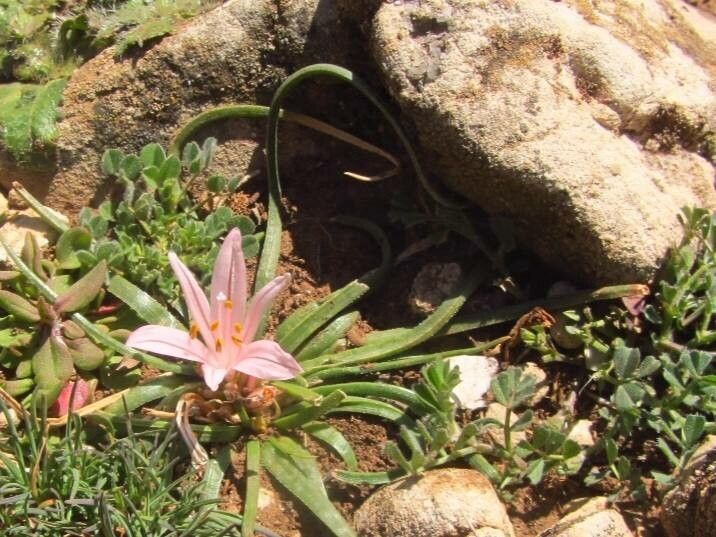
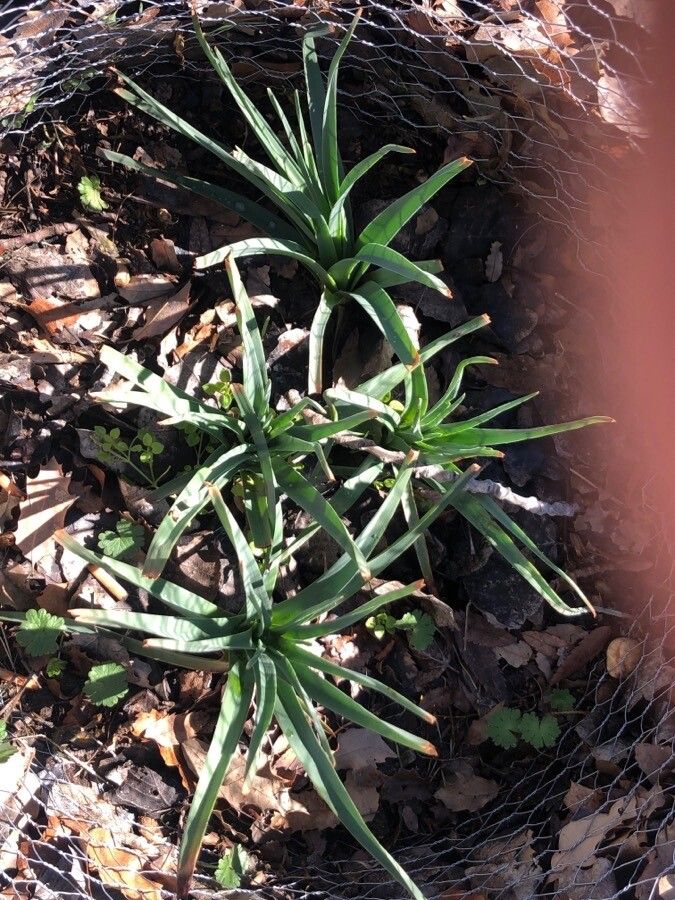
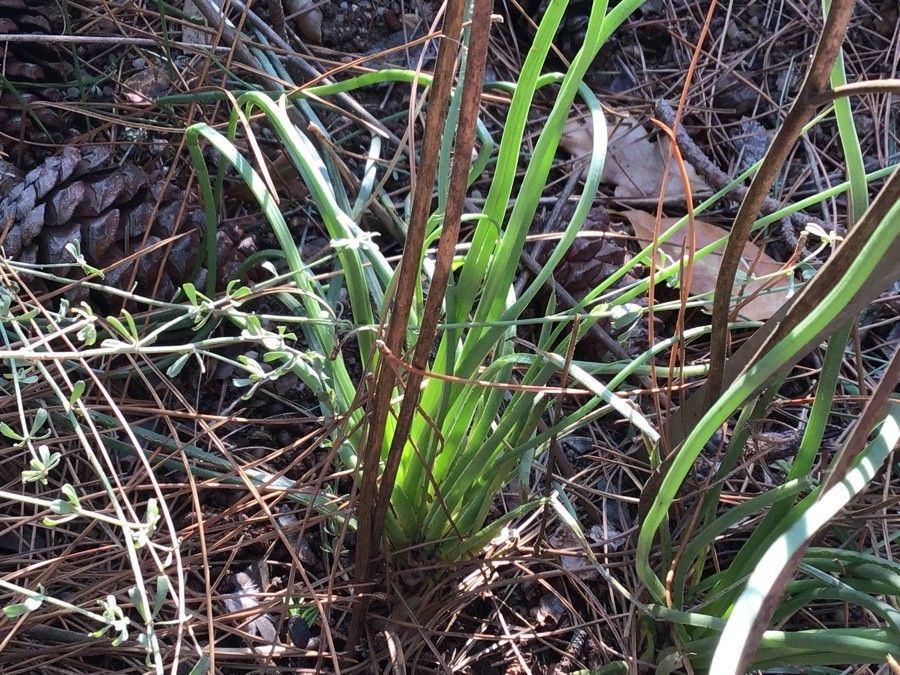
Asphodelus albus, common name white asphodel, is a herbaceous perennial plant belonging to the genus Asphodelus.
White asphodel generally shows strong resistance to disease and is not highly susceptible to illnesses. However, it can be affected by pests and diseases present in its environment; such problems are usually mild. Care-wise, the plant is of medium maintenance. It should be pruned regularly to preserve a neat appearance and support healthy growth. Fertilizing can also encourage flowering. This plant is well suited to anyone with an outdoor area, like a garden or patio, and does not demand extensive experience in plant care. It may need more attention when cultivated indoors.
How to keep Asphodelus Albus.
Light
White asphodel flourishes under uninterrupted sunlight and makes full use of the day's light. It can tolerate some shade, but its growth may be diminished. Native to open, sun-dominated areas, it can be damaged by too much or too little light, resulting in poor growth or discoloration.
Water
Native to the Mediterranean region, the white asphodel flourishes in well-drained soil and requires balanced moisture, typically needing watering once a week. Its root system is particularly efficient at absorbing moisture, making it an excellent choice for low-maintenance gardens in rocky terrains. Additionally, it can withstand short periods of drought.
Temperature
White asphodel is native to climates with typical temperatures of 41 to 95 °F (5 to 35 ℃). It prefers similar conditions and may need temperature adjustments, especially in colder seasons, to maintain its health.
Fertilizer
The best time to fertilize White asphodel is in early spring, as it comes out of dormancy and starts active growth. Fertilizing supplies essential nutrients for healthy development. Although White asphodel has relatively low fertilizer requirements, applying fertilizer annually can improve its survival and encourage better, longer-lasting flowers.
Pruning
White asphodel is a perennial plant characterized by its tall, spiked flowers and grass-like leaves. To maintain its health and encourage longer blooming, prune the plant from early to late spring. Start by removing any dead foliage, and cut back the flower stalks once they have finished blooming. This will improve air circulation and reduce the risk of disease.
Toxicity
Asphodelus albus is harmful if ingested and causes an upset stomach. Its roots are toxic.
Further reading →
The toxicity and danger assessments provided are for reference only. We do not assure their accuracy, so it's crucial not to depend on them. Seek professional advice when necessary for accurate guidance.
Botanical profile.
- Plant Type
- Herb
- Life Cycle
- Perennial
- Genus
- Asphodelus
- Family
- Asphodelaceae
- Hardiness Zone
- 5-9
- Mature Height
- 0.61 m to 1.22 m
- Mature Spread
- 30 cm
- Leaf Color
- Green
- Leaf Type
- Deciduous
- Flower Color
- White
- Flower Size
- 4.06 cm
- Bloom Time
- Mid spring, Late spring, Early summer
- Planting Time
- Spring, Summer, Autumn
- Harvest Time
- Mid summer, Late summer, Early fall
Other names.
Reader questions.
How should I water my White asphodel plant to keep it healthy?
To properly care for the White asphodel, it is important to use filtered water at room temperature or slightly warmer. Tap water may harm the plant due to particles it might contain. The White asphodel prefers warm environments, so cold water should be avoided to prevent a shock to its system. Overhead watering should also be avoided as it can cause problems with the foliage. Instead, it is recommended to apply filtered room temperature water directly to the soil until it is completely soaked. This helps to ensure the roots are properly moistened and able to spread throughout the soil to collect necessary nutrients.
Why is it important to fertilize my White asphodel?
Fertilization benefits the White asphodel plant in various ways. It provides essential nutrients for the plant's growth both above and below the ground. Though White asphodels have relatively low fertilization needs, occasional fertilization can be highly advantageous. While the plant can survive without fertilization, annual fertilization is recommended to enhance its survival and promote the production of longer-lasting, better-looking flowers. Those aiming to optimize the appearance of their White asphodel should prioritize annual fertilization.
What are the sunlight requirements for White Asphodel?
White Asphodel thrives under full, unobstructed sun exposure, enjoying the full benefits of the day's light. It requires above 6 hours of sunlight for 'Full Sun' conditions, or about 3-6 hours for 'Partial Sun'. However, it can withstand some shade, though its growth may be affected. Adequate sunlight is crucial, as both excessive and inadequate light can lead to poor growth or discoloration. Watching how sunlight moves through a garden allows for selecting spots that provide a good balance of light and shade, ensuring the plant's happiness.
What is the origin and preferred climate for White Asphodel?
White asphodel originates from climates where temperatures typically range from 41 to 95 °F (5 to 35 °C). It thrives in conditions similar to its native environment and may require adjustments in temperature, particularly in colder seasons, to ensure its health. Despite its strong cold resistance, special measures for frost protection may not be necessary during winter, but protection is recommended if temperatures are expected to drop below -25°C. Ensuring the soil is moist before freezing weather sets in helps prevent drought and water scarcity during winter and early spring.
What should I do if I give my White asphodel plant too much or too little water?
Overwatering is a more common issue for White asphodel plants and can cause wilting, yellowing leaves, and diseases like root rot. Underwatering is less common, but can lead to brittle, brown leaves. It's important to notice signs of overwatering early and reduce watering. If the soil drains poorly, replace it with well-draining potting mix. If underwatering is the issue, water more regularly.
When should I fertilize my White asphodel?
The best time to fertilize a White asphodel is in late winter to early spring when it is coming out of its dormant phase and entering a period of active growth. Fertilizing at this time promotes healthy growth and sets the plant up for a successful season. Although it is generally best to fertilize in the early spring, it is also okay to fertilize in the fall. However, it is not recommended to fertilize during the summer or winter.
How does artificial lighting support White Asphodel growth indoors?
Indoor White Asphodel plants require adequate lighting for optimal growth. When natural sunlight is insufficient, artificial lights provide a vital alternative. LED lights, popular for indoor plant lighting, can be customized to provide specific wavelengths needed by the plants. Full sun plants require 30-50W/sq ft, partial sun plants need 20-30W/sq ft, and full shade plants 10-20W/sq ft of artificial light. Placement should be 12-36 inches above the plant, mimicking natural sunlight, and most plants will need 8-12 hours of light per day to thrive.
How does White Asphodel handle low temperatures?
White asphodel is notably cold-tolerant, thriving best when the temperature remains above 5°C. During winter, it's important to ensure the temperature stays above -20°C. If temperatures fall below -25°C, there might not be any visible damage during winter, but it could lead to decreased sprouting or even a lack of sprouting in spring. To manage these effects, any parts of the plant that have failed to sprout in spring should be removed.
How many times should I water my White asphodel?
If your White asphodel is in a pot, the most precise way to determine if it needs water is to check the soil by sticking your finger in it. If the top two to three inches of soil feel dry, it's time to water. For White asphodel growing outdoors in the ground, you can use a similar method. When the top few inches of soil are dry, it's time to water. During the spring and early fall, this will usually mean watering once a week. In very hot weather, you may need to increase watering to twice or more per week. However, mature, well-established White asphodel plants can tolerate drought well.
When should I not put fertilizer on my White asphodel?
To ensure healthy growth, it is advisable to fertilize your White asphodel plant only during late winter and early spring. This plant does not require frequent fertilization, as one annual feeding is sufficient. Overfertilization can easily occur if you continue to fertilize throughout spring, summer, and fall, so it is important to avoid this. However, if you missed fertilizing in spring, you can feed the plant in fall. Additionally, there is no need to fertilize during winter as the White asphodel is in a dormant growth phase and does not produce new growth during this time.
What are the symptoms of light deficiency in White Asphodel?
White Asphodel displays several symptoms when exposed to inadequate lighting. These include smaller new leaves, leggy or sparse growth, faster leaf drop, slower or no new growth, lighter-colored new leaves, and conditions such as chlorosis, sunscald, leaf curling, wilting, and leaf scorching. These symptoms indicate the plant's struggle with poor light conditions, reflecting its need for optimal sunlight to maintain health and vigor.
What happens to White Asphodel in high temperatures, and how can it be protected?
During the summer, it is crucial to keep White asphodel's environment below 35°C. Exposure to temperatures above 38°C can lead to the plant's leaves becoming lighter, curling, getting sunburned, and in severe cases, the entire plant might wilt and dry. To protect the plant, trim away the sunburned and dried parts. Relocate the plant to a spot that avoids the midday and afternoon sun or use a shade cloth to provide protection. Watering the plant in the morning and evening helps keep the soil adequately moist.