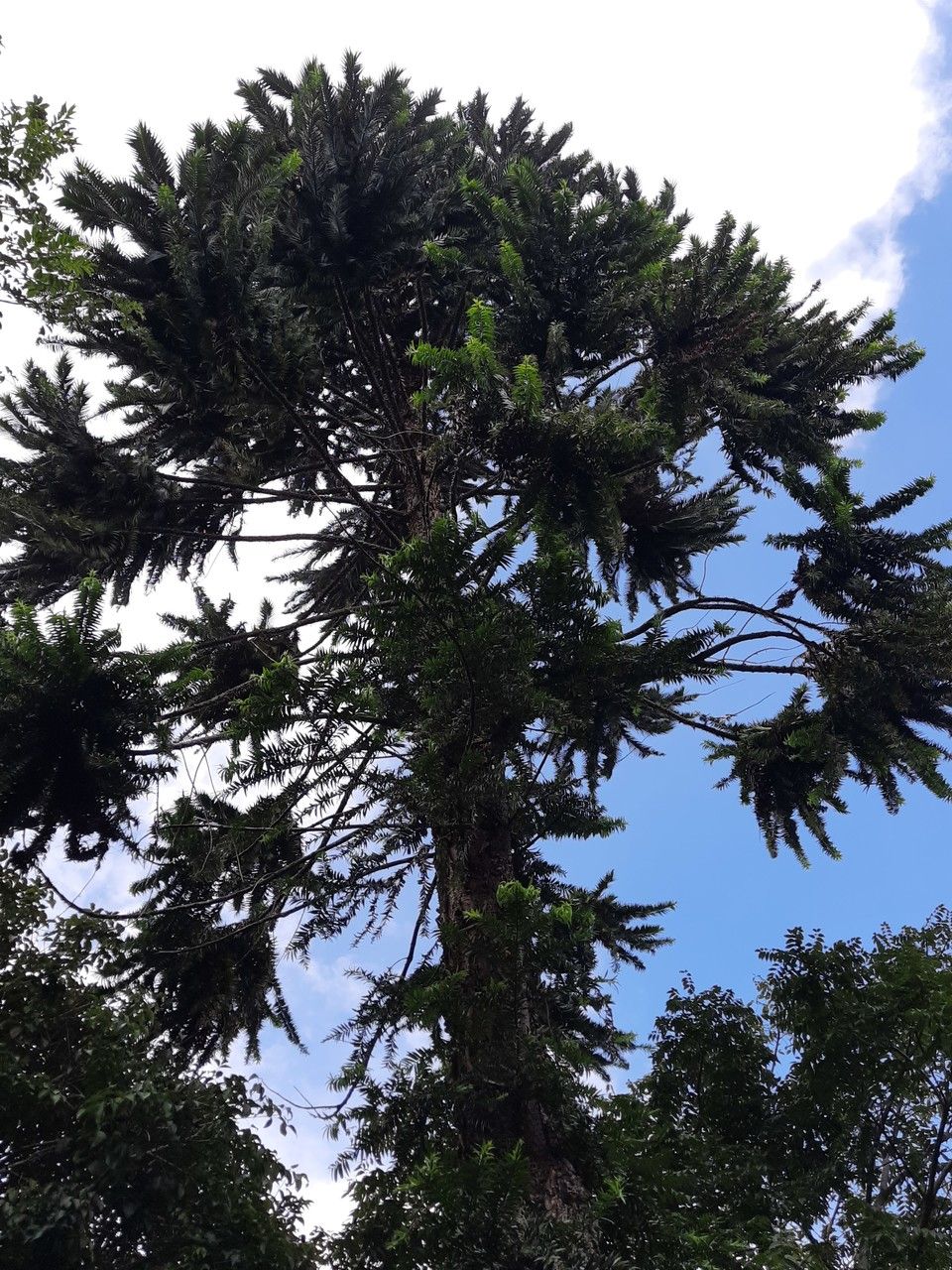
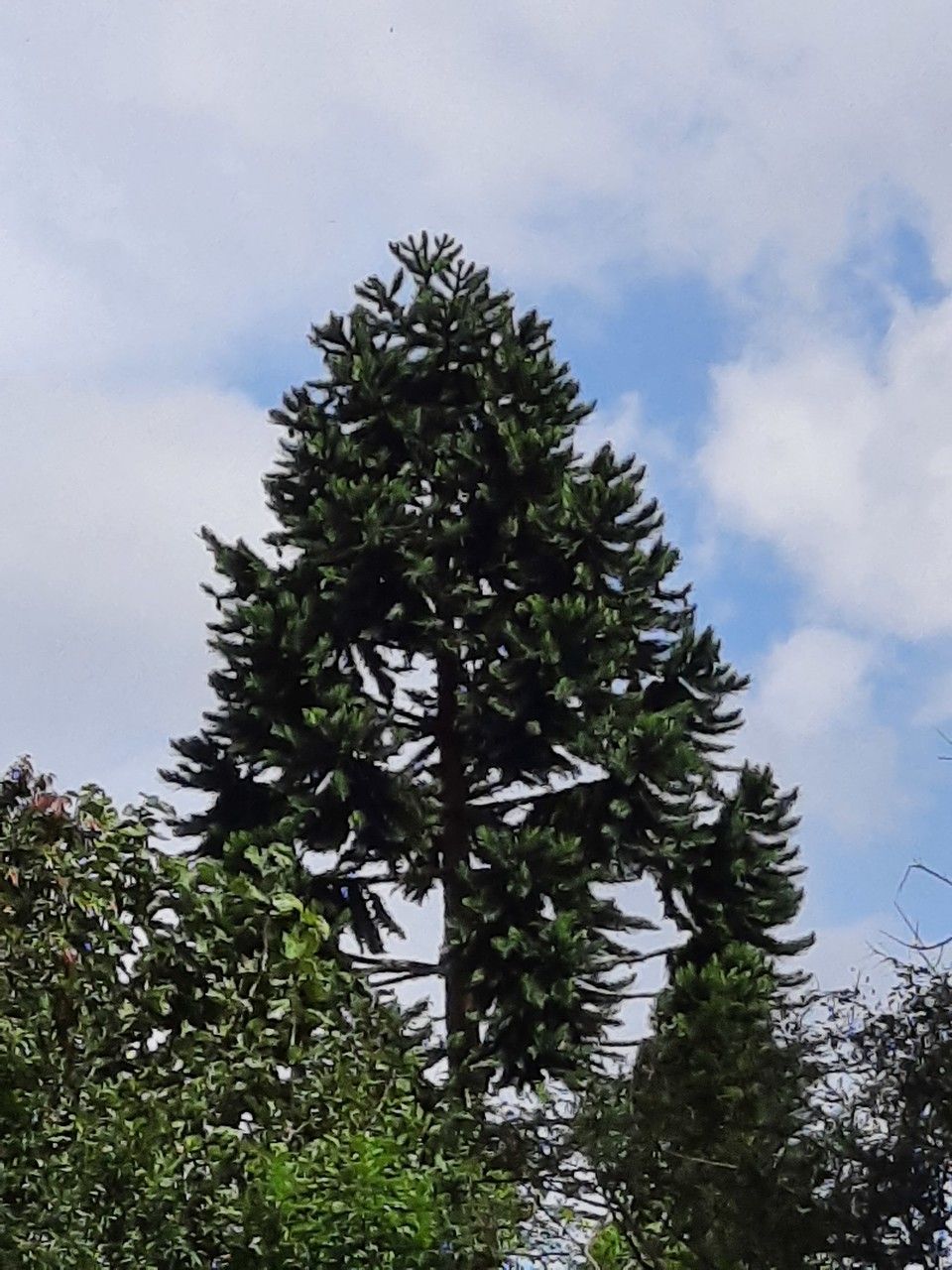
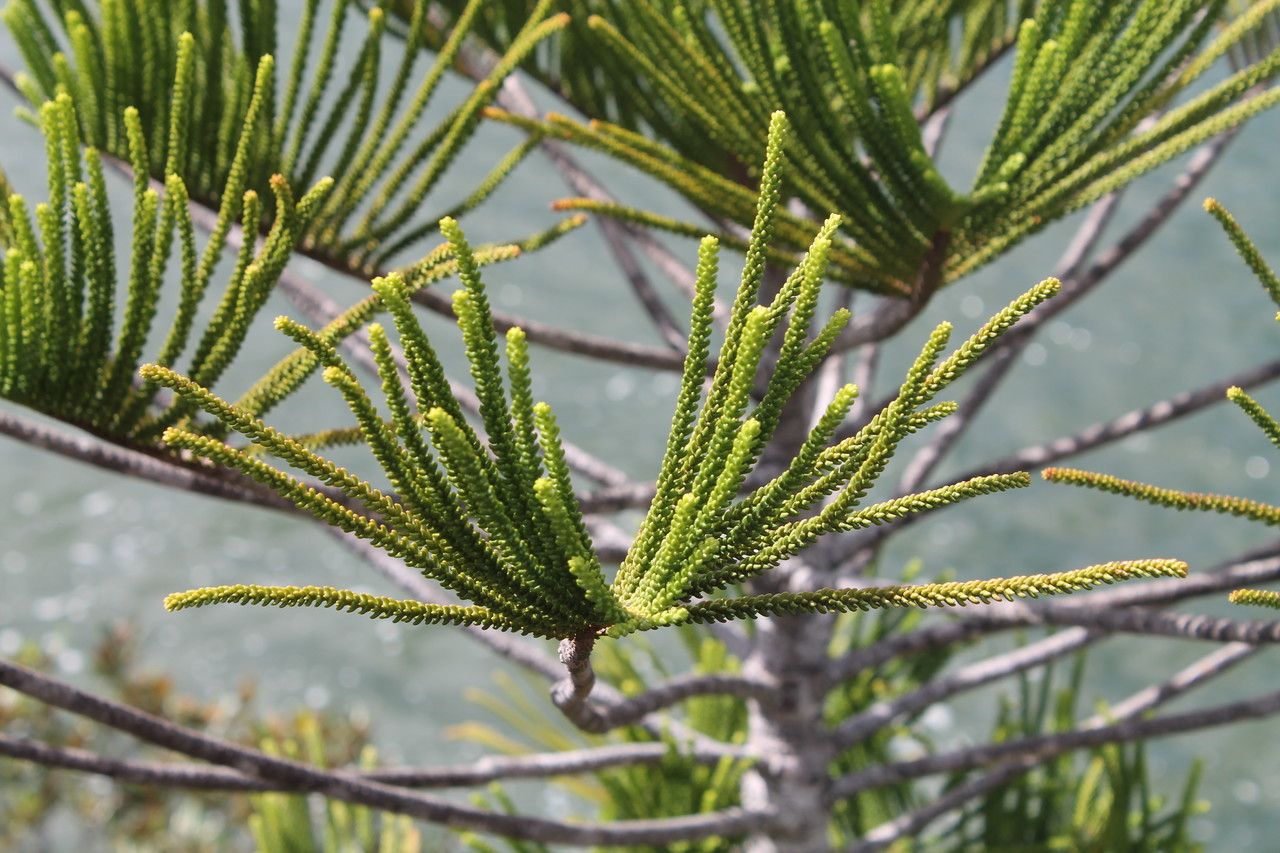
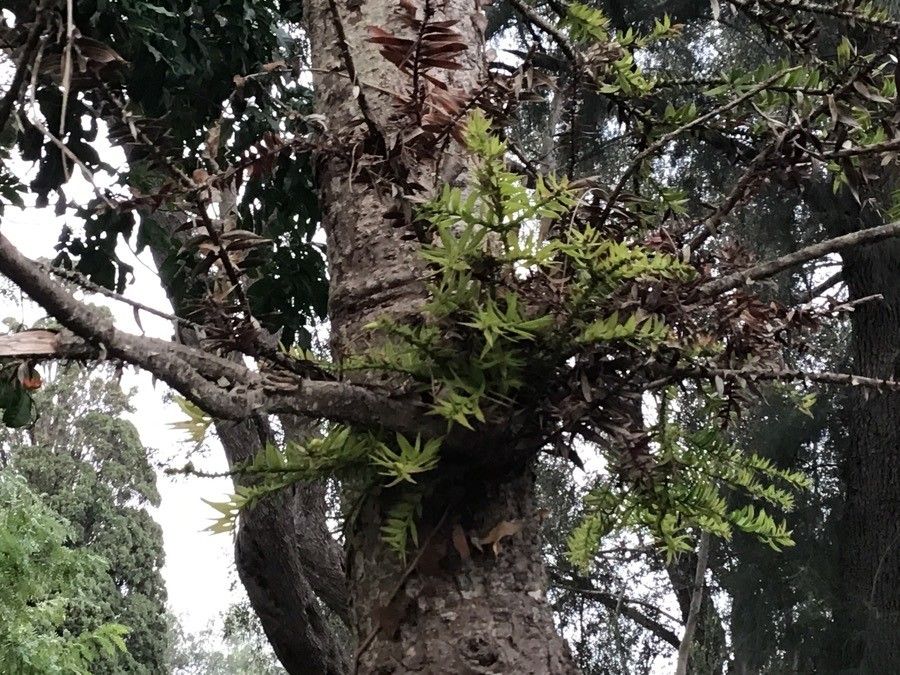
Araucaria hunsteinii (Klinki , Klinkii or "Klinky", native names Rassu and Pai) is a species of Araucaria native to the mountains of Papua New Guinea. It is threatened by habitat loss.
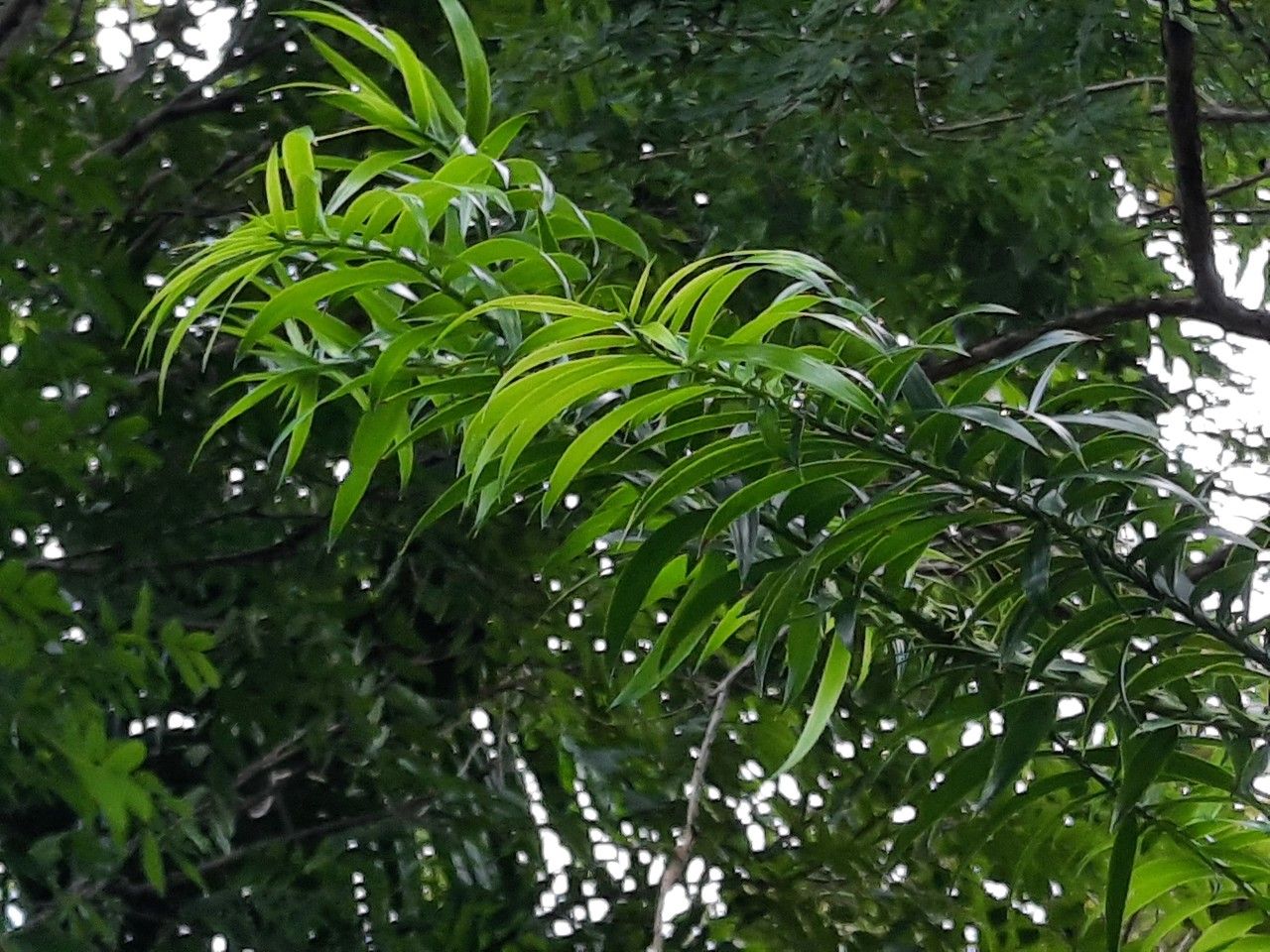
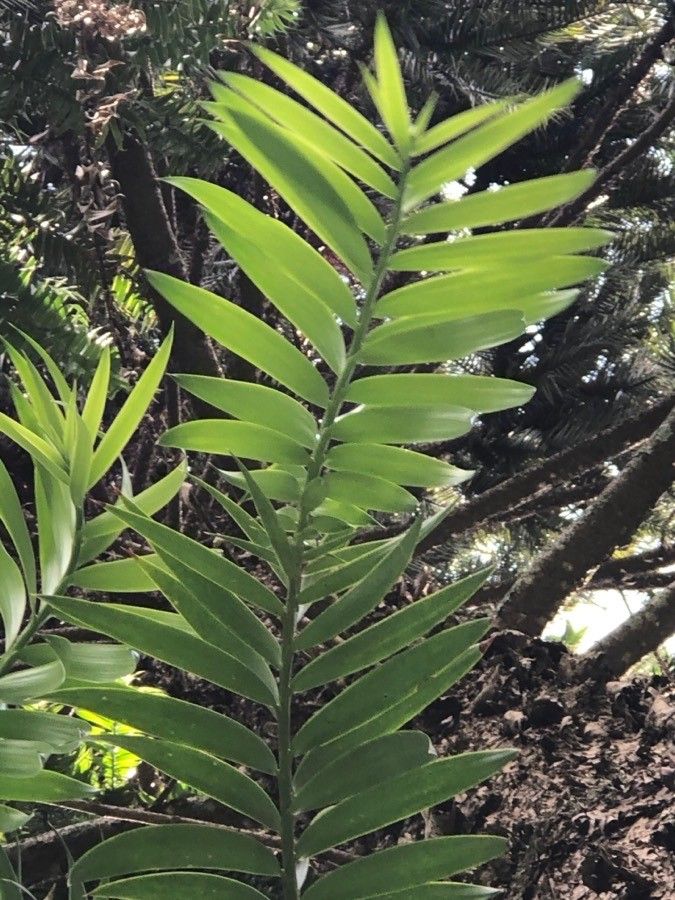
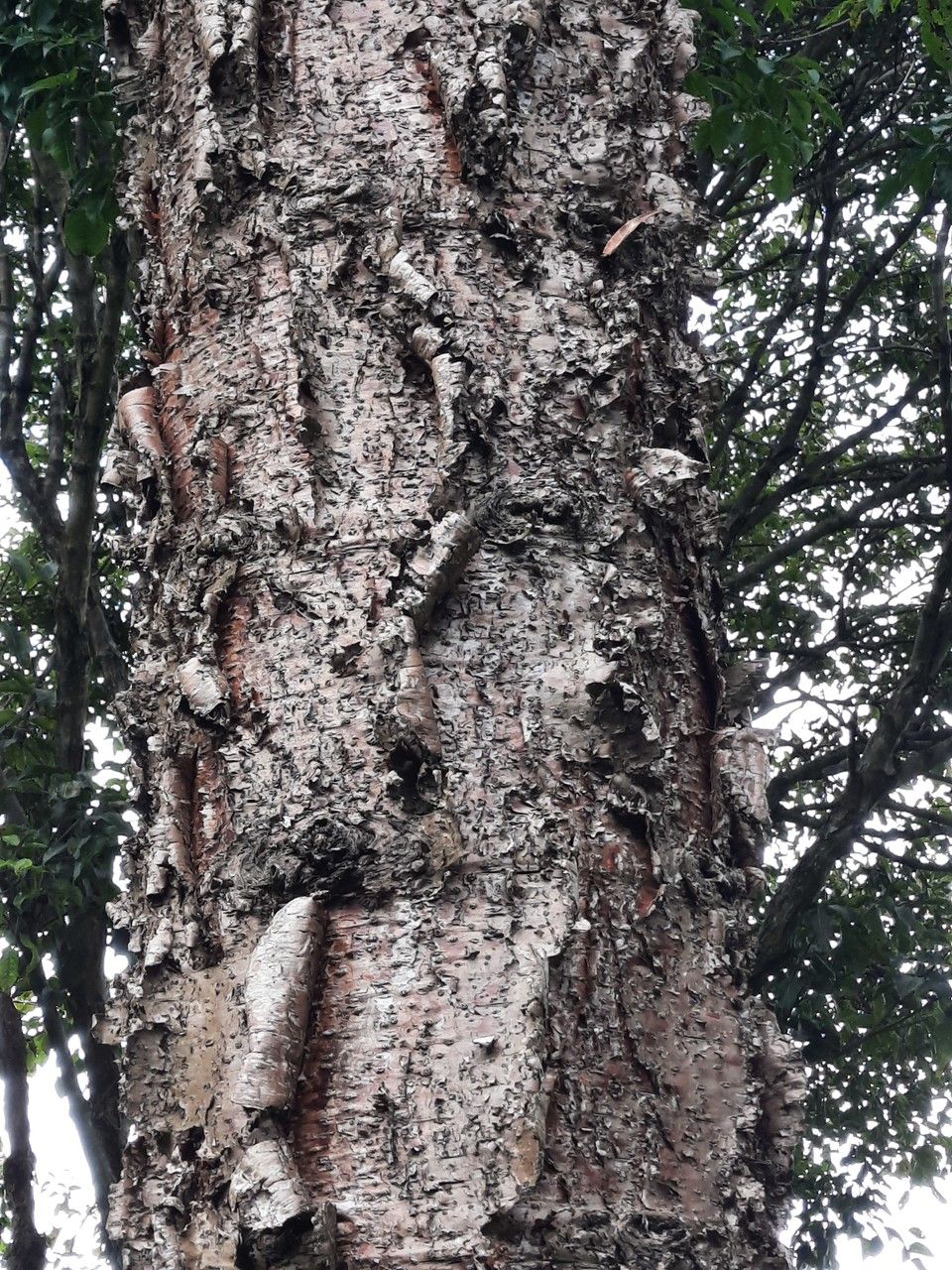
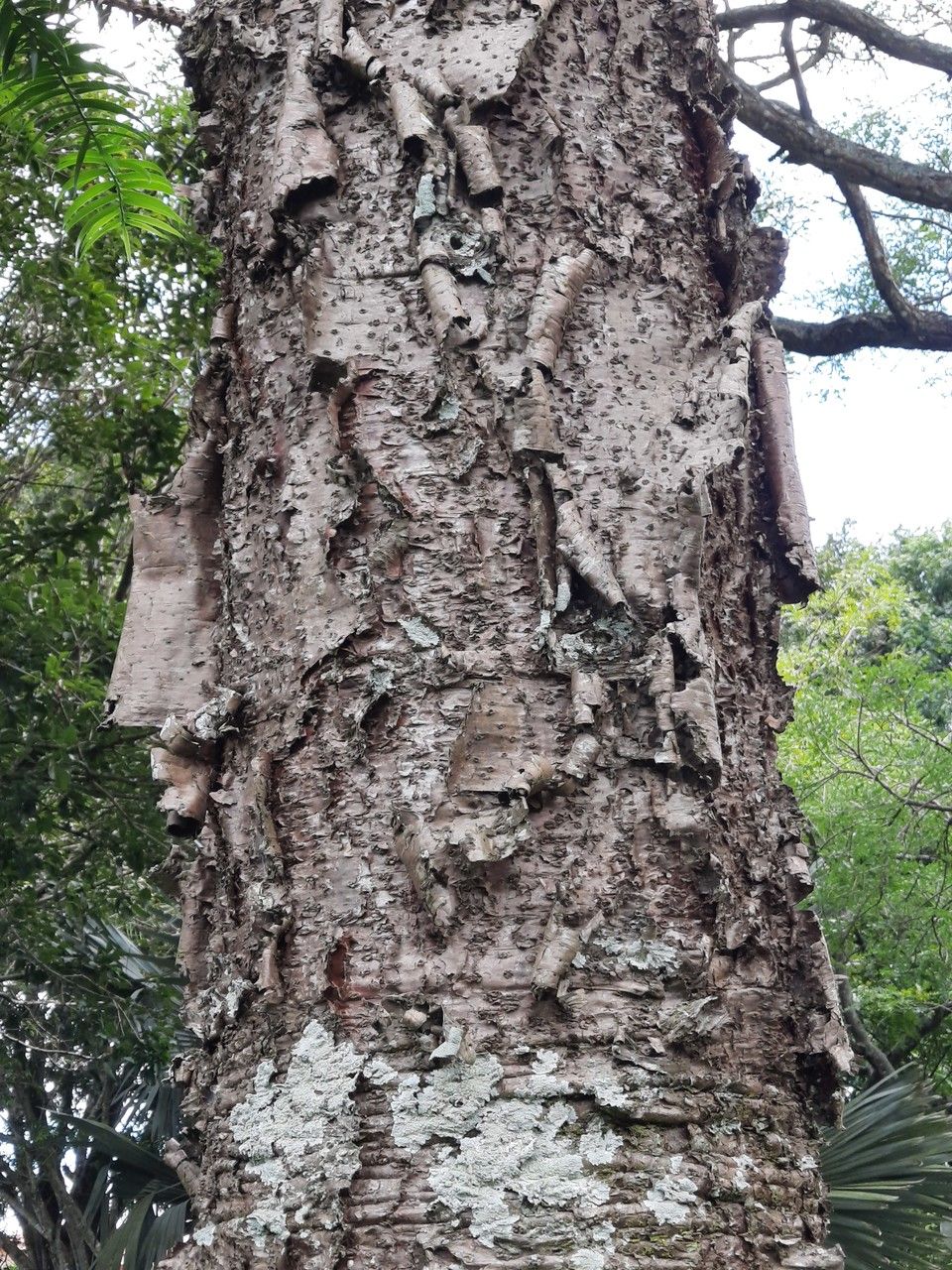
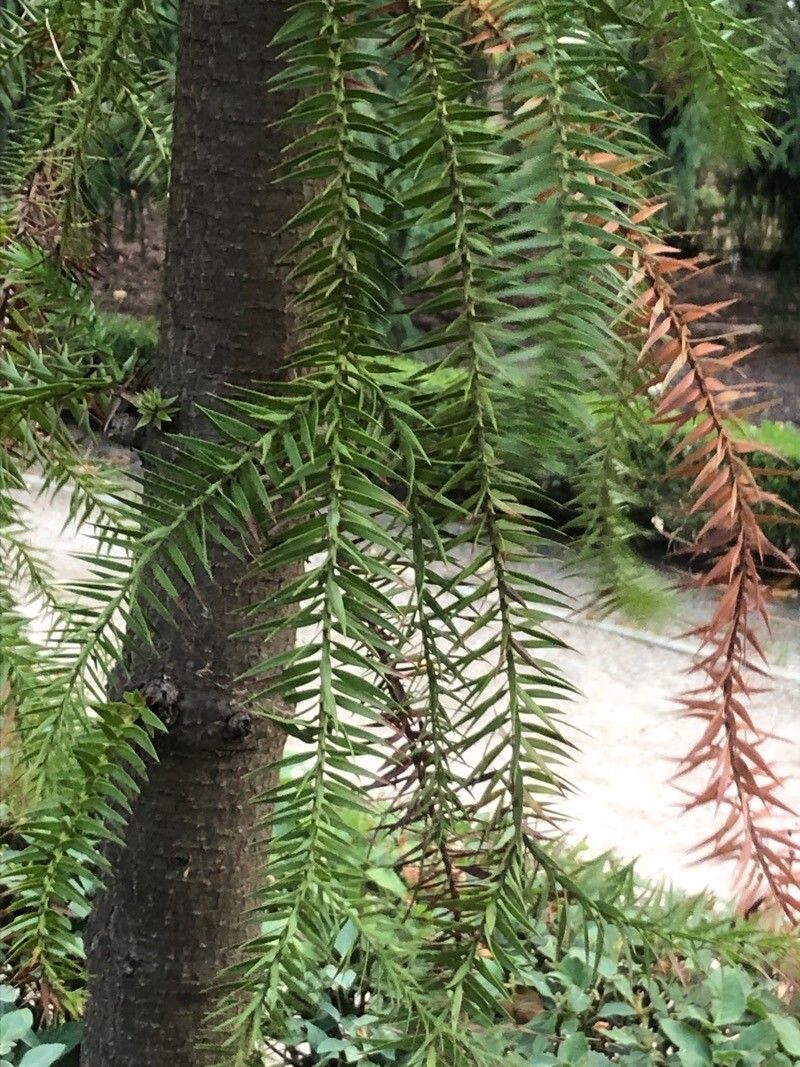
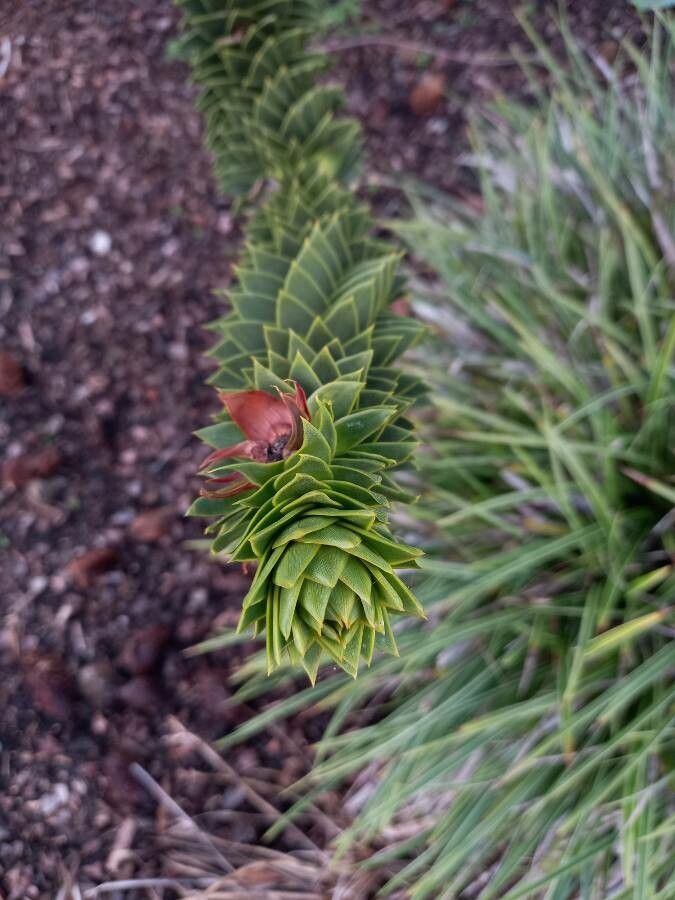
It is a very large evergreen tree (the tallest in New Guinea, and the tallest species in its family), growing to 50–80 metres (164–262 ft) tall, exceptionally to 90 metres (295 ft), with a trunk up to 3 metres (10 ft) diameter. The branches are horizontal, produced in whorls of five or six. The leaves are spirally arranged, scale-like or awl-like, 6–12 centimetres (2–5 in) long and 1.5–2 centimetres (5⁄8–3⁄4 in) broad at the base, with a sharp tip; leaves on young trees are shorter (under 9 centimetres (4 in)) and narrower (under 1.5 centimetres (5⁄8 in)). It is usually monoecious with male and female cones on the same tree; the pollen cones are long and slender, up to 20 centimetres (8 in) long and 1 centimetre (3⁄8 in) broad; the seed cones are oval, up to 25 centimetres (10 in) long and 14–16 centimetres (5+1⁄2–6+1⁄4 in) broad. The seed cones disintegrate at maturity to release the numerous 3–4 centimetres (1–1+1⁄2 in) long nut-like seeds.
Klinki pine has strong disease resistance and is generally not prone to illnesses. In terms of care, this plant is fairly low-maintenance. When grown outdoors it needs little watering, and larger plants typically do not require pruning. Smaller plants, however, should be pruned after they bloom. Klinki pinet is suitable for anyone with outdoor space, such as a garden or a deck, and does not require extensive care experience.
How to keep Araucaria Hunsteinii.
Light
Klinki pine is native to open habitats, such as sunny meadows and forest margins, which provide abundant light. It performs best in Full Sun but can tolerate Partial Sun, adapting well to different sunlight levels.
Water
Klinki pine requires thorough watering when the topsoil dries out, especially when it is a seedling with few roots. Regular watering during dry weather is beneficial. Once the tree matures, it develops a deeper root system, becoming more drought-tolerant and needing less frequent watering. However, even mature trees will need extra water during prolonged dry spells.
Temperature
Klinki pine comes from tropical areas, where the climate is generally warm and humid. Therefore it is adapted to high heat and moisture. It does not tolerate abrupt temperature shifts and prefers a steady thermal environment, so indoor temperature fluctuations should be avoided. It typically cannot withstand cold and requires warmer conditions to grow. If ambient temperatures fall too low, the plant may stop growing or even die.
Fertilizer
Klinki pine has distinct nutrient needs and does not require excessive fertilization. Spring is the best time to apply fertilizer for optimal growth. Providing nutrients enhances its health, increases its resistance to pests and diseases, and helps maintain its long lifespan.
Pruning
The Klinki pine is a tall evergreen conifer characterized by its symmetrical branching and spiky leaves. For optimal health, prune the tree from early to late winter. This timing helps reduce stress and minimize sap loss. Focus on removing any dead or damaged branches during pruning. It's important to sterilize your tools to prevent infections. Proper pruning promotes the tree's growth and enhances its longevity.
Botanical profile.
- Plant Type
- Tree
- Life Cycle
- Perennial
- Genus
- Araucaria
- Family
- Araucariaceae
- Hardiness Zone
- 10
- Mature Height
- 0 m to 2.5 m
- Mature Spread
- 10.06 m to 14.94 m
- Leaf Color
- Green
- Leaf Type
- Evergreen
- Bloom Time
- Mid spring, Late spring
- Planting Time
- Spring, Summer, Autumn
- Harvest Time
- Late summer, Early fall, Mid fall
Other names.