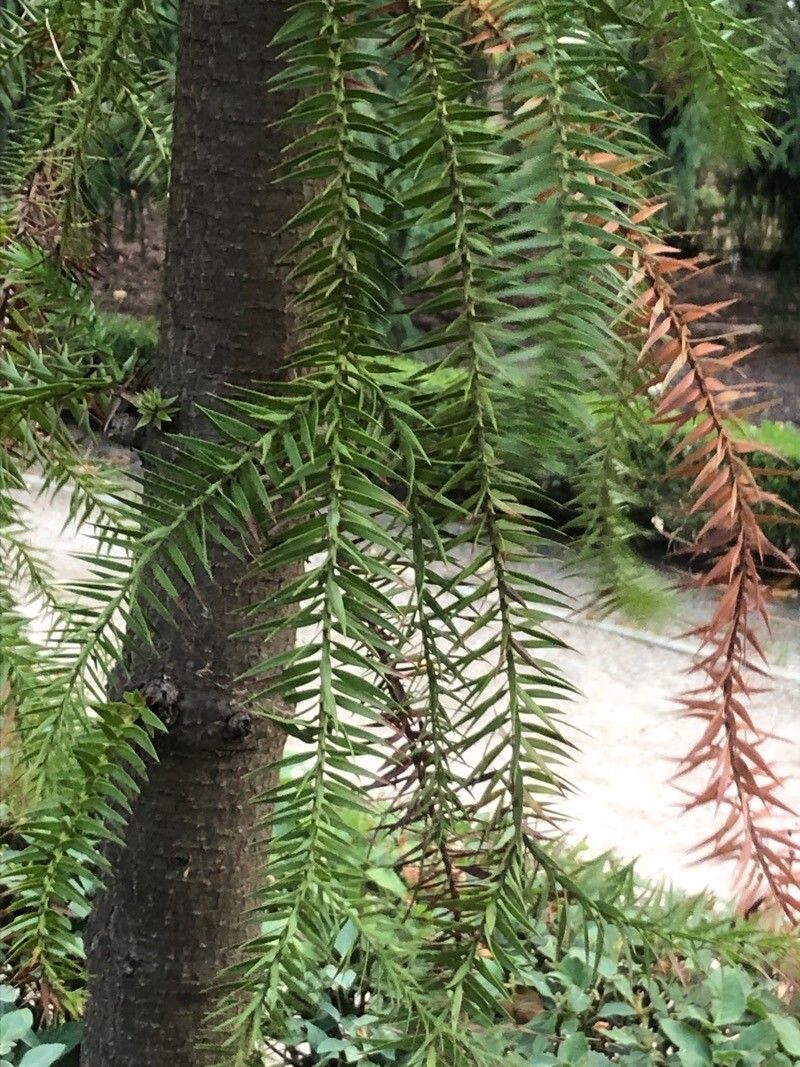
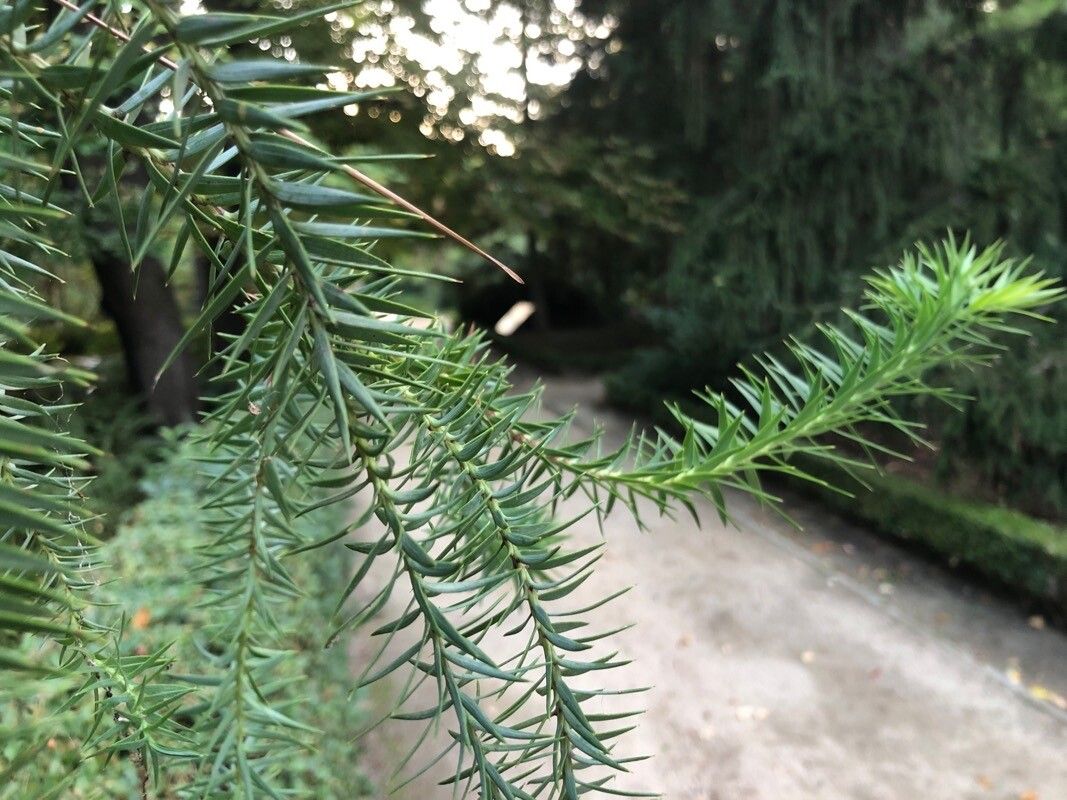
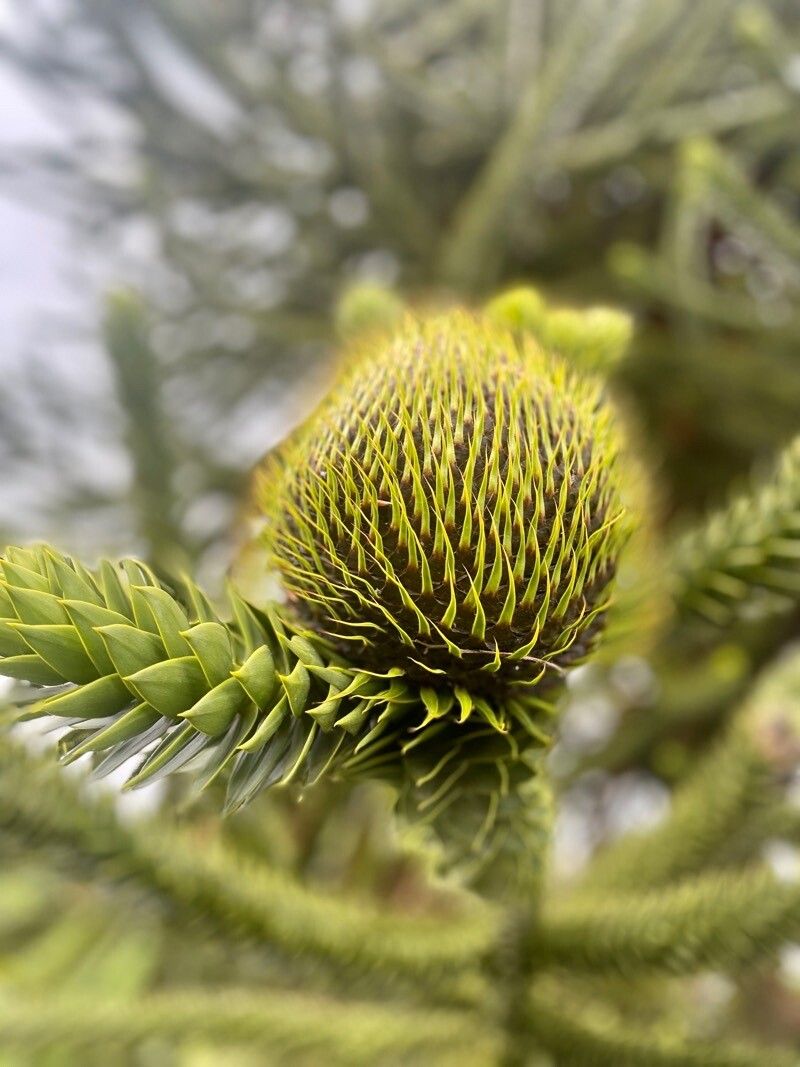
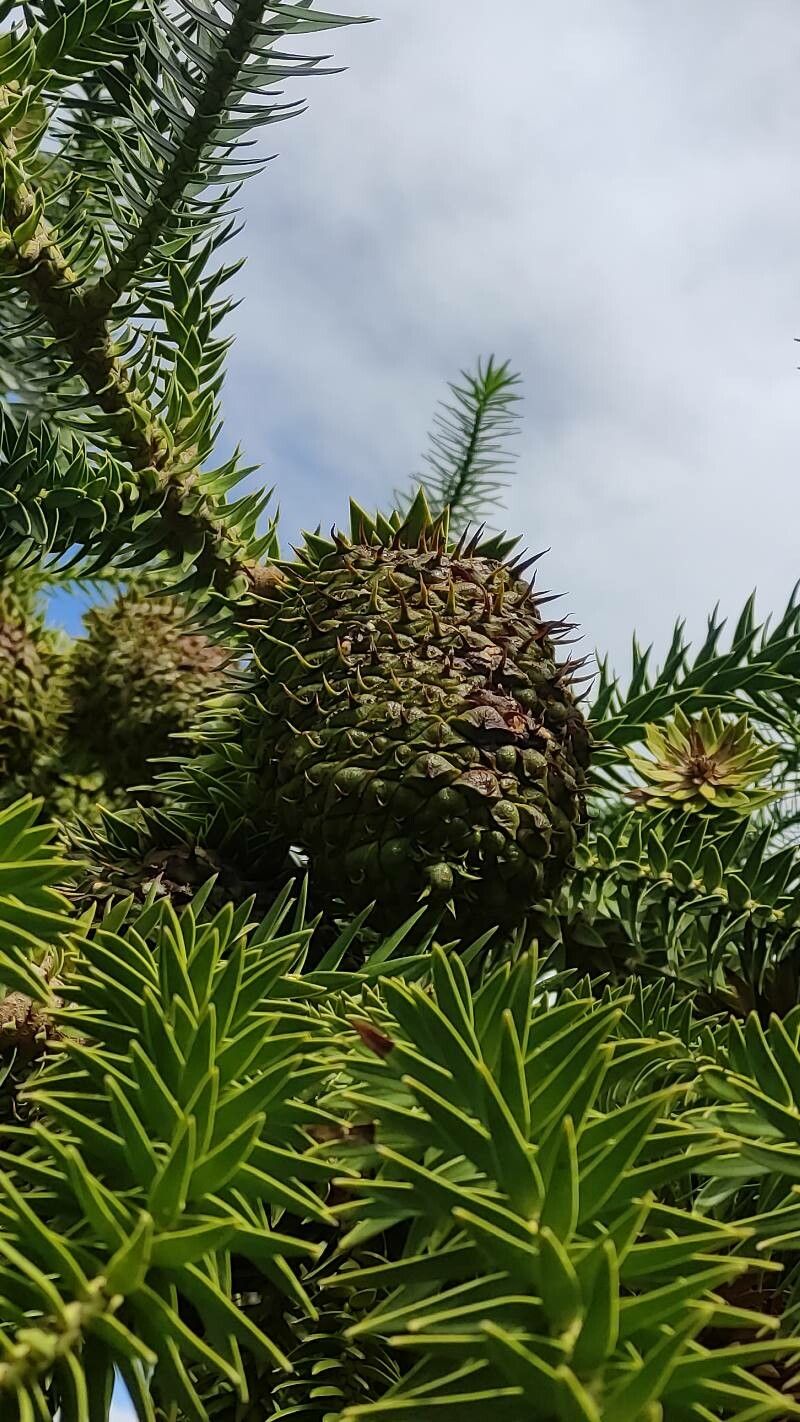
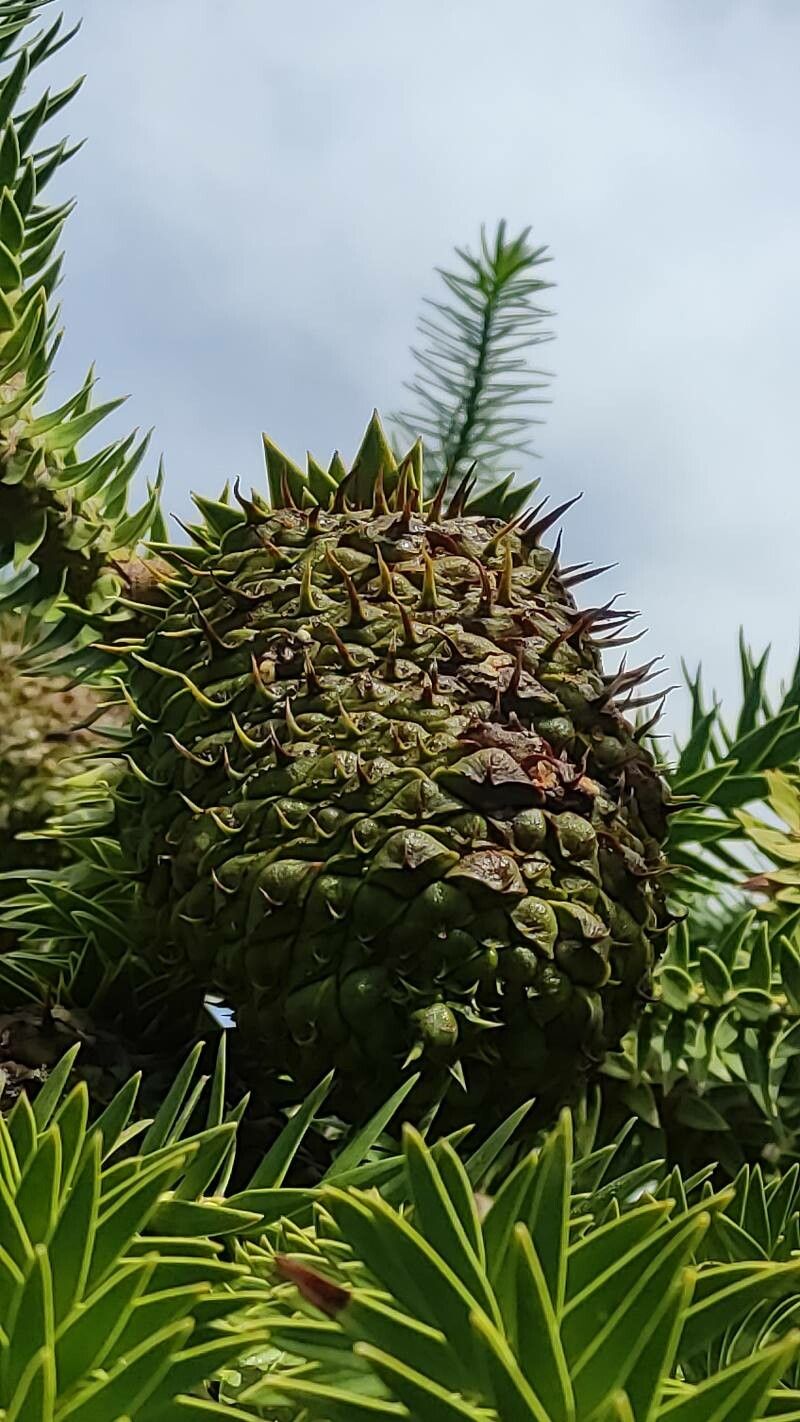
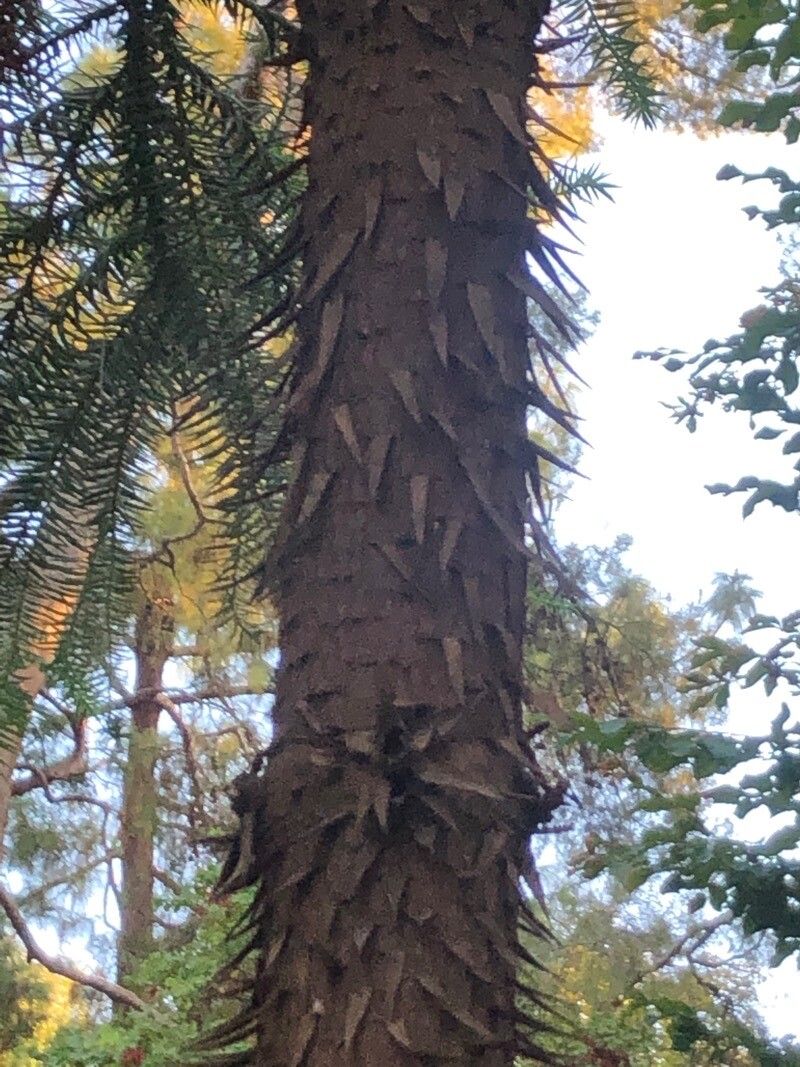
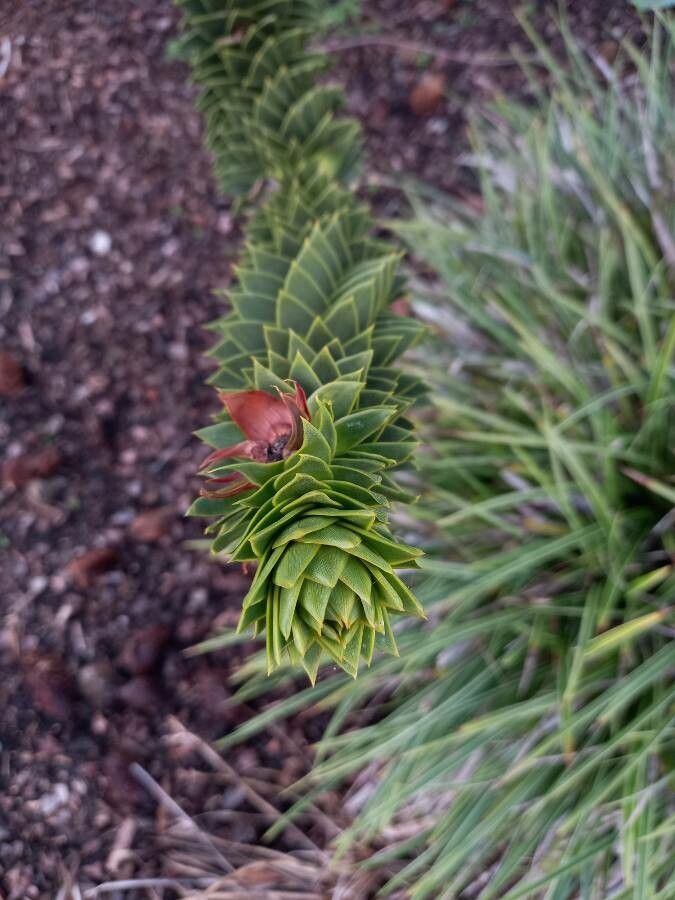
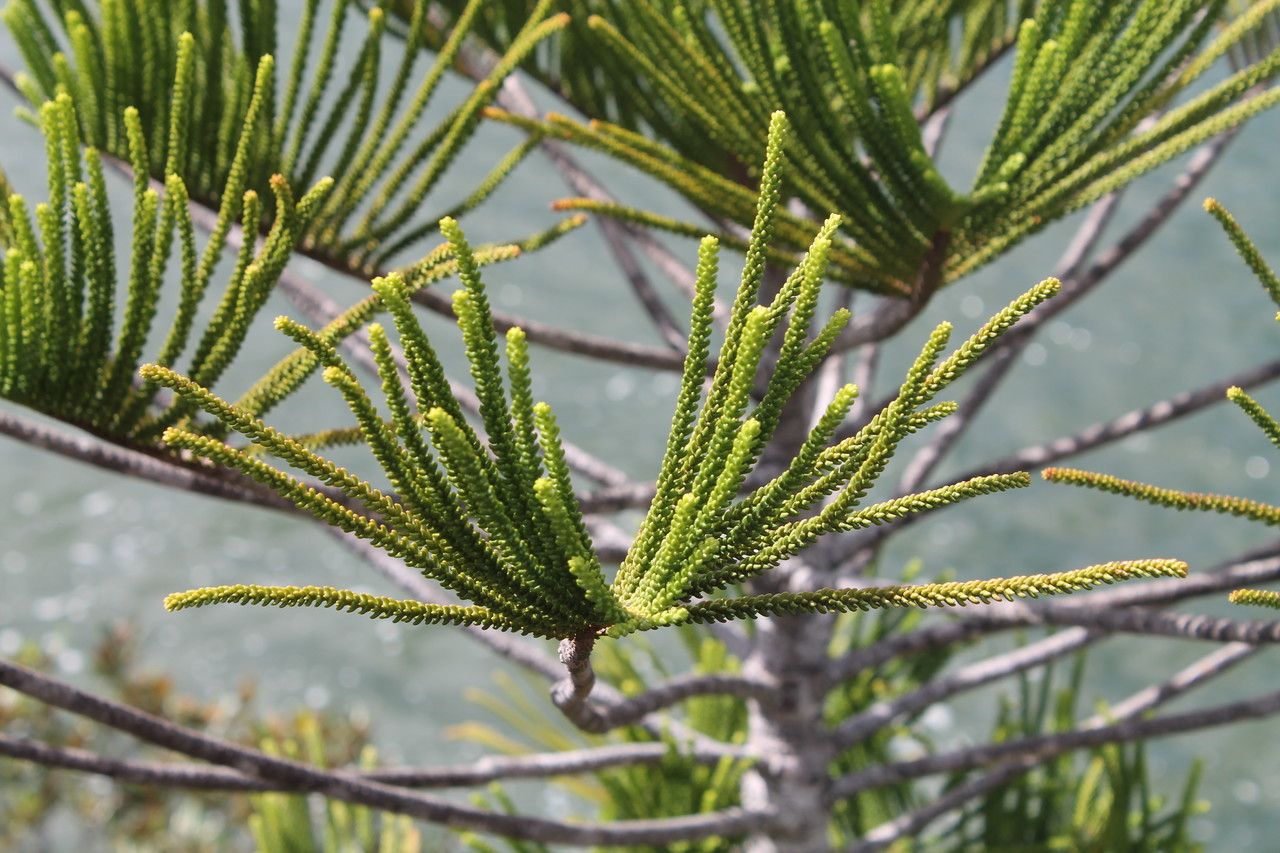
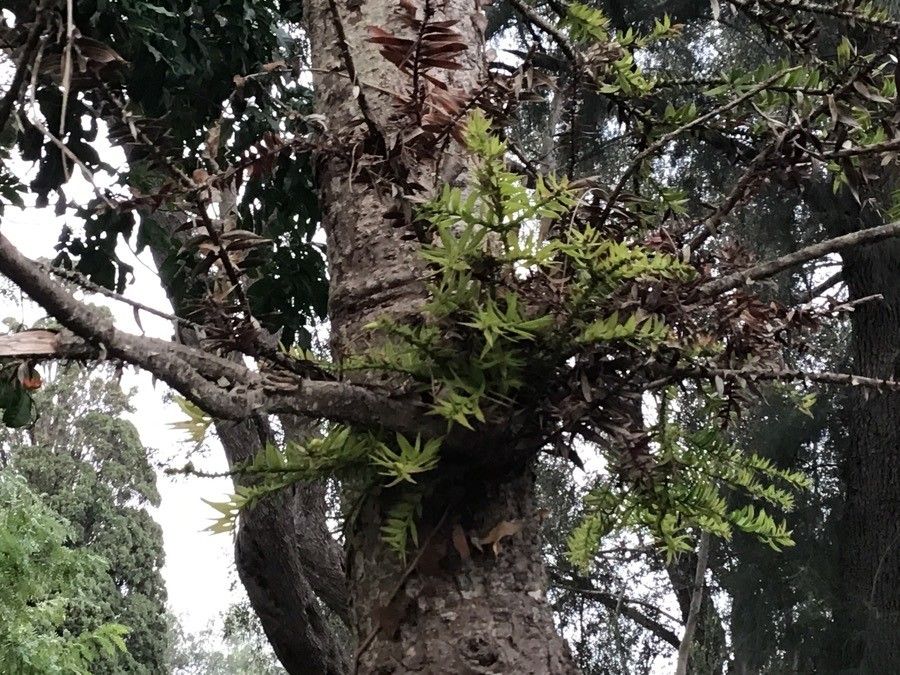
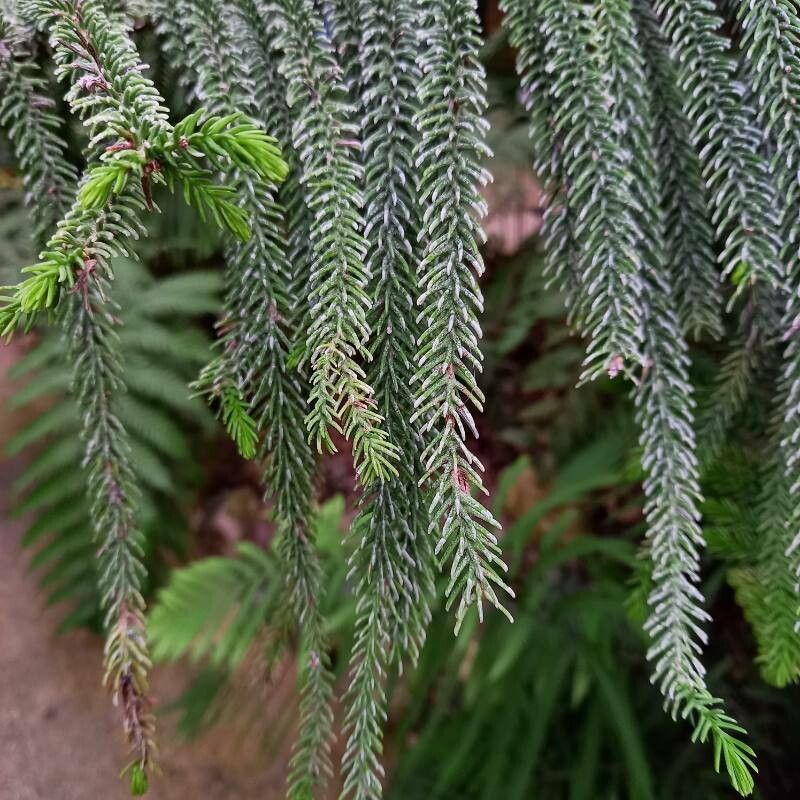
Araucaria angustifolia, commonly known as the Brazilian pine or Paraná pine, is a large evergreen tree native to southern Brazil, eastern Paraguay, and northeastern Argentina. This impressive tree can grow up to 50 meters tall and has a conical shape with a straight trunk that may reach up to 1.5 meters in diameter. The leaves of the Araucaria angustifolia are needle-like and arranged in whorls of 5-8 along the branches. The tree produces separate male and female cones, with female cones being larger than their male counterparts. Araucaria angustifolia is valued for its timber, which is used in construction for flooring, furniture making, and paper production. Additionally, its seeds are edible and have been consumed by indigenous people for centuries. Unfortunately, the tree is now listed as endangered by the International Union for Conservation of Nature (IUCN) due to overexploitation of its timber and habitat loss caused by deforestation, agriculture expansion, and urbanization. Conservation efforts are ongoing to protect this iconic species from extinction.
Parana pine is resistant to disease and generally not likely to suffer from illnesses. In terms of care, this plant is fairly low-maintenance. When grown outdoors, it needs little watering, and larger specimens typically do not require pruning. Smaller plants, however, should be pruned after they have finished blooming. Parana pine is suitable for anyone with an outdoor area, such as a garden or deck, and does not demand extensive care experience.
How to keep Araucaria Angustifolia.
Light
The parana pine thrives with abundant sunlight, which promotes its strong health and growth. Its native environment features high levels of sun exposure, allowing it to endure periods of reduced sunlight. Nevertheless, too little or too much light can impair its development.
Water
The Paraná pine thrives in subtropical environments, requiring consistent moisture and regular humidity. To keep the soil evenly moist without causing waterlogging, it should be watered every 1 to 2 weeks. As an evergreen, the Paraná pine stores water in its needles, which is crucial for maintaining its vitality during dry spells.
Temperature
Parana pine originates from temperate areas where temperatures run from 68 to 95 °F (20 to 35 °C). It prefers a warm climate but can withstand seasonal fluctuations. During colder periods, a gradual drop in temperature lets the plant acclimate.
Fertilizer
Parana pine has specific nutrient needs and does not require heavy fertilization. Fertilizing in spring is the best time for optimal growth. Providing nutrients enhances its health, strengthens its resistance to pests and diseases, and helps maintain its long lifespan.
Pruning
The Parana pine is a conifer known for its symmetrical pyramid shape and durable wood. To maintain its health, prune the tree from early to late winter, concentrating on removing any dead or diseased branches. This practice improves air circulation, prevents disease, and promotes a strong, healthy plant without causing excessive stress.
Botanical profile.
- Plant Type
- Tree
- Life Cycle
- Perennial
- Genus
- Araucaria
- Family
- Araucariaceae
- Hardiness Zone
- 9
- Mature Height
- 39.93 m
- Mature Spread
- 91 cm
- Leaf Color
- Green
- Leaf Type
- Evergreen
- Flower Size
- 1.52 cm to 2.54 cm
- Bloom Time
- Early fall, Mid fall
- Planting Time
- Spring
- Harvest Time
- Spring
- Native Area
- Brazil
Other names.
Reader questions.
How should I water my Parana pine in the best way possible?
Your Parana pine is not particular about how you water it. You can use any common watering tool, such as watering cans, hoses, or even cups. It is important to water the plant by directly applying the water to the soil. Make sure to moisten all areas of the soil equally to provide water to all parts of the root system. Using filtered water is recommended to avoid harmful particles in tap water. Additionally, using water at or slightly above room temperature is beneficial, as colder or hotter water can shock the Parana pine. However, this plant usually responds well to any type of water you give it.
Why do I need to put plant food on my Parana pine?
To promote healthy growth of the Parana pine, it is recommended to fertilize it in the spring. Keep in mind that this plant has a long lifespan and requires support. Adding nutrients to the soil can enhance the plant's overall health, enabling it to resist common pests and diseases that may hinder growth or reduce its lifespan.
What are the sun requirements for Parana pine?
The Parana pine needs full sun exposure, which means above 6 hours of sunlight a day, to thrive. However, it can also manage in partial sun, about 3-6 hours of sunlight. Observing how the sunlight moves through your garden and selecting locations that offer a mix of light and shade will help ensure the best growth for your plants.
What is the native climate of Parana pine?
Parana pine, with its botanical name Araucaria angustifolia, flourishes in temperate regions where temperatures range from 68 to 95°F (20 to 35°C). This species prefers a warm climate, yet it has the adaptability to withstand seasonal temperature variations. During the colder months, it can gradually adjust to decreasing temperatures, showcasing its tolerance to different climate conditions without needing special care for cold protection as long as the temperature remains above 32°F (0°C).
What should I do if I give my Parana pine too much water or not enough water?
Outdoor plants, especially newly planted ones or seedlings, are often prone to lack of watering. It's important to remember to consistently water them for a few months when they are small or newly planted. This is because once the roots are established, Parana pine trees can rely on rain for most of their watering needs. However, when Parana pine trees are planted in pots, overwatering is more likely to occur. If you accidentally overwater your Parana pine, it's important to act quickly to fix the situation. First, stop watering the plant immediately to minimize the negative effects of overwatering. Then, remove the plant from its pot and check the roots for any signs of root rot. If no root rot is present, you can return the plant to its container. However, if you do find root rot, trim away the affected roots and consider applying a fungicide to prevent further damage. Finally, repot the Parana pine in well-draining soil. On the other hand, if your Parana pine is underwatered, simply water it more frequently. Underwatering is usually an easy problem to fix, as the leaves of the plant will droop, dry out, and fall off. Once sufficient watering is provided, the leaves should quickly regain their fullness. It's important to adjust your watering frequency as soon as you notice underwatering occurring.
When should I fertilize my Parana pine for the best results?
The growing medium may not always provide enough nutrients for healthy growth, but Parana pine is an exception. Unlike garden annuals and perennials, Parana pine doesn't need a lot of additional nutrients. The ideal time to fertilize Parana pine is in the spring, right before new growth starts.
What are the essentials for the growth of Parana pine?
Parana pine benefits significantly from a lot of sunlight, which promotes its health and growth, as its original habitat is characterized by substantial sun exposure. Yet, both too much and too little sunlight can harm its development. For indoor plants, artificial lighting can compensate when natural light is insufficient, with LED lights being a popular choice. Proper artificial lighting setup should consider the type of light, its distance from the plant (12-36 inches), and the duration of exposure (8-12 hours per day), mimicking natural daylight as much as possible.
How should Parana pine be cared for in low temperatures?
Parana pine shows moderate tolerance to low temperatures and thrives best when the mercury stays above 68°F (20°C). During the winter season, it's crucial to ensure the temperature does not fall below 32°F (0°C). Exposure to temperatures below -5°C can cause the leaves to droop and, in severe cases, lead to wilting and the eventual loss of leaves. To protect Parana pine from frost, trim off any frost-damaged parts, wrap the plant with insulating materials like non-woven fabric or cloth, and set up a wind barrier to shield it from cold winds. Such measures help the plant to withstand colder periods more effectively.
How frequently should I water my Parana pine?
To properly care for most outdoor plants, they can rely on natural rainfall. However, if your area lacks rainfall, you should water the plants every 2 weeks in the spring and fall, and more frequently in the summer. In the winter, when growth slows down and less water is needed, water sparingly or not at all. If you have a young or newly planted Parana pine, it will need more frequent watering to help it establish and become more adaptable to drought. For potted plants, there are two main approaches to determine the watering frequency for your Parana pine. The first is to follow a set schedule, such as watering once a week or every other week. However, this may not always work as it doesn't take into account specific growing conditions for the plant. Watering frequency can also vary depending on the season. For example, a predetermined schedule may not be sufficient during the summer when the plant requires more water. An alternative approach is to monitor the soil moisture and wait until the top two to four inches have completely dried out before watering again.
When is the best time to not fertilize my Parana pine?
Parana pine is a plant that does not need a lot of extra nutrients, unlike other plants that thrive with regular fertilization. Over-fertilizing can actually harm Parana pine, causing it to wilt and die. Therefore, it is recommended to only apply fertilizer in the spring and avoid using it during the summer, fall, and winter. During these seasons, it is also advised not to add any organic matter to the soil.
What are important symptoms of light deficiency or overexposure in Parana pine?
Light deficiencies in Parana pine manifest as smaller new leaves, leggy or sparse growth, faster leaf drop, slower or no growth, lighter-colored or chlorotic leaves, sunscald, leaf curling, wilting, and leaf scorching. These symptoms are crucial indicators of the plant's need for either more or less sunlight. Solutions include gradually increasing sunlight exposure, using artificial lighting for indoor plants, ensuring the plant is in the optimal location for natural light, reducing obstructions like overhanging branches, and considering transplanting to a better-lit location.
What is the recommended care for Parana pine during high temperatures?
In the peak of Summer, when temperatures climb, it's imperative to keep the Parana pine's surroundings below 95°F (35°C) to prevent heat stress. Once temperatures soar above 100.4°F (38°C), the plant may exhibit signs of stress such as a lighter leaf color, dry and withered leaf tips, leaf curling, and increased susceptibility to sunburn. To alleviate these symptoms, trim away any sunburnt or dried parts of the plant. Relocate the plant to a shaded area or use shade cloth to protect it from the harsh midday and afternoon sun. Adequate watering in the morning and evening will help keep the soil suitably moist, aiding in the plant's overall health and resilience against high temperatures.