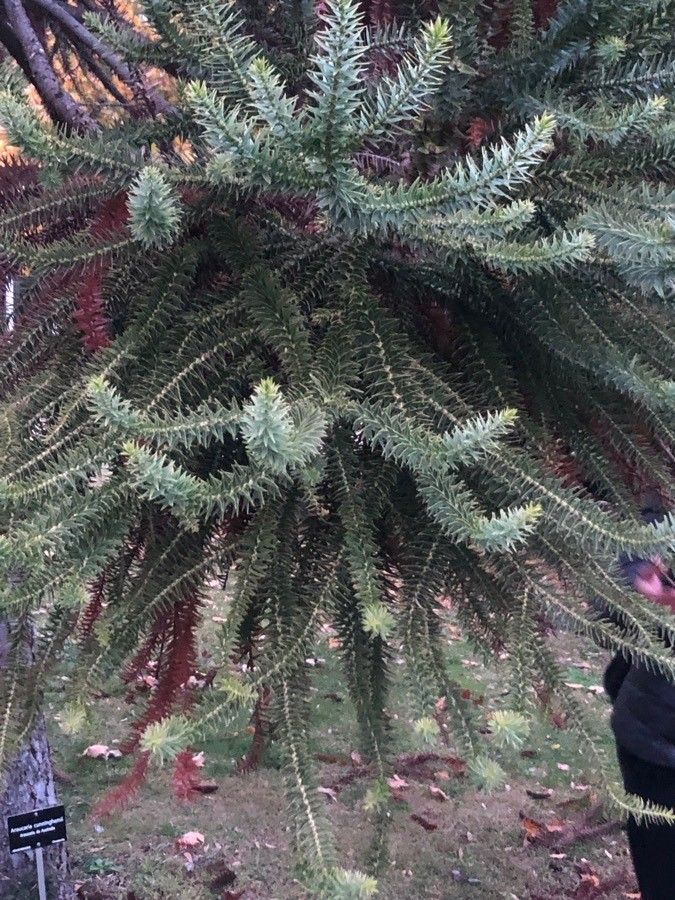
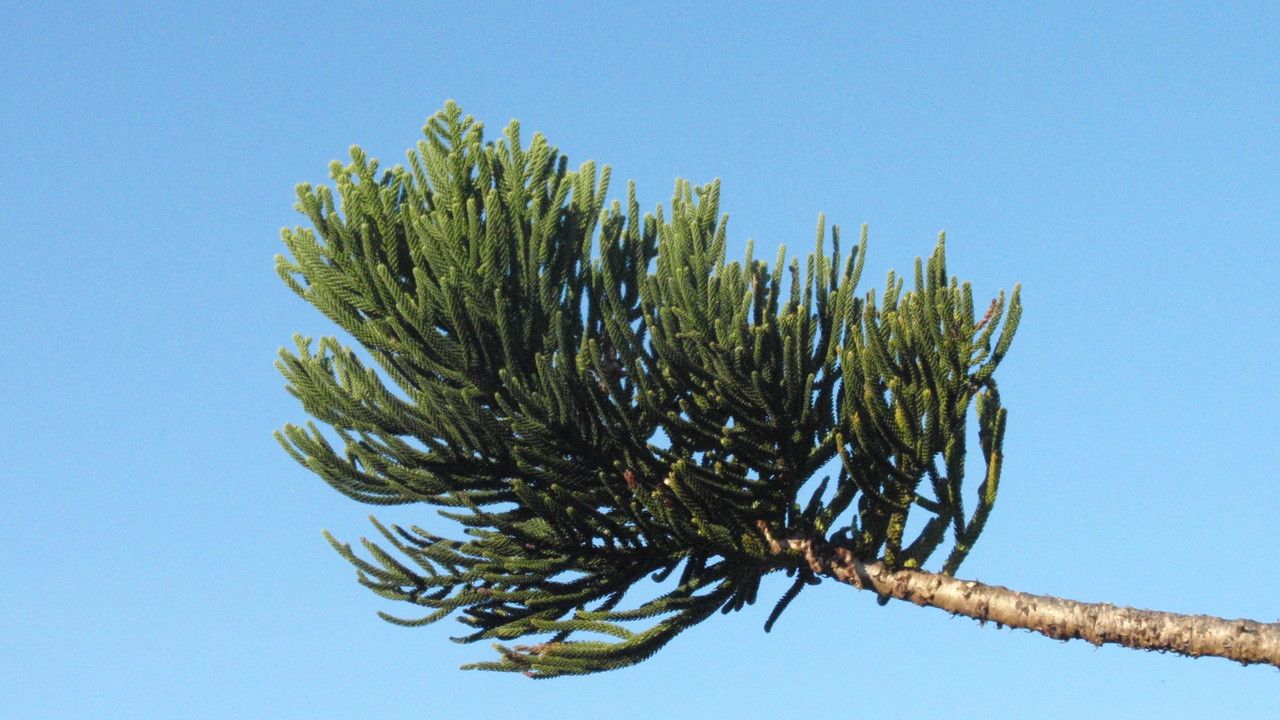
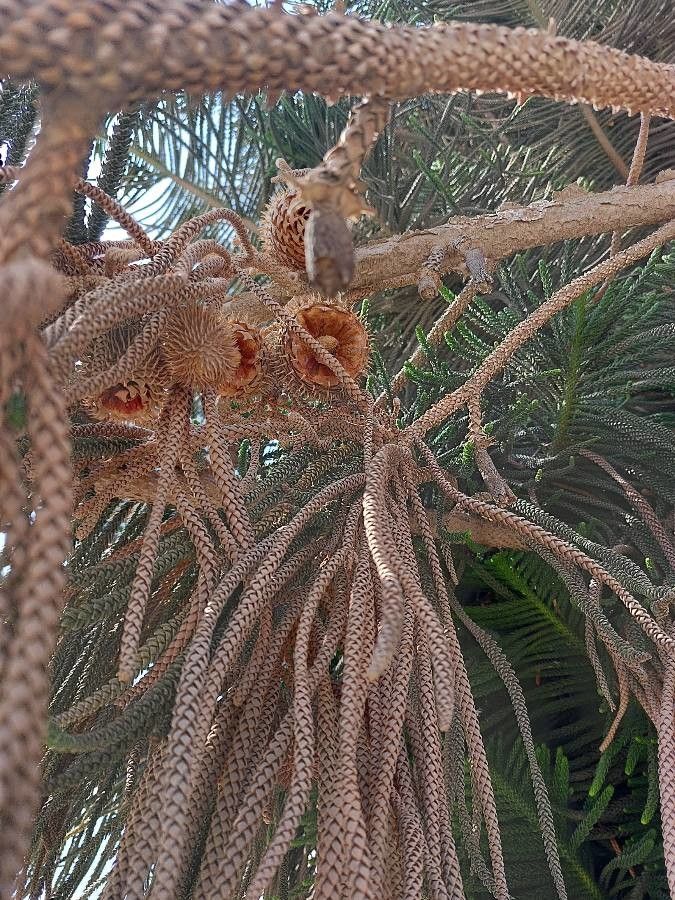
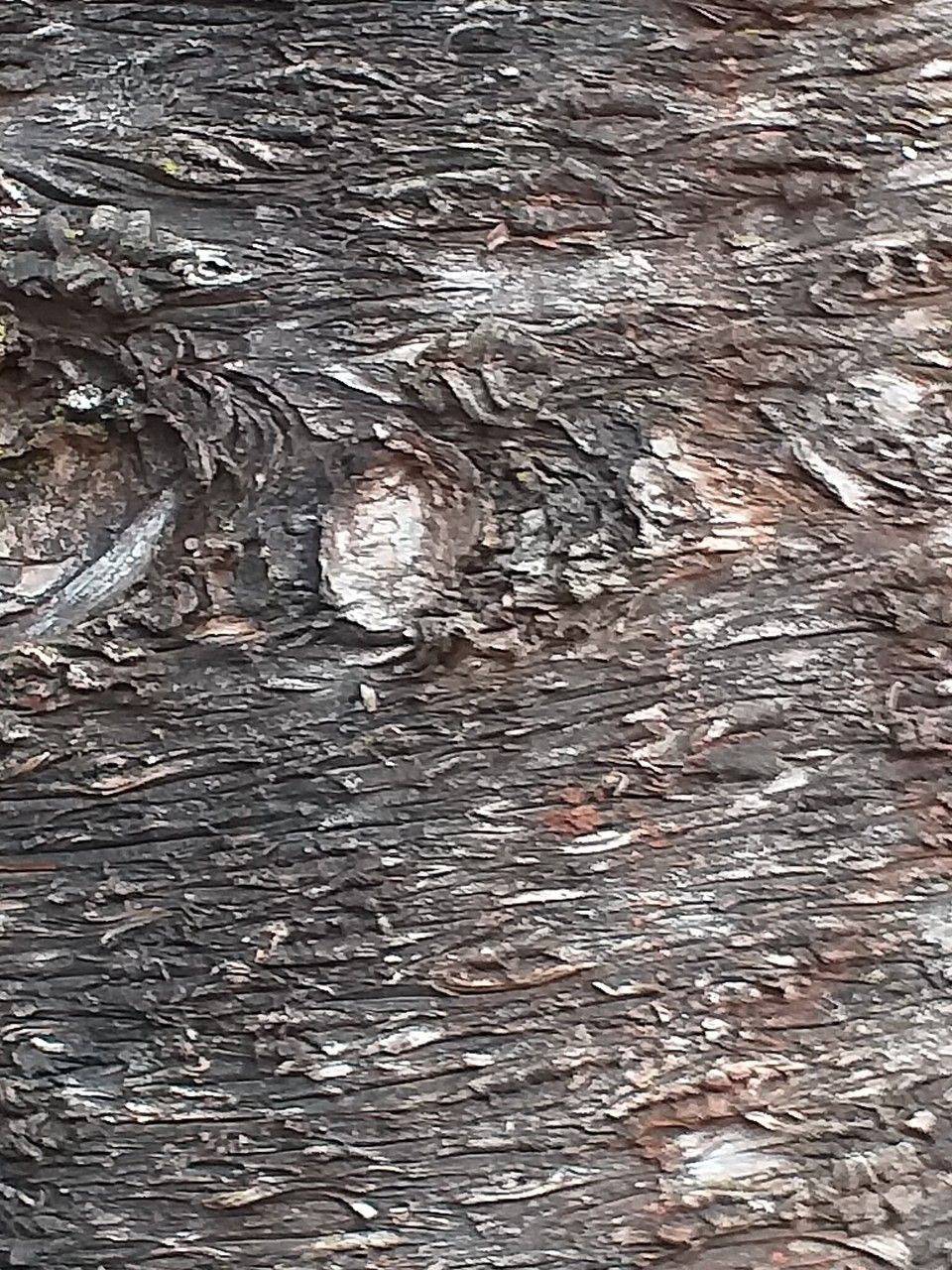
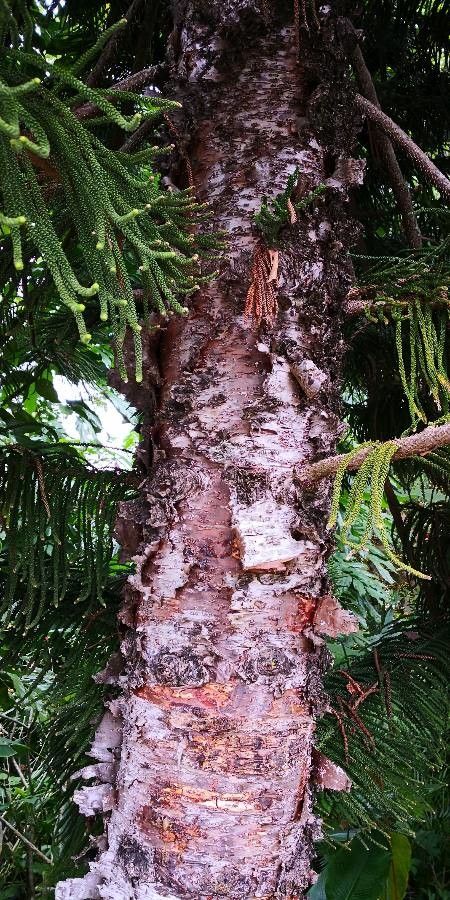
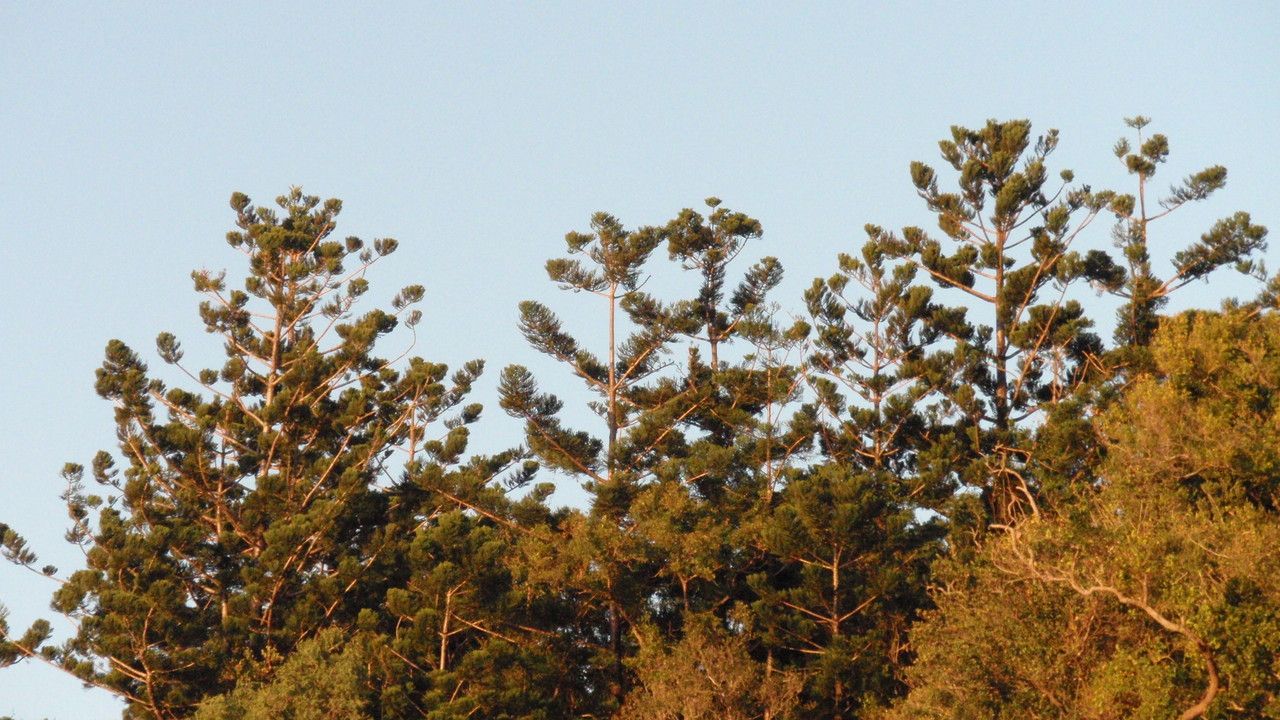
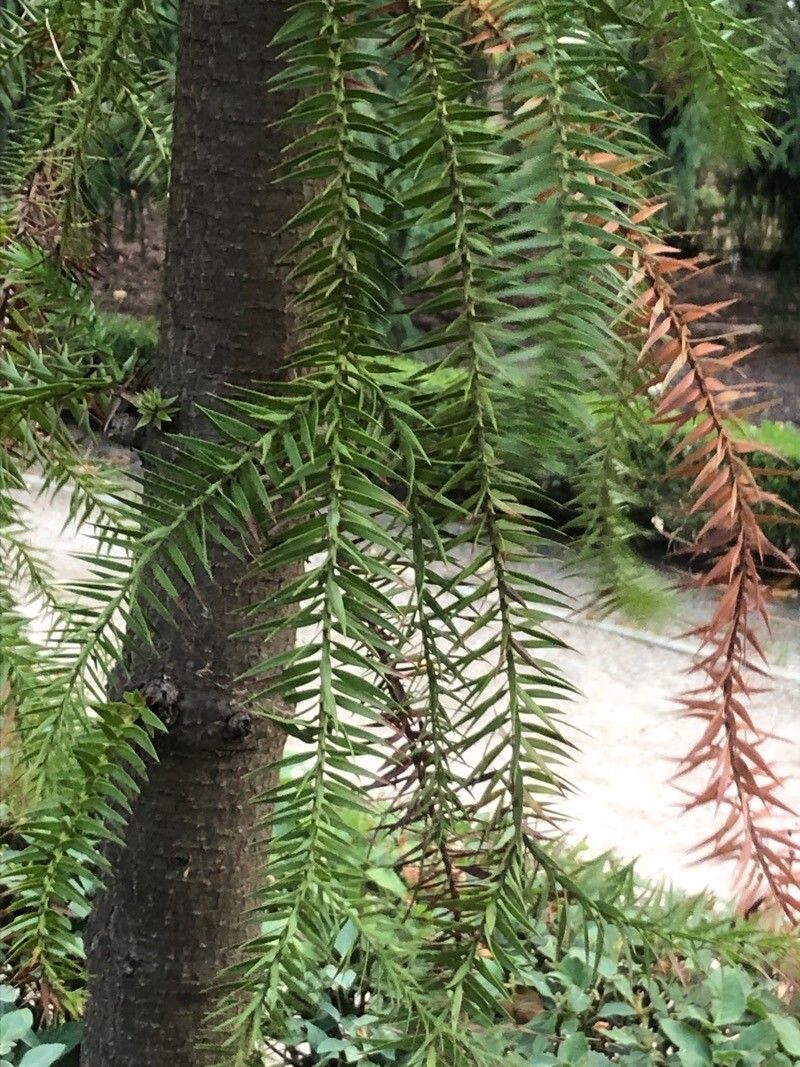
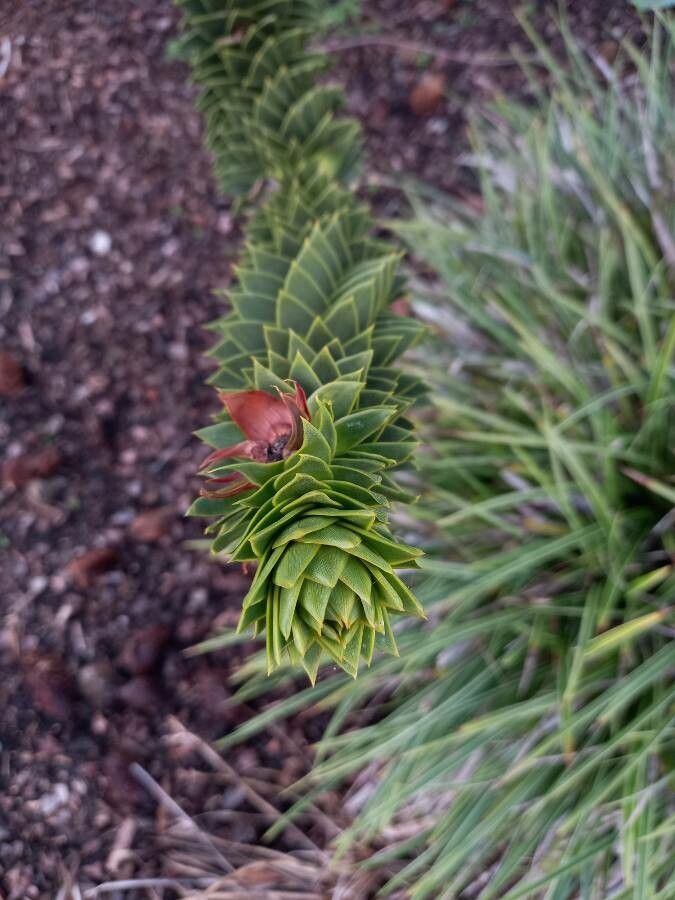
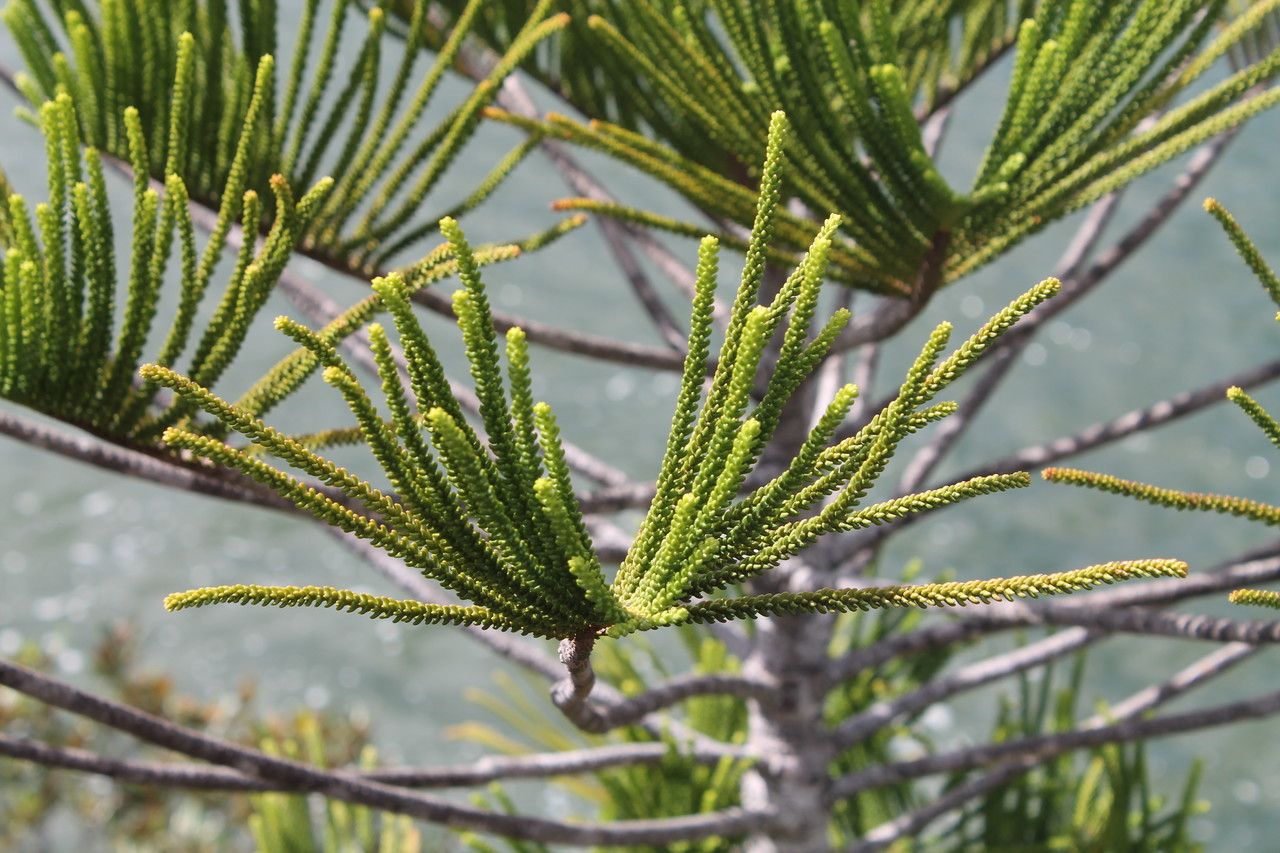
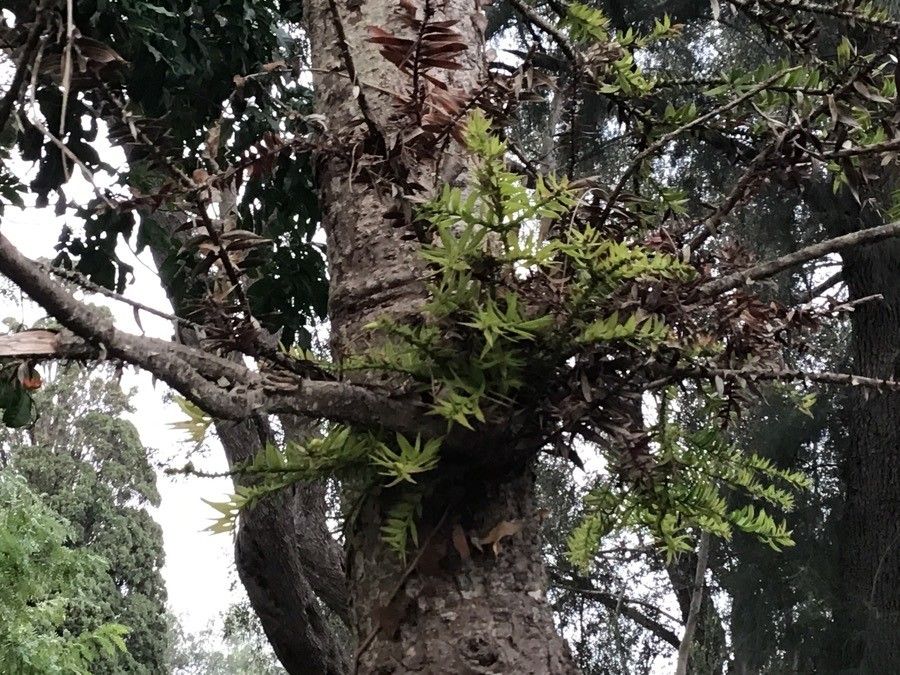
Araucaria cunninghamii is a species of Araucaria known as hoop pine. Other less commonly used names include colonial pine, Queensland pine, Dorrigo pine, Moreton Bay pine and Richmond River pine. The scientific name honours the botanist and explorer Allan Cunningham, who collected the first specimens in the 1820s.
Hoop Pine has strong resistance to disease and is typically not susceptible to illnesses. Regarding care, this plant is fairly low-maintenance. When grown outdoors it needs only light watering, and larger specimens usually do not require pruning. Smaller plants, however, should be trimmed after they have bloomed. Hoop Pinet is suitable for anyone with outdoor space, such as a garden or deck, and does not require a great deal of experience in plant care.
How to keep Araucaria Cunninghamii.
Light
Hoop Pine strongly prefers abundant light for optimal growth. Its original environment was areas exposed to plentiful natural sunlight. Although it can tolerate lower light levels, reduced exposure can impair its health, while excessive light may cause leaf scorching.
Water
Hoop Pine is a plant native to rainforests and humid subtropical regions, where it thrives in consistent humidity and moist conditions. When caring for a Hoop Pine, water it every two weeks. If you are growing it indoors, regularly mist the plant to mimic the high humidity it is accustomed to. Being an evergreen, Hoop Pine retains water well, which helps keep its foliage lush all year round.
Temperature
Hoop Pine is native to areas where temperatures fall between 59 and 95 °F (15 and 35 ℃). It favors very warm conditions, especially in summer, though it can tolerate cooler temperatures. During winter, keeping the temperature above 15 ℃ is recommended.
Fertilizer
Hoop Pine has specific nutrient needs and does not require heavy fertilization. The best time to apply fertilizer is in spring to promote optimal growth. Providing nutrients enhances its health, strengthens its resistance to pests and diseases, and helps sustain its long lifespan.
Pruning
Hoop Pine is a coniferous tree known for its tall trunk and symmetrical branches. To keep it healthy, it’s important to prune it between early and late winter. During pruning, remove any dead branches to improve air circulation and reduce the risk of disease. Always use clean, sharp tools for this task. Additionally, regularly inspect the tree to maintain its shape and encourage healthy growth.
Pot & Repot
When repotting a Hoop Pine, select a pot 1-2 inches (2.5–5.1 cm) larger with good drainage. Use a well-draining potting mix. Repot in spring or fall, making sure the root ball sits slightly below the rim of the flower pot. Water thoroughly after repotting and place the pot in a warm spot with indirect sunlight.
Botanical profile.
- Plant Type
- Tree
- Life Cycle
- Perennial
- Genus
- Araucaria
- Family
- Araucariaceae
- Hardiness Zone
- 8-10
- Mature Height
- 60.05 m to 70.1 m
- Mature Spread
- 6.1 m
- Leaf Color
- Green
- Leaf Type
- Evergreen
- Flower Color
- Green
- Bloom Time
- Mid spring, Late spring
- Planting Time
- Spring
- Harvest Time
- Late summer, Early fall, Mid fall
Other names.
Reader questions.
How should I water my Hoop Pine tree in the best way?
Your Hoop Pine is not particular about how you water it. Any common watering tool, such as a watering can, hose, or cup, will work just fine. Just make sure to apply the water directly to the soil and evenly moisten all areas to provide adequate hydration for the entire root system. It's helpful to use filtered water instead of tap water, which may contain harmful particles. Additionally, using water that is at or slightly above room temperature is ideal, as extremely cold or hot water can be a bit shocking to the plant. However, the Hoop Pine generally responds well to any type of water you give it.
Why do I have to put fertilizer on my Hoop Pine?
To support the healthy growth of Hoop Pine, it is recommended to fertilize it in the spring. This plant has a long lifespan and thus it requires additional support. By adding nutrients to the soil, the plant's overall health can be improved, enhancing its ability to resist common pests and diseases. This, in turn, prevents potential stunted growth or a shorter lifespan.
What are the sunlight requirements for Hoop Pine?
Hoop Pine requires full sunlight for more than 6 hours a day to thrive. It can also grow under partial sun, which means about 3-6 hours of sunlight daily. The plant originates from environments that were bathed in abundant natural light, and while it can manage with lesser light, inadequate exposure may adversely affect its health. Overexposure, on the other hand, could lead to leaf scorching. It's important to watch how sunlight moves through your garden and choose spots that provide the perfect balance of light and shade for your plants, ensuring their happiness.
What is the ideal temperature range for Hoop Pine?
Hoop Pine thrives in environments where the temperature ranges between 59 to 95 °F (15 to 35 °C). It prefers very warm temperatures, especially in the summer, but is capable of adjusting to cooler ones. During the winter, it's advisable to maintain a temperature above 15 °C to ensure the plant's health.
What should I do if I give my Hoop Pine tree too much water or too little water?
Outdoor plants, especially newly planted ones or seedlings, can suffer from lack of watering. It's important to consistently water them for a few months while they are small or newly planted, as they still need regular watering until their roots are established. Once the Hoop Pine's roots are established, they can rely on rain most of the time. When Hoop Pine is planted in pots, overwatering is more likely to happen. If you accidentally overwater your Hoop Pine, take immediate action to fix the situation. Stop watering the plant right away to minimize the impact of overwatering. Then, remove the Hoop Pine from its pot and inspect the roots. If there is no sign of root rot, you can return the plant to its container. However, if you find root rot, trim away any affected roots and consider applying a fungicide to prevent further damage. Lastly, make sure to repot the Hoop Pine in well-draining soil. On the other hand, if your Hoop Pine is underwatered, the fix is simple. Water the plant more frequently. When a Hoop Pine is underwatered, its leaves will droop, dry out, and fall off. However, with sufficient watering, the leaves will quickly regain fullness. Therefore, as soon as you notice underwatering, correct your watering frequency.
When should I fertilize my Hoop Pine tree?
The growing medium may not provide sufficient nutrients for healthy growth. But, Hoop Pine is unique compared to garden annuals and perennials in that it doesn't need a lot of extra nutrients. For Hoop Pine, the ideal time to fertilize is in the spring, before new growth emerges.
What are the indoor lighting essentials for Hoop Pine?
Indoor plants, including Hoop Pine, require adequate lighting for optimal growth. When natural sunlight is insufficient, especially during winter or in less sunny spaces, artificial lights offer a vital solution. Selecting the right type of artificial light, such as LED lights which can be customized to the specific wavelengths needed by your plants, is crucial. Full sun plants need 30-50W\/sq ft of artificial light, partial sun plants need 20-30W\/sq ft, and full shade plants need 10-20W\/sq ft. The light source should be placed 12-36 inches above the plant to mimic natural sunlight, and most plants benefit from 8-12 hours of light per day.
How does Hoop Pine handle cold temperatures?
Hoop Pine has a moderate tolerance to cold, generally not requiring additional cold protection measures when temperatures are above -5°C. However, if temperatures are expected to drop below -5°C, temporary measures like wrapping the plant in plastic film or fabric are necessary to protect it from cold damage. These protective measures should be removed once the temperature rises again to avoid harming the plant.
How often should I give water to my Hoop Pine?
Most outdoor plants can rely on rainfall for their water needs. However, if you live in an area with little rainfall, it's important to water your plants adequately. During the spring and fall, water every 2 weeks, and increase watering frequency during the summer. In winter, plants grow slower and require less water, so water sparingly or not at all. For young or newly planted Hoop Pine, more frequent watering is necessary to help them establish and become more drought tolerant. When it comes to potted plants, there are two ways to determine watering frequency for Hoop Pine. The first is setting a regular watering schedule of once a week or every other week. However, this may not consider the specific conditions your plant is experiencing. Another approach is to assess the soil moisture. Wait until the top two to four inches of soil, about ⅓ to ½ depth of the pot, have completely dried out before watering again. It's important to adjust your watering frequency based on the season, as the plant's water needs are highest in the summer.
When is the best time to not fertilize my Hoop Pine tree?
Hoop Pine, unlike other plants, does not need frequent fertilization. Excessive nutrients can harm it and cause it to decline. Therefore, only apply fertilizer in the spring and avoid using it during the summer, fall, and winter seasons. Additionally, refrain from adding any organic matter to the soil during these times.
What are the symptoms of light deficiency in Hoop Pine?
In conditions of suboptimal lighting, Hoop Pine may exhibit symptoms such as smaller new leaves compared to previous ones once matured, leggy or sparse growth with longer spaces between leaves or stems, faster leaf drop as the plant conserves resources, slower or halted growth as the plant enters a survival mode, lighter-colored new leaves indicating lack of chlorophyll, and symptoms of overexposure like chlorosis, sunscald, leaf curling, wilting, and leaf scorching. These symptoms highlight the sensitivity of Hoop Pine to both insufficient and excessive light exposure.
What are the symptoms of low temperature exposure in Hoop Pine?
When exposed to temperatures below -10°C, Hoop Pine may exhibit symptoms such as drooping leaves. In mild cases, the plant can recover, but in severe cases, the leaves will wilt and eventually fall off. To protect against low temperature effects, frost-damaged parts should be trimmed, and protective measures like wrapping with non-woven fabric and constructing a wind barrier should be considered to protect it from cold winds.