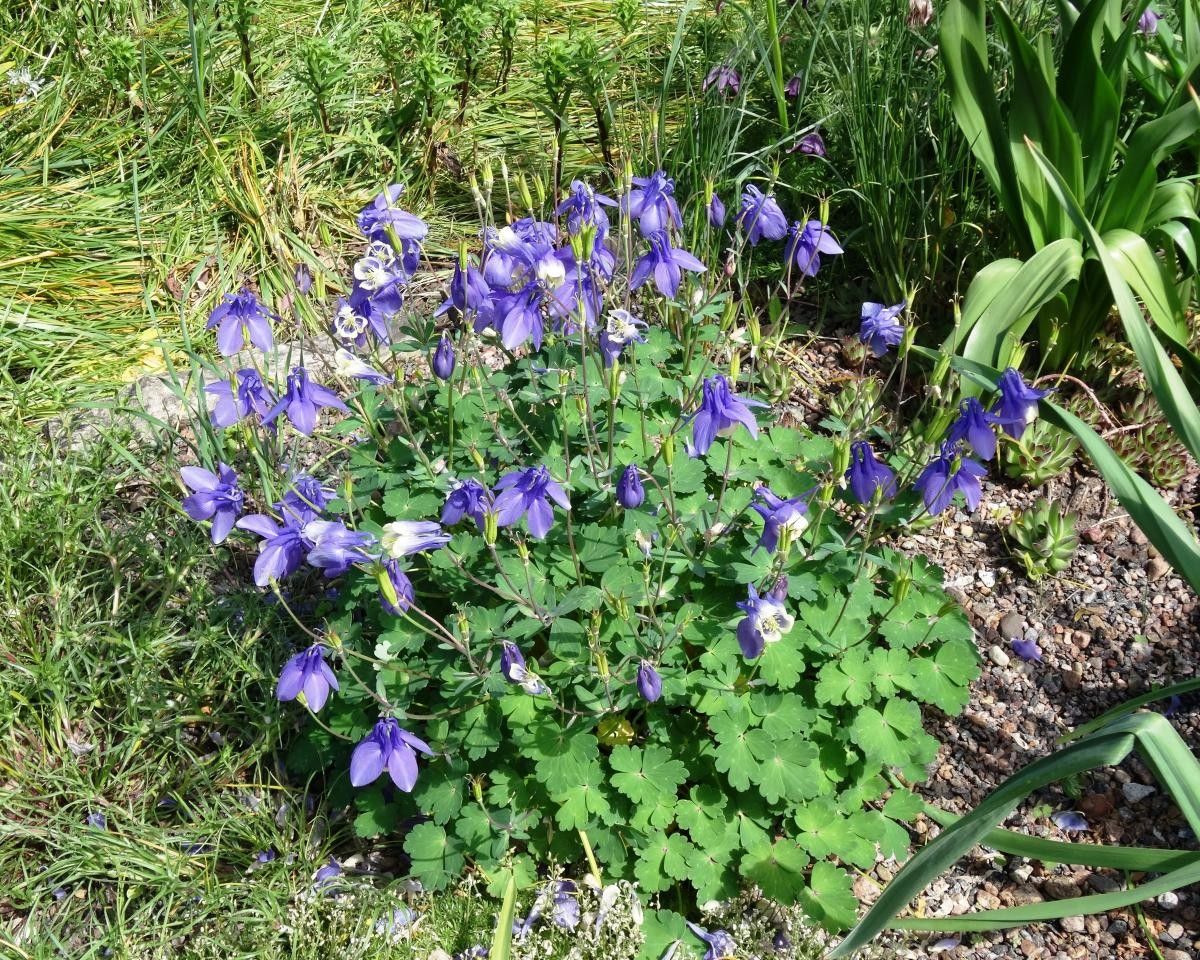
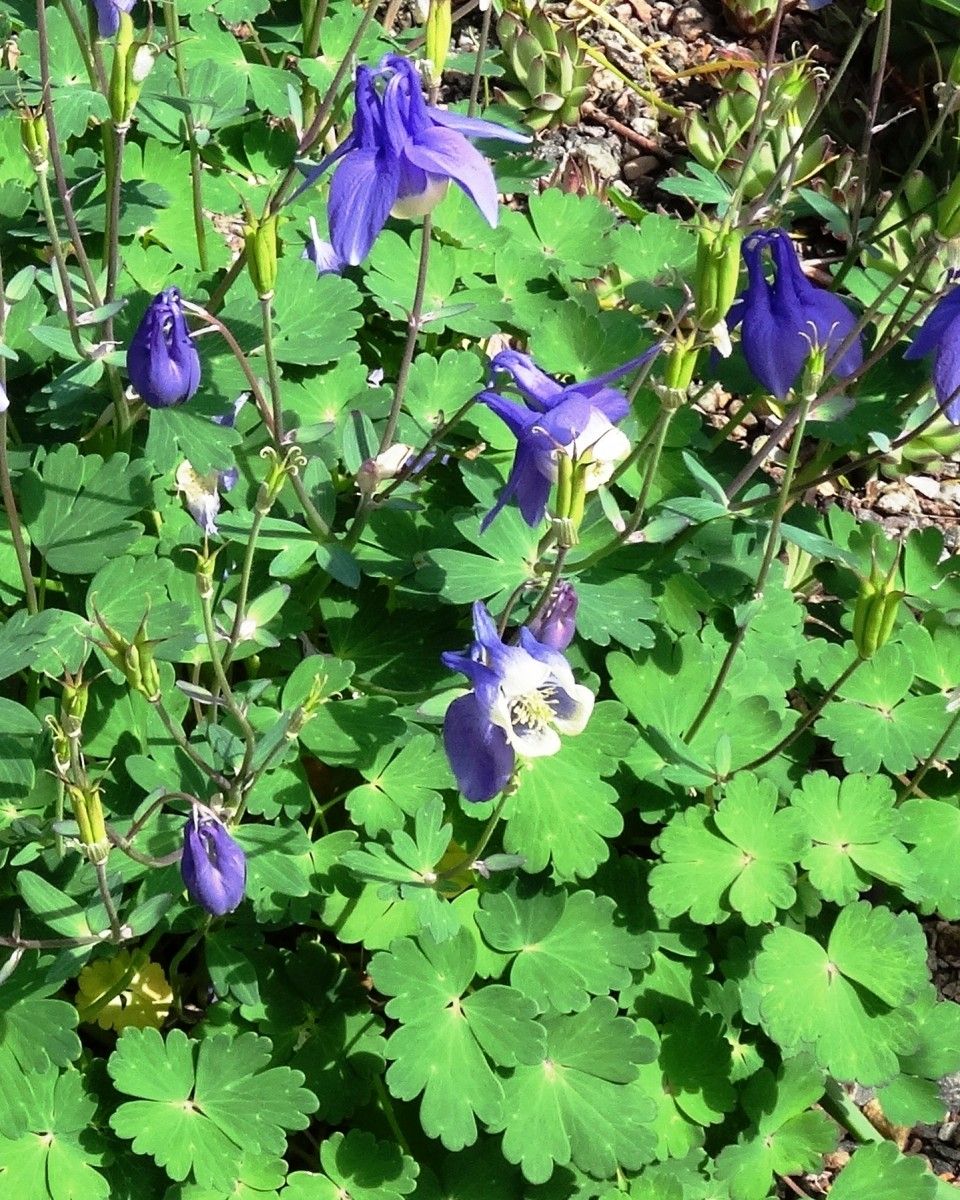
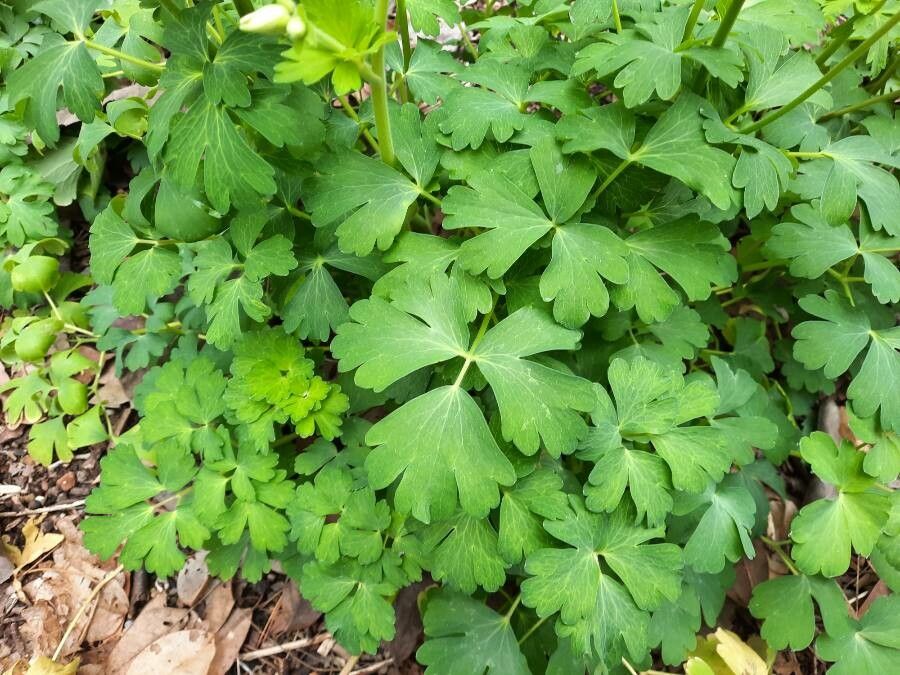
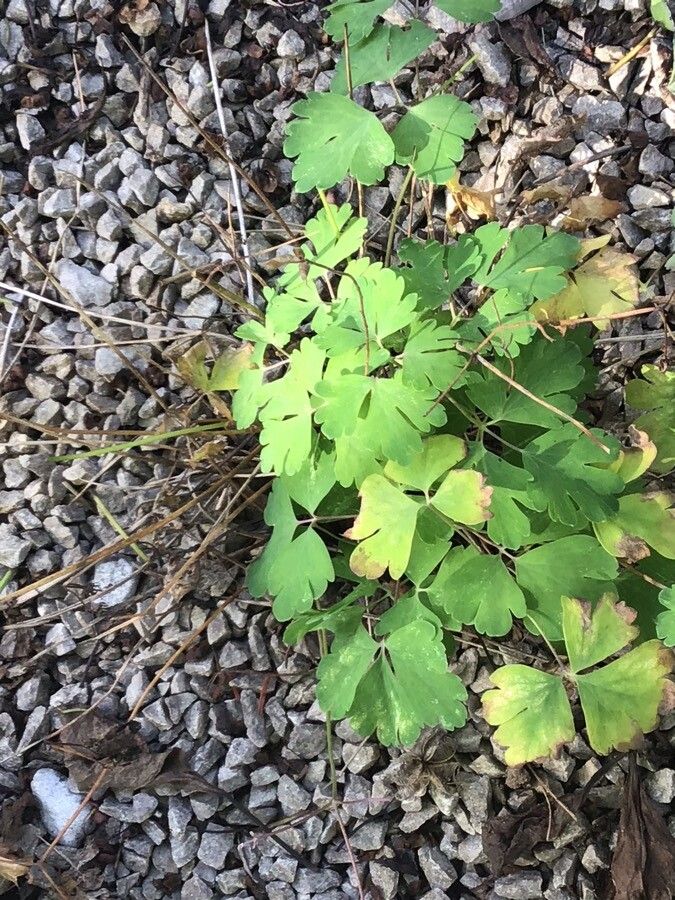
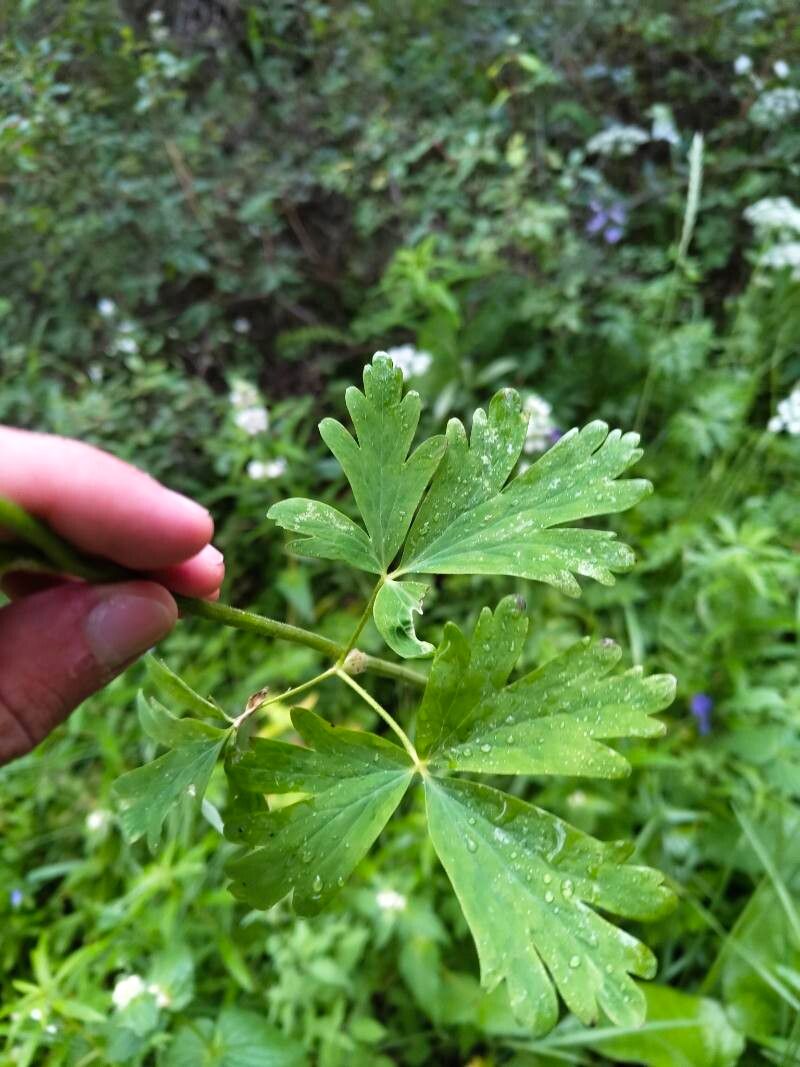
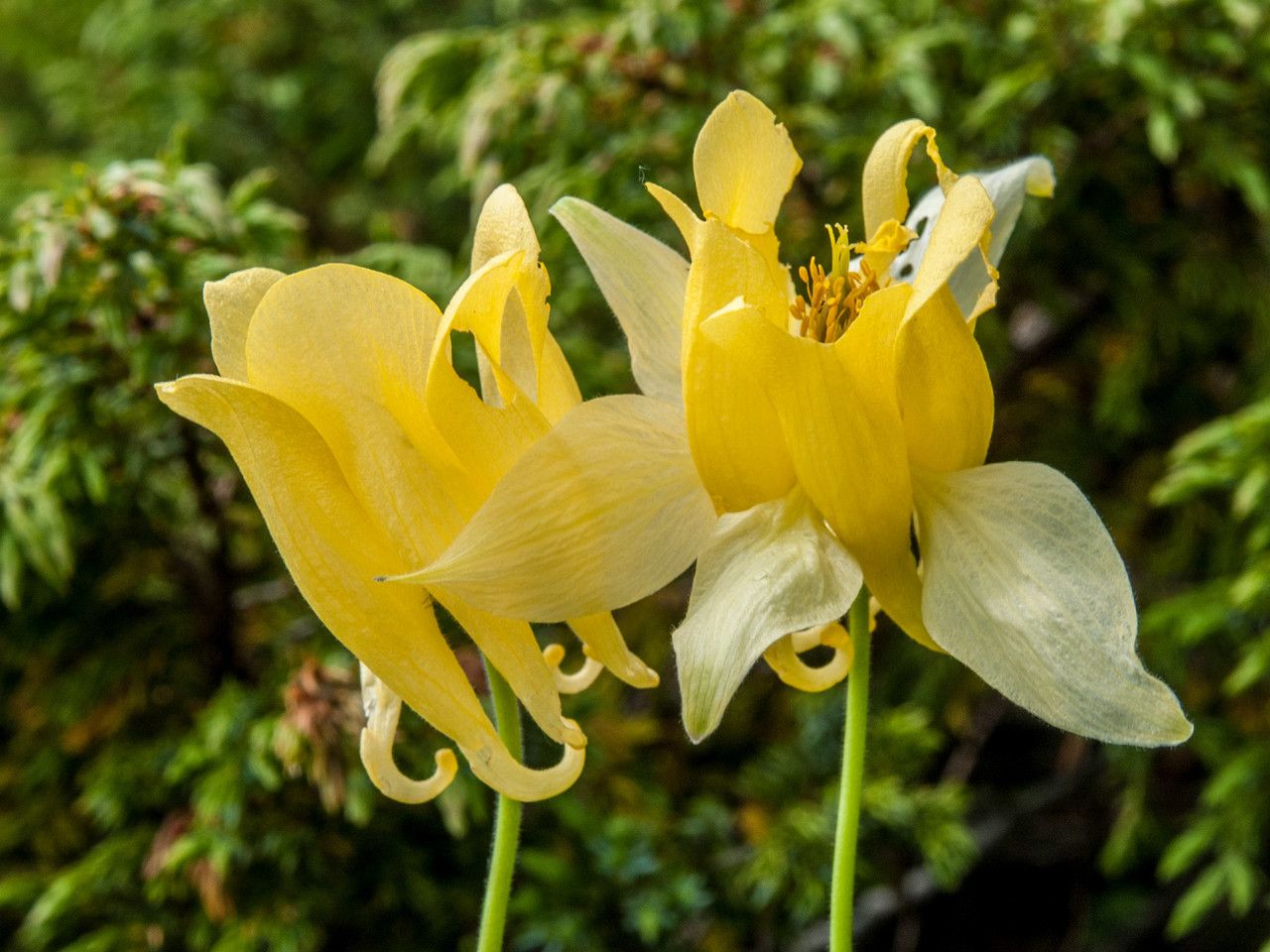
Aquilegia sibirica, the Siberian columbine, is a species of flowering plant in the family Ranunculaceae native to the north-central Asian regions of Siberia, northern Mongolia, Kazakhstan, and Xinjiang. A hardy perennial plant, it prefers temperate environments. The Siberian columbine can be between 1 foot (0.30 m) and 2 feet (0.61 m) tall with flowers that are lilac-blue and white in color.
Siberian columbine is fairly disease-resistant and is usually not prone to illnesses. Still, it can be vulnerable to pests and diseases present in its surroundings. Those infections are typically not serious. For care, this plant requires a moderate level of maintenance. It needs regular pruning to keep a good appearance and support healthy growth. Fertilizing can also help encourage flowering. Siberian columbine is suitable for anyone with outdoor space, such as a garden or patio, and does not demand much experience in plant care. It may need more attention when grown indoors.
How to keep Aquilegia Sibirica.
Light
The Siberian columbine needs abundant sunlight to develop well, though it can cope in places with less sun. This light preference comes from its native habitat, where sunlight is intense. Both excessive and insufficient light can impair its growth and vigor.
Water
The Siberian columbine thrives in cool, temperate climates and prefers moderate moisture. It needs consistent soil moisture without becoming waterlogged, so weekly watering is recommended. Typically grown outdoors, this plant effectively manages water use during its growing season, allowing for robust flowering even with varying rainfall.
Temperature
Siberian columbine originates from cooler climates and performs best in temperatures of 32 to 77 °F (0 to 25 °C). During warmer periods, provide plenty of shade or increase watering frequency to prevent overheating.
Fertilizer
The best time to fertilize a Siberian columbine is in early spring, when it is coming out of dormancy and starting active growth. Fertilization supplies essential nutrients for healthy development. Although Siberian columbine has fairly low fertilizer requirements, feeding it once a year can improve its survival and encourage better, longer-lasting flowers.
Pruning
To improve the appearance and health of Siberian columbine plants, prune them from early to late spring. Begin by removing any dead stems and spent blooms. This encourages new growth and prevents the unwanted spread of seeds. Light pruning helps improve air circulation, prevents diseases, and enhances the overall health and appearance of the plant.
Botanical profile.
- Plant Type
- Herb
- Life Cycle
- Perennial
- Genus
- Aquilegia
- Family
- Ranunculaceae
- Hardiness Zone
- 3
- Mature Height
- 23 cm to 30 cm
- Mature Spread
- 20 cm
- Leaf Color
- Green, Blue
- Leaf Type
- Deciduous
- Flower Color
- Purple, Blue, White
- Flower Size
- 2.54 cm to 5.08 cm
- Bloom Time
- Mid spring, Late spring
- Planting Time
- Spring, Autumn
- Harvest Time
- Early summer, Mid summer
- Native Area
- Kazakhstan, Mongolia, China
Reader questions.
What are the sunlight requirements for Siberian Columbine?
Siberian Columbine requires about 3-6 hours of sunlight daily, fitting the criteria for partial sun exposure. It thrives when there's a balance of light and shade, indicative of its adaptability to moderate sun exposure environments. Originating from areas with fluctuating light levels, the Siberian Columbine can handle periods of reduced light. However, it’s essential to ensure it is not deprived of sunlight for too long or exposed to too much direct sunlight, as both extremes can affect its health negatively. Observing the movement of sunlight through your garden and selecting optimal spots that offer this balance is crucial for the plant's happiness and growth.
What is the botanical name of Siberian columbine?
The botanical name of Siberian columbine is Aquilegia sibirica. This plant is known for its unique features and is a part of the columbine family.
How can artificial lighting be used for indoor Siberian Columbine?
Indoor Siberian Columbines require adequate lighting to grow optimally, especially when natural sunlight is insufficient. During winter or in less sunny spaces, artificial lighting becomes essential. LED lights are recommended due to their ability to be customized to provide specific wavelengths needed by plants. The intensity of the artificial light should be adjusted based on the plant's sunlight needs; full sun plants require 30-50W/sq ft, partial sun plants need 20-30W/sq ft, and full shade plants need 10-20W/sq ft. The light source should be placed 12-36 inches above the plant, mimicking natural sunlight conditions and ensuring 8-12 hours of light per day for most plant species.
What are the symptoms of insufficient or excessive sunlight in Siberian Columbine?
Siberian Columbine shows various symptoms when faced with insufficient or excessive sunlight. Insufficient light might lead to smaller new leaves, leggy or sparse growth, faster leaf drop, slower or halted new growth, lighter-colored new leaves due to a lack of chlorophyll, and irregular color patterns. Excessive sunlight can cause chlorosis, where leaves lose their green color, sunscald, leaf curling, wilting, and leaf scorching. These symptoms highlight the plant's struggle to adapt to its environment, and understanding these signs can help in adjusting care practices appropriately.
What are the solutions for managing sunlight exposure for Siberian Columbine?
To manage sunlight exposure for Siberian Columbine, gradual adaptation is key. For indoor plants, it's recommended to shift them to increasingly sunnier spots weekly until they receive 3-6 hours of direct sunlight daily. If the plant is large or not easily movable, consider using artificial light, keeping a lamp on for at least 8 hours daily or investing in professional grow lights. For outdoor plants, gradually moving them to better-lit spots while avoiding sudden changes in light intensity is crucial to prevent sunburn. Reducing obstructions like pruning trees or transplanting to sunnier locations can also help. Remember, parts of the plant affected by lack of sunlight may not recover, but new growth should be healthy with improved light exposure.