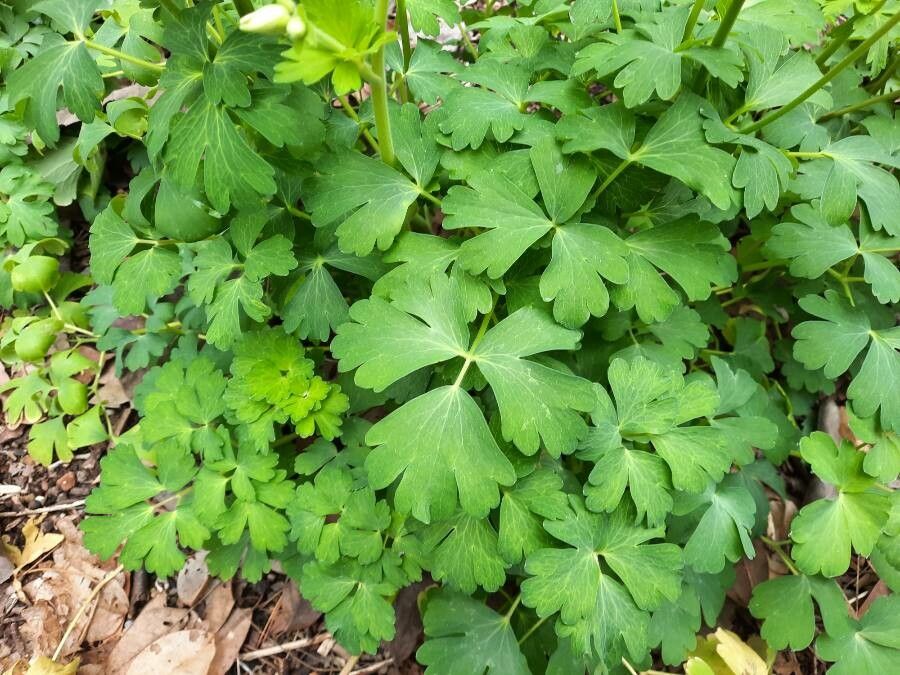
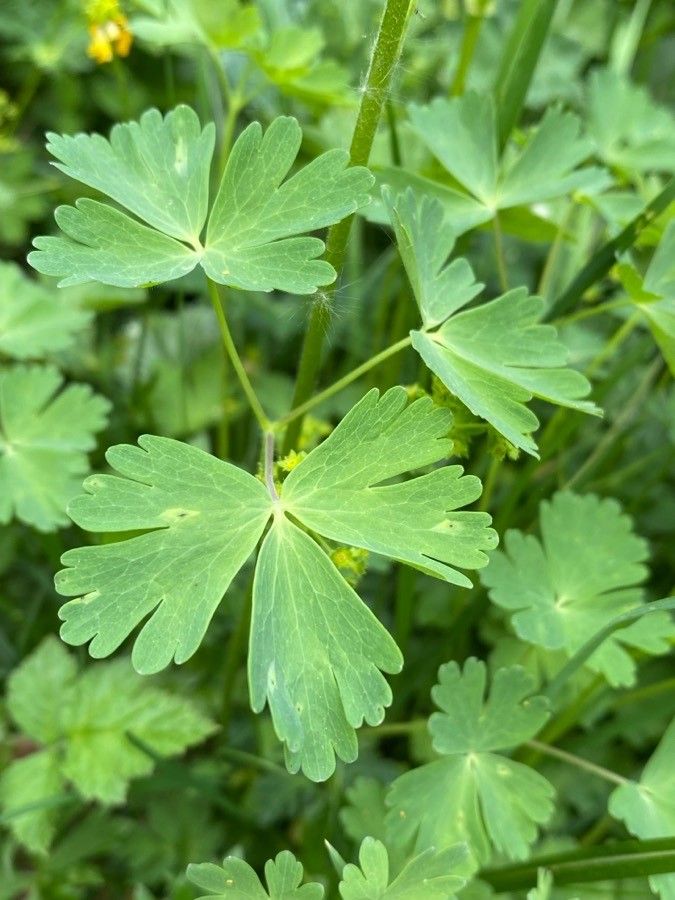
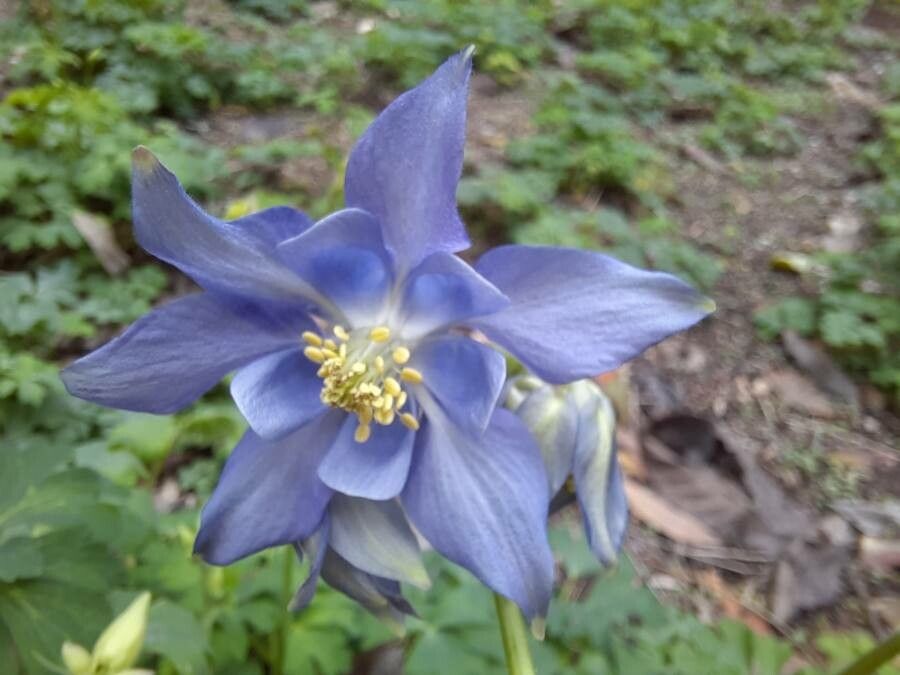
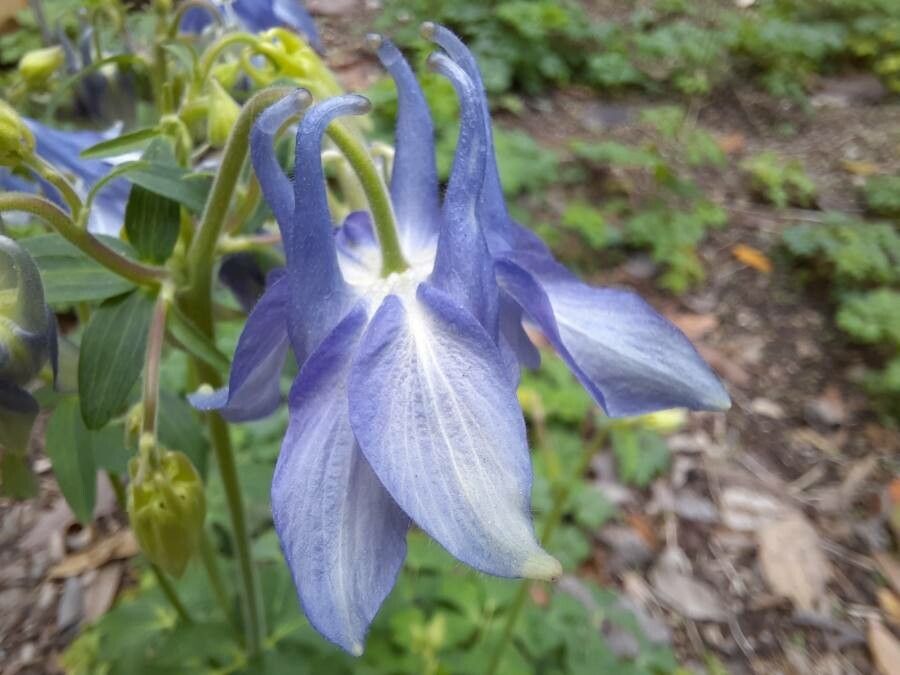
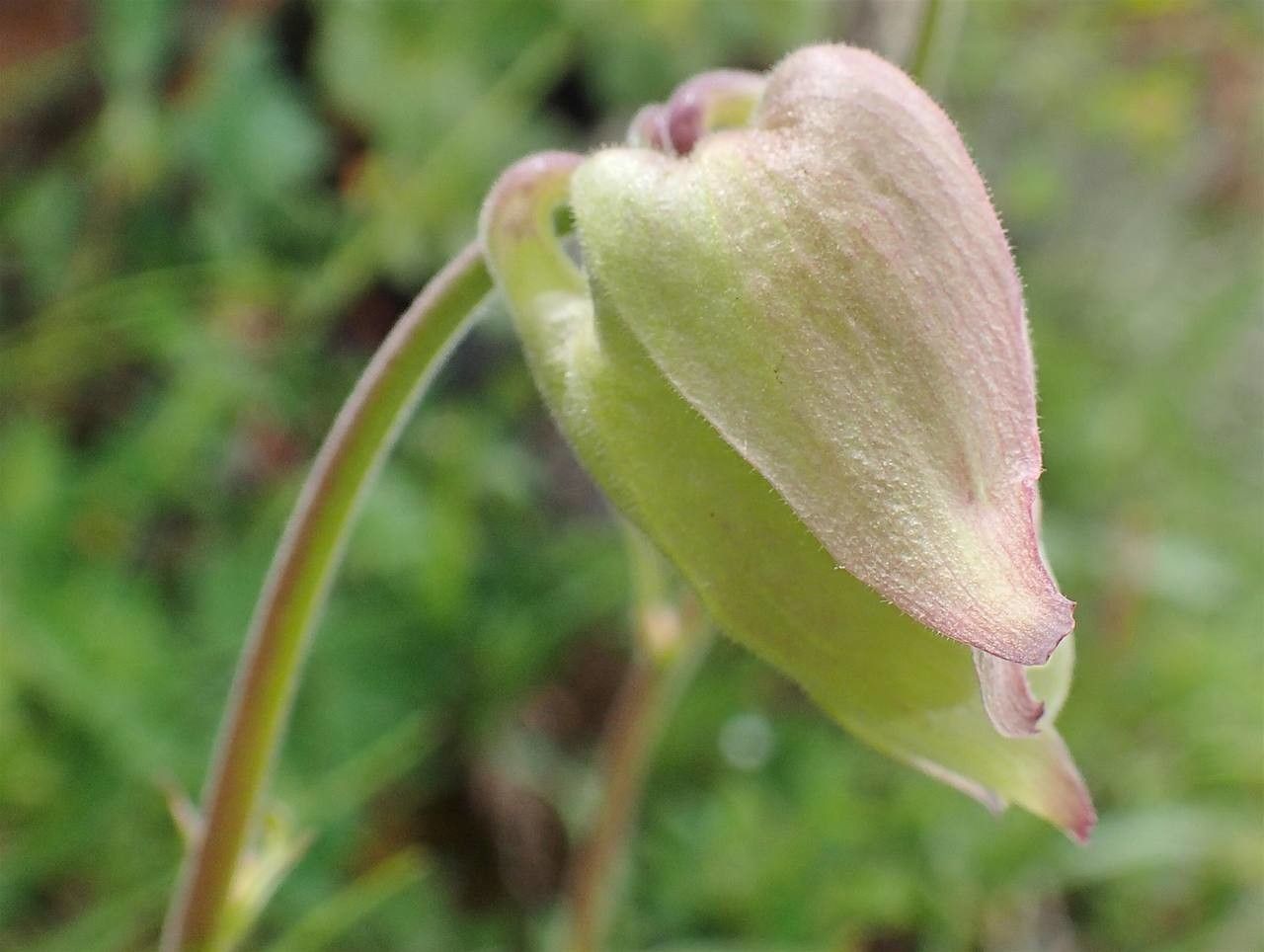
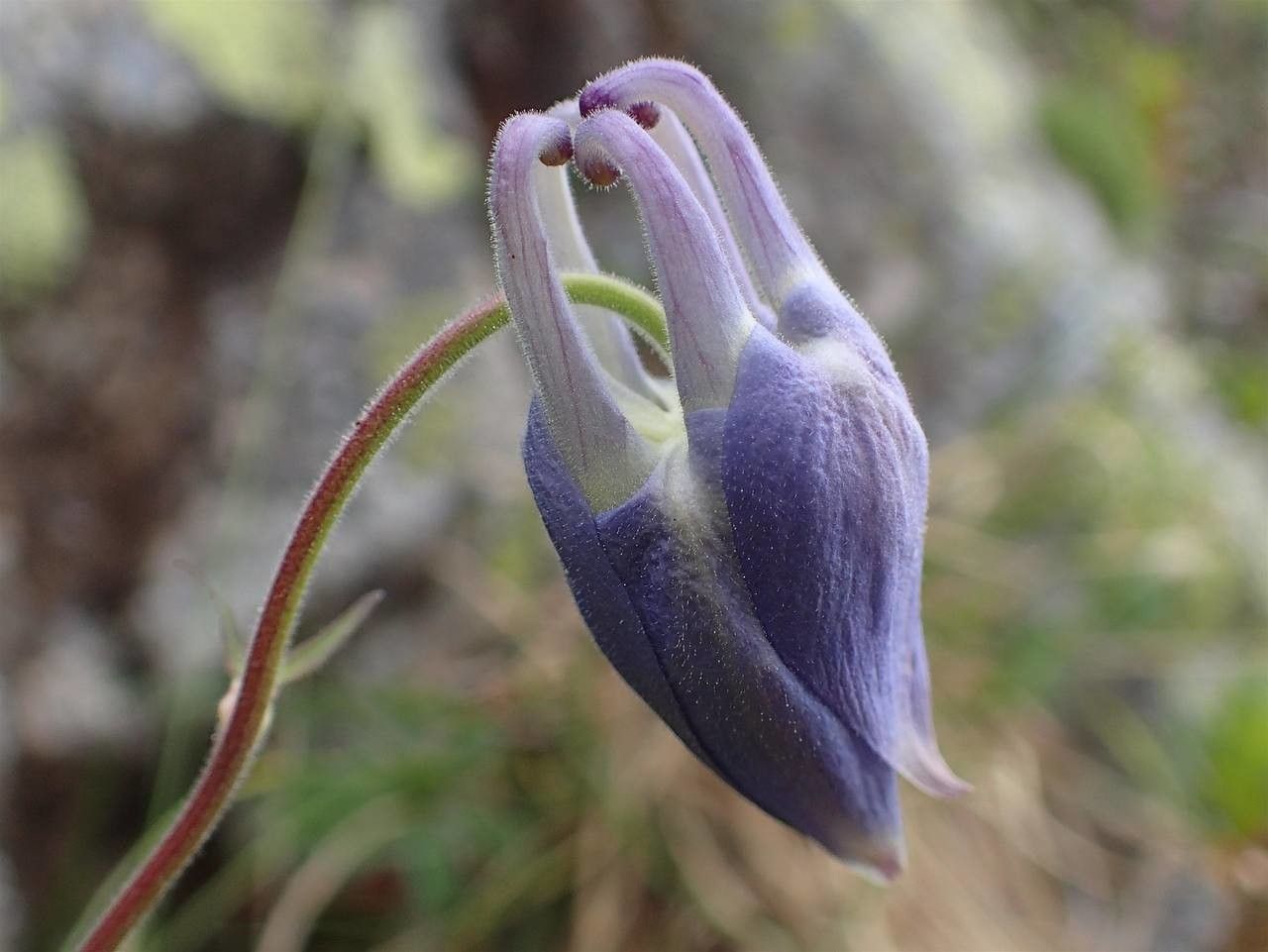
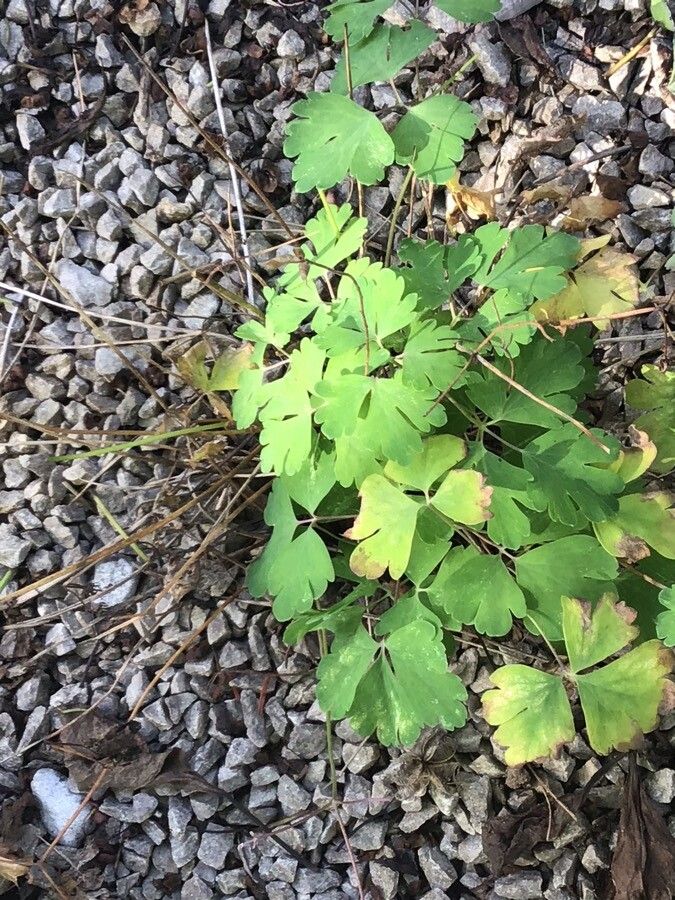
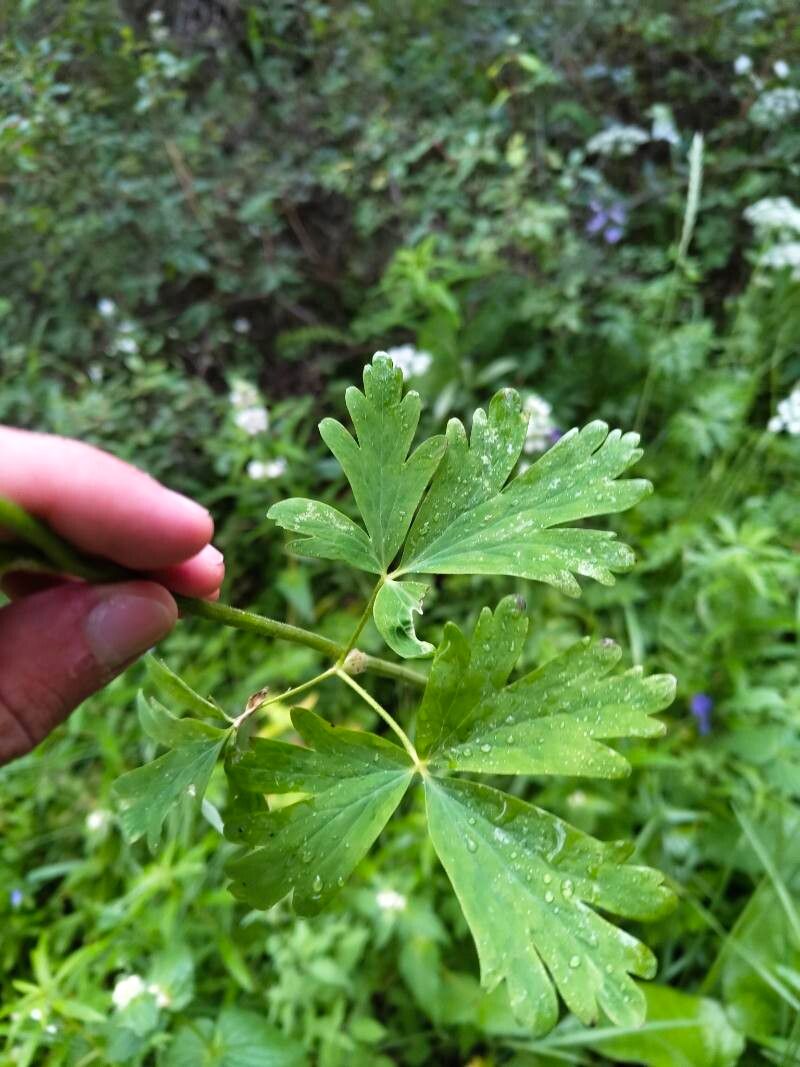
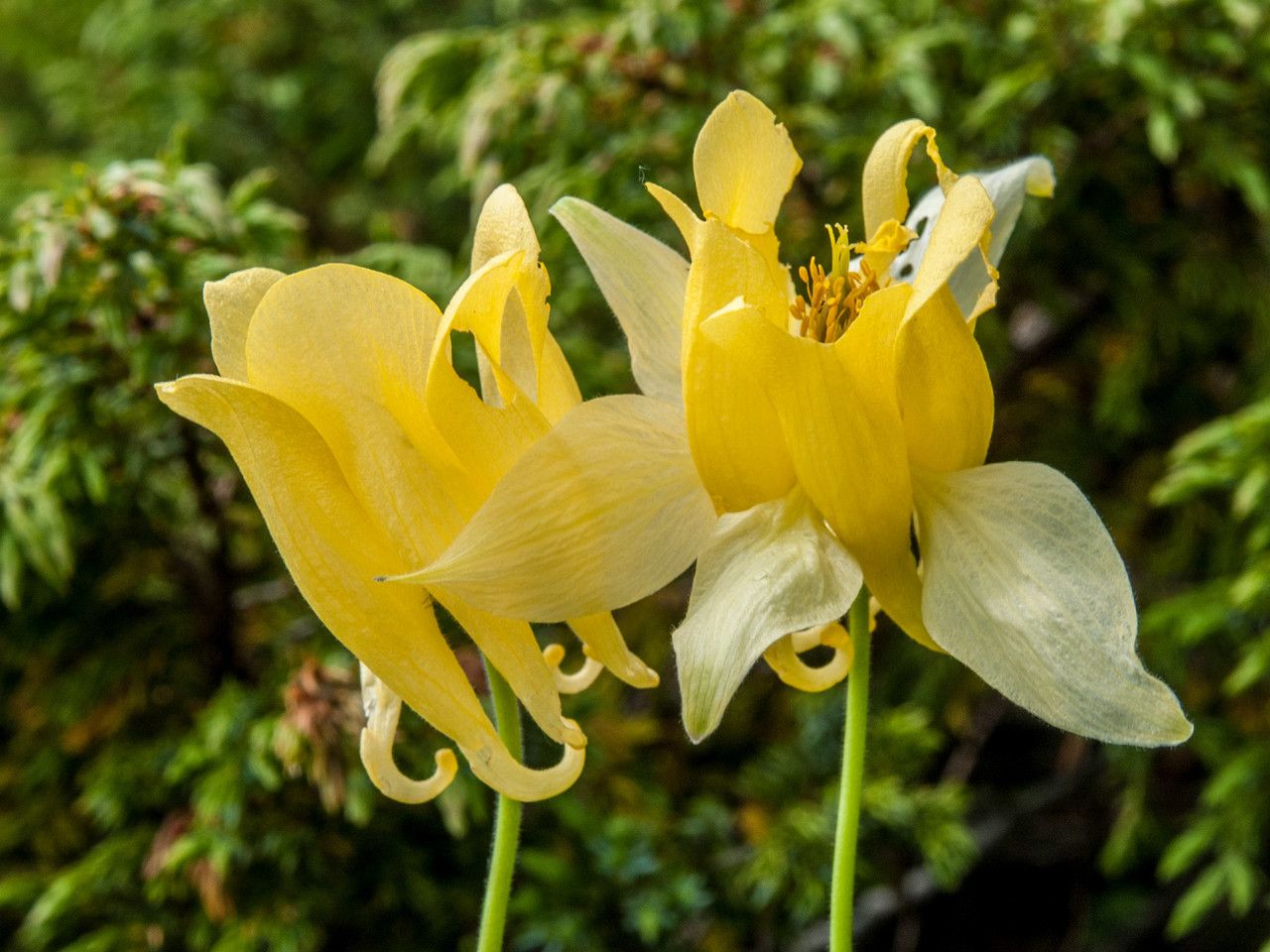
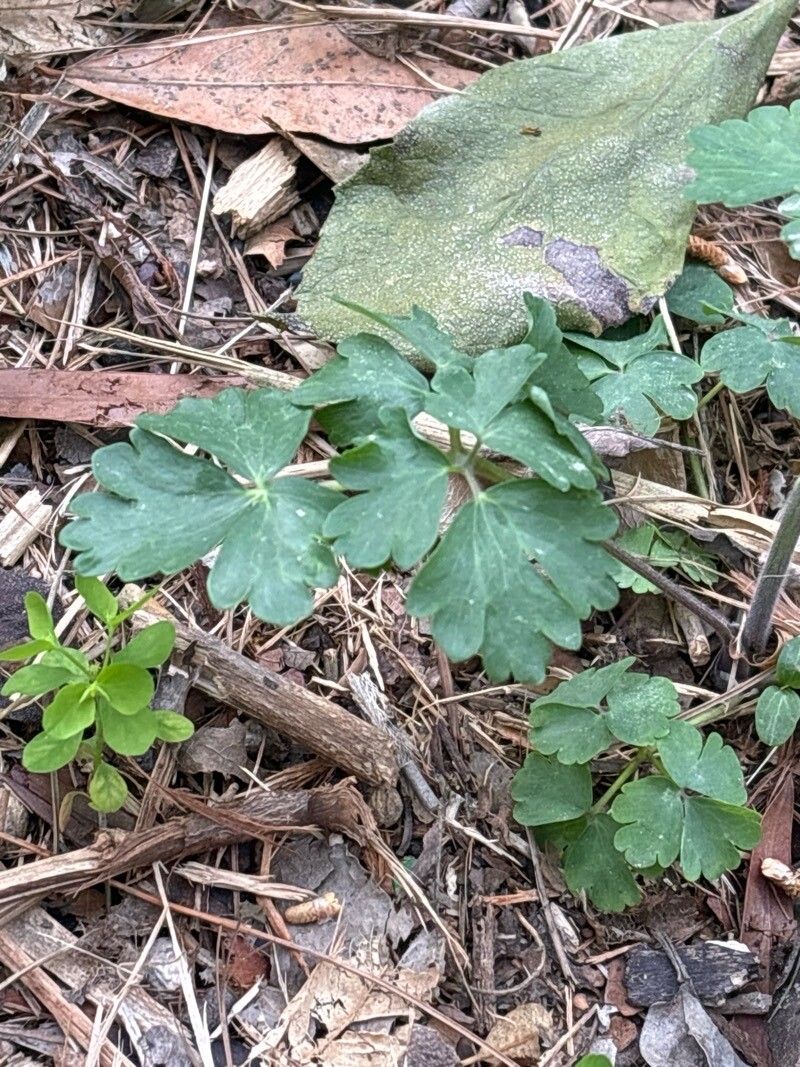
Aquilegia alpina, commonly known as Alpine columbine, is a perennial flowering plant in the Ranunculaceae family. Native to the mountainous regions of Europe and Asia, it thrives in rocky areas, meadows, and forests. The plant typically reaches a height of 30-60 cm and forms clumps of deeply lobed basal leaves. Its bell-shaped flowers, which appear on tall stems above the foliage, come in shades of blue, purple, white, or pink, blooming from late spring to early summer.
Aquilegia alpina is easy to grow, preferring well-drained soil and partial shade, though it can tolerate full sun with adequate moisture. Its nectar-rich flowers attract pollinators such as bees, butterflies, and hummingbirds.
Indigenous people have historically used the plant for medicinal purposes, taking advantage of its anti-inflammatory properties to treat ailments such as fever, coughs, and colds.
Overall, Aquilegia alpina is an attractive addition to any garden. Its unique flower shape adds visual interest when planted with other perennials or used as a focal point within borders or rock gardens.
Alpine columbine has strong resistance to disease and is generally not prone to illnesses. Still, it can be vulnerable to pests and diseases present in its environment. These problems are typically not serious. Regarding care, this plant needs moderate maintenance. It should be pruned regularly to preserve a neat appearance and healthy growth. Applying fertilizer can also encourage flowering. Alpine columbine is appropriate for anyone with outdoor space, like a garden or patio, and does not demand extensive gardening experience. It may need more attention when cultivated indoors.
How to keep Aquilegia Alpina.
Light
Alpine columbine does best with plenty of sunlight but can also tolerate shadier locations. Native to sunny habitats, the plant requires adequate light to grow vigorously. Too little or too much sun can harm its health and affect its overall condition and vigor.
Water
The alpine columbine, native to mountainous regions, thrives in alpine habitats with regular, moderate moisture. It prefers weekly watering to keep it healthy. This herbaceous perennial flourishes outdoors in cooler climates, where it benefits from natural rainfall and clearly defined seasons. During its active growing season, meeting its water needs is crucial for the best foliage and blooms.
Fertilizer
The best time to fertilize an Alpine columbine is in early spring, as it wakes from dormancy and begins active growth. Fertilizing supplies essential nutrients for healthy development. Even though Alpine columbine needs relatively little fertilizer, applying it once a year can improve its survival and encourage better, longer-lasting flowers.
Pruning
The Alpine columbine showcases striking blue to purple flowers and benefits from being pruned in early spring to encourage growth. Removing dead stems and deadheading the plant promotes an increase in blooms. Shaping the plant in late spring helps control its size, while cutting it back in the fall prevents disease and supports winter dormancy. These practices enhance the health and appearance of the Alpine columbine.
Botanical profile.
- Plant Type
- Herb
- Life Cycle
- Perennial
- Genus
- Aquilegia
- Family
- Ranunculaceae
- Hardiness Zone
- 3-8
- Mature Height
- 30 cm
- Mature Spread
- 25 cm
- Leaf Color
- Green, Blue
- Leaf Type
- Deciduous
- Flower Color
- Blue
- Flower Size
- 4.06 cm to 6.35 cm
- Bloom Time
- Mid spring, Late spring
- Planting Time
- Spring, Autumn
- Harvest Time
- Early summer, Mid summer
- Native Area
- Italy, Switzerland, Austria, France
Other names.
Reader questions.
How should I water my Alpine columbine plant in the best way?
When watering the Alpine columbine, it's important to use filtered water at room temperature. Tap water may contain harmful particles for this plant. The Alpine columbine comes from a warm environment, so cold water can be shocking to it. Instead of overhead watering, apply filtered room temperature water directly to the soil until it is completely soaked. This helps moisten the roots and allows them to continue spreading and collecting nutrients.
Why should I put fertilizer on my Alpine columbine plant?
Fertilization is important for the Alpine columbine for several reasons. It provides necessary nutrients for the plant to grow above and below the ground. Although the fertilization needs of the Alpine columbine are generally low, annual fertilization can greatly benefit the plant. It helps the plant survive and encourages the growth of better and longer-lasting flowers. Therefore, if you want your Alpine columbine to look its best, it is recommended to fertilize it annually.
What are the sunlight requirements for Alpine columbine?
Alpine columbine requires full sun, which is above 6 hours of sunlight, or partial sun, about 3-6 hours of sunlight, to thrive. It's essential to observe how sunlight moves through your garden to find spots that offer a suitable balance of light and shade, ensuring optimal growth. Originally from sunny habitats, Alpine columbine needs ample sunlight but can adapt to more shaded areas. However, lack or excess of sunlight can negatively impact its health.
What is the common name of Aquilegia alpina?
The common name of Aquilegia alpina is Alpine columbine.
What should I do if I give my Alpine columbine too much water or not enough water?
Both overwatering and underwatering can harm your Alpine columbine, but overwatering is more frequently seen. When this plant gets too much water, its stems and leaves may wilt and turn yellow. Overwatering for an extended period can also cause diseases like root rot, mold, and mildew, which can be fatal to your plant. Underwatering is less common for the Alpine columbine since it can tolerate drought quite well. However, underwatering is still a possibility, and in such cases, you will notice that the leaves become dry and brown. It is crucial to identify signs of overwatering early when caring for your Alpine columbine since some of the diseases, like root rot, may become irreversible if neglected. If you observe early signs of overwatering, reduce your watering immediately. Additionally, check the soil quality of your plant; if it drains poorly, replace it with a loose, well-draining potting mix. Conversely, if your Alpine columbine shows signs of inadequate watering, simply water it more regularly until the signs subside.
When should I fertilize my Alpine columbine?
The best time to fertilize an Alpine columbine is in late winter to early spring when the plant is coming out of dormancy and starting to grow actively. Fertilizing at this time helps promote healthy growth and gives the plant a strong start for the season. Although it's generally recommended to fertilize in early spring, you can also fertilize in the fall if desired. However, it's not advisable to fertilize in summer or winter.
How can artificial lighting benefit indoor plants, and what are the guidelines for its use?
Indoor plants, including Alpine columbine, may require artificial lighting to substitute for natural sunlight, especially in conditions of insufficient natural light. LED lights are recommended for their ability to provide specific wavelengths needed by the plants. For full sun plants, 30-50W per square foot is suggested, partial sun plants should have 20-30W per square foot, and full shade plants need 10-20W per square foot of artificial light. The light source should be placed 12-36 inches above the plant and kept on for 8-12 hours per day to mimic natural daylight hours.
What are the essential care tips for Alpine columbine?
There are no specific essential care tips provided for Alpine columbine. Always consider checking for the most suitable conditions for its growth, such as sunlight exposure, watering needs, and soil type.
How often do I need to give water to my Alpine columbine?
To determine if your Alpine columbine plant needs water, you can check the moisture level of the soil. If your plant is in a pot, simply stick your finger into the soil. If the top two to three inches are dry, it's time to water. If your plant is in the ground, use the same method and water when the top few inches of soil have dried out. Typically, you'll need to water this plant once a week during spring and early fall. In extremely hot weather, you may need to water it twice a week or more. However, it's worth noting that mature, well-established Alpine columbines are quite resilient and can tolerate dry conditions.
When is the best time to not fertilize my Alpine columbine?
To avoid overfertilization and its complications, it is best to fertilize your Alpine columbine only during late winter and early spring. This plant has low fertilization needs, so a single annual feeding during this time will be sufficient. You should not continue fertilizing throughout spring, summer, and fall. However, if you didn't fertilize in spring, it is acceptable to feed the plant in the fall. Additionally, there is no need to fertilize during the winter when the Alpine columbine is in a dormant growth phase and does not produce new growth. Therefore, it is not recommended to fertilize during most of the winter.
What are the symptoms of inadequate sunlight for Alpine columbine?
Alpine columbine exhibits several symptoms when exposed to inadequate lighting, including smaller new leaves, leggy or sparse growth, early leaf drop, slowed or halted growth, and paler new leaves. Excessive sunlight can also harm, leading to chlorosis (leaf yellowing), sunscald, leaf curling, wilting, and leaf scorching. These symptoms indicate the plant is struggling with the current light conditions.
What are the common symptoms if Alpine columbine is not cared for properly?
No specific symptoms were provided for Alpine columbine when not cared for properly. It's essential to monitor the plant for common issues like discoloration, stunted growth, or pests to ensure its health.