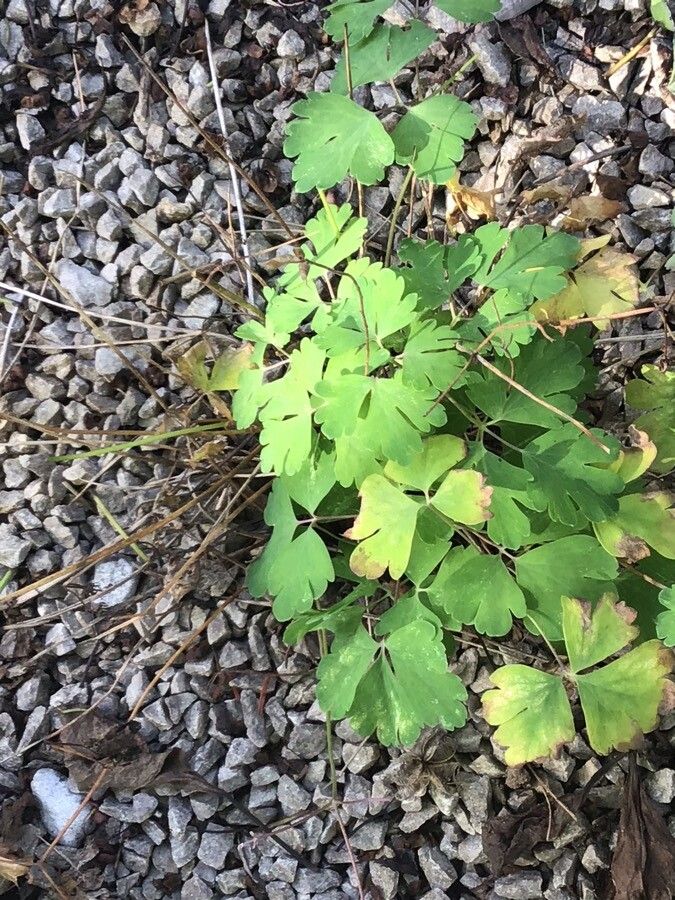
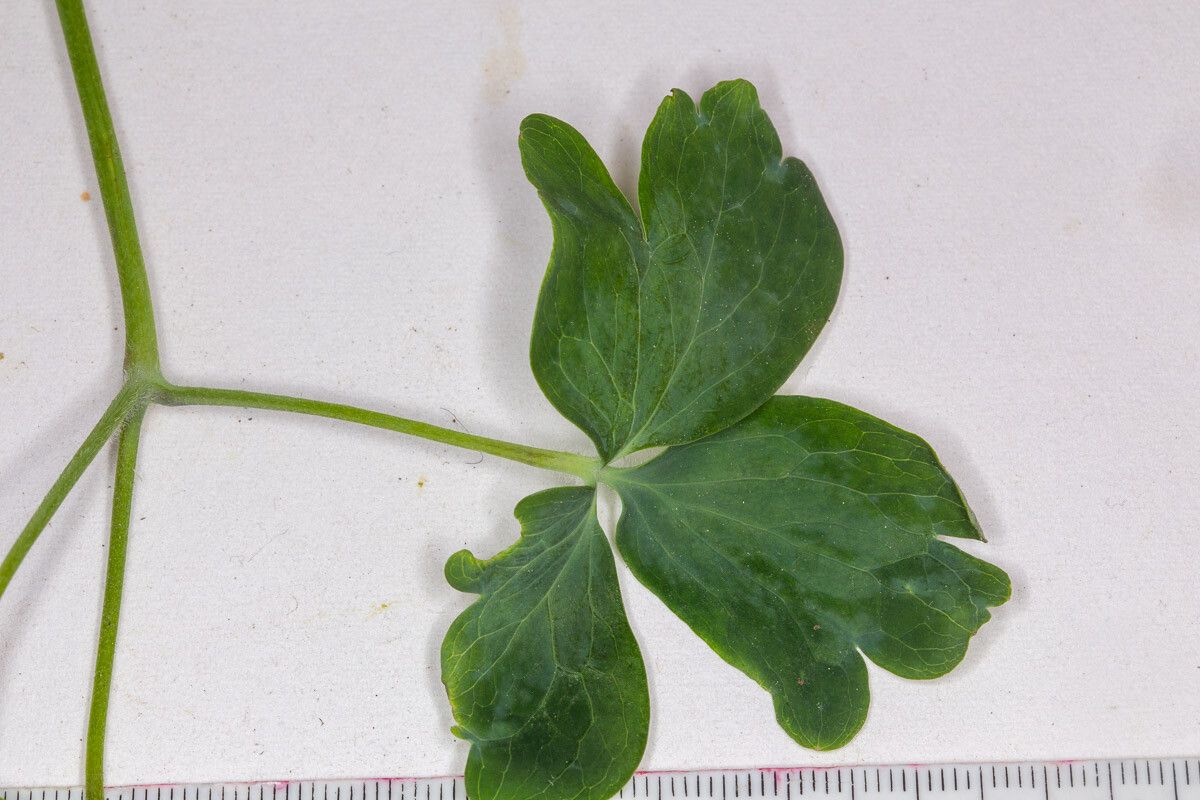
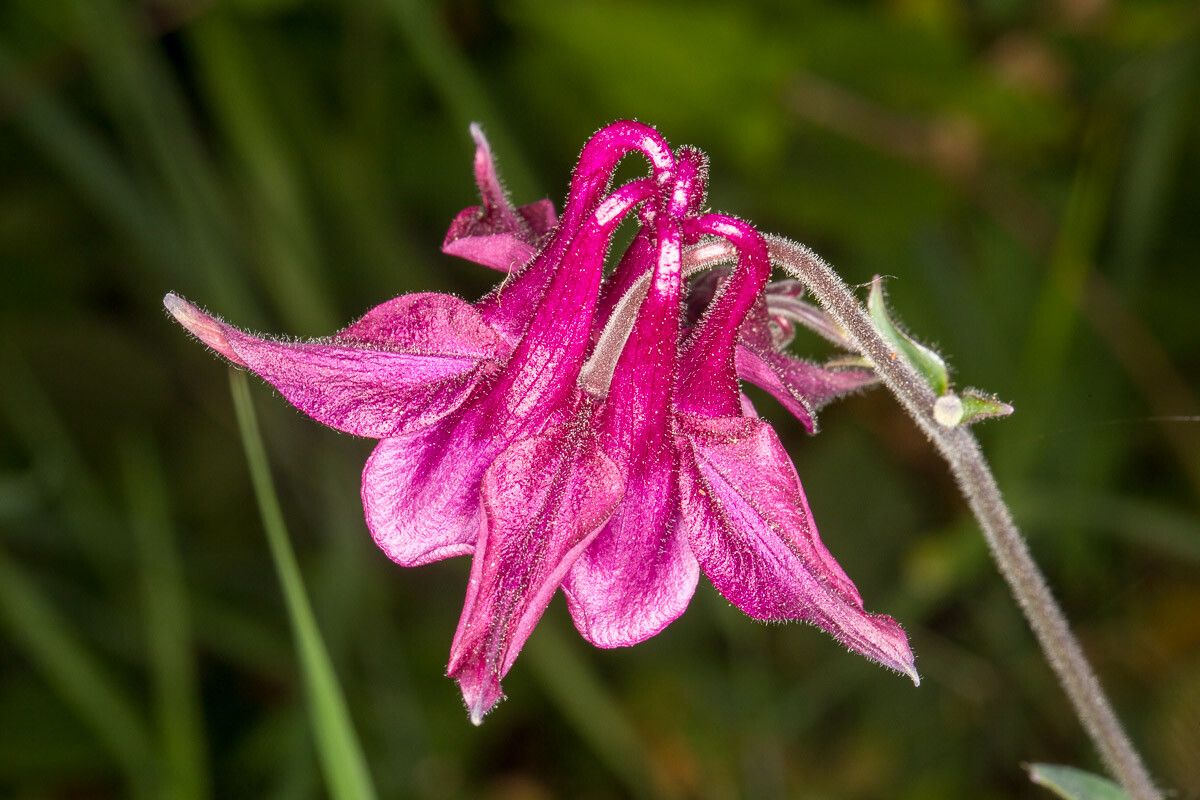
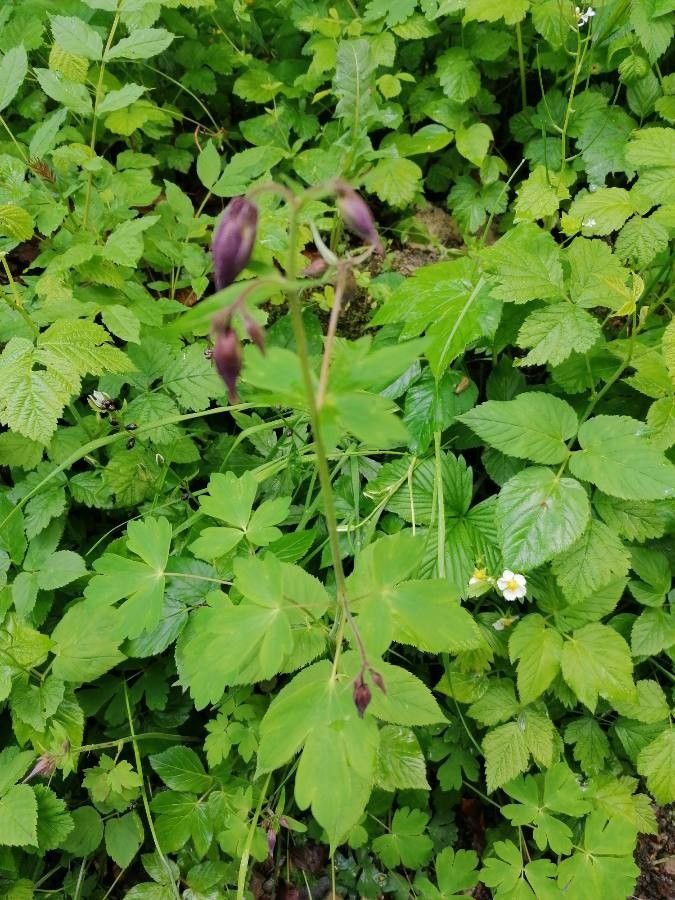
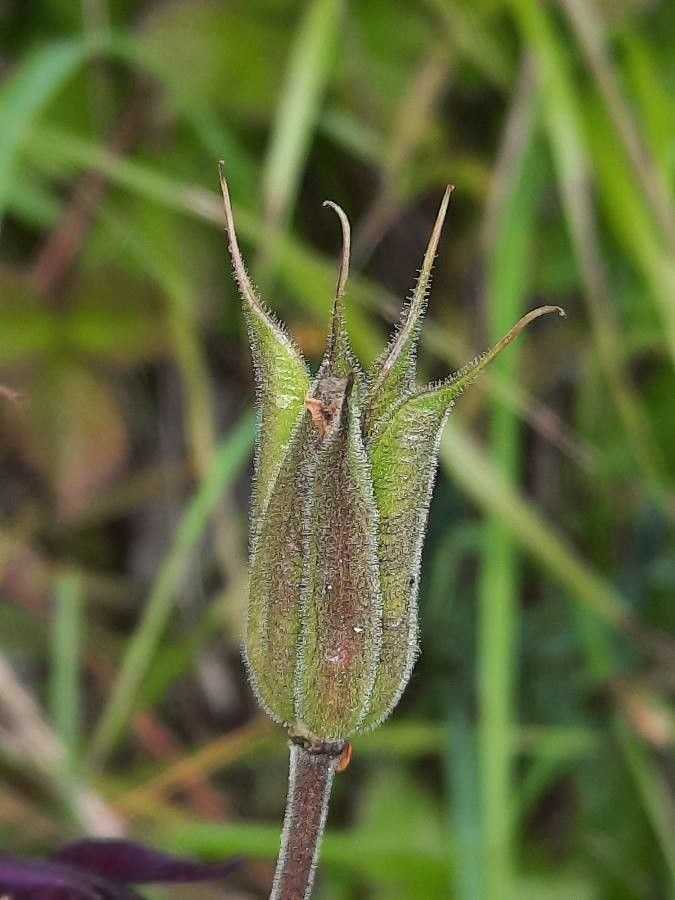
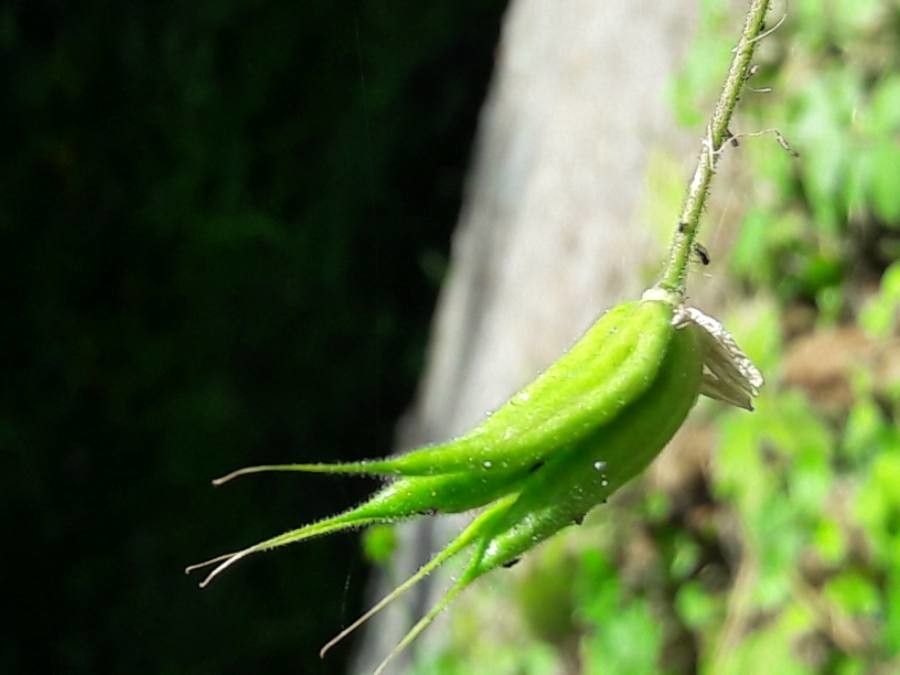
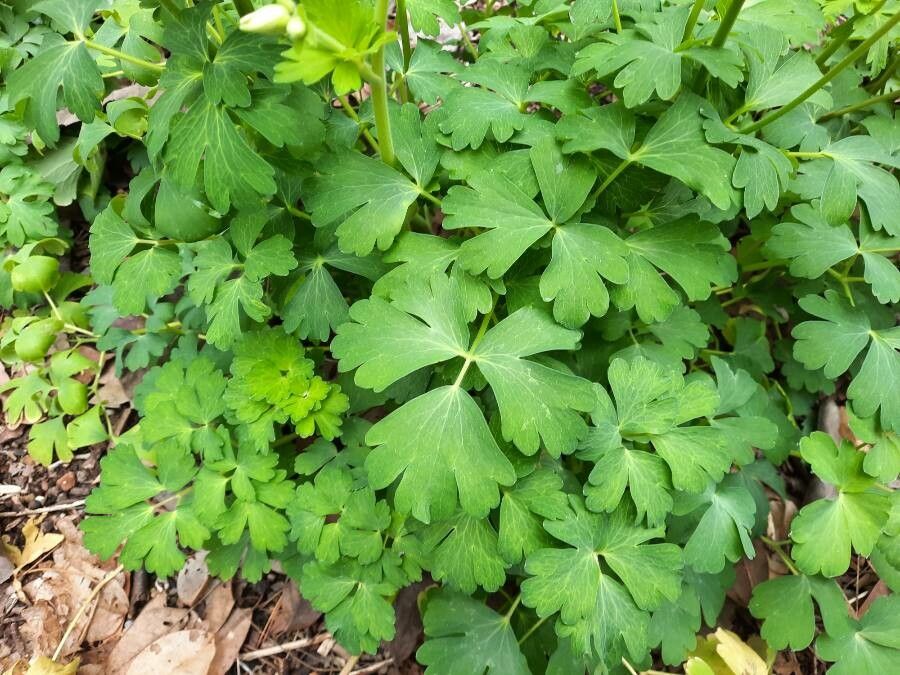
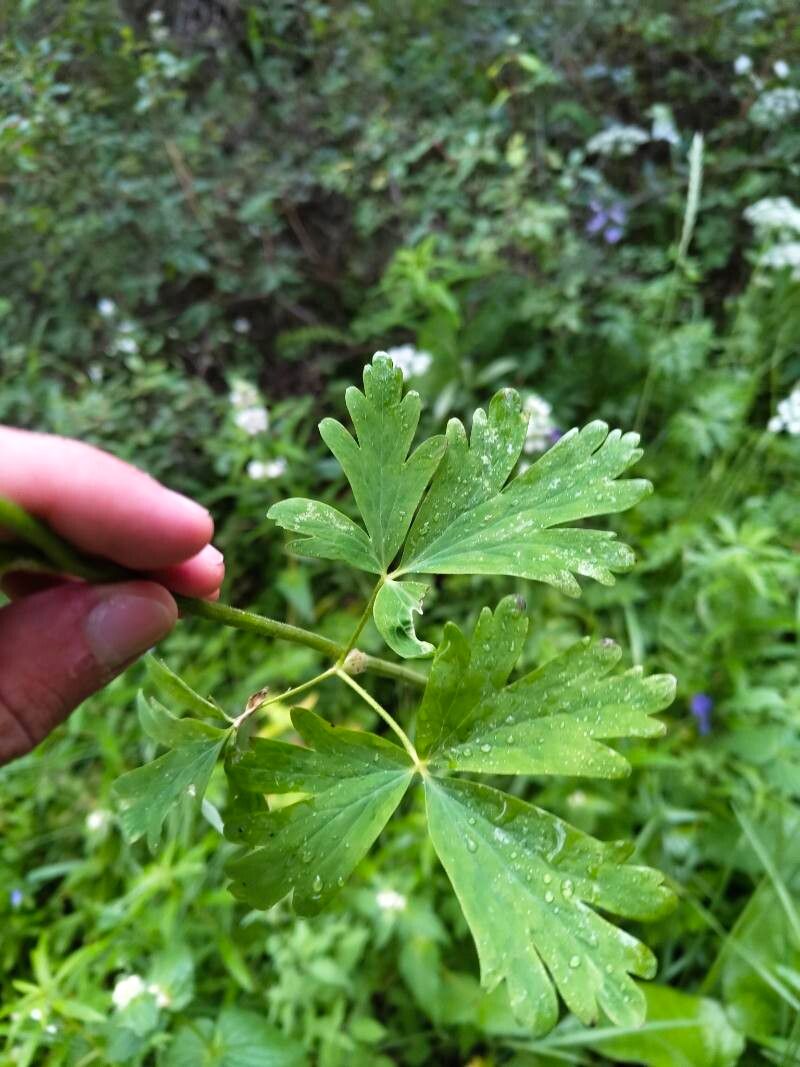
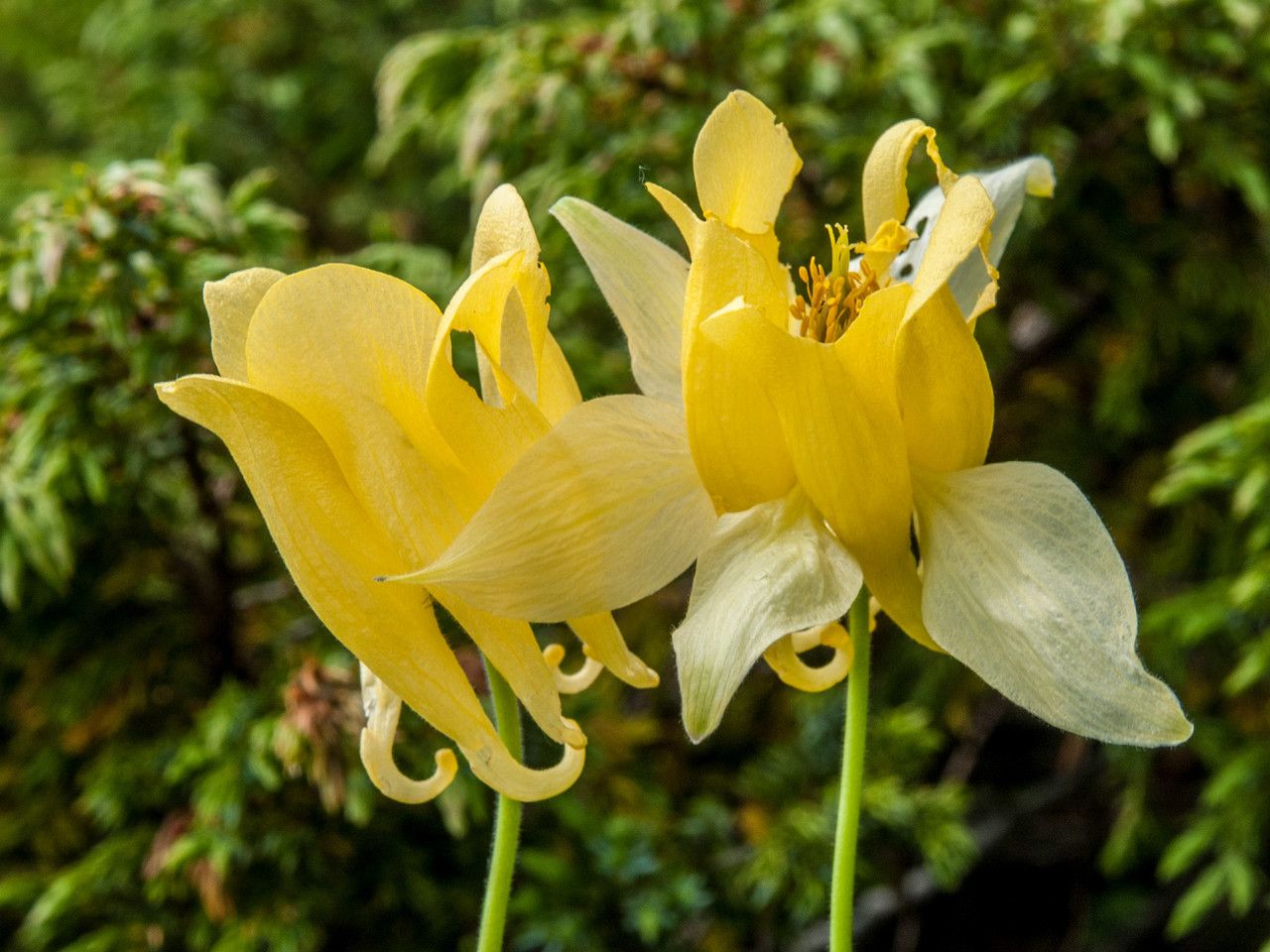
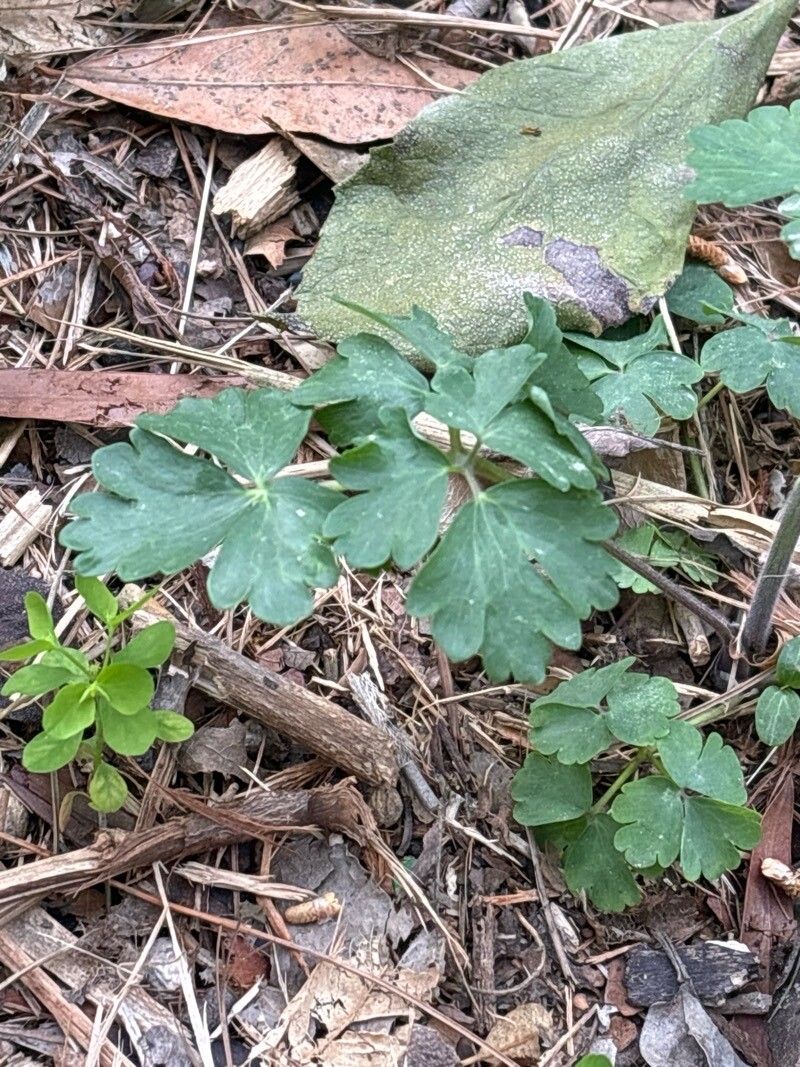
Aquilegia atrata, the dark columbine, is a currently accepted species in the Aquilegia vulgaris complex. It is not genetically distinguishable from the other members of the complex. As the common name suggests it typically, but not always, has dark flowers, either brown, purple or wine-colored.
Dark columbine is fairly disease-resistant and generally not highly susceptible to illnesses. Still, it can be affected by pests and diseases present in its environment. These problems are typically not severe. For care, the plant requires a moderate level of maintenance. It should be pruned regularly to preserve an attractive appearance and support healthy growth. Fertilizing can also help encourage blooming. Dark columbine is well suited for anyone with an outdoor area, like a garden or patio, and does not need extensive gardening experience. It may need more attention when grown indoors.
How to keep Aquilegia Atrata.
Light
Dark columbine performs best with abundant light, though it can tolerate dimmer conditions to some degree. Its natural habitat has strong light levels, indicating its need for those conditions to thrive. Too much shade can impair its growth and flowering, while too much exposure can cause scorching.
Water
Dark columbine thrives best in areas with moderate rainfall, requiring a balance of moisture and good drainage. This plant prefers humid conditions but can tolerate short periods of drought and should be watered once a week. As an herbaceous perennial, dark columbine goes dormant in the winter, significantly reducing its water needs during this season.
Temperature
Dark columbine is native to habitats where temperatures range from 32 to 95 °F (0 to 35 °C). It grows best in those conditions. When seasons change, adjusting conditions to replicate these preferred temperatures can help improve its growth.
Fertilizer
Early spring, as the Dark columbine comes out of dormancy and begins active growth, is the best time to fertilize. Fertilization supplies essential nutrients for healthy growth. Although Dark columbine needs relatively little fertilizer, applying it once a year can improve its survival and encourage better, longer-lasting flowers.
Pruning
To keep dark columbine healthy and thriving, it's important to prune it periodically from early to late spring. Focus on removing dead stems and old flower stalks to encourage new growth. Regular thinning helps improve air circulation, reduces the risk of disease, and maintains the plant's shape for longer-lasting blooms. For specific care tips, consult horticultural guides.
Botanical profile.
- Plant Type
- Herb
- Life Cycle
- Perennial
- Genus
- Aquilegia
- Family
- Ranunculaceae
- Hardiness Zone
- 3-10
- Mature Height
- 46 cm to 52 cm
- Mature Spread
- 30 cm
- Leaf Color
- Green
- Leaf Type
- Deciduous
- Flower Color
- Purple
- Flower Size
- 2.79 cm to 3.81 cm
- Bloom Time
- Mid spring, Late spring, Early summer
- Planting Time
- Spring, Summer
- Harvest Time
- Mid summer, Late summer, Early fall
- Native Area
- Germany, Austria, Italy, Switzerland, Slovakia, Slovenia, France
Other names.
Reader questions.
What should I do if I give my Dark columbine too much water or too little water?
Overwatering is a common issue that can harm your Dark columbine plant. If your plant receives too much water, its stems and leaves may wilt and turn yellow. Over time, overwatering can also lead to diseases like root rot, mold, and mildew, which can kill your plant. Underwatering is less common for the Dark columbine because it can tolerate drought. However, if your plant is underwatered, you may notice brittle and brown leaves. It's important to recognize the signs of overwatering early on to prevent irreversible damage. If you see these signs, reduce your watering schedule and check the soil for proper drainage. If the soil doesn't drain well, replace it with a loose, well-draining potting mix. If you notice signs of underwatering, simply water the plant more regularly until the signs improve.
Why should I use fertilizer on my Dark columbine plant?
Fertilization is crucial for the Dark columbine's leaves to look good and function properly. It helps maintain consistent color and a healthy texture, both above and below the surface. Fertilization supports the growth of new roots and maintains existing ones, ensuring the plant's overall health in the present while also improving its ability to absorb nutrients from the soil in the future.
What kind of sunlight does Dark columbine require?
Dark columbine is a plant that requires full sun on a daily basis. It needs at least six hours of sunlight to maintain healthy leaves, roots, and blooms. While it is generally true that most perennials also need six hours of sunlight each day, certain plants like the Orange Daylily or Giant Coreopsis can survive with only three hours of sun. However, it's important to note that these plants won't thrive as much as they would in sunnier conditions.
What is the native environment and temperature range for Dark Columbine?
Dark Columbine (Aquilegia atrata) is native to environments where temperatures range from 32 to 95 °F (0 to 35 °C). It thrives best within these temperature conditions. Depending on seasonal changes, adjusting environments to simulate these preferred temperatures may benefit its growth. Dark columbine displays strong cold resistance, so special frost protection measures are generally not needed in winter. However, if temperatures are expected to drop below -35°C, it's important to provide cold protection by covering the plant with soil or straw. Abundant watering before the first freeze of autumn to keep the soil moist is recommended to prevent winter and early spring drought.
How frequently should I water my Dark columbine?
If your Dark columbine plant is in a pot, the most precise way to determine if it needs water is to check the soil moisture with your finger. If the top two to three inches of soil appear dry, it is time to water. Similarly, if you have planted your Dark columbine outdoors in the ground, you can use the same method to test the soil moisture. If the top few inches of soil have dried out, it is time to add water. Normally, during spring and early fall, watering once a week is sufficient using this method. However, during extremely hot weather, you may need to water twice or even more frequently per week. It's worth mentioning that mature, well-established Dark columbine plants can tolerate drought conditions surprisingly well.
When should I fertilize my Dark columbine?
If you grow your Dark columbine outdoors each year, you'll notice new growth shooting out in early spring. This is a sign that it's time to start fertilizing. Typically, a Dark columbine does well with just one application of fertilizer in the spring. However, if you want to maximize its growth, you can fertilize multiple times throughout the spring and early summer. In this case, you can feed your Dark columbine about once every month to a month and a half.
Can the sun harm Dark columbine flowers? How can I protect Dark columbine flowers from getting damaged by the sun and heat?
In warm climates, some Perennial Flowering Plants may struggle with excessive heat and suffer from sun damage. They can wilt, dry out, or even experience growth problems if they are consistently exposed to the intense afternoon sun. However, not all plants require protection from the light afternoon sun. For those that are harmed by intense afternoon exposure, it is recommended to provide them with some shade in warmer climates. Gardeners can achieve this by planting these plants in areas that do not receive direct heat during the afternoon, such as under trees or behind bushes.
How does Dark Columbine react to low temperatures, and what are the solutions?
Dark Columbine is cold-tolerant and thrives best when temperatures stay above 0°C. During winter, it should remain above -30°C. While the plant may not show noticeable changes if temperatures fall below -35°C during winter, there can be a decrease in sprouting or even no sprouting at all come springtime. To address this, any non-sprouting parts should be removed in spring to promote the health and growth of the plant.
How many times should I water my Dark columbine plant?
When watering your Dark columbine, don't be afraid to give it plenty of water. Make sure the first two to three inches of soil are dry before watering, and then give it a thorough soak. The water should be enough to completely dampen the soil and should cause excess water to drain through the holes at the bottom of the pot. If you don't see excess water draining, then you may have underwatered the plant. However, be careful not to let the water accumulate inside the soil as this can harm the plant. On the other hand, if there is no water draining through the pot, it could indicate that the soil doesn't drain well, and this is not good for the plant's health. If the plant is outdoors, receiving 1 inch of rain per week should be enough.
When is the best time to not fertilize my Dark columbine?
During the late fall and winter, your Dark columbine will become dormant and stop producing new growth. It is important to avoid fertilizing your Dark columbine during this time. In the spring and summer, if you choose to fertilize, gradually decrease the amount as summer approaches because the growth rate of your Dark columbine will also slow down. It is not advisable to fertilize your Dark columbine when the weather is unusually hot or the soil is extremely dry, as this can cause stress and premature death.
Should I make sure that Dark columbine doesn't get too much sun?
Certain perennial plants require ample sunlight to reach their maximum bloom. However, in warmer climates, some of these plants actually benefit from less sun. For instance, individuals residing in hotter regions might find it beneficial to shade their flowering perennials during the intense afternoon sun, especially during summer months. Although many perennial flowering plants prefer partial shade in the hottest climates, there are exceptions. Take the Giant Coreopsis, for example, as it is not bothered by excessive sun exposure. These plants can flourish even when placed in the full sun during scorching weather.
What is the impact of high temperatures on Dark Columbine, and what should be done?
During summer, it's crucial to keep Dark Columbine below 35°C. Exposure to temperatures exceeding 41°C can cause the leaves to lighten in color, curl, become prone to sunburn, and in severe cases, the entire plant may wilt and dry out. To mitigate these effects, trim away sunburned and dried parts of the plant. Moving the plant to a shaded location or using a shade cloth to protect it from the midday and afternoon sun can be beneficial. Ensuring the plant is watered in the morning and evening will help keep the soil moist and support healthy growth.