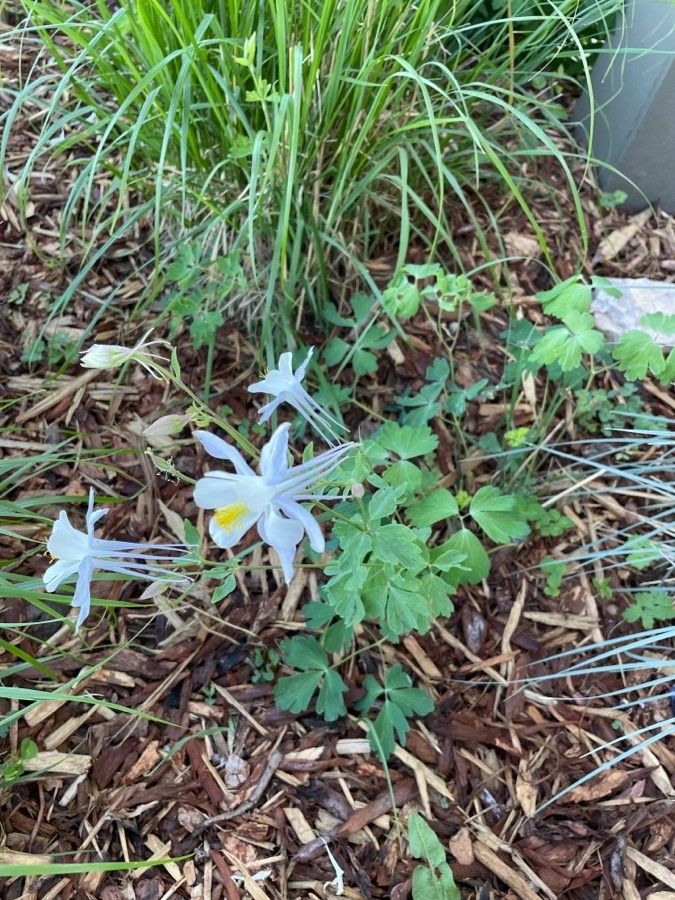
Aquilegia scopulorum, commonly known as the Rocky Mountain columbine, is a perennial flowering plant belonging to the Ranunculaceae family. Native to the Rocky Mountains of North America, this plant thrives in alpine meadows, rocky slopes, and forests.
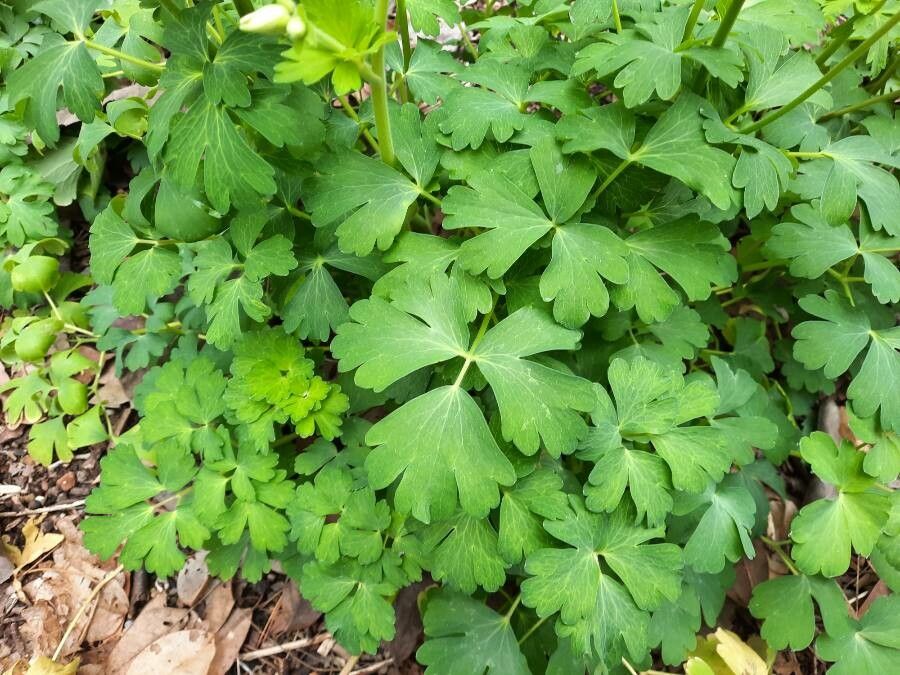
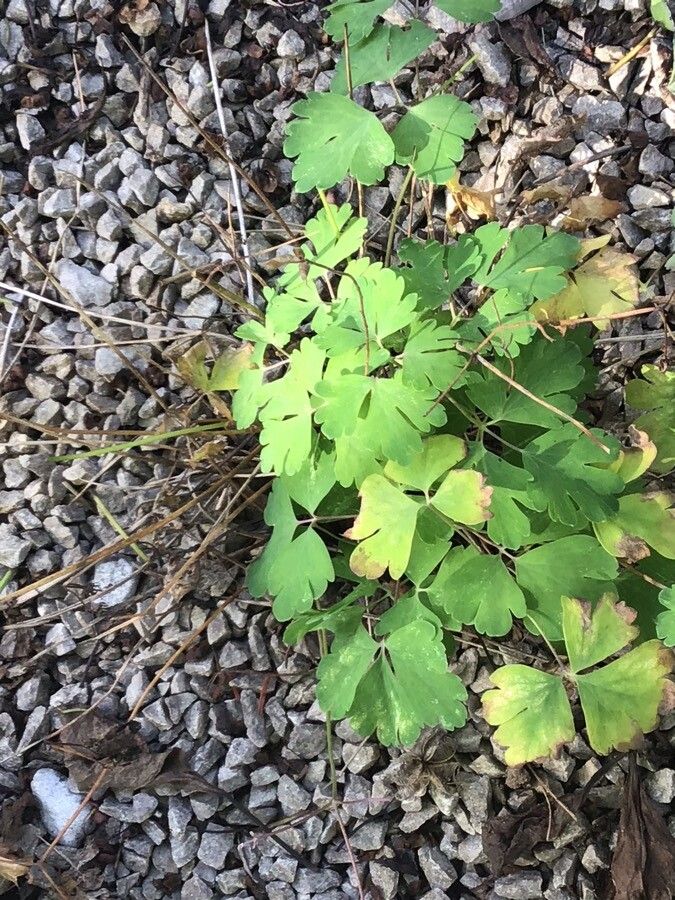
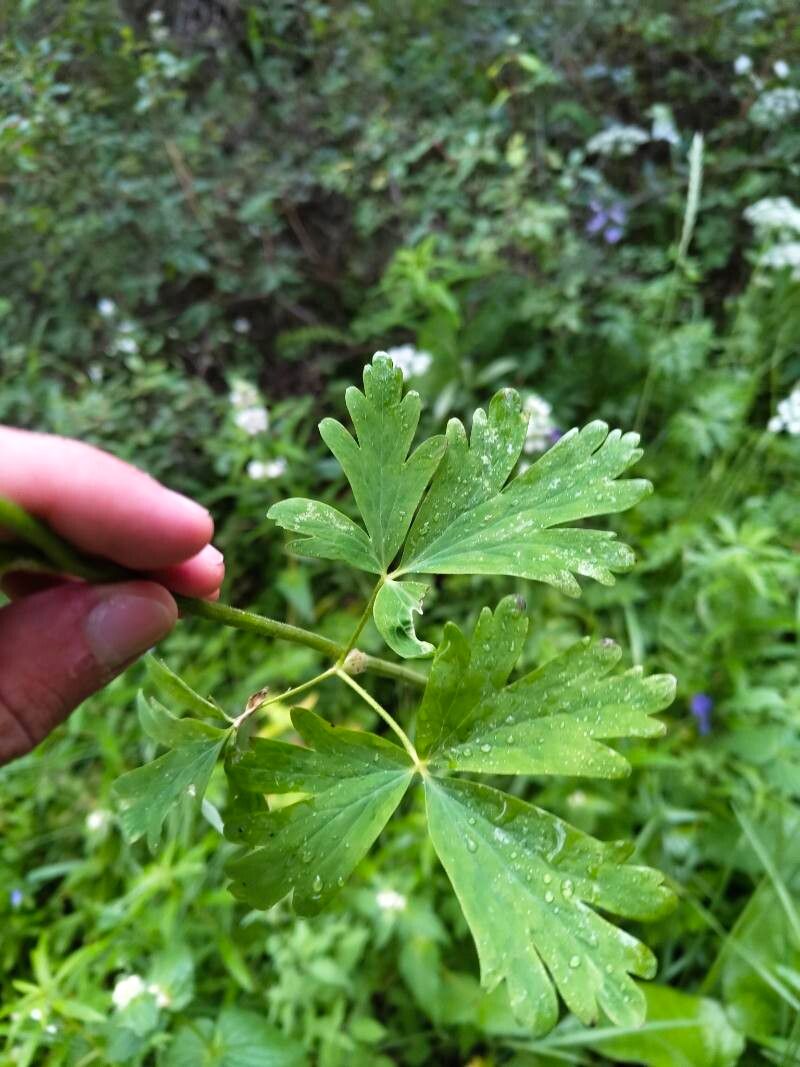
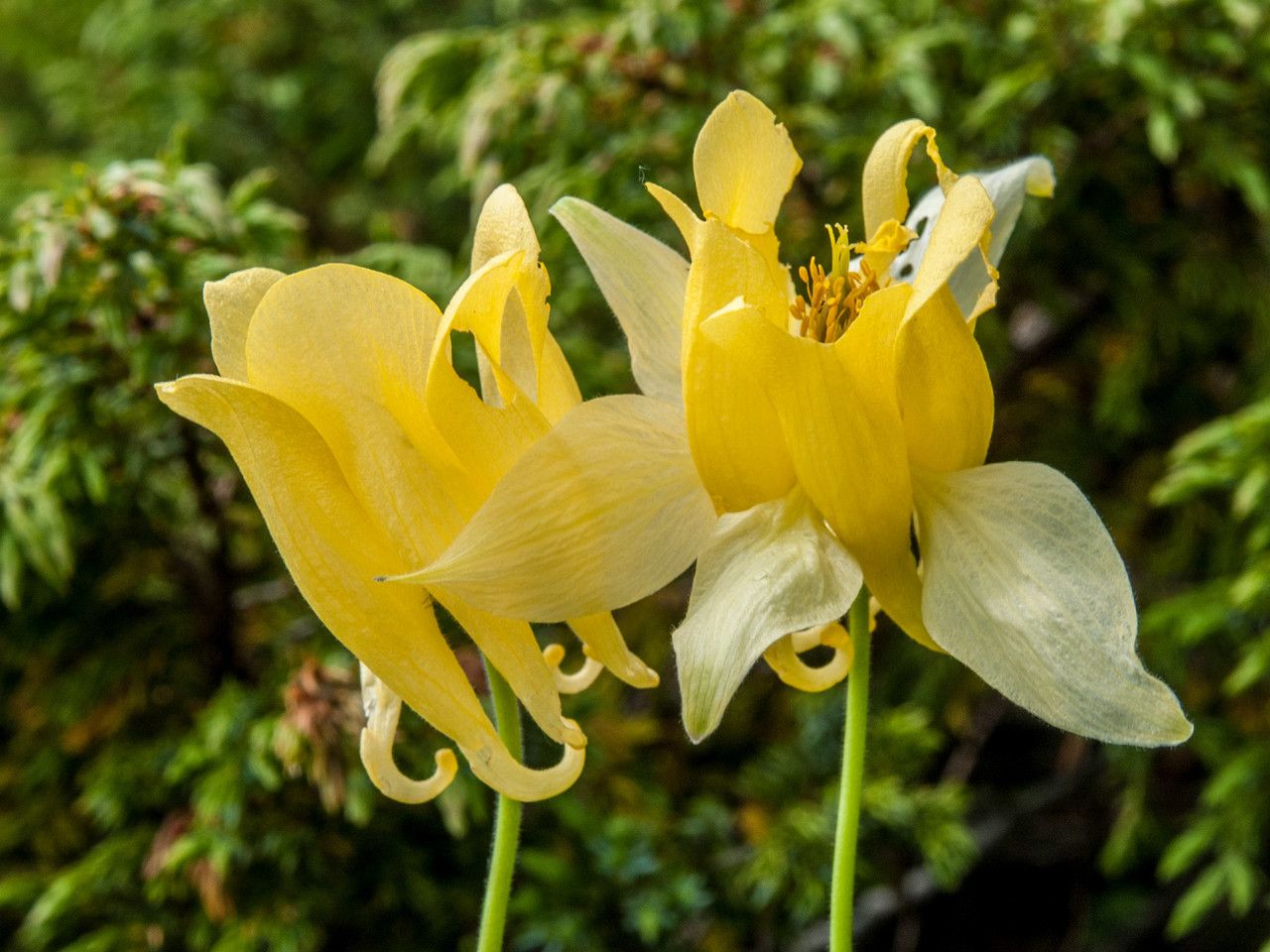
Typically reaching up to 60 cm in height, the Rocky Mountain columbine features distinctive blue-green foliage and delicate flowers, which bloom in late spring or early summer. The bi-colored flowers boast white petals and blue-violet sepals, each forming a unique spur at the back.
Aquilegia scopulorum plays a crucial role in pollination, attracting bees, butterflies, hummingbirds, and other pollinators with its nectar-rich blooms. It also possesses medicinal properties; the plant contains alkaloids known for their anti-inflammatory effects.
This plant is a popular choice among gardeners for its attractive appearance. For optimal growth, it requires well-drained soil and either full sun or partial shade. Propagation is possible through seeds or by dividing established plants.
In summary, Aquilegia scopulorum is a visually appealing perennial native to North America that offers significant ecological benefits. Its unique appearance and beneficial properties make it a favorite among gardeners.
Utah columbine is fairly disease-resistant and generally not prone to illnesses. However, it can be affected by pests and diseases present in its environment. These problems are typically not serious. In terms of care, this plant needs moderate maintenance. It should be pruned regularly to retain a neat appearance and encourage healthy growth. Fertilizing can also help increase flowering. Utah columbine is well suited for anyone with outdoor space, such as a garden or patio, and does not require extensive gardening experience. It may demand more attention when grown indoors.
How to keep Aquilegia Scopulorum.
Light
Utah columbine occurs naturally in habitats like forest understories and rocky areas, where it grows under natural shade. It prefers partial sun but can tolerate full sun or full shade, showing its adaptable and hardy nature.
Fertilizer
The best time to fertilize a Utah columbine is in early spring, as it comes out of dormancy and begins active growth. Fertilizing supplies essential nutrients for healthy development. Although Utah columbine has relatively low fertilizer needs, applying fertilizer annually can improve its survival and encourage better, longer-lasting flowers.
Botanical profile.
- Plant Type
- Herb
- Life Cycle
- Perennial
- Genus
- Aquilegia
- Family
- Ranunculaceae
- Hardiness Zone
- 3-8
- Mature Height
- 20 cm to 30 cm
- Mature Spread
- 20 cm to 25 cm
- Leaf Color
- Light Green, Pale Green
- Leaf Type
- Deciduous
- Flower Color
- Lavender
- Flower Size
- 2.03 cm to 3.05 cm
- Bloom Time
- Mid spring, Late spring
- Planting Time
- Spring, Summer, Autumn
- Harvest Time
- Early summer, Mid summer