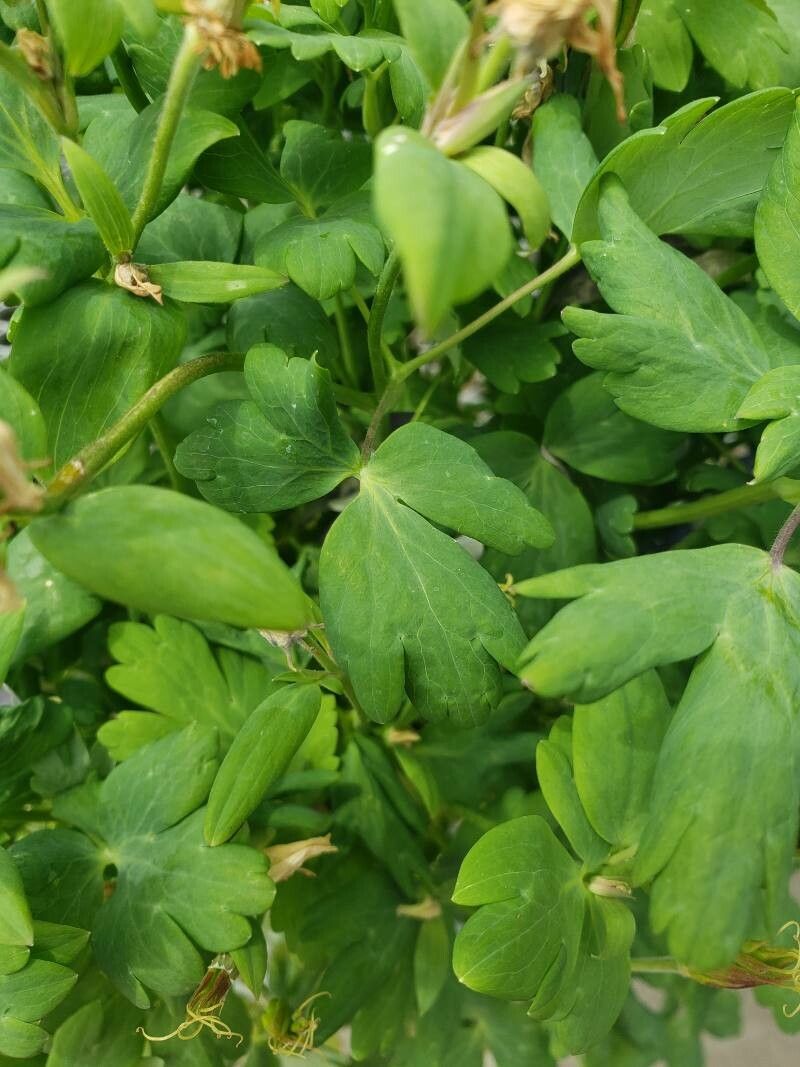
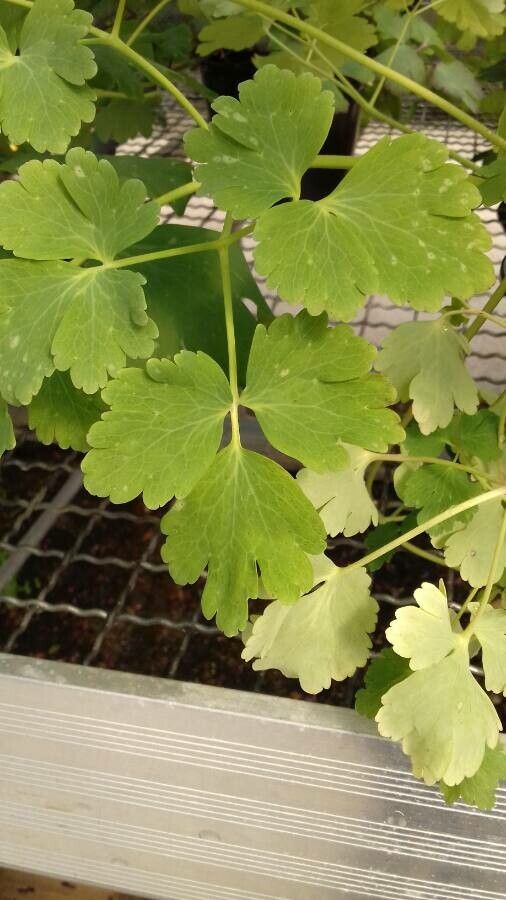
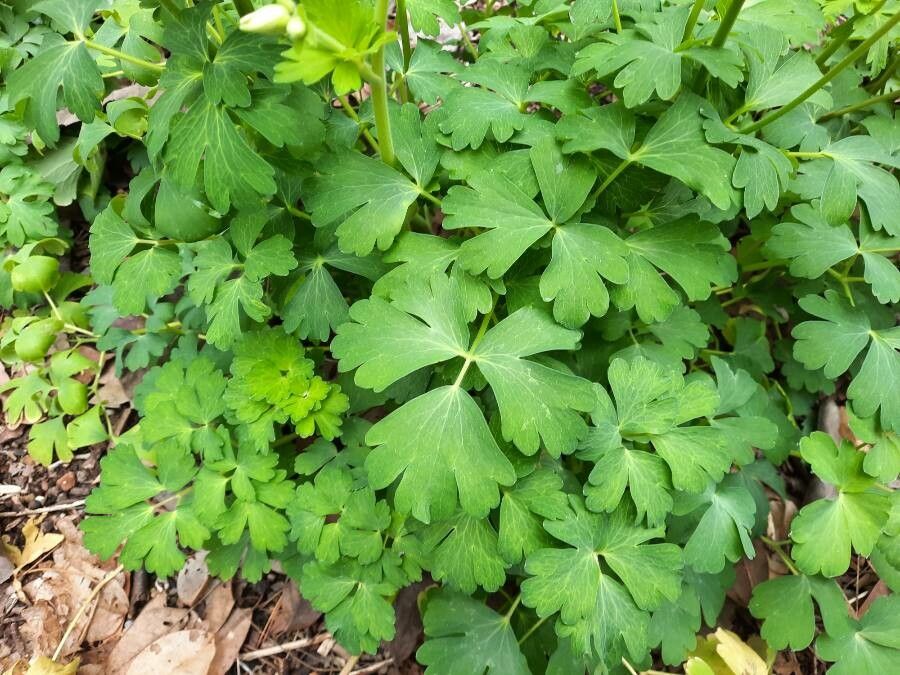
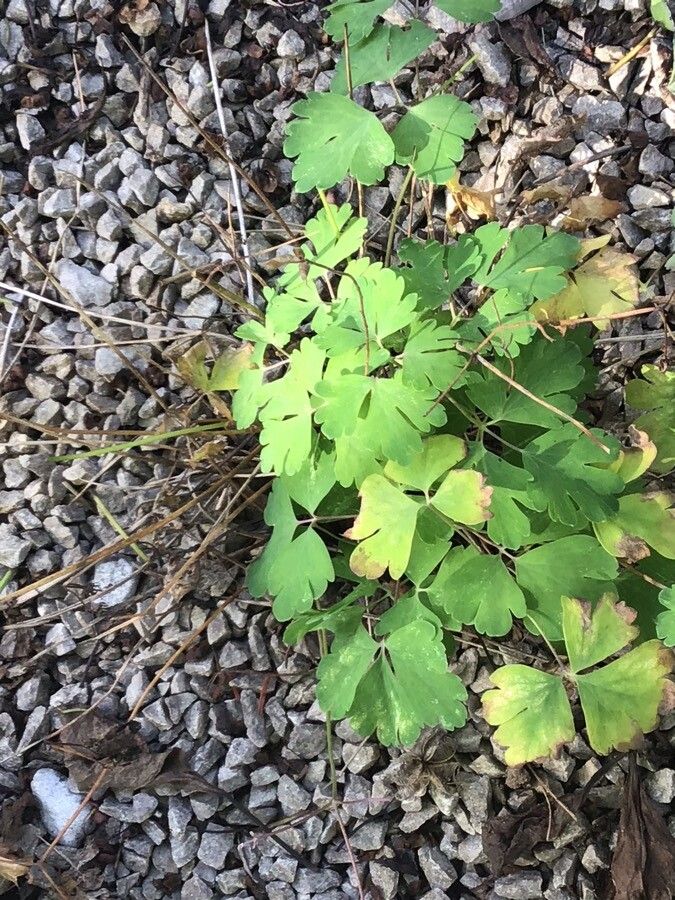
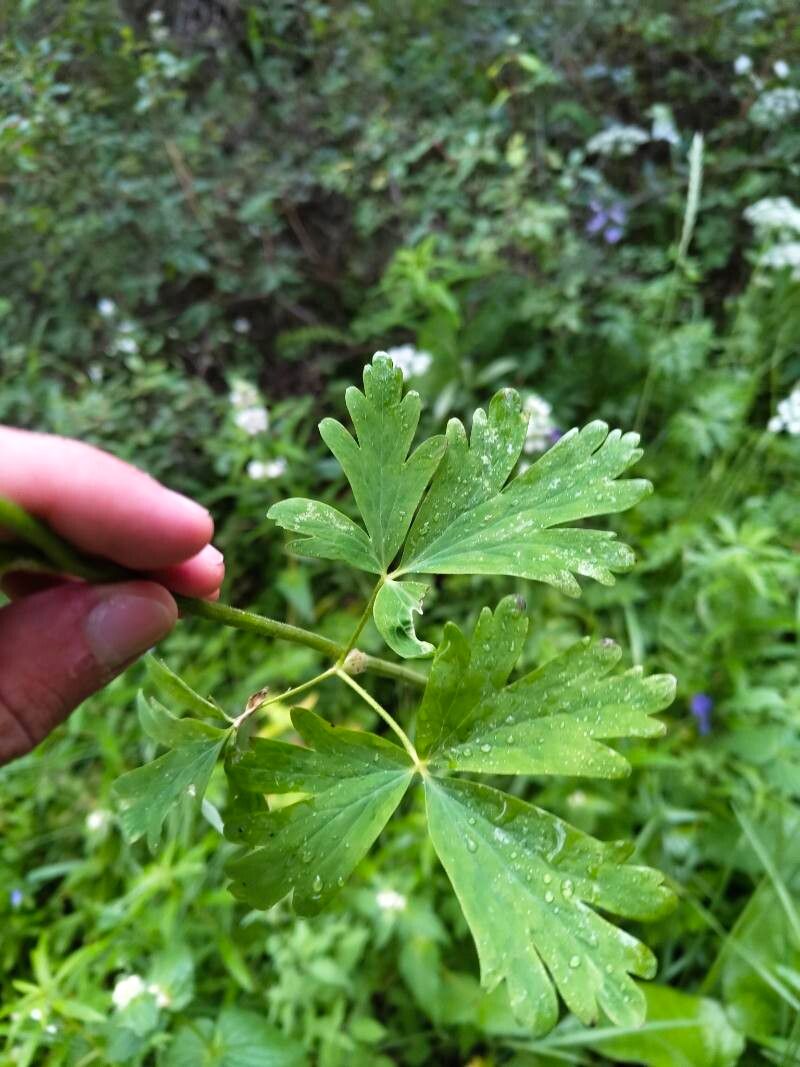
Aquilegia saximontana, commonly known as Rocky Mountain columbine, is a perennial flowering plant in the Ranunculaceae family. Native to the Rocky Mountains of North America, it thrives in alpine meadows, rocky slopes, and talus fields. Typically reaching up to 30 cm in height, the plant features delicate blue-green foliage with distinctively lobed leaves.
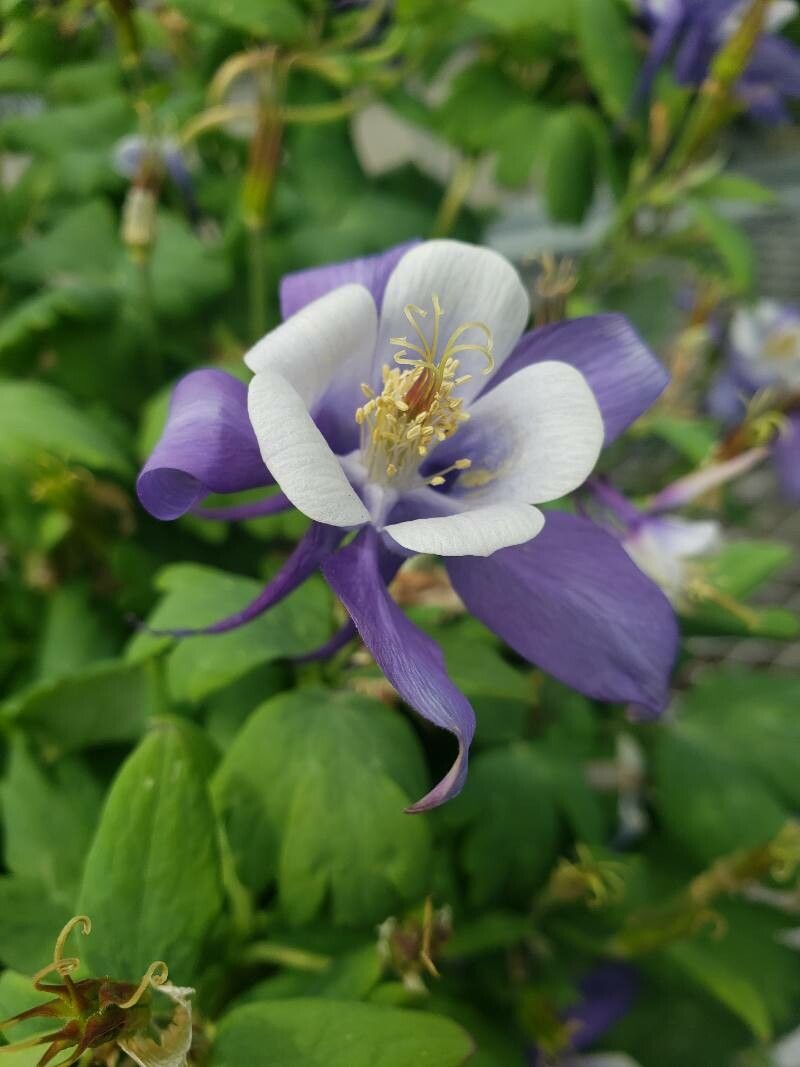
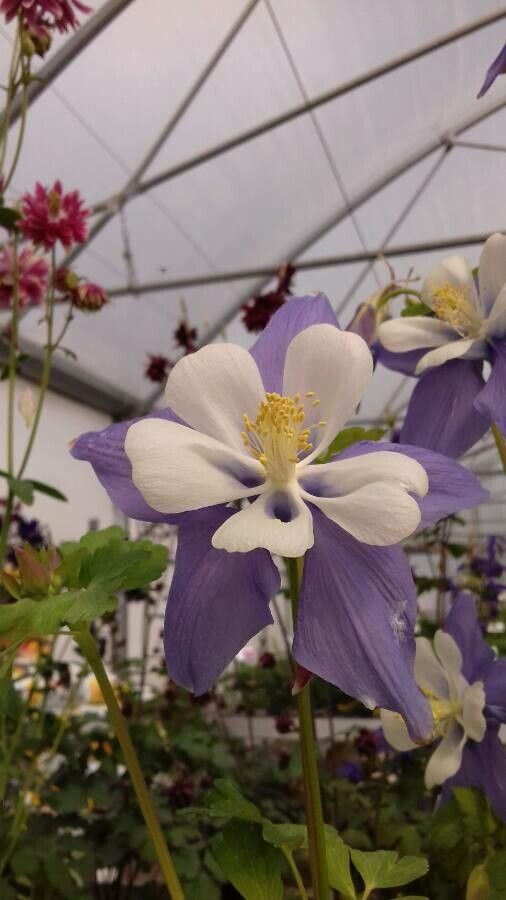
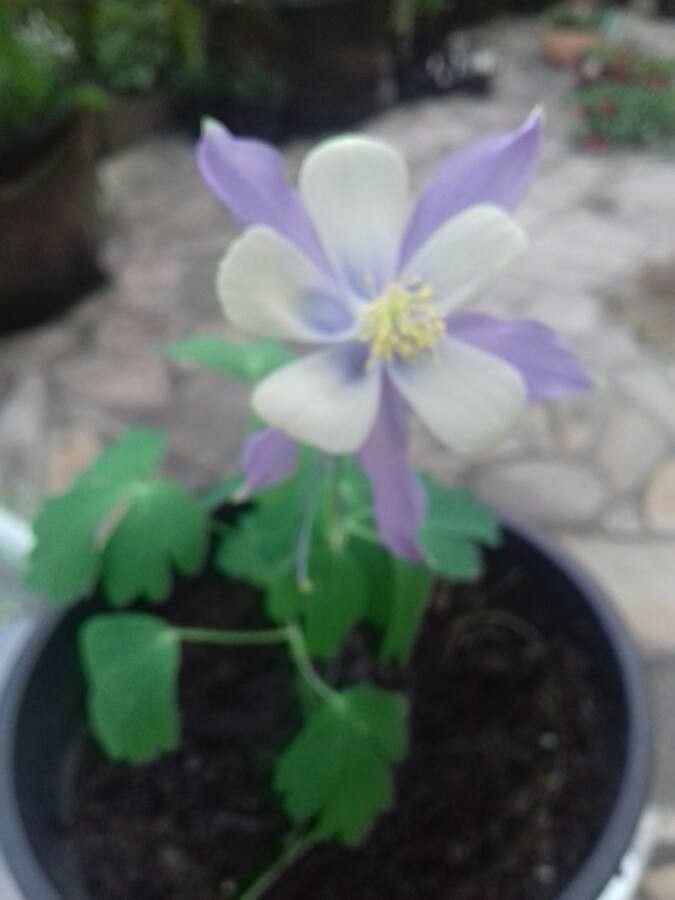
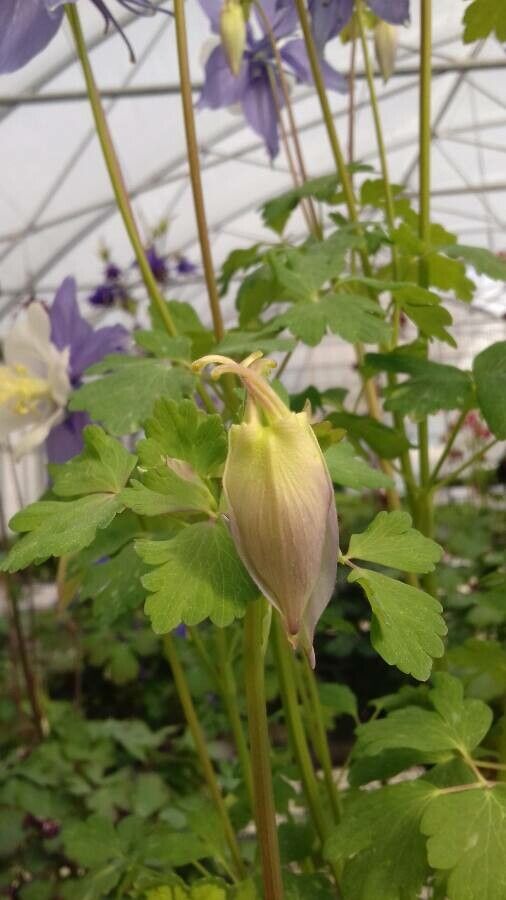
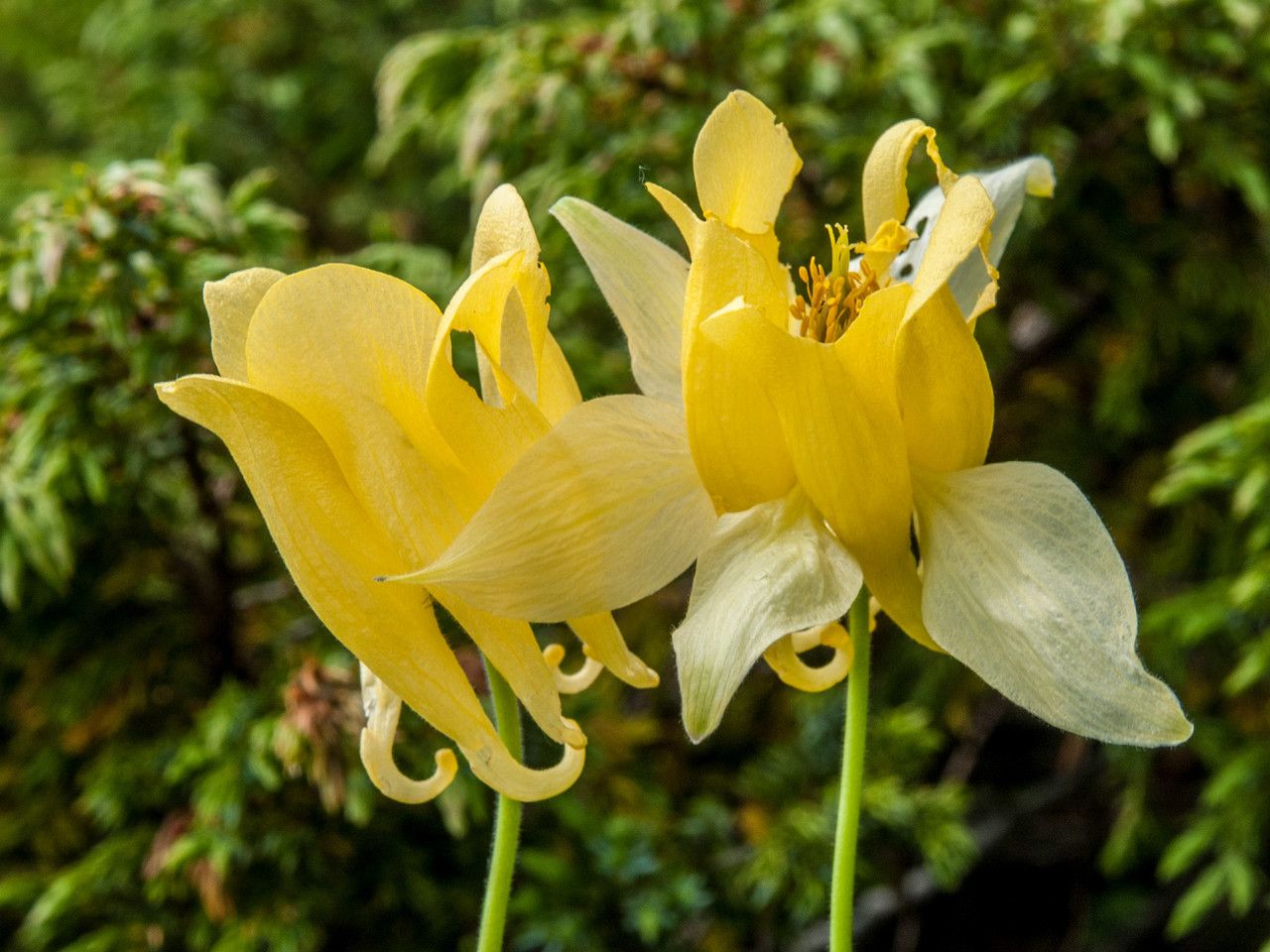
The flowers of Aquilegia saximontana are particularly noteworthy, boasting a combination of white petals tinged with pink or lavender at the tips, and sepals that form long, backward-curving spurs. Blooming from late spring to early summer, these flowers attract a variety of pollinators, including bees, butterflies, and hummingbirds.
Aquilegia saximontana is easy to cultivate and prefers well-drained soil in full sun or partial shade. It can be propagated by seed or division in early spring or fall. Historically, Native American tribes have used this species for its anti-inflammatory properties.
In summary, Aquilegia saximontana is a stunning and low-maintenance addition to any garden, ideal for gardeners seeking unique, showy blooms.
Rocky mountain blue columbine shows strong resistance to diseases and is typically not vulnerable to them. Still, it can be affected by pests and illnesses present in its environment. Such infections are typically mild. Regarding care, this plant needs a moderate amount of attention. It should be pruned on a regular basis to preserve a neat appearance and encourage healthy growth. Applying fertilizer can also help increase blooming. Rocky mountain blue columbine is appropriate for anyone with outdoor areas like a garden or patio and does not demand extensive gardening experience. It may need extra care if kept indoors.
How to keep Aquilegia Saximontana.
Light
Rocky mountain blue columbine is native to habitats like forest understories and rocky areas, where it grows in natural shade. Its preferred sunlight exposure is partial sun, but it can adapt to full sun or full shade, showing its versatile, hardy nature.
Water
The Rocky Mountain blue columbine flourishes in slightly moist yet well-drained conditions. Water it weekly or whenever the soil dries out, taking care to water slowly and gently to avoid over-saturating its delicate structure.
Fertilizer
Usually one fertilizer application in spring is enough for Rocky mountain blue columbine, though multiple feedings can maximize growth. Feed about once every month to a month and a half. Fertilization improves leaf appearance and function, helping maintain uniform color and a healthy texture. It also promotes root growth and nutrient absorption for the plant's long-term health.
Pruning
To encourage healthy growth in Rocky Mountain blue columbines, prune them just before new growth begins in early to late spring. Remove dead stems and spent blooms to stimulate additional flowering and improve air circulation. Use sharp, sterilized tools to prevent damage and reduce the risk of disease.
Botanical profile.
- Plant Type
- Herb
- Life Cycle
- Perennial
- Genus
- Aquilegia
- Family
- Ranunculaceae
- Hardiness Zone
- 4-8
- Mature Height
- 0 cm to 30 cm
- Mature Spread
- 10 cm
- Leaf Color
- Green, Pale Green
- Leaf Type
- Deciduous
- Flower Color
- Lavender
- Flower Size
- 3.05 cm to 5.08 cm
- Bloom Time
- Mid spring, Late spring
- Planting Time
- Spring
- Harvest Time
- Early summer, Mid summer
Other names.