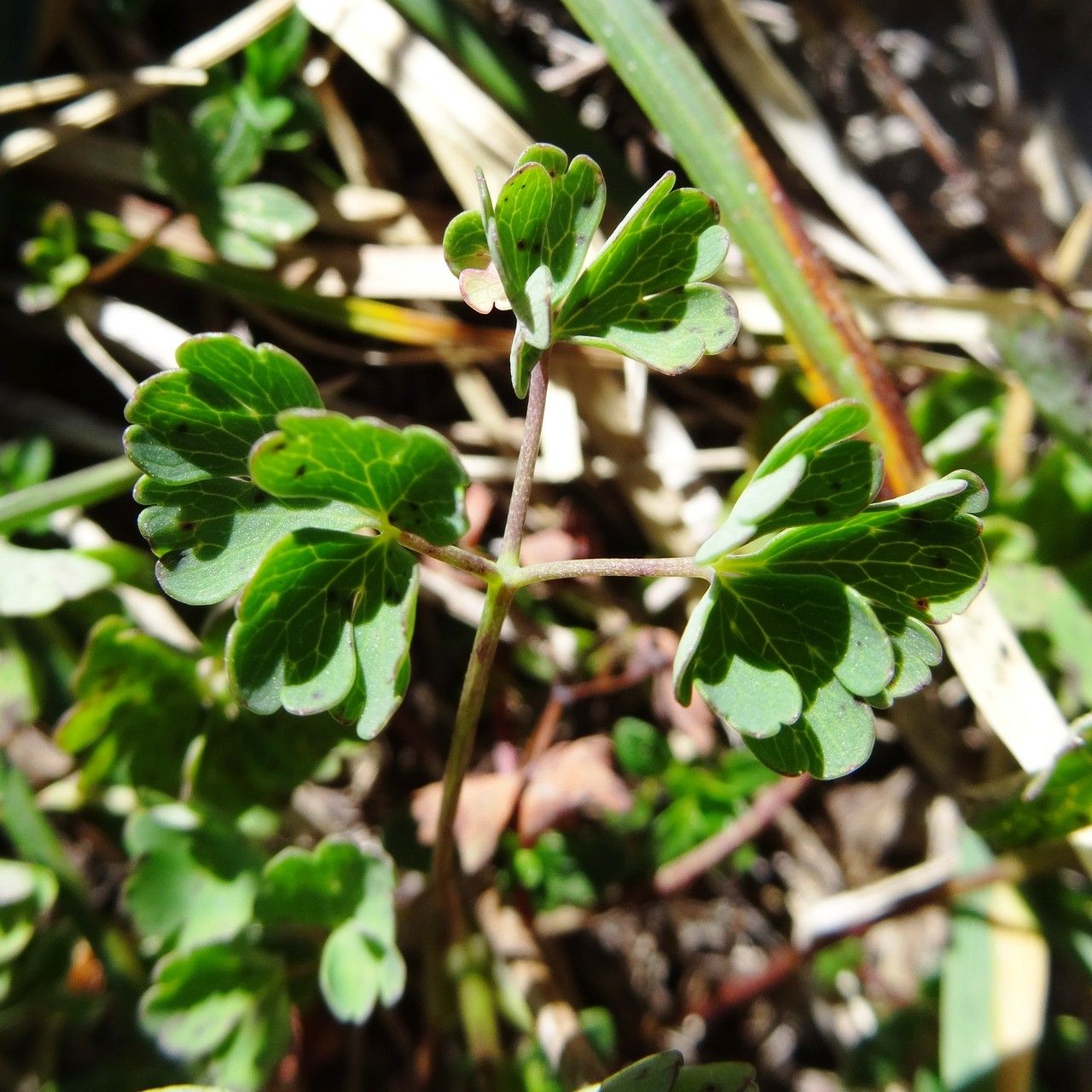
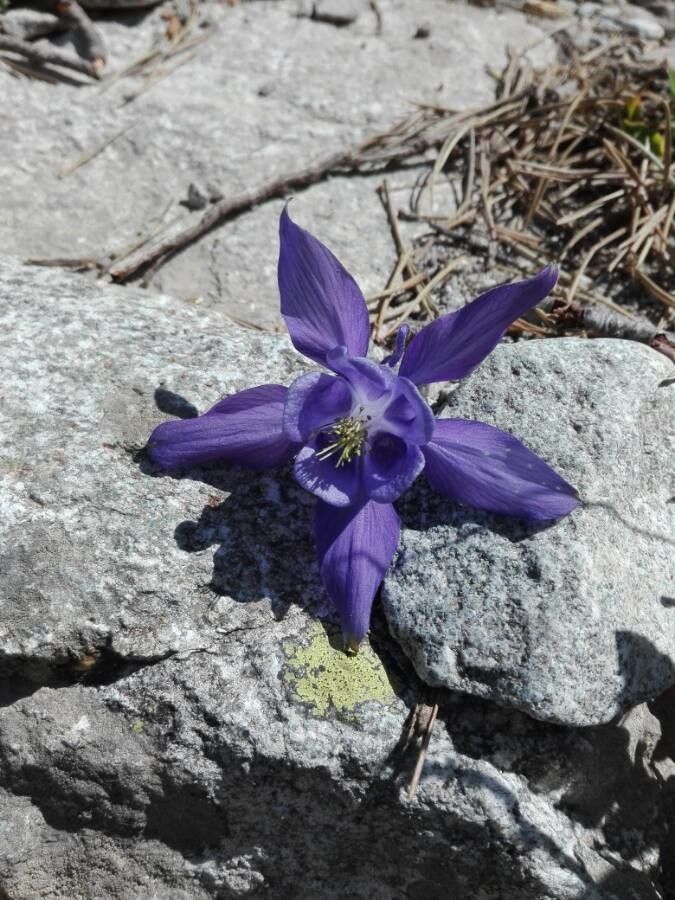
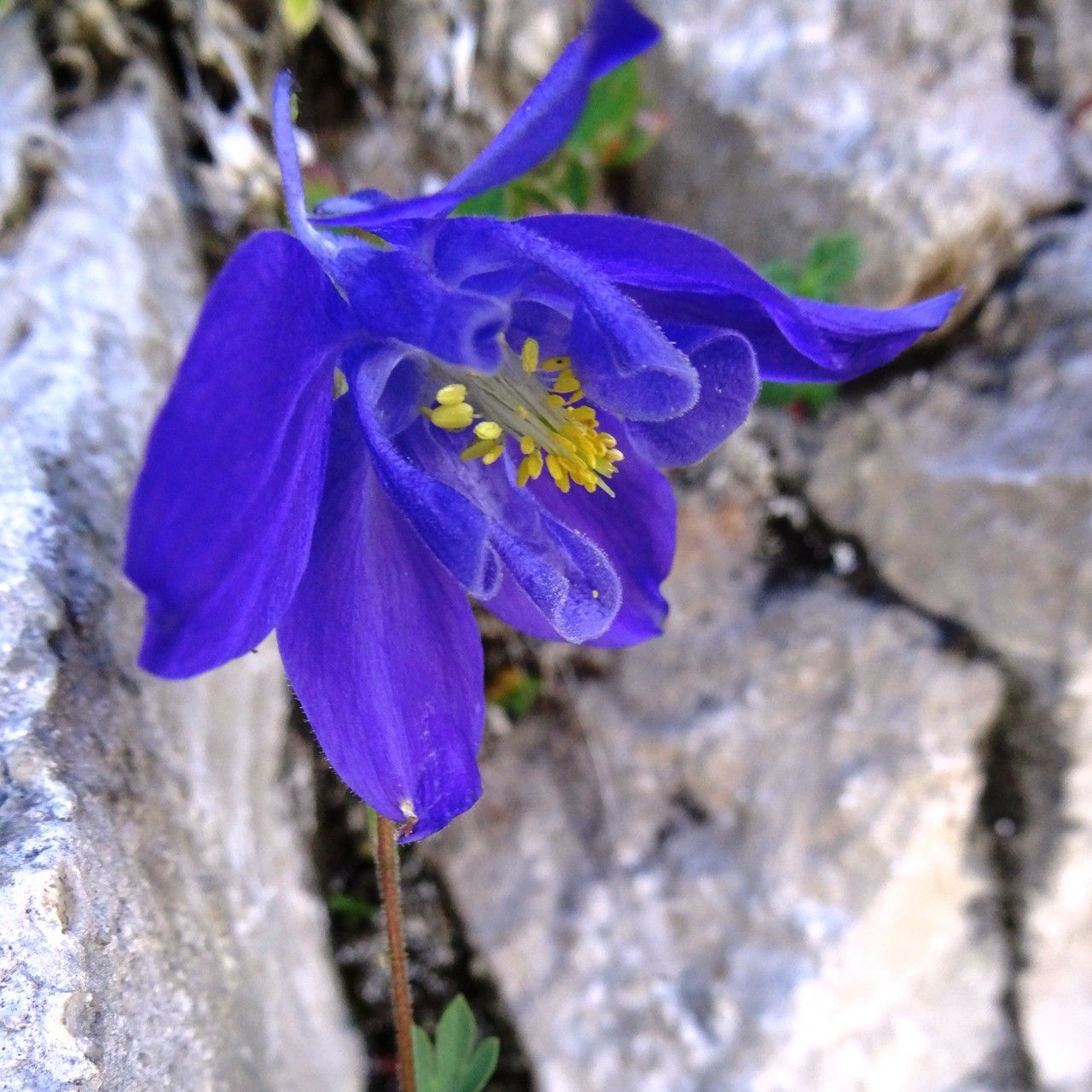
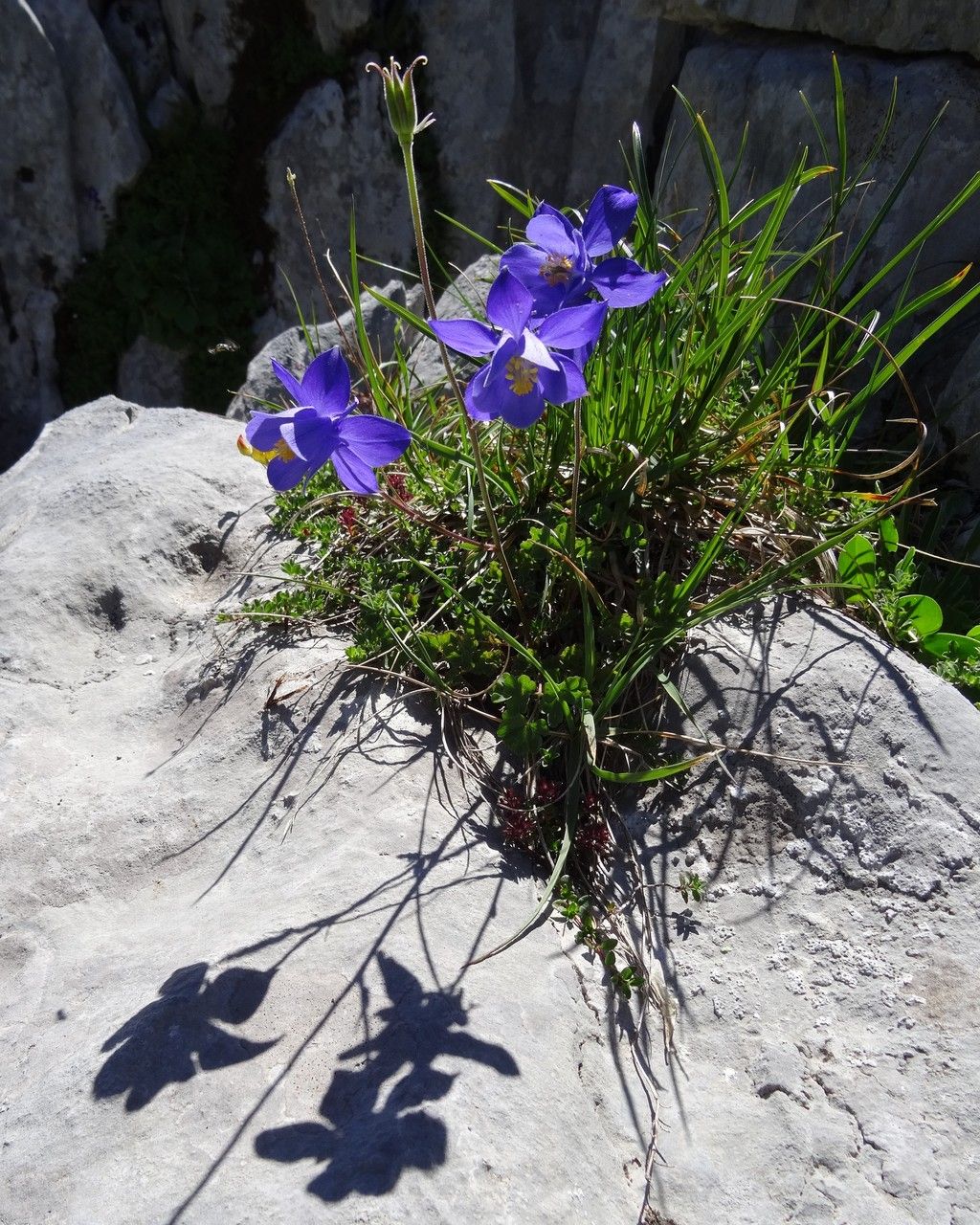
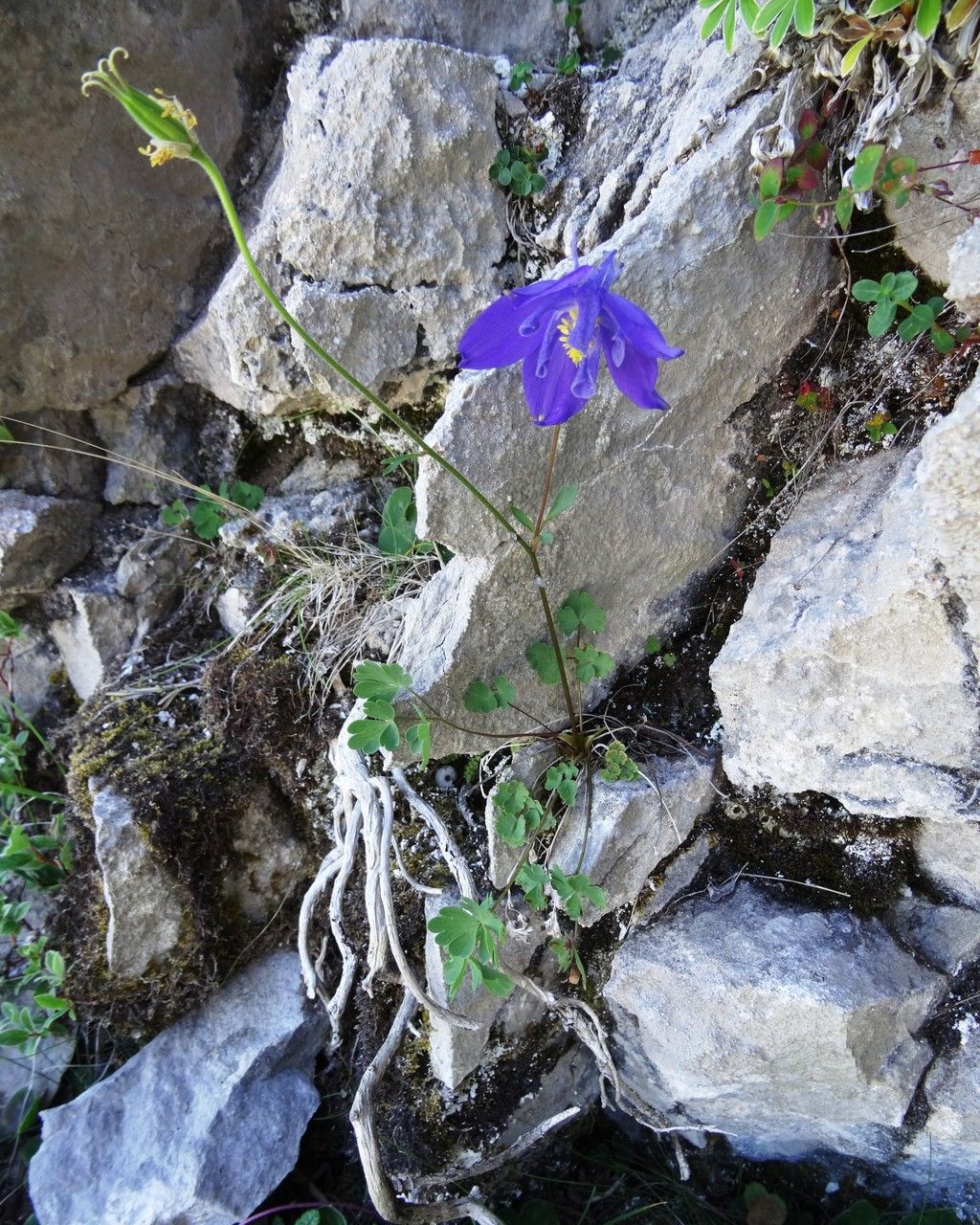
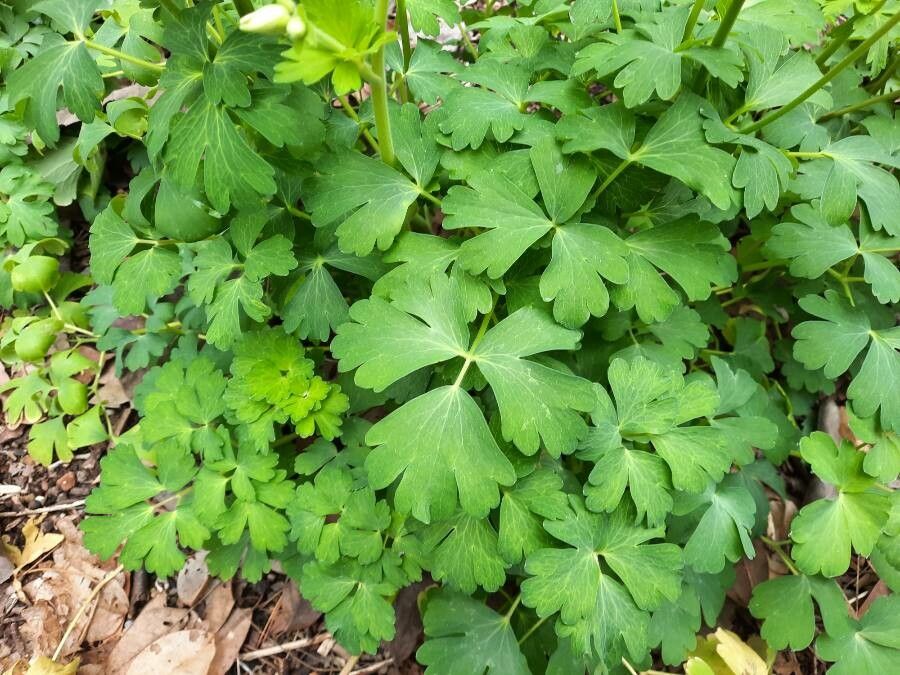
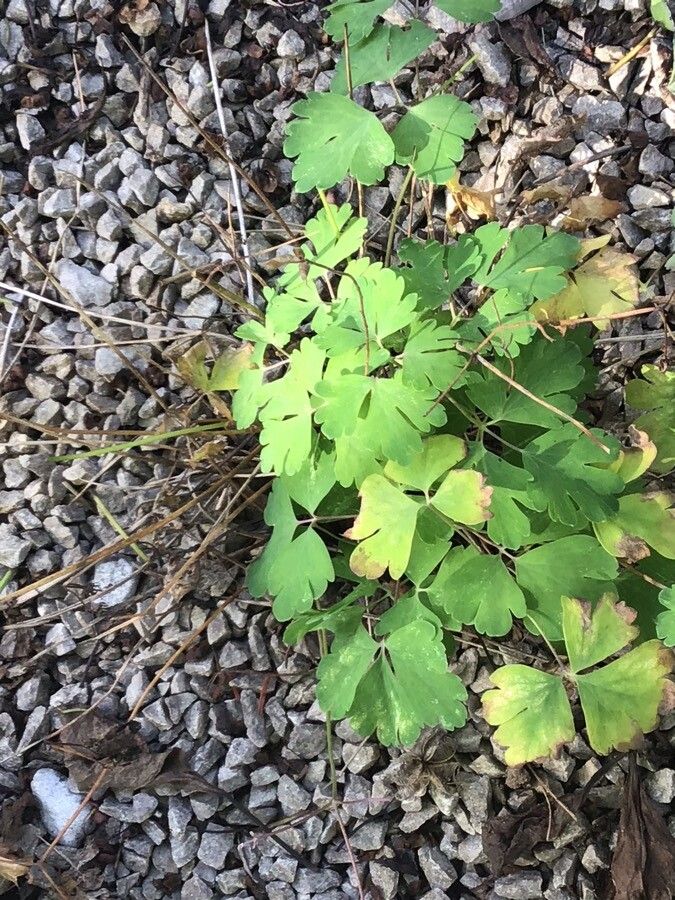
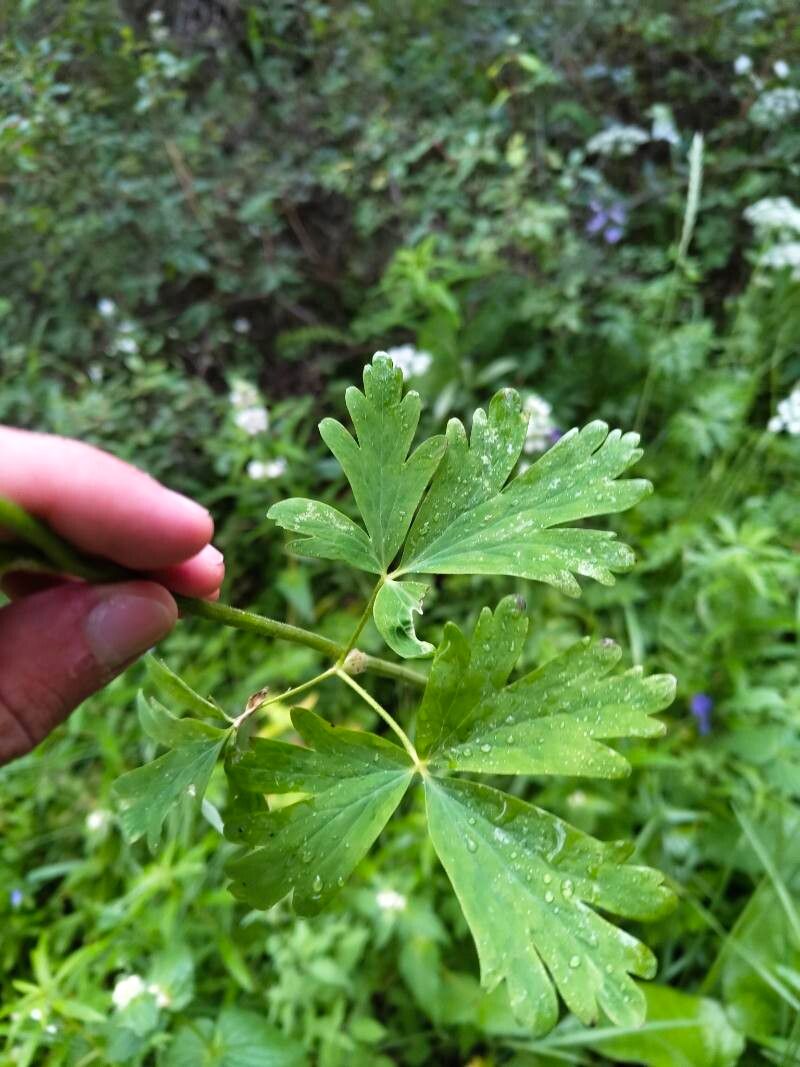
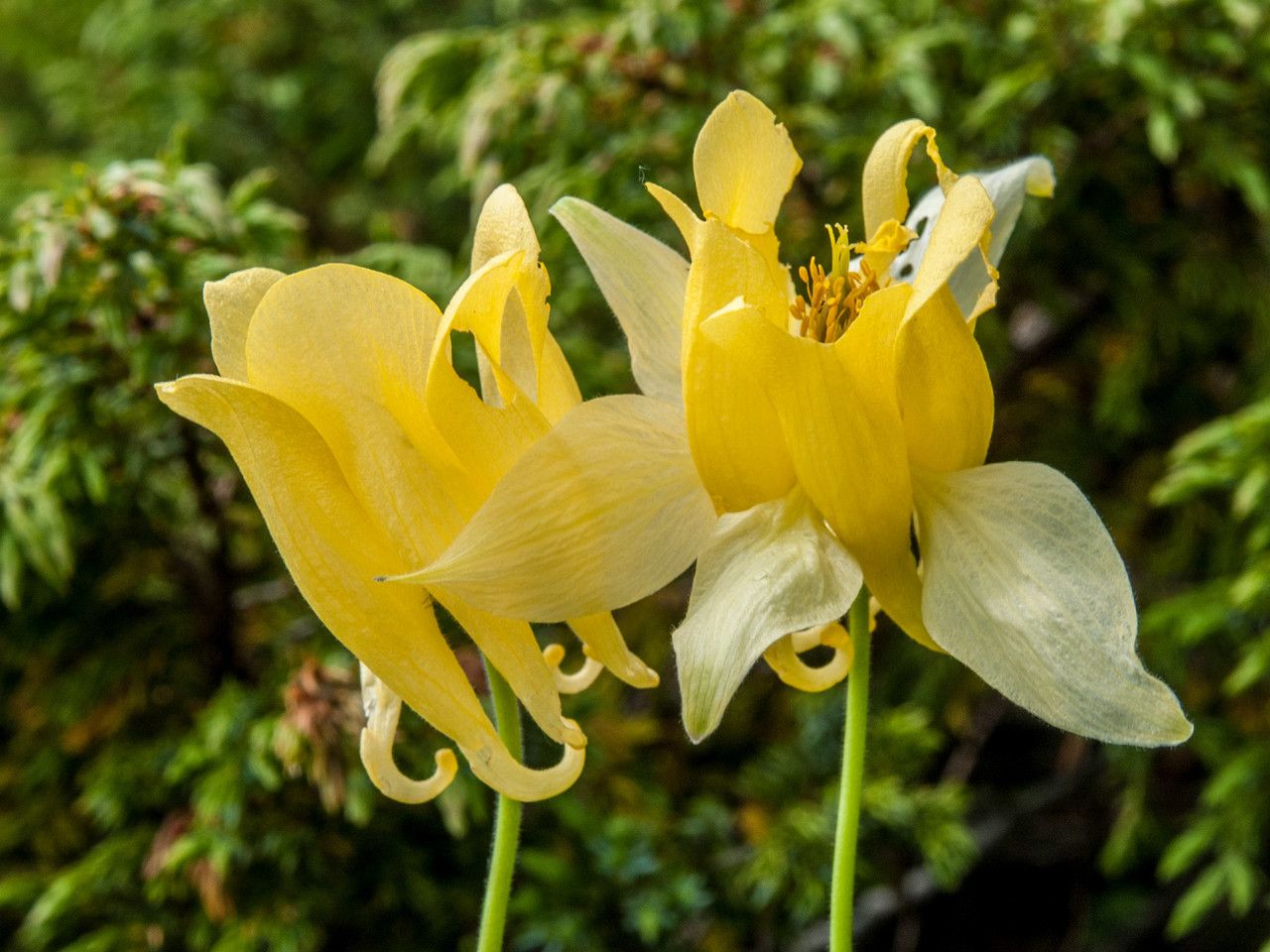
Aquilegia pyrenaica, common name Pyrenean columbine, is a species of flowering plant in the family Ranunculaceae. It is endemic to the Pyrenees where it grows on grassland and in rocky places. It was first described in 1805 by Augustin Pyramus de Candolle who gave it the name Aquilegia pyrenaica.
Pyrenean columbine has strong resistance to disease and, in general, is not likely to develop illnesses. However, it can be vulnerable to pests and diseases that exist in its environment. When infections do occur, they are typically mild. Regarding care, this plant needs a moderate amount of attention. It should be pruned regularly to preserve a tidy appearance and support healthy growth. Applying fertilizer can also encourage more abundant flowering. Pyrenean columbine is well suited for anyone with outdoor areas like a garden or patio and does not demand extensive horticultural experience. It can need extra care if cultivated indoors.
How to keep Aquilegia Pyrenaica.
Light
Pyrenean columbine does best in full sun, reflecting the light-filled environment of its native habitat. Although it prefers plenty of sunlight, it can endure some shade. Too much shadow or inadequate light, however, can impede its growth and overall health.
Water
The Pyrenean columbine comes from the moist regions of the Pyrenees and thrives with consistent moisture. While it can tolerate some drought, it still needs to be watered weekly. In temperate areas, this outdoor plant benefits from rainwater, which helps replicate the natural water cycle of its original habitat, supporting its growth.
Fertilizer
The best time to fertilize Pyrenean columbine is in early spring when the flowers are forming. Applying the proper fertilizer promotes improved blooms and helps the plant produce attractive flowers. Fertilizing at this early-spring stage guarantees excellent flowers during the season and gives energy for dormant growth phases.
Pruning
The Pyrenean columbine is known for its nodding flowers and fern-like foliage. To encourage growth and blooming, prune dead stems in early spring and remove spent flowers as the season progresses. Always use clean tools to prevent the spread of disease. Proper pruning improves airflow and prevents overcrowding, which aligns with the plant's growth cycle for optimal results.
Botanical profile.
- Plant Type
- Herb
- Life Cycle
- Perennial
- Genus
- Aquilegia
- Family
- Ranunculaceae
- Hardiness Zone
- 4-8
- Mature Height
- 10 cm to 30 cm
- Mature Spread
- 15 cm to 25 cm
- Leaf Color
- Light Green, Pale Green
- Leaf Type
- Deciduous
- Flower Color
- Blue, Purple
- Flower Size
- 3.05 cm to 5.08 cm
- Bloom Time
- Late spring, Early summer
- Planting Time
- Spring, Autumn
- Harvest Time
- Mid summer, Late summer
Other names.
Reader questions.
How should I water my Pyrenean columbine plant?
To care for the Pyrenean columbine, it is recommended to water it with filtered water at room temperature. Tap water may have harmful particles, so filtered water is preferable. The water should be at room temperature or slightly warmer since the plant is accustomed to a warm environment and cold water can be stressful for it. It is also best to avoid watering the plant from above to prevent foliage issues. Instead, water the soil directly until it is completely saturated. This method of watering helps the plant's roots stay moist and spread through the soil to collect essential nutrients.
Why is it necessary to put fertilizer on my Pyrenean columbine?
The main structure of the Pyrenean columbine is made up of its leaves. Fertilization is a very important way to make sure that these leaves look great and perform their function effectively. Proper fertilization will result in consistent color and a healthy texture of the leaves. Additionally, fertilization also has an impact below the surface of the soil. It helps the Pyrenean columbine develop new roots and maintain existing ones in its root system. This means that fertilization not only keeps the plant healthy in the present, but also improves its ability to absorb nutrients from the soil in the future.
What are the sunlight requirements for Pyrenean columbine?
Pyrenean columbine thrives best with maximum sun exposure, needing above 6 hours of sunlight daily (full sun) for optimal growth, though it can also manage in about 3-6 hours of sunlight (partial sun). The plant originates from a light-rich environment, hence its preference for lots of sunshine. However, it can tolerate a certain degree of shade. Be mindful of the sunlight movement in your garden, and ensure that the plant gets a good balance of light and shade for its well-being. Inadequate sunlight or too much shade may hinder the plant's growth and health.
What is the botanical name of the Pyrenean columbine?
The botanical name of the Pyrenean columbine is Aquilegia pyrenaica. This name helps distinguish it from other species within the Aquilegia genus, ensuring precise identification and classification within the botanical community.
What should I do if I give my Pyrenean columbine plant too much or too little water?
Overwatering is the main problem you need to watch out for when taking care of your Pyrenean columbine. This can cause the stems and leaves to wilt and turn yellow. Overwatering for a long time can also lead to diseases like root rot, mold, and mildew, which can kill the plant. Underwatering is less likely but still possible. When it happens, the leaves will become brittle and brown. It's important to catch the signs of overwatering early so you can fix the issue. Reduce your watering if you notice these signs, and check the soil. If it doesn't drain well, replace it with a loose, well-draining potting mix. If the signs indicate underwatering, simply water more regularly until the plant improves.
When should I put fertilizer on my Pyrenean columbine plant?
If you grow your Pyrenean columbine outdoors each year, it will start growing new leaves in early spring. This is a signal that it's time to fertilize the plant for the year. Usually, one application of fertilizer in the spring is sufficient for a Pyrenean columbine. But, if you want to promote maximum growth, you can fertilize it multiple times in the spring and early summer. In this case, you can feed your Pyrenean columbine approximately once every month to a month and a half.
How can artificial lighting be used for Pyrenean columbine?
When natural sunlight is insufficient, especially during winter or in less sunny locations, artificial lighting becomes essential for Pyrenean columbine's growth. LED lights are recommended because they can be customized to provide the specific wavelengths of light that plants require. For full sun plants, 30-50W per square foot of artificial light is needed, while partial sun plants require 20-30W, and full shade plants need 10-20W. The artificial light source should be placed 12-36 inches above the plant, mimicking the natural sunlight's distance, with the duration of exposure set to imitate natural daylight hours, which is usually between 8-12 hours per day.
How frequently should I give water to my Pyrenean columbine plant?
If your Pyrenean columbine is in a pot, the best way to determine if it needs water is to check the soil with your finger. If the top two to three inches of soil are dry, it's time to water it. If you're growing your Pyrenean columbine outdoors in the ground, you can use a similar method to check the soil. Once the top few inches of soil have dried out, it's time to water. Usually, during spring and early fall, watering once a week is sufficient. However, during extremely hot weather, you may need to water twice a week or more. It's worth noting that mature, well-established Pyrenean columbines can tolerate drought fairly well.
When is it best not to put fertilizer on my Pyrenean columbine plant?
During late fall and winter, your Pyrenean columbine goes into a dormant phase where new growth stops. During this time, you should avoid fertilizing it. In spring and summer, if you choose to fertilize it multiple times, start reducing the amount of fertilizer as summer comes closer because the growth rate of the Pyrenean columbine slows down too. In general, it's not a good idea to fertilize your Pyrenean columbine when the weather is very hot or the soil is excessively dry. Fertilizing in these conditions can stress the plant and cause it to die earlier.
What are the symptoms of inadequate sunlight in Pyrenean columbine?
Inadequate sunlight can lead to several issues in Pyrenean columbine. Symptoms include smaller new leaves, leggy or sparse growth, faster leaf drop, slower or halted new growth, and lighter-colored or chlorotic leaves. Excessive sunlight can cause symptoms such as chlorosis, sunscald, leaf curling, wilting, and leaf scorching. These issues reflect the plant's struggle with either too little or too much light, affecting its ability to photosynthesize and remain healthy.
How much water does my Pyrenean columbine plant need?
When watering your Pyrenean columbine, be generous and ensure that the first two to three inches of soil are dry. It is important to thoroughly water the plant, allowing the soil to be completely soaked. To check if you have given enough water, make sure that excess water flows out of the pot's drainage holes. If you do not see this excess water, you may have not given enough water. However, be careful not to let the water accumulate in the soil, as this can harm the plant. If there is no water draining from the pot, it could be due to poorly draining soils, which is not good for the plant's health. If the plant is outdoors, 1 inch of rain per week is adequate.
What kind of fertilizer does my Pyrenean columbine need?
Choosing the best fertilizer for a Pyrenean columbine is thankfully a simple task. These plants do well with a general-purpose garden fertilizer that contains equal amounts of nitrogen, phosphorus, and potassium. Fertilizers with a ratio of 10-10-10 or similar are highly effective. Remember to avoid fertilizers with high nitrogen levels when uncertain. Most suitable fertilizers for Pyrenean columbines come in granular form and should be slow-release for easy application to the soil. Additionally, feeding them with organic soil amendments like compost can be beneficial.