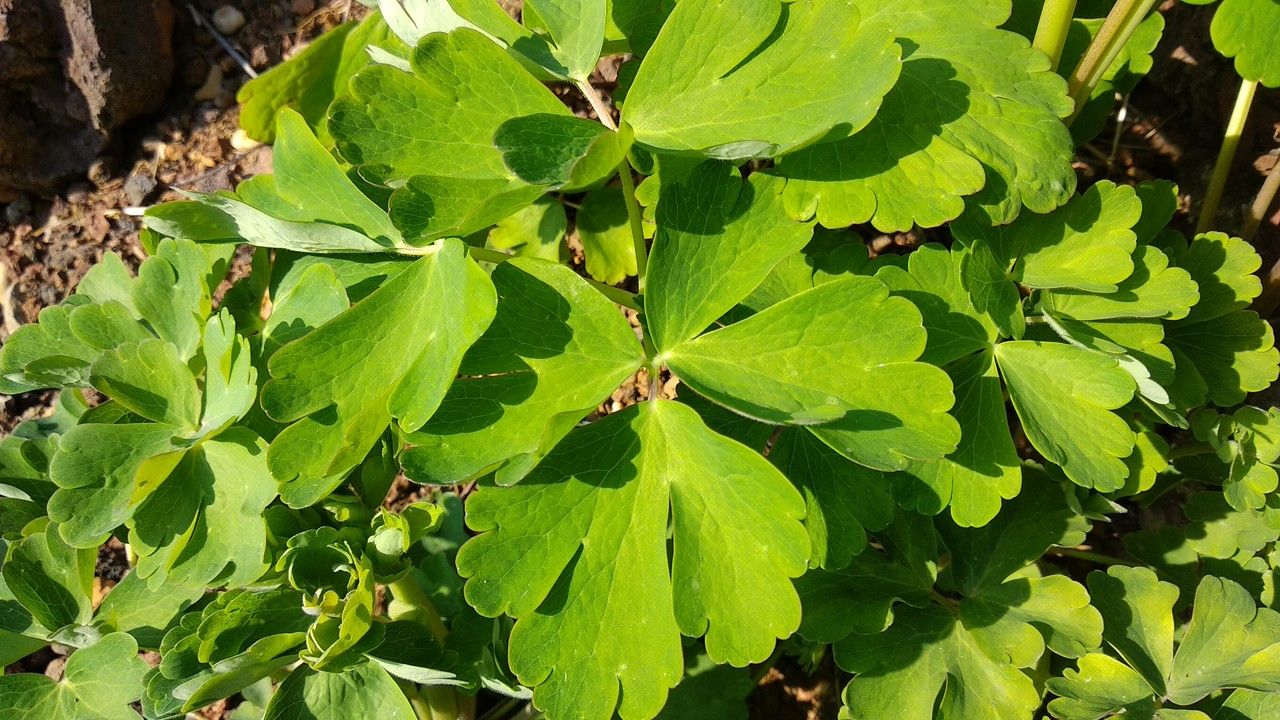
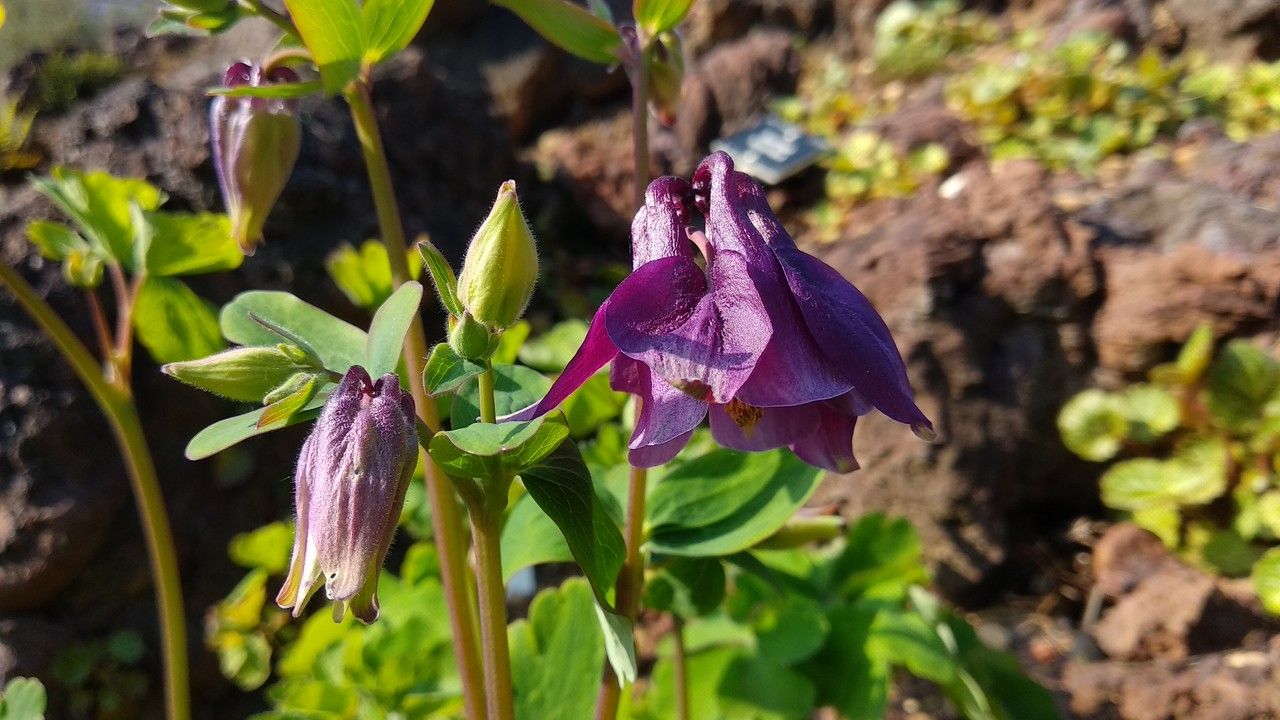
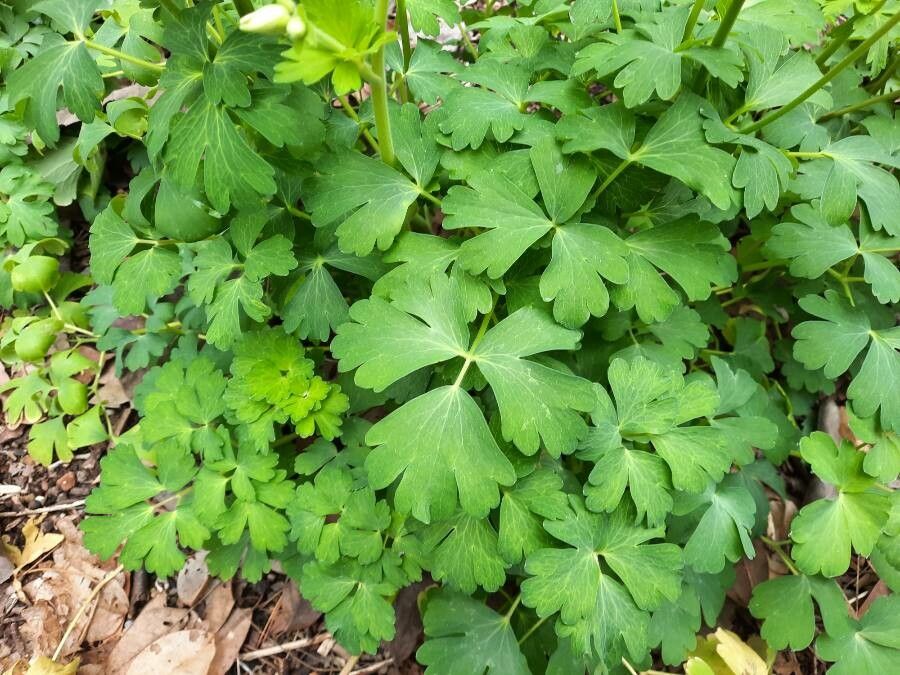
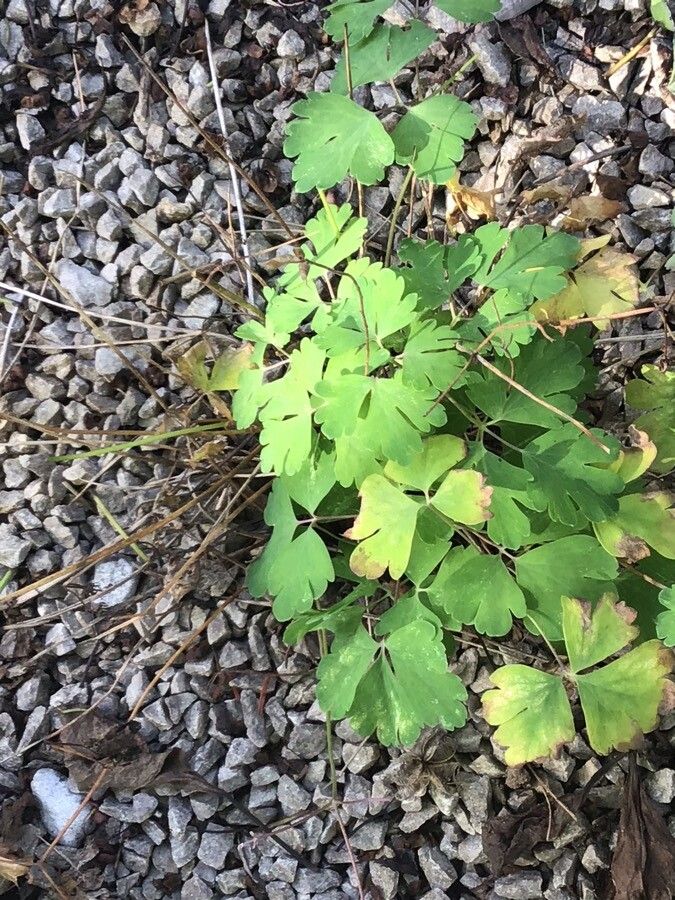
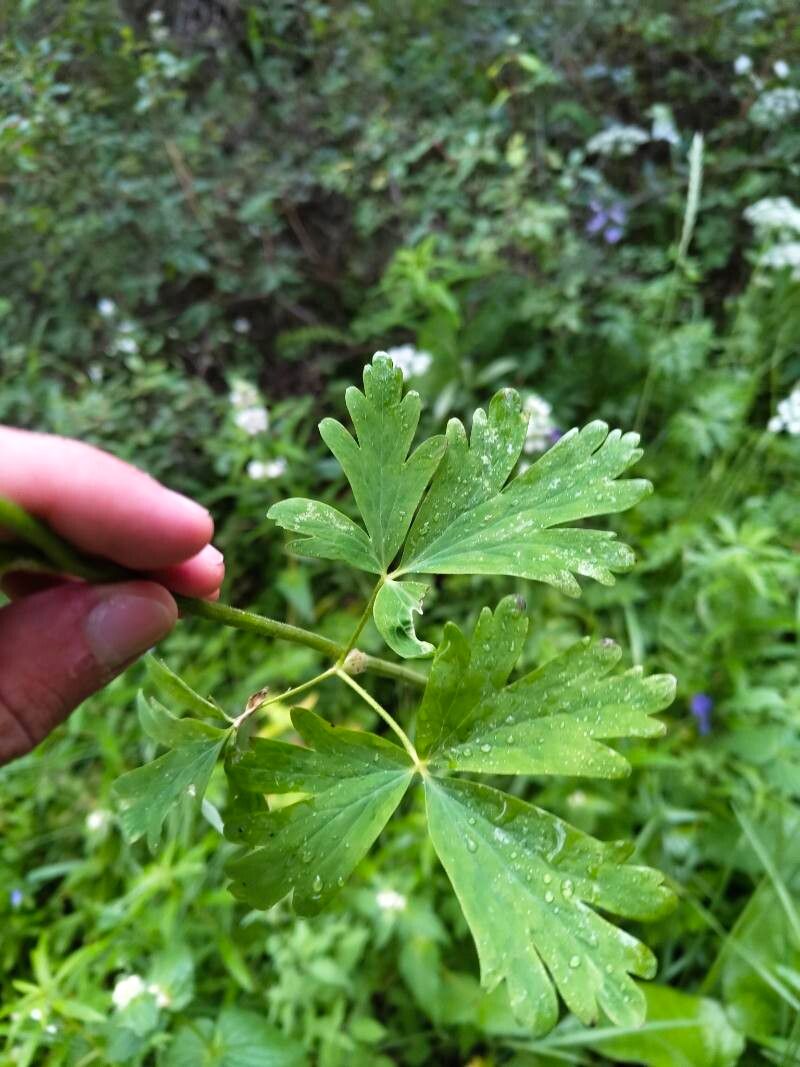
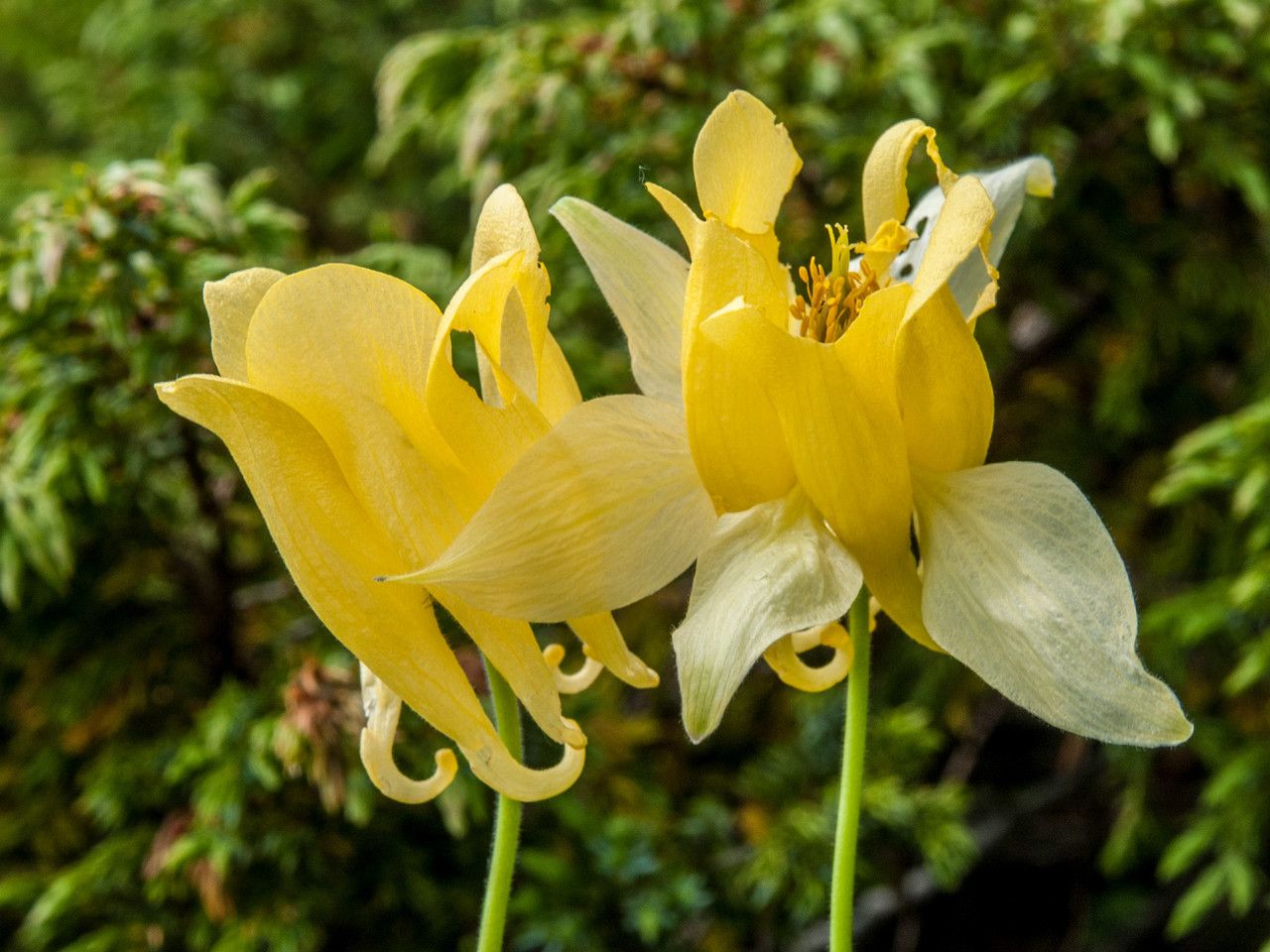
Aquilegia oxysepala is a perennial flowering plant species in the genus Aquilegia (columbine) in the family Ranunculaceae. It is native to East Asia, with a range extending from southeastern Siberia to Japan. It produces purple and yellow flowers that bloom for three weeks in May. The plant has been used medicinally in China for thousands of years, while modern scientific research has determined that its extract has limited antioxidant qualities.
Oriental columbine is fairly resistant to disease and, in general, not easily affected by illnesses. Still, it can be vulnerable to pests and diseases present in its environment. These problems are typically not serious. In terms of care, the plant requires a moderate level of maintenance. It should be pruned regularly to preserve a good appearance and encourage healthy growth. Fertilizing can also help stimulate flowering. Oriental columbine is well suited for anyone with outdoor space, such as a garden or patio, and does not demand extensive care experience. It may need more attention when grown indoors.
How to keep Aquilegia Oxysepala.
Light
The Oriental columbine thrives naturally in shaded habitats like the understory of forests or rocky regions. It favors partially sunny environments, but it exhibits a robust and adaptable disposition as it can also acclimatize to situations of either full sunlight or thorough shade.
Water
The Oriental columbine is native to temperate regions and thrives in moist environments. It has good drought tolerance, though it is best to water it weekly to keep it healthy. This plant is ideal for outdoor gardens, as it easily adapts to different levels of rainfall. Its ability to harmonize with natural precipitation patterns makes it a popular choice for gardeners.
Temperature
The Oriental columbine is a flora that flourishes in moderate climates, favoring temperatures between 32 and 100.4 °F (0 to 38 ℃). Adjustments to fit changing seasonal temperatures might be necessary. The optimal conditions for its growth mimic its original cool-climate habitat.
Fertilizer
The best period to feed an Oriental columbine is during the early spring, when it's transitioning from dormancy into its growth phase. Fertilization supplies important nutrients required for robust growth. While Oriental columbine doesn't require a high amount of fertilization, applying it yearly can boost its longevity and encourage the production of superior and more enduring flowers.
Pruning
Pruning oriental columbine during the early to late spring promotes healthy growth. To encourage new blooms and prevent the plants from self-seeding, remove any spent flowers. Trim back leggy stems to maintain an attractive shape. For revitalization, prune the plant down to ground level after it finishes flowering. This aligns with its natural growth cycle, leading to stronger development and enhanced appearance.
Botanical profile.
- Plant Type
- Herb
- Life Cycle
- Perennial
- Genus
- Aquilegia
- Family
- Ranunculaceae
- Hardiness Zone
- 3-12
- Mature Height
- 30 cm to 46 cm
- Mature Spread
- 30 cm
- Leaf Color
- Green, Dark Green
- Leaf Type
- Deciduous
- Flower Color
- Purple
- Flower Size
- 2.54 cm to 5.08 cm
- Bloom Time
- Mid spring, Late spring
- Planting Time
- Spring, Summer, Autumn
- Harvest Time
- Early summer, Mid summer
- Native Area
- Russia, Japan, Koppen, South Korea, China
Reader questions.
How much sunlight is required for an Oriental columbine to thrive?
Oriental columbine (Aquilegia oxysepala) needs a specific amount of sunlight depending on its location in the garden. Those that require 'Full sun' need above 6 hours of sunlight daily, while plants categorized under 'Partial sun' are best suited to about 3-6 hours of sunlight. It's important to observe how sunlight moves through your garden over the day, selecting spots that offer a harmonious balance of light and shade. Proper placement ensures your plants' happiness and health.
What are the ideal growing conditions for Oriental columbine?
Oriental columbine, botanically known as Aquilegia oxysepala, is a plant well-suited for temperate areas. It thrives in a temperature range from 32 to 100.4 °F (0 to 38 °C), which suggests the need for seasonal temperature adjustments to mimic its native cool-climate habitat. These ideal growing conditions are essential for the plant to flourish.