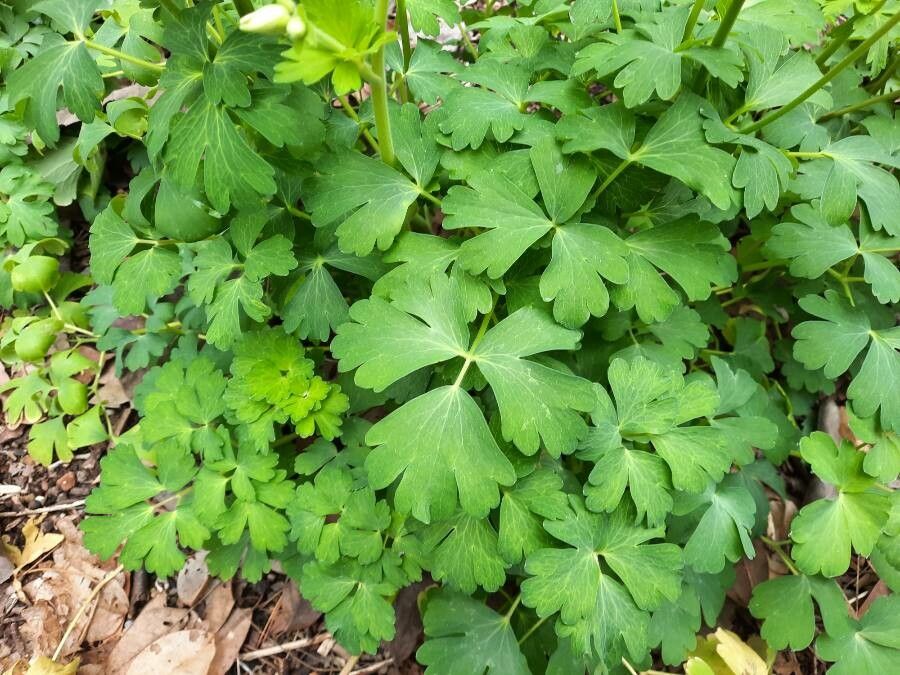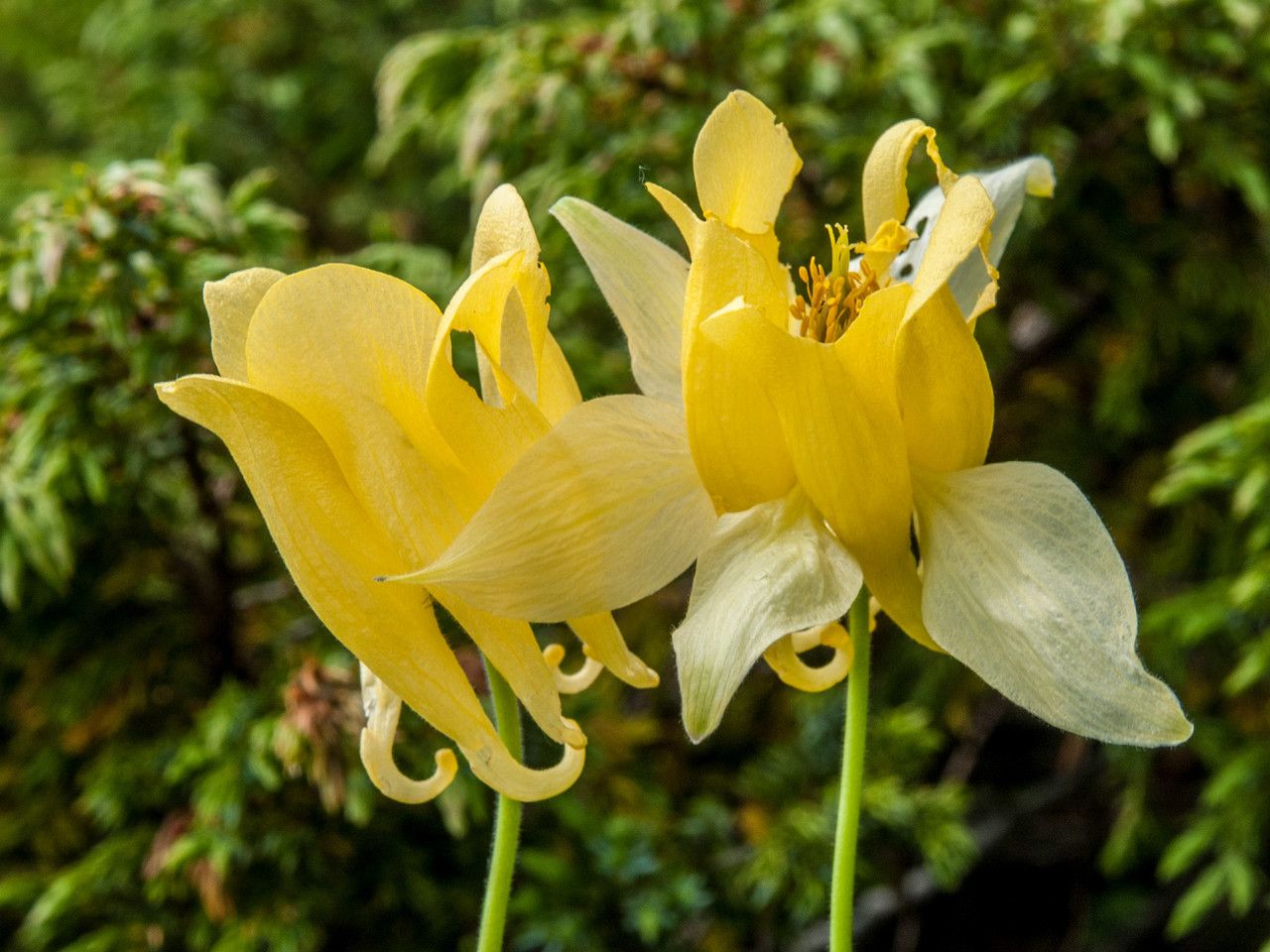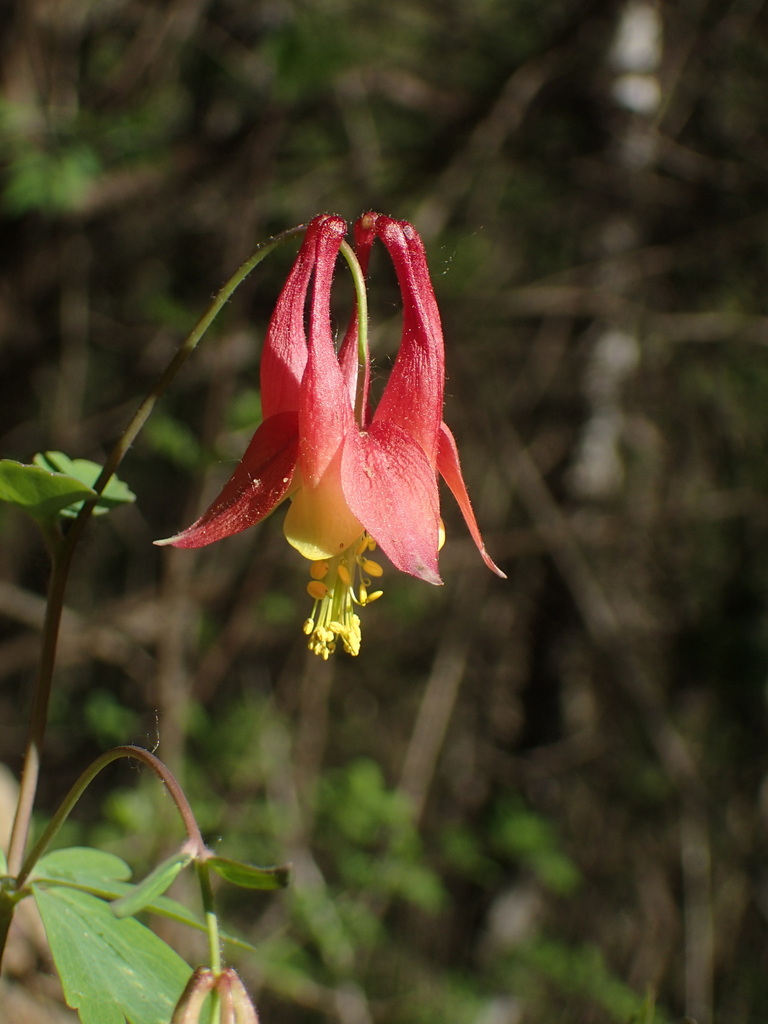
Aquilegia canadensis, commonly known as the Canadian columbine or wild columbine, is a herbaceous perennial plant native to North America. A member of the Ranunculaceae family, it can grow up to 2 feet tall. The plant boasts distinctive red and yellow flowers that bloom in late spring or early summer, attracting hummingbirds and bees for pollination.
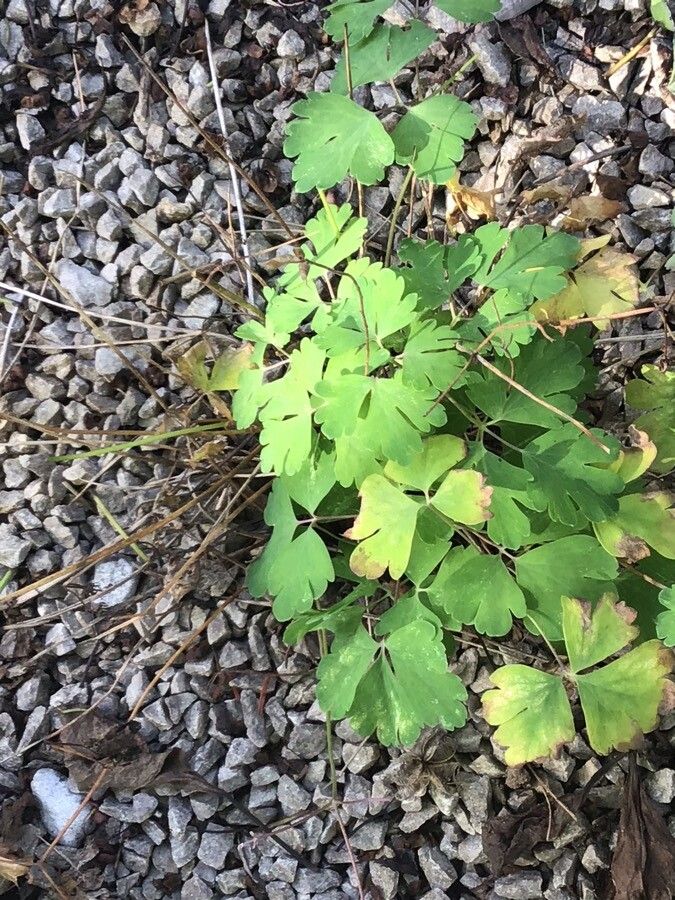
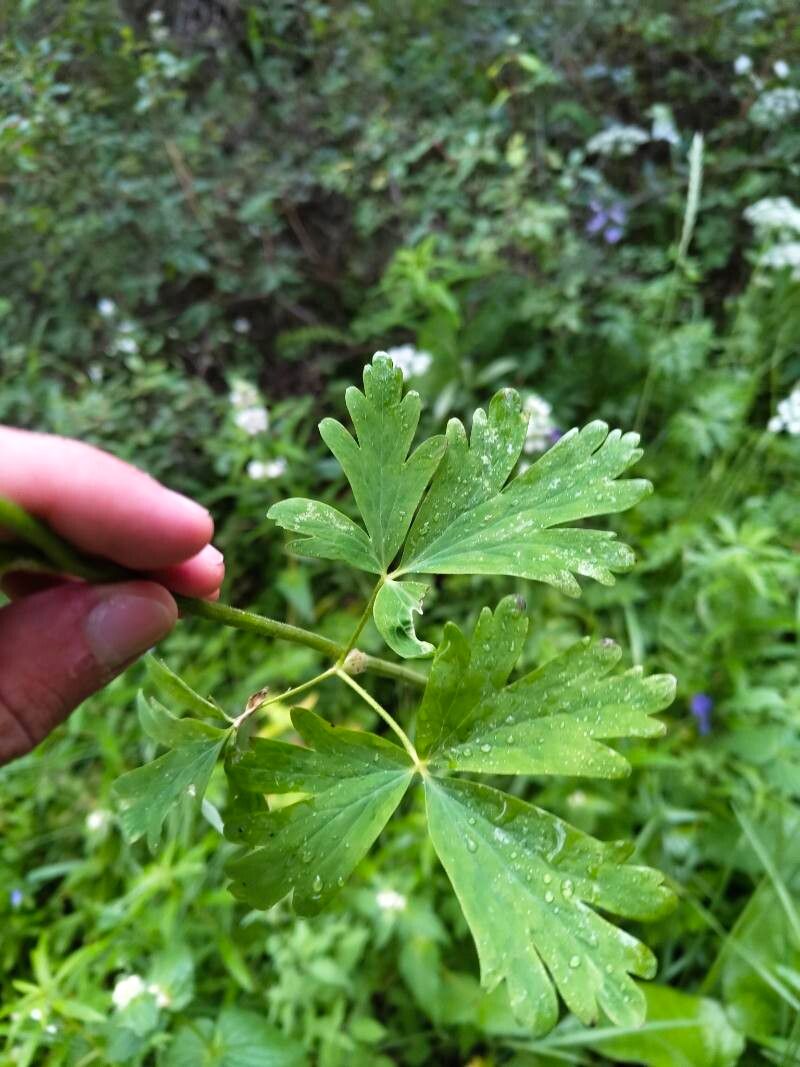
The leaves of Aquilegia canadensis are compound with lobed leaflets, giving them a delicate appearance. The plant thrives in partial shade to full sun and prefers well-drained soil with moderate moisture levels.
Traditionally, Aquilegia canadensis has been used in medicine for its anti-inflammatory properties and its ability to treat respiratory ailments such as coughs and colds. However, it contains toxic compounds that can cause skin irritation or gastrointestinal distress if ingested.
Overall, Aquilegia canadensis is an attractive addition to any garden due to its unique flowers and foliage. It also plays a crucial ecological role by providing nectar for pollinators, such as hummingbirds, during their migration routes across North America.
Rock-bells: This perennial wildflower is often referred to as "rock bells" due to its bell-shaped flowers. It bears a resemblance to garden columbines, although it is not as striking or showy as the garden variety.
Red columbine is fairly disease-resistant and generally not prone to illnesses. It can, however, be vulnerable to pests and diseases that exist in its environment; such infections are usually mild. Care-wise, it requires moderate upkeep. It should be pruned regularly to maintain a tidy appearance and healthy growth, and applying fertilizer can help encourage flowering. Red columbine is appropriate for anyone with outdoor space, like a garden or patio, and does not demand extensive gardening experience. It may need more attention if grown indoors.
How to keep Aquilegia Canadensis.
Light
Red columbine does best with abundant sunlight, though it can tolerate moderate sun. Naturally occurring in bright habitats, its vigor is connected to how much light it receives. An imbalance in sunlight can cause it to be in poor health.
Water
Red columbine thrives best in consistently moist soil, reflecting its natural woodland habitat. To maintain this moisture balance, it is essential to water the plant weekly. Additionally, applying mulch during the growing season helps retain soil moisture. Although this herbaceous perennial can tolerate some drought, it is best suited for outdoor care.
Temperature
Red columbine is a plant suited to temperate climates. Originally, it thrives in environments where the temperature ranges from 68 to 95 °F (20 to 35 ℃). Seasonal temperature adjustments may be necessary to maintain healthy growth.
Fertilizer
One fertilizer application in spring is generally enough for Red columbine, although additional feedings can maximize growth. Apply fertilizer every one to one and a half months. Fertilization improves leaf appearance and function, helping maintain uniform color and a healthy texture. It also encourages root development and enhances nutrient uptake for the plant's long-term health.
Pruning
The red columbine is known for its nodding flowers and fern-like leaves. To keep the plant healthy and beautiful, precise pruning in early spring is essential. Start by removing any damaged stems and spent blooms. This encourages new growth, improves air circulation, and helps maintain the plant’s shape. When pruning, cut back to strong buds or down to the base. Doing this regularly enhances the plant's vitality and extends its blooming period.
Pot & Repot
When repotting Red columbine, select a pot 1-2 inches (2.5–5.1 cm) larger that provides good drainage. Use a well-draining potting mix. Repot in spring or fall, making sure the root ball sits slightly below the rim of the flower pot. Water thoroughly after repotting and place the plant in a warm spot with indirect sunlight.
Botanical profile.
- Plant Type
- Herb
- Life Cycle
- Perennial, Biennial
- Genus
- Aquilegia
- Family
- Ranunculaceae
- Hardiness Zone
- 3-9
- Mature Height
- 15 cm to 91 cm
- Mature Spread
- 46 cm
- Leaf Color
- Green
- Leaf Type
- Deciduous
- Flower Color
- Red, Yellow
- Flower Size
- 1.27 cm to 2.54 cm
- Bloom Time
- Mid spring, Late spring, Early summer
- Planting Time
- Spring
- Harvest Time
- Early summer, Mid summer
- Native Area
- Mexico
Other names.
Reader questions.
What is the most effective way to water my Red columbine?
To properly water the Red columbine, it is recommended to use filtered water at room temperature. Tap water may contain substances that could harm the plant's health. Since the Red columbine thrives in warm conditions, it prefers water that is at room temperature or slightly warmer to prevent shocking its system. It is important to avoid overhead watering as this can lead to problems with the foliage. Instead, apply filtered room temperature water directly to the soil until it is completely soaked. This method benefits the plant by keeping the roots moist and aiding their spread through the soil for nutrient collection.
Why should I put fertilizer on my Red columbine?
The Red columbine relies heavily on its leaves for structure, and proper fertilization is key to ensure their appearance and function. Fertilization helps maintain consistent leaf color and texture, as well as promotes the growth of new roots and supports existing ones. This not only keeps the plant healthy in the present, but also improves its ability to absorb nutrients from the soil in the future.
What are the sunlight requirements for Red Columbine (Aquilegia canadensis)?
Red Columbine thrives under extensive exposure to sunlight, ideally thriving in conditions that provide full sun—above 6 hours of sunlight daily. However, it can also adapt to partial sun, which amounts to about 3-6 hours of sunlight. This adaptability is crucial as the plant's vigor and health are closely linked to the amount of sunlight it receives. It's recommended to observe how sunlight moves through your garden to pick spots that ensure a balance of light and shade, optimizing your Red Columbine's growth.
What is the ideal temperature range for Red Columbine growth?
Red Columbine thrives in temperate climates, ideally within a temperature range of 68 to 95 °F (20 to 35 °C). To maintain healthy growth, it may be necessary to adjust to seasonal temperature changes. This plant has a strong cold resistance, negating the need for special frost protection measures in most cases. However, in extremely cold winters with temperatures expected to drop below specific limits, protective measures such as covering the plant with soil or straw are recommended.
What do I need to do if I give my Red columbine plant too much or too little water?
Overwatering can be harmful to your Red columbine, causing wilting, yellowing, and potential diseases like root rot, mold, and mildew. Underwatering is less of an issue for this plant due to its drought tolerance, but it can still lead to brittle, brown leaves. To prevent serious damage, it is important to identify signs of overwatering early and reduce watering immediately. If the soil drains poorly, replace it with a well-draining mix. Conversely, if signs of underwatering are present, increase watering until the plant recovers.
When should I fertilize my Red columbine?
If you grow your Red columbine outdoors, it will send new growth in early spring. This is a sign that it's time to fertilize. One application of fertilizer in spring should be enough, but if you want to maximize growth, you can fertilize multiple times in spring and early summer. Feed your Red columbine about once every month to a month and a half if you choose this route.
What are some tips for indoor lighting for Red Columbine?
For optimal growth indoors, especially when natural sunlight is insufficient, artificial lighting becomes essential. LED lights, favored for their ability to provide specific wavelengths, can support Red Columbine's growth. Full sun plants should receive 30-50W/sq ft, partial sun plants 20-30W/sq ft, and full shade plants 10-20W/sq ft of artificial light. The light source should be placed 12-36 inches above the plant, mimicking natural sunlight as closely as possible, with an exposure of 8-12 hours per day to ensure healthy growth.
How should Red Columbine be cared for during winter?
Although Red Columbine is resistant to cold, it's important to protect it if winter temperatures are expected to fall below a certain threshold. Before the first freeze of autumn, it's advised to water the plant abundantly to ensure the soil remains moist and enters a frozen state, which helps prevent drought and water scarcity for the plant during winter and early spring. Protection can be provided by covering the plant with insulating materials like soil or straw.
How many times in a week should I water my Red columbine?
If your Red columbine is in a pot, the best way to determine if it needs water is by checking the soil. Stick your finger in the soil and if the top two to three inches feel dry, it's time to water it. The same method applies if you have your Red columbine planted in the ground. Once the top few inches of soil dry out, it's time to water. Typically, you'll need to water this plant once a week in spring and early fall. However, during very hot weather, you may need to water it twice a week or even more. Keep in mind that mature and well-established Red columbine plants can withstand drought well.
When is the best time to not fertilize my Red columbine?
During late fall and winter, your Red columbine will go into a dormant phase and stop producing new growth. As a result, refrain from fertilizing during this time. In spring and summer, if you decide to fertilize multiple times, reduce the fertilization rate as summer approaches since the growth rate of your Red columbine will also slow down. In general, avoid fertilizing during extremely hot weather or when the soil is excessively dry, as doing so can cause stress to your Red columbine and lead to premature perishing.
What are the symptoms of inadequate sunlight for Red Columbine?
Plants placed in insufficient light conditions may exhibit a range of symptoms, including smaller new leaves, leggy or sparse growth, faster leaf drop, slower or halted growth, irregularly colored or paler new leaves, and conditions like chlorosis, sunscald, leaf curling, wilting, and leaf scorching. These symptoms reflect the plants' struggles in suboptimal lighting, emphasizing the need for adequate sunlight or artificial lighting adjustments to maintain their health.
What are the symptoms of Red Columbine being exposed to low temperatures, and what solutions are available?
Red Columbine can tolerate cold weather but thrives best when the temperature is maintained above a minimum suitable growth temperature. If the temperature falls below the minimum tolerable growing temperature during winter, there may not be noticeable changes immediately, but this could lead to decreased sprouting or no sprouting at all during springtime. The solution is to remove any parts that have failed to sprout in spring.