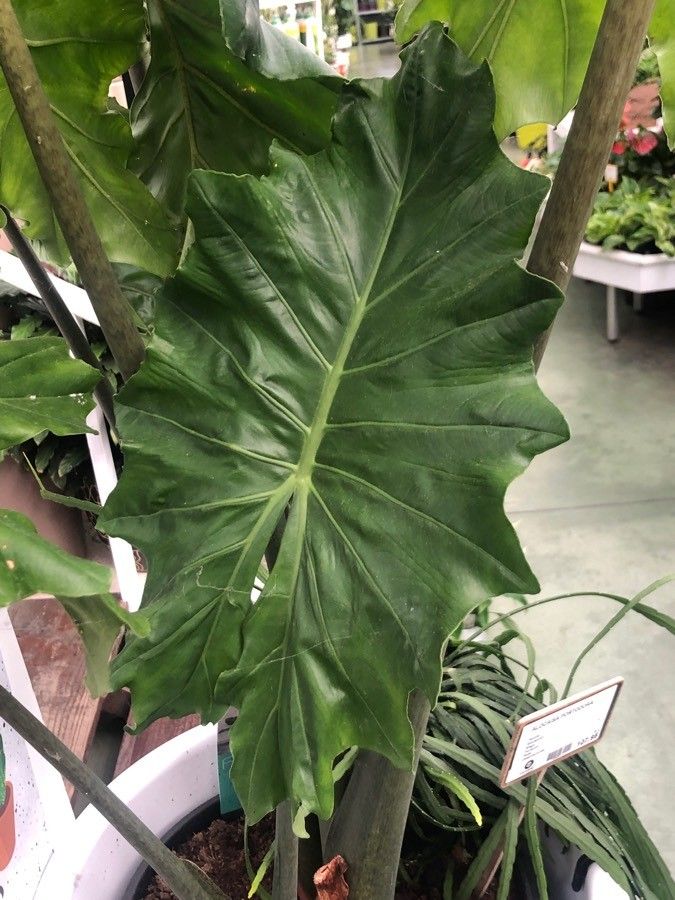
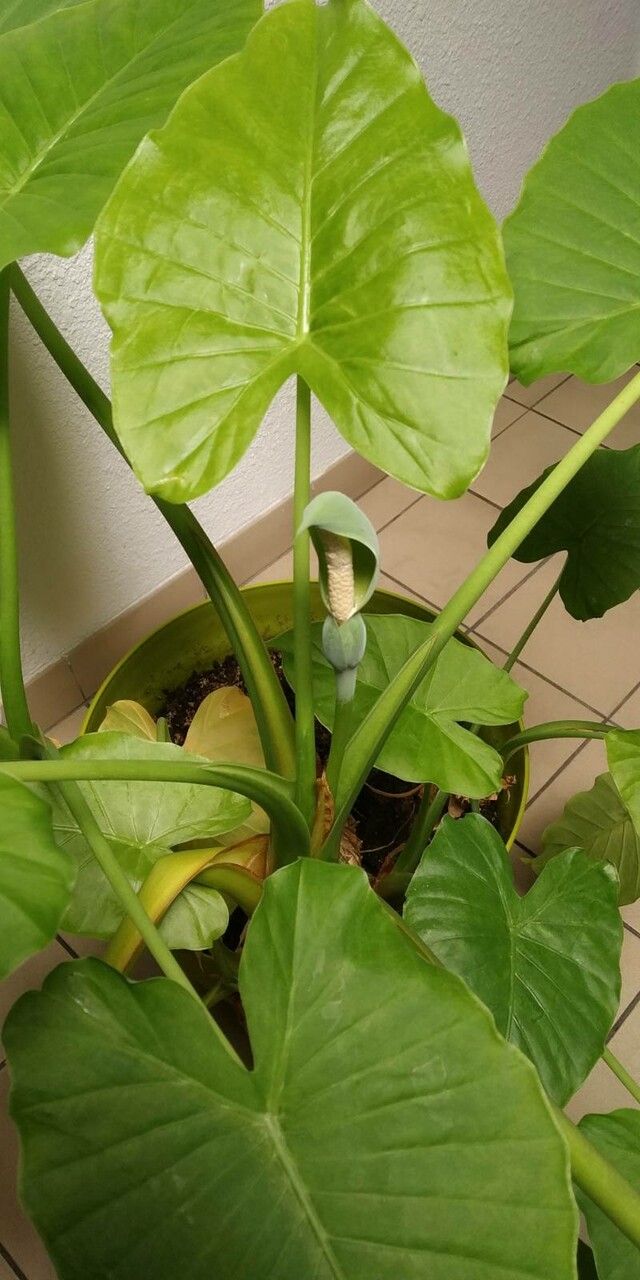
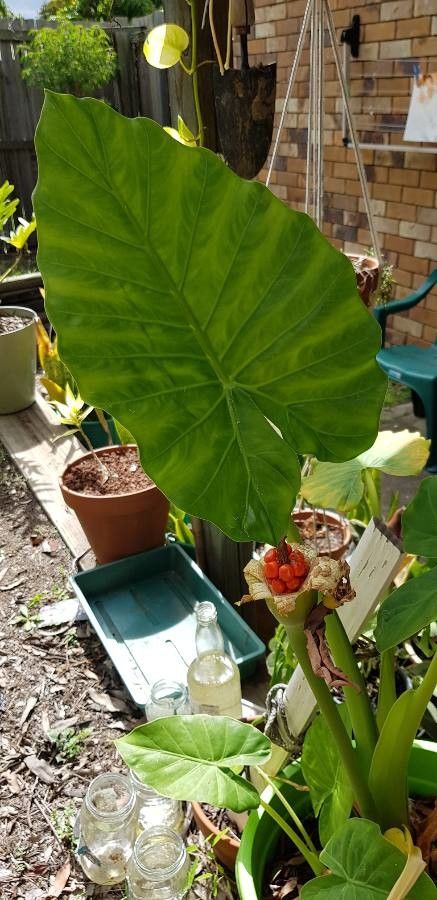
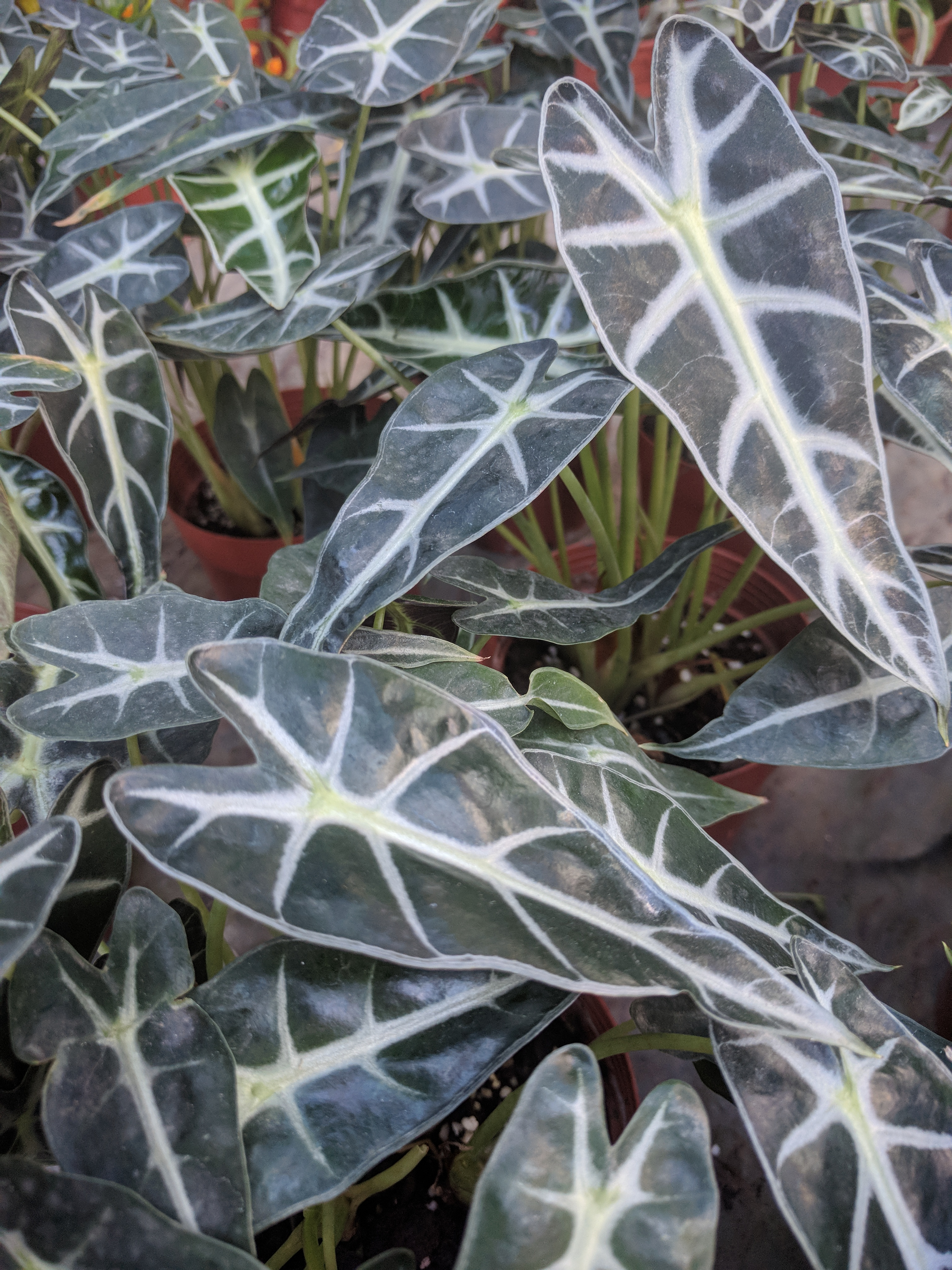
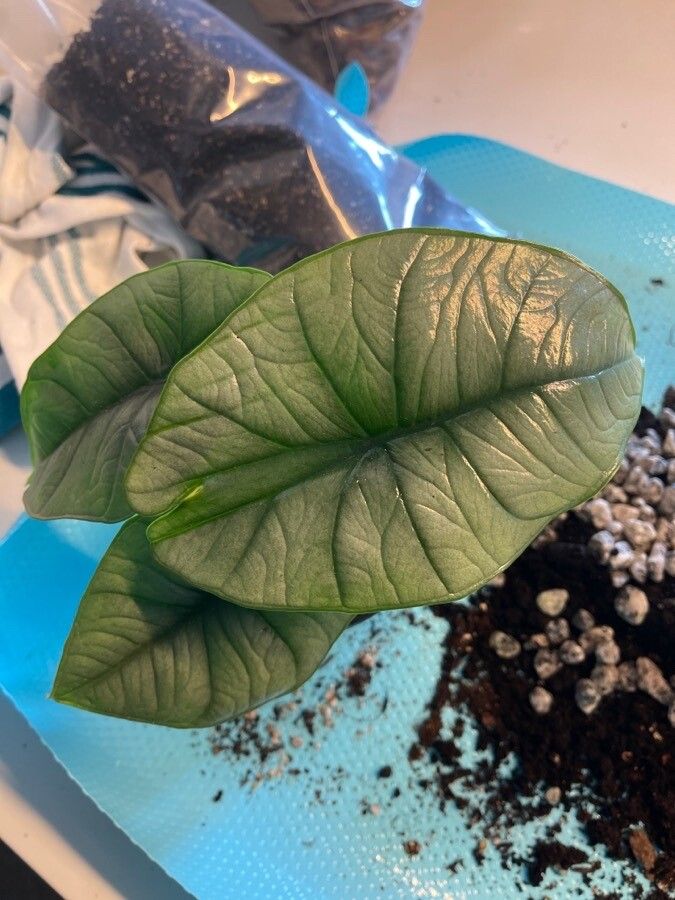
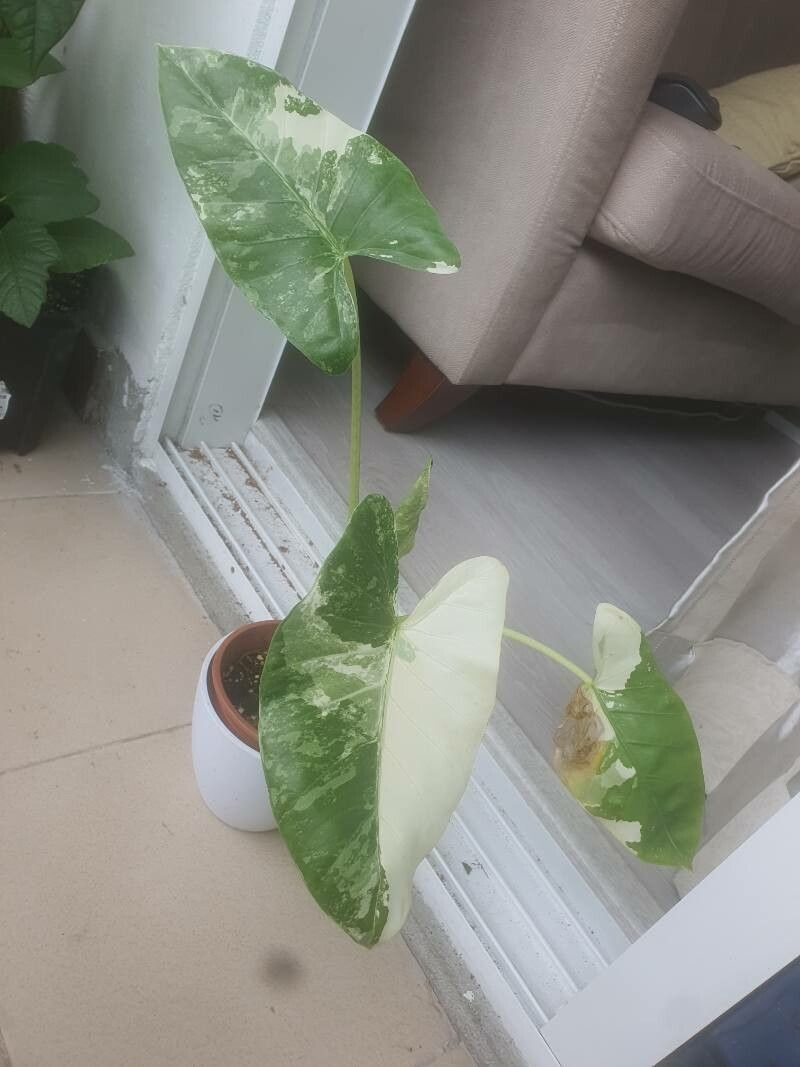
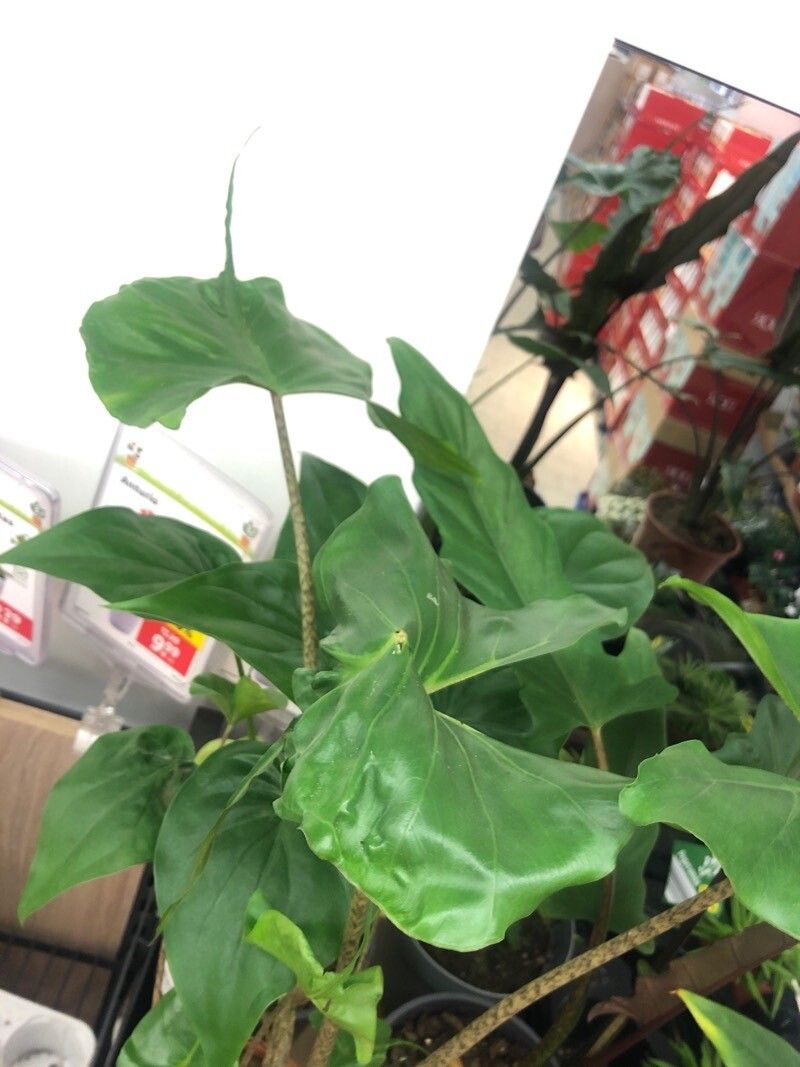
Alocasia odora is a tropical plant species belonging to the Araceae family. Native to Southeast Asia, it can grow up to 6 feet tall. The plant features large, glossy, heart-shaped leaves that can reach up to 2 feet in length and are supported by long petioles. The leaves are dark green with prominent veins and slightly wavy edges.
Alocasia odora thrives in warm, humid environments with bright, indirect light but can also tolerate partial shade. It needs well-draining soil that remains consistently moist but not waterlogged.
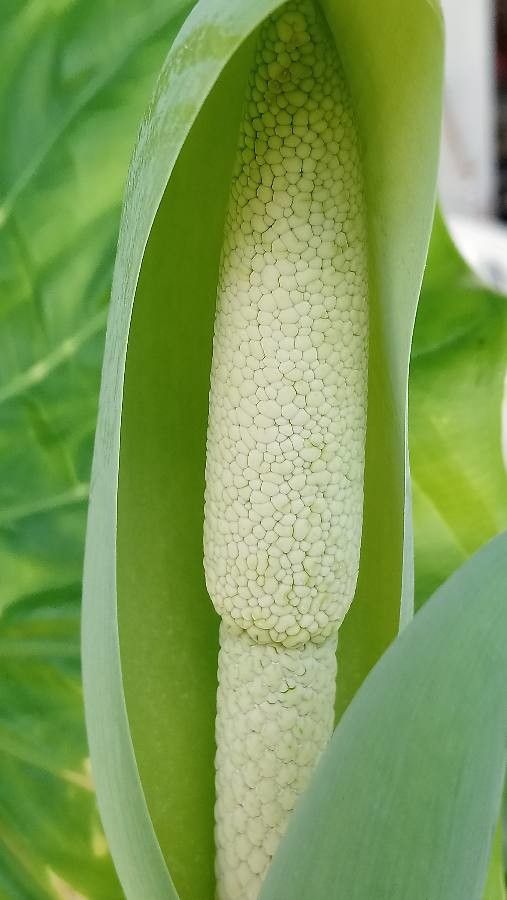
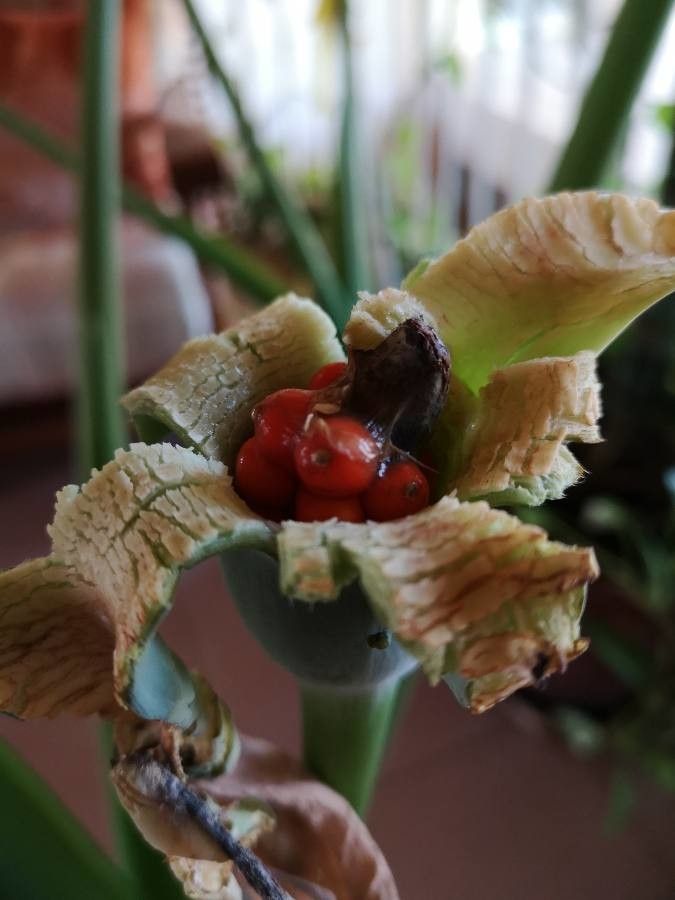
During the summer months, the plant produces small white flowers on a spadix, surrounded by a white or green spathe. However, it is primarily cultivated for its attractive foliage rather than its flowers.
In traditional medicine, Alocasia odora has been used for treating various ailments such as fever and inflammation, thanks to its anti-inflammatory properties.
Overall, Alocasia odora makes an excellent addition as an indoor or outdoor ornamental plant due to its striking foliage and easy care requirements.
The Night-Scented Lily is fairly disease-resistant and generally not vulnerable to illnesses. However, it can be affected by pests and diseases present in its environment. Such infections are typically mild. In terms of care, this plant needs moderate maintenance. Regular pruning is required to preserve a tidy appearance and healthy growth. Applying fertilizer can also help encourage flowering. The Night-Scented Lily is suitable for anyone with outdoor space, like a garden or patio, and does not demand extensive care experience. It may need more attention when grown indoors.
How to keep Alocasia Odora.
Light
The night-scented lily prefers moderate sunlight for healthy growth, though it can tolerate strong light. It originates from areas with mixed light and does best in similar conditions. Too much sun can stress the plant and cause leaf burn, while too little light can limit its growth.
Water
The Night-Scented Lily thrives in high humidity and moist soil, making it ideal for tropical rainforests. Once established, it is moderately drought-tolerant. To ensure the plant remains healthy as an evergreen indoor plant, water it twice a week and mist the leaves regularly to maintain their sheen and promote optimal growth.
Humidity
This plant will thrive in moderate humidity, which is probably the level in your home. However, misting it a few times a week can be very beneficial. Make sure the room has good ventilation.
Temperature
Night-Scented Lily originates from tropical areas and does best at temperatures between 68 and 95 °F (20 to 35 ℃). During colder seasons, keep it in a warm spot and avoid temperatures falling below 68 °F (20 ℃).
Fertilizer
Proper fertilization is essential for the Night-Scented Lily's health and appearance. Fertilize the Night-Scented Lily in summer, repeating the application monthly throughout summer. Nutrients fuel growth and help maintain the plant's structures. Fertilization improves the Night-Scented Lily's flower display, ensuring the best blooms.
Pruning
To promote the health and vibrancy of Night-Scented Lily, it's best to prune them in early spring. Start by removing any yellowing leaves and trimming back leggy stems to give the plant a bushier appearance. This process not only encourages growth but also helps prevent pests and diseases, ensuring the lilies remain a vibrant addition to your garden.
Pot & Repot
Repot the night-scented lily every spring, using a container that is one size larger and has good drainage. Keep the soil consistently moist and place the plant in bright, indirect light. Ensure it has plenty of space to grow to support its health and vitality.
Botanical profile.
- Plant Type
- Herb
- Life Cycle
- Perennial
- Genus
- Alocasia
- Family
- Araceae
- Hardiness Zone
- 10
- Mature Height
- 2.13 m
- Mature Spread
- 2.13 m
- Leaf Color
- Green
- Leaf Type
- Evergreen
- Flower Color
- White
- Flower Size
- 12.70 cm to 30.48 cm
- Bloom Time
- Mid summer, Late summer
- Planting Time
- Spring, Summer
- Harvest Time
- Mid summer, Late summer, Early fall
- Native Area
- India, Cambodia, Vietnam, Myanmar, Japan, Bangladesh, Laos, Thailand, China
Other names.
Reader questions.
How should I water my Night-Scented Lily to keep it healthy?
There are multiple ways to water your Night-Scented Lily. If you have it in a small pot indoors, you can bring it to the kitchen sink and water it using the faucet. Hold the pot in your hands and stop watering once the water starts running through the drainage holes. Avoid doing this during winter or in cold climates as it can damage the root system. Generally, using the faucet is fine, but if your tap water has high levels of fluorine, chlorine, or salts, consider using rainwater or lake water instead. Additionally, you can also water the Night-Scented Lily from above or directly into the soil using a watering can, hose, or any other tool you prefer.
Why should I add fertilizer to my Night-Scented Lily?
All plants, including the Night-Scented Lily, need soil nutrients for their growth. However, it's not always guaranteed that the soil in which your plants grow will have all the required nutrients. To address this, fertilization and soil amendments help ensure that your garden plants not only have the basic nutrients they need but also the specific nutrients they require. For the Night-Scented Lily, fertilization is necessary to support healthy root and stem development throughout the growing season. It also helps the plant produce beautiful leaves, which are particularly important since the foliage is its main ornamental feature.
What are the sunlight requirements for Night-Scented Lily?
The Night-Scented Lily requires moderate sun exposure to flourish, thriving best in conditions that mimic its natural habitat with a blend of light. Partial sun, about 3-6 hours of sunlight, is necessary for its health, but it can also handle full sun, which is above 6 hours of sunlight, in cooler weather. Excessive exposure to sunlight can lead to leaf burn, while inadequate light can hinder its growth. Observing the movement of sunlight through your garden and choosing spots with a balance of light and shade can ensure the plant's well-being.
What is the native climate of the Night-Scented Lily?
The Night-Scented Lily is native to tropical regions and thrives in temperatures ranging from 68 to 95 °F (20 to 35 °C). It is extremely heat-loving and can be harmed by cold temperatures. During cooler seasons, it is important to keep the plant in a warm location and avoid exposing it to temperatures below 68 °F (20 °C). In the autumn, if grown outdoors, it is advisable to bring the Night-Scented Lily indoors and place it near a bright window, while ensuring it is not too close to heaters to maintain optimal growth temperatures above a certain minimum while avoiding the detrimental effects of temperatures approaching a lower limit.
What should I do if I give too much or too little water to my Night-Scented Lily?
To fix underwatering for your Night-Scented Lily, start by giving it a good watering until excess water drains out of the container or the soil is thoroughly moist. If you notice the plant is getting too much water, adjust your watering schedule accordingly. Additionally, evaluate the soil and container conditions as they may hinder proper drainage. If needed, transplant the plant into looser soil or a container with better drainage. Also, consider the location of the plant and try moving it to a well-ventilated spot, like near a window or door, to reduce the chances of overwatering.
When should I fertilize my Night-Scented Lily for the best results?
The Night-Scented Lily requires the most fertilizer during its active growing seasons, which are generally spring, summer, and early fall. Once winter is over, you should feed it every two to four weeks until the fall months. As fall approaches, you can gradually decrease the amount of fertilizer you give until you eventually stop feeding it altogether in preparation for the winter, when the Night-Scented Lily's growth slows down significantly.
How can artificial lighting be used for Night-Scented Lily indoors?
When natural sunlight is not sufficient, especially during winter or in areas of a home that don't receive enough sunlight, artificial lighting can provide an excellent solution for the Night-Scented Lily's growth. Using artificial lights, like LED, which can mimic the specific wavelengths needed by the plant, helps in promoting healthier growth. The intensity of light for full sun plants should be 30-50W/sq ft, for partial sun plants 20-30W/sq ft, and for full shade plants 10-20W/sq ft. The light source should be placed 12-36 inches above the plant to mimic natural sunlight effectively, and the duration should replicate natural daylight hours, generally 8-12 hours per day.
How does the Night-Scented Lily react to low temperatures?
The Night-Scented Lily prefers warm environments and is not tolerant of low temperatures, requiring conditions to remain above a specified warm threshold. With the onset of winter, it's crucial to keep it at temperatures above a minimum tolerable limit. Exposure to temperatures below this limit can cause the leaves to lighten in color, and following frost damage, leaves can turn brown or black with symptoms such as wilting and drooping manifesting. To mitigate frost damage, the affected parts should be trimmed off, and the plant should be moved indoors to a warmer setting. For optimal recovery, placing the plant near a south-facing window for ample sunlight is recommended, while also avoiding placement near heaters or air conditioning vents to prevent air dryness.
How frequently do I need to water my Night-Scented Lily?
The Night-Scented Lily does not need consistent soil moisture. It's better to let the soil dry between waterings. If you grow it in a container, you can tell when to water by checking how dry the soil is. If about half of the soil is dry, it's time to water. You can check by sticking your fingers or a moisture meter into the soil. If you grow the Night-Scented Lily outdoors, you can plan to water it about once every other week, unless it has rained recently.
When is the best time to not fertilize my Night-Scented Lily?
For most of the year, including spring, summer, and fall, it's important to regularly feed your Night-Scented Lily. The only exceptions are if you notice that it has received too much fertilizer or if you have fertilized it incorrectly, in which case you'll need to fix the issue before resuming the regular feeding schedule. During winter, you should not fertilize the Night-Scented Lily, especially if it's being grown indoors in a cold climate. This is because the plant enters a dormant phase during winter, and feeding it during this time can be detrimental, potentially causing fertilizer burn.
What symptoms indicate poor light conditions for Night-Scented Lily?
Symptoms of inadequate light for Night-Scented Lily include smaller new leaves, leggy or sparse growth, faster leaf drop, slower or no new growth, lighter-colored new leaves, and the development of chlorosis, where leaves lose their green color and turn yellow. Sun-related issues can manifest as sunscald, leaf curling, wilting, and leaf scorching, indicating either too much direct exposure or insufficient light. These symptoms highlight the plant's struggle with either adjusting to too much direct sunlight or surviving in low light conditions.
What should be done if the Night-Scented Lily is exposed to high temperatures?
During the summer, it is important to ensure that the Night-Scented Lily's environment does not exceed a certain maximum temperature. Exceeding this temperature can lead to the plant's leaves lightening in color and becoming more prone to sunburn. To address sunburn, sunburned and dried parts of the plant should be trimmed away. The plant should also be relocated to a spot that is protected from the midday and afternoon sun. To aid in moisture retention, watering the plant in the morning and evening is beneficial.