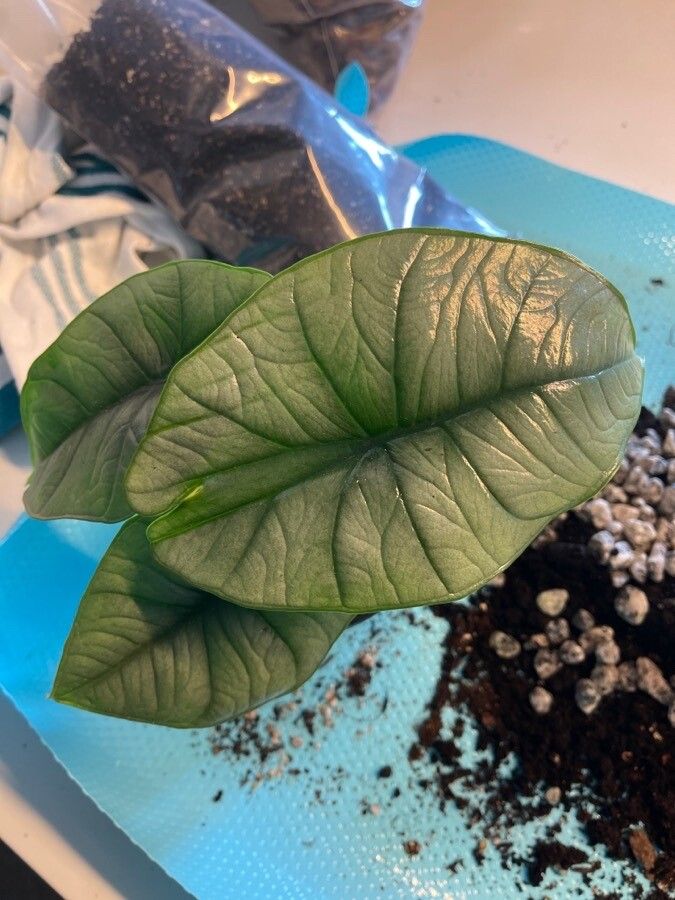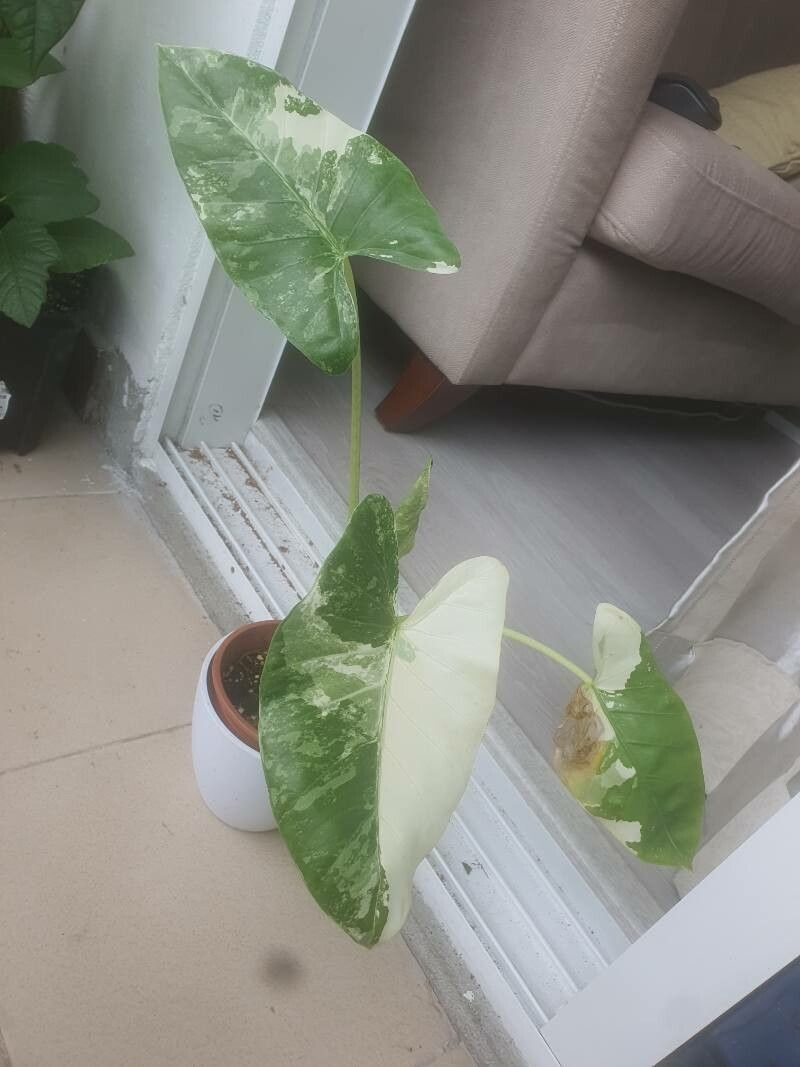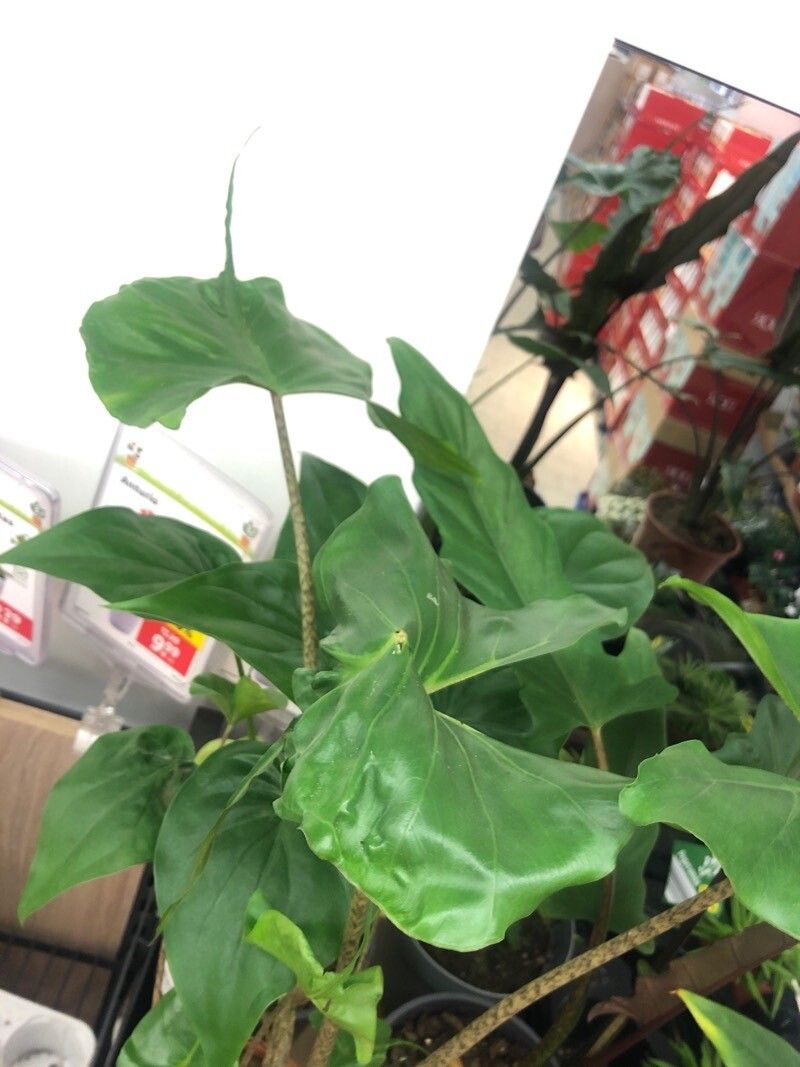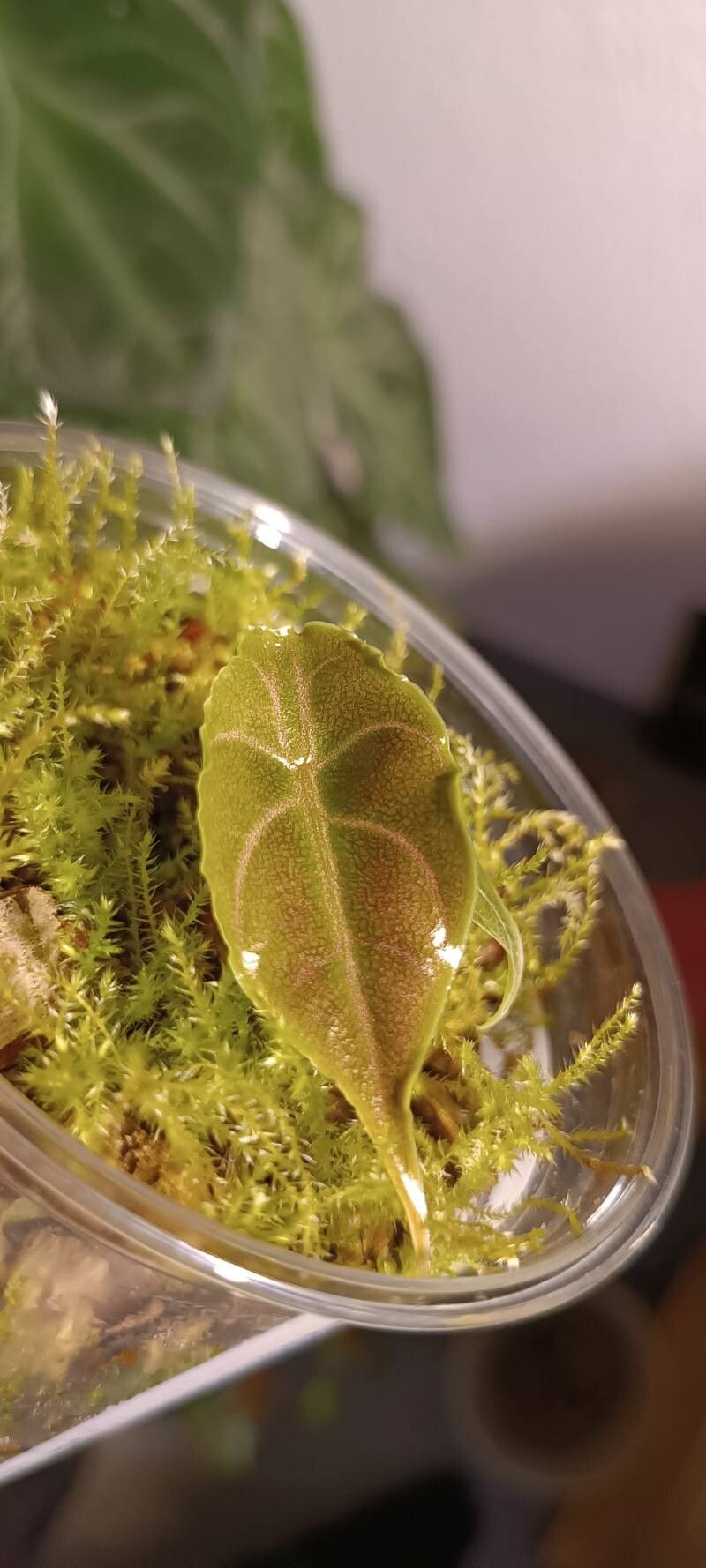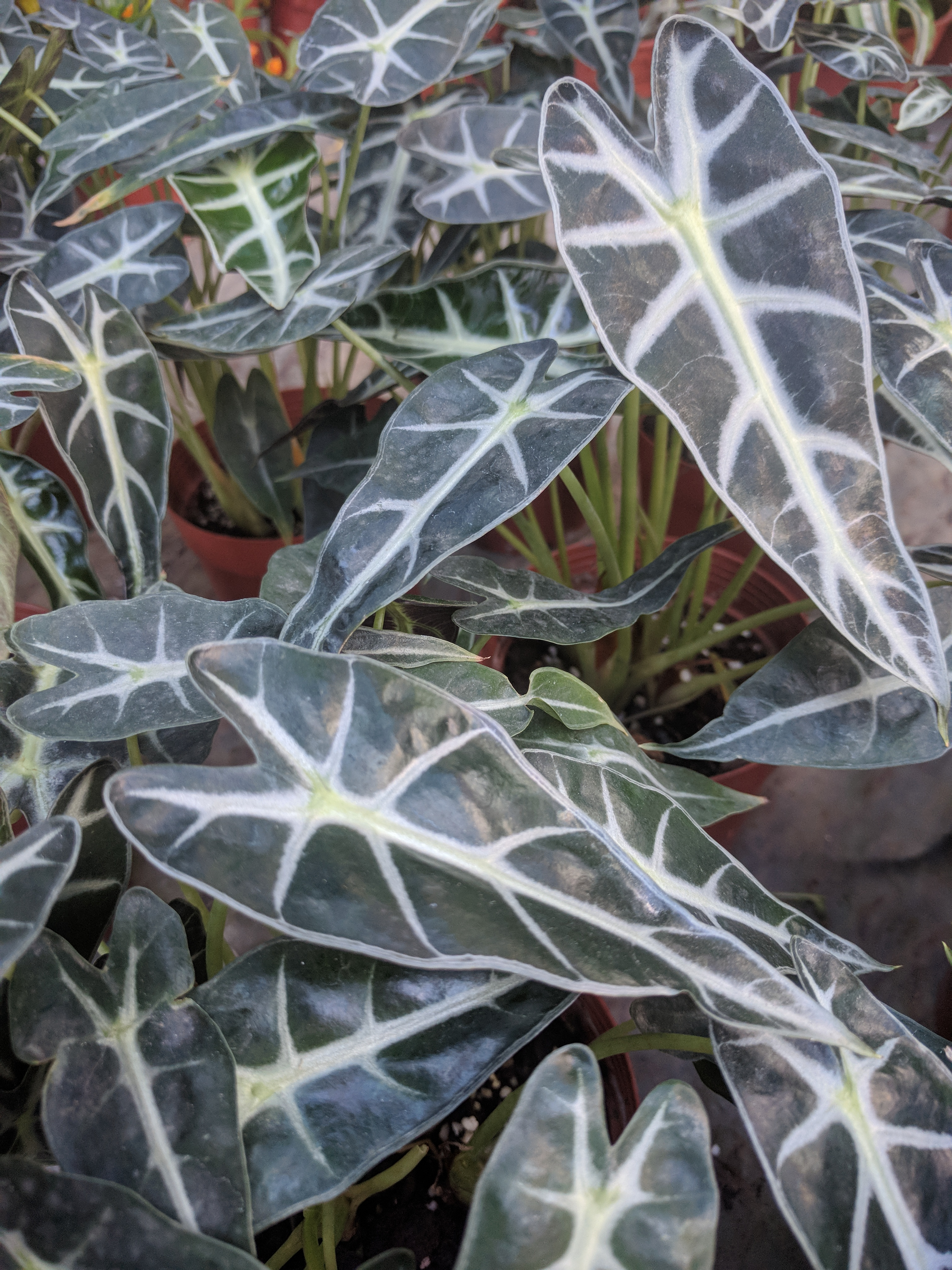
The genus Alocasia consists of more than 79 perennial flowering plant species. These natives of the Asian and Australian rainforests call them by the names: • The ‘African Masks’ • The ‘Elephant-ear plants. These names suggest the specific leaf shape. The prominent features of the assortment fuse wide leafed foliage and rhizomatous underground root development. Incalculable new and unique plants are made by wide hybridization and improvement. The height of a totally mature plant ranges between 70 to 90 cm. The plant grows as a naturally shrubby plant. The length of an accomplished leaf is around 45 cm with a width of 25 cm. Every heart-framed leaf becomes on an erect to erector-spreading petiole with a lamina joined at a dropping point.
How to keep Alocasia Nebula.
Water
Keep Alocasia plants wet the whole year; they are water-loving plants. There is a scarcely conspicuous contrast with these plants. You want to keep the soil damp, yet all the equivalent not light. They require less water all through the chilly climate months considering the way that the plant is slow.
Temperature
Elephant ear plants will persevere under 60 degrees Fahrenheit. They will die back during colder seasons but then again sprout from the rhizome. They require, and thrive in, incredibly damp circumstances. To raise the moistness around your plant, put it on a plate stacked up with stones and thereafter add water until it rises to just underneath the lower part of the pot. Get them a long way from cold drafts from windows, entrances, and cooling.
Fertilizer
Alocasias can be significant feeders, especially the gigantic varieties. Feed with liquid fertilizer at least a couple of times each month; a 20-20-20 arrangement is proposed during the creating season.
Pruning
Pruning your Alocasia is just comparably basic as scaling back its obscured leaves. It is average for leaves to shrivel and pass on as new leaves appear.
Toxicity
If you have children or pets, it's best to avoid growing these plants as their leaves can be potentially toxic. You may experience general discomfort, stomach upset, vomiting, and other varying symptoms upon ingestion.
Further reading →
The toxicity and danger assessments provided are for reference only. We do not assure their accuracy, so it's crucial not to depend on them. Seek professional advice when necessary for accurate guidance.
Botanical profile.
- Plant Type
- Tropical plant
- Hardiness Zone
- 10 and 11 for outdoor plants
- Bloom Time
- Spring and summer growth
- Native Area
- Asia