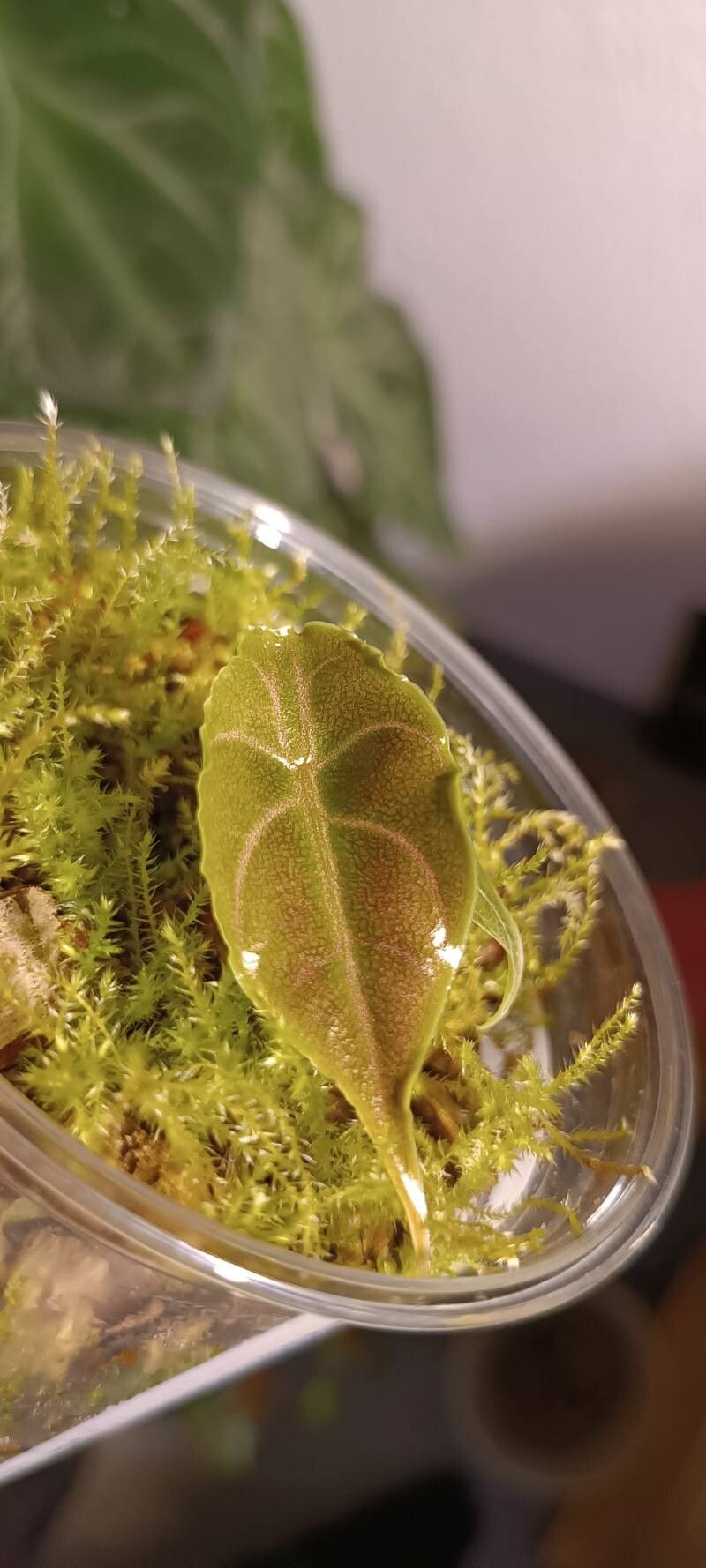
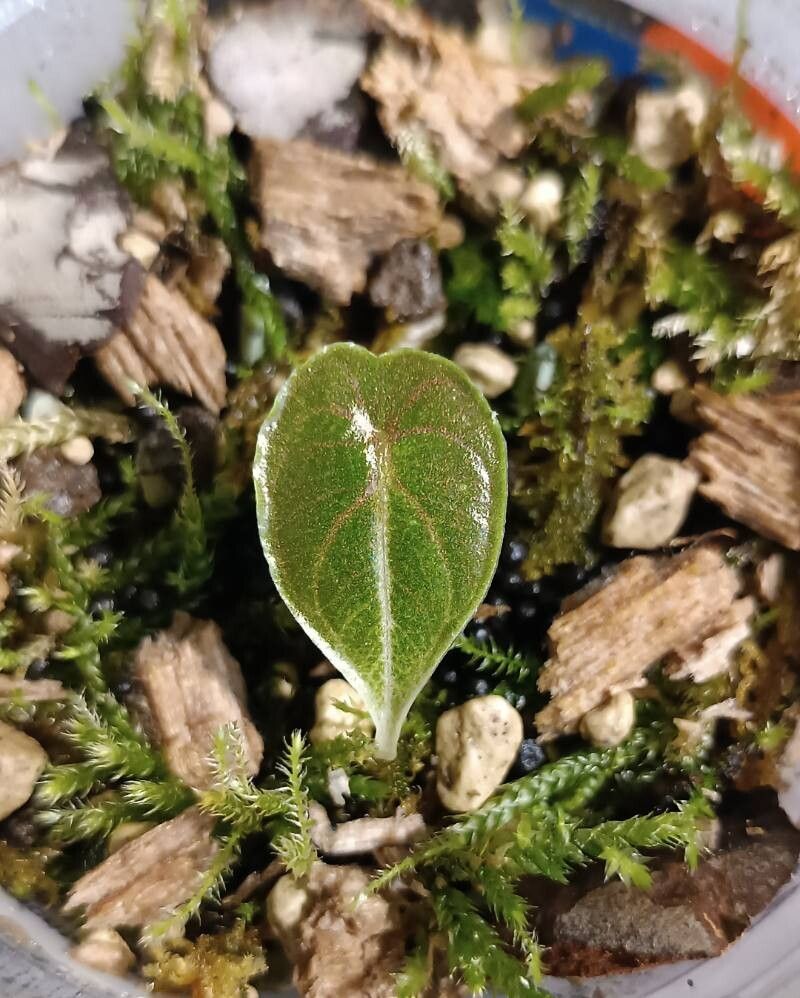
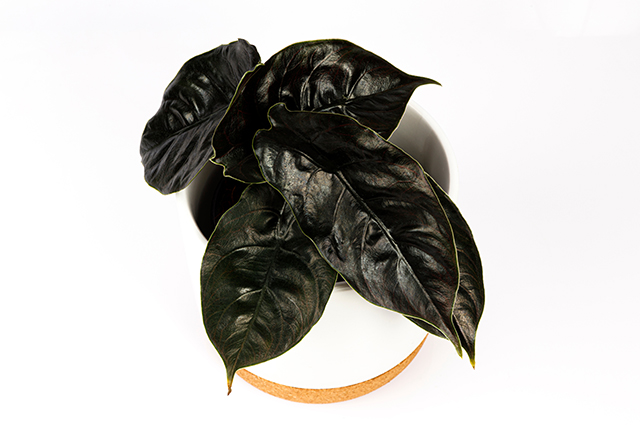
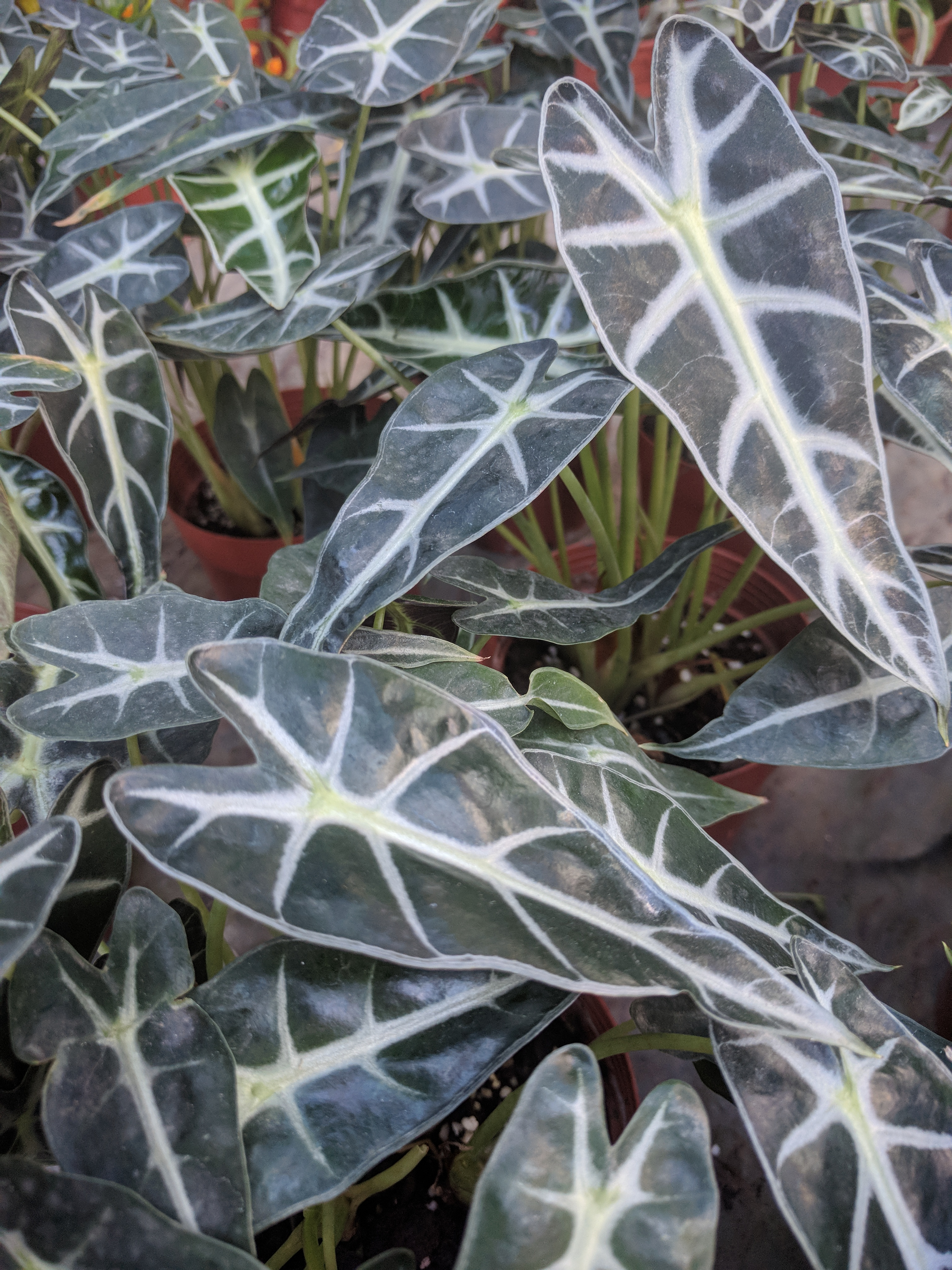
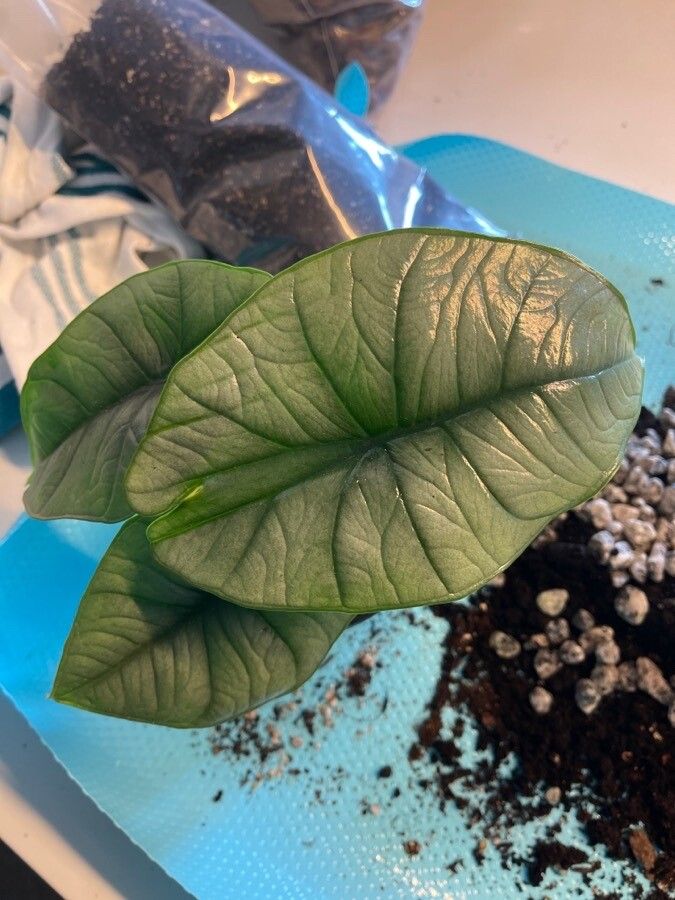
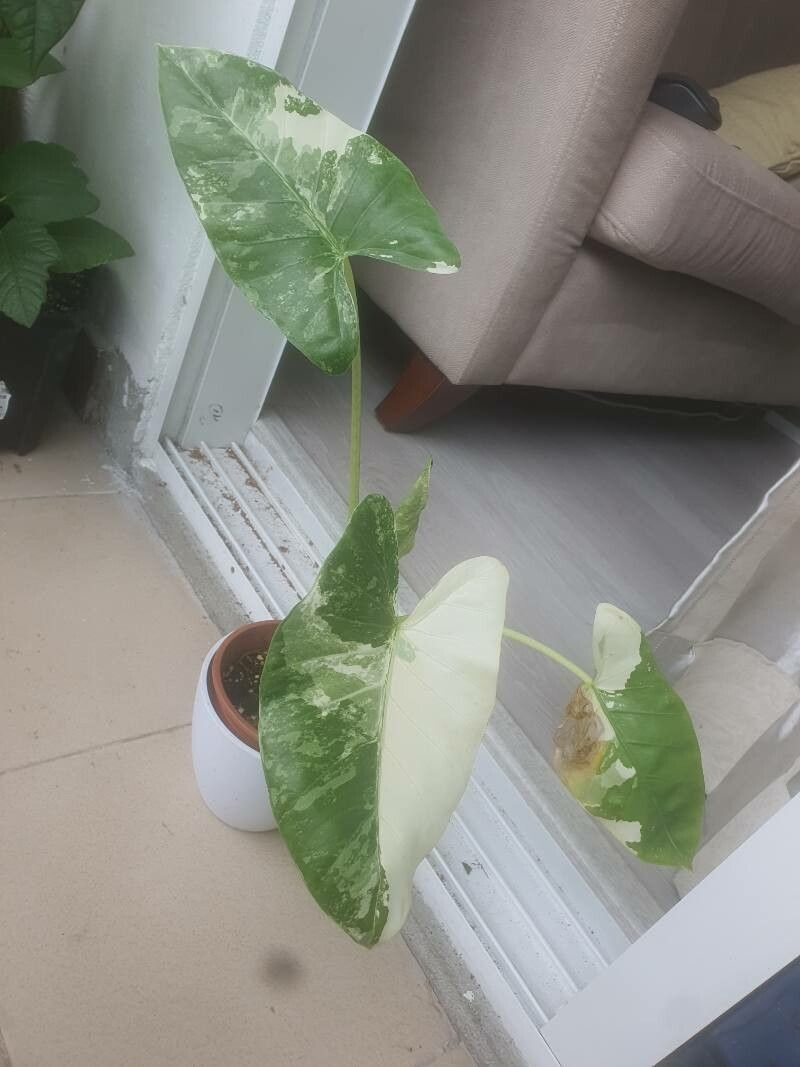
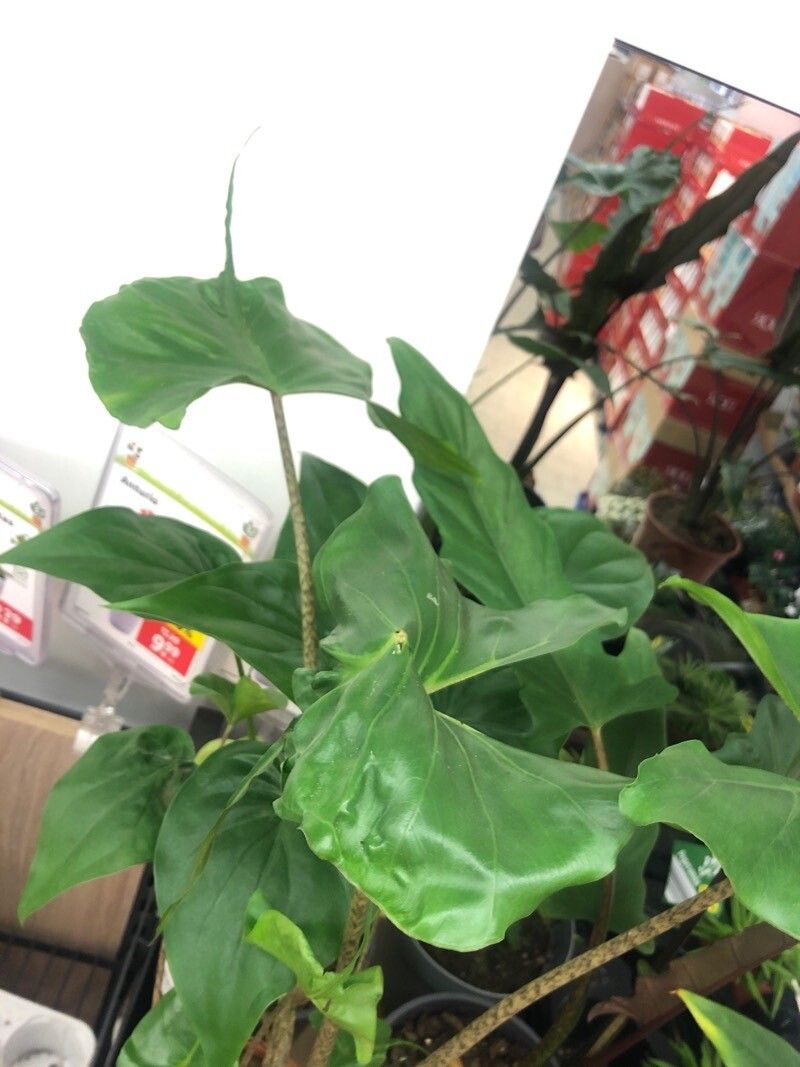
Alocasia are members of the Araceae family and are mainly found in Eastern and subtropical Asia. They are a flowering plant, but their distinctive leaves are what makes them stand out. Because of the way the plant's leaves are shaped, it was given the popular name "elephant ears." There are 97 native species in Alocasia, and many more hybrids are being grown. Alocasia is grown from bulbs, and the nutrients and water that the plant needs to produce new growth are stored by the bulb. The ability of Alocasia to reproduce depends heavily on these bulbs.
Jewel alocasia is generally resistant to disease and usually not prone to illnesses. However, it can be vulnerable to leaf spots if light and ventilation are poor and if it is overwatered. The plant's care level is considered easy, as it only needs regular watering and little else. Jewel alocasia is suitable for people who don't have the time or energy to devote to regular care.
How to keep Alocasia Azlanii.
Light
Jewel alocasia originates from habitats like forest understories or rocky sites, where it grows in natural shade. It prefers partial sun but can tolerate full sun or full shade, reflecting its versatile and hardy nature.
Water
During the growing season, jewel alocasia requires plenty of water. For outdoor plants, adjust your watering schedule based on the weather conditions. For potted plants, it's best to mist them daily and water them when the soil surface starts to feel slightly dry. In winter, reduce watering to once a week to prevent root rot.
Temperature
Jewel alocasia is native to areas where temperatures are usually between 59 and 100 °F (15 to 38 ℃). This shows it prefers warm conditions. During colder months, make sure the surroundings do not fall below that range. Adjust as needed.
Fertilizer
Proper fertilization is vital for a Jewel alocasia's health and appearance. Fertilize the Jewel alocasia during summer, repeating the treatment every month throughout the season. Nutrients drive growth and help maintain the plant's parts. Fertilizing improves the Jewel alocasia's flower display, ensuring the best blooms.
Pruning
To care for your jewel alocasia, regularly remove any dry, damaged, or yellow leaves by cutting them at the base with a serrated knife. This helps direct nutrients to the healthy parts of the plant. If you notice any signs of pests or diseases, promptly prune the affected leaves to prevent further problems.
Pot & Repot
Repot Jewel alocasia in spring or summer once it's warm enough, choosing a pot slightly larger with adequate drainage. After repotting, water thoroughly and place the plant where it will receive bright, indirect light. Consider installing a moss pole to support the plant as it grows.
Toxicity
Dogs and cats cannot eat the calcium oxalate crystals found in elephant ears. In the event that your dog decides to nibble on this vegetation, the act of chewing or biting produces crystals that enter his tissues and cause symptoms including drooling, face-pawing, foaming at the mouth, and vomiting.
Further reading →
The toxicity and danger assessments provided are for reference only. We do not assure their accuracy, so it's crucial not to depend on them. Seek professional advice when necessary for accurate guidance.
Botanical profile.
- Plant Type
- Herb
- Life Cycle
- Perennial
- Genus
- Alocasia
- Family
- Araceae
- Hardiness Zone
- 7-11
- Mature Height
- 60 cm
- Mature Spread
- 40 cm to 61 cm
- Leaf Color
- Purple, Green
- Leaf Type
- Evergreen
- Flower Color
- White
- Flower Size
- 5.08 cm to 7.62 cm
- Bloom Time
- Summer, Early fall
- Planting Time
- Spring, Summer
- Harvest Time
- Late summer, Fall
- Native Area
- Brunei